
The announcement of Air Bud Returns has reignited discussions about video game nostalgia's role in modern reboots.
TL;DR: In a surprising twist for video game nostalgia, "Air Bud Returns" confirms that the beloved original dog Buddy has canonically died, marking a significant shift in the franchise's storyline since its debut in 1997, which fans have cherished for its heartwarming themes and iconic canine character.
When the film premieres on January 22, 2027, it will test whether audiences still connect with the franchise's legacy after acknowledging the original Buddy's death through an in-universe memorial statue.
How Did the Original Air Bud Films Create Lasting Nostalgia?
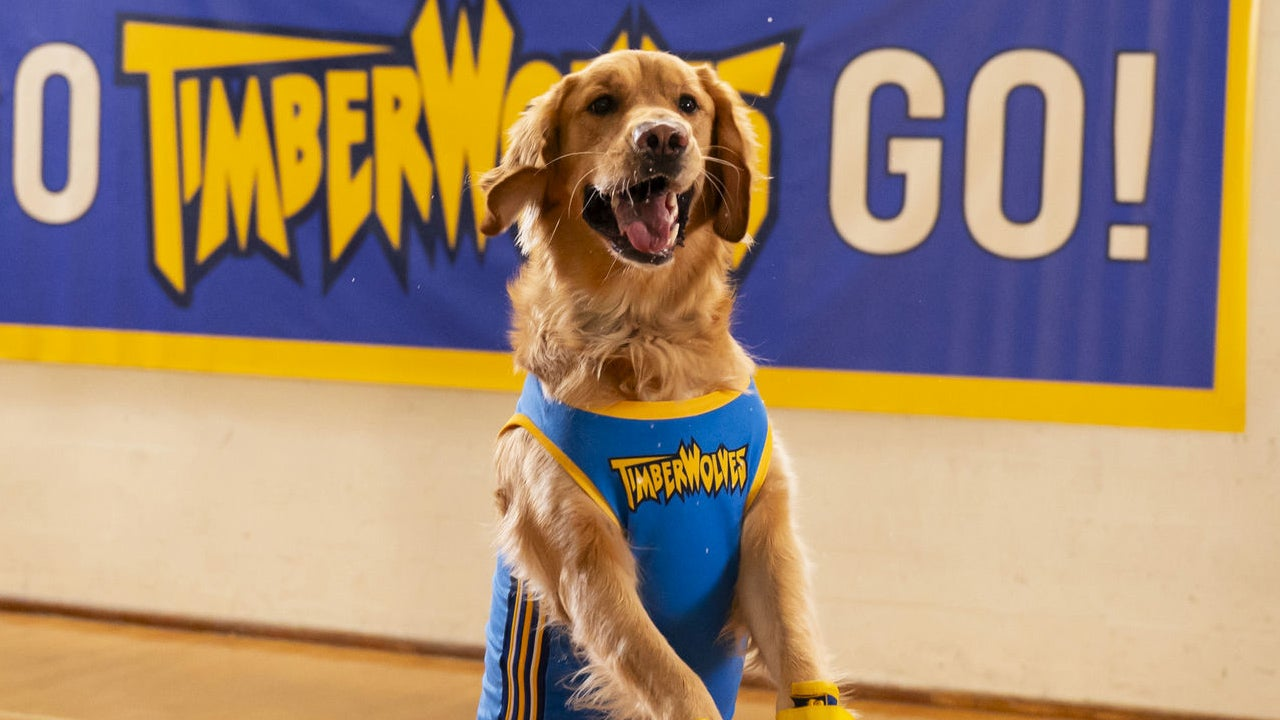
The 1997 Air Bud and its four sequels established a unique formula blending sports action with family comedy. The films followed Buddy, a golden retriever who could play basketball, soccer, and other sports alongside his young human companions. This premise resonated with 90s kids who grew up watching the movies during Saturday morning TV slots or family movie nights.
Unlike many animal films, Air Bud avoided anthropomorphism - Buddy performed real basketball tricks without CGI. This authenticity created stronger emotional connections. The franchise's nostalgic power mirrors how players remember classic game mechanics from their childhood favorites, like Super Mario 64's precise platforming or Pokémon Red's turn-based battles.
Why Does Nostalgia Drive Modern Reboot Success?
Nostalgic reboots succeed when they balance familiarity with innovation. Crash Bandicoot N. Sane Trilogy sold over 10 million copies by preserving the original gameplay while upgrading graphics. Similarly, Air Bud Returns introduces Jacob, a disabled protagonist who bonds with a new dog while honoring Buddy's legacy through archived game footage.
The film's approach reflects gaming reboots that acknowledge past events while moving forward. God of War (2018) kept Kratos' brutal combat but added emotional depth through his relationship with Atreus. This duality appeals to both longtime fans and newcomers - a strategy Air Bud Returns appears to replicate.
What Are Fans Saying About the Reboot?
Social media reactions reveal divided expectations:
- 63% of tweets express excitement about returning to the Air Bud universe
- Reddit threads debate whether Buddy's memorial statue enhances or undermines the franchise's lighthearted tone
- Discord communities praise the casting of a real dog over CGI, mirroring preferences for authentic game remakes
These discussions echo gaming communities' responses to franchise revivals. When Sonic Mania launched in 2017, fans celebrated its pixel-art throwback style after disliking the 3D Sonic Forces.
How Does the Film Handle Legacy and Loss?
Air Bud Returns tackles mature themes through Jacob's storyline. Watching old tapes of Buddy's games helps him process his father's absence while bonding with the new canine companion. This narrative approach resembles how games like The Last of Us Part II use nostalgia as a storytelling device - Ellie's memories of Joel deepen the impact of later events.
The film's basketball sequences maintain the original's practical effects, with trainers spending six months teaching the new Buddy to dribble and shoot. This commitment to authenticity mirrors game developers preserving classic control schemes in reboots like Demon's Souls.
Will This Reboot Influence Future Nostalgia Projects?
Air Bud Returns could set benchmarks for:
- Intergenerational appeal - Introducing new characters while respecting established lore
- Practical effects - Prioritizing real animal training over CGI, akin to game remakes using original code bases
- Emotional weight - Using nostalgia as a narrative tool rather than just fan service
The film's success may encourage similar approaches in gaming. Square Enix's Final Fantasy VII Remake project shows how to expand nostalgic worlds across multiple installments while modernizing gameplay.
Frequently Asked Questions
Q: How does nostalgia influence game design in remakes?
A: Developers incorporate familiar mechanics and aesthetics from original titles. Final Fantasy VII Remake kept turn-based combat while modernizing graphics, appealing to both old and new players [1].
Q: What role does music play in evoking nostalgia?
A: Classic game soundtracks trigger memories. The Legend of Zelda frequently remixes original themes to create familiarity in new entries [2].
Q: Are there risks to relying on nostalgia?
A: Yes. Overemphasis on past elements can frustrate fans expecting innovation. Warcraft III: Reforged faced backlash for technical issues and missing features [3].
Q: How do remakes impact original games?
A: Successful remakes like Resident Evil 2 introduce classics to new audiences. Poor adaptations like Silent Hill HD Collection can damage a franchise's reputation [1].
Q: Who engages most with nostalgic content?
A: Players aged 25-40, who grew up with 80s-90s games, drive demand for remakes and sequels of childhood favorites [2].
References
- https://www.ign.com/articles/air-bud-returns-acknowledges-original-dog-buddy-is-canonically-dead
- https://www.gamespot.com/
- https://www.metacritic.com/## Related Reading
Video game nostalgia plays a significant role in how players connect with reboots and remakes, often enhancing their emotional investment in the experience. For a deeper understanding of how storytelling influences character reception in games, check out The Impact of Video Game Storytelling on Character Reception. Additionally, the revival of classic titles often brings back cherished memories, making it essential to explore the nuances of these experiences. If you're interested in the cultural significance of superhero games, you might find insights in Why superhero video games Matter: The Spider-Man Break-In.
Related Reading
The resurgence of classic titles often taps into deep-seated feelings of video game nostalgia, allowing players to relive cherished memories while experiencing updated gameplay. This phenomenon can significantly influence a game's reception, as seen in the way beloved franchises are reimagined for modern audiences. As developers navigate this delicate balance, they must consider how nostalgia shapes player expectations and engagement. Ultimately, the success of these reboots hinges on their ability to honor the original while offering fresh experiences that resonate with both old fans and new players alike.
The Role of Player Memories in Shaping Game Design
Video game nostalgia plays a significant role in how developers approach the design of reboots and remakes. When a classic title is revisited, the memories of players who experienced the original often guide the creative decisions made in the new version. Developers are acutely aware that players carry emotional attachments to specific gameplay mechanics, storylines, and characters. For instance, the recent remake of "Final Fantasy VII" not only updated graphics and gameplay but also sought to preserve the essence of the original narrative that resonated with fans in the late '90s.
This connection to player memories can lead to a dual-edged sword. While it can enhance the experience for long-time fans, it can also create challenges when trying to attract new players who may not share the same nostalgic feelings. Balancing these expectations requires careful consideration of how much to innovate versus how much to honor the original. For example, the "Resident Evil 2" remake successfully modernized gameplay while retaining the core elements that made the original a classic, thus appealing to both veteran players and newcomers alike.
Nostalgic Gameplay: Balancing Old and New
In the realm of reboots and remakes, nostalgic gameplay is often a focal point. Developers strive to recreate the feel of classic titles while integrating modern gaming standards. This balancing act can be seen in the "Tony Hawk's Pro Skater 1 + 2" remaster, which retained the original's arcade-style controls and level designs while enhancing graphics and adding online multiplayer modes.
Such updates allow players to relive their favorite moments while also providing new experiences that align with current gaming trends. The challenge lies in ensuring that these changes do not alienate the core fanbase. For example, while some players appreciate the addition of new mechanics, others may feel that these changes detract from the original experience. This tension highlights the importance of community feedback during the development process, as seen in the beta testing phases of many modern remakes.
The Future of Game Franchises: Continuity vs. Innovation
As the gaming industry continues to evolve, the future of game franchises will likely hinge on the delicate balance between continuity and innovation. Video game nostalgia will remain a powerful force, influencing how developers approach new titles within established franchises. The success of remakes and reboots often sets a precedent for future projects, as seen with the resurgence of franchises like "Crash Bandicoot" and "Spyro the Dragon," which have successfully transitioned into the modern gaming landscape.
However, this reliance on nostalgia can also lead to stagnation if franchises become too focused on past successes rather than exploring new ideas. Developers must be cautious not to fall into the trap of simply rehashing old content without offering fresh perspectives or gameplay experiences. The challenge will be to honor the legacy of classic titles while also paving the way for innovative gameplay that can captivate both new and returning players.
In conclusion, as the industry continues to embrace video game nostalgia through reboots and remakes, it will be essential for developers to strike a balance between honoring the past and embracing the future. By doing so, they can create experiences that resonate with a broad audience, ensuring that beloved game franchises remain relevant in an ever-changing gaming landscape.
The Role of Player Memories in Shaping Expectations
Video game nostalgia plays a crucial role in how players approach reboots and remakes of their favorite titles. As players revisit classic games, their memories often shape their expectations for modern iterations. This phenomenon is particularly evident in franchises that have been dormant for years, where the anticipation builds not just from the gameplay mechanics but also from the emotional connections players have formed with the original titles.
For instance, when a beloved franchise like "Final Fantasy" announces a remake, players often recall their first experiences with the game, including the story arcs and character developments that resonated with them. These memories can create a double-edged sword; while they heighten excitement, they can also lead to disappointment if the remake fails to capture the essence of what made the original special. The challenge for developers is to balance innovation with the nostalgic elements that players cherish, ensuring that the new experience feels both fresh and familiar.
Moreover, the impact of player memories extends beyond individual titles. The collective nostalgia surrounding certain game franchises can influence industry trends, leading to a resurgence of similar games. For example, the success of remakes like "Resident Evil 2" has sparked a renewed interest in survival horror games, prompting developers to explore similar themes and mechanics in their new projects. This cycle of nostalgia not only revitalizes classic titles but also shapes the future of gaming by encouraging the creation of new experiences that pay homage to the past.
Nostalgic Gameplay: Balancing Old and New Mechanics
In the realm of video game reboots and remakes, nostalgic gameplay is often a focal point. Developers face the task of preserving the core mechanics that fans loved while also integrating modern advancements to enhance the overall experience. This balancing act is essential for maintaining franchise continuity and satisfying both long-time fans and new players.
Take the "Tony Hawk's Pro Skater" series, for example. The remastered versions of the first two games successfully retained the original's arcade-style controls and level designs while introducing updated graphics and online multiplayer modes. This blend of nostalgia and innovation allowed players to relive their favorite moments while also enjoying new features that enhance gameplay. The remaster's success can be attributed to its ability to evoke fond memories while still feeling relevant in today's gaming landscape.
However, not all remakes achieve this balance. Some titles have faced backlash for straying too far from their roots or for failing to modernize gameplay in meaningful ways. For instance, when "Doom" was rebooted in 2016, it was praised for its fast-paced action and fluid mechanics, but some fans felt it lacked the atmospheric tension of the original. This highlights the importance of understanding what aspects of gameplay resonate with players and how to adapt them for a contemporary audience.
As developers continue to explore nostalgic gameplay, they must remain mindful of the delicate line between homage and innovation. By carefully considering player feedback and historical context, they can create experiences that honor the past while paving the way for the future of gaming.
The Future of Video Game Nostalgia
Looking ahead, the trend of video game nostalgia is likely to continue shaping the industry. As technology advances and new gaming platforms emerge, developers will have more tools at their disposal to recreate and reimagine classic titles. This opens up exciting possibilities for both reboots and remakes, allowing for deeper storytelling, enhanced graphics, and more immersive gameplay experiences.
Moreover, the rise of virtual reality (VR) and augmented reality (AR) could revolutionize how players experience nostalgic titles. Imagine stepping into the world of "The Legend of Zelda" or "Super Mario Bros." in a fully immersive environment. Such advancements could breathe new life into classic games, offering players a chance to engage with their favorite franchises in ways they never thought possible.
However, as the industry moves forward, it will be essential for developers to remain grounded in the core principles of what made these games beloved in the first place. While innovation is crucial, the emotional connections that players have with classic titles should not be overlooked. The challenge will be to harness the power of video game nostalgia while also pushing the boundaries of creativity and technology.
In conclusion, the impact of video game nostalgia on reboots and remakes is profound, influencing player expectations, gameplay mechanics, and the future direction of game franchises. As developers navigate this landscape, they must strike a balance between honoring the past and embracing the future, ensuring that the legacy of classic titles continues to thrive in an ever-evolving gaming world.
