GuideDenshattack!
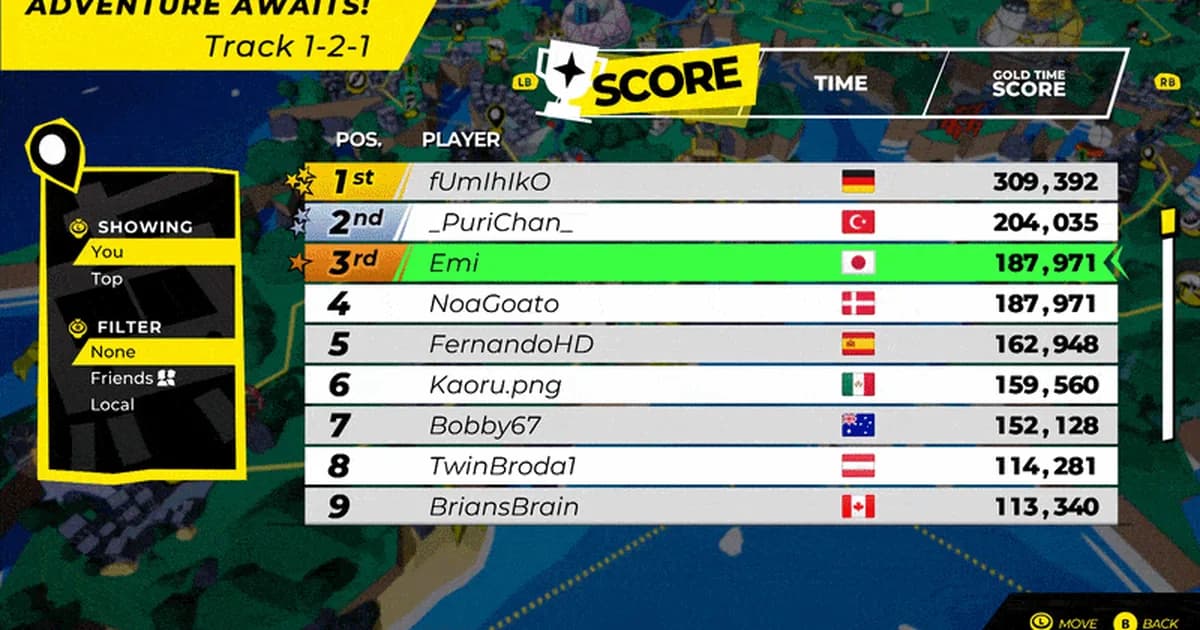
Denshattack Platinum Medals: 60+ Levels and Leaderboards
By Finn Calloway11 min read

Today
Independent coverage of indie & Early Access games. Deep guides for the titles mainstream outlets skip.
Browse
GuideGraveyard Keeper 2
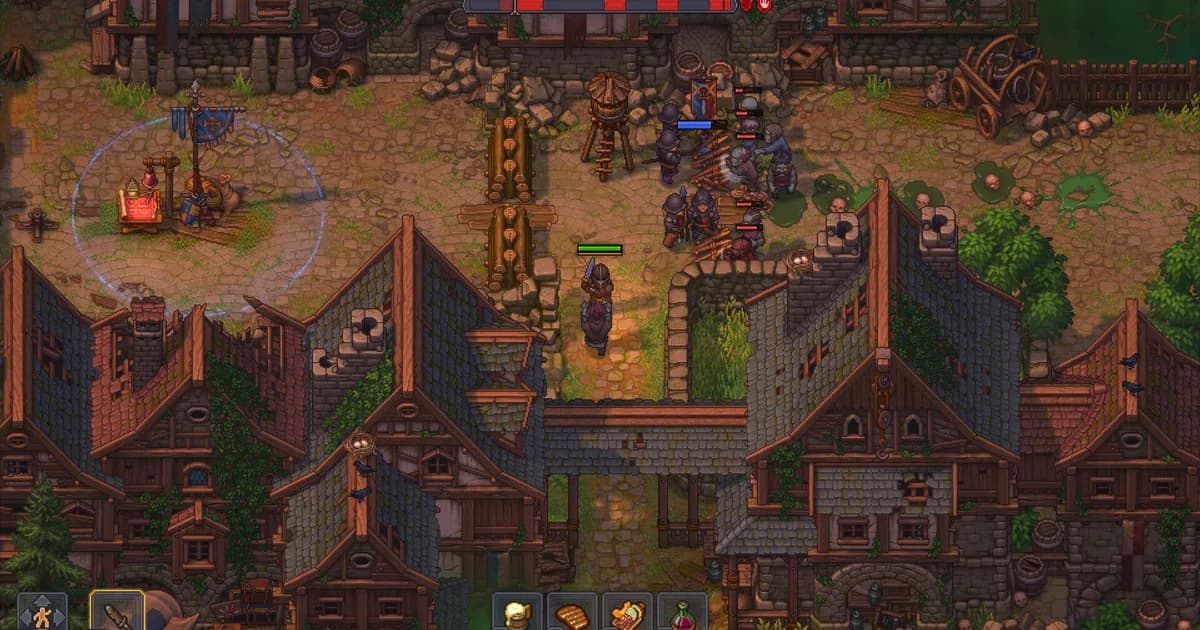
Graveyard Keeper 2 battles list with every fight in story order, wave timelines, fixed rewards, unlock points, and six descriptive zombie labels.
By Marcus Vasquez14 min read
GuideAlabaster Dawn
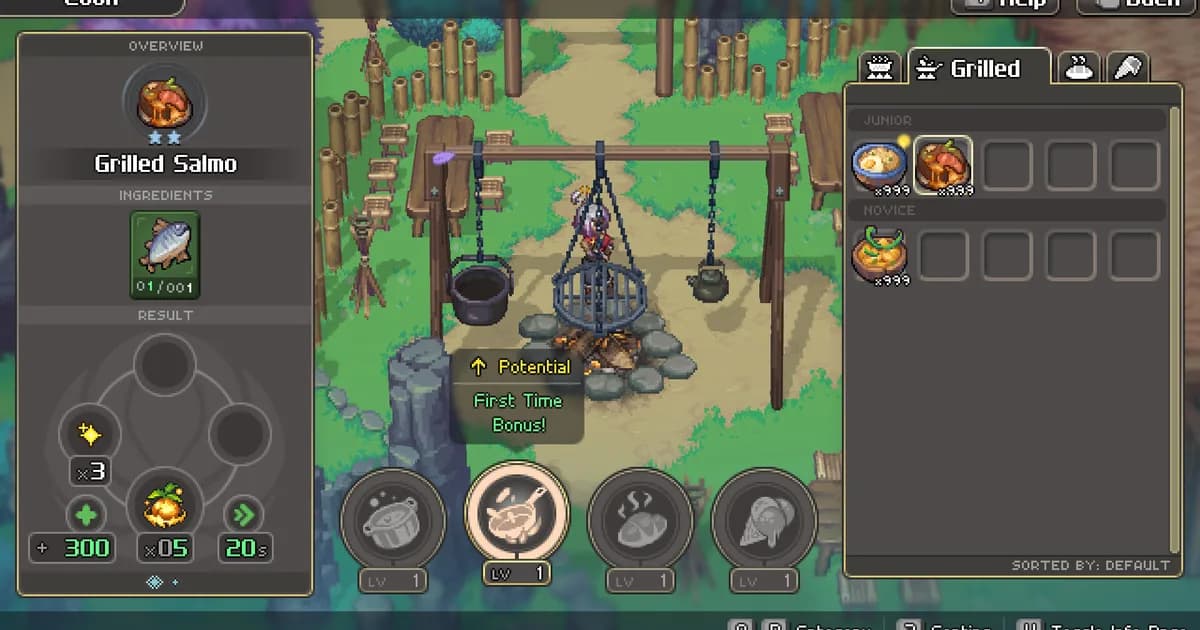
Alabaster Dawn cooking guide: recipes, Palate Level, seasonings, Divine Gear boosts, and Healing Bulb rules for the current Early Access build.
By Priya Nair12 min read

GuideDenshattack!
Denshattack Trains guide - match each ride to score, time, routes, and Platinum goals. Compare the 30-plus roster without inventing hidden stats.
By Marcus Vasquez11 min read
NewsPermafrost
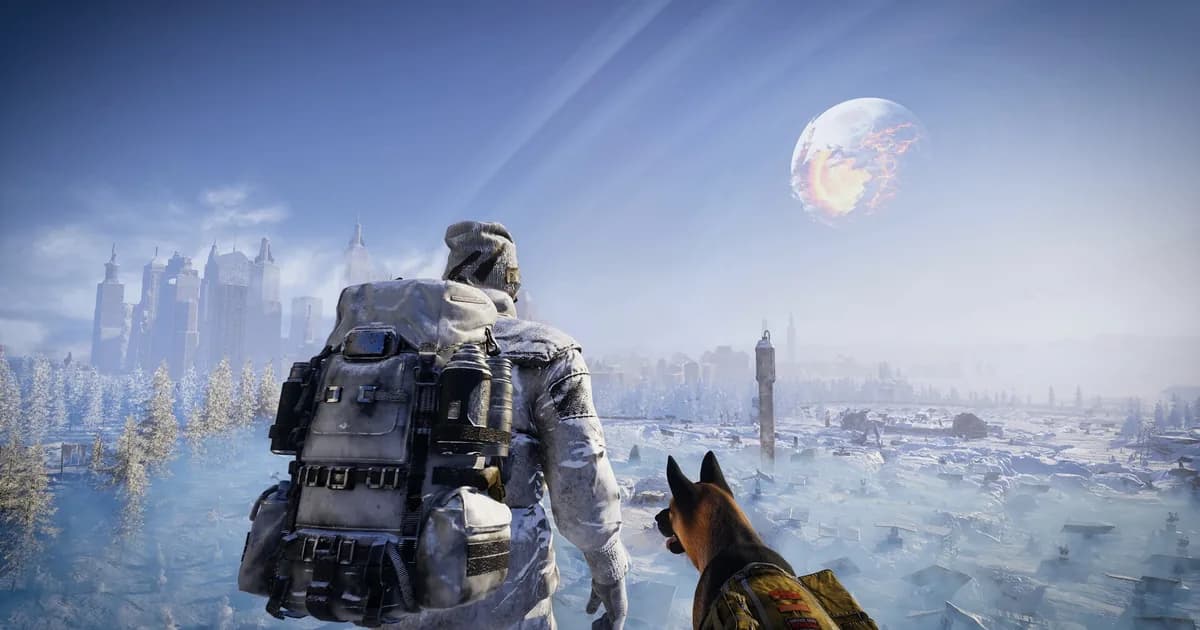
Permafrost early access is live on Steam at $19.99 after a 20% launch discount. See the review count, official roadmap, co-op details, and PC requirements.
By Ben Wright4 min read
Complete guideOver the Hill
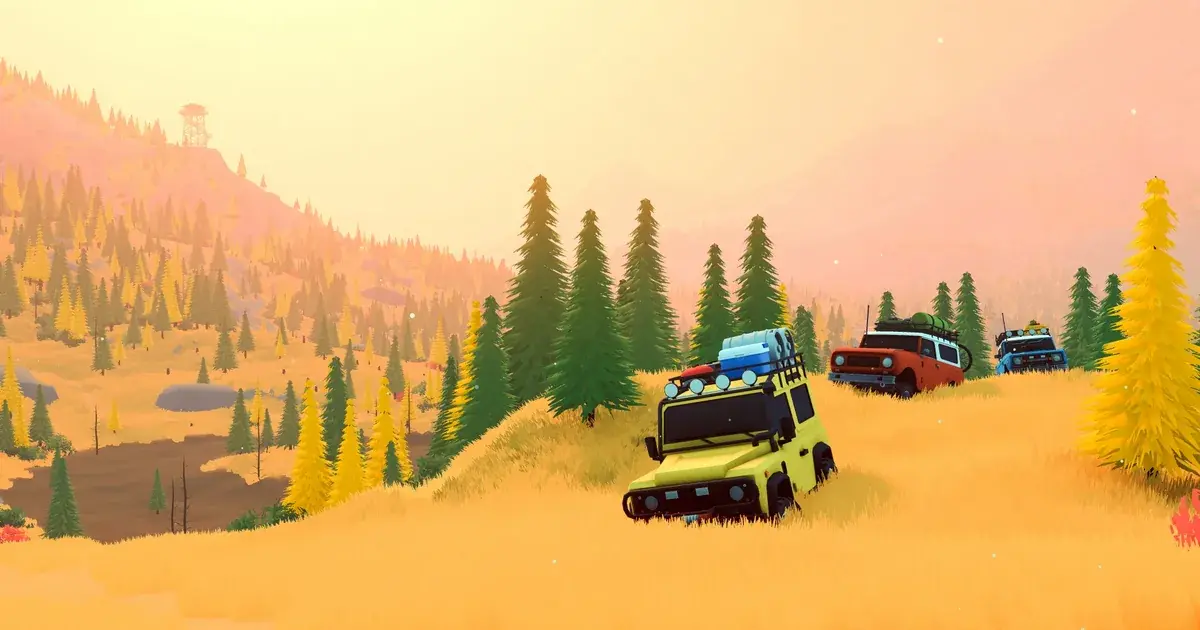
Over the Hill complete guide: confirmed setting, studio, $24.99 price, platforms, October 14 release, trailers, unknowns, and launch plans today.
By Zara Chen14 min read
GuideGraveyard Keeper 2
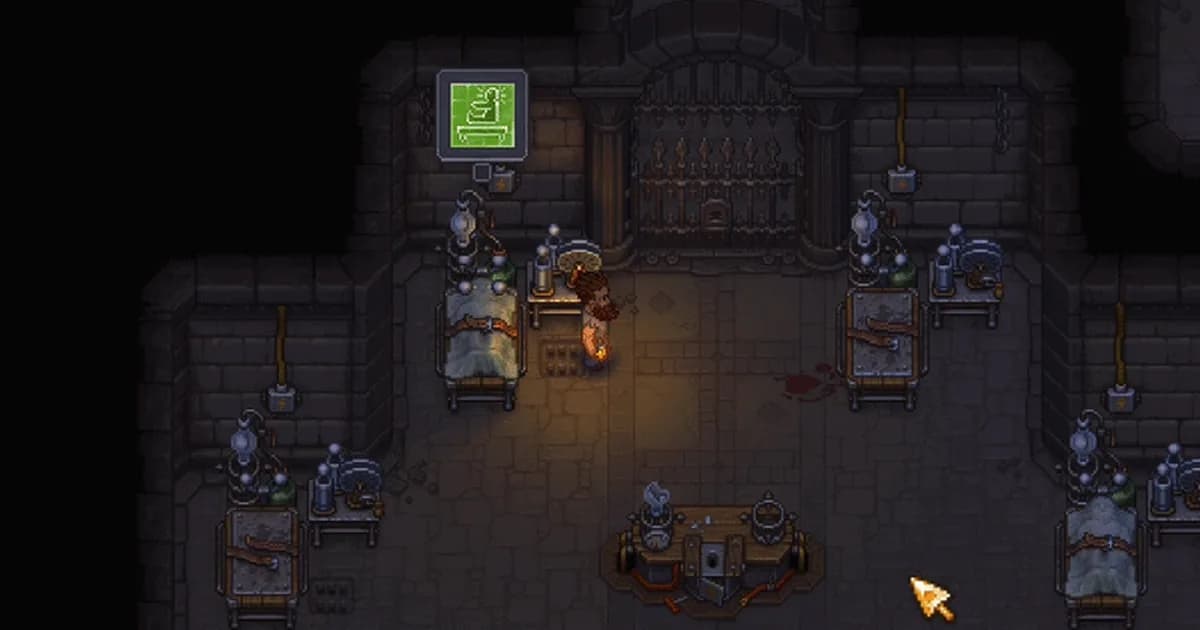
Graveyard Keeper 2 zombie limit starts at 0, then rises through Good fellow, PR runs, and a quest bonus. See the cap, penalty, UI, and future plans.
By Marcus Vasquez14 min read
Reviews
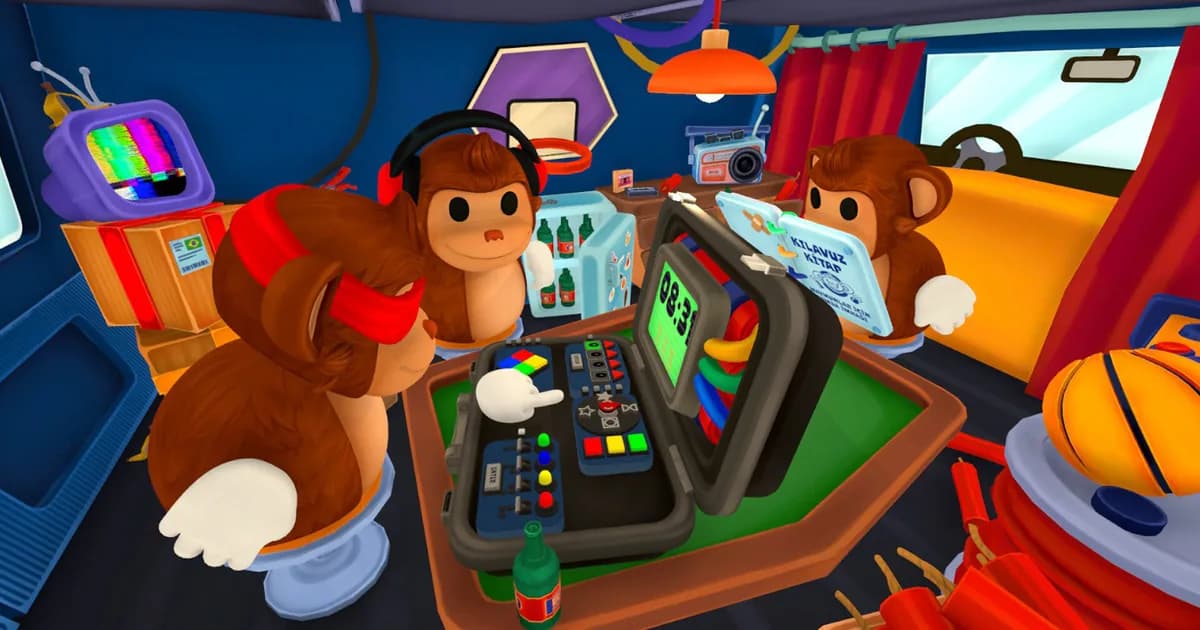
ReviewBombanana
BOMBANANA review: worth it with two solid friends and a working mic. Three monkeys, one bomb, and zero room for miscommunication going wrong.
By Priya Nair11 min read
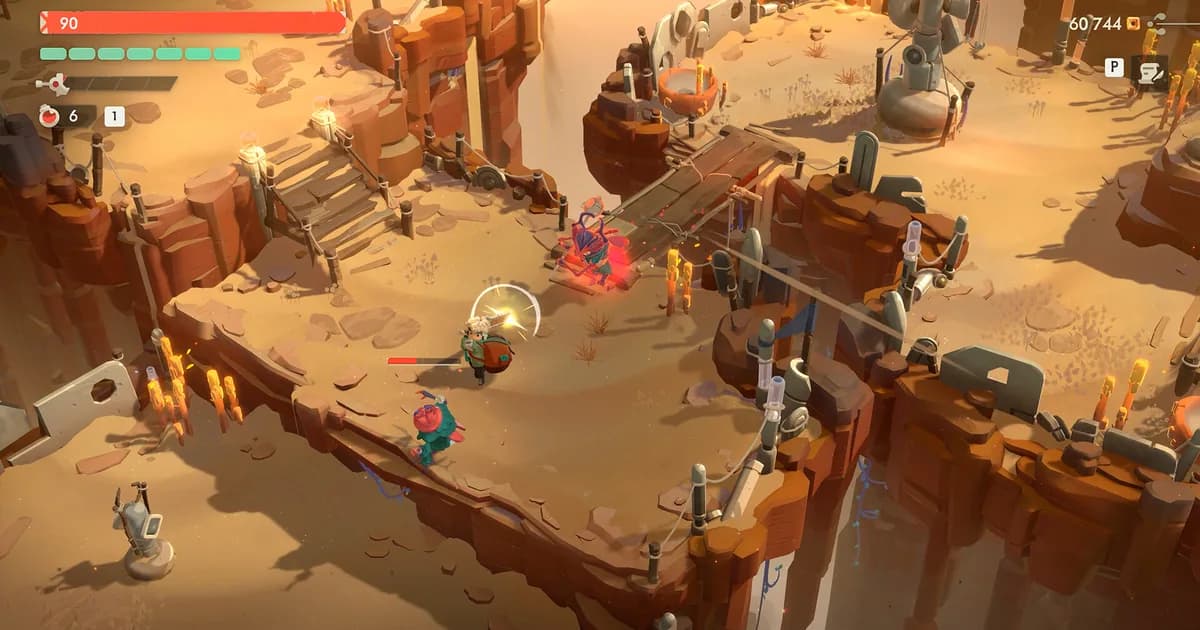
ReviewMoonlighter 2
Moonlighter 2 review: Very Positive at 81% from 4,097 Steam reviews. Digital Sun's 3D shift and the deeper backpack-loot system both pay off.
By Marcus Vasquez8 min read
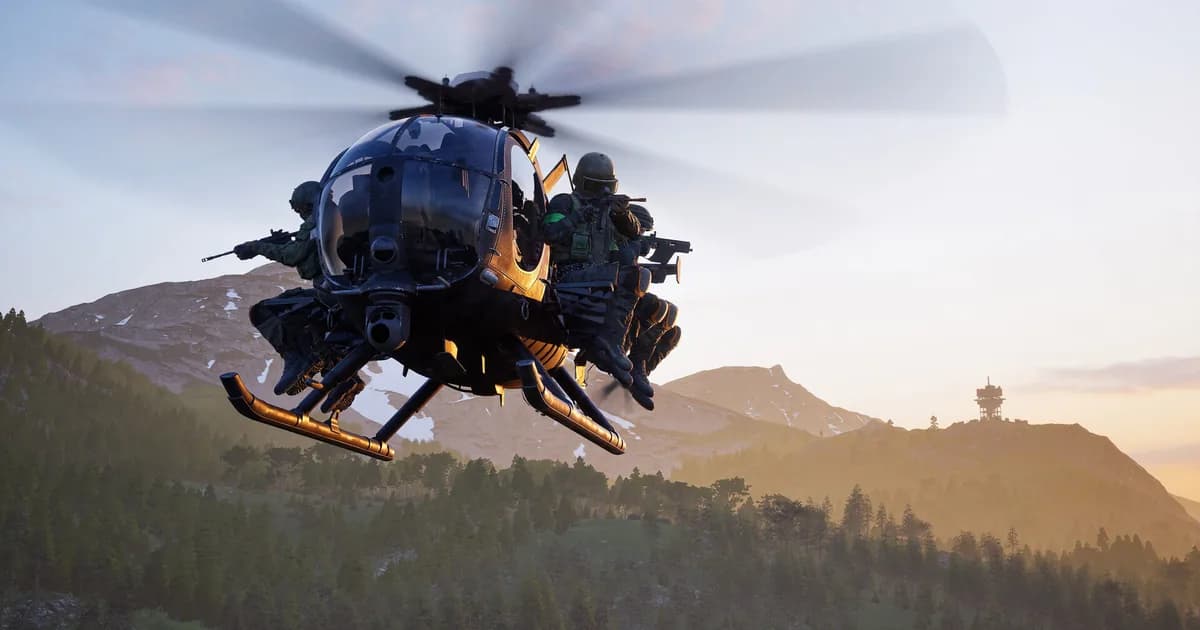
ReviewWARDOGS
WARDOGS review: a 100-player tactical FPS with real systemic depth, held back only by a launch queue crisis BULKHEAD has since fixed. Here's the verdict.
By Finn Calloway8 min read
Explore
Game guide collections, glossary terms, and active giveaways.
Roguelike
A style of role-playing game traditionally defined by four traits: a dungeon crawl through procedurally generated levels, turn-based play, grid-based movement, and permanent death of the player character. The name comes from Rogue, a dungeon crawler by Michael Toy and Glenn Wichman, with later contributions by Ken Arnold, developed around 1980 for Unix-based minicomputer systems. Rogue became popular with college students and programmers in the 1980s and 1990s and led to hundreds of variants; better-known ones include Hack, NetHack, Angband, Ancient Domains of Mystery and Dungeon Crawl Stone Soup. Because the label kept stretching, players and developers at the International Roguelike Development Conference 2008 in Berlin drafted the 'Berlin Interpretation', a list of high- and low-value factors based on five canon games: ADOM, Angband, Linley's Dungeon Crawl, NetHack and Rogue. Many newer games keep the procedural runs and permadeath but drop turn-based, grid-based play; Spelunky, FTL: Faster Than Light, The Binding of Isaac, Slay the Spire and Hades are common examples. These are sometimes called roguelites or roguelike-likes to separate them from the traditional style, although they are still often described as roguelikes and use the roguelike tag on stores such as Steam. Since no two runs share a layout, the genre rewards learning systems and item synergies rather than memorising a fixed route.
Genre
Roguelite
A genre that borrows the core pillars of roguelikes (procedurally generated levels and permadeath) but layers in persistent meta-progression that carries over between runs, softening the harshness of starting from scratch. When you die in a roguelite, you retain currency, unlocks, or passive upgrades that make future attempts slightly more powerful or give you more starting options. This persistent layer fundamentally changes the player psychology: every failed run contributes something, turning frustration into motivation. Hades, Dead Cells, Risk of Rain 2, Slay the Spire, and Vampire Survivors are defining roguelites. The term emerged in the early 2010s as game designers adapted the roguelike formula for wider audiences who found pure permadeath discouraging. The distinction matters because roguelites can be 'beaten' by accumulating enough meta-progress, while pure roguelikes demand raw skill from run one. Roguelites often also use real-time action combat rather than the turn-based movement found in traditional roguelikes, making them feel faster and more action-oriented. The genre is now one of the most popular in indie gaming, with new roguelites releasing every month across all platforms.
Genre
Metroidvania
A genre of 2D action-adventure games built around interconnected maps where progression is gated by abilities your character has not yet acquired. You explore freely until you hit a barrier (a high ledge, a locked door, a water section) that requires a specific power-up or ability to pass. Once gained, that ability unlocks not just the new area but also rewards hidden earlier in the game, encouraging backtracking across a richly layered world. The name is a portmanteau of Metroid (Nintendo, 1986) and Castlevania: Symphony of the Night (Konami, 1997), the two series that codified the formula. The genre's structure creates a satisfying sense of mounting mastery: the same world that was intimidating at the start feels familiar and navigable once you're fully powered up. Modern genre-defining examples include Hollow Knight, Ori and the Blind Forest, Blasphemous, Axiom Verge, and Dread Templar. Many Metroidvanias are indie titles because the interconnected map design suits smaller development teams. A common misconception is that any 2D game with exploration qualifies. True Metroidvanias require hard ability gating and intentional backtracking design, not just open levels.
Genre
Soulslike
A subgenre of action RPGs defined by FromSoftware's Dark Souls trilogy and its design philosophy: challenging, methodical melee combat built on stamina management and pattern recognition; death as a teaching tool rather than a punishment (you lose carried currency but respawn at a checkpoint); minimal hand-holding with lore delivered through item descriptions and environmental detail rather than exposition; and interconnected world design that reveals surprising shortcuts as you explore. FromSoftware director Hidetaka Miyazaki established the template with Demon's Souls (2009) and refined it through Dark Souls (2011), Bloodborne (2015), and Elden Ring (2022). The genre's appeal lies in the satisfaction of conquering bosses that seemed impossible after dozens of attempts; every death contains information. Soulslikes beyond FromSoftware include Lies of P, Nioh 2, The Surge 2, and Lords of the Fallen (2023). A key distinction: soulslikes are hard but fair. Deaths result from the player failing to read patterns, not from random unfairness. Elden Ring broadened the template by adding open-world exploration, allowing players to tackle the game's challenges in flexible order and making it the most accessible entry point for newcomers to the genre.
Genre
Battle Royale
A multiplayer game genre in which a large number of players, typically 60 to 150, are dropped onto a large map with no equipment, scavenge for weapons and armour, and fight to be the last player or squad standing. A defining mechanical feature is the shrinking play zone: an ever-tightening safe area (often represented as a circle or storm) forces players who would otherwise hide to continuously move toward each other, guaranteeing escalating confrontation as the match progresses. The genre takes its name from the 2000 Japanese film Battle Royale (and indirectly the 1999 novel by Koushun Takami). PlayerUnknown's Battlegrounds (PUBG, 2017) established the modern template and sold 75 million copies; Fortnite (Epic Games, 2017) made the genre a global cultural phenomenon by adding building mechanics and free-to-play. Today's major battle royales include Apex Legends (hero-based abilities), Warzone (military realism), and the mobile-dominant BGMI and Free Fire. The genre demands a combination of looting efficiency, combat aim, and positioning strategy; players who understand the final safe zones and manage their rotations consistently outperform purely aim-focused players. Squad-based modes (duos, trios, quads) have become dominant because they reduce the pressure of solo play.
Genre
Action RPG
A video game genre that combines core elements of action games and role-playing games. Action RPGs emphasise real-time combat that tests the player's coordination or reaction time, as opposed to turn-based or menu-based combat, while keeping RPG progression such as levels, stats, skills and better equipment. MMORPGs with real-time combat also count as action RPGs. Blizzard North's Diablo (1997), a click-to-move, real-time dungeon crawl, set the template for the loot-focused isometric branch, which continued with Titan Quest (2006), Torchlight (2009) and Path of Exile (2013). Another branch puts the camera behind the character in larger worlds: The Witcher series, which began in 2007 and concluded with 2015's The Witcher 3: Wild Hunt, and FromSoftware's games from Demon's Souls (2009), built around hard enemies and limited checkpoints, to Elden Ring (2022), which mixed open-world exploration with Soulslike combat. Because your character build and your own execution both matter, the same encounter can play out very differently for two players.
Genre
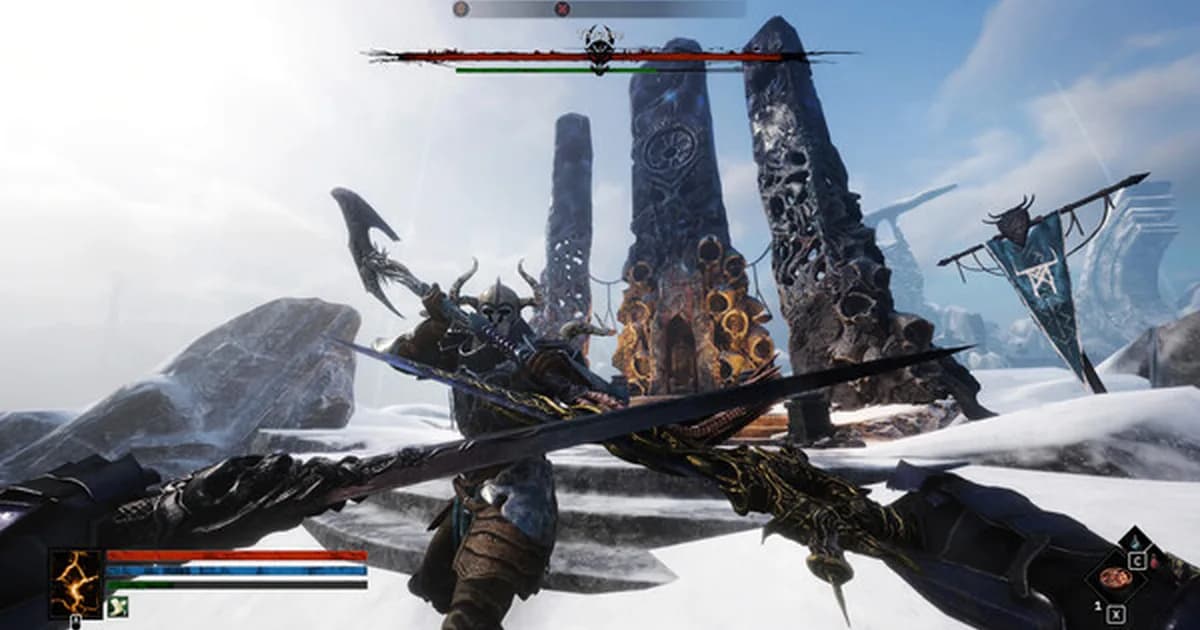
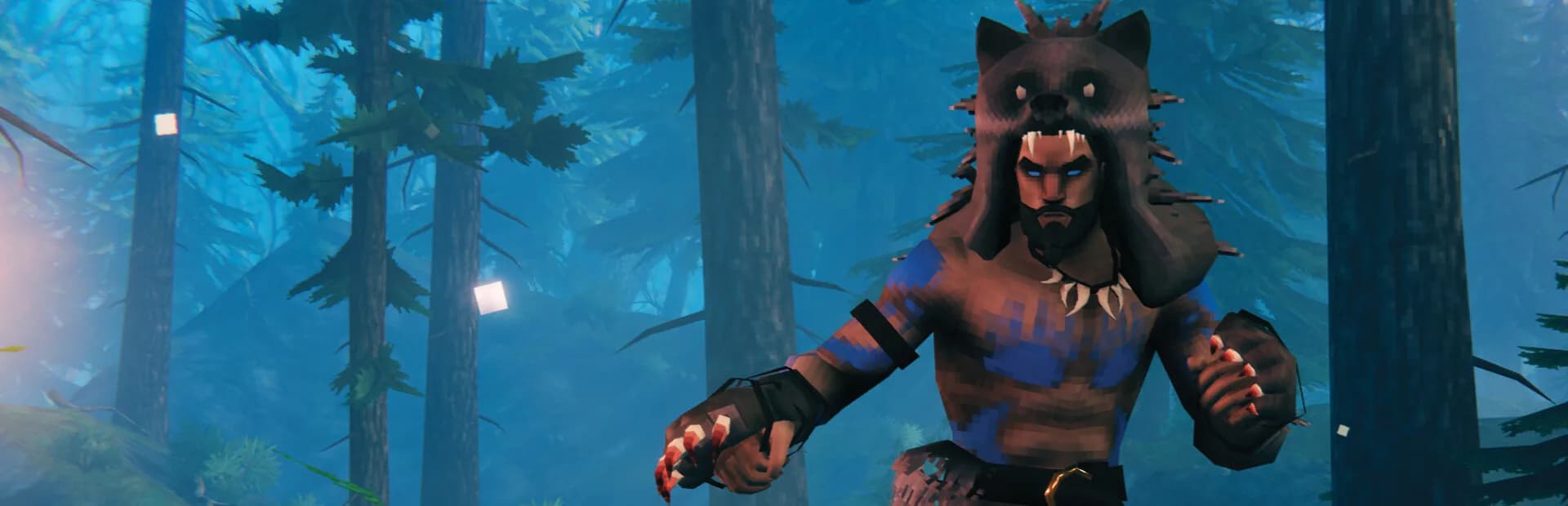
Single-player, first-person action Soulslike from the creators of Ghostrunner: you rise from death as a former soldier of Napoleon's army. Also day one on Xbox Game Pass.
Oct 13
Soulslike
Offroad exploration in classic 4x4s, solo or with up to three friends. PS5, Xbox Series X|S and Switch 2 ports are planned for 2027 with no date yet.
Oct 14
Offroad exploration
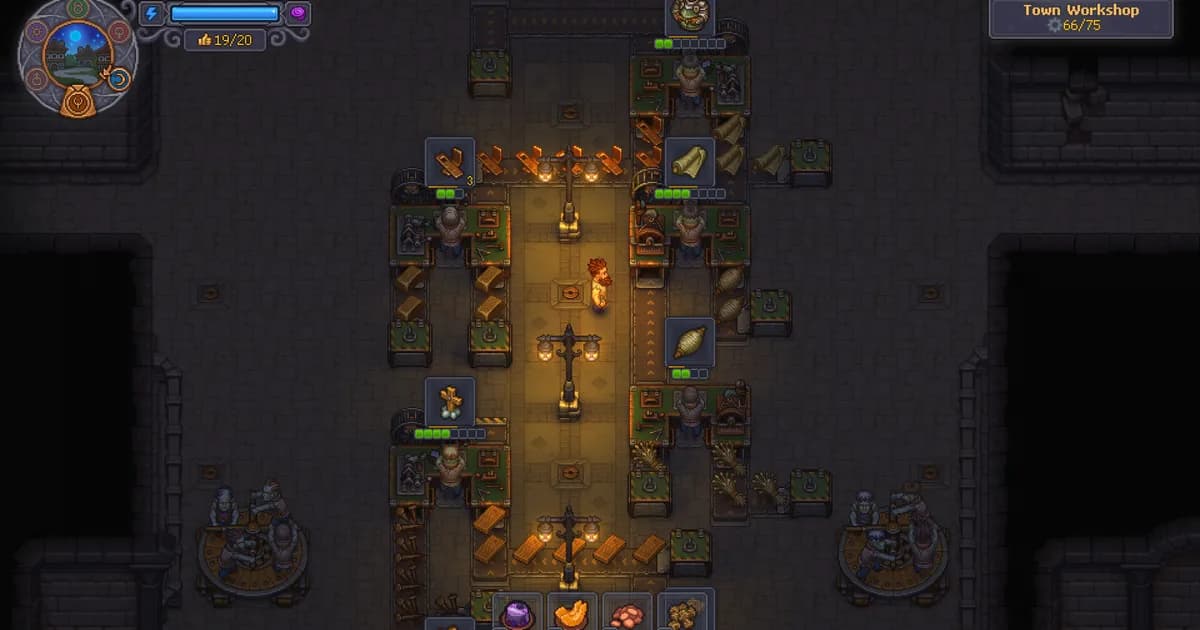
Rebuild a town above an underground magical dungeon. Early Access date as listed on Steam.
Oct 27
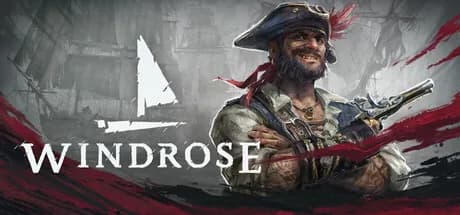
Story-driven survival sandbox, solo or online co-op for up to 4 players. Live in Early Access since 9 October. The list price is $24.99, and Steam shows a 20% launch discount ($19.99). No console version is confirmed in the official sources we checked.
Live now
Survival
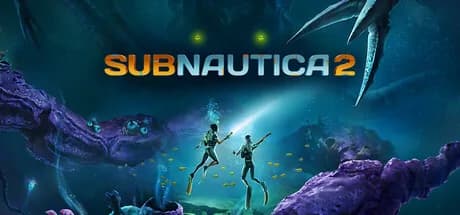
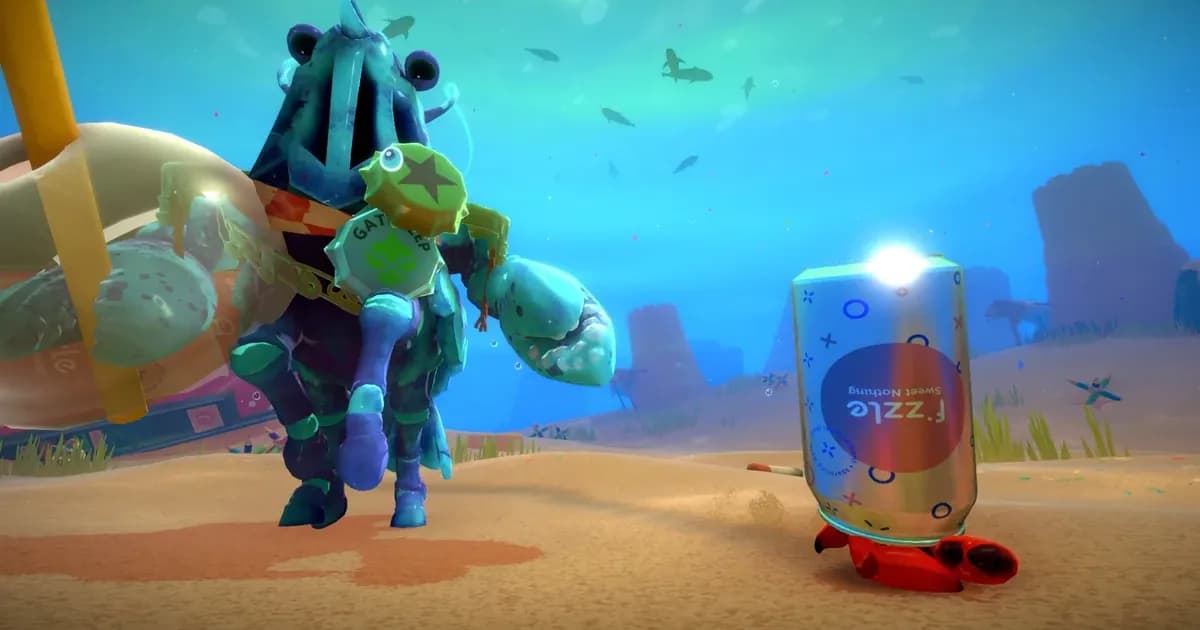
Underwater survival on a new alien world, solo or in 4-player online co-op, live in Early Access.
Live now
Survival
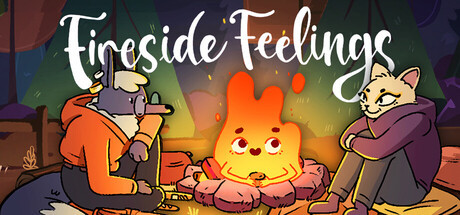
Grab a blanket and join this Steam giveaway! Fireside Feelings is free on Steam until October 12! Fireside Feelings is a cozy 2d game about social interactions and connections! Don´t miss it!
Ends in 1d 16h
1. Click the button to visit the giveaway page. 2. Download this game directly via Steam before the offer expires. 3. That´s it! Have fun!
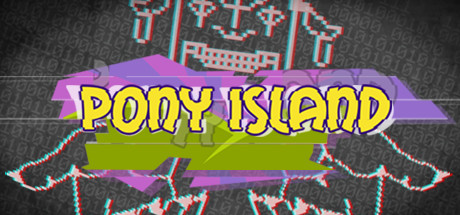
Yes, this is real! You can grab Pony Island for free on Steam! Pony Island is a suspenseful puzzle game disguised as something much more interesting. Definitely worth checking out
Ends in 1d 16h
1. Click the button to visit the giveaway page. 2. Download this game directly via Steam before the offer expires. 3. That´s it! Have fun!
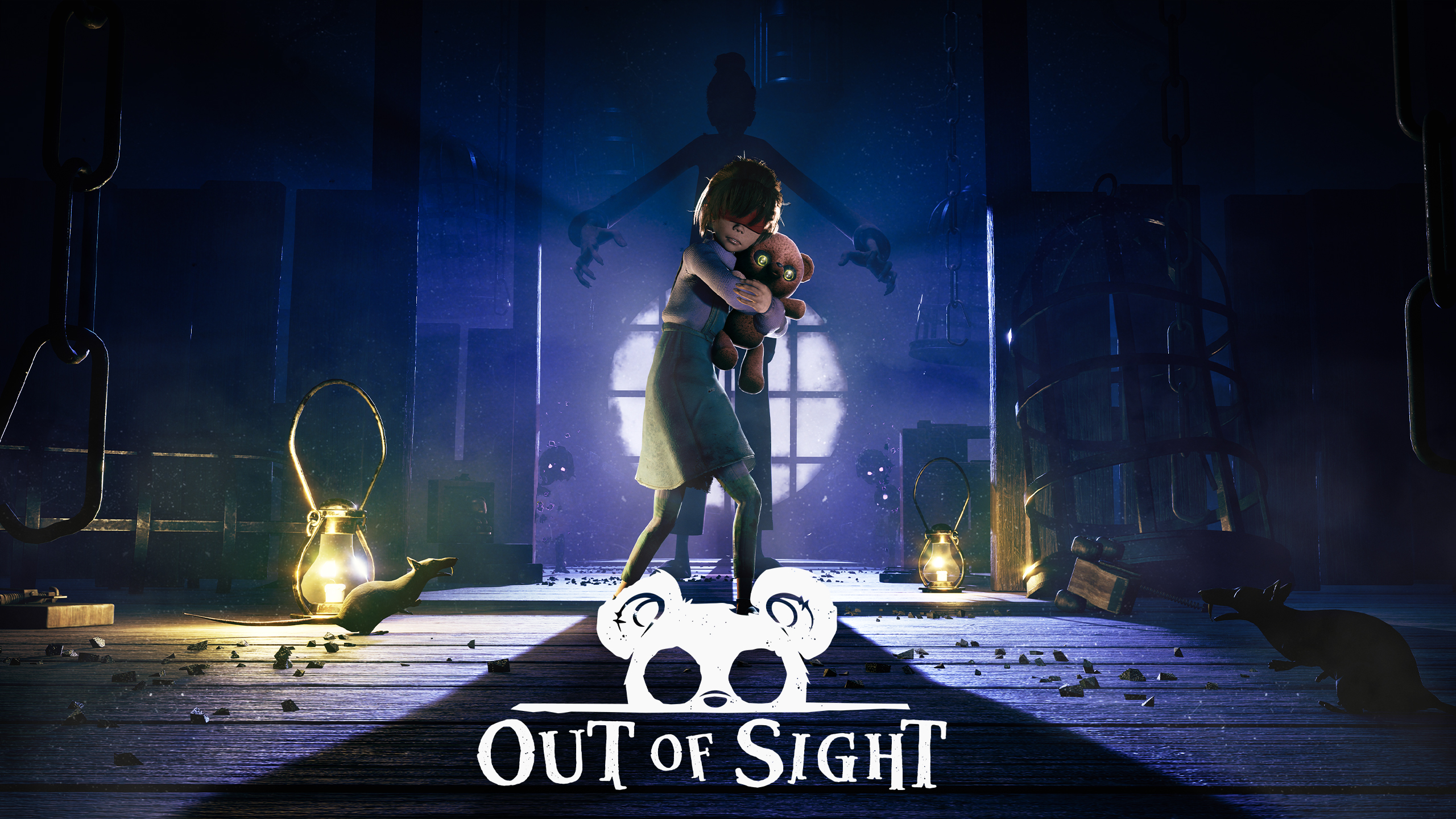
You’re Sophie, a young blind girl who sees through her teddy bear’s eyes. Escape your captors and uncover the evil history of the dark mansion you desperately seek to escape in this unique, atmospheric horror puzzle/adventure game.
Ends in 4d 7h
Find what you're looking for