
Star Trek Resurgence is facing imminent delisting, which has significant implications for its player base and collectors alike.
TL;DR: Star Trek: Resurgence will soon be delisted due to the expiration of its distribution license, making it crucial for fans to purchase the game before it disappears.
HIGHLIGHT: The game will likely be delisted on May 23, 2026, exactly three years after its release.
The Story So Far: A brief overview of Star Trek: Resurgence and its narrative-driven gameplay.
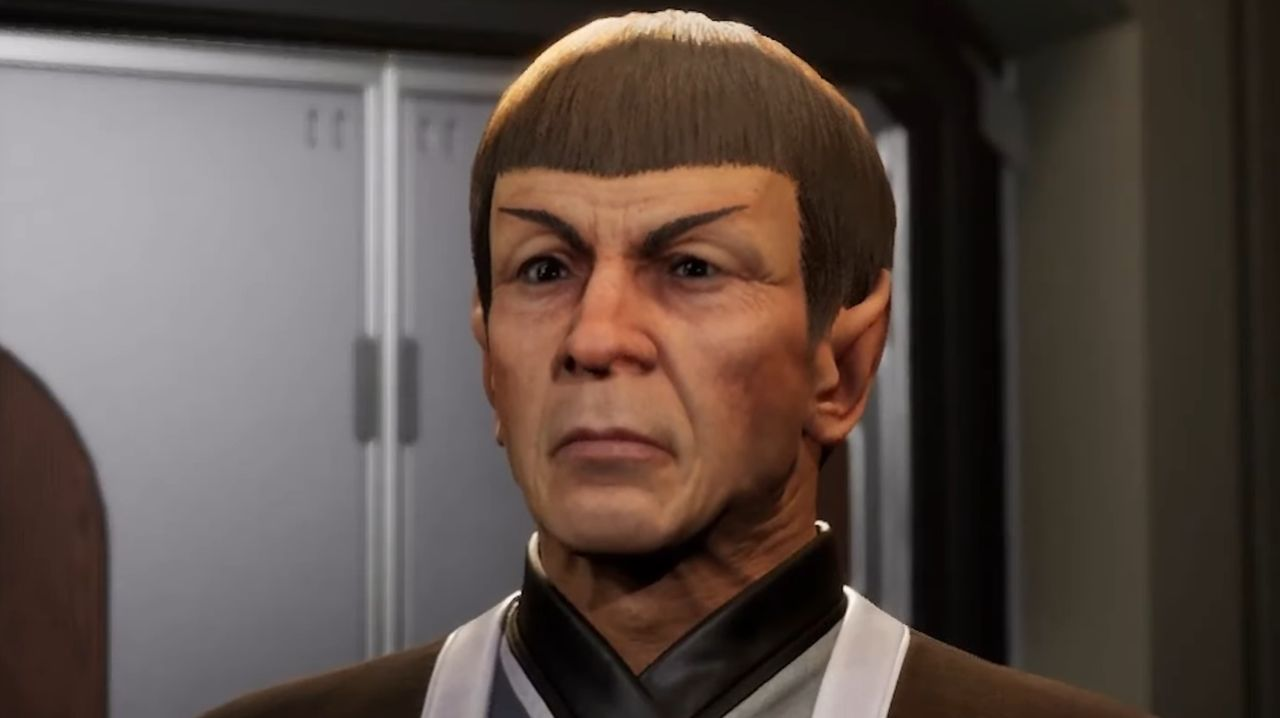
Star Trek: Resurgence, released in May 2023, is a narrative-driven adventure game developed by Dramatic Labs, a studio founded by former Telltale Games executives. The game draws heavily from the storytelling mechanics that made Telltale's titles popular, allowing players to make impactful choices that shape the narrative. Set in the Star Trek universe, players navigate through a rich story filled with moral dilemmas, character interactions, and the iconic themes of exploration and diplomacy that the franchise is known for.
The game has been well-received, with players praising its engaging story and character development. The blend of classic Star Trek elements with modern interactive storytelling has resonated with fans, making it a notable addition to the franchise's gaming history. However, the impending delisting raises questions about its availability and the future of similar narrative-driven games.
Why It Matters: The implications of the delisting for players and collectors.
The announcement of Star Trek: Resurgence's delisting is a significant blow to both players and collectors. The expiration of the distribution license means that the game will no longer be available for purchase, which can drastically affect its market value. For collectors, this could mean that physical and digital copies of the game may become rare commodities, driving up prices in secondary markets.
Moreover, the delisting highlights a broader issue within the gaming industry regarding the longevity of titles, especially those tied to licensed properties. As seen with other Star Trek games, many have had short lifespans, often disappearing from stores and digital platforms within a few years. This trend can discourage new players from engaging with the franchise, as they may be hesitant to invest in a game that could vanish at any moment.
For existing players, while they will retain access to the game in their libraries, the inability to purchase it could limit the community's growth and engagement. Multiplayer aspects, if any, may suffer as new players are unable to join, leading to a dwindling player base over time.
As the delisting date approaches, fans are urged to act quickly if they wish to experience Star Trek: Resurgence before it becomes a part of gaming history.
Community Reaction: How players are responding to the news of the delisting.
The announcement of Star Trek: Resurgence's impending delisting has sparked a wave of reactions across social media platforms like Reddit and Twitter. Many players expressed disappointment, lamenting the loss of a game they felt was a worthy addition to the Star Trek franchise. Discussions often highlighted the game's unique narrative style, reminiscent of Telltale's storytelling approach, and how it resonated with fans of both the series and interactive storytelling. Some community members shared their experiences with the game, emphasizing its emotional depth and character development, which they believe should be preserved for future players.
On Discord, players have been organizing discussions about how to secure copies before the delisting date. There's a palpable sense of urgency, with many urging others to purchase the game while it's still available. Some players even expressed hope that the game might return in some form, whether through a re-release or a new project from Dramatic Labs. However, the general sentiment leans towards frustration, as the delisting feels like another chapter closed in the already tumultuous history of Star Trek games.
The Developer's Legacy: A look at Dramatic Labs and its ties to Telltale Games.
Dramatic Labs, the studio behind Star Trek: Resurgence, was founded by former Telltale Games executives, including CEO Kevin Bruner. This lineage is significant, as Telltale was renowned for its narrative-driven games, such as The Walking Dead and The Wolf Among Us, which set a high bar for storytelling in video games. The team at Dramatic Labs sought to carry that legacy forward, aiming to create engaging narratives that resonate with players on an emotional level.
Despite its promising start, Dramatic Labs has faced challenges since its inception. Star Trek: Resurgence was its debut title, and while it received praise for its storytelling and character development, the studio has not yet announced any follow-up projects. This uncertainty raises questions about the future of the studio and its ability to continue the tradition of narrative excellence established by Telltale. The delisting of Resurgence could further complicate the studio's prospects, as it may limit their visibility and potential audience for future titles. As fans reflect on the game's impact, they also ponder what this means for the future of narrative-driven games in the Star Trek universe.
Future of Star Trek Games: What this means for the franchise and upcoming titles.
The delisting of Star Trek: Resurgence poses significant implications for the future of the franchise's gaming landscape. Historically, Star Trek games have had a short lifespan, often fading into obscurity shortly after release. The expiration of the distribution license for Resurgence highlights a troubling trend where games tied to beloved franchises can vanish without warning, leaving fans without access to new content or experiences. This situation raises concerns about the preservation of interactive storytelling within the Star Trek universe.
Looking ahead, the future of Star Trek games remains uncertain. While there are still several titles available, the community is left wondering what new experiences might emerge. The delisting could serve as a wake-up call for developers and publishers to consider the longevity of their games and the importance of maintaining access for players. As the gaming industry evolves, there is hope that future Star Trek titles will learn from the lessons of Resurgence, potentially leading to more sustainable models for distribution and access.
Moreover, the legacy of Telltale Games continues to influence the genre, and there is a demand for more narrative-driven experiences within the Star Trek universe. Fans are eager for new stories that explore the rich lore and character dynamics that the franchise is known for. As the community reflects on the loss of Resurgence, they remain hopeful that future developers will rise to the occasion, delivering engaging narratives that honor the spirit of Star Trek while ensuring that these experiences remain accessible to all players.
Retrospective on Star Trek: Resurgence: An analysis of the game's narrative choices and gameplay mechanics.
Star Trek: Resurgence stands out in the gaming landscape for its commitment to interactive storytelling, a hallmark of Telltale Games' legacy. Players navigate a rich narrative filled with moral dilemmas and character-driven choices, echoing the franchise's core themes of exploration and ethical complexity. The game's structure allows players to assume the roles of two distinct characters, each with their own perspectives and story arcs. This dual narrative approach not only enhances replayability but also deepens the player's emotional investment in the unfolding drama.
The gameplay mechanics are designed to immerse players in the Star Trek universe. Quick-time events and dialogue choices create a sense of urgency and engagement, while exploration segments encourage players to interact with the environment and uncover lore. The decision-making system is particularly noteworthy; choices made can lead to significant consequences, affecting character relationships and the story's outcome. This design choice reinforces the idea that every action has weight, a principle that resonates with Star Trek's philosophical underpinnings.
Critics have praised the game's voice acting and animation quality, which contribute to the overall cinematic experience. The art direction captures the essence of the Star Trek aesthetic, from starship interiors to alien landscapes, making it visually appealing for fans. However, some players have noted that while the narrative is compelling, certain gameplay elements can feel restrictive, limiting exploration in favor of a more linear storytelling approach. Despite these critiques, Star Trek: Resurgence successfully delivers a narrative experience that honors its source material while appealing to both new and veteran fans of the franchise.
What's Next: What players should do now and what to expect in the future.
With the impending delisting of Star Trek: Resurgence, players must act quickly to secure their copy of the game. For those who have yet to experience it, purchasing the game before its removal from digital storefronts is essential. Existing players should ensure that they have the game downloaded and accessible in their libraries, as it will remain playable even after the delisting. This situation serves as a reminder of the fragility of digital ownership, where titles can vanish without warning due to licensing issues.
Looking forward, the future of Star Trek gaming remains uncertain. Dramatic Labs has not announced any new projects since Resurgence, leaving fans eager for updates. The delisting raises questions about the potential for re-releases or remasters, especially given the game's positive reception. Players are hopeful that the legacy of Star Trek: Resurgence will inspire further titles that explore the franchise's rich narrative potential.
In the meantime, fans can engage with the community on platforms like Reddit and Discord, sharing their experiences and discussing the game's themes. As the gaming landscape evolves, keeping an eye on announcements from Dramatic Labs and other developers interested in the Star Trek franchise will be crucial. The community's enthusiasm for narrative-driven games suggests that there is still a strong demand for more titles that capture the spirit of exploration and moral complexity inherent in Star Trek.
Frequently Asked Questions
Q: Why is Star Trek: Resurgence being delisted?
A: Star Trek: Resurgence is being delisted due to the expiration of its distribution license, which means the game will no longer be available for purchase. This situation is not uncommon for licensed properties, particularly in the gaming industry, where such licenses can have limited durations [1].
Q: How has Star Trek: Resurgence performed in terms of sales and reception?
A: While specific sales figures for Star Trek: Resurgence haven't been disclosed, the game received generally positive reviews from critics and players alike, highlighting its engaging narrative and decision-making mechanics. It has been praised for its storytelling, reminiscent of classic Telltale Games, which suggests a solid reception within the gaming community [1].
Q: What are players saying about the delisting on social media?
A: Community reactions to the delisting of Star Trek: Resurgence have been mixed, with many expressing disappointment over the loss of access to the game. Players on platforms like Reddit and Twitter have shared their fondness for the game and concerns about the implications for future Star Trek titles, emphasizing the emotional connection many have with the franchise [1].
Q: Is there any chance Star Trek: Resurgence will be available again in the future?
A: Currently, there is no official word from the publisher regarding a potential re-release or renewal of the distribution license for Star Trek: Resurgence. However, given the history of other Star Trek games and their eventual return, some fans remain hopeful that it could resurface in some form down the line [1].
Q: What should players do if they want to keep playing Star Trek: Resurgence?
A: Players who wish to continue enjoying Star Trek: Resurgence should purchase the game as soon as possible before it is delisted. Existing owners will still have access to the game in their libraries after the delisting, but new players will need to act quickly to secure their copies [1].
References
- PC Gamer. (2023). Three years after its release, Star Trek: Resurgence is about to be delisted for good. Retrieved from https://www.pcgamer.com/games/adventure/three-years-after-its-release-star-trek-resurgence-is-about-to-be-delisted-for-good
- Wikipedia. (n.d.). Video game. Retrieved from https://en.wikipedia.org/wiki/Video_game
- IGN. (n.d.). Retrieved from https://www.ign.com/## Related Reading
As fans reflect on the impact of Star Trek: Resurgence, it's essential to consider how the gaming landscape has evolved, especially with titles like Guillotine card game Revived: What We Know About the 2026 Release. The delisting of Star Trek: Resurgence raises questions about the preservation of digital games, similar to the ongoing discussions surrounding the need to Stop Killing Games throw weight behind California bill that would force companies to either keep games working independently after server shutdowns or issue refunds. As we bid farewell to this title, it's a reminder of the importance of supporting innovative projects in the gaming industry.
Related Reading
As fans prepare for the delisting of Star Trek: Resurgence, many are reflecting on its impact within the gaming community. The game's narrative choices and character development have drawn comparisons to other storytelling experiences, such as those found in the Horrified D&D: What We Know About the Ravenloft Release. Additionally, discussions around the preservation of games like Star Trek: Resurgence have gained momentum, especially in light of initiatives like the Stop Killing Games throw weight behind California bill that would force companies to either keep games working independently after server shutdowns or issue refunds.
