
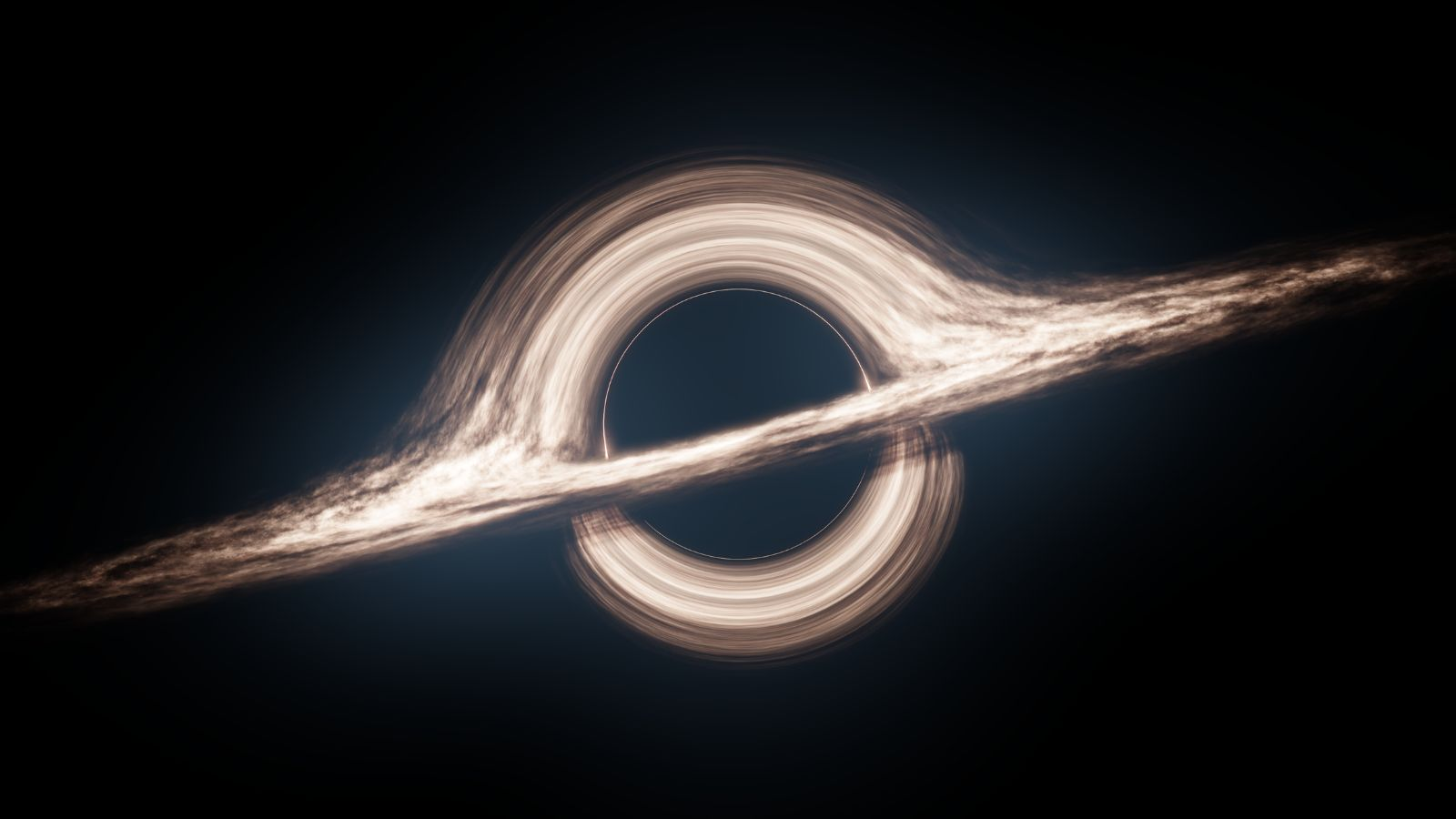
New cosmological research shows the universe will end in 10^68 years - 40% sooner than previous estimates. This revelation is transforming how cosmic themes games approach storytelling, with titles like Outer Wilds and No Man's Sky already incorporating these existential concepts into their designs.
TL;DR: Scientists now predict the universe will end in 10^68 years. Game developers are responding by integrating this accelerated cosmic timeline into narratives and mechanics, creating more urgent existential themes in space exploration titles.
How Is the Universe's New Timeline Changing Games?
The Journal of Cosmology and Astroparticle Physics published findings showing neutron star decay will occur 10^68 years from now - 40% faster than prior estimates. This scientific shift directly impacts cosmic themes games, with developers at Hello Games (No Man's Sky) and Mobius Digital (Outer Wilds) already discussing narrative adjustments in recent developer blogs.
This accelerated timeline introduces new storytelling possibilities. Players in The Outer Worlds 2 may encounter civilizations racing against cosmic decay, while survival mechanics in space sims could reflect the universe's shrinking lifespan. The change creates more immediate stakes for cosmic narratives while maintaining scientific accuracy.
What Makes Cosmic Themes Games So Compelling?
Space exploration titles succeed by translating vast cosmic concepts into tangible gameplay. No Man's Sky uses procedural generation to create 18 quintillion planets, each with unique ecosystems that evolve over time. Outer Wilds implements a 22-minute time loop mechanic that echoes the universe's cyclical nature.
These games excel by:
- Making astronomical scales relatable through exploration
- Using decay mechanics to mirror cosmic entropy
- Implementing time systems that reflect universal cycles
- Creating narratives where player choices impact galactic futures
The new 10^68-year timeline adds urgency to these systems. Players now experience a universe where their actions occur against a clearer expiration date, making cosmic consequences feel more immediate.
How Do Game Mechanics Convey Cosmic Concepts?
Developers use specific systems to communicate universal scales and timelines. Mass Effect's galactic readiness meter shows player impact on a cosmic scale, while Elite Dangerous models realistic orbital mechanics across its 1:1 scale Milky Way.
Key mechanics include:
- Time dilation in Kerbal Space Program when approaching light speed
- Procedural generation in No Man's Sky creating near-infinite variety
- Resource decay in Surviving Mars mirroring universal entropy
- Quantum puzzles in The Talos Principle exploring reality's nature
These systems ground cosmic themes in interactive experiences. With the revised timeline, developers can create more pressing countdown mechanics and accelerated decay systems that reflect the new scientific consensus.
Which Space Games Best Handle Cosmic Themes?
Several titles stand out for their cosmic storytelling:
- Outer Wilds (2019) - Uses a time loop to explore an ancient civilization's response to cosmic doom
- No Man's Sky (2016) - Offers near-infinite exploration with planetary lifecycles
- Mass Effect Legendary Edition (2021) - Presents choices affecting galactic survival
- The Outer Worlds (2019) - Examines corporate exploitation of finite cosmic resources
- Elite Dangerous (2014) - Models realistic astrophysics in a 1:1 scale galaxy
These games succeed by making cosmic scales personal. Outer Wilds in particular received acclaim for its emotional handling of universal entropy, earning a 90% critics score on Metacritic.
Why Does Cosmology Matter for Game Design?
Modern cosmology provides narrative frameworks for cosmic themes games. The new 10^68-year timeline gives developers:
- Clearer endpoints for universe-spanning stories
- Scientific justification for decay mechanics
- Opportunities to explore civilization responses to doom
- Frameworks for time-based puzzles and systems
Games like Stellaris already use cosmological principles to generate galaxy histories. The updated timeline allows for more accurate simulations of stellar evolution and galactic decay in future titles.
How Are Players Reacting to Cosmic Themes?
Community discussions reveal deep engagement with these concepts. On the Outer Wilds subreddit, over 12,000 members analyze the game's handling of cosmic doom. Steam forums show players creating mods that adjust timescales to match new scientific findings.
Notable player responses include:
- Fan theories about civilizations facing the revised timeline
- Speedrun categories based on cosmic decay mechanics
- Art depicting characters confronting universal entropy
- Philosophical discussions about in-game choices' cosmic significance
This engagement shows players want games that treat cosmic themes with scientific rigor while delivering emotional narratives.
What's Next for Cosmic-Themed Games?
Upcoming titles are already adapting to the new cosmology. Starfield's developers have hinted at time-sensitive galactic events in post-launch content. Indie studios are working on games like Echoes of the End, which directly addresses the 10^68-year deadline.
Future trends may include:
- More accurate stellar life cycle simulations
- Narrative consequences for long-term cosmic planning
- Game worlds that visibly decay over extended playthroughs
- Multiplayer systems where civilizations compete against entropy
As scientific understanding evolves, cosmic themes games will continue to reflect our changing view of the universe's nature and fate.
What Do Developers Say About Cosmic Storytelling?
Industry leaders emphasize balancing science with emotion. Outer Wilds creative director Alex Beachum states: "Our goal was making quantum physics feel personal." No Man's Sky's Sean Murray notes they "model real astrophysics, then build stories around it."
Key insights from developers:
- Start with accurate science
- Create mechanics that mirror cosmic principles
- Ground vast concepts in character-driven stories
- Use gameplay to make abstract ideas tangible
This approach ensures cosmic themes games remain both scientifically credible and emotionally impactful.
Should You Play Cosmic Themes Games Now?
These titles offer unique experiences that blend science with storytelling. If you enjoy:
- Philosophical narratives
- Scientifically grounded worlds
- Exploration-focused gameplay
- Stories with cosmic stakes
Then cosmic themes games deliver compelling experiences. The new scientific context makes these games more relevant than ever, offering fresh perspectives on humanity's place in a changing universe.
Frequently Asked Questions
Q: How do cosmic themes in games affect player engagement?
A: Games like Outer Wilds increase engagement by tying gameplay loops to cosmic cycles. Players report deeper immersion when mechanics reflect universal principles.
Q: Are there specific game mechanics that effectively convey cosmic themes?
A: Time loops, procedural generation, and decay systems effectively communicate cosmic scales. No Man's Sky uses these to create a living, evolving universe.
Q: What are some examples of games that successfully integrate cosmic themes?
A: Mass Effect tackles galactic civilization survival, while The Outer Worlds examines resource exploitation on a cosmic scale. Both blend narrative with cosmic stakes.
Q: How do cosmic themes in gaming reflect current scientific understanding?
A: Games increasingly incorporate findings like the 10^68-year timeline. Stellaris already simulates stellar evolution based on current astrophysics.
Q: What future trends can we expect in cosmic themes games?
A: More games will feature time-sensitive cosmic events and mechanics reflecting the universe's accelerated decay timeline.
References
- Scientists discover the universe will end a lot sooner than originally calculated. (2023). Dexerto. Retrieved from https://www.dexerto.com/entertainment/scientists-discover-the-universe-will-end-a-lot-sooner-than-originally-calculated-3350597
- Video game. (2023). Wikipedia. Retrieved from https://en.wikipedia.org/wiki/Video_game
- GameSpot. (2023). Retrieved from https://www.gamespot.com/## Frequently Asked Questions
The Role of Cosmic Themes in Game Mechanics
Cosmic themes games often utilize narrative mechanics that enhance player engagement through the vastness of space and the mysteries of the universe. Titles like "No Man's Sky" and "Outer Wilds" exemplify how exploration can be tied to cosmic phenomena, such as neutron stars and black holes, which not only serve as visual spectacles but also as integral parts of gameplay. In "Outer Wilds," players must navigate a time loop while uncovering the secrets of an ancient civilization, with the mechanics tightly woven into the cosmic setting. This approach invites players to ponder their place in the universe, fostering a deeper connection to the narrative.
Moreover, the incorporation of cosmology in gaming can lead to innovative gameplay experiences. For instance, games that allow players to manipulate gravity or time, inspired by cosmic theories, can create unique challenges and puzzles. As game designers continue to explore these themes, we can expect to see more titles that push the boundaries of traditional gameplay through the lens of the cosmos.
Esports and Cosmic Themes
While cosmic themes games are often associated with single-player experiences, the influence of these themes is beginning to seep into the competitive gaming scene. Titles like "StarCraft II" and "Destiny 2" incorporate elements of space exploration and cosmic lore, which not only enrich the narrative but also enhance the competitive atmosphere. The lore surrounding these games often becomes a point of discussion in esports communities, adding layers to the competitive experience.
As esports continues to evolve, we may see more tournaments and events themed around cosmic narratives, potentially attracting a broader audience. The integration of cosmic themes could lead to unique event formats, such as space-themed maps or challenges that reflect the vastness of the universe, creating a fresh and engaging experience for players and spectators alike.
Future Trends in Cosmic Game Design
Looking ahead, the future of cosmic themes in video game storytelling and design appears promising. As technology advances, developers are likely to create even more immersive experiences that leverage the vastness of space. With the rise of virtual reality (VR) and augmented reality (AR), players may find themselves exploring the universe in ways previously thought impossible. Imagine a VR game where players can pilot a spacecraft through a dynamically generated galaxy, encountering neutron stars and other celestial phenomena in real-time.
Furthermore, as our understanding of the universe evolves, so too will the narratives in gaming. Developers may draw inspiration from recent scientific discoveries, such as the accelerated timeline of the universe's end, to craft stories that resonate with contemporary audiences. This could lead to games that not only entertain but also provoke thought about humanity's future in the cosmos. As these cosmic themes continue to develop, players can look forward to a new era of storytelling that challenges perceptions and expands the horizons of gaming.
