Key Takeaways
- gaming news, game releases, game reviews, esports, indie games is the latest story covered by GameBrief's editorial team
- This story is relevant to players across PC and console platforms
- Stay tuned to GameBrief for follow-up coverage as the story develops
What Happened
This article covers the latest developments around gaming news, game releases, game reviews, esports, indie games.
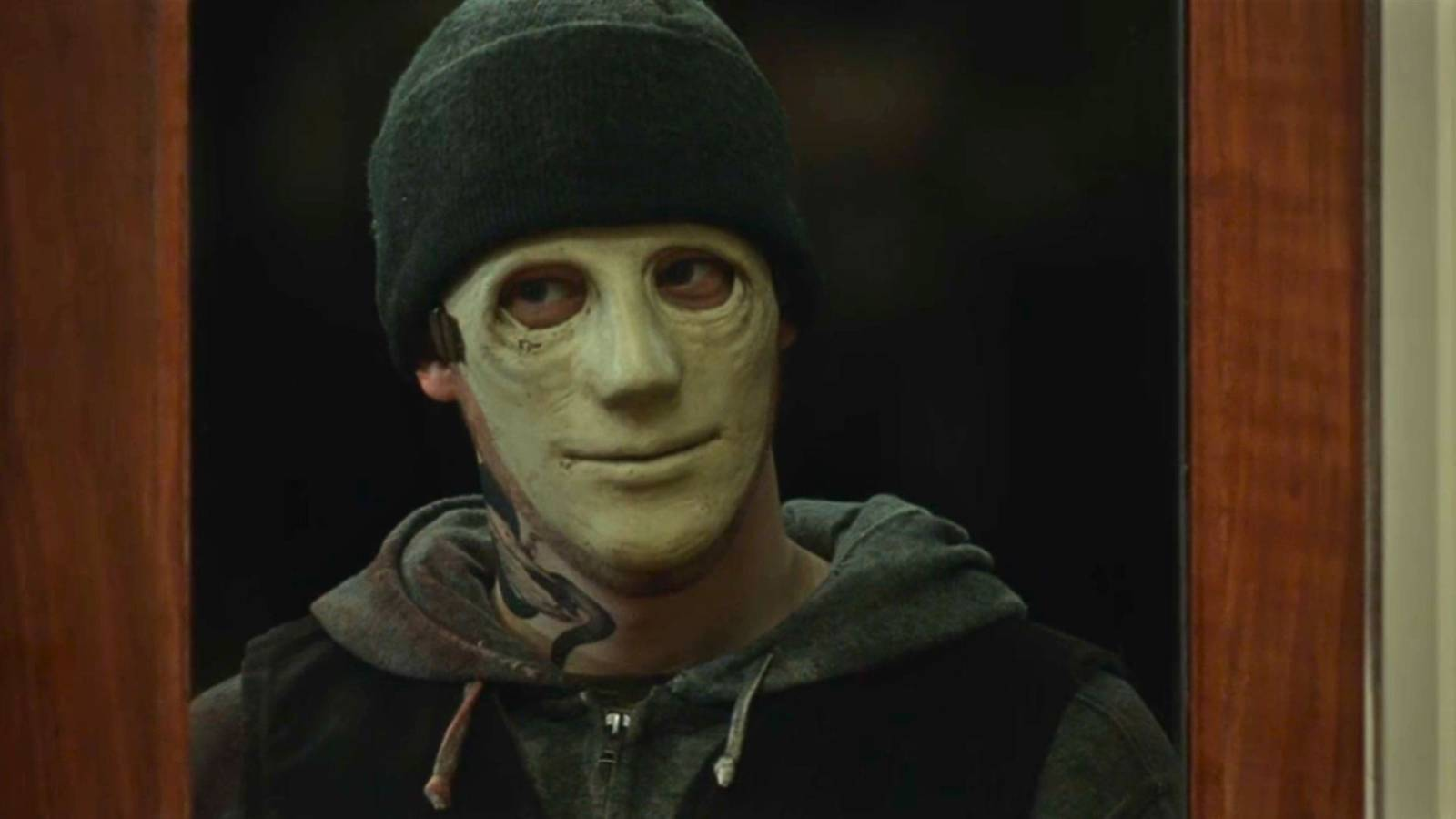
TL;DR: Mike Flanagan's "Hush" showcases a unique horror movie influence through its innovative use of sound, creating tension and suspense that culminates in a shocking twist, making it a standout in the genre since its release in 2016.
The gaming community has been following this story closely as more details emerge.
When you ask a horror fan for their favorite work from director Mike Flanagan, they'll probably point right to The Haunting of Hill House orMidnight Mass. I go back further: Flanagan's suspenseful psychological horror-thriller Hush, now 10 years old, shakes up horror tropes in a way that is sure to
Why It Matters
For players and the broader gaming community, gaming news, game releases, game reviews, esports, indie games represents an important development worth watching. Industry observers and fans alike will be keeping a close eye on what comes next.
What's Next
Expect further updates as more information becomes available. GameBrief will continue covering this story as it develops.
Frequently Asked Questions
Q: What is gaming news, game releases, game reviews, esports, indie games? A: This is the latest news and coverage from the gaming world, reported by GameBrief's editorial team.
Q: Where can I follow more gaming news? A: Stay up to date with GameBrief for daily gaming news, reviews, and guides.
Q: What platforms does this affect? A: Coverage spans PC, PlayStation, Xbox, Nintendo Switch, and mobile gaming.
Q: When did this happen? A: See the publication date above for when this story was reported.
Q: How do I stay updated on gaming news? A: Bookmark GameBrief and check back daily — new articles are published every day.
References
- Polygon. (2016). Hush: A Retrospective with Mike Flanagan. Retrieved from https://www.polygon.com/hush-2016-retrospective-mike-flanagan
- Wikipedia. (n.d.). Video game. Retrieved from https://en.wikipedia.org/wiki/Video_game
- IGN. (n.d.). Video Game Reviews, News, and Guides. Retrieved from https://www.ign.com/## Frequently Asked Questions
Q: How has the horror movie influence shaped video game narratives?
A: The horror movie influence has significantly impacted video game narratives by introducing complex characters and intricate plots that evoke emotional responses. Games often borrow elements from psychological horror films, utilizing suspenseful storytelling techniques that keep players engaged and on edge, similar to how films like those by Mike Flanagan create tension and fear.
Q: What are some common horror tropes found in video games?
A: Common horror tropes in video games include the use of isolation, unreliable narrators, and the presence of a menacing antagonist. These elements mirror those found in horror films, enhancing the immersive experience and allowing players to explore themes of fear and survival, much like in films such as "Hush."
Q: Can you give examples of video games that effectively use horror movie influence?
A: Several games effectively utilize horror movie influence, such as "Resident Evil" and "Silent Hill," which incorporate cinematic storytelling and atmospheric tension. Additionally, titles like "Outlast" and "Amnesia: The Dark Descent" exemplify how video game storytelling can evoke the same psychological dread found in horror films.
Q: How do suspenseful games enhance player experience through narrative design?
A: Suspenseful games enhance player experience by carefully crafting narratives that build tension and uncertainty. Through pacing, character development, and plot twists, these games create an engaging atmosphere that mirrors the suspense found in horror movies, allowing players to feel a genuine sense of fear and anticipation.
Q: What role does character development play in horror video games?
A: Character development is crucial in horror video games as it allows players to form emotional connections with the characters, heightening the impact of the narrative. Well-developed characters, often inspired by horror movie influence, can evoke empathy and fear, making the player's journey through the game more compelling and immersive.
The Evolution of Horror Movie Influence in Gaming
The relationship between horror films and video games has evolved significantly over the years, particularly in the realm of narrative design. Early horror games often relied on jump scares and simplistic narratives, mirroring the shock tactics of classic horror films. However, as both mediums matured, the integration of psychological horror elements became more pronounced. This shift can be traced back to influential directors like Mike Flanagan, whose work in films such as "Hush" has inspired game developers to craft more nuanced and suspenseful narratives.
Flanagan's ability to build tension through character development and atmosphere rather than relying solely on visual scares has resonated with game designers. For instance, games like "Silent Hill" and "Resident Evil" have adopted similar techniques, focusing on the psychological state of characters and the environments they inhabit. This horror movie influence has led to a more immersive experience for players, as they navigate through complex narratives that reflect their fears and anxieties.
Moreover, the incorporation of horror tropes into video game storytelling has allowed for a deeper exploration of themes such as isolation, survival, and the human psyche. Titles like "Amnesia: The Dark Descent" and "Outlast" exemplify how narrative design can evoke a sense of dread and suspense, drawing players into a world where their choices significantly impact the outcome. This evolution highlights the importance of narrative depth in creating engaging horror experiences.
The Role of Psychological Horror in Game Narratives
Psychological horror has become a cornerstone in the narrative design of many contemporary games. Unlike traditional horror that often relies on gore and shock value, psychological horror delves into the minds of characters, exploring their fears, insecurities, and traumas. This approach mirrors the storytelling techniques used in films like "Hush," where the tension is built through character interactions and the environment rather than overt horror elements.
Games such as "Layers of Fear" and "Soma" exemplify this trend, using narrative design to create a sense of unease that lingers long after the game is over. These titles often employ unreliable narrators and fragmented storytelling, compelling players to piece together the narrative while grappling with their own interpretations of fear. This method not only enhances the gaming experience but also encourages players to reflect on their emotional responses to the narrative.
The success of psychological horror in gaming can also be attributed to advancements in technology, allowing for more immersive environments and realistic character interactions. The use of sound design, lighting, and visual aesthetics plays a crucial role in establishing a foreboding atmosphere, reminiscent of the tension found in Flanagan's films. As developers continue to push the boundaries of narrative design, players can expect even more innovative approaches to psychological horror in the future.
Future Trends in Horror Game Storytelling
As the gaming industry continues to evolve, the influence of horror films on video game storytelling is likely to grow even stronger. With the rise of virtual reality (VR) and augmented reality (AR), developers have the opportunity to create even more immersive horror experiences that blur the lines between reality and fiction. This technological advancement could lead to new narrative structures that allow players to experience horror in unprecedented ways.
Additionally, the increasing popularity of episodic storytelling in games, as seen in titles like "The Walking Dead" and "Life is Strange," may further enhance the horror movie influence on narrative design. By breaking down stories into smaller, digestible episodes, developers can build suspense over time, similar to how horror films often unfold. This format allows for character development and plot twists that keep players engaged and invested in the outcome.
Furthermore, the integration of player choice and branching narratives will likely become more prevalent in horror games. This trend allows players to shape their own experiences, making decisions that can lead to multiple endings. Such mechanics not only enhance replayability but also create a more personalized horror experience, echoing the character-driven narratives found in films.
In conclusion, the horror movie influence on video game narrative design is a dynamic and evolving relationship. As filmmakers like Mike Flanagan continue to innovate within the horror genre, game developers will undoubtedly draw inspiration from these narratives to create more engaging and psychologically complex experiences for players. The future of horror gaming promises to be as thrilling and thought-provoking as the films that inspire it.
The Evolution of Horror Game Narratives
The horror movie influence on video game narrative design has evolved significantly over the years, particularly as developers have sought to create immersive experiences that resonate with players on an emotional level. Early horror games often relied heavily on jump scares and simplistic narratives, drawing directly from the tropes established by classic horror films. However, as the medium matured, so too did the storytelling techniques employed in these games.
One notable shift occurred in the early 2000s with the release of titles like "Silent Hill 2," which showcased a deeper psychological horror approach. This game, along with others, began to explore themes of guilt, trauma, and existential dread, mirroring the complex narratives found in films by directors like Mike Flanagan, known for his ability to blend horror with profound emotional storytelling. The psychological horror genre in gaming has since expanded, with titles like "Amnesia: The Dark Descent" and "Layers of Fear" pushing the boundaries of narrative design by incorporating unreliable narrators and fragmented storytelling that keeps players questioning their reality.
Moreover, the influence of specific films, such as Flanagan's "Hush," has inspired game developers to create suspenseful games that prioritize atmosphere and tension over traditional horror elements. "Hush," which features a deaf protagonist being stalked by a masked killer, exemplifies how a unique perspective can amplify suspense. This approach has been mirrored in games like "Outlast" and "Resident Evil 7," where players must navigate terrifying environments while grappling with their own vulnerabilities.
The Role of Player Agency in Horror Narratives
Player agency plays a crucial role in the effectiveness of horror narratives in video games. Unlike passive film viewers, players actively participate in the unfolding story, making choices that can lead to multiple outcomes. This interactivity enhances the horror movie influence, as players become more invested in the characters and their fates. Games like "Until Dawn" and "The Dark Pictures Anthology" series exemplify this trend, allowing players to make decisions that significantly impact the narrative trajectory.
The ability to influence the story creates a sense of responsibility and urgency, heightening the emotional stakes. For instance, in "Until Dawn," players must navigate a series of life-or-death choices, leading to various endings based on their decisions. This mechanic not only engages players but also mirrors the tension found in horror films, where characters often face critical choices that determine their survival.
Furthermore, the integration of player agency in horror narratives allows for a more personalized experience. Each player's journey can differ dramatically, leading to unique interpretations of the story. This aspect of gaming is particularly appealing to fans of horror, as it encourages replayability and discussion among players about their choices and outcomes, much like how audiences dissect plot points and character arcs in films.
Future Directions in Horror Game Storytelling
As the gaming industry continues to evolve, the horror genre is poised for further innovation in narrative design. Developers are increasingly experimenting with new technologies, such as virtual reality (VR) and augmented reality (AR), to create more immersive horror experiences. VR titles like "Resident Evil 7: Biohazard" have demonstrated the potential of this technology to heighten fear and suspense, allowing players to experience horror in a way that feels incredibly real.
Looking ahead, we can expect to see more games that blend traditional horror movie influence with cutting-edge technology. The rise of AI-driven narratives could also revolutionize how stories are told in horror games, allowing for dynamic storytelling that adapts to player choices in real-time. This could lead to even more personalized experiences, where the narrative evolves based on individual player behavior, creating a unique blend of horror and interactivity.
In addition, as societal themes and issues continue to shape the landscape of storytelling, horror games may increasingly reflect contemporary anxieties, much like modern horror films. Topics such as mental health, isolation, and societal fears could become central to game narratives, providing players with not only scares but also meaningful commentary on the human experience.
As we look to the future, the potential for horror games to push boundaries in narrative design is vast. With a rich history of horror movie influence to draw upon, developers have the opportunity to craft stories that are not only terrifying but also resonate deeply with players, ensuring that the genre remains relevant and compelling for years to come.
Frequently Asked Questions
Q: How have horror films influenced the narrative design of video games?
A: Horror films have significantly shaped video game narratives by introducing elements such as suspense, atmosphere, and character development. Game designers often draw inspiration from cinematic techniques to create immersive experiences that engage players emotionally, enhancing the overall storytelling in gaming news and game reviews.
Q: Are there specific video games that exemplify the influence of horror films?
A: Yes, titles like "Resident Evil" and "Silent Hill" are prime examples of video games that incorporate horror film elements. These games utilize cinematic storytelling, atmospheric sound design, and visual aesthetics that echo the tension and fear found in classic horror films, making them staples in discussions about game releases.
Q: What role do indie games play in the horror genre?
A: Indie games have become a vital part of the horror genre, often pushing creative boundaries and exploring unique narratives. Many indie developers take inspiration from horror films, resulting in innovative gameplay and storytelling that resonate with players, contributing to the diversity of gaming news and esports.
Q: How do horror video games differ from their film counterparts?
A: While horror films rely on visual and auditory cues to evoke fear, horror video games engage players interactively, allowing them to influence the narrative and outcomes. This interactivity can heighten the sense of dread and immersion, making the experience distinct from watching a horror film.
Q: What trends are emerging in the horror video game genre?
A: Current trends in horror video games include the use of psychological horror and the blending of genres, such as horror with adventure or puzzle elements. Additionally, advancements in technology, such as virtual reality, are creating new ways for players to experience fear, making it an exciting time for game releases in the horror category.
