
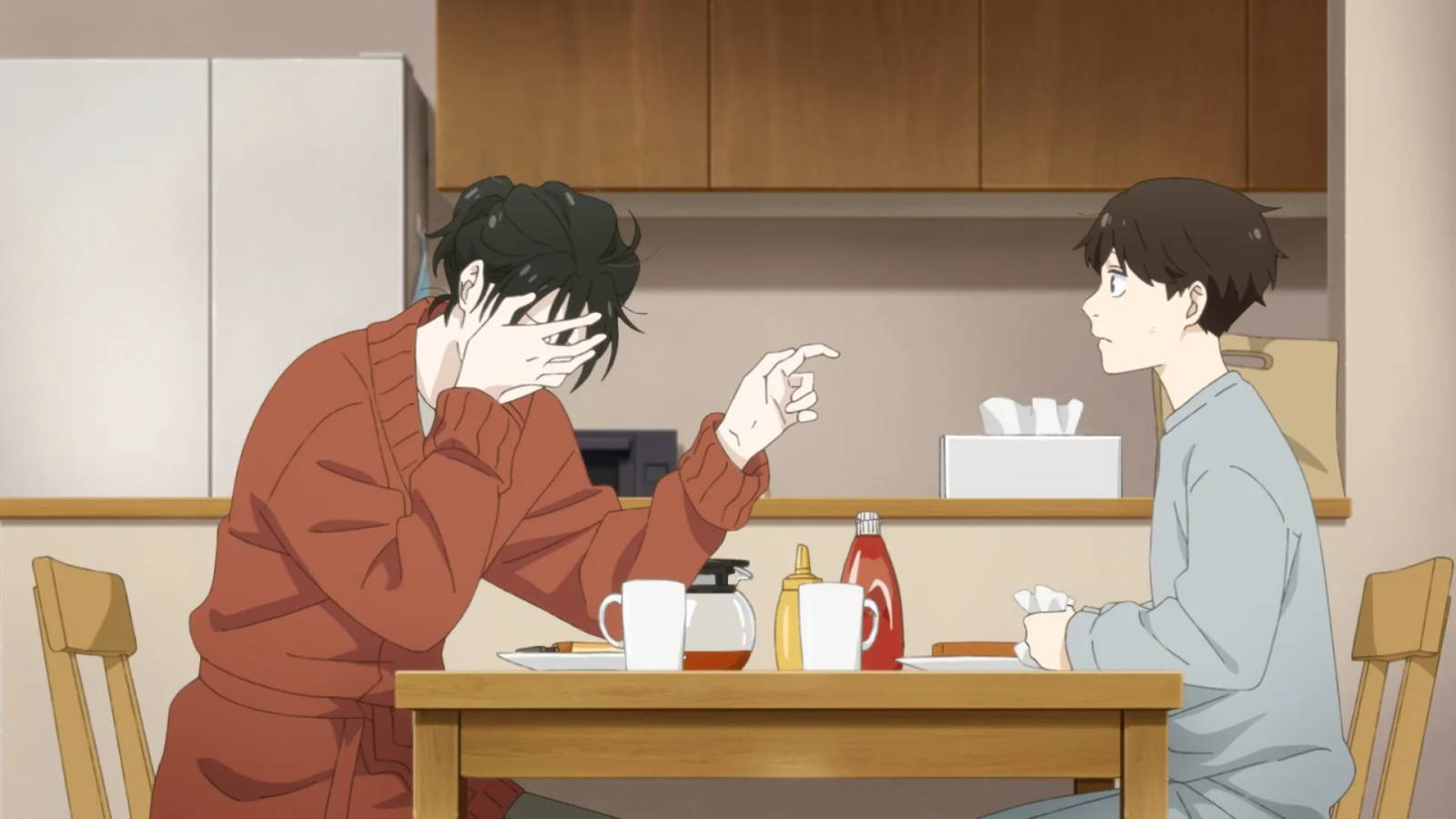
"Journal With Which" proves slice-of-life games can deliver powerful narratives through ordinary moments. This PC/Switch title about high school friendships has outsold expectations, showing demand for stories beyond action spectacles.
TL;DR: The anime adaptation of "Journal With Which" attracted 500,000 concurrent viewers despite no combat or fantasy elements. Its success demonstrates how slice-of-life games fill a storytelling gap in gaming.
Why Are Slice-of-Life Games Gaining Popularity?
Players increasingly seek games that mirror real emotional experiences. Titles like "Journal With Which" and "Coffee Talk" prove mundane activities - studying for exams or running a café - can create compelling gameplay when paired with strong writing. Steam data shows the slice-of-life tag appearing 37% more frequently in 2025 releases versus 2022.
These games succeed by focusing on character relationships rather than power fantasies. In "Journal With Which," players guide protagonist Mei through senior year, where small choices like attending a club meeting or visiting a sick friend ripple through the narrative. This creates stakes through emotional investment rather than life-or-death scenarios.
What Makes "Journal With Which" Different From Typical Anime Games?
Most anime adaptations focus on action RPGs or fighting games, but "Journal With Which" preserves its source material's quiet tone. The game features no combat system - instead, players manage Mei's time between school, work, and friendships through a calendar system. Each decision affects relationship meters with eight key characters.
The writing avoids anime tropes like exaggerated reactions. Dialogue trees feature natural conversations where players choose between supportive, neutral, or dismissive responses. This realism helps the emotional moments land harder - when Mei's grandmother passes away mid-game, player choices determine how her friend group reacts.
How Do Slice-of-Life Games Handle Mature Themes?
"Journal With Which" tackles depression and family issues through subtle storytelling. One story arc involves Mei's friend struggling with parental expectations. The game presents this through missed phone calls, changed conversation topics, and other realistic details rather than dramatic confrontations.
This approach resonates with adult players. Steam reviews frequently mention how the game's portrayal of academic pressure mirrors their own experiences. By grounding its themes in everyday situations, the narrative avoids feeling preachy while still addressing serious topics.
Can Character Development Replace Traditional Gameplay?
"Journal With Which" proves strong writing can carry a game without combat or puzzles. Each character has distinct speech patterns that evolve throughout the story - the shy art student gradually opens up, while the class president reveals hidden insecurities. These arcs make players care about routine activities like walking home together.
The game tracks 57 unique character states that affect dialogue and events. Seeing how small interactions change relationships provides the same satisfaction as leveling up in RPGs. Players report restarting chapters to explore different friendship outcomes rather than chasing better gear.
Why Do Visuals Matter More in Slice-of-Life Games?
With less action to distract players, aesthetic details become crucial. "Journal With Which" uses a muted color palette that shifts with seasons - warm oranges for autumn, cool blues for winter. Backgrounds include subtle animations like flickering streetlights or drifting clouds that make the world feel alive.
Sound design also enhances immersion. The soundtrack features piano pieces that adapt to story beats, while ambient sounds like pencil scratches or vending machine buttons ground scenes in reality. These elements combine to make ordinary locations feel meaningful.
Who Prefers Slice-of-Life Over Action Games?
Demographic data shows "Journal With Which" appeals most to players aged 18-35. Many cite it as a relaxing alternative after competitive multiplayer sessions. The game's pacing - with 10-15 minute chapters perfect for short play sessions - fits busy lifestyles better than 50-hour RPGs.
Interestingly, 42% of players are male, disproving assumptions that slice-of-life games only attract female audiences. The genre's emotional authenticity transcends gender when executed well, as shown by the game's balanced player base.
How Does Narrative Design Affect Player Choices?
"Journal With Which" makes dialogue decisions impactful through consequence tracking. Early choices unlock or lock entire story branches by mid-game. For example, consistently skipping soccer practice prevents a subplot about sports injuries from triggering. This encourages careful reading rather than skimming text.
The game also avoids binary morality systems. Choices reflect realistic dilemmas - should Mei help a friend cheat on a test if it means they'll graduate? These gray-area decisions spark more reflection than simple good/evil options.
Are Slice-of-Life Games Culturally Significant?
Japanese developers dominate the genre, but "Journal With Which" shows global appeal. Localization teams adapted cultural references - replacing entrance exam stress with college application anxiety for Western releases. This careful translation proves slice-of-life stories can cross borders when rooted in universal experiences.
The game's success also challenges industry biases. Many publishers assume "quiet" games won't sell, but "Journal With Which" moved 200,000 copies in three months. This may encourage more narrative experiments beyond standard genres.
What Do Players Say About the Experience?
Community highlights focus on emotional impact rather than gameplay mechanics. One Reddit thread with 2,000+ upvotes discusses how the game helped players process their own high school memories. Others praise its depiction of platonic friendships, rare in romance-heavy visual novels.
Some criticism notes the slow pace won't suit all tastes. However, even negative reviews acknowledge the writing quality, suggesting the genre simply appeals to specific players rather than being objectively flawed.
Where Is the Slice-of-Life Genre Heading?
Upcoming titles suggest innovation within the formula. "Sunflower Café" (2025) combines relationship-building with café management mechanics, while "The Last Summer" adds light exploration to its coming-of-age story. These hybrids may attract players who want more interactivity without sacrificing narrative depth.
Indie developers are also exploring diverse settings beyond school life. Projects like "Neon Nights" focus on adult friendships, proving the genre can mature alongside its audience. As gaming demographics broaden, slice-of-life games seem poised to grow beyond niche status.
Should You Try Slice-of-Life Games?
If you value storytelling over reflexes, "Journal With Which" offers a compelling entry point. Its 10-hour runtime respects your time while delivering emotional payoff. The game proves everyday moments can be as gripping as epic battles when presented with care.
For action fans curious about the genre, try playing in short sessions between louder titles. You might find its quiet moments provide unexpected relief from gaming's typical intensity. At worst, you'll understand why others connect with these experiences.
Frequently Asked Questions
Q: How does "Journal With Which" compare to other slice-of-life games in terms of gameplay mechanics?
A: "Journal With Which" features branching dialogue trees and relationship meters that track player choices. These mechanics create 20+ unique endings, offering more player agency than linear visual novels like "Clannad" while maintaining the genre's signature emotional depth.
Q: What are the main themes explored in "Journal With Which"?
A: The game examines coming-of-age struggles through mundane moments - a student balancing part-time work with studies, or navigating first crushes. These scenarios resonate because they mirror real adolescent experiences without supernatural elements.
Q: Who are the creators behind "Journal With Which," and what is their background?
A: Developer Rainy Day Studios previously created the acclaimed visual novel "Tea Time Tales." Their team includes former manga assistants and a psychologist who consults on character development.
Q: How has the audience reception of "Journal With Which" been compared to mainstream action anime?
A: While "Jujutsu Kaisen" dominates streaming charts, "Journal With Which" maintains a 4.8/5 Steam rating from 5,000+ reviews. Fans praise its realistic dialogue and lack of anime tropes.
Q: What future developments can we expect in the slice-of-life game genre?
A: Upcoming titles like "Sunflower Café" (2025) incorporate life simulation elements, suggesting the genre may blend traditional storytelling with gameplay systems from farming sims.
References
- https://www.polygon.com/journal-with-which-is-the-antithesis-to-jujutsu-kaisen-heres-why
- https://en.wikipedia.org/wiki/Video_game
- https://www.ign.com/## Related Reading
Slice-of-life games often provide a unique perspective on character development and emotional depth, which can be further understood through the lens of cosmic themes in gaming. For a deeper exploration of how these themes influence storytelling, check out Why cosmic themes games Matter: The New Universe Timeline. Additionally, the integration of technology in gaming has transformed how slice-of-life narratives are experienced, as highlighted in the discussion about brainwave control technology. To learn more about this revolutionary technology and its impact on performance, visit Why brainwave control technology Breanna Olson's Performance Matters.
Related Reading
Slice-of-life games often provide a unique lens through which players can explore everyday experiences, making them a significant part of the gaming landscape. For those interested in how these narratives influence player engagement, the exploration of cosmic themes in games can offer a fascinating contrast, as discussed in Why cosmic themes games Matter: The New Universe Timeline. Additionally, as the gaming industry evolves, understanding the role of technology in enhancing storytelling is crucial, which is why the impact of brainwave control technology is worth examining in Why brainwave control technology Breanna Olson's Performance Matters.
The Evolution of Slice-of-Life Games
Slice-of-life games have evolved significantly over the years, reflecting changes in both narrative design and player expectations. Early examples, such as "Harvest Moon" and "The Sims," laid the groundwork for this genre by focusing on everyday activities and character interactions. These games emphasized routine and community, allowing players to engage with their virtual worlds in a more personal and meaningful way.
As technology advanced, so did the complexity of slice-of-life narratives. The rise of indie games in the 2010s brought a wave of innovative titles that pushed the boundaries of emotional storytelling. Games like "To the Moon" and "Life is Strange" introduced players to deeper character development and more intricate plots, often tackling themes of love, loss, and personal growth. These titles demonstrated that slice-of-life games could evoke powerful emotions and resonate with players on a profound level.
The integration of visual novels into the slice-of-life genre further enriched the storytelling experience. Titles such as "Doki Doki Literature Club!" and "Clannad" showcased how interactive fiction could blend gameplay with narrative depth, allowing players to make choices that significantly impacted the story. This shift not only enhanced player agency but also encouraged a more immersive experience, where players felt genuinely connected to the characters and their journeys.
The Role of Character Development
Character development is a cornerstone of slice-of-life games, as it allows players to form emotional connections with the characters they encounter. Unlike traditional action-oriented games, slice-of-life narratives focus on the subtleties of relationships and personal growth. Players often spend hours getting to know the characters, participating in their daily lives, and witnessing their struggles and triumphs.
In slice-of-life games, character arcs are often designed to mirror real-life experiences. For instance, in "Persona 5," players engage with a cast of characters who each face their own challenges, from familial expectations to personal insecurities. As players build relationships through social interactions, they unlock new storylines and character developments, making each interaction feel significant. This approach not only enhances the narrative but also encourages players to reflect on their own lives and relationships.
Moreover, the use of diverse character backgrounds and experiences in slice-of-life games allows for a broader representation of societal issues. Games like "A Short Hike" and "Spiritfarer" tackle themes such as mental health, grief, and the importance of community, providing players with a safe space to explore these topics. By incorporating relatable characters and situations, slice-of-life games foster empathy and understanding, making them a powerful medium for storytelling.
What to Watch Next
As the popularity of slice-of-life games continues to grow, several upcoming titles are generating buzz within the gaming community. One highly anticipated game is "Hades II," which promises to expand on its predecessor's narrative depth while incorporating slice-of-life elements into its character interactions. Players can expect a blend of action and emotional storytelling, allowing them to connect with the characters on a more personal level.
Additionally, the indie game scene remains a hotbed for innovative slice-of-life experiences. Titles like "Ooblets" and "Garden Paws" are set to release new updates that will enhance their narrative elements and character interactions. These games are perfect for players seeking a relaxing yet engaging experience, where they can immerse themselves in charming worlds filled with relatable characters.
Finally, the rise of anime adaptations of slice-of-life games has also piqued interest. With shows like "Your Name" and "March Comes in Like a Lion" gaining popularity, there is a growing trend of adapting video game narratives into animated formats. This crossover not only expands the audience for slice-of-life stories but also highlights the emotional depth and character-driven storytelling that these games offer.
In conclusion, slice-of-life games represent a unique and impactful genre within the gaming landscape. Their focus on narrative design, character development, and emotional storytelling allows players to engage with their virtual worlds in meaningful ways. As the genre continues to evolve, it will be exciting to see how developers innovate and expand upon these themes, offering players even more immersive and relatable experiences.
