
GameBrief · Guides
Kristala Spells Guide: Eminence vs Malediction Explained

Reviewing
Kristala
Astral Clocktower Studios
Most players searching for a Kristala spells guide don't need a list of spell names. What the game never explains (before you commit at the character creator) is what separates the two school categories and why that choice shapes every fight from hour one.
The decision at the 32-trait creator is permanent. Knowing what you're picking before you confirm it matters.
TL;DR: Six clans, six magic schools. Two broad categories: Eminence (immediate damage) and Malediction (curse/DoT). Mana refills from landed melee hits (not passively. Pick Nisarga or Tandara (both Eminence) for your first run. Malediction is worth playing second) the ceiling is high, but the feedback loop is harder to learn. No mid-game respec; new clan means new character.
Kristala spells guide: key takeaways
- Six magic schools, one per clan: no two clans share the same school, and you can't switch mid-run
- Two school types: Eminence (immediate damage on cast) and Malediction (curse builds over time into DoT)
- Mana regenerates through landed melee hits: cast without hitting and your mana pool runs dry
- Nisarga and Tandara are the Eminence-aligned clans; recommended for first playthroughs
- No mid-game respec and no traditional New Game Plus: a new magic school requires a new character
- Malediction adds 2-4 hours to a first playthrough versus Eminence, but has more depth on replays
- Ellarial Fonts are where you invest spell upgrades: finding and activating every Font on the critical path matters
The Two School Systems
Kristala organizes its six magic schools under two categories that determine the fundamental rhythm of how you fight.
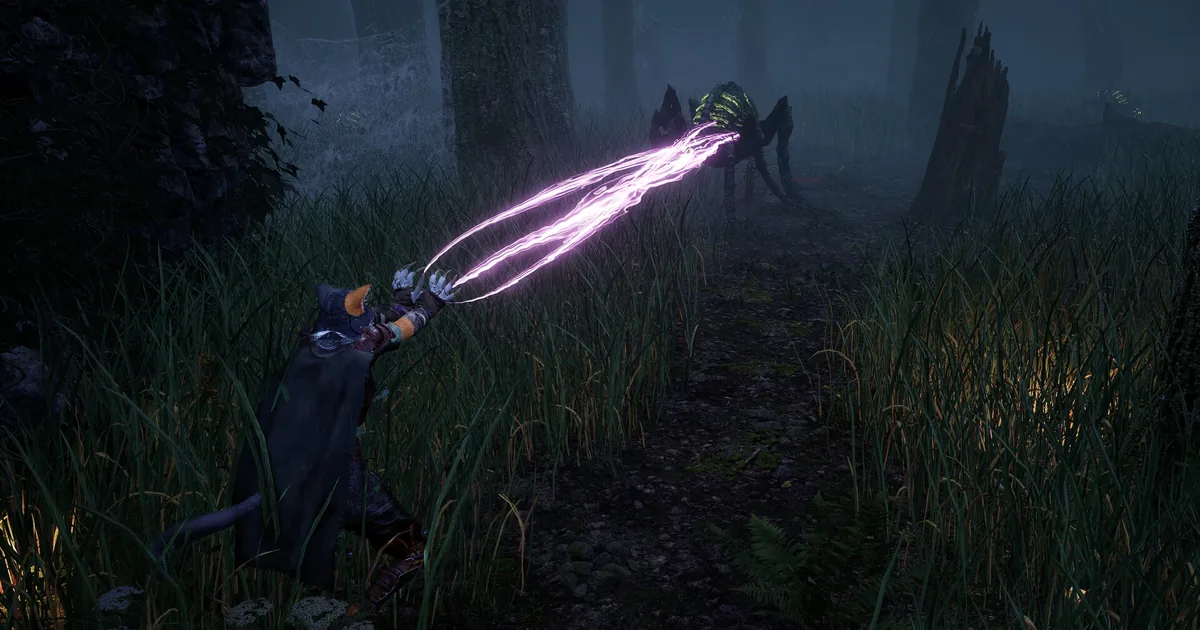
Eminence schools produce damage immediately. You cast a spell and the enemy takes damage. The feedback is immediate and unambiguous: you know whether the spell is working, and you can adjust what you're doing within the same fight. For new players, this clarity is worth more than the number comparisons suggest. Understanding whether you're fighting correctly is hard enough without also having to account for a damage delay.
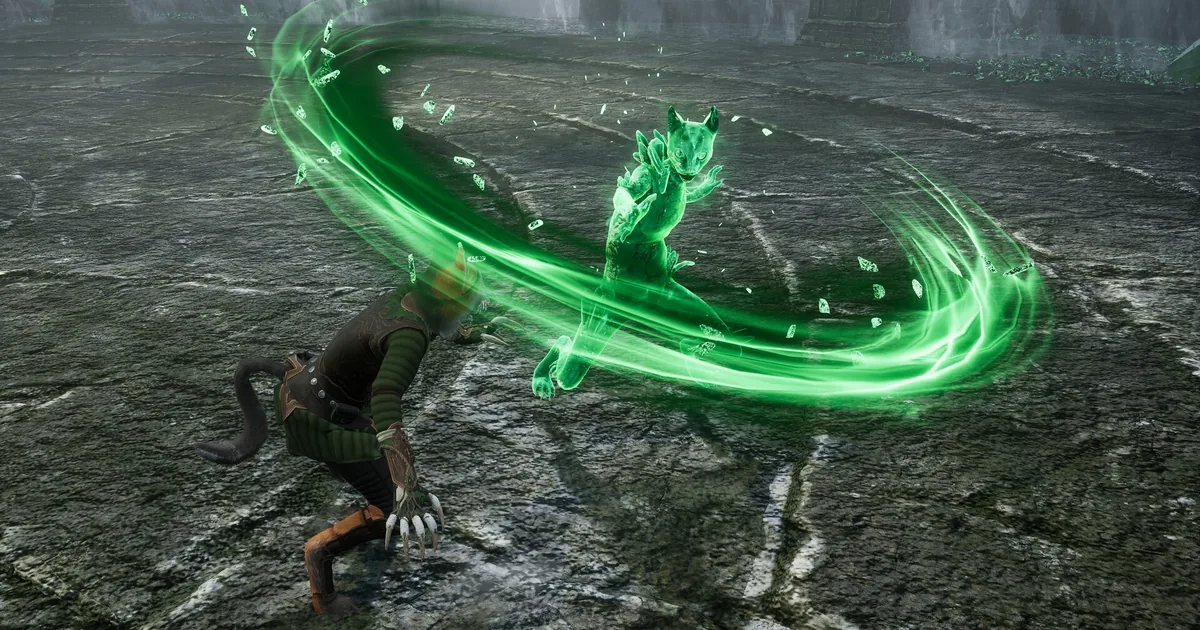
Malediction schools work on a different timeline. Spells apply curse effects that build damage over time. The first cast isn't the peak: the damage accumulates. Against fast enemies or brief fight windows, curse-based builds feel weak. Against bosses with longer health pools, the accumulated damage becomes substantial. The learning curve isn't the mechanics themselves; it's internalizing that the payoff is delayed.
Neither system is objectively better. They produce different experiences across the same content, which is why the game is built around replay rather than a single playthrough that tries to show you everything.
GODEEPER: Which clan fits which playstyle, and why the starting node in the Feline Skill Tree matters for your spell investment. Kristala Clans: Eminence, Malediction, and Which to Pick →
The Mana System
This is the mechanic most players get wrong, and it's the one the game explains least clearly.
Mana in Kristala does not regenerate passively. There is no waiting, no regeneration tick, no resting at a Font to recover. The only way to refill your mana pool is to land melee hits on enemies.
The intended loop:
- Close to melee range
- Land melee hits to build mana
- Spend mana on spells from range or during the fight
- Return to melee when the pool drops
Players who try to play Kristala as a ranged spellcaster (hanging back, casting from distance, avoiding melee) run out of mana within the first minute of a fight and spend the rest fighting with no spells available. That experience makes the game feel harder and the magic system feel underpowered. It isn't underpowered; the mana loop just isn't what players expect coming from other games.
This mechanic applies equally to Eminence and Malediction schools. Both require melee engagement to maintain spell availability. The difference is what you spend the mana on and when the damage appears.
Players who internalize the melee-mana-spell loop in the first hour play significantly faster through encounters than players who discover it at hour five.
Melee hits refill mana: the loop is melee to build, spells to spend. Ranged-only play drains the mana pool with no way to recover.
Eminence Schools: What They Feel Like
Eminence schools are the appropriate starting choice for most players. Not because they're easier in absolute terms, but because the fight feedback is faster.
When you cast an Eminence spell, you see what happens. The damage lands, the enemy reacts, and you can make a decision about whether to cast again or pivot to melee. Fights stay readable. The skill you develop (reading enemy behavior, timing casts with melee openings) transfers directly to harder content as the game progresses.
The two Eminence-aligned clans in Kristala are Nisarga and Tandara. Both access immediate-damage spell types but from different thematic angles: the specifics of each clan's school are part of the replay value. First-run players choosing between them are primarily choosing an aesthetic; the core Eminence fight loop is the same.
First playthroughs with an Eminence school typically resolve boss fights 2-4 hours faster than equivalent Malediction runs, because players can more easily tell which actions are and aren't working. The game isn't easier: the feedback is clearer.
Malediction Schools: When to Play Them
Malediction isn't a harder version of Eminence. It's a different game mode operating on a different feedback cycle.
Curse effects from Malediction spells build damage over time. Each cast adds to the accumulating effect, and the damage plays out across the full duration of the curse. Against a boss with a large health pool (Hiratrola or any late-game encounter) a fully stacked curse does substantial damage that straightforward Eminence casting doesn't match.
The problem with Malediction on a first run is that it feels underpowered early: specifically because early enemies die before the curse damage pays off. Players quit in the first two hours because the feedback is silent. Curses are ticking, but small health pools don't show the payoff. The system works as intended once enemies can actually survive long enough for the DoT to matter.
If you don't know what you're looking at, Malediction seems broken. If you're on a second run with the loop already understood, it's significantly more satisfying. Play it second.
Upgrading Spells at Ellarial Fonts
Ellarial Fonts are upgrade hubs, checkpoints, and fast travel points in one. The Font that saves your progress is the same place you invest in your build.
Each Font offers upgrade paths that depend on your clan and magic school. Eminence schools lean toward options that amplify damage output and reduce cast cost. Malediction schools have paths that extend curse duration, increase stacking speed, and add secondary effects to existing curses. The specific options available at any Font depend on which Fonts you've previously activated and how far along the critical path you are.
Missing Fonts matters. Players who skip Fonts because they're off the direct path lose upgrade investment and lose fast travel access. The game places Fonts at natural exploration waypoints, but the parkour traversal system also hides some in vertical areas that aren't obvious from ground level. Finding and activating every Font on the critical path is worth the time: each one is both a build investment and a navigation point.
The Font upgrade order is the decision that separates players who finish at 25 hours from players who finish the same content at 35 hours. An optimized Eminence build pushes through encounters fast. A Malediction build that upgrades curse extension early covers the weak early-game period better than one that prioritizes raw damage first.
No Respec, No NG+
There is no mid-game magic school respec. If you start as an Eminence-aligned clan and decide you want to try Malediction, you start a new character. The school you pick at the 32-trait creator is your school for the entire run.
There is no traditional New Game Plus. Each new clan is a new character: the 32-trait creator, the opening areas, the starting Fonts. PC demo saves carry over to the full release, which can shorten the first run slightly if you played the demo, but playthroughs otherwise start fresh.
Six schools that each produce a different experience is the whole point. A second run isn't grinding the same content with different numbers: the fight loop changes enough that it's genuinely a different game.
Clan selection at the 32-trait creator determines your magic school for the entire run: there's no changing it later. The choice is the playthrough.
Step-by-step: using this Kristala spells guide to plan your first two runs
-
Read the character creator clan descriptions and identify which two clans are Eminence-aligned (Nisarga and Tandara). Pick one of them for your first character. The choice between them is aesthetic; the core Eminence loop is the same.
-
In the first hour, focus on the mana mechanic before anything else. Land melee hits before casting spells. When your mana bar is low, return to melee: don't keep casting from a depleted pool. This is the thing this kristala spells guide most needs you to internalize before the first boss fight.
-
At each Ellarial Font, pick upgrades that amplify your current school's output. For Eminence: options that increase damage or reduce cast cost. For Malediction: options that extend curse duration or increase stacking speed. Don't split investment across both categories: commit to the school you're playing.
-
Before your second playthrough, check the achievement list for clan-specific targets. Some of the 50 Steam achievements require specific magic school progression. Plan your second run around the magic school and achievements you missed in the first.
-
On your second run, pick a Malediction-aligned clan. The mana loop is already understood, deflect timing is comfortable, and you can now pay attention to how curse accumulation works against bosses with large health pools. The payoff on Malediction becomes readable once enemy HP pools are big enough for the DoT to matter.
-
Track which Fonts you've activated across runs. Each Font is a build node and a fast travel point. Players who miss Fonts in one run can target them specifically in subsequent runs to compare the upgrade options against what they experienced in the first playthrough.
Which School to Pick First
If this is your first Kristala playthrough, pick an Eminence school. Nisarga or Tandara: either works.
The reason is readability, not strength. You cast, you see damage, you adjust. The fight loop (melee to build mana, spend mana on spells, repeat) clicks faster when the spell results are immediate. Figuring out the mana mechanic, deflection timing, and Font upgrade order is already a lot for a first run without also having to decode a delayed damage system on top.
Play Malediction second. By then the mana loop is automatic, you know which Fonts are worth hunting, and you've seen enough boss encounters to actually appreciate what a fully stacked curse does. The same content feels different with Malediction once you stop wondering if the system is working.
For achievement hunters: some of the 50 Steam achievements are tied to specific magic school or clan progression and can't be unlocked in a single run. Two playthroughs (one Eminence, one Malediction) cover most of the targets. Beyond that, additional clan runs fill in the rest.
GODEEPER: How long each school type takes and what affects completion time across all six clans. Kristala How Long to Beat: Story, 100%, All Clans →
Frequently asked questions
How many magic schools are in Kristala? Kristala has six magic schools, one per clan. Every clan is tied to a distinct school: no two clans share the same school. The six schools split into two broad categories: Eminence (immediate damage output) and Malediction (curse-based, damage over time). Your school is set at character creation by clan choice and cannot be changed mid-run.
What is the difference between Eminence and Malediction in Kristala? Eminence schools deal damage immediately on cast: you see the result of each spell in real time. Malediction schools apply curse effects that build up damage over time. Eminence gives faster feedback in fights, which makes it easier for new players to understand what is and isn't working. Malediction has a higher ceiling but requires patience during the curse ramp-up phase.
How does mana work in Kristala? Mana in Kristala regenerates through landed melee hits, not passively. There is no automatic mana recovery over time. If you cast spells without landing melee attacks to refill your mana pool, you will run dry. The intended loop is: use melee attacks to build mana, spend mana on spells, repeat. Players who treat Kristala as a pure caster and avoid melee combat will constantly run out of mana.
Which Kristala clan should I pick first for spells? Nisarga or Tandara for a first playthrough: both are Eminence-aligned, meaning spells deal damage immediately and give clear feedback on what is working. Eminence first runs average 2-4 hours shorter than Malediction runs because the fight loop is more intuitive. Play Malediction on a second run once you understand the systems.
Can you respec your magic school in Kristala? No. There is no mid-game magic school respec in Kristala. Your clan choice at character creation determines your magic school for the entire playthrough. The only way to access a different school is to create a new character from the 32-trait creator. This is by design: the six schools are meant to reward multiple playthroughs, not be sampled in a single run.
Do you need multiple playthroughs to see all Kristala magic schools? Yes, if you want to experience all six schools. Each clan is tied to one school, and you play one clan per character with no NG+ mode. A single playthrough covers one magic school. Experiencing all six requires six characters. In practice, most players run two to three: one Eminence, one Malediction, and sometimes a third for achievement-specific runs.
Does magic school affect how long Kristala takes to beat? Yes. Eminence-aligned schools produce damage quickly and tend to result in faster fight resolution. Malediction builds require waiting for curse damage to accumulate during boss encounters: expect to add 2-4 hours to your first playthrough compared to an Eminence run. The total completion time stays roughly the same across experienced players, but first-time Malediction runs run longer.
References
- Kristala on Steam: official page, clan details, magic school descriptions, and achievement list
- r/Kristala on Reddit: community discussion on school comparison, mana mechanics, and clan recommendations
- Kristala complete guide: all builds, bosses, clans, spells, and guides for the 2026 EA release
Related Reading
The Kristala Clans Guide covers the specific clan differences within Eminence and Malediction: the choice inside each category that determines your starting position in the Feline Skill Tree.
For the Font upgrade order and which stats to invest in first (the decisions that shape how both school types perform across the full run) the Kristala Character Build Guide has the complete breakdown.
Unsure whether to play Kristala now or wait for patches? The Kristala Review covers the current state of both the magic system and the console performance issues worth knowing about before you start.
Just starting out? The Kristala Beginners Guide covers the first-hour priorities: including how to handle the first Font investment before you fully understand which school you'll be leaning into.
The mana system and the Feline Skill Tree are connected: parkour investment affects which Fonts you find, and each Font is where you spend mana-efficiency upgrades. The Kristala Feline Skill Tree Guide covers why early traversal investment matters for both school types.
- Kristala Lophi Boss Guide: Parry Timing & How to Win: Kristala Lophi boss guide: why his yellow attacks should be parried not dodged, when to dodge the jump....
- Kristala Grottorot Golem Boss: The Arena-Edge Kill: Kristala Grottorot Golem boss: the environmental edge kill, why the arena cuts both ways, the dungeon-reset problem, and....
- Kristala Hiratrola Boss Guide: How to Beat the Brute: Kristala Hiratrola boss guide: read the long wind-ups on its heavy attacks, why the long fight favors a....
- Kristala Elder Samwise Boss: Beat the Phase 2 Spin: Kristala Elder Samwise boss guide: why phase 2 demands evasion not deflection, the 5-hit combo that tags you,....
- Kristala Elder Satine Boss: The Final Deflection Test: Kristala Elder Satine boss guide: the most deflection-heavy fight in the game, the jumpscare attack that breaks the....
- Far Far West Elec Spells: All 5 & the Portal Trick: Far Far West Elec spells: all 5 from Strikes to Thunderstrike, why Portal duplicates any spell thrown through....
- Kristala Combat Guide: Parry Timing and Mana Loop Tips: Kristala combat guide: deflect attacks to build mana, then cast.
- Kristala Boss Guide: All 5 Bosses and How to Beat Them: Kristala boss guide covering all 5 fights: Lophi the Lost, Grottorot Golem, Hiratrola, Elder Samwise,.
Was this guide helpful?
About the author

Senior Critic & Analyst
Former game data analyst turned critic with 11 years covering indie and mid-tier games. Based in Austin. Runs spreadsheets on games most people just play.
- 11 years games criticism
- Former game economy analyst
- Roguelike and strategy specialist
Keep reading



Disclaimer
This article is published for informational and entertainment purposes. It does not constitute professional financial, legal, or technical advice. Game performance, online services, patch schedules, and store listings change. Verify critical details (pricing, system requirements, regional availability) with publishers and storefronts before you buy. Affiliate links, where present, help support our editorial work and are labelled in our affiliate disclosure.
Comments
Loading comments…