
ReviewKristala
Kristala Review: PS5 and PC Feline Souls-Like With Caveats
Kristala review on PC and PS5: feline Souls-like with deflection combat, parkour, three clan magic specialties, and what the post-launch patches fixed.
This Kristala review was updated October 16, 2026: Astral Clocktower posted patch notes for v1.0.3 through v1.0.17 in the first month after launch, then shipped the "Resurgence" update (v1.1.0) on May 26 and the free Cursed Realm content update (v1.2.0) on July 30. v1.0.17 brought "significant loading and streaming optimizations." Steam user reviews sit at Mostly Positive. FSR was temporarily disabled in v1.1.0 after crash reports; the latest v1.2.4 notes from September 2 do not document re-enabling it, so verify the live graphics menu. Unsourced quotes and a launch-day press blurb were removed in this update, and the playtime estimate now uses HowLongToBeat.

Sponsored

About the game
Kristala
Astral Clocktower Studios
Reception
Pros
- Deflection-based combat with mana regeneration creates an aggressive and rewarding loop
- Feline parkour traversal adds vertical dimension absent from most Souls-likes at this price
- Three current clan magic specialties provide a clear starting-build choice
- Character creation offers meaningful mechanical choices beyond cosmetics
Cons
- Post-launch patches up to v1.0.17 (May 21) focused on loading and streaming stutter; console players should still check current patch notes
- AMD FSR support was pulled in v1.1.0 after crash reports; the v1.2.4 notes do not document re-enabling it, so verify the live graphics menu
- Stealth system feels underdeveloped compared to combat and traversal pillars
Verdict
A Souls-like with strong design identity backed by aggressive post-launch patching: PC players can buy now; console players should check current patch notes
At a $39.99 list price on Steam (no discount running as of this update, though it frequently goes on sale, so check Steam for the current price before buying), Kristala enters a bracket where Souls-like players arrive with calibrated expectations. This review is based on the 1.0 build (shipped after two years in Early Access), updated to reflect the post-launch patch state through September 2, 2026.
Sponsored

Kristala review: key takeaways
Released April 23, 2026 (1.0 after Early Access since June 6, 2024). $39.99 list price for the base edition on Steam (frequently discounted since launch, check Steam for current pricing), also on PS5 and Xbox. Developed by Astral Clocktower Studios. HowLongToBeat's few logged runs put main story plus sides at about 19 hours. The current official sources list three starting clan magic specialties and up to 16 equipped spells. Patch notes for v1.0.3 through v1.0.17 landed in the first month. v1.0.17 (May 21) targeted loading stutter. Steam user reviews: Mostly Positive. The latest v1.2.4 notes do not document re-enabling FSR, so verify the live graphics menu before relying on it. Check current reviews before buying on console.
BESTPRICE: Want Kristala? These stores list it: Buy on Eneba → Buy on Kinguin →
Overview
Astral Clocktower Studios is a self-publishing indie outfit that spent nearly two years developing Kristala in public view. The game entered Steam Early Access on June 6, 2024, and launched version 1.0 on April 23, 2026, with PlayStation 5 and Xbox versions alongside PC. The studio's own posts promise that console demo progress carries over into the full game, which meant extra certification work for each console build.
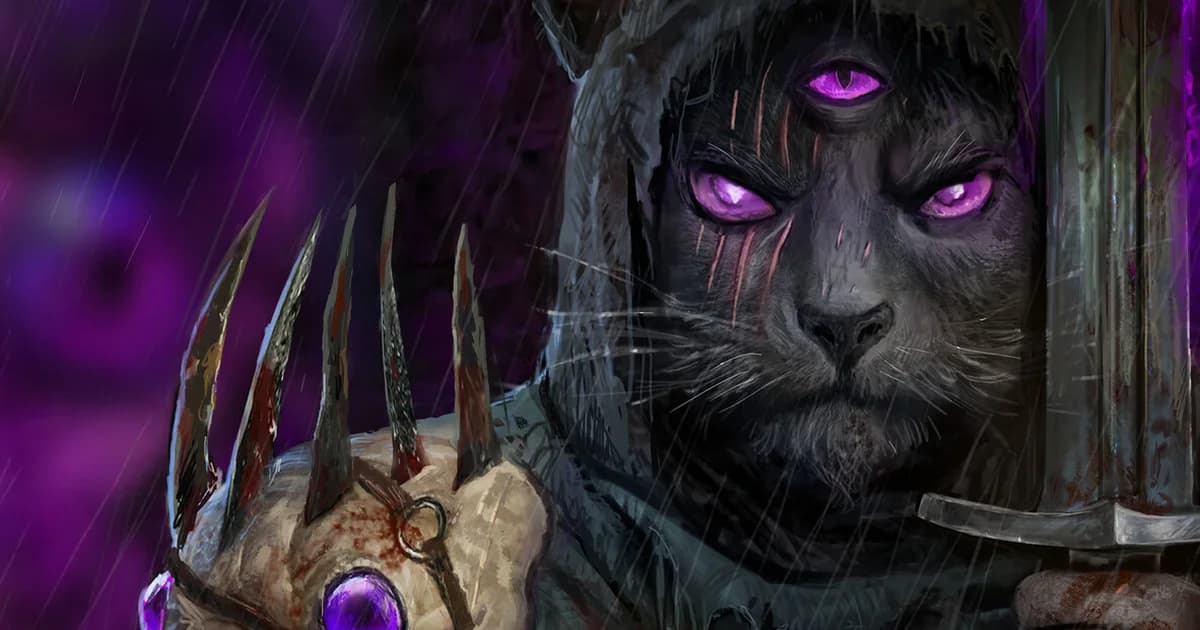
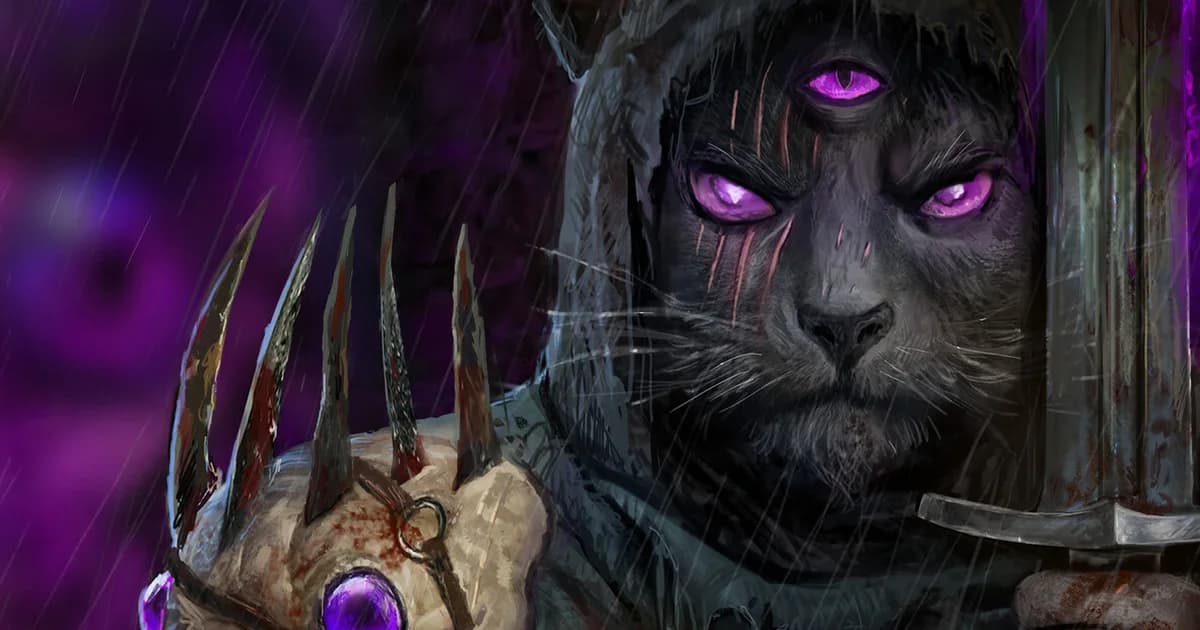
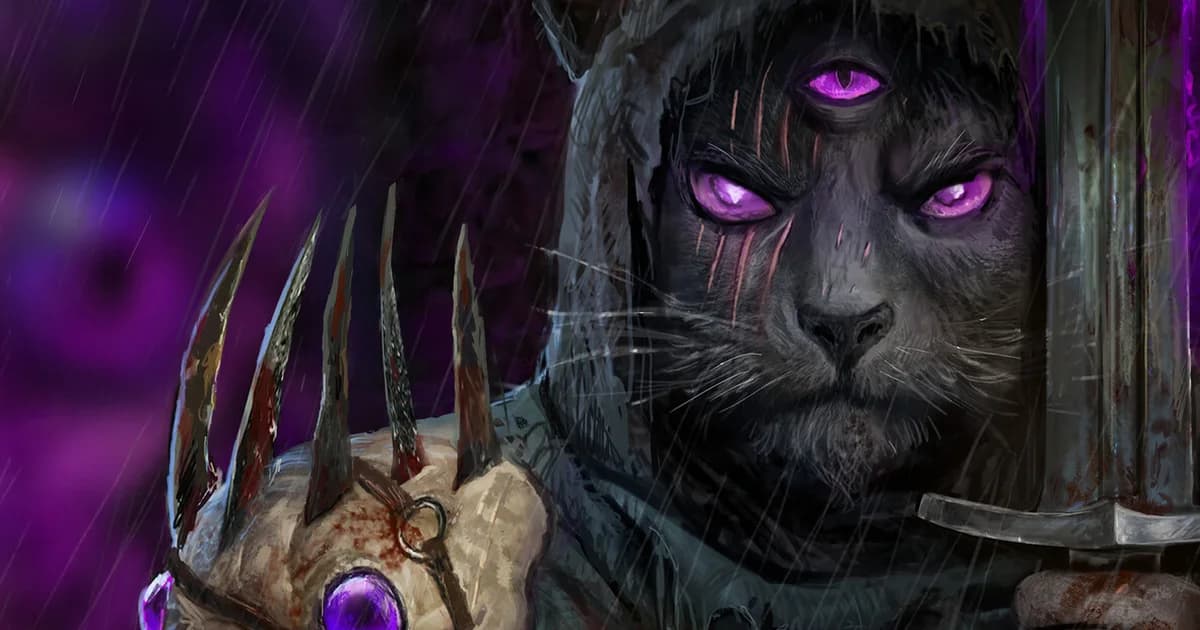
The game drops players into Ailur, a dark fantasy world populated by anthropomorphic feline warriors. You're an Initiate pursuing the Sacred Six Kristals: ancient magical artifacts in the world's lore. The current official character page lists three starting clans: Nisarga, Myrtuna, and Tandara, plus three current magic specialties. Character creation also offers a starting class and cosmetic fur customization.
At this price, Kristala competes with a crowded field. For context on the current indie action-RPG landscape, our Bylina review examines another mythology-driven Souls-like released the same week. Kristala's Mostly Positive label puts it below the genre's standouts on Steam.
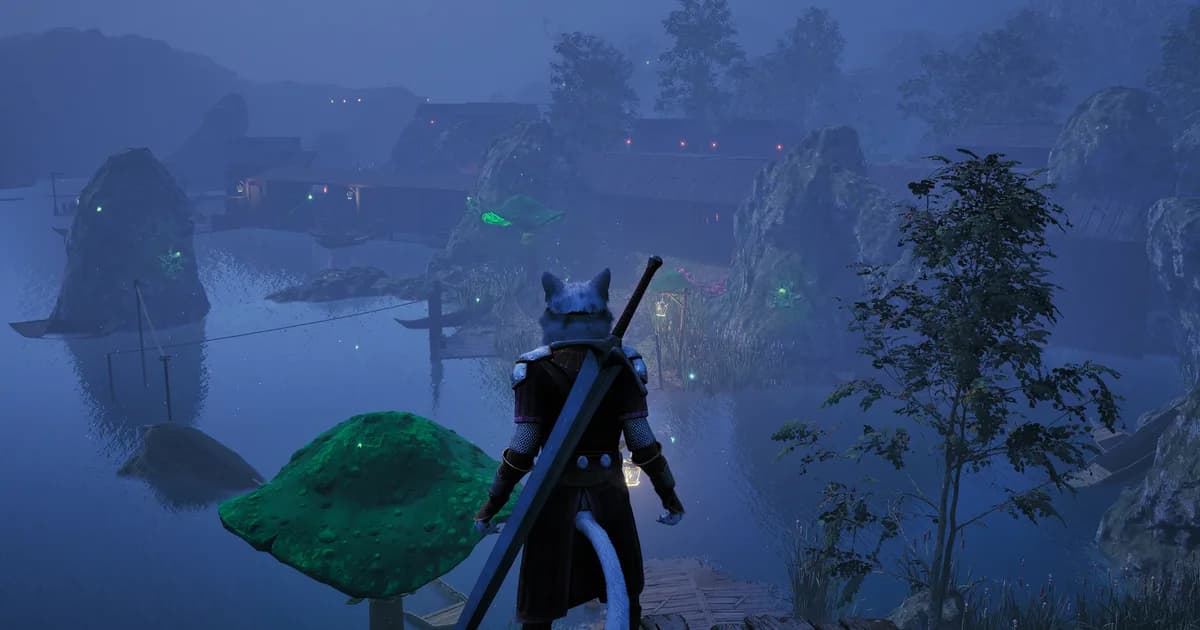
Ailur's environments carry the game's dark fantasy tone without leaning on visual noise. Each zone is readable at a glance, which matters when you're repositioning mid-fight.
Gameplay
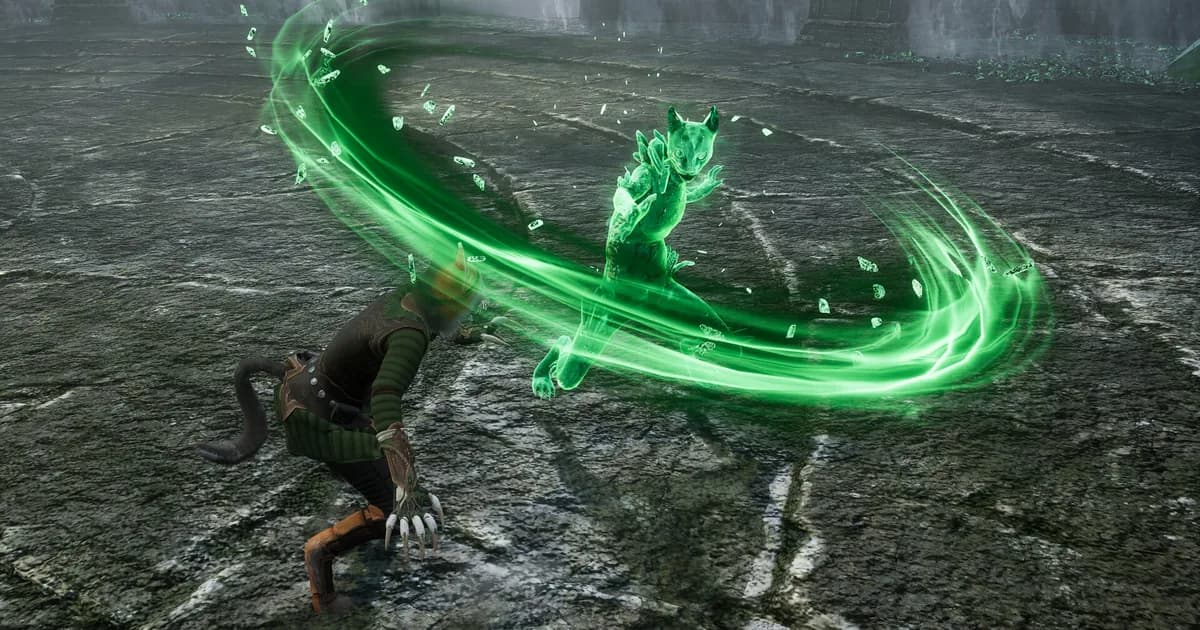
Combat includes blocking, dashing, rolling, and deflecting. The official gameplay page ties Mana regeneration to melee engagement and confirms up to 16 equipped spells; the Feline Tree also documents named recovery skills. That makes resource planning active, but the checked sources do not establish that every timed deflect regenerates Mana or that a shield block generates nothing. The Kristala combat guide separates the current inputs from guide recommendations.
Traversal separates Kristala from most games sharing its price tag. The developer says new traversal abilities unlock through main-story progression and can open routes in earlier areas. The checked sources do not establish universal wall runs, ledge grabs, aerial boss requirements, or a platform-hopping rule for every arena, so those details should be treated as build/version observations.
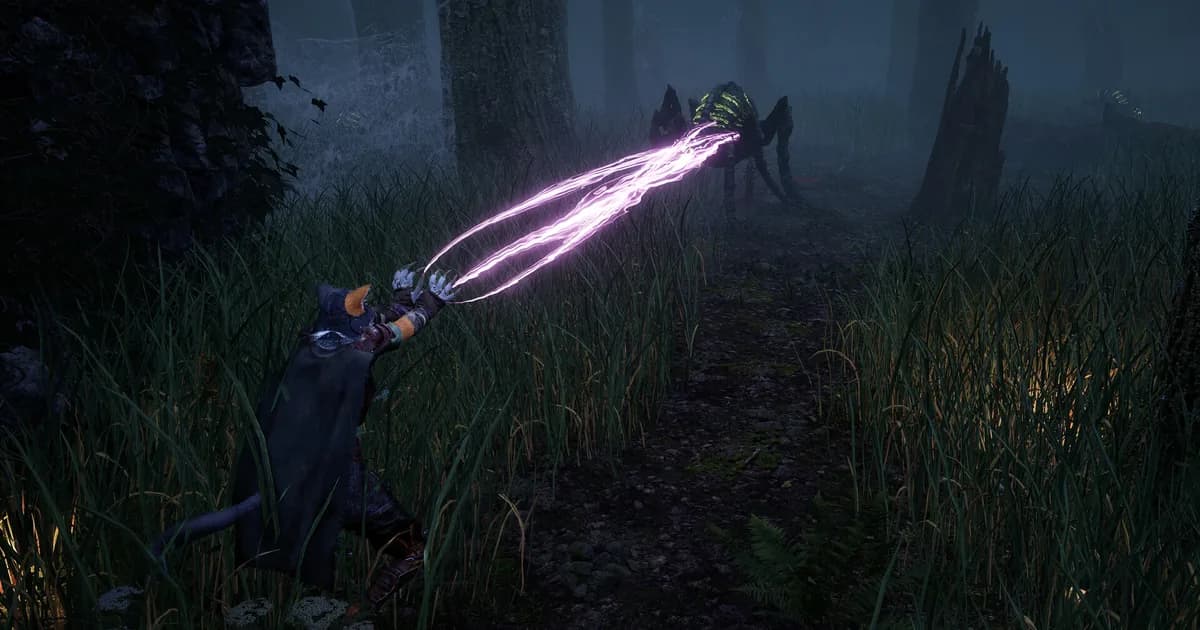
Three current clan magic specialties create a clear starting-build choice: Nisarga Nature/Eminence, Myrtuna Spirit/Malediction, and Tandara Ice/Eminence on the developer page. The live Notice Board lists Tandaran spells as hybrid Malediction + Eminence and gives individual attribute requirements, so it is more accurate to evaluate spells one by one than to describe six universal schools.
The official gameplay page ties Mana regeneration to melee engagement and lists blocking, dashing, rolling, and deflecting; individual attack results should be checked in the live build.
GODEEPER: Parry timing windows, mana loop mechanics, and how each clan's magic school changes the rhythm of fights. Kristala Combat Guide: Parry and Fighting Tips →
The strain shows in AI behavior and edge-case bugs. Launch-day Reddit posts report summoned undead allies standing idle during fights. One AMD GPU owner found that toggling FSR made most environmental geometry vanish within minutes of starting. On PS5, players reported input drops during combat and long death-screen loads. These aren't obscure hardware-specific quirks. They're problems surfacing in common configurations during the game's opening hour.
Boss fights represent Kristala at its most focused. The five encounters covered by our boss guide are useful comparison points, but the official and wiki sources checked do not establish a universal vertical-arena requirement or a burst-versus-debuff phase rule. Individual spell descriptions and current telegraphs matter more than assigning every clan a fixed boss role.
The developer documents story-unlocked traversal; test any boss-arena movement interaction in the current build rather than assuming a universal airborne requirement.
For source-bounded notes on the five named encounters covered there, including community tactics labeled as such, see the Kristala bosses guide. It does not claim to be a complete current roster.
Exploration between fights is structured around journals, NPC dialogue, and collectible Kristal Memory items containing lore fragments. Discovery gets rewarded with worldbuilding context and occasional gear. How even the pacing feels between those encounters is one of the points where launch-week player reports disagree, so treat zone-by-zone pacing claims as opinion rather than a documented feature.
Kristala Review: Rubric Assessment
Design Coherence
Kristala knows what it wants to be: a Souls-like where movement matters as much as hitting things. Parkour and deflection reinforce each other in most encounters, and the mana-through-melee loop keeps the pace aggressive by design. Where coherence weakens is in stealth. The Steam page lists it as a feature, but community discussion suggests it's underdeveloped compared to the combat and traversal pillars. Including stealth in the marketing creates expectations the current build falls short of meeting. Two strong pillars and one undercooked one doesn't break the game's identity, but it creates a visible gap between what's promised and what's shipped.
Value per Dollar
The $39.99 list price (often on sale, check Steam for the current discount) buys a mid-length story, three currently listed clan magic specialties, and 50 achievements tracking specific build milestones. When measured against other ambitious indie launches (our Road to Vostok review covers a survival-shooter comparison in the same price range) Kristala offers more variety in how players approach combat. The Deluxe and Ultimate editions add cosmetics and lore books. For the base edition, the value depends on whether the deflection loop sustains interest through the mid-game, and that's exactly where launch-day reviews split most sharply.
Onboarding
Character creation is detailed enough that r/Kristala users joked about barely making it out of the creation screen. The game explains how clan selection determines your magic school, and tutorials introduce deflection timing early. The steeper curve arrives once spells enter the rotation and players need to manage mana regeneration through melee while casting. That multitasking challenge gets introduced but not drilled. Players comfortable with action RPGs will adapt; others may bounce off the mid-game complexity spike.
Technical Quality
Launch-day reports included FSR rendering failures on AMD GPUs, collision issues in the starting zone, PS5 frame drops during multi-enemy encounters, and long load screens on console deaths. Astral Clocktower responded fast: patch notes for v1.0.3 through v1.0.17 arrived in the first month.
The most impactful update was v1.0.17 (May 21), which applied "significant loading and streaming optimizations" and temporarily disabled city NPC fur rendering to reduce loading stutter. The AMD FSR geometry disappearance issue never got a targeted fix: instead, Astral Clocktower temporarily disabled FSR in the v1.1.0 "Resurgence" update (May 26) after crash reports. The latest v1.2.4 notes from September 2 do not document re-enabling it, so verify the live graphics menu before relying on FSR. NVIDIA users on PC have reported fewer issues throughout. System requirements call for an RTX 2060 minimum and 16 GB of RAM, moderate by 2026 standards.
Replayability
The three current starting clan specialties provide a structural reason to replay or experiment. Whether that translates to meaningfully different experiences depends on encounter design. The live official sources do not establish six current playable magic schools, so the review keeps its replay claim to the documented starting groups.
Whether those groups play differently enough to justify a second run is a question the official sources cannot answer, but three documented starting magic groups still give Kristala a clearer replay foundation than a single fixed build path.
Verdict: Who Kristala Suits
Who it suits: PC players who want a Souls-like with identity beyond difficulty. The cat-warrior framing drives real mechanical choices: parkour traversal shapes how arenas are built, and that arena design sets the combat apart from identically priced genre peers. The weaknesses critics and players flagged are execution issues, not design failures, and the studio has kept patching since launch, including the free Cursed Realm update.
Who should wait: console players who want a smooth run from the first hour, and anyone who expects post-patch polish from day one. Shipping on three platforms at once left technical debt, and FSR is still missing from the documented notes. Check the current Steam reviews and patch notes, and wait for a sale if the list price feels steep for a story of that length.
GODEEPER: How the logged playtimes break down, and why so few runs are recorded. Kristala: How Long to Beat, Game Length Breakdown →
Frequently asked questions
How long does it take to beat Kristala? HowLongToBeat's couple of logged runs put main story plus sides at about 19 hours and completionist at about 22. Completionists pursuing all 50 achievements will spend longer across multiple clan playthroughs.
Is Kristala available on PS5 and Xbox? Yes. Kristala 1.0 launched on April 23, 2026, with PlayStation 5 and Xbox versions alongside PC. Console players should be aware of launch-week PS5 reports of frame drops and extended load times on death screens.
Does Kristala have multiplayer or co-op? No. Kristala is single-player only. There are no co-op or competitive multiplayer modes.
What are the Sacred Six Kristals? They're six ancient magical artifacts tied to Kristala's lore. The current developer page lists three starting clans and three current magic specialties; the six-artifact lore count is not six currently documented playable spell trees.
Is Kristala still in Early Access? No. Version 1.0 launched on April 23, 2026, ending a nearly two-year Early Access period that began June 6, 2024.
Does the Kristala demo save carry over to the full game? Yes. The studio says demo progress carries over into the full version, including the PS5 and Xbox Series X|S demos.
How does Kristala compare to other indie Souls-likes? Kristala sets itself apart with feline traversal and a combat system whose official baseline includes blocking, dashing, rolling, deflecting, and melee-based Mana regeneration. It matches the genre's difficulty curve while adding story-unlocked movement options.
References
- Kristala on Steam: check current review score; rating has shifted since launch
- Astral Clocktower Studios: Kristala characters: current starting clans, classes, and magic specialties
- Astral Clocktower Studios: Kristala Notice Board: current spell requirements and live progression clarifications
- r/Kristala community: launch discussion and developer announcements
- Kristala complete guide: all builds, bosses, clans, spells, and guides for the 2026 release
Related Reading
New to Kristala? The Kristala Beginners Guide covers the first-hour priorities the game doesn't explain clearly: the mana loop, Font investment timing, and why the opening area is harder than the first major boss.
The Kristala Clans Guide breaks down the three current starting clans, their documented magic/stat differences, and the limits of the public evidence for Feline Tree starting positions.
For the magic system the review covers at a high level, the Kristala Spells Guide lists the three current spell groups and official attribute requirements.
If the review's note on Font upgrade order left questions, the Kristala Character Build Guide covers stat priorities and Font investment sequence for both school types.
For what the review means by "thin endgame," the Kristala Endgame Guide lays out exactly what's left to do once the story credits roll in the current build.
Wondering how long Kristala actually takes? The Kristala How Long to Beat Guide breaks down the logged playtimes and what they do and don't tell you.
The Kristala Feline Skill Tree Guide covers the parkour and combat node investment system: the progression layer that most players interact with least intentionally on a first run.
About the author

Systems & Economy Desk
GameBrief's byline for roguelikes, strategy and simulation. Reads patch notes, wiki tables and Steam stats and puts the numbers on the page.
- Roguelikes, strategy and simulation
- Builds, progression and economy
- Sources listed per article
Keep reading
Kristala Beginners Guide: Stats, Fonts, and Clan Tips
General · 8 min
Kristala Clans: Eminence, Malediction, and Which to Pick
Guides · 7 min
Kristala Character Build Guide: Stats and Font Priorities
Guides · 11 min
Kristala Spells Guide: Current Groups and Requirements
Guides · 10 min
Kristala Feline Skill Tree Guide: Node Order and Parkour
Guides · 8 min
Kristala Combat Guide: Defensive Inputs and Mana Loop
Guides · 8 min
Sponsored
Disclaimer
This article is published for informational and entertainment purposes. It does not constitute professional financial, legal, or technical advice. Game performance, online services, patch schedules, and store listings change. Verify critical details (pricing, system requirements, regional availability) with publishers and storefronts before you buy. Affiliate links, where present, help support our editorial work and are labelled in our affiliate disclosure.
Comments
Loading comments…