
ReviewPeople of Note
People of Note Review: Where Music Shapes Every Battle
People of Note review: a turn-based RPG by Iridium Studios where musical tempo controls combat, one of the most distinctive indie RPGs of 2026 so far.
People of Note review: and the short version is this: Iridium Studios figured out how to make combat feel like performing music, and that single framing decision explains almost everything good about this game.

Sponsored

About the game
People of Note
Iridium Studios · Annapurna Interactive
Reception
Pros
- Combat-as-stanza system is genuinely inventive: not borrowed from anything
- Genre zones feel distinct in visuals, music, and character personality
- Fully animated music video sequences per zone are a real production achievement
- Difficulty options are meaningful without gutting the challenge
- Multi-platform day one with solid performance across all versions
Cons
- Environmental puzzles spike in frustration mid-game before vanishing
- Some side areas feel underdeveloped compared to the main zone theatrics
- Shorter than what RPG fans typically expect: 15-20 hours
Verdict
A musical RPG that executes on its genre-blending premise with real craft: the stanza combat system is inventive, and the genre zones give it a vibe few RPGs in any price bracket attempt.
The RPG genre has given us combat that mimics card games, tactics boards, chess, and cooking timers. People of Note, published by Annapurna Interactive, gives us combat that mimics a stanza of music.
Released April 7, 2026 on PC, PS5, Switch 2, and Xbox Series X|S at $24.99, People of Note is a turn-based RPG where you play as Cadence, a pop singer shut out of her city's annual Noteworthy Song Contest. She stumbles across rock music through a faulty radio and decides the answer to losing is building a band: which sets up a road trip across a world literally organized by musical genre.
Sponsored

People of Note review: Key Takeaways
- Combat runs in "stanzas": battle rounds that shift genre and boost one party member per round
- The game takes 15-20 hours to complete, shorter than most RPGs at this price
- Fully animated music video sequences appear in each genre zone: they're genuinely impressive
- Current Steam snapshot: 89% Very Positive from 389 reviews; recent reviews are 100% positive across 12 reviews
- Steam lists 39 achievements and currently shows a 20% discount at $19.99 against a $24.99 list price
- Available on PC, PS5, Switch 2, and Xbox Series X|S from day one
BESTPRICE: Want People of Note? These stores list it: Buy on Eneba → Buy on Green Man Gaming → Buy on Humble Bundle → Buy on Loaded → Buy on Kinguin →
People of Note review: Overview
Iridium Studios is a name you probably haven't heard before People of Note, and if the game finds the audience it deserves, that changes from here. The studio's ambition is obvious from the first minutes: a pop-colored city called Chordia, a protagonist who runs on sincerity rather than angst, and a combat tutorial that introduces a stanza before it introduces a sword swing.
The Annapurna Interactive partnership shows. The production values are high: fully voiced characters, animated cutscenes, and a genuinely confident aesthetic rather than a studio approximating a style. The game knows what it looks like and commits to it through every zone and every loading screen. That's rarer than it sounds.
The world is organized around musical genres. The official pages specifically identify Durandis and Lumina, while the game expands that premise into distinct zones with their own visual language, enemy design, and musical identity. It's a premise that could easily collapse into theme-park superficiality. It doesn't.
The rhythm system requires attention to patterns rather than reflexes: misread as a harder game than it is.
Gameplay
The stanza system is the reason to play this game. Here's how it works.
Each battle round is a stanza. Within that stanza, the current musical genre shifts: rock, pop, EDM, rap, cycling through as the fight progresses. Whichever genre is active buffs the corresponding bandmate's stats for that round. You command all four party members in any order, spending BP (a resource generated and spent on abilities) and chaining effects across your team before the stanza closes.
This sounds complicated on paper. In practice it creates a rhythm: not a literal one, but a strategic one. You're reading the room every round: which genre is this? Who benefits? What does the opponent look like now? The genre shifts are visible in advance, which means you can plan two rounds ahead if you're paying attention.
The comparison the RPGFan review made to Super Mario RPG's combination attacks and Final Fantasy X's attack timeline holds. But the stanza system doesn't feel derivative: it synthesizes those ideas into something specific to this game's theme. When a genre buff activates mid-stanza and you chain Cadence's counterattack off it, the flow feels earned.
BP management is where the real tension lives. Abilities hit hard but burn resources quickly. Running dry mid-stanza against a tougher enemy creates exactly the kind of precarious puzzle the game seems designed to produce.
The rhythm layer is lighter than the marketing suggests. Timed button presses amplify your damage, and a missed timing still lands the attack: it's a skill expression layer, not a rhythm game checkpoint. That keeps People of Note accessible to RPG players who don't want to study BPM charts, but it disappoints players who expected more. One negative review points out that enemy attacks and your own are "not bound to BPM," unlike No Straight Roads or Hi-Fi Rush (Steam review), and another calls it "just a turn-based RPG with loosely relevant background music" (Steam review).
Environmental puzzles between battles are where the game stumbles. They ramp in complexity across the mid-game in a way that feels disconnected from everything else, then essentially disappear in the final third. It's the one place where the game's confidence falters. The puzzle sections and the later combat encounters can feel as if they were designed in separate rooms.
For a deeper look at other RPGs worth pairing with this, the best RPG games of 2026 roundup covers the year's highlights across the genre.
Visual Style and World Design
Each genre zone carries its own color palette and architectural language so distinctly that you'd know which kingdom you were in with the HUD removed. Durandis is all grey stone and red graffiti and clubs with broken neon signs. Lumina at night looks like a city that runs on glow sticks. Chordia's pop-art candy colors hit hardest when you return later and realize how they've shifted in tone alongside the story.
The animated music video sequences per zone are the production achievement worth talking about. Each major genre zone has a fully animated sequence: drawn in a style that matches the genre's aesthetic, sung by the bandmate who represents that genre. These aren't loading screen distractions. They're set pieces that would feel at home in a theatrical release, and they're the kind of thing a studio only pulls off if it has a clear vision of what it's making.
Players single these sequences out more than anything else. One 21-hour reviewer says each big track has "an accompanying pre-rendered cinematic that's well animated and gorgeous to look at," with songs that feel "very Disney" (Steam review).
The character writing is the strongest argument for finishing it: the rhythm sections are serviceable.
Story and Characters
The story's opening act leans into Disney-adjacent warmth: Cadence is optimistic, her setbacks are fixable, the world is brightly colored and mostly friendly. It works because the game doesn't apologize for it. Cadence isn't naive; she's specific about what she wants and why.
The shift happens in the later genre arcs. A conspiracy that threatens the kingdom of Note unfolds underneath the band-recruitment premise, and the game's tone darkens deliberately without abandoning the characters it's built. A rival relationship with Cadence evolves in ways that feel earned rather than telegraphed.
The rap-focused bandmate is the standout performance. That character carries a weight the game uses strategically, and returning to the relevant genre zone with Cadence hits differently once you understand the politics. That kind of worldbuilding, built into character arcs rather than lore dumps, is what separates People of Note from genre peers who get the mechanics right but forget to make you care about who you're playing as.
Side areas in Durandis and Homestead feel thinner by comparison. The main zone narratives are so well constructed that the side content reads as filler. That's not a lethal problem, but it's noticeable.
See also: Bylina review for another 2026 RPG doing interesting things with Slavic mythology, and Mixtape for another Annapurna Interactive title built around music as its core hook.
Verdict
The stanza system is one of the most inventive combat ideas in a 2026 turn-based RPG, and it's backed up by a world that commits to its premise at every level. Steam players rate it Very Positive, and the reviews that stuck with it describe a slow start that pays off: one player "almost gave up," then found combat improves "with every new band member and ability you unlock" and that "If you can get through the first few hours there's a lot to like" (Steam review). The negative side is about story and genre: a player who loved the voice acting calls the narrative "the worst part of this game" (Steam review).
Who it suits: RPG fans who like musicals, Disney-style songs, puns and voice acting, and want a 15-to-20-hour turn-based game with a strong visual identity. At its $24.99 list price, and more so on sale, it is worth it for that player.
Who should wait: players expecting a true rhythm game, since the beat matters far less than in No Straight Roads or Hi-Fi Rush; anyone who bounces off slow openings; and players who find heavy puns grating. A sale lowers the risk if you are unsure.
References
- People of Note on Steam
- Iridium Studios / Annapurna Interactive official page
- People of Note on Reddit (r/JRPG)
- People of Note official launch trailer
For nearby 2026 RPG comparisons, see the Clair Obscur: Expedition 33 review, Scriptorium review, TetherGeist review, Mixtape launch coverage, and Kristala review. The Bylina review is another useful comparison for a smaller RPG with a strong visual identity.
The Kristala review is also a useful comparison for readers who want another 2026 RPG with a strongly authored world.
Frequently Asked Questions
How long is People of Note? The main story runs 15-20 hours depending on how much side content you explore. It's shorter than most RPGs at this price point but packs its runtime efficiently. Side quests in Durandis and the later genre zones add a few hours.
Is People of Note a rhythm game? Not exactly. It's a turn-based RPG with rhythm inputs layered over the combat. You press buttons to the beat to amplify damage, but timing failure doesn't invalidate your move: it just reduces effectiveness. The rhythm element adds skill expression without punishing RPG players unfamiliar with rhythm games.
Is People of Note available on Nintendo Switch 2? Yes. People of Note launched on April 7, 2026 on PC, PS5, Xbox Series X|S, and Nintendo Switch 2 simultaneously.
Who are the party members in People of Note? Cadence is the protagonist, and the story has her recruit an ensemble as she travels through the genre-based world. The official Steam and Annapurna pages confirm the musical party premise, but they do not publish a complete party roster; use the in-game party screen for the authoritative list.
Does People of Note have difficulty options? Yes. The game includes customizable difficulty settings that adjust enemy damage, stanza complexity, and rhythm input leniency separately. You can tune each element independently, which is more flexible than a single difficulty slider.
What is the stanza combat system? Each battle round is called a stanza. Within a stanza, the musical genre shifts: boosting one bandmate's stats for that round. You command all four party members in any order, managing BP and chaining attacks. It plays less like a typical RPG brawl and more like solving a puzzle under time pressure.
Is there co-op in People of Note? No: People of Note is single-player only. The musical performance framing works specifically because Cadence is the conductor, and the game leans into that solo perspective throughout the story.
About the author

Indie & JRPG Desk
GameBrief's byline for indie, JRPG, visual novel and cozy games. Warm, direct, and willing to say which one to buy.
- Indie, JRPG and visual novels
- Early access and survival
- Sources listed per article
Keep reading
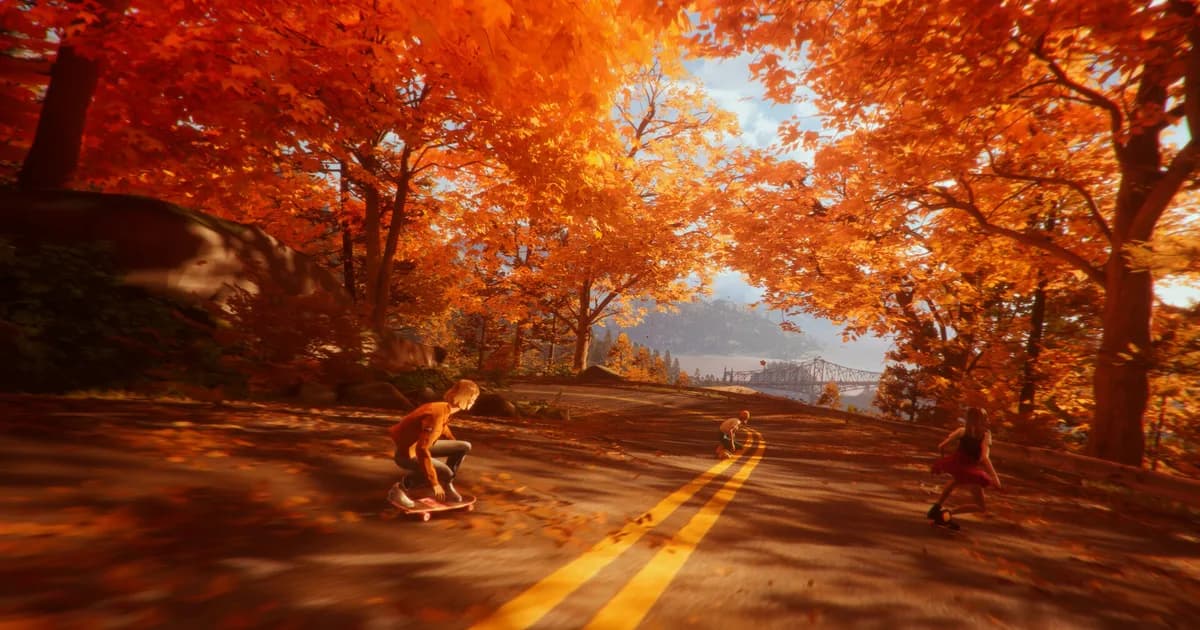
Mixtape Launch May 7: Annapurna's '90s Memory Adventure
General · 8 min
Steam Next Fest October 2026: Dates, Times and 15 Demos
Features · 7 min
Risk of Rain 2 Mithrix Guide: All 4 Phases and Escape
General · 10 min
Risk of Rain 2 Interactables: Shrines, Printers, Scrappers
General · 10 min
Do Steam Next Fest Demos Expire? What Valve's Rules Say
General · 6 min
Risk of Rain 2 Eclipse Guide: All 8 Modifiers Explained
General · 10 min
Sponsored
Disclaimer
This article is published for informational and entertainment purposes. It does not constitute professional financial, legal, or technical advice. Game performance, online services, patch schedules, and store listings change. Verify critical details (pricing, system requirements, regional availability) with publishers and storefronts before you buy. Affiliate links, where present, help support our editorial work and are labelled in our affiliate disclosure.
Comments
Loading comments…