
ReviewBylina
Bylina Review: Slavic Folklore Meets Souls-Like Combat
Slavic folklore and a Koschei worth meeting carry a souls-like whose combat still feels unfinished after eight patches.
VerdictBuy it for the folklore if you can live with clunk; wait if you need souls-like combat that feels finished, as Steam still reads Mostly Positive.
This Bylina review covers a debut action RPG from Far Far Games that drops players into Slavic mythology with souls-like combat mechanics. The game launched April 20, 2026 on Steam and Steam players rate it Mostly Positive across all languages, not the Overwhelmingly Positive that signals a clean genre entry.
Sponsored

About the game
Bylina
Far Far Games · Digital Vortex Entertainment
Reception
Pros
- Slavic mythology setting is genuinely underexplored territory in the souls-like genre
- Koschei the Deathless is a compelling villain drawn from specific folkloric rules
- Skill-based combat framework built around weapon mastery and magical ability unlocks
- The Thrice-Nine Kingdom's visual identity is distinct from every other souls-like in 2026
Cons
- Mostly Positive on Steam, below the genre's top tier
- A debut studio's first release, carrying first-game execution gaps in combat timing and polish
- Eight patches since launch haven't lifted it out of Mostly Positive, and negative reviews still cite bugs in later chapters
Verdict
Bylina's setting remains the freshest premise in the souls-like subgenre right now: eight patches since launch have stabilized it without closing the polish gap.
Updated 2026-10-15: Corrected the launch-week reception figure (taken from an archived store page) and the Kristala comparison, which sits at the same Mostly Positive label, and added HowLongToBeat completion times.
Sponsored

Current status: October 2026
When we checked on October 15, Bylina was $24.99 on Steam with no discount and rated Mostly Positive. The latest official content update listed in the game's news feed is Update #8 from May 19, which focused on performance, visual stability, quest flow, and combat behavior; the studio has posted no patch since, only a Summer Sale discount in June. For a neighboring debut action RPG with a similar post-launch comparison point, see the Kristala complete guide.
Key takeaways
- Released April 20, 2026 on PC via Steam
- Mostly Positive on Steam, still below the top tier for souls-likes
- Protagonist is Kestrel, tasked with challenging Koschei the Deathless in the Thrice-Nine Kingdom
- Combat is skill-based with weapon mastery, spells, and armor progression
- Far Far Games calls it the team's first game, after a long development with "many (many) iterations"
Bylina review overview
Koschei the Deathless is the right villain to build a game around. The figure from Slavic and Russian folklore is genuinely strange: an immortal whose soul is separated from his body and hidden inside a needle inside an egg inside a duck inside a hare inside a chest buried beneath an oak tree on a remote island. He's not a stand-in for a generic death god. He's a specific, rule-bound creature with a specific vulnerability. Building an action RPG around the folklore that produced him is a different proposition than building one around yet another fallen kingdom with a corrupted king.
Bylina puts Kestrel (a young warrior) into the Thrice-Nine Kingdom to challenge Koschei directly. The Thrice-Nine Kingdom is itself a piece of Slavic fairy-tale geography: a mythological realm beyond the edge of the known world, distinct from the mortal plane by different physics, different creatures, and different rules. It's the kind of setting that most Western game studios haven't touched, which makes it immediately distinguishable from the genre's dominant aesthetic clusters.
That distinctiveness is Bylina's primary argument. Far Far Games announced its launch with the statement: "A lot of time, sleepless nights, and hard work went into this, and today we're happy to say that Bylina is now available on Steam." The sincerity is clear. Whether the execution keeps pace with the ambition is where the player reception starts mattering.
For genre context, the Kristala review covers another 2026 souls-like that has patched steadily since launch and sits at the same Mostly Positive label on Steam.
Combat and gameplay
Bylina's combat system uses weapon mastery as its primary progression axis, with spells and armor layered on top. Kestrel builds an arsenal across the run: different weapon types unlock different approaches to the same enemy encounters, and magical abilities extend the options available for each boss. The top-down perspective places it closer to the Hades end of the souls-like spectrum than the over-the-shoulder Soulsborne tradition, though the design expectation is the same: learn the pattern, respond correctly, survive.
Boss encounters draw from Slavic mythology's creature catalogue. The enemies aren't reskins of Western fantasy archetypes: they're built to the specific visual and behavioral logic of their source material. A player with passing familiarity with Russian folklore will recognize things that a player without that context will only see as visually distinct.
The genre demands precision in its execution. The distance between a mixed launch and a Very Positive one in a souls-like usually comes down to hitbox accuracy, input timing, and the fairness of attack wind-ups. Bylina's launch reception didn't isolate which element was the friction, but it confirmed friction exists. First-game studios frequently discover that the gap between playable and polished in this genre is narrower than expected and harder to close than other genres.
The action RPG comparison pool is broad, and Bylina's position in it matters. Kristala is the closest reference point: a souls-like that launched three days later, kept patching, and still hasn't climbed out of Mostly Positive either.
Bylina's top-down perspective places it closer to the Hades end of the souls-like spectrum: pattern learning over pixel-perfect timing. (Screenshot: Bylina, Far Far Games / Digital Vortex Entertainment)
GODEEPER: For context on how Bylina's combat compares to another 2026 indie souls-like at the same Steam label, the Kristala review covers its combat and patch run. Kristala Review: Cat-Warrior Souls-Like Reviewed →
World design and atmosphere
The Thrice-Nine Kingdom's environments are designed around specific Slavic mythological settings rather than the dark-fantasy generic. This is the strongest part of Bylina. The biomes, creature designs, and visual language are working from source material that hasn't been mined to near-exhaustion the way Arthurian legend and Norse mythology have been.
Koschei himself shows up as an antagonist with genuine folkloric depth rather than a boss fight at the end of a corridor. The narrative engages with the mythology's rules: his immortality isn't just a plot device, it's a problem to be solved through the logic the folklore defines.
The result is a game that looks and feels like it came from a different tradition than the field it's competing in. That's worth paying for when execution is close enough to justify the ticket. Going by Steam reviews, the execution is still short of the genre's standard.
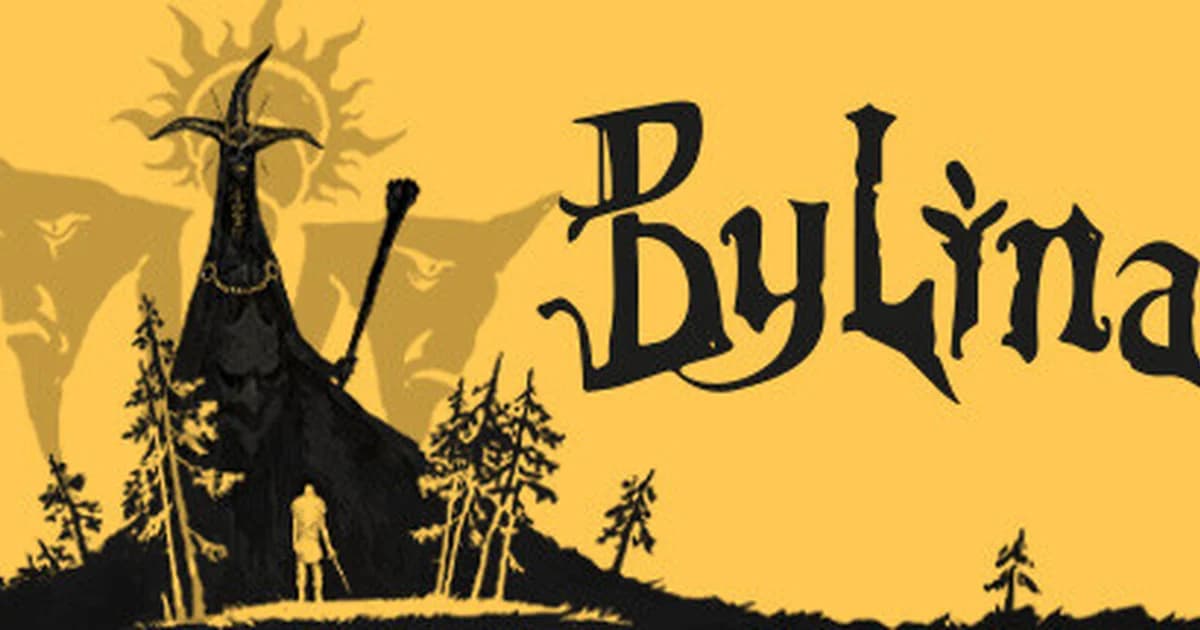
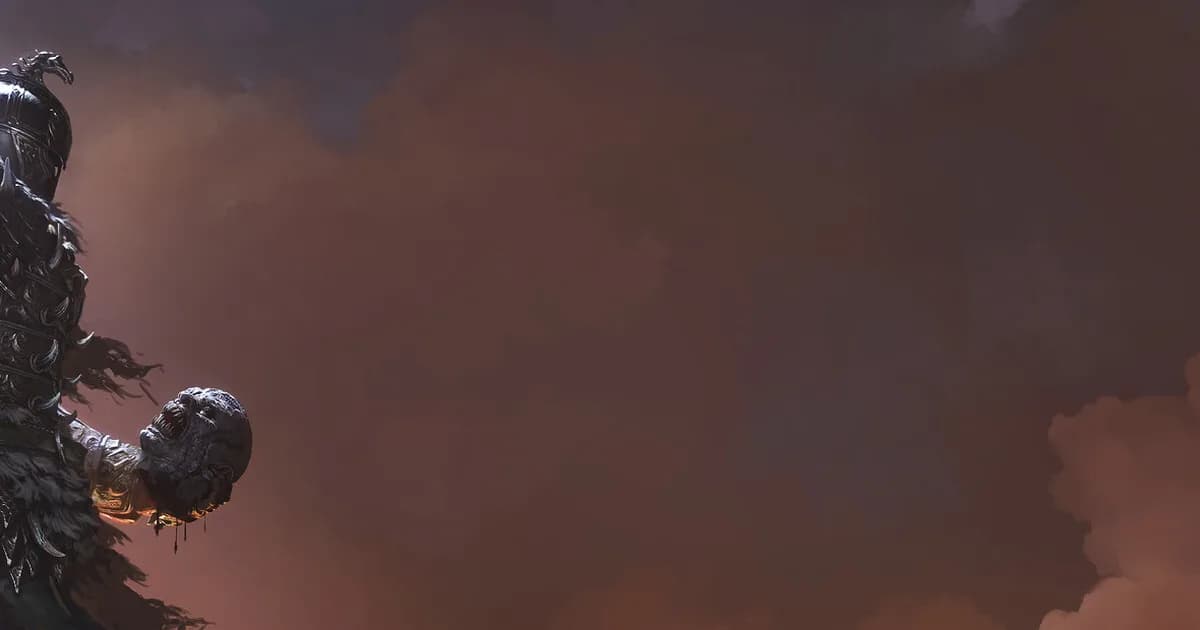
The same key art doubles as the launch trailer's cover image: Koschei's silhouette is doing a lot of the game's visual heavy lifting. (Image: Bylina launch trailer, Far Far Games)
Where this Bylina review gets complicated
Bylina was already Mostly Positive four days after launch, with 71% of its first 353 reviews positive. That was not a disaster: in context, it was the launch reception of a debut studio in one of gaming's most technically demanding genres. The mechanics that make souls-likes work (animation cancel timing, hit feedback, enemy telegraphing, camera behavior in complex geometries) each require iterations of testing that first-time developers are still learning to recognize.
Eight patches and several months later, the rating has settled rather than climbed: Steam still shows Mostly Positive, now from a much larger sample. That's the more useful signal for a reader deciding today, since it reflects a studio that's already shipped its post-launch fixes rather than opening-week noise. Far Far Games' patch notes (performance, quest flow, combat behavior) suggest the studio addressed what reviewers flagged, even if the aggregate hasn't moved into Very Positive territory.
For value benchmarking against the current indie game field, our cheaper indie picks give a frame for whether Bylina's full price is competitive, especially when no discount is running.
The window after launch where a debut's reception usually settles has long passed, so Bylina's rating looks stable rather than still forming. Some players will find the remaining friction tolerable given the distinctive setting. Others will wait for a sale. Both approaches are rational given the available data.
Verdict
Who it suits: players who come for the Slavic folklore first and can live with clunk. Positive Steam reviews keep naming the same things: one calls it "a folk-punk adventure with strong Slavic vibes, decent combat" and singles out the music, another describes it as "unique, sometimes creepy, sometimes wholesome." The Thrice-Nine Kingdom is drawn from real folklore, Koschei the Deathless has more depth than his design suggests, and Far Far Games committed to its source rather than using it as set dressing.
Who should wait: anyone who needs souls-like combat to feel finished. Launch week was already only Mostly Positive, and months and eight patches later Steam still shows Mostly Positive, so the patches have not closed the gap. One of the most upvoted negative reviews warns that after a decent first chapter the game turns into a "complete bugfest", another lists mismatched text and voices and missing textures, and even a positive review complains that you can't rotate the camera. At full price with no discount running, a sale is the safer entry point.
Kristala's review covers another 2026 action RPG worth comparing on how it handles an ambitious setting, and Die in the Dungeon's review is a good contrast if you want a much smaller-scope indie combat game in the meantime. Our Cursemark review and Alabaster Dawn coverage round out a couple more recent debut-studio releases worth watching alongside Bylina.
GODEEPER: If you're weighing Bylina against other indie action games this spring, the Saint of Chains review covers another 2026 debut in a different horror direction. Saint of Chains Review: Horror FPS Verdict →
Frequently Asked Questions
Is Bylina a souls-like game? Yes. Bylina is tagged as a souls-like on Steam and built around the same core loop: skill-based combat with punishing encounters that require pattern recognition. Kestrel wields weapons, unlocks spells, and fights through a progression of legendary creatures from Slavic folklore.
What is the Thrice-Nine Kingdom in Bylina? The Thrice-Nine Kingdom comes from Russian fairy-tale tradition: a realm beyond the known world where magical rules apply and where figures like Koschei the Deathless hold power. In Bylina, it's the setting Kestrel must cross to challenge Koschei directly.
Who developed Bylina? Far Far Games developed Bylina, with Digital Vortex Entertainment handling publishing. Far Far Games describes this as their debut release, with the team noting significant development time invested in the project.
How long does it take to beat Bylina? HowLongToBeat lists about 8 hours for the main story and 13 hours with side content, though only a handful of players have submitted times. One slow Steam reviewer was around the middle of chapter 2 at just under 9 hours, so expect the upper end if you explore.
Is Bylina worth buying at its launch price? For players drawn to the Slavic mythology angle, Bylina is worth it on sale. It was $24.99 with no discount when we checked on October 15, and Steam players rate it Mostly Positive: eight patches have shipped since launch without lifting it higher, so a discount is the safer entry point.
What platforms is Bylina available on? Bylina launched on PC via Steam on April 20, 2026. No console versions were announced at launch.
References
- Bylina on Steam
- Bylina Update #8: official performance, visual stability, quest-flow, and combat-behavior update
- HowLongToBeat: Bylina: main-story and main + sides times
- Far Far Games on X (Twitter)
- Bylina launch trailer on YouTube
About the author

Systems & Economy Desk
GameBrief's byline for roguelikes, strategy and simulation. Reads patch notes, wiki tables and Steam stats and puts the numbers on the page.
- Roguelikes, strategy and simulation
- Builds, progression and economy
- Sources listed per article
Keep reading
Kristala Review: PS5 and PC Feline Souls-Like With Caveats
General · 10 min
Kristala Beginners Guide: Stats, Fonts, and Clan Tips
General · 8 min
Kristala Clans: Eminence, Malediction, and Which to Pick
Guides · 7 min
Kristala Boss Guide: Five Encounters and Safe Tests
Guides · 10 min
Fatekeeper Review: Buy the Early Access Now or Wait for 1.0?
Reviews · 10 min
Fatekeeper Guide: Archetypes, Best Builds and the Skill Tree
General · 16 min
Sponsored
Disclaimer
This article is published for informational and entertainment purposes. It does not constitute professional financial, legal, or technical advice. Game performance, online services, patch schedules, and store listings change. Verify critical details (pricing, system requirements, regional availability) with publishers and storefronts before you buy. Affiliate links, where present, help support our editorial work and are labelled in our affiliate disclosure.
Comments
Loading comments…