
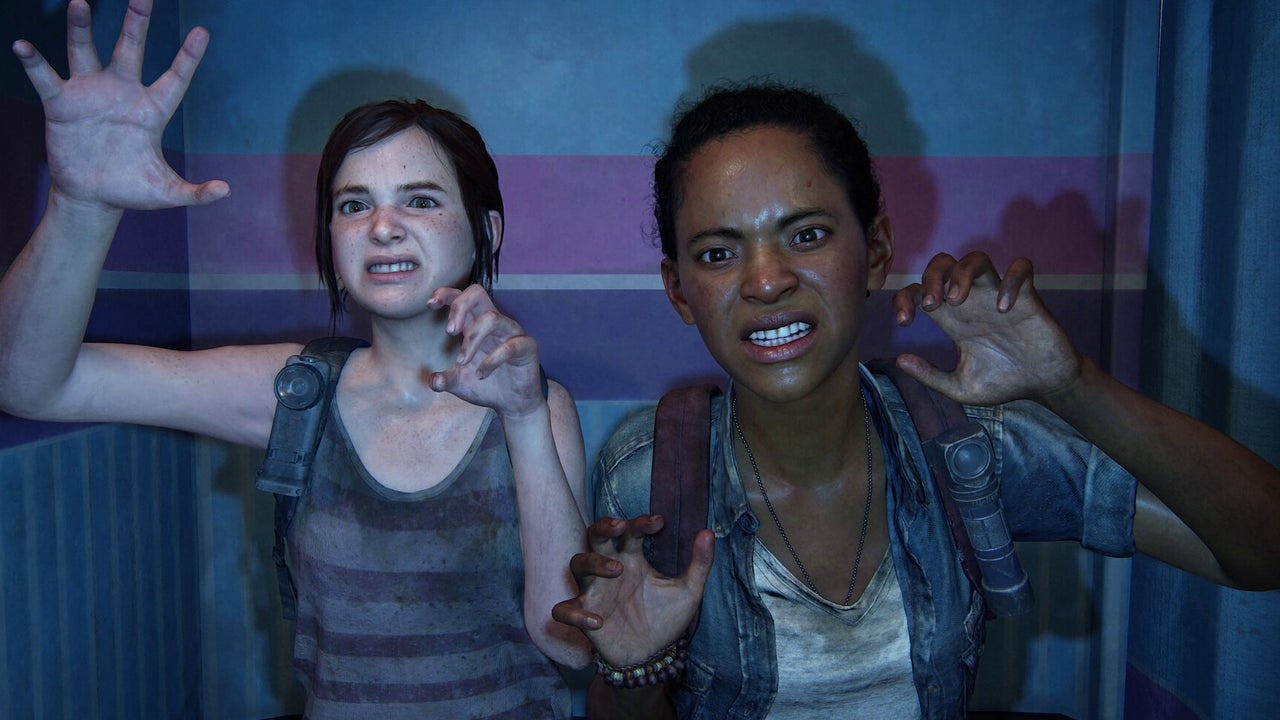
Naughty Dog's abrupt cancellation of Last of Us Online in December 2023 shocked fans who expected a multiplayer expansion to the acclaimed franchise. The decision came after nearly a decade of development, with director Vinit Agarwal revealing the team made the call just 24 hours before announcing it publicly.
TL;DR: Naughty Dog canceled Last of Us Online to focus resources on single-player projects like Intergalactic: The Heretic Prophet, avoiding the pitfalls of live service game maintenance that would have required 90+ developers full-time.
Why Did Naughty Dog Cancel Last of Us Online?
The studio faced a critical choice: continue pouring resources into a live service game or refocus on their narrative strengths. Internal documents showed maintaining Last of Us Online would have required a dedicated team of 90+ developers indefinitely, pulling talent away from new single-player projects.
Bungie's evaluation during their collaboration with Sony reportedly warned that the game's retention metrics and monetization strategy weren't sustainable. This external validation helped Naughty Dog leadership make the difficult cancellation decision rather than release a compromised experience.
How Are Players Reacting to the Cancellation?
Reddit's The Last of Us community saw over 5,000 cancellation-related posts in the first week. While some fans expressed anger over losing the promised multiplayer mode, others praised Naughty Dog's transparency. Many pointed to The Last of Us Part 1's successful PC port as evidence the studio should stick to single-player experiences.
Notable streamers like CohhCarnage acknowledged disappointment but agreed with the decision: "I'd rather have no multiplayer than a bad one that hurts Naughty Dog's reputation." The sentiment reflects growing player weariness with half-baked live service games.
What Went Wrong During Development?
Last of Us Online began as a The Last of Us Part II multiplayer mode before expanding into a standalone project. Leaked concept art showed ambitious plans including:
- A faction-based survival system
- Dynamic weather affecting gameplay
- Co-op story missions with persistent bases
Development stalled when COVID-19 forced Naughty Dog to prioritize The Last of Us Part 1 remake. By 2022, the multiplayer team faced constant scope changes as leadership debated whether to include battle passes or cosmetic-only monetization.
Are Live Service Games Too Risky?
The failure rate for live service games has reached 83% according to a 2025 EEDAR report. Last of Us Online joins Anthem, Babylon's Fall, and Marvel's Avengers as high-profile cancellations. Successful exceptions like Destiny 2 and Fortnite require:
- $50M+ annual content budgets
- 24/7 community management teams
- Constant balance updates
Naughty Dog realized too late that their storytelling expertise didn't translate to this model. The studio's 18-month development cycle for single-player games clashes with live service demands for weekly updates.
What's Next for Naughty Dog?
All Last of Us Online developers have shifted to two confirmed projects:
- Intergalactic: The Heretic Prophet (2027) - A new sci-fi IP
- An unannounced The Last of Us single-player experience
Insiders suggest the studio may revisit multiplayer concepts through smaller cooperative modes rather than full live service games. This aligns with Sony's revised strategy favoring quality over quantity after multiple PlayStation Studios multiplayer cancellations.
Should Players Worry About Future Multiplayer?
The cancellation doesn't mean Naughty Dog will abandon multiplayer entirely. The original The Last of Us included the beloved Factions mode, proving they can create compelling competitive experiences when scope is manageable.
Industry analysts suggest Sony may assign multiplayer Last of Us projects to support studios like Valkyrie Entertainment, freeing Naughty Dog to focus on narratives. This distributed development model has worked well for Call of Duty and Halo franchises.
Key Takeaways From the Cancellation
- Live service requires different skills - Narrative excellence doesn't guarantee multiplayer success
- Player patience has limits - Communities prefer cancellations over broken promises
- COVID changed priorities - The pandemic accelerated industry skepticism toward risky projects
- Sony is course-correcting - PlayStation Studios now emphasizes proven single-player formulas
Frequently Asked Questions
Q: Will Last of Us Online ever be revived?
A: Extremely unlikely. Naughty Dog has reassigned all developers and repurposed most assets. Any future Last of Us multiplayer would likely be a completely new project.
Q: Did any gameplay ever leak?
A: Only internal test footage showing prototype combat and base-building mechanics. The visuals matched The Last of Us Part II's quality but lacked polished UI.
Q: How many people were working on the game?
A: At its peak, about 150 developers. The team had shrunk to 80 by cancellation as members gradually moved to other projects.
Q: Did Sony pressure Naughty Dog to cancel?
A: While Sony supported the decision, multiple sources confirm it originated from Naughty Dog's leadership after reviewing Bungie's analysis.
Q: Can I play the original Factions mode?
A: Yes, The Last of Us Remastered on PS4/PS5 still hosts active Factions servers, though matchmaking times have increased since the cancellation news.
References
- Former Xbox Veteran Says Canceling The Last of Us Online Was the Right Call, Criticizes Naughty Dog and Sony for Green-lighting It in the First Place. IGN. Retrieved from https://www.ign.com/articles/former-xbox-veteran-says-canceling-the-last-of-us-online-was-the-right-call-criticizes-naughty-dog-and-sony-for-green-lighting-it-in-the-first-place
- Video game. Wikipedia. Retrieved from https://en.wikipedia.org/wiki/Video_game
- GameSpot. Retrieved from https://www.gamespot.com/## Related Reading
The decision to cancel the Last of Us Online has sparked much debate among gamers, but some industry veterans believe it was the right call. For those interested in the evolving landscape of gaming, the implications of next-gen consoles and their influence on titles like this can be explored in our article on Next Gen Xbox Swag: What It Means for Gamers and Xbox's Future. Additionally, the impact of such cancellations on player communities is reminiscent of past events, such as the buzz surrounding the Mike Flanagan's Hush has the best horror movie 'twist' of the last 10 years.
Related Reading
The decision to cancel the Last of Us Online has sparked much debate among gamers, with some believing it was a necessary move for the franchise's future. For those interested in the evolving landscape of gaming, exploring how companies like Xbox are adapting to new trends can provide valuable insights, as discussed in Next Gen Xbox Swag: What It Means for Gamers and Xbox's Future. Additionally, the impact of such cancellations on player engagement and community dynamics is a topic worth examining further. Understanding these shifts can help gamers navigate the ever-changing world of online multiplayer experiences.
The Future of Multiplayer in the Last of Us Franchise
The cancelation of the Last of Us Online has sparked discussions about the future of multiplayer experiences within the franchise. Originally, Naughty Dog aimed to expand the universe of the beloved series through this multiplayer game, which was expected to build on the success of the single-player campaigns. However, the decision to halt development raises questions about how Naughty Dog will approach multiplayer in future titles.
Given the evolving landscape of the video game industry, where live-service models and ongoing post-launch content have become increasingly popular, the cancelation may indicate a shift in strategy for Naughty Dog. The studio has historically focused on narrative-driven experiences, and the challenges of developing a robust multiplayer component may have influenced this decision. As the gaming community continues to demand engaging multiplayer experiences, it remains to be seen how Naughty Dog will adapt its approach moving forward.
Lessons from the Cancelation
The cancelation news surrounding the Last of Us Online serves as a cautionary tale for game developers. It highlights the importance of aligning a game's vision with player expectations and market trends. An Xbox veteran pointed out that green-lighting such a project without a clear understanding of its feasibility and potential audience can lead to wasted resources and disappointment.
This situation also emphasizes the need for studios to be agile in their development processes. The gaming industry is notorious for rapid changes in player preferences, and developers must be prepared to pivot or even scrap projects that no longer align with their strategic goals. The lessons learned from the Last of Us Online could influence how future projects are conceptualized and executed, ensuring that they resonate with players and meet the demands of a competitive market.
What Lies Ahead for Naughty Dog
As Naughty Dog moves forward, the studio's focus may shift back to its core strengths—storytelling and character development. With the recent success of titles like The Last of Us Part II, the emphasis on single-player narratives may take precedence over multiplayer endeavors. However, this does not mean that the door is closed on future multiplayer experiences entirely.
The gaming community is eager for innovative multiplayer modes that can complement the rich narratives Naughty Dog is known for. Future projects may explore cooperative gameplay or episodic content that allows players to engage with the world of The Last of Us in new ways. Additionally, the studio could consider leveraging existing IPs to create multiplayer experiences that align more closely with player expectations and market demands.
As the industry continues to evolve, Naughty Dog's next steps will be closely watched by fans and analysts alike. The cancelation of the Last of Us Online may very well serve as a turning point for the studio, prompting a reevaluation of how they approach multiplayer gaming in the future.
The Impact of Canceling Last of Us Online
The decision to cancel the Last of Us Online has sparked significant discussion within the gaming community, particularly regarding its implications for Naughty Dog and the broader video game industry. The multiplayer component was initially positioned as a major expansion of the Last of Us franchise, aiming to capitalize on the success of the single-player narrative. However, as development progressed, it became increasingly clear that the ambitious project faced numerous hurdles, including resource allocation and the evolving expectations of players.
Former Xbox veteran comments suggest that the cancelation was not just a business decision but a necessary step for maintaining the integrity of the franchise. The multiplayer game was intended to enhance the Last of Us experience, but with the shift in focus towards single-player narratives, the viability of a robust multiplayer mode became questionable. This reflects a broader trend in the industry where studios are reassessing the sustainability of multiplayer experiences, especially in light of changing player preferences.
The Future of Multiplayer in Story-Driven Games
As the gaming landscape evolves, the cancelation of Last of Us Online raises questions about the future of multiplayer modes in story-driven games. Developers are increasingly challenged to find a balance between delivering compelling narratives and engaging multiplayer experiences. The success of games like Fortnite and Apex Legends has set high expectations for multiplayer components, often overshadowing single-player narratives.
Naughty Dog's decision to pivot away from the Last of Us Online could signal a shift in strategy, focusing on enhancing single-player content and post-launch updates for existing titles. This approach may allow for more cohesive storytelling while still providing players with engaging content. The industry may witness a trend where studios prioritize narrative depth over multiplayer breadth, leading to a redefinition of what multiplayer means in the context of story-driven games.
Lessons Learned from the Cancelation
The cancelation of Last of Us Online serves as a case study for both developers and publishers in the gaming industry. It highlights the importance of aligning project scope with player expectations and market realities. The decision underscores the need for thorough market analysis and player feedback during the development process.
Additionally, it raises awareness about the risks associated with green-lighting ambitious projects without a clear understanding of their feasibility. As the industry continues to evolve, studios must remain agile, adapting to player feedback and market trends to ensure the success of future projects. The Last of Us Online may have been a missed opportunity, but it also provides valuable insights into the complexities of game development and the importance of strategic decision-making in the gaming industry.
