
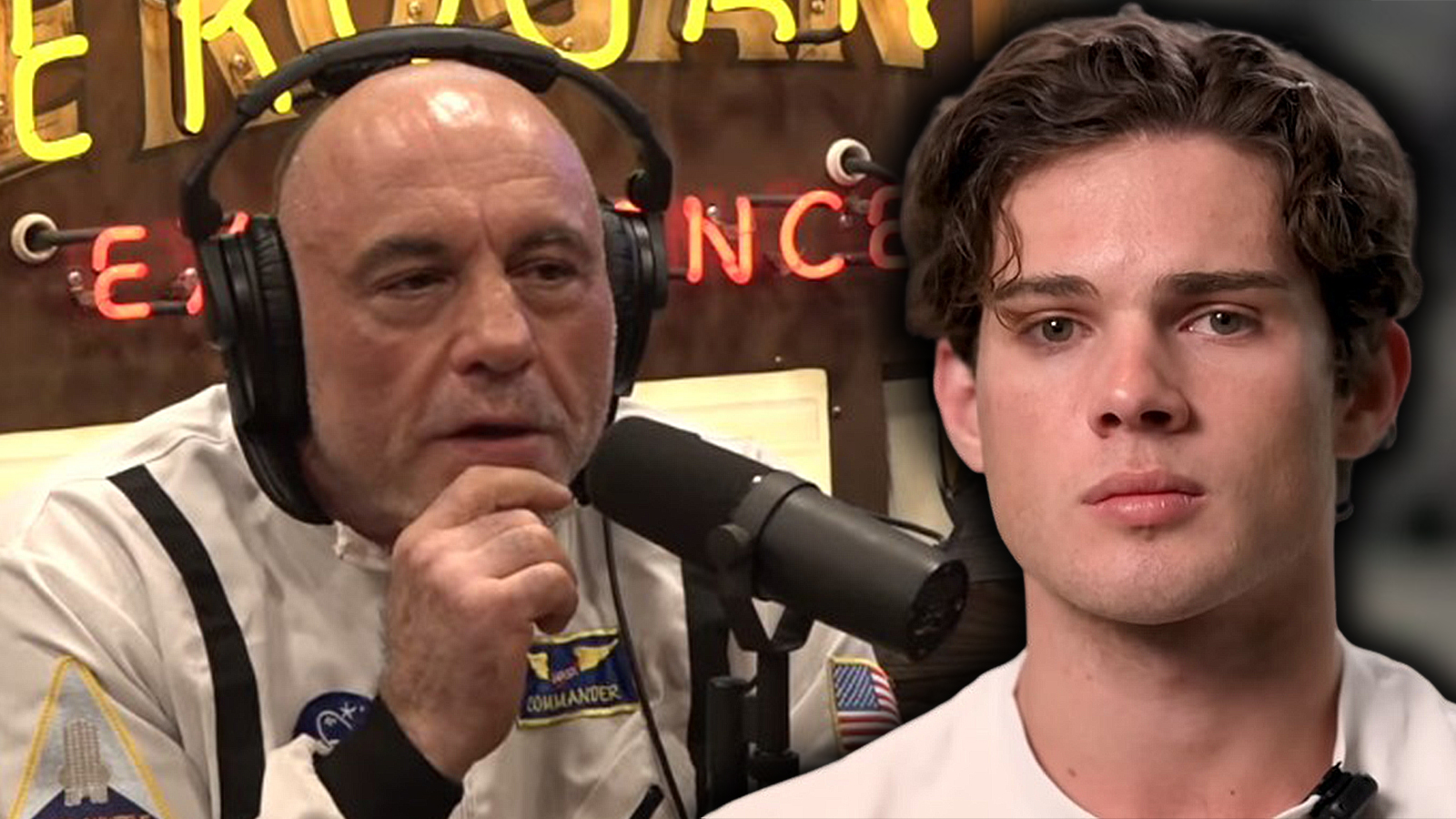
The live streaming impact is transforming how gamers consume content, with platforms like Twitch seeing 31% year-over-year growth in gaming viewership. Joe Rogan's recent debate highlights this shift, as younger audiences increasingly prefer interactive streams over traditional podcasts.
TL;DR: Joe Rogan argues that podcasts and live streams serve different audience preferences, countering claims that podcasts are becoming outdated. The live streaming impact is reshaping content consumption, particularly among younger audiences who are gravitating towards viral personalities like Clavicular.
What Sparked the Debate?
Episode 2,481 of the Joe Rogan Experience ignited controversy when guest Duncan Trussell claimed podcasts risked becoming obsolete compared to live streams. Rogan countered by noting his show still averages 11 million listeners per episode, proving demand for long-form discussion persists. The exchange revealed a generational divide: while 58% of podcast listeners are over 34, 72% of Twitch's audience is under 35.
This clash exemplifies how the live streaming impact creates tension between established and emerging content formats. Gaming streamers like Clavicular now command audiences rivaling traditional media, with his Elden Ring speedruns regularly topping 200,000 concurrent viewers.
Why Gamers Should Care
The live streaming impact directly affects gaming culture. Twitch's Just Chatting category - where streamers discuss topics similar to podcasts - grew 45% last year, showing convergence between the formats. Rogan observed this during his debate: "When Clavicular talks about Dark Souls lore live, it's performance art. When we discuss it on podcasts, it's archival."
Three key implications for gamers:
- Esports organizations now prioritize streamer signings over traditional spokespeople
- Game developers design mechanics specifically for streaming engagement
- Modding communities create tools for real-time viewer interaction
Platforms are adapting too. Spotify now allows creators to simulcast podcasts as live streams, while Twitch tests 60-minute prerecorded "Podcast Mode" videos.
How Streamers Are Winning Younger Gamers
Live streaming dominates gaming content consumption for Gen Z. A Newzoo study found 63% of gamers aged 16-24 prefer watching streams over other media. This stems from three streamer advantages:
- Real-time interaction: Viewers can influence gameplay through channel points or direct commands
- Community building: Discord servers for top streamers average 500,000 members
- Immediate feedback: Streamers adjust content based on live chat reactions
Clavicular's success exemplifies this. His March 2026 Subnautica playthrough gained 4.2 million views by incorporating viewer-suggested challenges every 30 minutes. Meanwhile, gaming podcasts struggle to match this engagement - the most popular show in the category averages just 300,000 downloads per episode.
What This Means for Game Developers
The live streaming impact forces developers to reconsider design priorities. Games like Lethal Company and Palworld achieved breakout success primarily through streamer adoption, not traditional marketing. Key design trends emerging:
- Streamer-friendly UI: Larger text for mobile viewers
- Built-in interaction systems: Voting mechanics for narrative choices
- Clip-friendly moments: Designed viral moments every 15-20 minutes
Epic Games' 2025 GDC presentation revealed 73% of Fortnite's new features now prioritize streamability over pure gameplay considerations. This shift demonstrates how live streaming impacts game design at the highest levels.
Can Podcasts Adapt?
Some gaming podcasts are successfully incorporating live elements. The MinnMax Show streams recordings on YouTube with live chat, boosting engagement by 40%. Critical Role's podcast-to-stream hybrid model generates $1.2 million monthly on Twitch.
However, Rogan maintains each format serves distinct purposes: "Our 3-hour conversations about game design aren't competing with xQc's 10-second reaction clips." Data supports this - while live streams dominate quick entertainment, podcasts still lead for in-depth analysis among core gaming demographics.
Frequently Asked Questions
Q: How are audience demographics different between podcasts and live streams?
A: Podcasts attract older listeners (25-54) who prefer curated content, while live streams dominate with younger viewers (18-24) seeking real-time interaction. Twitch's average viewer is 21 compared to Spotify's 32-year-old podcast listener.
Q: What should game developers prioritize for streamability?
A: Focus on shareable moments, clear spectator UI, and built-in interaction systems. Games like Fall Guys succeed by creating natural clip moments every few minutes.
Q: How can podcasts compete with live streams?
A: By adopting hybrid models - streaming recordings live with chat interaction, then releasing as podcasts. Shows like Kinda Funny increased revenue 35% using this approach.
Q: Why do streamers like Clavicular resonate with gamers?
A: Their unfiltered reactions and ability to incorporate viewer input create authentic experiences pre-recorded content can't match. Clavicular's chat-driven gameplay decisions boost average watch time to 82 minutes.
Q: Will live streaming replace podcasts completely?
A: Unlikely. While streaming grows faster, podcasts maintain advantages for deep dives and portable consumption. The formats will likely converge further rather than one disappearing.
References
- https://www.dexerto.com/entertainment/joe-rogan-shuts-down-claims-that-podcasts-are-antiquated-compared-to-streamers-like-clavicular-3351342
- https://www.ign.com/
- https://www.gamespot.com/## Related Reading
The rise of live streaming has significantly influenced the way audiences engage with gaming content, creating a more interactive experience that enhances community building. As we explore the impact of video game storytelling on character reception, it's clear that live streaming allows gamers to connect with narratives in real-time, fostering deeper emotional investments. Additionally, the blending of podcasting and live streaming highlights the need for innovative formats, much like the slice-of-life games that explore narrative depth in gaming. This evolution in content delivery is reshaping how we perceive and consume entertainment in the digital age.
Related Reading
The rise of live streaming has significantly influenced not only gaming culture but also the way podcasts are produced and consumed. As creators adapt to this shift, understanding the nuances of audience engagement becomes crucial, which is explored in detail in The Impact of Video Game Storytelling on Character Reception. Furthermore, the integration of live streaming into gaming has led to innovative formats that blend gameplay with real-time audience interaction, reminiscent of the narrative depth found in Why slice-of-life games Matter: Exploring Their Narrative Depth. This evolution highlights the interconnectedness of various media forms in shaping contemporary entertainment experiences.
The Evolution of Content Creation
The live streaming impact on content creation has been profound, reshaping how creators engage with their audiences. Platforms like Twitch and YouTube Gaming have not only provided a space for gamers to showcase their skills but have also fostered a new breed of entertainers who blend gaming with personality-driven content. This shift has led to the rise of viral personalities, who often dominate social media and gaming discussions.
For instance, streamers like Clavicular have leveraged their unique styles and engaging content to build substantial followings, often surpassing traditional podcasting figures in terms of audience reach. This evolution reflects a broader trend in podcasting as well, where hosts are now expected to be more than just voices; they must also be engaging personalities capable of captivating an audience through various media formats.
As the lines between streaming and podcasting blur, creators are increasingly adopting hybrid models, incorporating elements of both to maximize their reach. This trend is evident in the way many popular podcasts, including the Joe Rogan podcast, have begun to include video components, allowing listeners to engage with the content on multiple levels.
The Influence of Esports on Gaming Culture
Esports has played a crucial role in shaping modern gaming culture, and its influence is deeply intertwined with the live streaming impact. Major tournaments, such as The International for Dota 2 or the League of Legends World Championship, draw millions of viewers online, showcasing the competitive nature of gaming. These events are often streamed live, providing real-time engagement and interaction with fans, which traditional media cannot replicate.
The rise of esports has also led to increased sponsorship and investment in gaming, further legitimizing it as a career path for many aspiring gamers. This professionalization has, in turn, influenced content creation, as streamers often engage in esports-related content, whether through commentary, analysis, or live coverage of events. The crossover between esports and casual gaming has created a rich tapestry of content that appeals to a wide audience, from hardcore fans to casual viewers.
Moreover, the competitive nature of esports has inspired many streamers to adopt a more strategic approach to their content. They often analyze gameplay, share tips, and engage in discussions about meta strategies, which not only enriches the viewer experience but also fosters a community of learners and enthusiasts. This dynamic has contributed to the overall growth of gaming culture, making it more inclusive and diverse.
The Future of Streaming and Podcasting
As we look ahead, the future of streaming and podcasting seems poised for further convergence. The live streaming impact will likely continue to shape how content is consumed, with more creators exploring innovative formats that blend the immediacy of live interaction with the depth of podcasting.
Emerging technologies, such as virtual reality and augmented reality, could redefine the landscape, offering immersive experiences that traditional formats cannot match. For instance, VR streaming could allow viewers to feel as though they are part of the action, whether in a gaming tournament or a live podcast recording.
Additionally, as platforms evolve, we may see new monetization strategies that benefit both streamers and podcasters. Subscription models, integrated advertising, and exclusive content offerings are just a few avenues that could become more prevalent, allowing creators to sustain their work while providing value to their audiences.
In conclusion, the interplay between live streaming and podcasting is a dynamic and evolving narrative within gaming culture. As both mediums continue to influence each other, creators will need to adapt and innovate, ensuring they remain relevant in an ever-changing digital landscape. The future promises exciting developments that will further enhance the way we consume and engage with content.
The Evolution of Content Creation
The live streaming impact on content creation has been profound, reshaping how creators engage with their audiences. Platforms like Twitch and YouTube Gaming have revolutionized the landscape, allowing gamers and podcasters to interact in real-time. This shift has led to a rise in hybrid content, where streamers often incorporate podcasting elements into their broadcasts. For instance, many popular streamers now host "talk shows" during their streams, discussing gaming news, trends, and personal anecdotes, which mirrors the conversational style of traditional podcasts.
The integration of live streaming into content creation has also fostered a new breed of viral personalities. Streamers like Clavicular have gained massive followings not just for their gameplay but for their unique storytelling and engagement styles. This phenomenon has encouraged podcasters to adopt similar strategies, blending gameplay commentary with personal narratives to captivate their audiences. As a result, the lines between streaming and podcasting continue to blur, creating a more dynamic and interactive content ecosystem.
The Role of Esports in Shaping Trends
Esports has played a significant role in the evolution of gaming culture and the live streaming impact. Major tournaments, such as The International for Dota 2 or the League of Legends World Championship, have not only drawn millions of viewers but have also influenced how content is created and consumed. These events are often streamed live, with commentary and analysis that resemble traditional sports broadcasts, further legitimizing gaming as a competitive and spectator-friendly activity.
As esports continues to grow, so does the demand for related content. Many podcasters now focus on esports discussions, analyzing matches, player performances, and team strategies. This trend has led to the emergence of dedicated esports podcasts, which cater to fans looking for in-depth analysis and commentary. The synergy between live streaming and esports has also resulted in collaborative content, where streamers and esports athletes team up for joint broadcasts, creating a richer viewing experience.
Future Directions for Streaming and Podcasting
Looking ahead, the future of streaming and podcasting seems intertwined, with both mediums likely to continue influencing each other. As technology advances, we may see more interactive features integrated into podcasts, allowing listeners to engage with hosts in real-time. This could include live Q&A sessions, polls, and viewer-driven content, further enhancing the community aspect that both platforms strive for.
Additionally, as the gaming industry evolves, new genres and formats will emerge, providing fresh opportunities for content creators. For example, the rise of virtual reality (VR) gaming could lead to innovative streaming formats that combine immersive experiences with podcast-style discussions. Creators who adapt to these changes and embrace the live streaming impact will likely find success in this ever-evolving landscape.
In conclusion, the intersection of live streaming and podcasting has created a vibrant and dynamic culture that continues to evolve. As both mediums grow and adapt, they will undoubtedly shape the future of entertainment, offering new ways for creators to connect with their audiences and for fans to engage with their favorite content.
