
GameBrief · Guides
Kristala Combat Guide: Parry Timing and Mana Loop Tips

Reviewing
Kristala
Astral Clocktower Studios
This kristala combat guide is about one loop: deflect, hit, generate mana, cast. Players who skip straight to spells or play defensively find their mana pool empty by the second phase of any boss fight.
TL;DR: Deflection is the core mechanic (time it correctly to regenerate mana and stagger enemies. Mana only refills through melee hits, not passively. Pick Nisarga or Tandara (Eminence) for a first run; Malediction hits harder in extended fights but requires understanding the system first. Clan choice is permanent) no mid-game respec.
That loop isn't optional: it's the architecture. Here's what it actually looks like in practice.
Kristala combat guide: key takeaways
- Deflection is Kristala's primary defensive mechanic: timed correctly, it regenerates mana and staggers the enemy into a critical takedown window
- Mana regenerates only through successful melee hits, not passively: passive play starves your spell pool
- Up to 16 spells can be equipped simultaneously; mana is what determines how often you can cast
- Two magic schools: Eminence (direct burst damage) and Malediction (curses, debuffs, attrition)
- Failed deflects take full damage and generate no mana: timing is the whole game, not just the input
- Clan choice determines your starting spell tree, not what you can ever access permanently
The deflection system: how it actually works
Kristala uses "deflect" where most Souls-likes use "parry." The mechanic is the same: input the deflect at the right moment in an enemy's attack animation to convert their hit into an advantage. Land it correctly and two things happen: your mana refills, and the enemy staggers into a critical takedown window.
The window is tight. There is no passive block you hold during a stance. Pressing the deflect button early results in a whiff; pressing late takes full damage with no recovery frame. The game doesn't offer a generous catchall defensive button you can lean on while learning fight patterns.
What it does offer instead is a fast reset. A successful deflection puts you in a favorable position immediately (mana up, enemy staggered. Once you know an enemy's attack pattern, deflections stop being reactive guesses and become the rhythm of the fight. The window is demanding by design) that's the point.
Light and heavy attacks both work differently against a staggered enemy. Heavier hits during the stagger window deal bonus damage compared to the standard hit. Most players default to light attacks for speed, which is efficient but misses the extra damage the deflection created. Worth testing in easier encounters before taking it into boss fights.
Not all attacks are deflectable. Some boss moves, typically ground slams and wide sweeping attacks, signal with a different animation and require a dodge rather than a deflect. When you can't identify the tell, one failed deflect gives you the answer for every future attempt.
GODEEPER: For how the mana loop connects to Font stat investment and which upgrades matter first, the beginners guide has the full priority breakdown. Kristala Beginners Guide: Stats, Fonts, and Clan Tips →
The mana loop: why passive play fails
Mana does not refill when you stand back and wait. Resting, backing away from enemies, holding a corner: none of these recover your spell pool. The only path back is successful melee contact.
Passive play gets punished mechanically, not just stylistically. A player who spends a fight dodging and poking from range drains their mana during early casts and has nothing left for spells by mid-fight. A player who deflects and counters keeps the pool topped up throughout.
Your opening approach in any fight matters more than your exit strategy. Move in, deflect, hit, cast. This generates the resources you spend on the next cast. Don't commit to high-cost spells until you've established enough mana income through combat to sustain them.
Spells drain mana at different rates depending on school. Malediction spells (curses and debuffs) tend to cost less per cast but compound their effect over time. Eminence spells hit harder per cast but demand you stay melee-active to sustain the cost. Both work within the same framework of aggressive play; they just reward different rhythms.
The deeper issue for players struggling with mana: timing the deflect window consistently is what separates runs that feel resource-starved from runs that feel fluid. Every failed deflect is a missed mana refill. When the mana problem appears chronic, the root cause is usually deflect timing, not spell build.
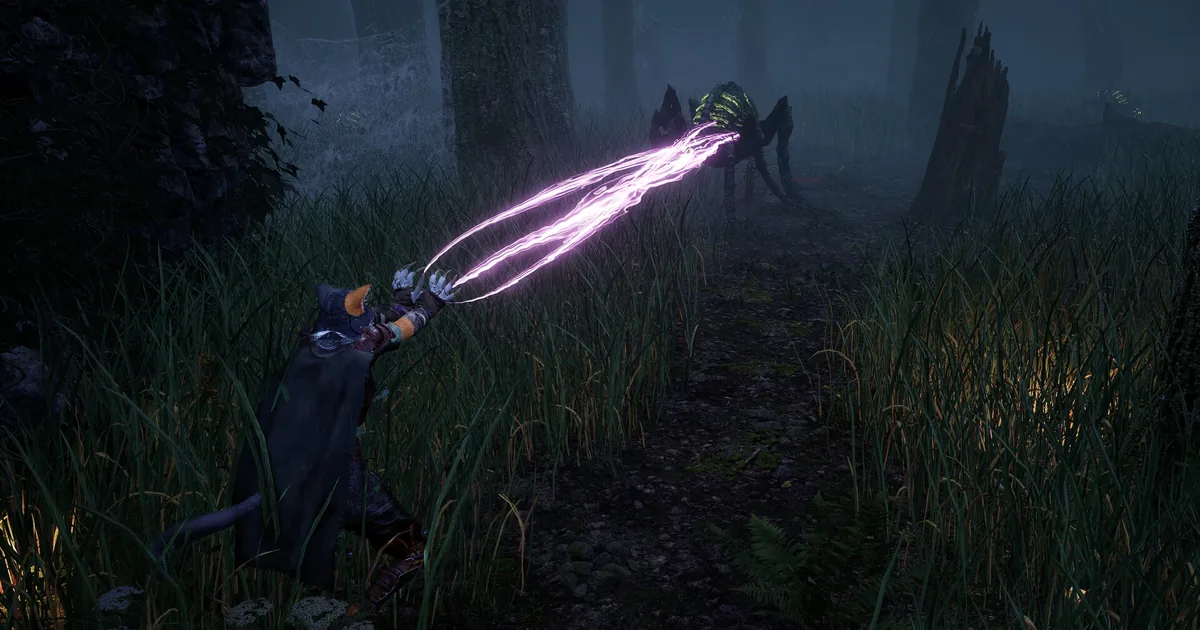
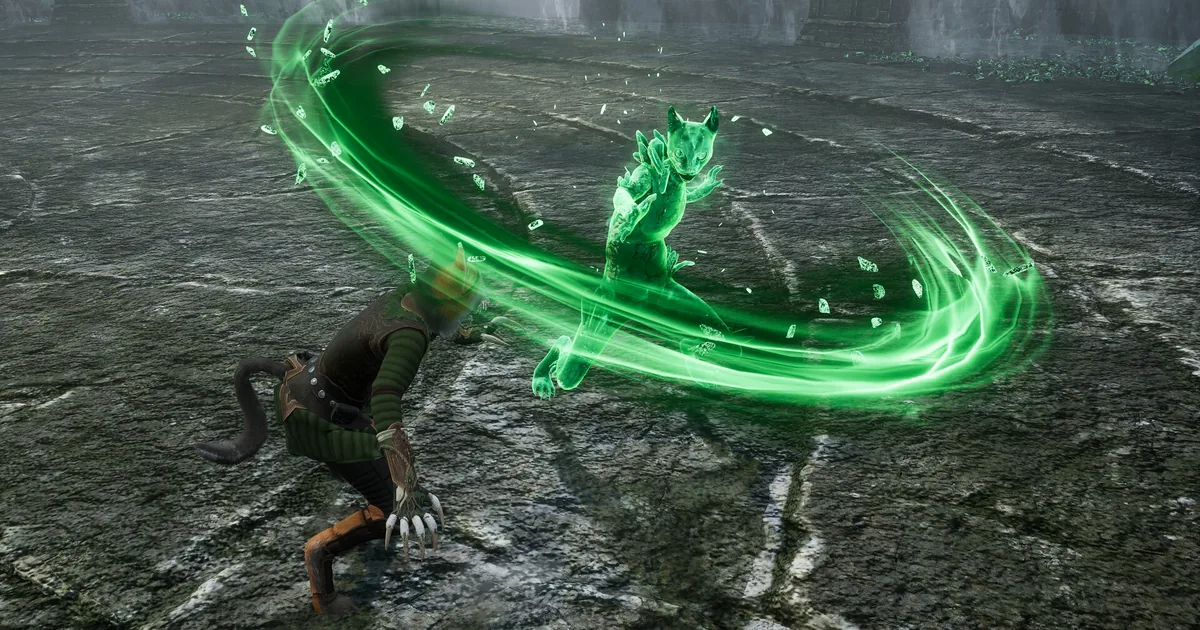
A successful deflect refills the mana bar and staggers the attacker. The problem with passive play isn't style: the game mechanically denies mana recovery when you're not hitting things.
Clan choice and what it changes for combat
Six clans, two magic schools. This is Kristala's second combat layer and the one most players underestimate before character creation.
Eminence magic (favored by Nisarga and Tandara starting clans) is the direct approach. Spells deal immediate damage, scale with Eminence stat investment, and give fast feedback on whether your positioning is working. You cast, something takes damage, you know if you're in range. For players learning the deflection loop, Eminence gives cleaner cause-and-effect in the early game.
Malediction magic (the natural fit for Myrtuna) applies curses and status effects. Damage accumulates rather than landing in one hit. This performs better against tough single enemies and bosses where the extended time-to-kill benefits from ongoing debuff stacking. Malediction builds feel slower to pay off in early fights, which can frustrate players before the system establishes itself in hour four or five.
Three additional clans (Keoza, Lyumina, Sykomana) are part of the roster but were not yet available at launch (check the current Steam page for release status. None of the available clans permanently block the other magic school) you can equip up to 16 spells from any school you've unlocked. Your starting spell tree defines your first 10 hours more than any other choice, which is where the decision actually matters.
Combat feel also changes based on Feline Skill tree investment. Wall runs, ledge grabs, and aerial repositioning unlock through Font upgrades and change how you approach deflection windows. Boss arenas include vertical space that enemies use: an airborne position changes which deflection angles work and which require you to land first. Early Feline Skill nodes pay back more than most beginners expect.
GODEEPER: For the full breakdown of which clans start with which stat distributions and what spells open up in each tree, the clan guide has the comparisons. Kristala Clans Guide: Eminence, Malediction, and Which to Pick →
Tips by enemy type
Undead enemies in Ailur telegraph attacks with longer wind-ups than humanoid enemies. That extra animation time makes deflection timing more consistent: useful for practicing the window before boss fights demand near-perfect execution.
Bosses use multi-part combos more than standard enemies do. In boss fights, look for the final hit in a combo sequence: that's typically the deflectable one that creates a stagger window. Trying to deflect every hit in a chain gets punished by the follow-up if your timing is off on any single hit.
Aerial enemies require repositioning to deflect effectively. Wall-run and aerial reposition abilities from the Feline Skill tree put you at the right height to attempt deflections that a grounded player can't reach. It's one of the stronger arguments for investing in those early parkour nodes.
Some ranged projectiles can be deflected back toward the attacker. The tell is a slight deceleration of the projectile before impact, leaving a tight window to reverse it. It's a high-risk play that isn't necessary to win any encounter, but worth knowing exists once deflect timing is comfortable in standard fights.
Stealth is available in Kristala but underdeveloped relative to the combat and traversal pillars: using it as a primary approach often leads to situations where you're forced into combat without the mana advantage that comes from a clean deflect opener. Treat stealth as a positional tool for resetting an encounter gone wrong, not a full substitute for combat.
Boss arenas include vertical space the parkour system uses. Moving to a different elevation mid-fight can reset an enemy's combo pattern and create a better deflect angle.
Kristala combat guide: step-by-step: building the combat loop
This kristala combat guide breaks down the deflection loop into five steps you can apply from your first encounter.
-
Move into melee range before casting anything. Every fight should start with melee, not with a spell. Spells drain the mana you haven't built yet.
-
Time the deflect input at the peak of the enemy's attack animation. This is fight-specific: every enemy has its own timing. Use your first 2-3 attempts in any fight to learn the window, not to win immediately.
-
Land follow-up melee hits after a successful deflect. The stagger window is when you refill mana fastest. Two or three hits in the stagger window covers the cost of 1-2 spell casts.
-
Spend mana on spells while the enemy recovers. Your window is short: use it for a single Eminence burst or a Malediction curse application, then return to melee before the next attack.
-
Check your mana bar after each exchange. If it's below half, prioritize melee until it recovers. Casting when mana is low means running out at the wrong moment mid-fight.
Repeat the cycle: melee to build, deflect to refill, spend on spells, return to melee. The loop becomes automatic around hour three for most players.
How to build around the deflect system
From a stat investment perspective: Vitality first, Willpower second, then your magic stat (Eminence or Malediction matching your clan). This prioritizes surviving long enough to learn enemy patterns before adding spell damage on top of a functioning defensive foundation.
The deflect system rewards pattern recognition more than reaction speed. Enemy attacks repeat with consistent timing. An enemy you've fought five times has a predictable deflect window. An enemy you've fought once is where mistimes happen.
Expect to fail deflections in a fight's first two or three attempts. Those failures tell you the timing. Retreating to reset isn't wrong: you're collecting information cheaply. By the fifth attempt, the window should feel readable.
For builds leaning heavily on spells: avoid investing mana into high-cost casts before the deflect timing is comfortable. Spell power without reliable mana income means casting two spells and then brawling the rest of the fight with an empty pool. Get the deflect loop working first; spells become easier to sustain once mana is flowing consistently.
References
- Kristala on Steam: official page, patch notes, and achievements list
- Kristala Wiki: clan stat comparisons, spell lists, Font upgrade details
- Kristala character build guide: stat priorities and Font spending for specific archetypes
- Kristala review: full critical assessment of the combat and progression systems
- Kristala complete guide: all builds, bosses, clans, spells, and guides for the 2026 EA release
Frequently asked questions
How does parry work in Kristala? In Kristala, parry is called deflection. Timing a deflect correctly when an enemy attacks regenerates mana and staggers the enemy into a critical takedown window. A missed deflect: too early or too late: results in taking full damage. The window is tight; the game is built around aggression, not safe blocking.
How does mana regenerate in Kristala? Mana in Kristala only regenerates through successful melee hits, including deflections. It does not refill passively or over time. Passive play drains your mana pool with no recovery path. The game forces an aggressive loop: deflect, counter, cast, repeat.
What is the best starting clan for combat in Kristala? Nisarga and Tandara start with higher Eminence: better if you want direct-damage spells with fast feedback. Myrtuna favors Malediction magic, which applies curses and debuffs that pay off in longer fights. For beginners learning deflect timing, an Eminence-leaning clan gives clearer cause-and-effect.
What happens if you fail a deflect in Kristala? A failed deflect means the attack lands at full damage. Kristala does not have a passive shield block option you can hold during a stance. You take the hit, your mana doesn't recover from it, and you lose the offensive momentum the stagger window would have created.
How many spells can you equip in Kristala? You can equip up to 16 spells simultaneously. Spells are fueled by mana, which only refills through successful melee hits. The six magic schools: tied to clan choice: determine which spells are available in your starting spell tree.
Does Kristala have a block mechanic or only parry? Kristala's primary defensive mechanic is deflection, not a sustained block. Deflection is a timed active input, not a held button that reduces damage. Turtling generates no mana recovery and leaves you taking full damage: the game does not reward passive defense.
Is the combat in Kristala harder than other Souls-likes? Kristala's difficulty comes from the mana loop rather than exceptional enemy damage numbers. Players who understand that mana refills only through melee find the game manageable. Players who expect passive defensive options struggle because the system offers none: combat is built around the deflect-hit-cast cycle.
Related Reading
- Kristala Boss Guide: All 5 Bosses and How to Beat Them: where deflect timing and the mana loop get tested hardest, fight by fight.
- Kristala Spells Guide: All Magic Schools: the spells your deflect-fueled mana pays for, by school and clan.
- Kristala Clans Guide: Which to Pick: how Eminence vs Malediction shapes the combat feedback loop from the start.
- Kristala Character Build Guide: stat priorities that support an aggressive deflect-counter playstyle.
- Kristala Lophi Boss Guide: Parry Timing & How to Win: Kristala Lophi boss guide: why his yellow attacks should be parried not dodged, when to dodge the jump....
- Kristala Elder Satine Boss Guide: a phase-by-phase test of the deflect timing this guide teaches.
- Kristala Weapons Guide: Best Weapons 2026: which weapons pair best with a deflect-counter build and the damage tiers that matter.
- How Long to Beat Kristala: Story, 100%, and All Clans: How long to beat Kristala: 20-30 hours for main story, 60-80 hours for all 50.
- Kristala Feline Skill Tree Guide: Node Order and Parkour: Kristala Feline Skill Tree guide: parkour nodes unlock hidden Fonts.
- Kristala Elder Samwise Boss: Beat the Phase 2 Spin: Kristala Elder Samwise boss guide: why phase 2 demands evasion not deflection, the 5-hit combo.
- Kristala Hiratrola Boss Guide: How to Beat the Brute: Kristala Hiratrola boss guide: read the long wind-ups on its heavy attacks, why the long.
Was this guide helpful?
About the author

Indie & JRPG Critic
Indie game evangelist and lifelong JRPG fan covering small studios since 2017. Mumbai-born, London-based. Writes the way she talks.
- 7 years indie games coverage
- JRPG and visual novel specialist
- Narrative design focus
Keep reading



Disclaimer
This article is published for informational and entertainment purposes. It does not constitute professional financial, legal, or technical advice. Game performance, online services, patch schedules, and store listings change. Verify critical details (pricing, system requirements, regional availability) with publishers and storefronts before you buy. Affiliate links, where present, help support our editorial work and are labelled in our affiliate disclosure.
Comments
Loading comments…