
NewsWarhorse Studios
Warhorse Middle-earth RPG announced: KCD devs confirmed
Warhorse Middle-earth RPG confirmed on May 20: KCD2 studio takes on Tolkien with ~$100M budget. Team, scope, and what Crystal Dynamics is also building.
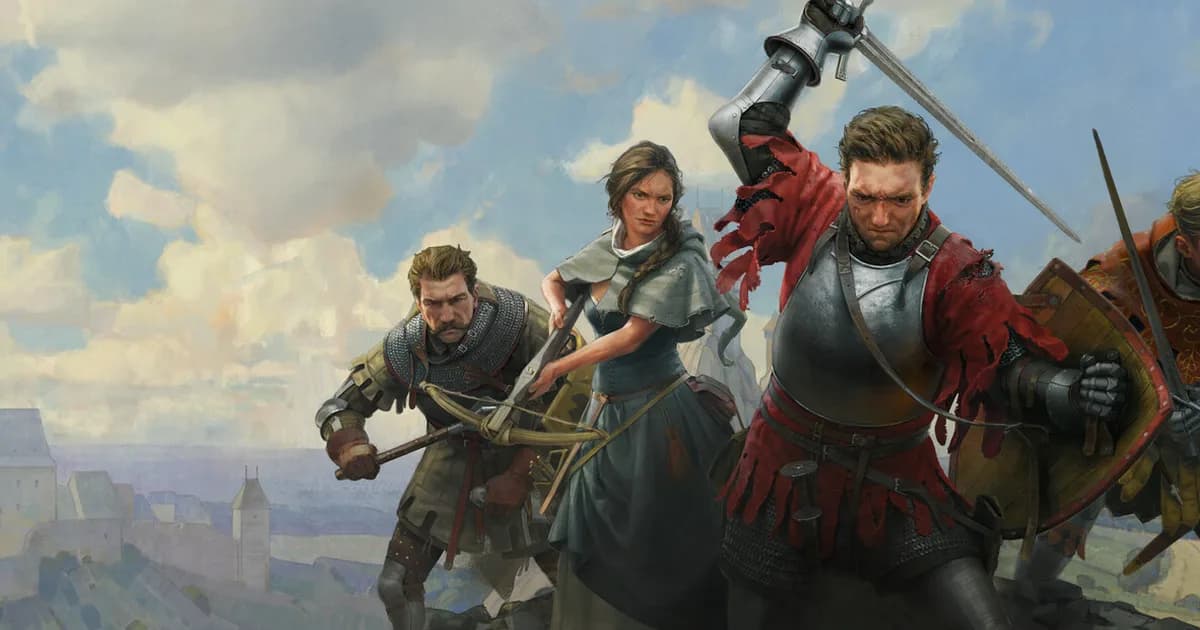
The Warhorse Middle-earth RPG is official.
The Czech studio behind Kingdom Come: Deliverance 2 confirmed on May 20, 2026 that it is developing an open-world RPG set in Tolkien's world. The announcement came via official X and Instagram. No title, platforms, or release window were shared.
Warhorse Middle-earth RPG: key takeaways
- Warhorse Studios announced a Middle-earth RPG on May 20, 2026 via official social media
- Open-world RPG format confirmed; era, platforms, and title undisclosed
- Prokop Jirsa and Viktor Bocan leading the project; Daniel Vávra stepped back in February 2026
- Budget reported at approximately $100 million, per industry sources
- License runs through Fellowship Entertainment, the Embracer-spinoff holding Middle-earth interactive rights
- Amazon's LOTR MMO was cancelled five days earlier (May 15); unrelated
- Crystal Dynamics is also building a separate LOTR game under its own deal
What happened
The announcement confirmed two things at once: a Middle-earth RPG is in development, and KCD3 is also moving forward. Kingdom Come: Deliverance 2 crossed 5 million copies in its first year, so both projects run in parallel.
Daniel Vávra, who co-founded Warhorse and directed the original KCD, left his day-to-day role in February 2026 to start a separate studio. He stays attached to KCD3 as a consultant. Prokop Jirsa and Viktor Bocan, both KCD veterans, are leading the Tolkien project.
The license runs through Fellowship Entertainment, spun out of Embracer Group and holding the film and interactive rights to Tolkien's properties. Embracer acquired those rights through its earlier purchase of the Saul Zaentz entertainment catalog. Warhorse licensed the IP from Fellowship.
The $100 million budget figure comes from industry reporting. Warhorse has not confirmed it.
Why the Warhorse Middle-earth RPG matters
Five days before this announcement, Amazon Game Studios cancelled its Lord of the Rings MMO (May 15). Different license, different studio (the two are unrelated) but the timing is hard to ignore. The Amazon cancellation connects directly to the Stop Killing Games EU Parliament petition: a live-service game shut down before launch is about as clean a case for that initiative as you'll find.
Warhorse's track record is the actual story here. KCD2 sold 5 million copies in year one by doing one thing well: historical immersion with dense NPC systems, grounded when other games go spectacle. Middle-earth doesn't want to stay grounded. It carries 70 years of iconography and expectation. There's nothing in this announcement about which era, which mechanics, or what separates this from prior Tolkien adaptations in other media. That's normal for early development, but it means the only interesting question (does this actually play to what Warhorse does) stays open.
Crystal Dynamics is also making a LOTR game under a separate deal. Two concurrent major-studio Tolkien projects is either a market signal or a miscalculation. Neither team has shown anything.
The Subnautica 2 EULA situation is worth reading as context for what players eventually agree to when buying a game with this kind of IP licensing chain: Krafton's control over Unknown Worlds' terms is a live case of the gap between what a studio wants to say and what its publisher allows. The Beyond The Dark malware removal is a separate but adjacent reminder that the platform layer has its own accountability gaps.
Related Reading
- Tales of Seikyu 1.0 Launch: Yokai Sim Goes Very Positive: Tales of Seikyu 1.0 launches June 11 with Very Positive reviews. Cozy yokai farm sim with shapeshifting, seasonal....
References
- Warhorse Studios on X: Middle-earth RPG announcement
- Fellowship Entertainment: Middle-earth rights holder
- Kingdom Come: Deliverance II on Steam
- Embracer Group: background on Middle-earth rights acquisition
Frequently asked questions
Is Warhorse Studios making a Lord of the Rings game? Yes. Confirmed on May 20, 2026. An open-world Middle-earth RPG is in development. No title, platforms, or era within Tolkien's timeline has been disclosed.
Who is leading the project? Prokop Jirsa and Viktor Bocan are heading it. Daniel Vávra, who co-founded Warhorse and directed KCD1, stepped back from day-to-day work in February 2026.
How did Warhorse get the license? Through Fellowship Entertainment, which holds the Middle-earth interactive rights after being spun out of Embracer Group.
What happened to the Amazon LOTR MMO? Amazon Game Studios cancelled it on May 15, 2026: five days before the Warhorse announcement. Unrelated projects with different license arrangements.
Is Crystal Dynamics also making a Tolkien game? Yes, under a separate deal. Two major-studio LOTR projects are now publicly in development simultaneously.
What's the budget? Approximately $100 million per industry reporting. Warhorse hasn't confirmed the figure.
About the author

Critical game theorist with a background in film criticism. Writing for print and digital outlets since 2015. Specialises in genre analysis and design heritage.
- Background in film criticism
- 10 years games coverage
- Genre theory and design history specialist
Keep reading
Clair Obscur Expedition 33 Review: Is It Worth It in 2026?
General · 8 min

Beyond The Dark malware: Valve removes free horror game
General · 5 min

Stop Killing Games EU Parliament: what actually happened
General · 5 min
Subnautica 2 EULA Explained: What Krafton's Terms Mean
General · 8 min
LumenTale Memories of Trey: 140 Animon Worth It in 2026?
General · 9 min
Tainted Grail Fall of Avalon Guide: All 14 Guides Hub
General · 16 min
Game deals · affiliate links

Disclaimer
This article is published for informational and entertainment purposes. It does not constitute professional financial, legal, or technical advice. Game performance, online services, patch schedules, and store listings change. Verify critical details (pricing, system requirements, regional availability) with publishers and storefronts before you buy. Affiliate links, where present, help support our editorial work and are labelled in our affiliate disclosure.
Comments
Loading comments…