
GuideSlay the Spire 2
Slay the Spire 2 Beginner Guide: All 10 Ascension Levels
This Slay the Spire 2 beginner guide starts with the assumption most new players get wrong: Ascension tops out at 10 levels, not the 20 the original Slay the Spire trained veterans to expect. That single difference changes how hard the highest difficulty setting actually is. What follows covers how Ascension, relics, potions, and events actually work in the sequel, plus the mistakes new runs die to most often.
Sponsored

About the game
Slay the Spire 2
TL;DR: Slay the Spire 2 caps Ascension at level 10, where the original went to 20, and each level stacks a specific penalty rather than a blanket difficulty bump. Relics sort into seven categories (Starter, Common, Uncommon, Rare, Ancient, Shop, Event), potions follow a pity system that gets more generous the longer you go without one, and the game has 69 total events spread unevenly across its four zones. The single biggest beginner mistake is resting when you should be upgrading.
Sponsored

Slay the Spire 2 beginner guide: the short version (quick answer)
Ascension has 10 levels (half the original's 20), relics sort into seven categories, and potions use a pity system that raises your drop odds the longer you go without one. New players lose the most runs to over-resting at campfires instead of upgrading the card they already play every turn.
Slay the Spire 2 beginner guide: key takeaways
- Ascension caps at level 10, cumulative, each level adding one specific penalty
- Relic rarities: seven per the game's own filters, Starter, Common, Uncommon, Rare, Ancient, Shop, and Event (Ancient relics come from Ancients at the start of each Act, not standard drops)
- Potions persist across floors, skip the Energy cost, and use a pity system: drop chance starts at 40%, falls 10% after a hit, rises 10% after a miss
- 69 total events across the game, split unevenly across the four zones
- The most common beginner mistake is resting at campfires instead of upgrading a core card
Overview
This guide covers Slay the Spire 2's Early Access build as of July 2026, the same version covered in our full review. It's written for players new to the sequel, whether or not they've played the original Slay the Spire, and it deliberately doesn't repeat character breakdowns or co-op team compositions. If you want the five-character rundown, our co-op guide already covers that ground.
What follows assumes you understand basic deckbuilder-roguelike terms (Energy, Block, a "run" as one full attempt at the Spire) but not this specific game's systems. Nothing here requires prior Slay the Spire experience, and where the sequel changed something veterans might assume carried over, that's flagged explicitly.
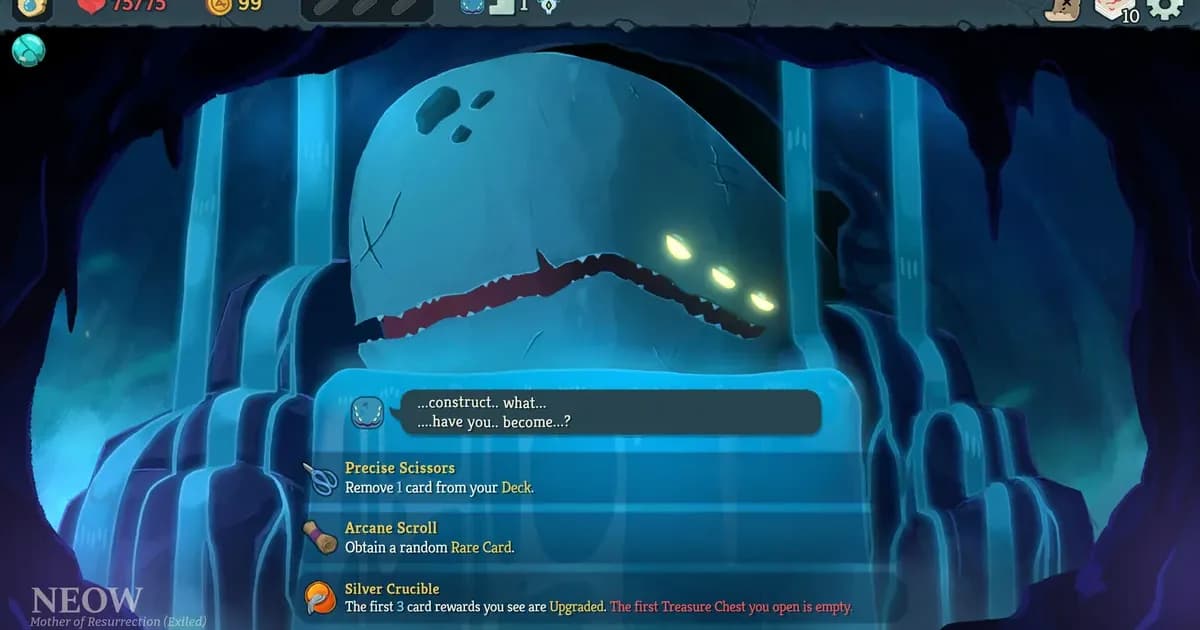
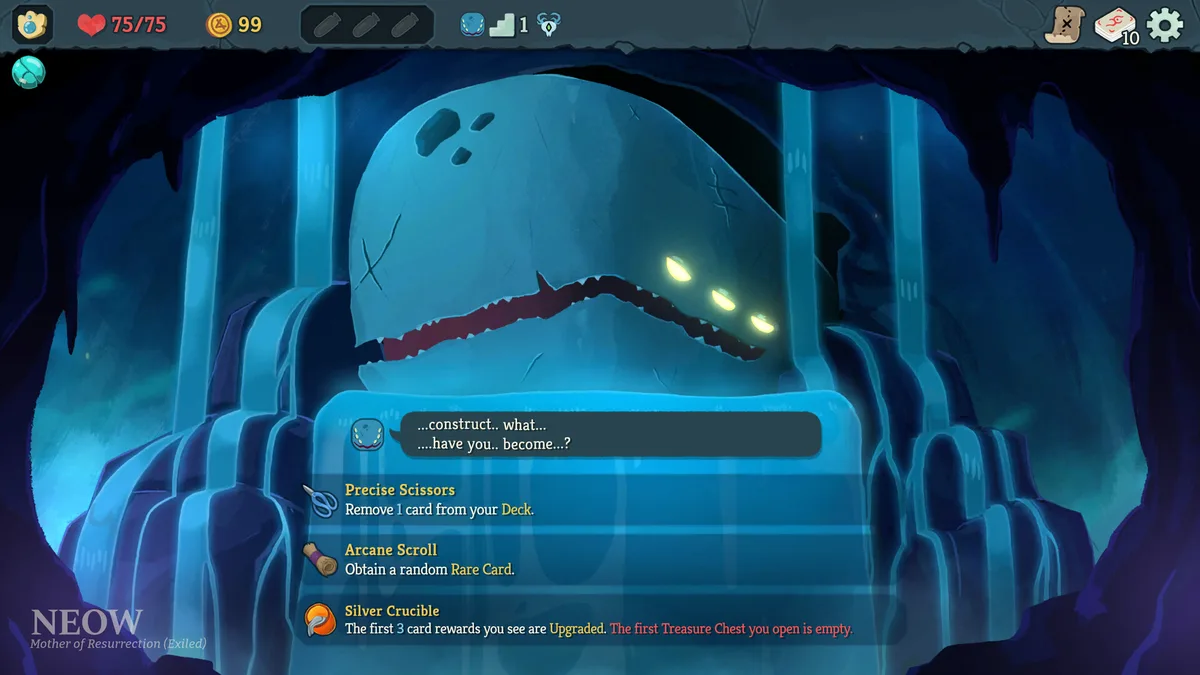
 Every run opens with a Neow choice: Precise Scissors, Arcane Scroll, or Silver Crucible, each trading a different upside for a different cost.
Step-by-Step
Ascension: all 10 levels, in order
Ascension is Slay the Spire 2's difficulty ladder, selectable from the character-select screen before a run starts. Each level is cumulative: turning on level 5 means levels 1 through 5 all apply at once. In order:
- Swarming Elites: roughly 60% more Elite encounters appear on the map
- Weary Traveler: Ancients (the game's rest-site healers) restore only 80% of missing HP instead of a full heal
- Poverty: enemies and chests drop 25% less gold
- Tight Belt: start each run with one fewer potion slot
- Ascender's Bane: start with a permanent curse card in your deck
- Inflation: removing a card at the shop costs more (100 gold for the first removal, rising roughly 50 gold per removal after)
- Scarcity: rare cards and already-upgraded cards appear about half as often in rewards
- Tough Enemies: standard enemies have more HP
- Deadly Enemies: standard enemies hit harder
- Double Boss: Act 3 ends with two boss fights back to back instead of one
Community reports of players clearing Ascension 10 confirm this is the actual ceiling right now, not a rounding error in early datamining. If a guide or forum post assumes 20 levels because that's what the original game had, it's describing the wrong game.
Relics: seven categories, and where the best ones come from
Relics sort into seven categories on the game's own filters: Starter (tied to your character), Common, Uncommon, Rare, Ancient, Shop, and Event. Common, Uncommon, and Rare are the ones you'll see most, dropping from Elites, chests, and shops at roughly a 50/33/17 split. Ancient relics work differently: they come only from named Ancients (Neow among them) who offer a boon once per Act, so you can't farm your way into one by grinding fights, only by reaching the specific point in a run where an Ancient appears. Shop relics are Merchant-exclusive (the third relic slot at any shop always stocks one), and Event relics only drop from specific Events, so both are equally impossible to farm outside their one source.
Potions: the pity system that decides your drops
Potions in Slay the Spire 2 persist between floors (they don't expire at the end of an act), don't cost Energy to drink, and don't count against your one-card-per-turn-of-planning mental budget the way a card does. You start a run with 3 potion slots, expandable through relics like Potion Belt, Alchemical Coffer, or Phial Holster.
The drop system runs on a pity mechanic: base drop chance after a fight is 40%, it falls by 10 percentage points after you receive a potion, and climbs by 10 percentage points every fight you don't. Elite fights add roughly 12.5% on top of whatever your current chance is. In practice, this means a long dry stretch without a potion is self-correcting, and hoarding potions "just in case" costs you less than it did in games without pity systems.
Events: 69 total, spread unevenly
Slay the Spire 2 has 69 documented events: 4 that can appear in any act, plus zone-specific pools of 16 in the first Act 1 zone (Overgrowth), 14 in the second Act 1 zone (Underdocks), 21 in Act 2 (Hive), and 14 in Act 3 (Glory). With that many events split across four zones, a single run will only ever surface a fraction of them, which is part of why early runs feel unpredictable even after a few clears.
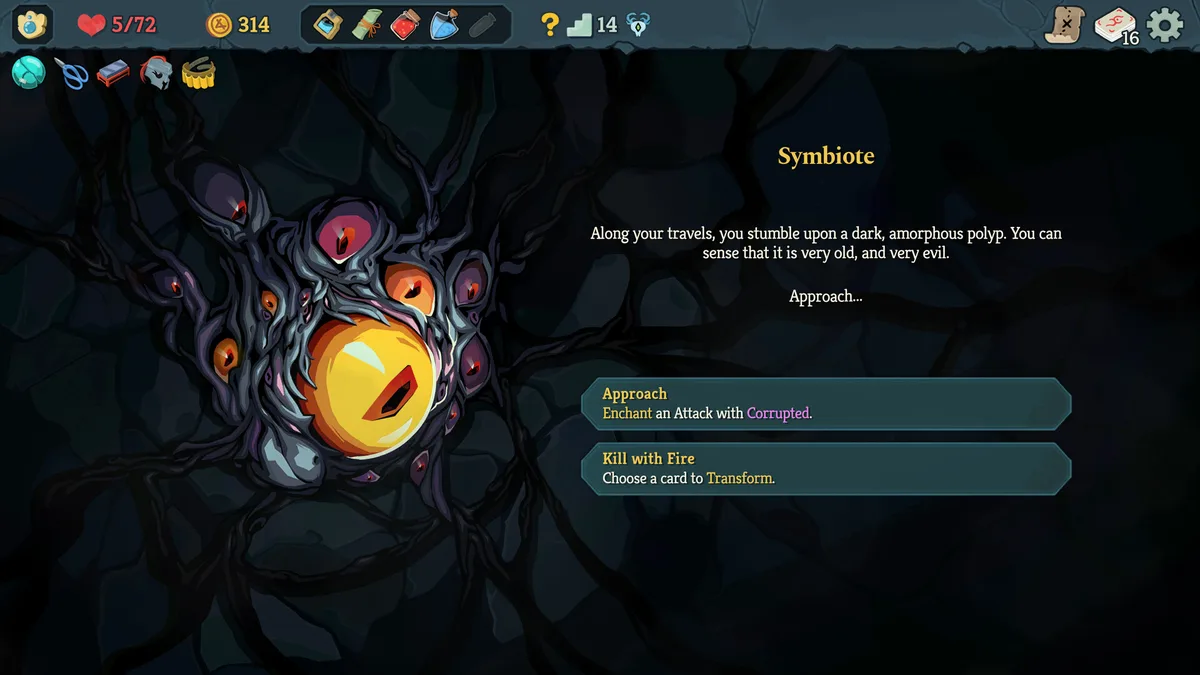
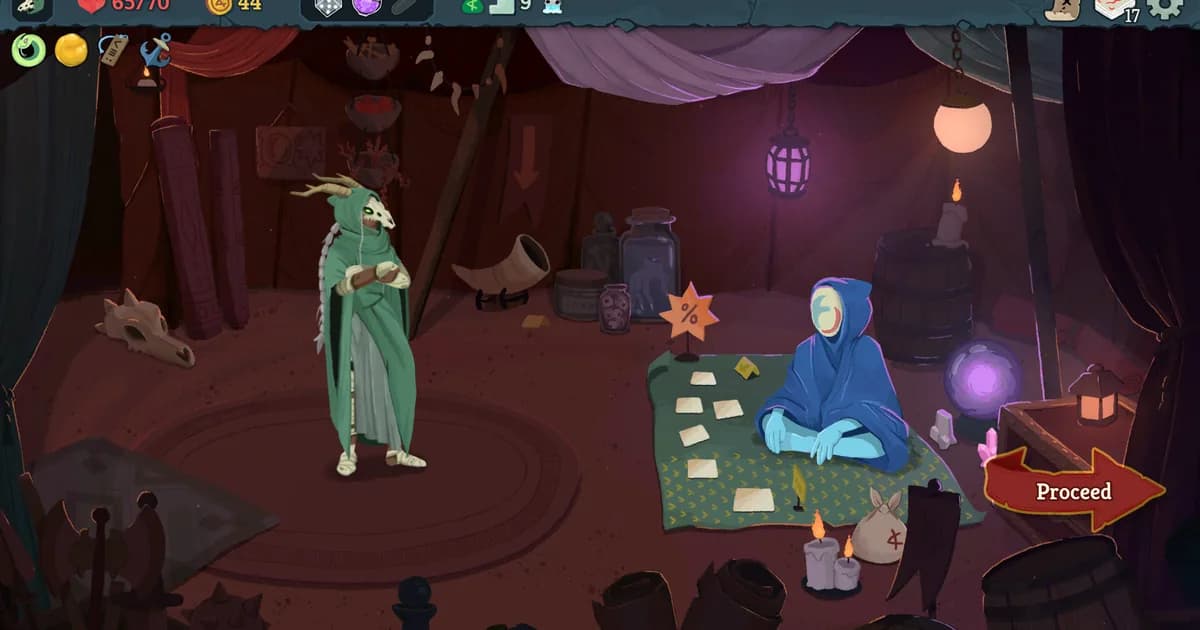
Two confirmed examples show the range: Neow's opening event offers a choice between Precise Scissors (remove a card from your deck), Arcane Scroll (a random Rare card), or Silver Crucible (upgraded early card rewards, at the cost of your first treasure chest coming up empty). Later, an event called Symbiote offers a stranger trade: approach the polyp to enchant an Attack card with Corrupted, or kill it with fire to transform a card of your choice instead.
 The Symbiote event is one of dozens spread across the game's four zones; most runs will only see a handful of them.
Tips
Check your hand before you commit to a play
Default draw is 5 cards per turn. New players frequently commit to a plan (block this turn, attack next) without checking whether their actual hand supports it, then burn Energy correcting mid-turn. Look at the full hand first, every turn, before playing anything.
Upgrade before you rest, most of the time
The single most repeated beginner correction from experienced players: resting at a campfire heals HP, but upgrading a card you already play every turn compounds for the rest of the run. A card like a starting Strike or Defend becomes meaningfully better upgraded, and that upgrade pays off in every subsequent fight. Reserve resting for when your HP is genuinely at risk of costing you the next boss, not as a default choice.
Learn what a fight is actually asking for
Players coming from other deckbuilders sometimes default to picking the "synergistic" card reward over the card that solves the problem directly in front of them. If the current zone's enemies hit hard with area attacks, a card that blocks or avoids damage outright is worth more right now than a combo piece that pays off three fights later.
Match your reward picks to the zone you're in
The two Act 1 zones reward differently: one leans toward damage-oriented rewards, the other toward block-oriented ones. Pay attention to what you're actually being offered zone to zone rather than following a fixed build plan from turn one.
 Shops are where Inflation (Ascension level 6) bites hardest: card removal gets more expensive with every purchase.
Common Mistakes
Treating Ascension 10 like the original game's Ascension 20. They're not the same ladder. Going in expecting the original's specific late-level penalties (which don't map directly onto this shorter, restructured list) leads to misreading which levels are actually the hard ones.
Hoarding potions. The pity system means your odds of a drop only go up the longer you wait. Drink situational potions when they're useful instead of saving them for a "big fight" that may never need that specific effect.
Skipping shops because gold feels tight. Card removal is one of the few ways to improve a bloated deck directly, and Inflation (Ascension 6+) only makes waiting more expensive, not less.
Ignoring Ancient relics' fixed sources. Since they don't drop from normal rewards, planning a build around "eventually finding" one is different from planning around a specific named encounter actually appearing in your run.
Frequently Asked Questions
How many Ascension levels does Slay the Spire 2 have? 10, confirmed against the game's own systems and community reports of players reaching A10. That's half the original Slay the Spire's 20 levels, so don't assume the two games scale identically.
What does Ascension do in Slay the Spire 2? Each level stacks a new penalty: more Elites, weaker healing, less gold, fewer potion slots, a starting curse, pricier card removal, rarer upgraded cards, tougher and deadlier enemies, and a second boss at Act 3 by level 10.
How many relic rarities are there in Slay the Spire 2? Seven, per the game's own filters: Starter, Common, Uncommon, Rare, Ancient, Shop, and Event. Ancient relics come only from Ancients at the start of each Act, Shop relics are Merchant-exclusive, and Event relics only drop from Events.
How do potions work in Slay the Spire 2? Potions persist between floors, don't cost Energy, and don't count as a card play. Drop chance starts at 40% per fight, drops 10% after you get one, and climbs 10% after you don't, with Elites adding roughly 12.5% on top.
How many events are in Slay the Spire 2? 69 across the whole game: 4 that can appear in any act, plus act-specific pools of 16, 14, 21, and 14 for the four zones. You won't see most of them in a single run.
What's the biggest beginner mistake in Slay the Spire 2? Resting at every campfire instead of upgrading a key card. An early upgrade to a card you're already playing every turn usually does more for a run than 15-20 extra max HP.
Do I need to have played the original Slay the Spire first? No. The sequel explains its own systems well enough to start cold, though veterans will recognize the core loop faster. Just don't assume every number (Ascension levels especially) carried over unchanged.
Related Reading
- Slay the Spire 2 Complete Guide: 5 Characters and Co-op: central hub for characters, systems, and build-specific follow-ups.
- Slay the Spire 2 Review: What the Steam Score Misses: a full assessment of the game separate from its review-bomb-affected Steam score.
- Slay the Spire 2 Co-op Guide: All 5 Characters Ranked: character breakdowns and team pairings for 2-4 player runs.
- Best Roguelike Games 2026: more genre picks across budget tiers if you want something to run alongside this one.
References
- Slay the Spire 2 on Steam
- Slay the Spire 2 Wiki: Ascension, relic, and event data
- r/slaythespire community subreddit, including player-reported Ascension 10 clears
Was this guide helpful?
About the author

Systems & Economy Desk
GameBrief's byline for roguelikes, strategy and simulation. Reads patch notes, wiki tables and Steam stats and puts the numbers on the page.
- Roguelikes, strategy and simulation
- Builds, progression and economy
- Sources listed per article
Keep reading
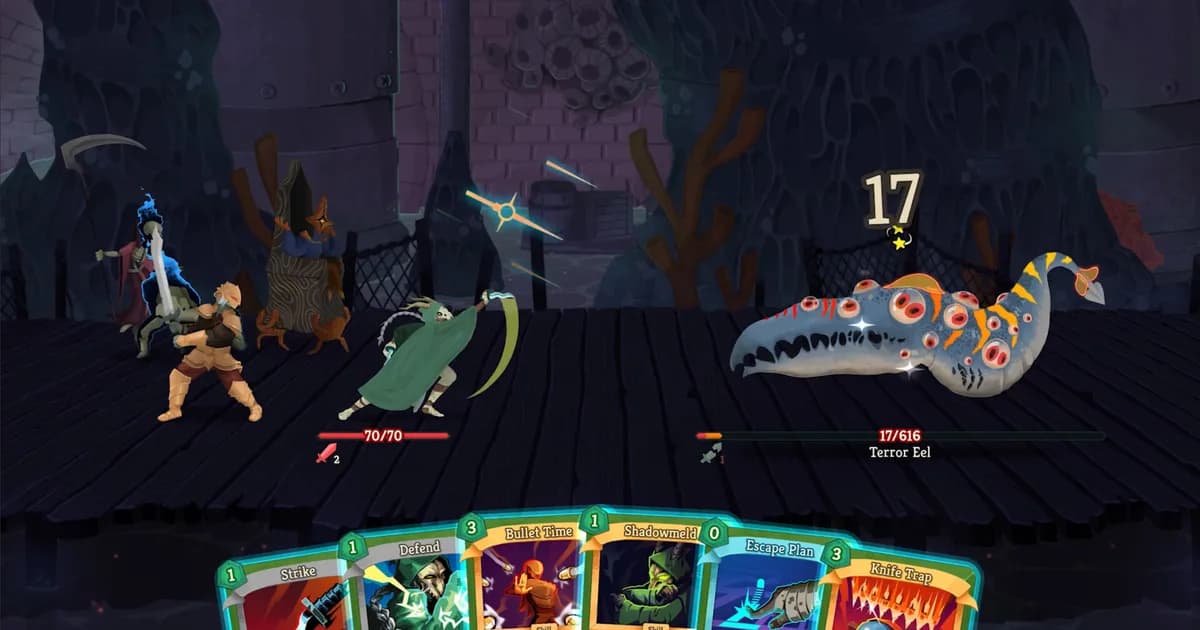
Slay the Spire 2 Review: What the Steam Score Misses
General · 12 min
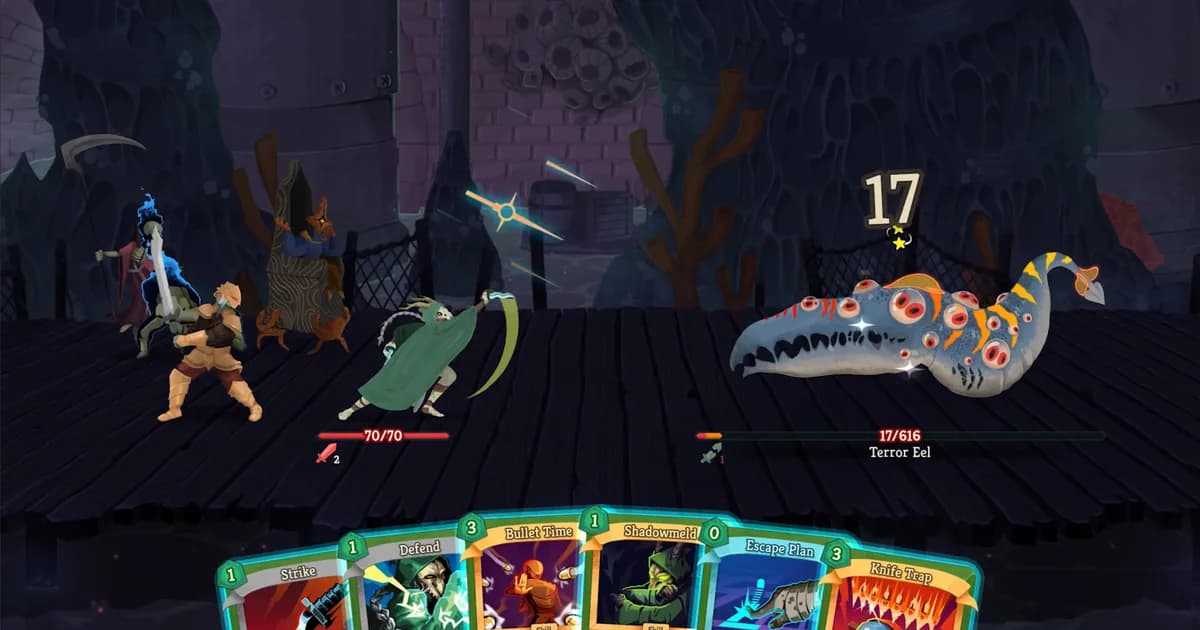
Slay the Spire 2 Silent Solo Build Guide for Ascension 10
General · 14 min

Slay the Spire 2 Best Duo Characters: All 5 Ranked
General · 18 min
Slay the Spire 2 Ironclad Build 2026: Strength + Exhaust
General · 14 min

Slay the Spire 2 Defect Build Guide: Orbs and Focus
General · 10 min
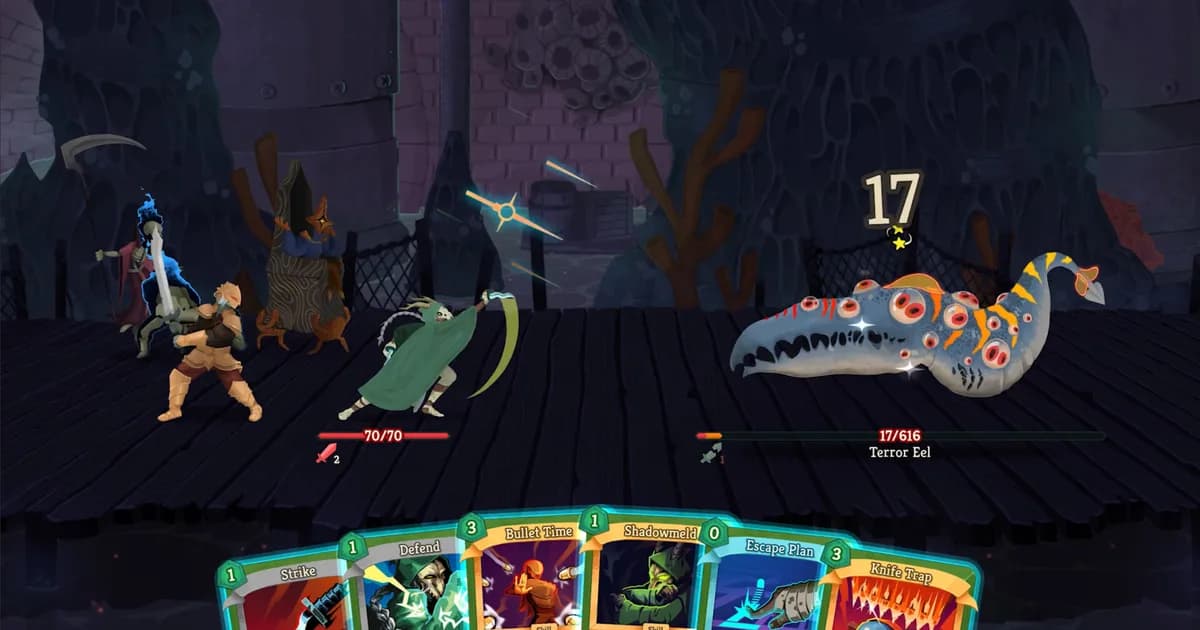
Slay the Spire 2 Complete Guide: 5 Characters and Co-op
General · 15 min
Sponsored
Disclaimer
This article is published for informational and entertainment purposes. It does not constitute professional financial, legal, or technical advice. Game performance, online services, patch schedules, and store listings change. Verify critical details (pricing, system requirements, regional availability) with publishers and storefronts before you buy. Affiliate links, where present, help support our editorial work and are labelled in our affiliate disclosure.
Comments
Loading comments…