
GuideSlay the Spire 2
Slay the Spire 2 Best Duo Characters: All 5 Ranked

About the game
Slay the Spire 2
Mega Crit · Mega Crit
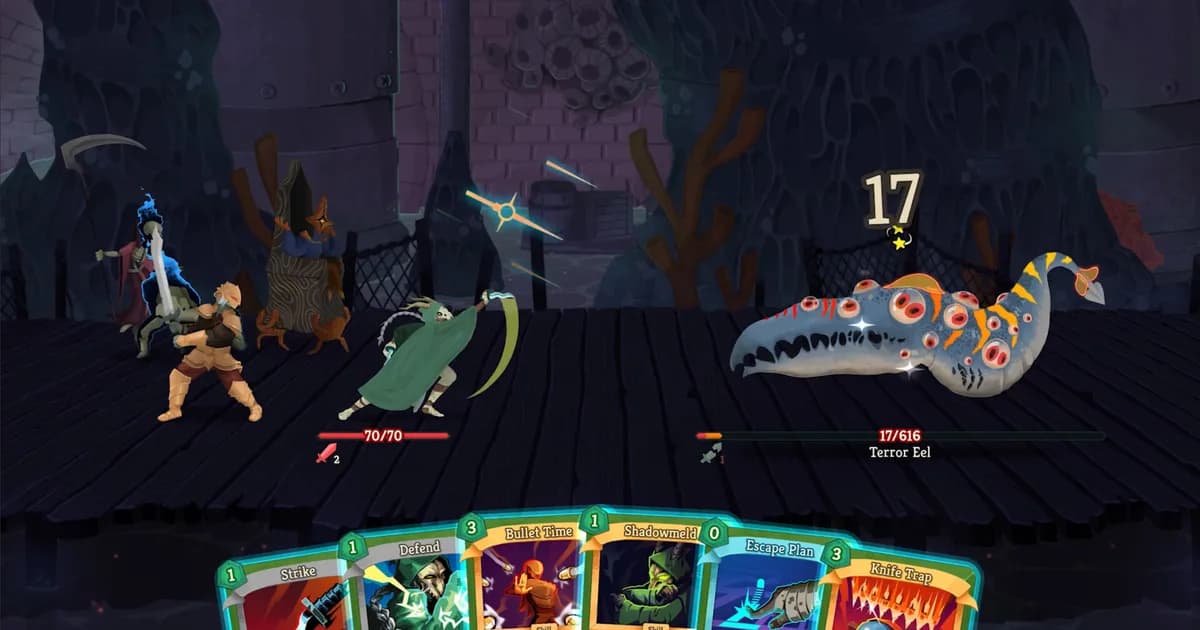
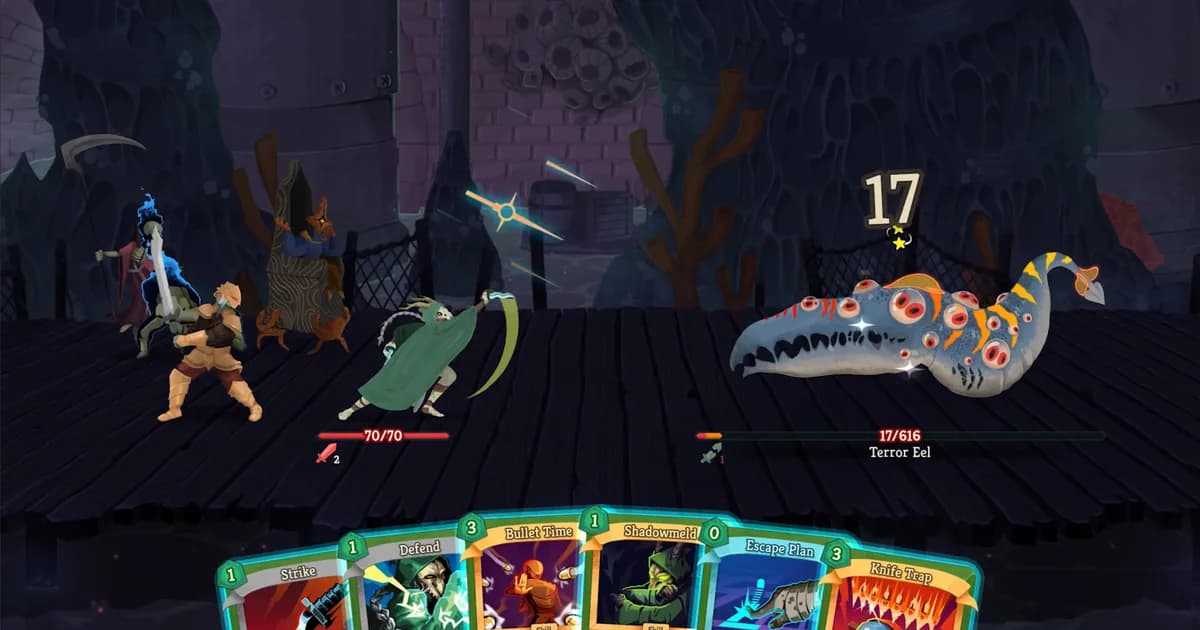
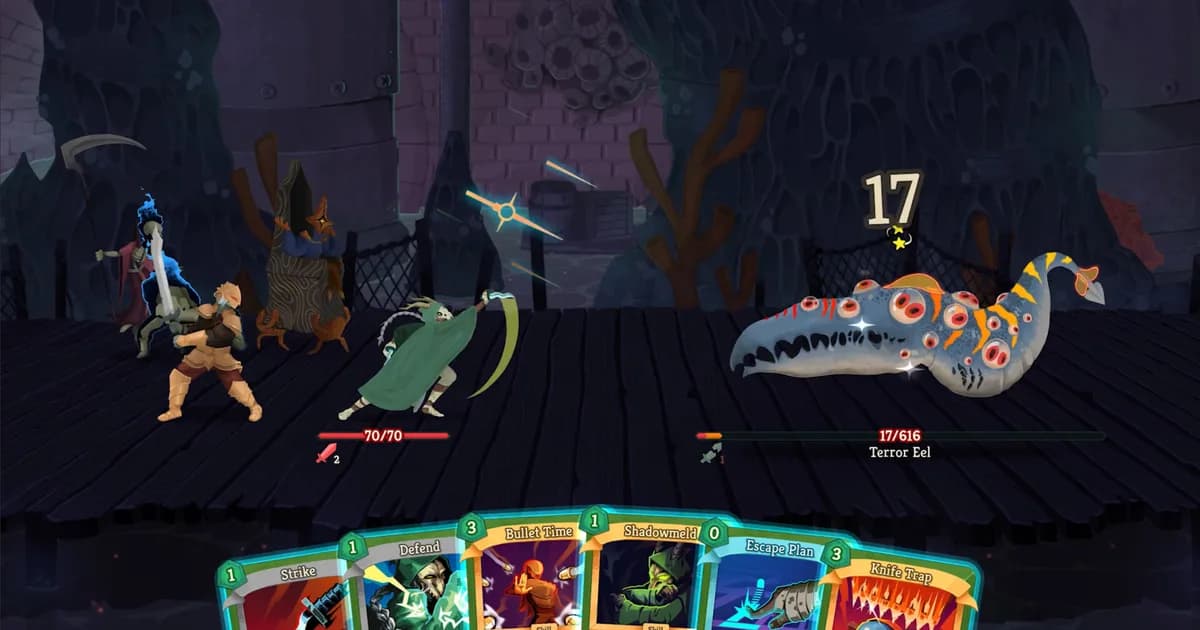
This Slay the Spire 2 best duo characters guide is easiest to approach when you start from the real roster and treat the duo ranking as an editorial recommendation. Mega Crit's official release material verifies five characters: Ironclad, Silent, Defect, Necrobinder, and Regent. The Steam page says parties can climb with up to four players, discover multiplayer-specific cards, and build team synergies.
That is enough to choose a first pair, but not enough to justify invented rules about shared gold, turn order, unlock progress, or a collective health pool. Those details can move while the game is in Early Access. This guide sticks to the verified character identities, the official descriptions of the two new characters, and practical co-op habits that remain useful even when card pools change.
TL;DR: Ironclad plus Silent is the safest editorial starting duo for two players because the roles are easy to understand, but it is not an official tier list. Defect is a good third-player experiment when the group wants a more technical orb plan. Necrobinder asks the team to understand Osty, Doom, Souls, and transformation cards. Regent asks the team to manage Stars, Minions, and the Forgeable Sovereign Blade. Build around the current card text and communicate target priorities before every combat.
Slay the Spire 2 best duo characters (quick answer)
For a first two-player run, choose Ironclad plus Silent. The Ironclad is the straightforward pressure and defense anchor, while Silent gives the pair a different damage identity through Poison, draw, and evasive tools. The recommendation is editorial, not a claim that Mega Crit has published an official best duo.
Choose Defect plus Silent when both players want a more technical run and are comfortable building different engines. Choose Ironclad plus Regent when the group wants to learn the new character around a clear frontline and a resource-management specialist. Choose Necrobinder when the player is willing to spend time learning Osty rather than expecting the character to behave like a simple damage class.
The right answer changes with the card offers, relics, and the patch. A “ranked” pairing is a starting route, not a guarantee that two characters will receive complementary cards in a particular run.
Current status: September 2026
The official Steam page checked on September 28, 2026 lists Slay the Spire 2 at $24.99, with English reviews at 91% Very Positive from 70,010 reviews and recent reviews at 72% Mostly Positive from 4,124 reviews. It released on March 5, 2026 and remains in Early Access.
The official Steam page says the Early Access plan includes more gameplay content, a true ending, additional modes, improved balance, bug fixes, and broader hardware compatibility. It also says the price will increase after Early Access. The current Steam app is 2868840, which is the ID used in the links below.
The Slay the Spire 2 Review covers the purchase question separately; this article is about roster verification and co-op team choices.
Mega Crit's official release post and current Steam description both confirm the five-character launch roster. The official Steam announcements also continue to publish card, balance, and multiplayer notes, so re-check them before treating a deck interaction as permanent.
If your group already knows the basic loop, use the Slay the Spire 2 Silent Solo Build Guide or the Slay the Spire 2 Defect Build Guide to prepare one player without pretending the co-op card pool is fixed.
The verified five-character roster
The official Mega Crit release material lists these five characters exactly:
- Ironclad
- Silent
- Defect
- Necrobinder
- Regent
That is the complete five-character launch roster verified for this guide. The first three are returning identities from the original game, while Necrobinder and Regent are the two new characters introduced for Slay the Spire 2. Future Early Access additions can change the total, so the count belongs to this snapshot, not to every future version.
Ironclad
Ironclad is the easiest role to explain to a new co-op partner: take the durable frontline plan, play clear attacks and defense, and learn which cards preserve health for the next encounter. The exact best deck depends on the current card pool, but the character is a natural anchor when one player is still learning enemy patterns.
For a duo, Ironclad gives the group a visible center. Call the target, keep the safer defensive line available, and let the second player spend more attention on a specialized engine. Do not describe this as literal aggro or a shared tank system unless the current encounter UI says so. It is a planning role, not a promise that enemies will attack the Ironclad first.
Silent
Silent is the sustained-pressure and sequencing choice. Mega Crit's official Neowsletter confirms that Poison remains part of the character's identity. In a co-op pair, Silent rewards a player who tracks when to apply a debuff, when to draw, and when to stop adding setup because the enemy is already close to defeat.
Silent pairs naturally with Ironclad because the two players can divide attention. Ironclad can focus on immediate safety while Silent looks for a longer damage line. That does not mean every Poison card automatically benefits from every Ironclad card, so read the current card text and do not assume the old game's exact timing or stacking values carried over unchanged.
Defect
Defect is the technical engine character in this guide's editorial grouping. Pick Defect when the player enjoys planning a resource engine over several turns and the group has enough communication to explain which cards are being held for the next cycle.
Defect is often easier to appreciate with a third player because the group has more room for specialized plans, but that is a recommendation rather than a published scaling rule. In two-player co-op, Defect can still work well if the second character can survive while the engine develops. Use the current orb and card descriptions as the authority for exact effects.
The Slay the Spire 2 Defect Build Guide is the better next read if the Defect is the reason you are choosing a team.
Necrobinder
Necrobinder is not a generic “graveyard deck” character. Mega Crit's official introduction describes a sassy lich who relies on a giant reanimated hand called Osty. Osty can attack independently, is unaffected by debuffs affecting the Necrobinder, and can take attack damage that would normally affect the character while Osty has HP.
The same official article confirms that Summon can increase Osty's HP or bring the hand back after it dies. It also names Doom, which kills a creature when Doom meets or exceeds its current HP and resolves at the end of that creature's turn, and Souls, which provide card draw. Transformation cards alter other cards with keywords that change how they play.
That is the verified mechanic profile. Avoid describing Necrobinder as a character that simply fills a graveyard with dead cards unless the current card text uses that language. In a duo, tell the other player when Osty is being protected, sacrificed, or rebuilt. The most important team decision is not a fictional resource threshold; it is whether the current hand wants Osty alive as protection or wants to spend him for a stronger line.
Regent
Regent is a resource and creation character. Mega Crit's official introduction says Regent manages Stars, an additional resource used by some cards for damage, block, and self-empowerment. Stars do not deplete at the end of the turn and the official preview says there is no cap on how many can be held.
The character can also transform cards into disposable Minions that attack and defend. Regent's signature weapon is the Sovereign Blade, a large sword that orbits the character. The official preview says the first card with the Forge keyword in a combat creates the corresponding Sovereign Blade card, and additional Forge actions increase the weapon's damage. The Blade retains by default.
That is a very different profile from the old article's unsupported control, bind, and retaliation claims. For co-op, the practical job is to communicate when Stars are being saved, when a Minion line is being created, and when a Forge sequence is worth delaying for. The LegionBound class tier list is a useful comparison for role language, but Regent's actual resource rules come from Mega Crit's official preview.
The card pool is still changing in Early Access, so read the current card text before assuming an old interaction works.
Duo and team recommendations
Two players: Ironclad plus Silent
This is the editorial first pick. Ironclad gives the less experienced player a readable defensive and attack plan, while Silent offers a separate sequencing problem. The pair is less dependent on both players learning a new character at the same time.
The correct way to play the pair is not to force one player to “tank” every hit. Instead, agree on the target, say which player is spending the current damage window, and keep enough defense for the next enemy action. Let the current cards determine whether Poison, direct attacks, or a defensive upgrade is the better choice.
Two players: Defect plus Silent
Choose this when both players like technical decks. Silent can provide pressure while Defect builds a resource engine, but the pair is less forgiving when both hands need setup on the same turn. Communicate before taking a risky card reward so the two decks do not chase the same narrow payoff.
Two players: Ironclad plus Regent
This is a good learning pair for a player who specifically wants Regent. Ironclad handles the immediately readable side of combat while Regent practices Stars, Minions, and Forge. The duo does not need a made-up “bind” or “control” rule to justify the pairing. Its value is that the two players can divide their attention between survival and resource setup.
Three players: add Defect or Necrobinder
For three players, add Defect when the group wants an engine and add Necrobinder when someone wants to learn Osty's protection and sacrifice choices. Do not recruit a character just to fill a fictional class slot. The current Steam page highlights multiplayer-specific cards and team synergies, so make the choice around the cards the group is actually seeing.
Four players: use distinct decision jobs
With four players, the most important composition rule is communication, not a rigid four-class chart. Give each player a simple job for the encounter: call the primary target, identify the dangerous intent, explain a new card interaction, or watch the group's recovery margin. Rotate those jobs as players learn the roster.
Step-by-Step: set up a co-op run
Step 1: Verify the current roster and patch. The five verified launch names are Ironclad, Silent, Defect, Necrobinder, and Regent. Check the current Steam announcements before using a guide that names an extra character or an old card interaction.
Step 2: Choose the pair by learning goal. Pick Ironclad plus Silent for the most readable first run. Pick a new character because the player wants to learn its real mechanics, not because an old tier list assigns it a fictional role.
Step 3: Explain one resource before entering combat. For Necrobinder, explain Osty and whether the current plan protects or spends it. For Regent, explain Stars, Minions, and Forge. For the returning characters, identify the card or engine each player is trying to assemble.
Step 4: Call the target and the defensive risk. Before spending a rare card or a large setup turn, say which enemy is the priority and what attack the group must survive next. This remains good advice even if the exact co-op targeting rules change.
Step 5: Keep card rewards deliberate. Read the full current text and compare it with the deck's actual plan. Do not pick a card just because a pre-release guide called it essential. Early Access balance patches can change the correct evaluation.
Step 6: Review one decision after each combat. Ask what caused the damage: a missed defensive line, an overlong setup, an unclear target, or a card interaction nobody understood. Fix one habit at a time instead of rebuilding all four decks after one bad fight.
The Slay the Spire 2 Beginner Guide covers the broader solo loop, while the All Hail the Orb alchemy guide is a useful comparison for players who enjoy planning a resource engine across a run.
A co-op team gets more value from clear target calls than from pretending every character has a fixed MMO-style class role.
Co-op habits that survive balance patches
Read the current card text aloud when it affects the team. Multiplayer-specific cards and new effects can make a familiar deck behave differently from the original game. A short explanation before the card is played prevents the other player from spending a resource that the line needed.
Separate confirmed rules from recommendations. The official store confirms up to four players, multiplayer-specific cards, and team synergies. It does not by itself confirm every detail of turn order, gold sharing, unlock progress, or enemy scaling. Use the current session UI and patch notes for those details.
Do not force a “tank, healer, DPS” vocabulary onto a deckbuilder. Ironclad can be a useful anchor, Silent can apply sustained pressure, Defect can build an engine, Necrobinder can protect or spend Osty, and Regent can convert Stars and Forge into a plan. These are strategic lenses, not locked classes.
When a run fails, save the exact card interaction or enemy intent that caused it. The Slay the Spire 2 Review gives broader Early Access context, but a single run is best improved by one concrete note about the current build.
Frequently Asked Questions
How does co-op work in Slay the Spire 2? Mega Crit's official Steam page says players can climb with up to four players, discover multiplayer-specific cards, and build team synergies. Use the current session UI for the exact turn and resource details.
What characters are in Slay the Spire 2? The verified five-character launch roster is Ironclad, Silent, Defect, Necrobinder, and Regent. The last two are the new characters introduced for the sequel's launch roster.
What is the Necrobinder? The Necrobinder is a lich who relies on the giant reanimated hand Osty. Mega Crit's official preview also names Doom, Souls, Summon, and transformation cards. Do not replace that profile with an unsupported “graveyard of dead cards” explanation.
What is the Regent? Regent manages Stars, creates Minions, and forges the retained Sovereign Blade through the Forge keyword. Those are the official mechanics to use when explaining the character.
What is the best two-player team? Ironclad plus Silent is the editorial starting recommendation because the roles are readable. It is not an official ranking, and a different pair can be better when the current card rewards support it.
Is Slay the Spire 2 still Early Access? Yes. The official Steam page says more content, a true ending, modes, balance work, fixes, and hardware compatibility are planned. Treat old card and co-op guides as snapshots.
Related Reading
- Slay the Spire 2 Complete Guide: 5 Characters and Co-op: central hub for roster, roles, and current co-op recommendations.
- Slay the Spire 2 Beginner Guide: fundamentals for players who have not learned the sequel's current systems.
- Slay the Spire 2 Defect Build Guide: a focused engine guide for the Defect player.
- Slay the Spire 2 Silent Solo Build Guide: Silent card-planning context before bringing the character into co-op.
- Slay the Spire 2 Review: current Early Access context and broader verdict.
- Rune Dice Tier List: another deck-driven game where role labels can mislead.
- Deep Rock Galactic Rogue Core Classes Guide: a comparison point for co-op composition language.
- LegionBound Class Tier List: a true class-roster guide, useful as a contrast with Slay the Spire's deck identities.
References
- Slay the Spire 2 on Steam: current app ID 2868840, Early Access status, reviews, up-to-four-player co-op, and planned content.
- Mega Crit release date and trailer: official release post and verified five-character launch roster.
- Mega Crit Neowsletter: The Necrobinder: Osty, Doom, Souls, Summon, and transformation mechanics.
- Mega Crit Neowsletter: The Regent: Stars, Minions, Forge, and Sovereign Blade mechanics.
- Slay the Spire 2 official Steam announcements: current beta patch notes and multiplayer updates.
Was this guide helpful?
About the author

Senior Critic & Analyst
Former game data analyst turned critic with 11 years covering indie and mid-tier games. Based in Austin. Runs spreadsheets on games most people just play.
- 11 years games criticism
- Former game economy analyst
- Roguelike and strategy specialist
Keep reading
Slay the Spire 2 Review: What the Steam Score Misses
General · 12 min
Slay the Spire 2 Beginner Guide: All 10 Ascension Levels
General · 11 min
Slay the Spire 2 Ironclad Build 2026: Strength + Exhaust
General · 14 min

Slay the Spire 2 Defect Build Guide: Orbs and Focus
General · 10 min
Slay the Spire 2 Complete Guide: 5 Characters and Co-op
General · 15 min
Slay the Spire 2 Silent Solo Build Guide for Ascension 10
General · 14 min
Game deals · affiliate links

Disclaimer
This article is published for informational and entertainment purposes. It does not constitute professional financial, legal, or technical advice. Game performance, online services, patch schedules, and store listings change. Verify critical details (pricing, system requirements, regional availability) with publishers and storefronts before you buy. Affiliate links, where present, help support our editorial work and are labelled in our affiliate disclosure.
Comments
Loading comments…