
GameBrief · General
Murim Survival Builds Guide: Best Archetypes (2026)

Reviewing
Murim Survival
Murim Survival builds work differently from most roguelites because Mastery rewards repeated use of martial arts across expeditions. Sunwood's developer notes describe that long-term progression, but they do not publish every reset, respec, or threshold rule. You're not only optimizing one session; you're also learning which weapon, active skills, curios, and equipment fit your play. The Murim Survival complete guide hub keeps the broader system links together.
This guide presents three practical build templates for Ascension: close-range chain play, ranged positioning, and heavy-weapon pressure. They are editorial frameworks, not official archetypes. The guide also explains how to read the game's active-skill and curios synergies, which equipment details to verify in the current pool, and how to use Mastery without assuming unpublished thresholds.
TL;DR: Murim Survival builds are shaped by repeated martial-arts use, current equipment drops, and the official Active Skill and Curios Synergy systems. Start with a close-range, distance, or heavy-weapon template, then let the skills and curios you actually roll decide the final build. Exact respec rules, thresholds, and universal tier rankings are not documented in the sources checked here.
Murim Survival builds: key takeaways (quick answer)
- Three useful editorial templates: close-range chain, ranged positioning, and heavy-weapon pressure
- Official Dev Log #4 identifies five Active Skill synergy types and twelve Curios synergy types
- The store describes more than 60 permanently obtainable equipment pieces
- Mastery rewards repeated martial-arts use, but exact reset and threshold rules should be checked in-game
- Companions arrive through quests; compare their current description with the build you actually rolled
Current status: September 2026
Murim Survival reached its 1.0 release on May 4, 2026 and is currently a full-release Steam game. The store lists more than 60 permanently obtainable equipment pieces, while official developer notes explain the Active Skill Synergy system with five types, Sword, Energy, Hidden Weapon, Taoist Magic, and Ancient Martial Arts, plus twelve Curios synergy types. The official launch trailer is also linked in References. Patch notes through May 19 confirm ongoing balance and quality-of-life updates, so inspect the current tooltip before trusting an old build table.
For the wider roadmap, pair this article with the Murim Survival complete guide hub, tips guide, review, companion guide, and endgame guide.
Step-by-Step: build a Murim Survival run
1. Read the current pool: Inspect the weapon, active skills, curios, and equipment offered at the start of the expedition. Choose a direction from what is actually available, not from a fixed tier list.
2. Choose one primary synergy: The official synergy system separates Active Skills and Curios into named types. Pick a primary type that your early rewards support, then note a secondary type only when its bonus is clear.
3. Spend Mastery through use: Repeatedly use the martial arts that fit the plan and watch the current Mastery feedback. Do not assume a fixed run count, permanent threshold, or difficulty multiplier unless the game shows it.
4. Recheck after each expedition: Compare the next run's equipment, companion options, and synergy screen. Keep the template if the rewards reinforce it, or pivot when the current pool makes another path stronger.
Overview: how mastery shapes builds
The standard roguelite problem is that every run feels isolated: you build a powerful character, the run ends, and you start fresh. Murim Survival adds a longer progression layer through Mastery. The official developer description says repeated martial-arts use helps you reach a higher level in the next expedition. It does not publish every level threshold or reset rule, so use the current game screen as the authority.
The practical consequence: Murim Survival builds develop over many sessions rather than within a single run. A run where you use chain attacks 40 times advances the chain technique tree by a meaningful amount. Twenty such runs, and the chain-attack variant that opens up is substantially stronger than what a new player can access.
This makes Murim Survival builds less about finding one perfect item combination and more about recognizing which technique, Active Skill Synergy, and Curios Synergy the run is offering. The three templates below are ways to make that decision legible, not guaranteed class paths.
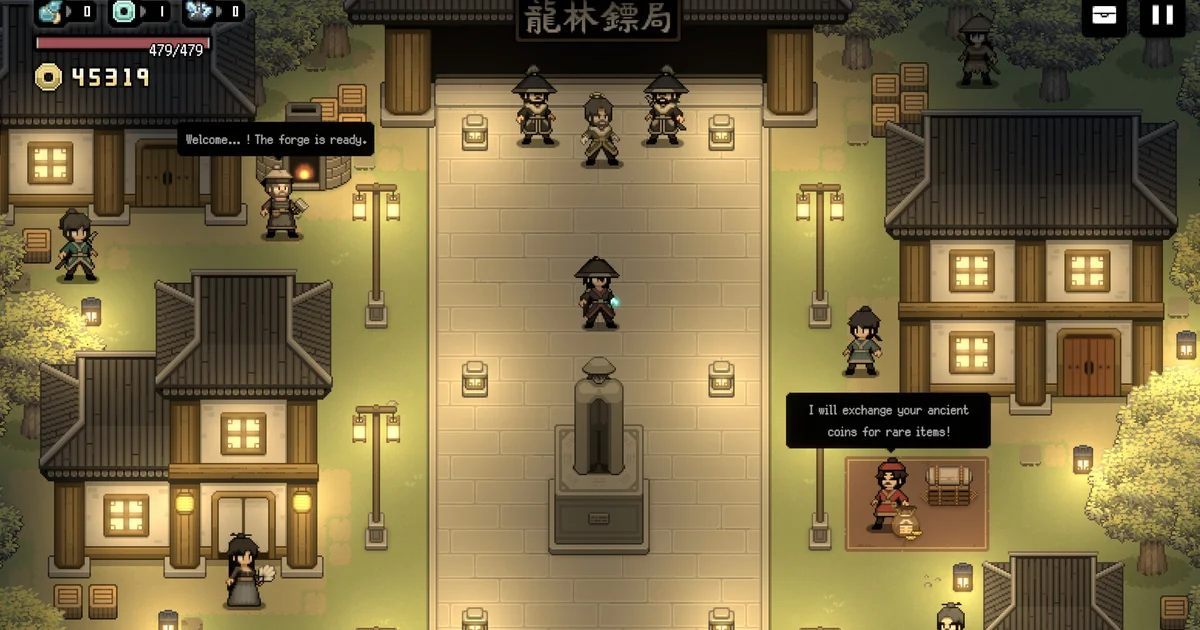
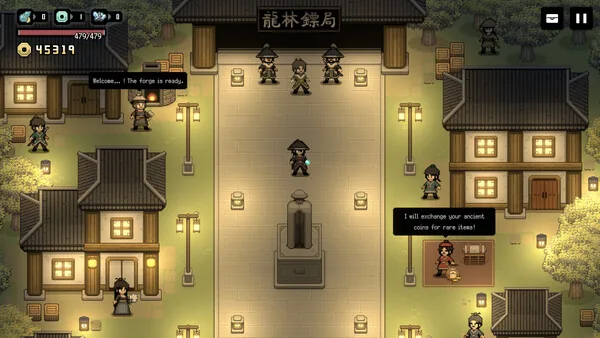 This supplied screenshot shows the hideout environment; it does not prove a specific build configuration or synergy tier.
The three core archetypes
Shortsword chain
This is an editorial close-range template. Start with a shortsword or another fast weapon, then look for active skills and curios that reward repeated hits, proximity, or chain effects. The exact third-hit, parry, and armor interactions described by community guides are not confirmed by the official sources checked for this audit, so read the current item tooltips.
Use repeated close-range martial arts when the run offers them and track which Active Skill Synergy type they support. Early runs are a chance to learn timing and enemy spacing; do not plan around a fixed number of uses or a guaranteed chain variant.
Equipment to prioritize: the weapon and armor effects that the current tooltip says reinforce your chosen active skills or curios. If a parry or chain modifier appears in the live pool, it can support this template, but the exact item name and trigger are run-specific.
Companion selection: prefer a companion whose current description complements close-range pressure or helps create space. That is a practical comparison, not a fixed moveset guarantee.
Ranged kite
The ranged positioning template rewards patience. Build sustained damage from a distance while using movement and spacing to avoid retaliation. Let the current weapon and skill descriptions decide whether the run supports this plan.
The equipment priority is a distance weapon whose current description fits your movement plan. If an item roots you or interrupts movement, account for that tradeoff instead of assuming all ranged options kite equally well.
This template can feel safer when rooms become dense, but its value depends on the current enemy mix and the range tools available in the run.
Companion selection: compare the companion's current role with your preferred distance. A close-range companion may change enemy positioning, while a distance-oriented option may leave your plan less disrupted. Check the quest description and in-game behavior rather than relying on a universal ranking.
GODEEPER: Murim Survival's mastery system and its 1.0 release after Early Access are covered in the full review. Murim Survival Review →
Heavy weapon momentum
This editorial template is built around heavy-weapon pressure. Heavy attacks can feel less forgiving because their rhythm and recovery demand more deliberate spacing. The official sources checked here do not establish a universal stagger radius, recovery modifier, or enemy response, so use the live attack feedback.
Use repeated heavy martial arts when they match the current Active Skill Synergy and watch how the equipment tooltips change the rhythm. Concentrating on a clear plan can make the build easier to read, but the game does not publish a universal number of technique lines to level.
When the rewards reinforce it, heavy pressure can be a satisfying high-commitment route. When they do not, pivoting to a faster or distance weapon is often better than forcing an old template.
Companion selection: favor descriptions that suggest space control or support if the current heavy attack leaves you exposed. Treat this as a run-specific recommendation.
Equipment priorities by archetype
Rather than listing specific item names (which change based on run RNG), here's the equipment logic by archetype:
Close-range chain: weapon behavior and any current chain, hit, or proximity effects matter more than a generic stat increase. If the live pool does not show those effects, use the template as a flexible close-range plan rather than forcing a named armor.
Ranged positioning: inspect whether the weapon supports movement and safe distance. The live tooltip matters more than a fixed item name because the available pool can change.
Heavy pressure: look for effects that the current tooltip explicitly connects to heavy attacks, impact, or survival. If no such effect appears, raw damage and positioning may be the better short-term choice.
General rule: equipment that changes behavior is usually more interesting than a small stat increase, but let the live tooltip prove the difference. Do not rely on a fixed count of build-defining items.
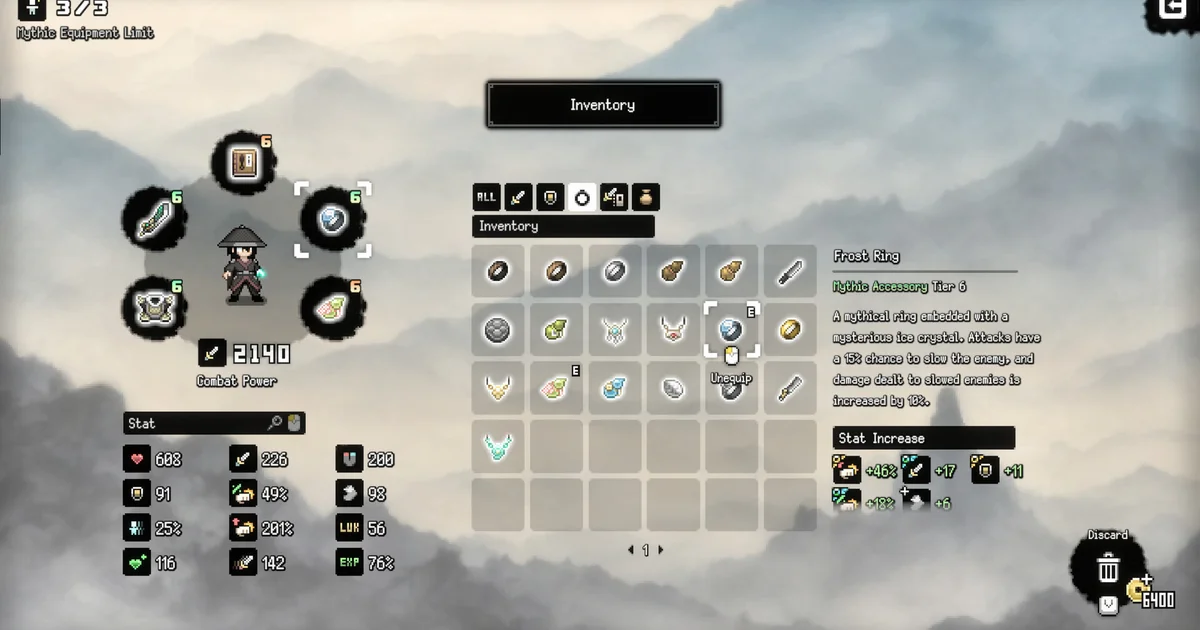
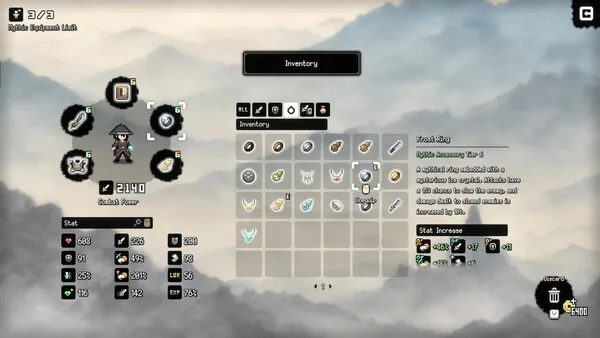 This supplied screenshot shows inventory and equipment selection; it does not prove a wave-survival or area-damage result.
Mastery investment roadmap
Early expeditions: use the martial arts that fit the current plan and note which Synergy types they support. The official sources do not establish a fixed run-count roadmap.
Middle expeditions: compare Mastery feedback with the equipment and curios you are receiving. Stay focused when the rewards reinforce the plan, but pivot when the live pool points elsewhere.
Before Ascension: confirm the current build screen, the weapon behavior, and the available synergy bonuses. Do not assume that a certain number of runs makes any template automatically viable.
The trap: treating an old community threshold as a rule. Murim Survival's run rewards and official synergy systems give you a framework, but the current tooltips decide whether a build is actually online.
GODEEPER: Before diving into builds, the tips guide covers the mastery mechanic and companion selection rules in more detail. Murim Survival Tips Guide →
Tips for each archetype in Ascension
Shortsword chain in Ascension
Ascension is a higher-difficulty test of spacing and build coherence. If a close-range setup is working, keep reading the current skill and equipment feedback; do not assume a specific parry or chain interaction without seeing it in the tooltip.
Ranged kite in Ascension
Ascension makes distance and repositioning valuable, but it does not make one ranged build universally best. Keep a route open for movement effects shown by the current weapon and skill pool.
Heavy momentum in Ascension
The gap between a coherent heavy plan and a forced one widens in Ascension. If the current pool supports it, use spacing and attack rhythm carefully. If not, switch to the weapon whose live effects you can actually support.
Common mistakes
Spreading mastery early
The single most common build problem is following an old route after the current reward pool has pointed elsewhere. Start with one clear direction, but keep enough flexibility to follow the active skills, curios, and equipment actually offered.
Equipping the first weapon that drops
All three templates depend on weapon behavior, not just weapon tier. A high-tier close-range weapon may be a poor fit for a distance plan, while a lower-tier item with a useful current effect can be better. Check behavior tooltips, not just stat values.
Recruiting companions without checking movesets
Companions arrive through quests, so read the current description before recruiting and compare the role with your build. Do not assume a fixed combat pattern or a universal companion ranking without testing it in the current version.
Entering Ascension before a technique tree is leveled
Ascension is a difficulty spike that rewards a coherent build, but deaths can come from positioning, equipment, enemy patterns, or Mastery. Review the current feedback before blaming a scattered technique pool.
Frequently asked questions
Can you change builds mid-run in Murim Survival? Use the equipment and skills the current run offers, and check the live menu for what can be swapped. The official material checked here does not establish a universal respec or mastery-reset rule, so do not promise that any pivot is free or permanent.
Which archetype is best for new players? Start with the template that matches the weapon and synergy rewards you see. Close-range play is easy to understand, but no official source establishes it as the best beginner build.
How many runs does it take to reach Ascension viability? No fixed number is published. Use the current build screen, synergy bonuses, and equipment effects as the check, rather than a 15-run or 30-run threshold.
Does game difficulty (below Ascension) affect mastery gain? The official sources checked here do not document the exact difficulty modifier. Use Normal as a training ground, but verify Mastery feedback in the current version instead of assuming every difficulty grants it identically.
Related Reading
- Murim Survival Endgame Guide: Surviving Ascension Mode: Murim Survival endgame is Ascension mode: enemy density rises, stagger recovery speeds up, and most builds break. Here's....
- Murim Survival Companion Guide: Recruitment and Synergies: Murim Survival companion guide: match movesets to your build archetype, know when to recruit anyway, and read descriptions....
References
- Murim Survival on Steam: official store page, system requirements, current review score
- Sunwood Games developer page: developer information and additional titles
- Murim Survival official Steam announcements: launch and patch notes
- Murim Survival Dev Log #4: official Active Skill and Curios Synergy overview
- Murim Survival launch trailer: official Sunwood Games trailer
The Murim Survival review covers whether the 1.0 release delivers on what the Early Access period promised: relevant if you're deciding whether to invest time in the mastery system at all. The Murim Survival complete guide hub collects the other current routes.
Was this guide helpful?
About the author

Senior Critic & Analyst
Former game data analyst turned critic with 11 years covering indie and mid-tier games. Based in Austin. Runs spreadsheets on games most people just play.
- 11 years games criticism
- Former game economy analyst
- Roguelike and strategy specialist
Keep reading

Disclaimer
This article is published for informational and entertainment purposes. It does not constitute professional financial, legal, or technical advice. Game performance, online services, patch schedules, and store listings change. Verify critical details (pricing, system requirements, regional availability) with publishers and storefronts before you buy. Affiliate links, where present, help support our editorial work and are labelled in our affiliate disclosure.
Comments
Loading comments…