

This week, gaming enthusiasts are diving into "Regions of Ruin: Runegate," a sequel featuring pixel-art dwarves, and "Windrose," a pirate-themed survival game. Both titles are carving out their niches in the indie gaming scene.
TL;DR: "Regions of Ruin: Runegate" introduces pixel-art dwarves in a fantasy RPG setting, while "Windrose" offers a pirate survival experience. Both games are generating buzz for their unique mechanics and engaging worlds.
The Week's Major Releases: A Look at the Highlights
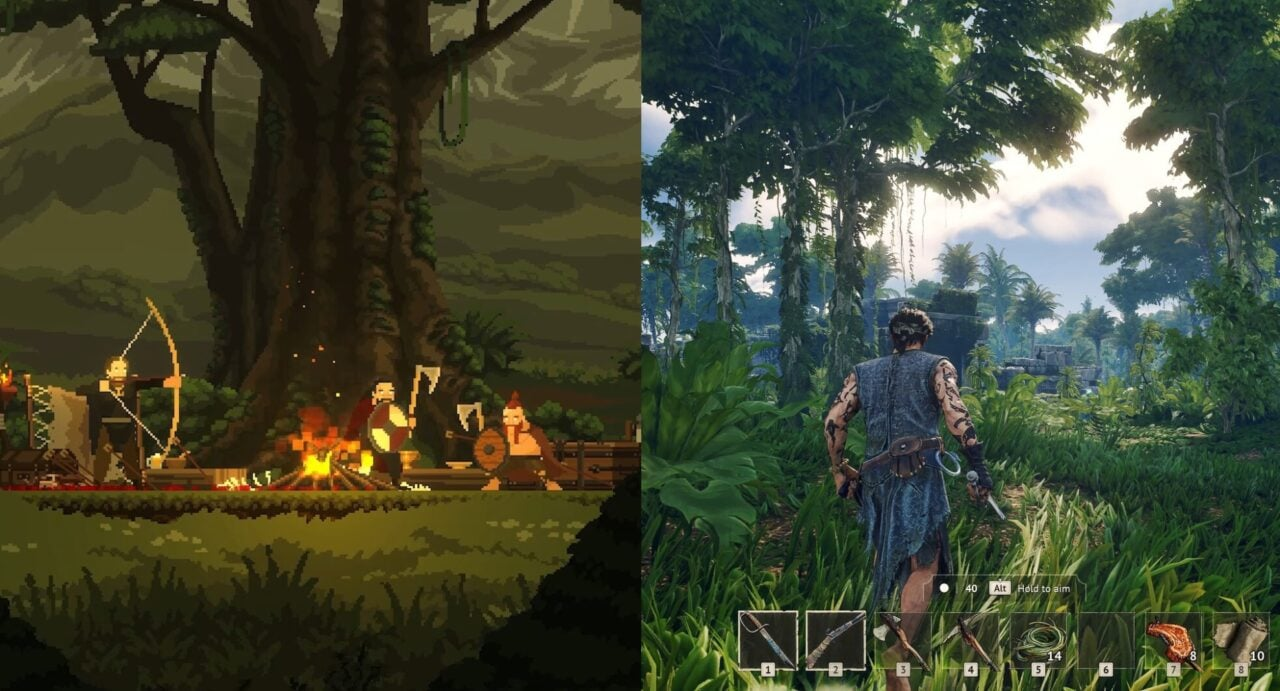
Two standout indie games launched this week: "Regions of Ruin: Runegate" and "Windrose." While mainstream titles like Nintendo's "Tomodachi Life" and Capcom's "Pragmata" dominate headlines, these indie gems are capturing attention with their distinct gameplay and art styles.
"Regions of Ruin: Runegate" builds on its predecessor's foundation, offering players a chance to guide pixel-art dwarves in rebuilding their civilization. Enhanced visuals and refined mechanics make it a must-play for fans of the genre. Meanwhile, "Windrose" delivers a pirate-themed survival experience, drawing comparisons to "Valheim" and offering a fresh alternative to Ubisoft's "Skull and Bones."
Both games launched on April 14, 2026, and are already sparking excitement among players.
Regions of Ruin: Runegate: Exploring the Pixel-Art Dwarves' Journey
"Regions of Ruin: Runegate" immerses players in a world where pixel-art dwarves fight to reclaim their lost heritage. This sequel improves upon the 2018 original with upgraded graphics and a deeper narrative. Combining hack-and-slash combat with resource management, the game feels like a blend of classic RPGs and "2D Minecraft."
Players gather resources to build settlements, defend against enemies, and explore dungeons filled with treasures. Early Steam reviews are mixed, with praise for the visuals but concerns about gameplay depth. The pixel-art style evokes nostalgia while offering modern touches, making it a standout in the indie RPG genre.
Windrose: The Pirate Fantasy That Could Replace Skull and Bones
"Windrose" is emerging as a compelling alternative to Ubisoft's "Skull and Bones." This pirate-themed survival game combines crafting, exploration, and cooperative gameplay. Players can build ships, engage in naval battles, and explore islands, creating their own pirate adventures.
The game's early access phase has garnered positive feedback, with players praising its mechanics and vibrant world. Drawing inspiration from "Valheim," "Windrose" emphasizes teamwork and exploration, making it a strong contender in the pirate genre.
Gameplay Mechanics: What Sets These Titles Apart?
"Regions of Ruin: Runegate" blends hack-and-slash combat with resource management, allowing players to build and upgrade dwarven settlements. The pixel-art style enhances the nostalgic feel while introducing modern animations and interactions.
"Windrose" focuses on cooperative multiplayer, encouraging players to build ships and explore together. Its crafting system offers extensive customization, from ship types to resource gathering. This emphasis on teamwork and exploration sets it apart from traditional survival games.
Visuals and Sound: The Aesthetic Appeal of Pixel-Art Dwarves
"Regions of Ruin: Runegate" features vibrant pixel-art visuals, with detailed environments and varied biomes. The sound design complements the visuals, with an engaging soundtrack that enhances the atmosphere.
"Windrose" adopts a colorful, whimsical pirate aesthetic, with charming character designs and lively animations. Sound effects like creaking ships and bustling pirate life create an immersive experience. Both games use their distinct styles to captivate players.
Community Reception: Player Feedback and Expectations
Early Steam reviews for "Regions of Ruin: Runegate" highlight its improved graphics but note issues with bugs and balance. Players are hopeful for updates that address these concerns.
"Windrose" has seen enthusiastic feedback, particularly for its cooperative gameplay and pirate-themed mechanics. Players are eager to see how the game evolves during its early access phase.
Developer Background: Who's Behind These Indie Gems?
The team behind "Regions of Ruin: Runegate" is known for their dedication to pixel-art RPGs. Their previous title gained a cult following, and they've built on that success with this sequel.
"Windrose" is developed by a studio focused on innovative survival games. Their community-driven approach has fostered a strong connection with players, shaping the game's development.
Future Updates: What's Next for Regions of Ruin and Windrose?
"Regions of Ruin: Runegate" plans updates to address bugs and introduce new content, such as quests and character classes. These additions aim to enhance replayability and engagement.
"Windrose" will continue to evolve during early access, with regular updates based on player feedback. Potential expansions include new biomes and gameplay elements, enriching the pirate experience.
Comparative Analysis: Windrose vs. Skull and Bones
"Windrose" offers a more accessible pirate experience compared to Ubisoft's "Skull and Bones." Its emphasis on cooperative gameplay and exploration resonates with players seeking a social gaming experience.
While "Skull and Bones" focuses on naval combat, "Windrose" blends survival mechanics with crafting and teamwork. This approach has made it a popular alternative for pirate enthusiasts.
Why Pixel-Art Dwarves Matter in Today's Gaming Landscape
Pixel-art dwarves in "Regions of Ruin: Runegate" highlight the enduring appeal of retro aesthetics in modern gaming. The style allows indie developers to create visually striking worlds without extensive resources.
The dwarven narrative, centered on heritage and resilience, adds depth to the gameplay. This combination of art and storytelling appeals to players seeking immersive indie experiences.
Conclusion: What Players Should Watch For
Players should follow updates for "Regions of Ruin: Runegate" and "Windrose" as both games evolve. Community feedback will shape their development, making it an exciting time for indie gaming fans.
The ongoing comparison between "Windrose" and "Skull and Bones" will influence player expectations. Engaging with developers and sharing feedback will be crucial in shaping these titles' futures.
Frequently Asked Questions
Q: What unique features do pixel-art dwarves bring to the gameplay experience in "Regions of Ruin: Runegate"?
A: Pixel-art dwarves in "Regions of Ruin: Runegate" enhance the gameplay with their unique abilities, such as mining and crafting, which are essential for rebuilding their civilization. Players can explore procedurally generated dungeons, adding variety and replayability to the experience, making each run feel fresh and engaging.
Q: How does "Windrose" differentiate itself from other pirate-themed games?
A: "Windrose" sets itself apart by blending survival mechanics with crafting and exploration in a vibrant open world, reminiscent of "Valheim." Players can build their own ships, engage in naval battles, and explore islands, offering a more immersive pirate experience that emphasizes adventure and community.
Q: Are there any notable mechanics in "Regions of Ruin: Runegate" that enhance player engagement?
A: Yes, "Regions of Ruin: Runegate" features a dynamic combat system that allows players to switch between different dwarf classes, each with unique skills and abilities. This class system encourages players to experiment with different strategies, enhancing engagement and replayability as they adapt their approach to various challenges.
Q: What are the current player sentiments regarding the graphics and art style of "Regions of Ruin: Runegate"?
A: Players have generally praised the improved pixel-art graphics in "Regions of Ruin: Runegate," noting that the visual upgrade significantly enhances the overall aesthetic and atmosphere compared to its predecessor. However, some feedback on Steam indicates mixed feelings about the gameplay balance and pacing.
Q: How do the developers of "Regions of Ruin: Runegate" and "Windrose" engage with their communities?
A: Both developers actively engage with their communities through social media and forums, often soliciting feedback on gameplay mechanics and potential updates. They also host events and discussions, allowing players to share their experiences and suggestions, which helps shape future content and improvements.
References
- Kotaku. (2023). The Week In Games: Pixel-Art Dwarves And The Ghost Of Skull & Bones. Retrieved from https://kotaku.com/the-week-in-games-pixel-art-dwarves-and-the-ghost-of-skull-bones-2000687568
- Wikipedia. (n.d.). Video game. Retrieved from https://en.wikipedia.org/wiki/Video_game
- IGN. (n.d.). Retrieved from https://www.ign.com/## Related Reading
In the ever-evolving landscape of gaming, the charm of pixel-art dwarves continues to captivate players, as seen in various indie titles. For those interested in exploring the broader implications of unique game aesthetics, Why slice-of-life games Matter: Exploring Their Narrative Depth offers an insightful perspective. Additionally, the recent developments in game publishing highlight the importance of supporting innovative creators, much like Black Tabby Games slinks into game publishing with 1000xResist creator's next game. As we delve into the world of pixel-art dwarves, it's essential to recognize how these artistic choices influence gameplay and storytelling.
Related Reading
In the ever-evolving landscape of gaming, the charm of pixel-art dwarves continues to captivate players, reminiscent of classic titles that have paved the way for modern indie games. For those interested in exploring the impact of such games, the article on Why slice-of-life games Matter: Exploring Their Narrative Depth provides valuable insights into how narrative can enhance gameplay experiences. Additionally, the recent resurgence of pixel-art aesthetics can be linked to the broader trend of indie developers embracing retro styles, as discussed in Why superhero video games Matter: The Spider-Man Break-In. As we delve into the latest releases, it's clear that pixel-art dwarves are not just a nostalgic nod but a vibrant part of today's gaming culture.
Exploring the World of Pixel-Art Dwarves
The resurgence of pixel-art dwarves in gaming has brought a fresh wave of creativity and nostalgia to the genre. Titles like "Regions of Ruin" exemplify this trend, combining classic dungeon crawler mechanics with modern gameplay elements. Players can expect to delve into procedurally generated worlds filled with treasures and dangers, all while managing their dwarven settlement. The pixel-art style not only appeals to fans of retro gaming but also enhances the charm of the fantasy RPG experience.
In "Regions of Ruin," players take on the role of a dwarf tasked with rebuilding their fallen kingdom. The game features a rich crafting system, allowing players to gather resources and create weapons, armor, and other essential items. The pixel-art aesthetic complements the game's whimsical tone, making the exploration of its vibrant landscapes a delight. As players venture deeper into the dungeons, they encounter various enemies, from goblins to mythical beasts, each requiring different strategies to defeat.
Upcoming Titles to Watch
As the gaming landscape continues to evolve, several upcoming titles featuring pixel-art dwarves are generating buzz. One such title is "Windrose," a new entry in the dungeon crawler genre that promises to blend traditional gameplay with innovative mechanics. Set to release in early 2024, "Windrose" will allow players to explore vast underground caverns filled with secrets and challenges. The game aims to capture the essence of classic dungeon crawlers while introducing modern features like cooperative multiplayer modes.
Additionally, "Capcom Pragmata" is another highly anticipated release that, while not directly related to pixel-art dwarves, showcases the potential of pixel art in contemporary gaming. This title is expected to push the boundaries of visual storytelling, and its release could inspire further innovation in the pixel-art genre.
Nintendo's "Tomodachi Life" also remains relevant, as its quirky characters and charming pixel-art style continue to resonate with fans. While not focused on dwarves, the game's unique approach to life simulation and character interactions highlights the versatility of pixel art in various gaming contexts.
Tips for Getting Started with Pixel-Art Dwarves
For those new to games featuring pixel-art dwarves, here are some tips to enhance your experience:
-
Embrace Exploration: Many games in this genre thrive on exploration. Take your time to uncover hidden areas and secrets. The rewards can often lead to powerful items or lore that enriches the story.
-
Manage Resources Wisely: Crafting and resource management are crucial in games like "Regions of Ruin." Always keep an eye on your inventory and prioritize gathering materials that will help you progress.
-
Experiment with Combat Styles: Different enemies require different strategies. Don't hesitate to switch up your approach, whether it's using ranged attacks or getting up close with melee weapons.
-
Engage with the Community: Many pixel-art dwarf games have active communities. Engaging with fellow players can provide valuable tips and strategies, as well as insights into upcoming updates or expansions.
-
Stay Updated on Patches: Developers often release patches that can significantly alter gameplay. Keeping an eye on patch notes can help you adapt to changes and take advantage of new features or balance adjustments.
As the gaming world continues to embrace pixel-art dwarves, players can look forward to a variety of engaging experiences that blend nostalgia with modern gameplay innovations. Whether you're a veteran of the genre or a newcomer, there's something for everyone in this vibrant landscape.
