
ARC Raiders · Guides
ARC Raiders Maps Guide: All 7 Maps, Unlocks and Difficulty
ARC Raiders maps guide: 7 raid maps after Frozen Trail added Pendola Pass. Each map's difficulty, unlock rule and duration, plus how extraction points work.
Sponsored

This ARC Raiders maps guide starts with the surprise: the seven raid maps do not unlock in order of difficulty. Riven Tides, the only map the wiki rates 5, opens before Stella Montis and Pendola Pass, and The Blue Gate is a mid-game map, not the starter zone some guides call it. Start on Dam Battlegrounds. Map data below comes from the ARC Raiders Wiki's Maps table; Pendola Pass details also come from Embark's own posts.
Updated 2026-10-17: the wiki now lists Pendola Pass at difficulty 3, a 30-minute raid and 25 rounds played to unlock, which makes it the last map to open; the table and unlock order below reflect that.
TL;DR: ARC Raiders has 7 raid maps. By wiki difficulty: Dam Battlegrounds (2), Buried City, Spaceport and Pendola Pass (3), The Blue Gate and Stella Montis (4), and Riven Tides (5). Maps unlock by rounds played, from none on Dam to 25 on Pendola Pass. Raids last 30 minutes. There are four extraction types, and the Electromagnetic Storm condition disables Raider Hatches.
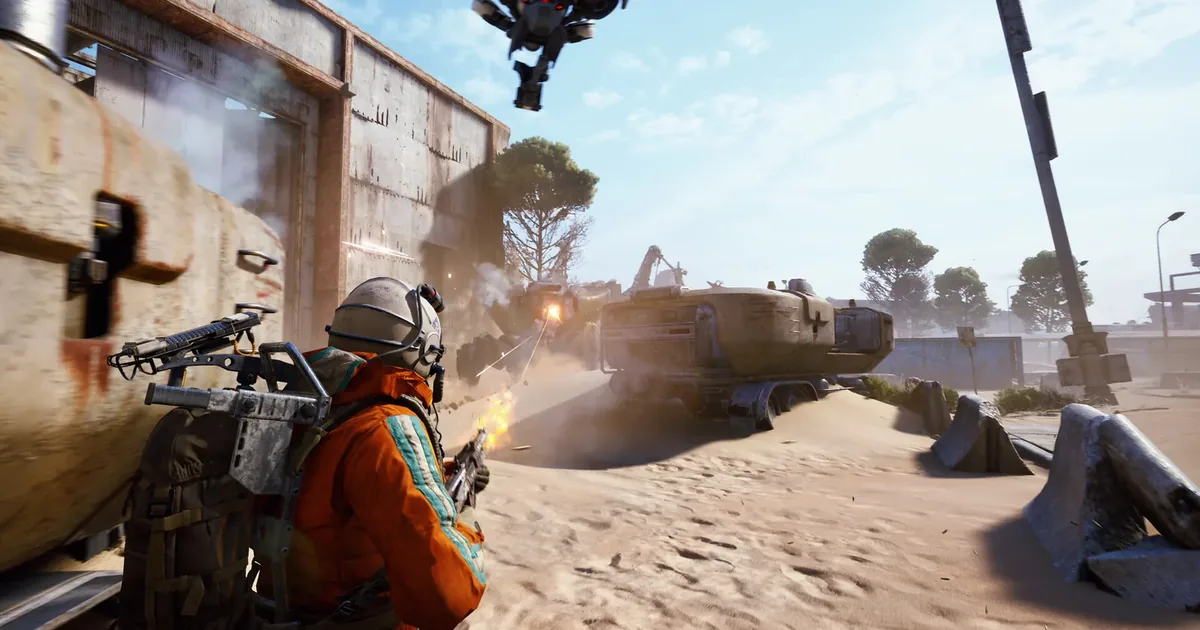 Screenshot: ARC Raiders Steam store page
BESTPRICE: Want ARC Raiders? These stores list it: Buy on Eneba → Buy on Green Man Gaming → Buy on Humble Bundle →
How many maps are in ARC Raiders? (quick answer)
Seven raid maps as of October 2026: Dam Battlegrounds, Buried City, Spaceport, The Blue Gate, Riven Tides, Stella Montis and Pendola Pass, all listed on the ARC Raiders Wiki's Maps page. Pendola Pass arrived with the Frozen Trail 2.0 update on October 8. The Practice Range also appears in map selection, but it is a two-hour training area that opens after 4 rounds, not a raid.
Key takeaways
- 7 raid maps, plus the Practice Range.
- Easiest: Dam Battlegrounds, difficulty 2, no unlock requirement.
- Hardest rated: Riven Tides, difficulty 5.
- Unlocks: rounds played, not player level. Pendola Pass needs the most, 25.
- Raid length: 30 minutes, 40 during Hidden Bunker (Spaceport) and Locked Gate (The Blue Gate).
- Extractions: cargo elevators, metro stations, airshafts and Raider Hatches.
ARC Raiders maps guide: all 7 maps at a glance
The wiki rates each map's difficulty on a five-bar scale and lists how many rounds you must play before it unlocks. Every raid map runs 30 minutes by default.
| Map | Wiki difficulty | Unlock | Raid length |
|---|---|---|---|
| Dam Battlegrounds | 2 | No unlock requirement | 30 min |
| Buried City | 3 | 8 rounds played | 30 min |
| Spaceport | 3 | 12 rounds played | 30 min (40 during Hidden Bunker) |
| The Blue Gate | 4 | 18 rounds played | 30 min (40 during Locked Gate) |
| Riven Tides | 5 | 20 rounds played | 30 min |
| Stella Montis | 4 | 24 rounds played | 30 min |
| Pendola Pass | 3 | 25 rounds played | 30 min |
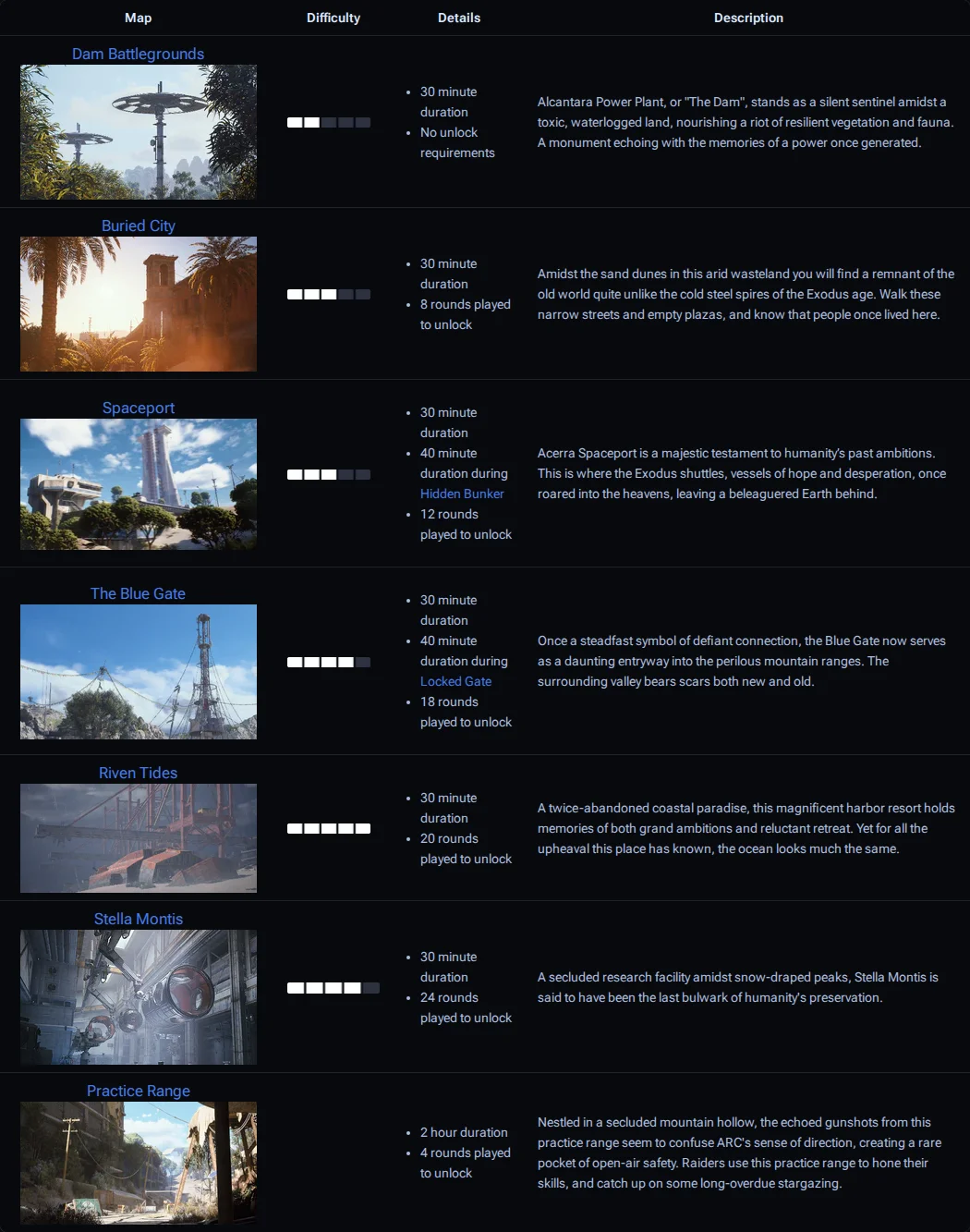 Image: Maps table, ARC Raiders Wiki (arcraiders.wiki), CC BY-SA 4.0
Two things in this table surprise people. First, the unlock order is not the difficulty order: Riven Tides (rated 5) opens at 20 rounds, before Stella Montis (rated 4) at 24 and Pendola Pass (rated 3) at 25. Second, The Blue Gate is not a beginner map. Older versions of this guide called it one; the wiki rates it 4 and gates it behind 18 rounds.
The six original maps
Each description below quotes the wiki's own map text, so you can tell the settings apart before you queue.
Dam Battlegrounds is "Alcantara Power Plant, or 'The Dam'," which "stands as a silent sentinel amidst a toxic, waterlogged land." It is the only map with no unlock requirement and the lowest rating, which makes it the natural first map. Our Dam guide covers it in depth.
Buried City sits "amidst the sand dunes in this arid wasteland," a remnant of the old world "quite unlike the cold steel spires of the Exodus age," with "narrow streets and empty plazas." It unlocks after 8 rounds. See the Buried City map guide.
Spaceport, Acerra Spaceport, is "where the Exodus shuttles, vessels of hope and desperation, once roared into the heavens." It unlocks after 12 rounds and stretches to 40 minutes during Hidden Bunker. The Spaceport map guide has the details.
The Blue Gate "now serves as a daunting entryway into the perilous mountain ranges." It unlocks after 18 rounds and runs 40 minutes during Locked Gate. Our Blue Gate guide covers it.
GODEEPER: Getting out is half of every raid. Every extraction type and how to use it. ARC Raiders Extractions Guide →
Riven Tides is "a twice-abandoned coastal paradise," a "magnificent harbor resort." It is the only map the wiki rates 5 and it unlocks after 20 rounds. The 2.0 update also raised its "overall loot value on Riven Tides by approximately 15%." See the Riven Tides guide.
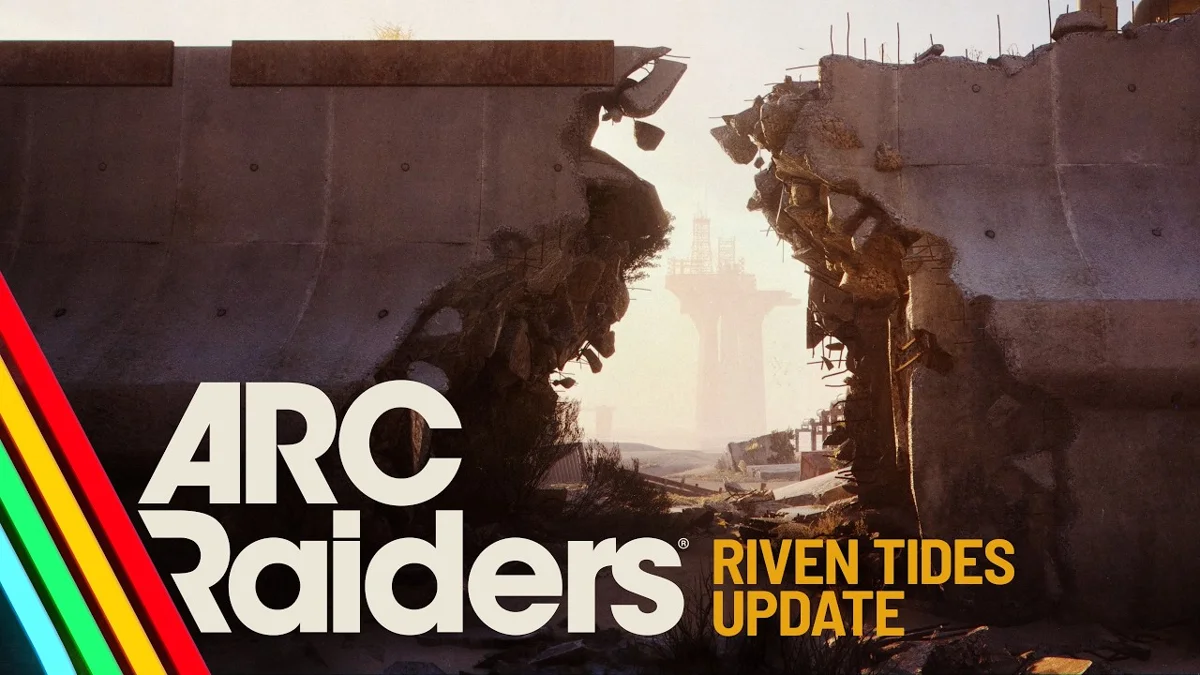 Image: "Riven Tides Update" video thumbnail, official ARC Raiders YouTube channel (Embark Studios)
Stella Montis is "a secluded research facility amidst snow-draped peaks." It needs 24 rounds played, one short of Pendola Pass, and carries a 4 rating. Our Stella Montis guide covers its layout and loot.
Pendola Pass, the seventh map
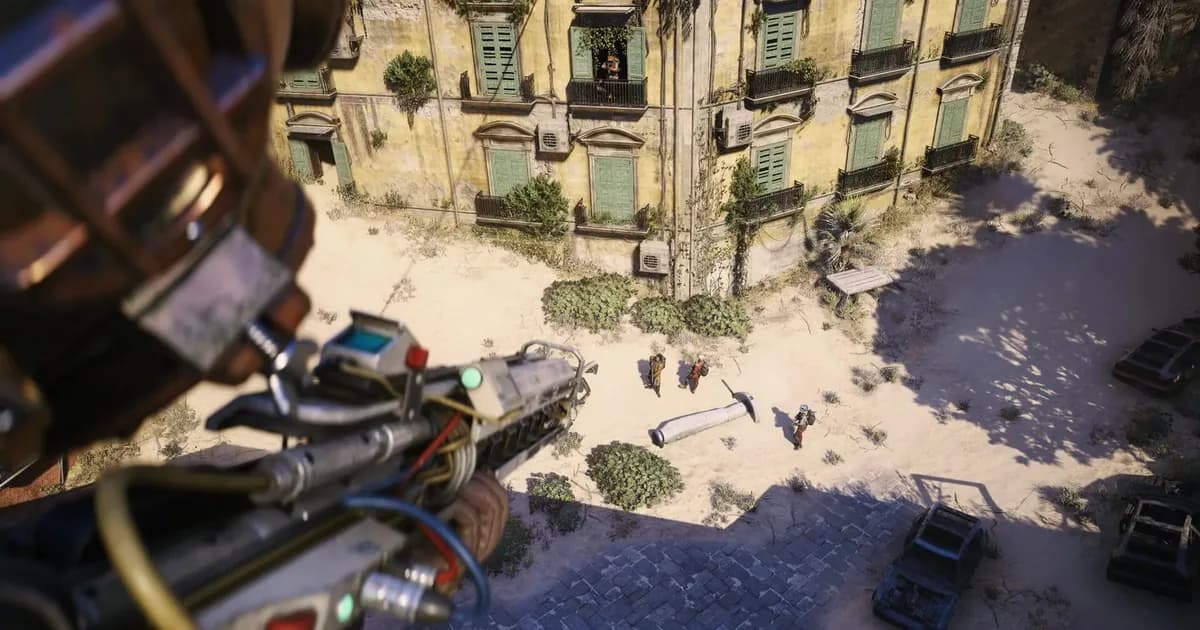
Pendola Pass arrived on October 8, 2026 with the Frozen Trail update. Embark's First Look post calls it "an old Italian village and Exodus transport hub," with a supermarket, a town square, an observatory and a buried train depot, built around a fallen Emperor ARC.
It also has a loot rule no other map uses yet. The patch notes describe a Dynamic Loot Zone system, "currently exclusive to Pendola Pass," where a zone keeps its loot type but its value changes from raid to raid. One player on r/ArcRaiders says the rule has "forced me to explore parts of the map I would have likely avoided".
The wiki now rates Pendola Pass 3, the same as Buried City and Spaceport, and lists it at 25 rounds played, the highest unlock count in the game. You don't have to wait that long if a friend is ahead of you: Embark's free play post said new players "will be able to access Pendola Pass immediately if teamed up with other players who have already unlocked the new map." The full update is covered in our Frozen Trail 2.0 guide, and the map itself in our Pendola Pass guide.
Extraction points and map conditions
The wiki lists four extraction types: "cargo elevators, metro stations, airshafts, and Raider Hatches." Pendola Pass adds its own on top, the Ballistic Gondola: you activate a transceiver, a gondola floats down, and you breach one of its red panels to climb in. Most exits show a shutdown timer on the map. Two wiki tips are worth knowing: downed Raiders "are still able to interact with Extraction Point terminals," and a terminal used just before it shuts down will not deactivate, so you can survive into "overtime."
Raider Hatches work differently. They stay locked until you use a Raider Hatch Key, then remain open for roughly 10 to 15 seconds for one Raider at a time, and they "do not have a shutdown timer."
Map conditions change all of this. The Electromagnetic Storm condition brings "Fewer active Return Points" and "No active Raider Hatches," in exchange for increased loot value and lightning strikes. Other conditions on the wiki include Night Raid, Hidden Bunker, Locked Gate and Hurricane, and boss conditions such as Harvester spawn the Queen (see our Queen boss guide).
Playing the Electromagnetic Storm
The storm is the condition that changes a run the most, so here's how we'd play it. Lightning never comes out of nowhere: a blue glow on the ground marks where the next strike lands. Step out of it. Damage scales with how close you are to the center, a hit also stuns you for a moment, and jumping doesn't help because the strike zone reaches up into the sky.
The lightning works on ARC too, and that's the part worth using. Small machines can be destroyed outright by a strike. Bigger ones get a static effect and freeze for a while, which means you can walk up to and climb a Bastion, and flying units like the Rocketeer drop out of the sky. Crashed Probes and Couriers also turn up in greater numbers, and a strike can leave Fossilized Lightning behind, which recycles into Explosive Compound.
Plan the exit before you loot: with no Raider Hatches and fewer Return Points, pick a cargo elevator, metro station or airshaft as your main exit and a second one as backup.
Step-by-Step
A simple order for working through the maps, based on the wiki's unlock and difficulty data.
1. Start on Dam Battlegrounds: it has no unlock requirement and the lowest rating, 2.
2. Check the map condition before you queue: a storm removes Raider Hatches and cuts active extraction points; Hidden Bunker and Locked Gate add ten minutes.
3. Move to Buried City and Spaceport: both rated 3, opening at 8 and 12 rounds played.
4. Take on The Blue Gate after 18 rounds: rated 4, so bring a loadout you can afford to lose.
5. Treat Riven Tides as the hardest map: it opens at 20 rounds but carries the only 5 rating.
6. Finish with Stella Montis and Pendola Pass: Stella Montis at 24 rounds, Pendola Pass at 25, or earlier by joining a teammate who has unlocked it.
Tips
- Plan two exits. Since most extraction terminals shut down on a timer, know a second exit before your bag is full.
- Do not count on a hatch in a storm. The Electromagnetic Storm condition switches every Raider Hatch off.
- Stay alive at the terminal. Downed Raiders can still use a terminal, so crawl to it if you can.
Embark's official map overview video:
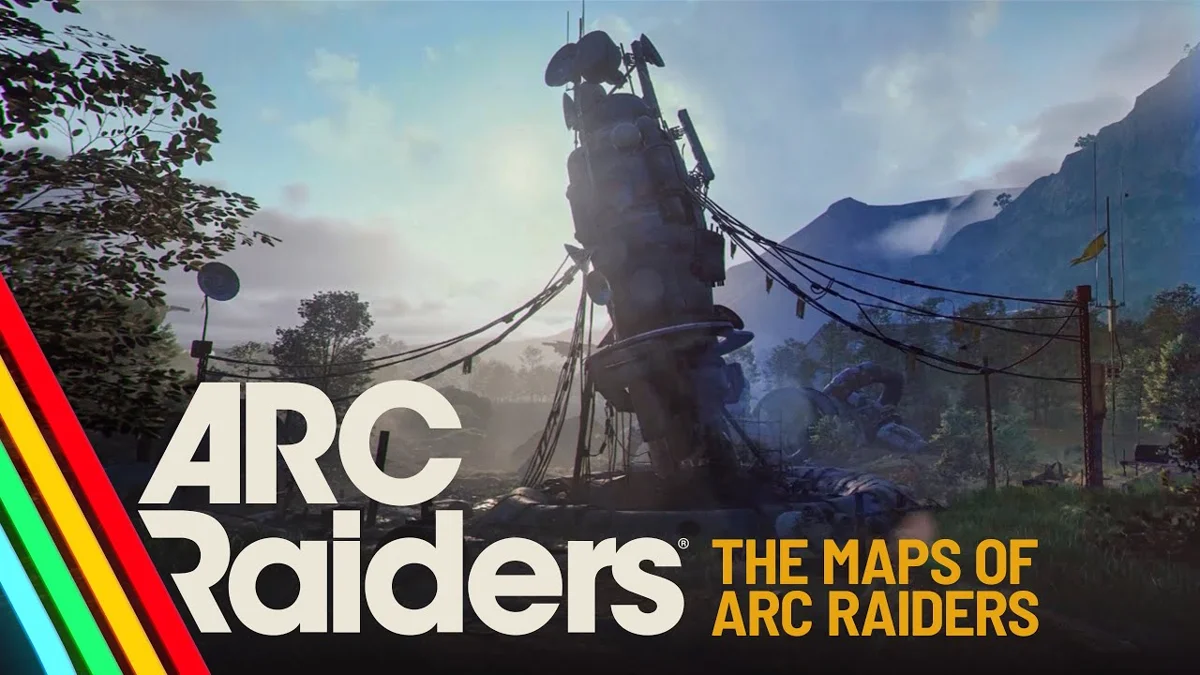 Image: "The maps of ARC Raiders" video thumbnail, official ARC Raiders YouTube channel (Embark Studios)
GODEEPER: Knowing what to keep matters more on high-difficulty maps. ARC Raiders Loot Guide →
Our take
Unlocks follow rounds played, not difficulty, and that one fact explains most of the map order. That is why Riven Tides, the only 5-rated map, can open before Stella Montis. The map most often misdescribed, including by an earlier version of this page, is The Blue Gate: it is a 4-rated map behind 18 rounds, not a starter zone. Pendola Pass is the opposite case: the last map to unlock, but rated no harder than Buried City, so if a friend can bring you in early, we'd take the invite.
Frequently Asked Questions
How many maps does ARC Raiders have? Seven raid maps as of October 2026, including Pendola Pass from the Frozen Trail update. The Practice Range is separate.
What is the hardest map in ARC Raiders? Riven Tides, rated 5 on the wiki. The Blue Gate and Stella Montis are rated 4; Pendola Pass is rated 3.
How do you unlock maps in ARC Raiders? By rounds played: Buried City 8, Spaceport 12, The Blue Gate 18, Riven Tides 20, Stella Montis 24, Pendola Pass 25. Dam needs nothing.
How long is a raid in ARC Raiders? Thirty minutes, or 40 during Hidden Bunker (Spaceport) and Locked Gate (The Blue Gate).
What are the extraction types in ARC Raiders? Cargo elevators, metro stations, airshafts and Raider Hatches, plus the Ballistic Gondola on Pendola Pass. Storms disable Raider Hatches.
Which map should beginners play first in ARC Raiders? Dam Battlegrounds: no unlock requirement and the lowest difficulty rating.
Related Reading
- ARC Raiders Extractions Guide: every extraction type in detail, including the gondola.
- ARC Raiders Frozen Trail 2.0 Update: Pendola Pass and everything else in the October 8 update.
- ARC Raiders Dam Guide: the first map most players learn.
- ARC Raiders Buried City Map Guide: the desert old-world map.
- ARC Raiders Spaceport Map Guide: Acerra Spaceport.
- ARC Raiders Blue Gate Guide: the mountain gateway map.
- ARC Raiders Riven Tides Guide: the highest-rated map.
- ARC Raiders Stella Montis Guide: the snowbound research facility.
- ARC Raiders Beginner Guide: your first raids.
References
- Maps, ARC Raiders Wiki
- Extraction Points, ARC Raiders Wiki
- Raider Hatch, ARC Raiders Wiki
- Ballistic Gondola, ARC Raiders Wiki
- Electromagnetic Storm, ARC Raiders Wiki
- Frozen Trail First Look (Embark Studios)
- FROZEN TRAIL - 2.0 Update patch notes (Embark Studios)
- Play ARC Raiders for free: October 8 - 12 (Embark Studios)
- r/ArcRaiders: Dynamic Loot Zones are an S tier addition
- The maps of ARC Raiders (official YouTube)
- ARC Raiders on Steam
Was this guide helpful?
Keep reading



Sponsored

Disclaimer
This article is published for informational and entertainment purposes. It does not constitute professional financial, legal, or technical advice. Game performance, online services, patch schedules, and store listings change. Verify critical details (pricing, system requirements, regional availability) with publishers and storefronts before you buy. Affiliate links, where present, help support our editorial work and are labelled in our affiliate disclosure.
About the author

Systems & Economy Desk
GameBrief's byline for roguelikes, strategy and simulation. Reads patch notes, wiki tables and Steam stats and puts the numbers on the page.
- Roguelikes, strategy and simulation
- Builds, progression and economy
- Sources listed per article