
ARC Raiders · Guides
ARC Raiders Enemy Types Guide: ARC Units Ranked by Threat
ARC Raiders enemy types guide: every common ARC machine with its health, armor, attack and weak point, ranked by how much trouble it causes, plus bosses.
Sponsored

About the game
ARC Raiders
ARC Raiders enemy types run from a 10-health Tick to a 23,000-health Matriarch, and almost none of them are bullet sponges if you hit the right spot. Ranked by how much trouble they cause, not by size, here is every common ARC machine, its weak point, and what the wiki says to do about it.
Updated 2026-10-14: rewritten against the ARC Raiders Wiki. The old version had Ticks exploding (they latch on; the Pop is the one that explodes), Sentinels aiming for your head, armor pieces, White/Orange/Red zones, skills that do not exist, and the Equalizer as a "minigun." All of that is gone.
TL;DR: The Snitch is the most dangerous small ARC because it calls reinforcements. The Sentinel is the one that kills careless Raiders in the open. Bastion, Bombardier, Leaper and Rocketeer are 1,100 to 2,670-health machines with yellow weak points; fight them with Heavy Ammo and explosives, or not at all.
BESTPRICE: Want ARC Raiders? These stores list it: Buy on Eneba → Buy on Green Man Gaming → Buy on Humble Bundle →
Quick reference
| ARC | Health | Armor | Attack | Weak point |
|---|---|---|---|---|
| Tick | 10 | None | Leaps and latches on | One Raider Tool hit |
| Pop | 20 | None | Rolling proximity explosion | Any weapon |
| Wasp | 110 | None | Projectile volley | Thrusters |
| Snitch | 158 | None | Calls ARC reinforcements | Thrusters |
| Hornet | 200 | Light | Stun round | Rear thrusters |
| Sentinel | 300 | Light | High-velocity Heavy Ammo shot | Yellow canister on the arm |
| Surveyor | 257 | Heavy | Ramming | Core, exposed while firing its laser |
| Shredder | 385 | Heavy | Shrapnel blast | Thrusters |
| Leaper | 1,100 | Heavy | Leaping, shockwave | Eye, leg joints |
| Rocketeer | 1,100 | Heavy | Missile barrage | Thrusters, scanner |
| Bastion | 2,050 | Heavy | Gatling volley | Rear plate, leg joints |
| Bombardier | 2,670 | Light | Mortar fire, shockwave | Rear plate, leg joints |
1. Snitch: the one that brings friends
The Snitch is unarmed, which is exactly why it is first. It sweeps a spotlight-style scanner, and once it spots you it alerts nearby ARC and calls reinforcements from orbit: a pair of Wasps, a Firefly and Hornet duo, or a single Rocketeer. The wiki notes reinforcements are only guaranteed once it starts its third call, so you have a short window. A few Medium or Heavy Ammo rounds into its four unarmored thrusters bring it down; destroying two or more sends it spiraling into the ground. Heavy foliage can hide you from the scanner.
2. Sentinel: the turret that punishes open ground
A Sentinel is a turret that "sits atop buildings and ledges," always outside and usually overlooking open ground. It tracks you with a thick orange laser; when several lasers converge, it fires a Heavy Ammo round after a short delay, and if you have already broken line of sight it fires at your last known position. Its targeting range is long, so distance alone is not safety. The good news: it reacts and fires slowly, so from solid cover you can out-shoot it. Aim for the yellow canister on the swivel arm, and dodge roll or slide into cover when the lasers meet.
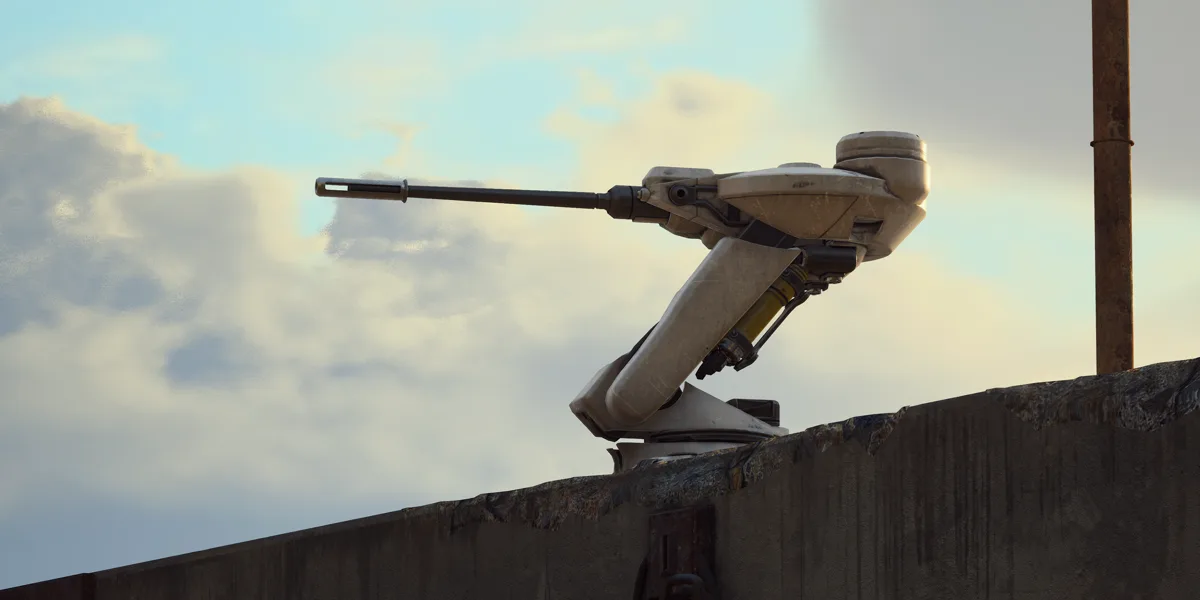 Image: Sentinel, ARC Raiders Wiki (arcraiders.wiki). Game art is the property of Embark Studios.
3. Bastion, Bombardier, Leaper, Rocketeer: the heavy hitters
These four are the reason Heavy Ammo and grenades exist.
- Bastion (2,050 health): a slow, heavily plated walker that screeches, then unloads its gatling gun for three seconds at your last seen position. Shoot the yellow kneecaps and rear canister; destroying either stuns it, and the canister peels back the rear plate to expose its real weak spot.
- Bombardier (2,670 health): a long-range mortar guided by two Spotter drones that respawn after you kill them. Kill the Spotters to blind it, stay away from its close-range shockwave, and shoot right after it fires, when it is vulnerable.
- Leaper (1,100 health): a leaping machine with a shockwave. The wiki's best trick: hide behind a doorway it cannot fit through and shoot its eye or yellow leg joints.
- Rocketeer (1,100 health): fires missile barrages; its weak points are the thrusters and the scanner on top, and destroyed thrusters or a Hornet Driver destabilize it.
The wiki says Bastions, Bombardiers and Leapers usually travel with Hornets and Wasps, so clear the escorts first. Wolfpack grenades show up in the wiki's tips for all four, and the Deadline mine for the Bastion and Bombardier.
Screenshot: ARC Raiders Steam store page. Game art is the property of Embark Studios.
4. Shredder and Surveyor: armored, but beatable
The Shredder (385 health, heavy armor) fires a shrapnel blast. Its weak point is the thrusters, and the wiki's advice is blunt: never engage without adequate cover, hide when it signals its attack, and bring Heavy Ammo, grenades or a Hullcracker. It is no longer exclusive to Stella Montis.
The Surveyor (257 health, heavy armor) rams you and flees at high speed. Its core opens while it fires its laser, and explosives or a stun (Hornet Driver, Showstopper) are the recommended answer.
5. Hornet and Wasp: the common flyers
The Hornet (200 health, light armor) fires a stun round. Its rear thrusters are unarmored, and the wiki says to dodge roll when it sounds its attack. The Wasp (110 health, no armor) fires projectile volleys. Destroying their thrusters destabilizes both, so aim there rather than at the body.
6. Tick and Pop: small, loud, and easy to mix up
The Tick (10 health) does not explode. It leaps at your head and latches on, slowly draining health and shield; hold interact to pull it off. Ticks often spawn dormant on ceilings and in rafters and make plenty of noise as they drop, and a single Raider Tool hit kills one, so you can save the ammo.
The Pop (20 health) is the one that explodes. It rolls at you beeping faster and faster, then detonates after a short delay, hurting both shield and health. Switch to a fast-firing weapon, or sprint straight past it at full speed to make it waste its charge. Pops usually patrol large indoor facilities alongside Fireballs, which also die to a single Heavy Ammo round.
The bosses
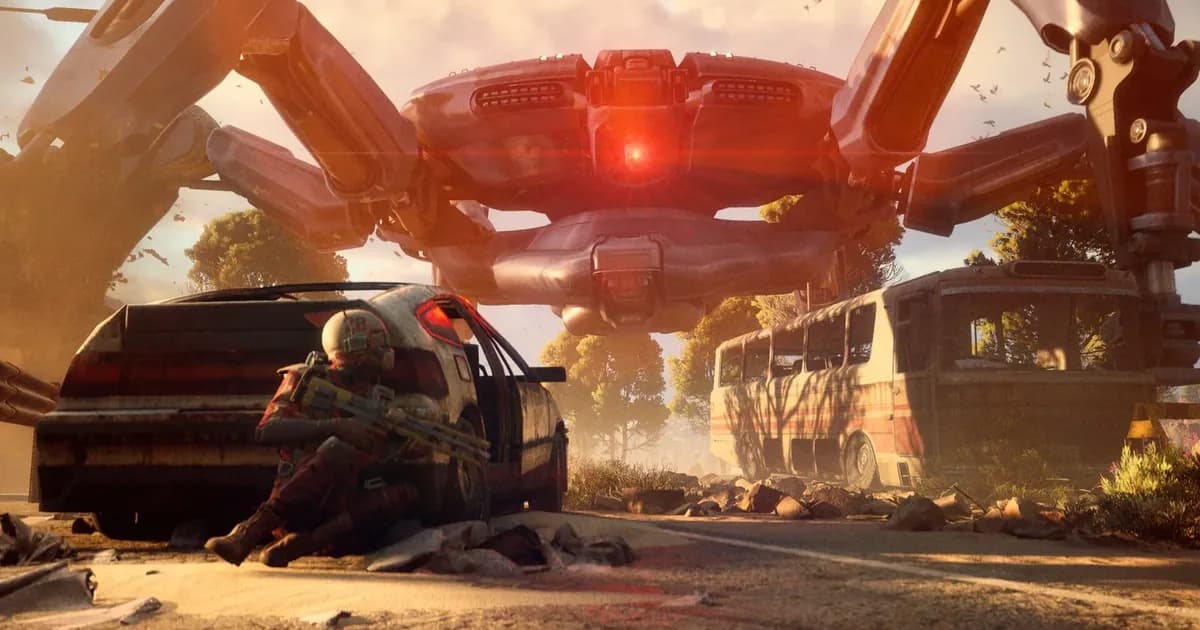
The Queen and Matriarch are both listed at about 23,000 health. The Queen guards Harvesters when that map modifier is active, firing mortars, a laser and an EMP pulse or ground slam up close; shoot off its armor plates, then aim for the glowing red core. The Matriarch only appears under its own map condition, fires tracking missile swarms of three to six, and can summon other ARC, so fight it from behind large, solid cover. Our Matriarch, Queen, Vaporizer and ARC Turbine guides cover each fight.
Step-by-step: handling a contact
1. Listen. Ticks are often heard before they are seen, and a Pop's beep speeds up as it closes.
2. Find the Snitch. If one is up, kill it before its third call.
3. Break line of sight from Sentinels. Converging lasers mean a shot is coming.
4. Pick the weak point. Thrusters for flyers, yellow joints and canisters for walkers.
5. Decide on the big ones. No Heavy Ammo or explosives? Go around a Bastion or Bombardier.
Our take
This is a research page built on the wiki's ARC entries, not our own raids. The ranking is ours: we put the Snitch first because one ignored drone can turn a Wasp into a Rocketeer, and the Sentinel second because it is the one that catches Raiders crossing open ground. For gear that matches, see our best solo loadouts and the weapons tier list.
Frequently Asked Questions
How many ARC enemy types are there in ARC Raiders? The ARC Raiders Wiki's variant table lists 25 ARC machines, from the Snitch and Tick up to the Queen and Matriarch, plus husks and probes you can loot. A few, like the Skulker and Hydra, are still stubs on the wiki.
What does a Tick do in ARC Raiders? It leaps at your head and latches on, slowly draining health and shield. Hold interact to pull it off. Ticks often start dormant on ceilings or rafters and are loud as they drop, and one hit from the Raider Tool destroys one.
How do you beat a Sentinel? Find solid cover. A Sentinel tracks you with a laser, and when several lasers converge it fires a Heavy Ammo round after a short delay. Its reaction time is slow, so you can shoot the yellow canister on its swivel arm between shots.
Which ARC calls in reinforcements? The Snitch. Once it spots you it alerts nearby ARC and calls reinforcements from orbit: two Wasps, a Firefly and Hornet pair, or a Rocketeer. Reinforcements are only guaranteed once it starts its third call.
What are the biggest ARC in ARC Raiders? The Queen and the Matriarch, both listed at about 23,000 health. The Queen guards Harvesters when that map modifier is active; the Matriarch only appears under its own map condition and can summon other ARC.
Related Reading
- ARC Raiders Machine Types: kill notes for more ARC units.
- ARC Raiders Matriarch Guide: the condition boss.
- ARC Raiders Queen Guide: the Harvester guardian.
- ARC Raiders Blue Gate Guide: where the Bastion and Bombardiers sit on that map.
- ARC Raiders Dam Guide: the easiest map to practice on.
- ARC Raiders Loot Guide: what to keep from ARC parts.
- ARC Raiders Weapons Tier List: which guns carry Heavy Ammo.
References
- ARC, ARC Raiders Wiki: variant list and tips, accessed 2026-10-14.
- ARC Raiders Wiki pages for Snitch, Sentinel, Tick, Pop, Hornet, Wasp, accessed 2026-10-14.
- ARC Raiders Wiki pages for Bastion, Bombardier, Leaper, Rocketeer, Shredder, Surveyor, accessed 2026-10-14.
- Queen and Matriarch, ARC Raiders Wiki, accessed 2026-10-14.
- ARC Raiders: "Know Your Enemy" trailer, ARC Raiders channel on YouTube, accessed 2026-10-14.
Was this guide helpful?
Keep reading


Sponsored

Disclaimer
This article is published for informational and entertainment purposes. It does not constitute professional financial, legal, or technical advice. Game performance, online services, patch schedules, and store listings change. Verify critical details (pricing, system requirements, regional availability) with publishers and storefronts before you buy. Affiliate links, where present, help support our editorial work and are labelled in our affiliate disclosure.
About the author

GameBrief's byline for metroidvanias, RPGs, comparisons and design history. Places each game in its genre and argues both sides before picking one.
- Metroidvanias and RPGs
- Comparisons and design history
- Sources listed per article