
GuideBesmirch
Besmirch Baron Trust: 5 Rules for Safer Villager Bonds
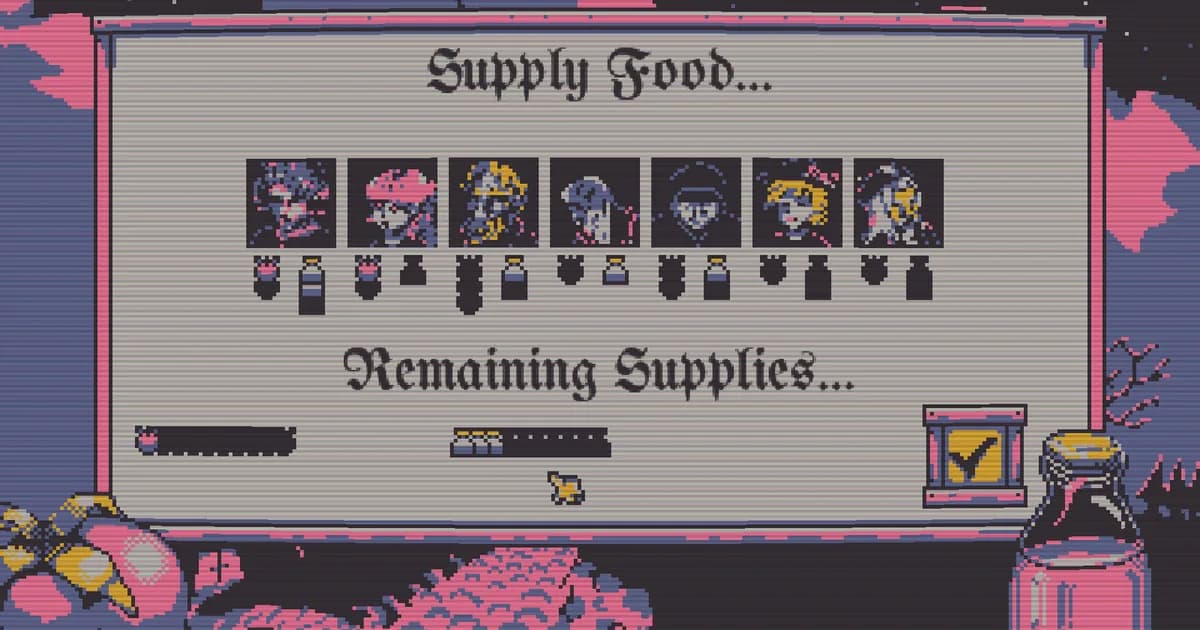
The Besmirch baron trust system is easy to overstate because the game makes social standing part of its premise without publishing a complete formula. The official store description says you must earn the trust of paranoid townsfolk under a corrupt Baron while farming, cooking, sharing food, paying a tithe, and surviving nightly threats. Those are the reliable anchors for a cautious guide.

About the game
Besmirch
The sections below separate what the current public sources confirm from practical routing advice. They do not present an invented score table, NPC roster, or recovery timer as fact.
TL;DR: Besmirch asks you to earn the trust of paranoid townsfolk while farming, cooking, sharing food, paying the Baron's tithe, and preparing for nightly danger. The public store does not publish exact trust gains, a compromised-NPC list, or a recovery timer. Treat the practical routines here as risk management, then follow the current build's quest and dialogue feedback.
Besmirch baron trust: what it actually tracks (quick answer)
Most of the game-facing trust information is visible through the current build's dialogue, requests, and other feedback. The public store page gives the premise and its pressure points, not a complete explanation of the underlying calculation.
The safest interpretation is to protect the visible obligations first: keep a workable farm, cook when food is needed, share resources when the game requests it, and reserve time for the tithe and night cycle. These actions fit the store's description of play, but the developer has not published how many points any one action adds or removes.
If the UI or a villager reacts differently after an action, record that result in your own save rather than assuming it proves a universal formula. Early Access systems and dialogue can change, and no primary source linked below confirms a separate transactional and perceptual trust track.
Current status: September 2026
As of September 17, 2026, Besmirch remains in Early Access on Windows. Steam lists it at $9.99 with a Very Positive snapshot of 84 reviews and 28 achievements. The store roadmap is marked subject to change, so this guide treats the public premise as stable context and avoids claiming undocumented trust numbers or gates.
Which actions build trust (and what the game confirms)
The Steam description directly supports the broad routine: farm, cook, share food, and deal with the Baron's tithe while trying to earn the trust of the townsfolk. It does not publish a table for errand completion, cooked meals, raw crops, visit frequency, or passive standing.
Use that as a priority order, not as a hidden-number claim. Keep a food buffer, cook when the recipe and request make sense, and read the recipient's response. If the current build shows a distinct result, it is useful play evidence, but it should not be generalized into a numeric rule without developer documentation.
Errands and conversations are best treated as information gathering as well as social play. Read the full request, note any deadline shown by the game, and confirm completion in the dialogue or quest UI. The current public material does not establish that daily visits, events, or food quality have a fixed multiplier.
What costs trust: the non-obvious drains
The store confirms hunger and omens as part of the pressure around the village. It does not say that the community can inspect your barn or that hoarding has a fixed penalty. Keep a reserve because the game also asks you to survive, but do not promise readers that a particular stockpile size changes trust.
Missed requests are still a sensible risk to avoid. If the current build shows a deadline, plan around it; if it does not, do not invent one. Decline or postpone work you cannot complete when the UI allows that choice, and keep enough daylight for farming, cooking, and night preparation.
The store confirms nightly demons and the need to manage hunger and omens, but it does not document a trust penalty for being outside during a named darkness event. Prepare for the danger as a survival problem first. Any social consequence should be presented as a save-specific observation until the developer documents it.
The tithe is explicitly part of the store's premise, so reserve crops or money for it before spending your entire harvest. The public sources do not establish whether a missed tithe has an asymmetric penalty or how many successful payments would repair it.
GODEEPER: The tithe and darkness survival mechanics are covered in detail alongside early-game setup. Besmirch Tips: 12 Things to Know Before Your First Night →
Which NPCs are worth maintaining: and why
Not every villager needs the same amount of time, but no primary source linked here publishes a fixed list of priority NPCs. Allocate attention based on the requests and quest text visible in your build rather than on a leaked-looking checklist.
A villager with an explicit request or quest marker deserves attention while that task is active. Read the reward and follow-up text, then confirm what actually changed after completion. The store confirms the social premise, not specific blacksmith, candle, or dungeon gates.
NPCs with new dialogue can reveal context about the Baron or the village, but do not assume every conversation updates a hidden standing value. Screenshot or note the text if you are testing a route, especially in Early Access.
Background interactions are useful when they consume little time, but they should not displace food, tithe, or night preparation. This is a planning recommendation, not proof that background villagers are mechanically unimportant.
The Baron's corruption: what is and is not documented
The Baron's corruption is central to the premise, but the public store page does not give a named roster or a verified reporting flow. That distinction matters: a compelling story premise is not the same thing as a documented gameplay system.
If a villager's dialogue changes after you ask about the Baron or the night cycle, treat that as local evidence from your current build. There is no primary source confirming that evasive answers identify a compromised NPC, or that such a character sends information back to the Baron.
For a safe first pass, ask available questions, read the response, and keep a note of quests that mention the Baron. Avoid publishing a reported-NPC list until it is supported by a developer post or reproducible current-build evidence.
How dungeon access connects to trust
The public sources do not verify that dungeon access is controlled by a specific trust threshold or a particular errand chain. If the dungeon is available through a quest in your build, follow that quest's stated requirements rather than assuming a hidden social gate.
Plan daylight and supplies before exploring any dungeon content. The store confirms farming and nightly survival pressures, but it does not establish an Autumn deadline, a Winter lockout, or a trust repair requirement for access.
If a villager offers a dungeon-related request, record the exact wording and complete the visible steps before spending the day elsewhere. That is a practical way to reduce wasted travel while the Early Access quest flow continues to evolve.
Use visible dialogue, quest requirements, and the standing indicator as your source of truth in the current build.
Tips: route errands without overpromising trust gains
Errand routing is a time-management problem even when the trust formula is undocumented. Travel between NPC locations, farming, cooking, tithe preparation, and night safety all compete for the same day.
1. Read before leaving. Check the request, destination, item list, and any deadline shown by the game. Do not rely on a generic morning-is-optimal rule unless your save demonstrates it.
2. Cluster by location. If two visible tasks point to the same area, complete them on one loop. The travel-time saving is reliable advice even though it does not prove a trust multiplier.
3. Protect the essentials. Leave room for farming, cooking, tithe preparation, and a safe return. If the game allows you to decline a task you cannot finish, do so rather than assuming an incomplete task is harmless.
4. Confirm the result. After delivery, read the response and check the quest or dialogue state. A cooked meal may fit the request, but the public sources do not confirm that it always earns more trust than raw crops.
Read the NPC response, then verify what the current build records after an interaction.
Step-by-Step: a cautious trust run
1. Check the day: Read active requests and note food, tithe, and night-preparation needs before committing to travel.
2. Secure supplies: Farm and cook enough for the visible obligations while keeping a reserve for your own survival.
3. Complete one route: Group nearby conversations or deliveries and follow the exact quest wording shown in the current build.
4. Review feedback: Read the response, inspect the quest state, and record any change before repeating the route as a trust rule.
Trust recovery after a failure
There is no developer-published recovery timer or guaranteed shortcut. If a missed request or tithe appears to affect your save, resume the visible obligations calmly and avoid stacking a second failure on top of the first.
During that recovery period:
- Prioritize the NPC or quest that the current UI identifies as affected, rather than an assumed priority roster.
- Deliver the item or food the request actually asks for; do not promise that cooked food has a universal hidden bonus.
- Avoid new tasks you cannot finish while you are learning how the current build reacts.
- Read follow-up dialogue and note whether the game gives a visible recovery signal. Do not convert one save's timing into a guaranteed two- or three-week rule.
The tithe is explicitly part of the game's premise, so protect the next payment when possible. The public sources do not say how many later payments repair a missed one or whether missed payments can be made up.
GODEEPER: For the full picture of what the current EA build contains and what's coming on the roadmap: Besmirch Early Access: FAITH-Inspired Farming Horror →
Related Reading
- Besmirch Complete Guide: Farming, Horror, and the Baron: The full hub guide covering every system in the current EA build, including farming calendar and dungeon combat
- Besmirch Tips: 12 Things to Know Before Your First Night: Practical early-game tips covering the first two weeks of Autumn and the Three Days of Darkness
- Besmirch Early Access: FAITH-Inspired Farming Horror: Launch feature with developer background, EA scope, and confirmed roadmap items
- Die in the Dungeon Tips Guide: Another 2026 EA game where resource allocation decisions compound across a full run
- Witchspire Seed Farming Guide: planning crops and reserves in another farming-focused Early Access game
- Grave Seasons: Farming Sim Meets Serial Killer Mystery: a farming-horror comparison for players weighing the tone
- Farever Dungeon Guide: Floor Depth and Support: another guide built around route planning and dungeon preparation
- Die in the Dungeon Review: a resource-allocation comparison for players who like pressure systems
- Tales of Seikyu Complete Guide: another farming-RPG hub where seasons, relationships, and exploration compete for time
- Paralives Complete Guide: a life-sim hub for players comparing social systems and Early Access scope
Frequently Asked Questions
What is the baron trust system in Besmirch? It is the social-standing premise described by the store: you earn the trust of paranoid townsfolk under a corrupt Baron while farming, cooking, sharing food, paying a tithe, and surviving nightly danger. The public sources do not publish exact gains, losses, or gates.
Which NPCs are most important for maintaining trust in Besmirch? No primary source publishes a fixed priority roster. Follow active requests, dialogue, and quest markers in your build, and verify any claimed item or dungeon gate before treating it as universal.
How do you recover trust after a failure in Besmirch? No public source gives a recovery duration or guaranteed repair action. Resume the visible obligations, complete clear requests, protect food and tithe supplies, and use follow-up dialogue as the evidence for your save.
Does the Baron know what you're doing during the Three Days of Darkness? The store confirms the Baron and nightly danger, but not a real-time surveillance or gossip formula. Treat claims about being reported by specific NPCs as unconfirmed until the developer documents them.
Can you lose the game from trust failure alone in Besmirch? The public store description does not confirm a trust-only game-over state or a precise threshold. Keep the visible obligations on track and check current in-game warnings before assuming a failure is permanent.
How does errand routing work for trust efficiency in Besmirch? Read the request first, group nearby tasks, reserve time for farming and night preparation, and confirm the result after delivery. That reduces wasted travel without pretending an unpublished trust multiplier is known.
What is the Baron's corruption mechanic in Besmirch? The Baron is described as corrupt, but no public source linked here lists compromised NPCs or verifies a reporting model. Use current dialogue and quest feedback, not an unverified checklist of who supposedly reports to him.
References
- Besmirch on Steam: official store page with the Early Access scope, price, achievements, and roadmap
- Besmirch official Steam news: developer announcements and patch history
Was this guide helpful?
About the author

Systems & Economy Desk
GameBrief's byline for roguelikes, strategy and simulation. Reads patch notes, wiki tables and Steam stats and puts the numbers on the page.
- Roguelikes, strategy and simulation
- Builds, progression and economy
- Sources listed per article
Keep reading
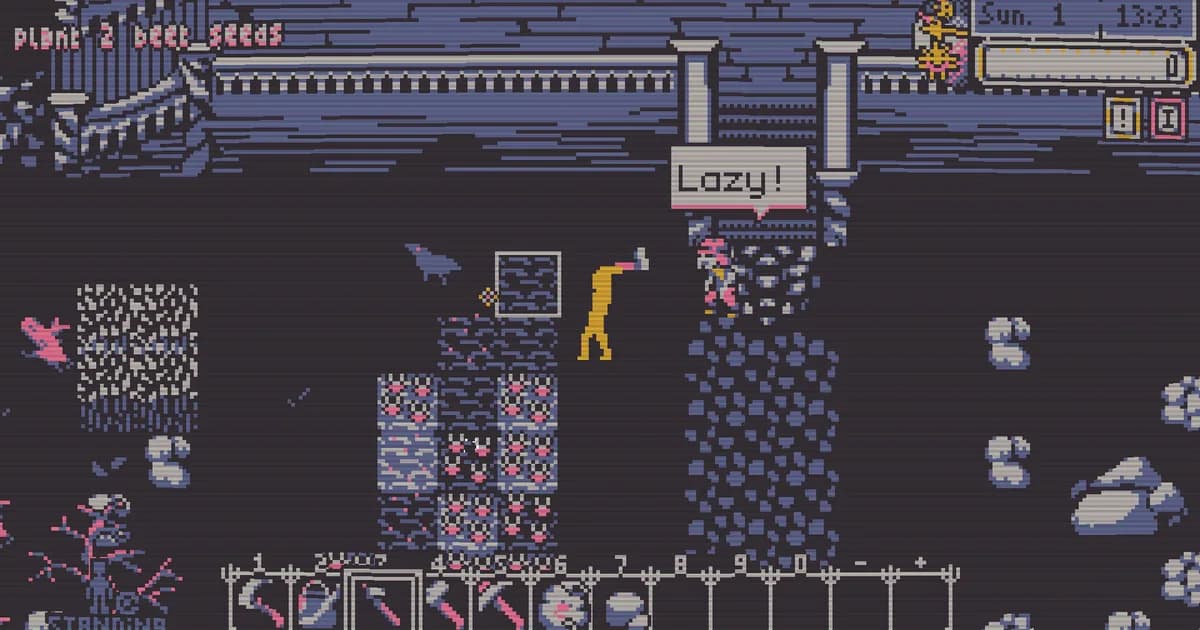
Besmirch Complete Guide: Farming, Horror, and the Baron
General · 17 min
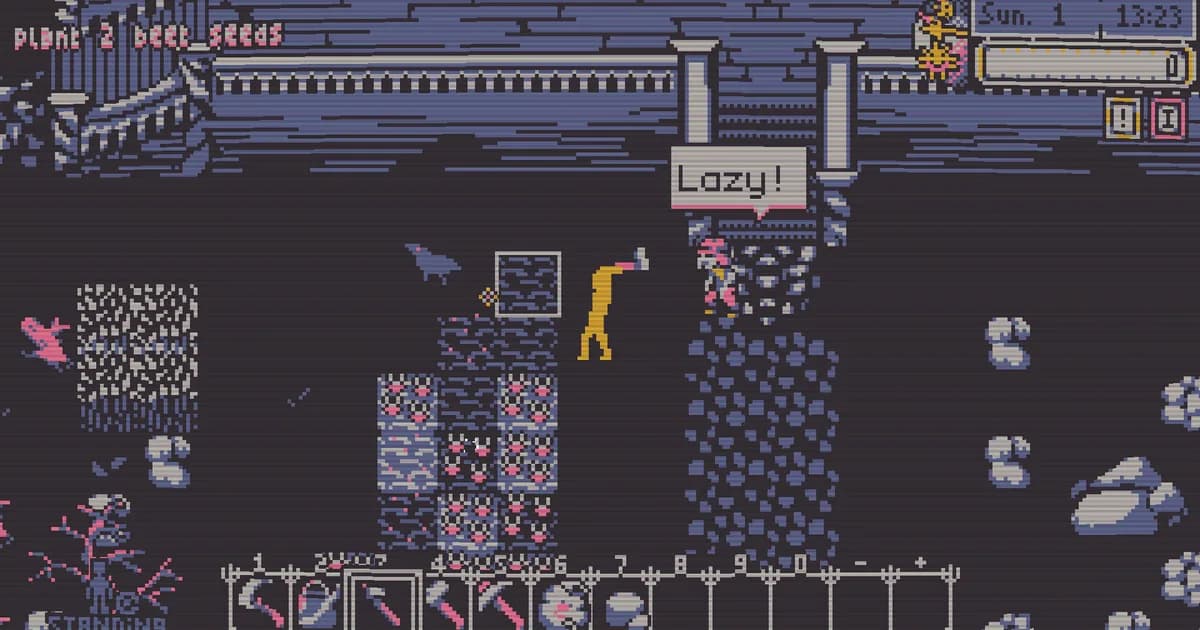
Besmirch Tips: 12 Things to Know Before Your First Night
General · 8 min

Besmirch Early Access: FAITH-Inspired Farming Horror
General · 8 min
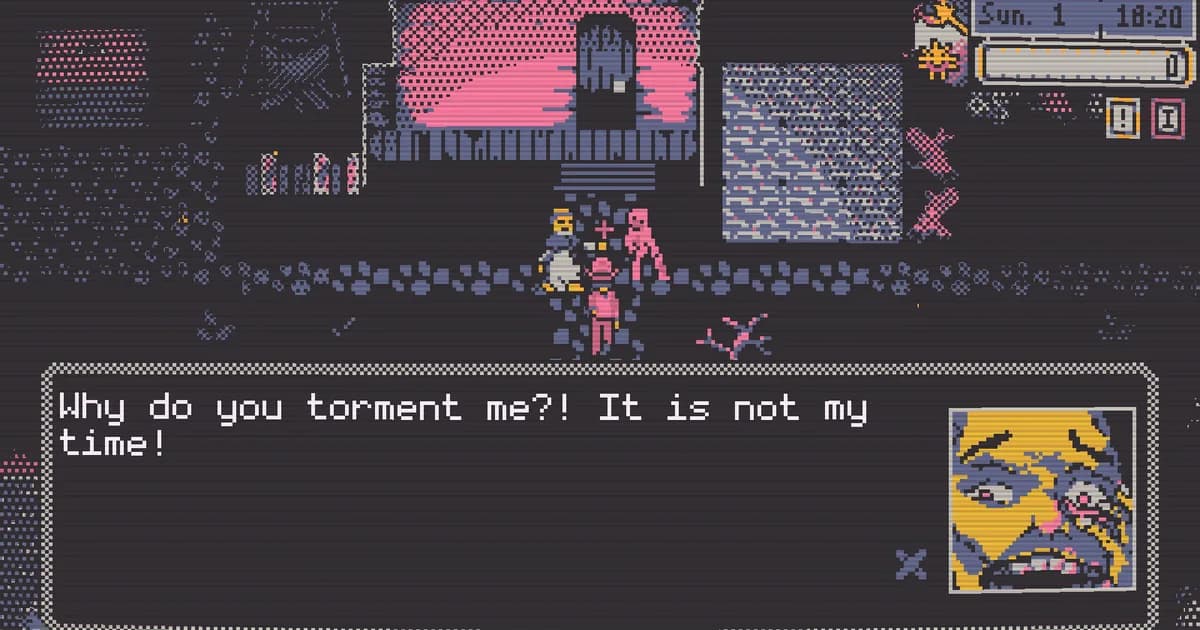
Besmirch Multiplayer: 6 Facts About the Unstable Co-op
General · 9 min
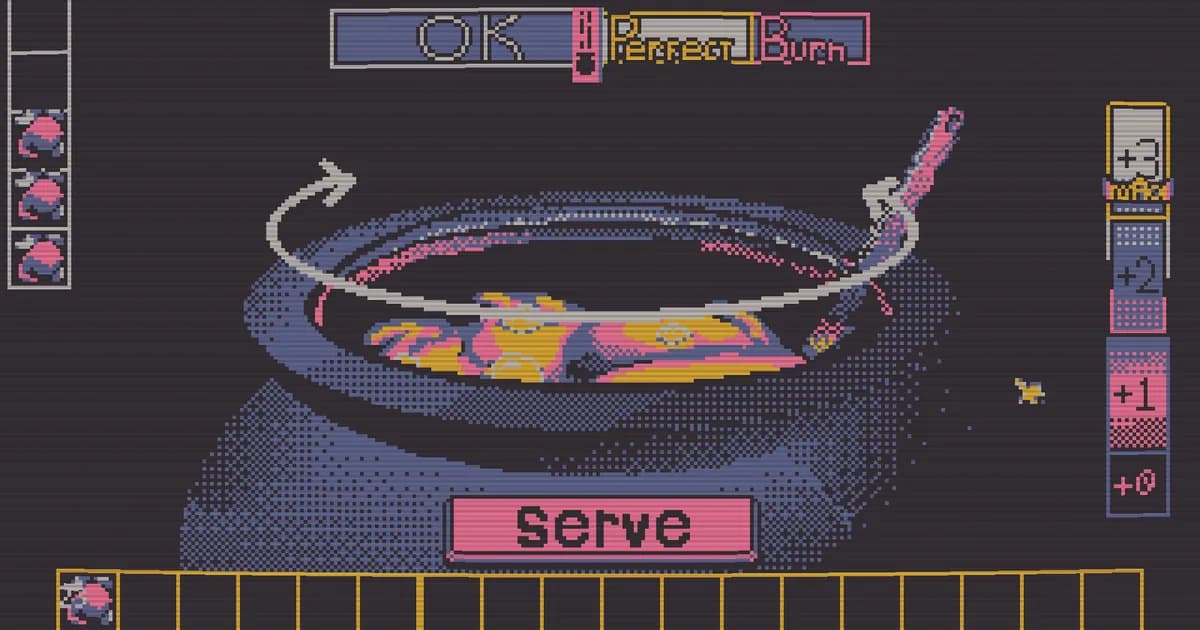
Besmirch Taxes and Raids: How the New Farm Threat Works
General · 9 min
Besmirch Crafting and Building Guide: Workbench to Walls
General · 10 min
Game deals · affiliate links

Disclaimer
This article is published for informational and entertainment purposes. It does not constitute professional financial, legal, or technical advice. Game performance, online services, patch schedules, and store listings change. Verify critical details (pricing, system requirements, regional availability) with publishers and storefronts before you buy. Affiliate links, where present, help support our editorial work and are labelled in our affiliate disclosure.
Comments
Loading comments…