
GuideRomestead
Romestead Denarius Guide: How to Make Money Fast 2026
If you searched for Romestead denarius because your purse stays empty no matter how much you farm, the problem is usually that you are looking in the wrong place. Romestead's money is one system with tiered coins, and denarius is simply the tier your Quadrans mints into once you have collected 100 of them. Dungeons and treasure hand you denarius directly in big lump sums, while selling carrots pays out in Quadrans that add up slowly. Once you know that, the whole economy starts to make sense.
Sponsored

About the game
Romestead
Updated 2026-10-05: Rechecked the coin denominations and production advice against the current Romestead wiki, and removed the unsupported claim that olive oil is always the best return.
TL;DR: Denarius and Quadrans are the same money at different tiers: 100 coins automatically merge into the next denomination in your inventory. Monsters and bosses, chests, and market sales can provide coins. Build the Olive Oil chain as one testable trade route, level the Market merchant for new stock, clear dungeons for coin drops, and use the Trading Post to move surplus goods between settlements.
Sponsored

How do you earn denarius in Romestead? (quick answer)
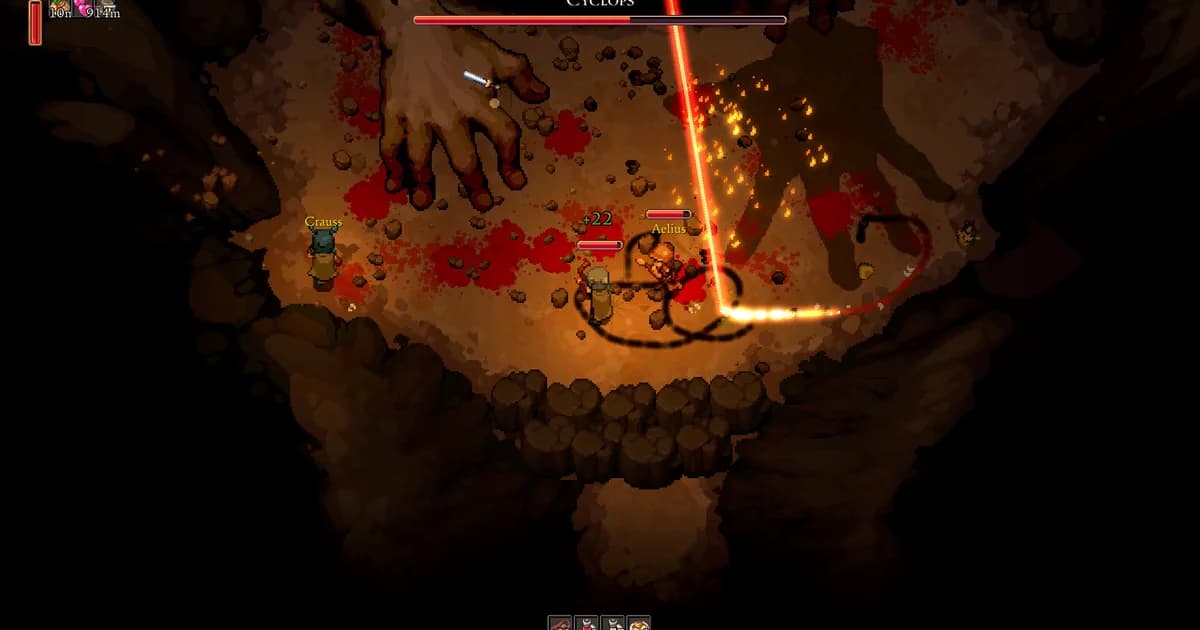
You earn denarius in Romestead mainly by conquering dungeons and opening the treasure chests inside them, plus hidden caches and some quest payouts, since those sources tend to pay out already at the denarius tier. Selling crops still earns you money too, just in Quadrans that need to reach 100 before they mint into a denarius. If your denarius count is stuck, stop grinding crops for it and start clearing the dungeons scattered across each biome. That single shift fixes most "I have no money" complaints from new settlers.
GODEEPER: Dungeons sit inside specific biomes, and each one has its own hazards and loot tables worth scouting first. Romestead Biome Guide: All 4 EA Biomes, Bosses, Resources →
Denarius vs Quadrans: one currency, two tiers
Here is the detail most guides skip, and it is the reason so many players feel broke. Romestead does not run two separate currencies. It runs one currency with tiered coins: Quadrans is the base denomination, and every 100 Quadrans you collect automatically mints into 1 Denarius in your purse. Above that sit Aureus and Electrum, each worth 100 of the tier below, though most early and mid game spending never gets that far.
Denarius is the premium tier. It shows up directly in dungeon loot, treasure chests, and certain rewards, so a single chest can hand you a stack of it in one go. You will rarely see denarius pile up from normal selling alone, which is exactly why a dungeon clear feels so much richer than an afternoon of trading.
Quadrans is what trading actually pays. When you sell goods to a trader, the payout is usually in Quadrans, and most sellable items have a small floor value (as little as one Quadrans for low tier goods). Sell a wagon of olive oil and you are stacking Quadrans, which will eventually mint into denarii once you cross the 100 threshold, just far slower than a chest handing you the higher tier directly.
Knowing which tier a task pays changes how you spend your time. Want a big denarius payout right now? Go underground. Want a steady trickle of Quadrans for restocking? Sell your surplus and let it mint upward on its own. They are the same money, so the real skill is matching the payout speed to what you need, not trying to keep the two coins in separate mental buckets.
Caption: Dungeon chests are the primary denarius source, so a cleared biome is worth revisiting for the coin alone.
Step-by-step: making money fast in Romestead
Money in Romestead is a system, not a single action. Follow this order and the coin compounds instead of trickling.
- Settle near farmland and water so your food base runs itself. A starving settlement burns money on emergencies.
- Plant olives when you have room for another production chain. The current recipe source confirms olives can feed Olive Paste and Olive Oil production, but does not establish a best-return ranking.
- Build toward an olive paste setup and a Dolium so you can press paste into olive oil.
- Test the Olive Oil sale value against other surplus goods and keep the route only if it fits your settlement's needs. The recipe is confirmed; a universal income ranking is not.
- Spend a few of your first coins buying from the merchant to level it, which opens up better stock and health potions.
- With potions and gear in hand, start clearing dungeons. Their chests are where the denarius lives.
- Reinvest dungeon denarii and trade Quadrans into automation so the loop widens instead of resetting each session.
The order matters. Players who rush dungeons before they have potions and food usually die, lose progress, and end up poorer than the cautious settler who built an income base first.
The merchant and market income loop
The merchant is easy to misread as a simple shop. It is closer to a progression building. Every purchase nudges its level, and higher levels unlock new stock. The early reason to do this is health potions, which you will lean on hard once dungeon difficulty climbs.
A well staffed Market becomes a genuine late game income source rather than just a place to dump surplus. The more you trade through it, the more it gives back, so it rewards consistency. If you only ever visit the merchant when you are desperate, you are leaving both stock and money on the table.
Think of your first dozen trades as tuition. You are paying to upgrade the shop into something that pays you back for the rest of the run.
Olive oil and the Trading Post automation
Once your basic income is steady, automation is what separates a small camp from a real settlement economy.
One route worth testing is Olive Oil. Set up the production chain so olives become paste, paste becomes oil, and the oil stacks up while you are off doing something else. Compare its sale value with other surplus goods before scaling it.
The Trading Post handles transfers between settlements, while the Logistics Tent handles connections inside one town. Put one Trading Post in each town you want to connect, then protect essentials before routing anything. Keep enough food, building goods, boss drops, first copies of new biome materials, and god offerings before you hand anything to an automated route. Automate the surplus, never the stockpile you actually need.
Caption: The Logistics Tent menu connects production buildings and storage inside one town; a Trading Post is the separate system for town-to-town transfers.
Tips for managing denarius and trade income
A few habits keep your economy healthy once the basics are running.
Do not hoard for no reason. Denarius spent on potions, gear, or merchant levels that keep you alive is worth more than a number sitting unused while you die in a dungeon.
Do not bother keeping separate mental budgets. Quadrans and denarius are the same money at different tiers, so a big purchase just needs enough total value, whichever coin it is currently sitting in. What matters is payout speed: lean on your olive oil chain for a steady trickle, and treat a fresh dungeon clear as a lump-sum windfall for the bigger one-time purchases like merchant levels or the Trading Post unlock.
Clear a biome, then circle back. A dungeon you already beat is a low risk denarius run on later visits because you know the layout and the threats.
Watch the Market's stock and current sale values. The sources checked here confirm the Olive Oil recipe, but do not document a universally best buyer or return, so compare before scaling that chain.
GODEEPER: Your altar and god choices gate a lot of buildings and tech, including some that feed straight into your economy. Romestead God System Guide: All 7 Roman Gods Explained →
Frequently Asked Questions
How do you get denarius in Romestead? Denarius mostly comes as ready-made lump sums from dungeon chests, treasure, hidden caches, and some quest rewards. Trading pays out too, since every 100 Quadrans you earn auto-mints into 1 Denarius, but that trickle is much slower than a chest handing you a stack directly.
What is the difference between denarius and Quadrans in Romestead? They are not separate currencies. Quadrans is the base coin and Denarius is the tier above it: 100 Quadrans automatically mint into 1 Denarius in your purse. Trading pays out in Quadrans a little at a time, while dungeon chests and treasure tend to hand you Denarius directly in bigger chunks.
What sells for the most money in Romestead? The sources checked here do not establish a single best-selling good. Olive Oil is a confirmed recipe made from Olive Paste and an Empty Pot in an Olive Oil Dolium, so compare its sale value with other surplus goods in your current build.
Should I level up the merchant in Romestead? Yes, early. The merchant levels up as you buy from it, and leveling it unlocks new stock, including health potions you will want before tougher dungeons. Treat the first few purchases as an investment that opens the shop up rather than a waste of coin.
Is there a fast way to farm money in Romestead? Run dungeons for coin drops, sell confirmed surplus at the Market, and use Olive Oil as one production route to test. Once researched, a Trading Post moves selected resources and items between towns; it is not the same as the Logistics Tent's local building connections.
Related Reading
- Romestead Complete Guide 2026: All Guides for EA Launch: the hub linking every Romestead guide on the site, from gods to night raids.
- Romestead Biome Guide: All 4 EA Biomes, Bosses, Resources: where the dungeons and high value resources actually live.
- Romestead Tips: 12 Things to Know Before Your First Night: early decisions that protect your economy before money is even a problem.
- Romestead Co-op Guide: 1 to 8 Players, Roles, Scaling: how splitting trade, farming, and dungeon duty speeds up income with friends.
- Romestead Research Papers: How to Get Them Fast 2026: Romestead research papers drop from volcano dungeon chests. Here is where to farm them, the University build cost,....
- Romestead Trading Post: Logistics and Routes Guide 2026: how the Carrier moves selected resources and items between towns.
- Romestead Buildings Guide: All Buildings and Build Order: where the Market, Olive Oil Dolium, Logistics Tent, and University fit in the build order.
- Romestead Bosses: All 5 Bosses and How to Beat Them: where dungeon and boss coin drops fit into the wider progression.
References
- Romestead on Steam
- Romestead official site
- Romestead Coins wiki: four denominations, automatic inventory merging, and coin sources.
- Romestead Olive Oil wiki: confirmed Olive Paste and Empty Pot recipe.
- Romestead Market wiki: merchant stock and level progression.
- Romestead Trading Post wiki: Carrier routing between towns.
- r/Romestead community
- Romestead Wiki
Was this guide helpful?
About the author

Systems & Economy Desk
GameBrief's byline for roguelikes, strategy and simulation. Reads patch notes, wiki tables and Steam stats and puts the numbers on the page.
- Roguelikes, strategy and simulation
- Builds, progression and economy
- Sources listed per article
Keep reading
Romestead Research Papers: How to Get Them Fast 2026
General · 8 min
Romestead Wiki 2026: All Biomes, Gods, Raids and Co-op Guide
General · 22 min
Romestead Biome Guide: All 4 EA Biomes, Progression 2026
General · 12 min
Romestead Professions: All 8 Starting Classes Ranked
General · 9 min
Romestead Tips: 12 Things to Know Before Your First Night
General · 8 min
Romestead Review: Roman Survival That Earns the Raid
Reviews · 9 min
Sponsored
Disclaimer
This article is published for informational and entertainment purposes. It does not constitute professional financial, legal, or technical advice. Game performance, online services, patch schedules, and store listings change. Verify critical details (pricing, system requirements, regional availability) with publishers and storefronts before you buy. Affiliate links, where present, help support our editorial work and are labelled in our affiliate disclosure.
Comments
Loading comments…