
GuideRomestead
Romestead Buildings Guide: All 25 Buildings & Build Order
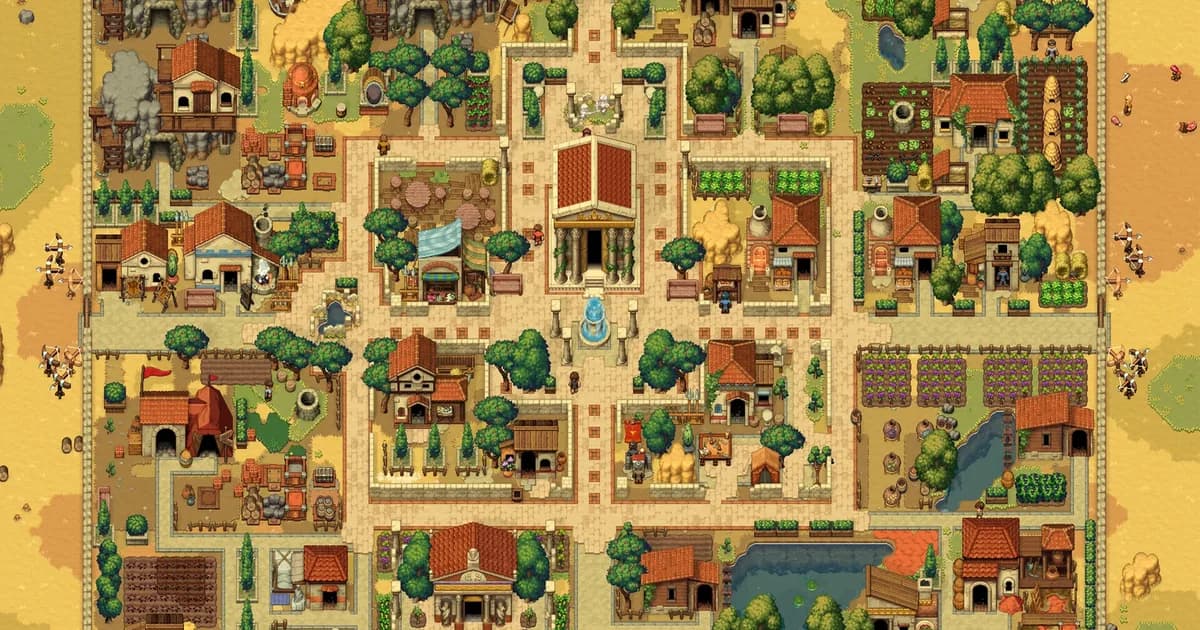
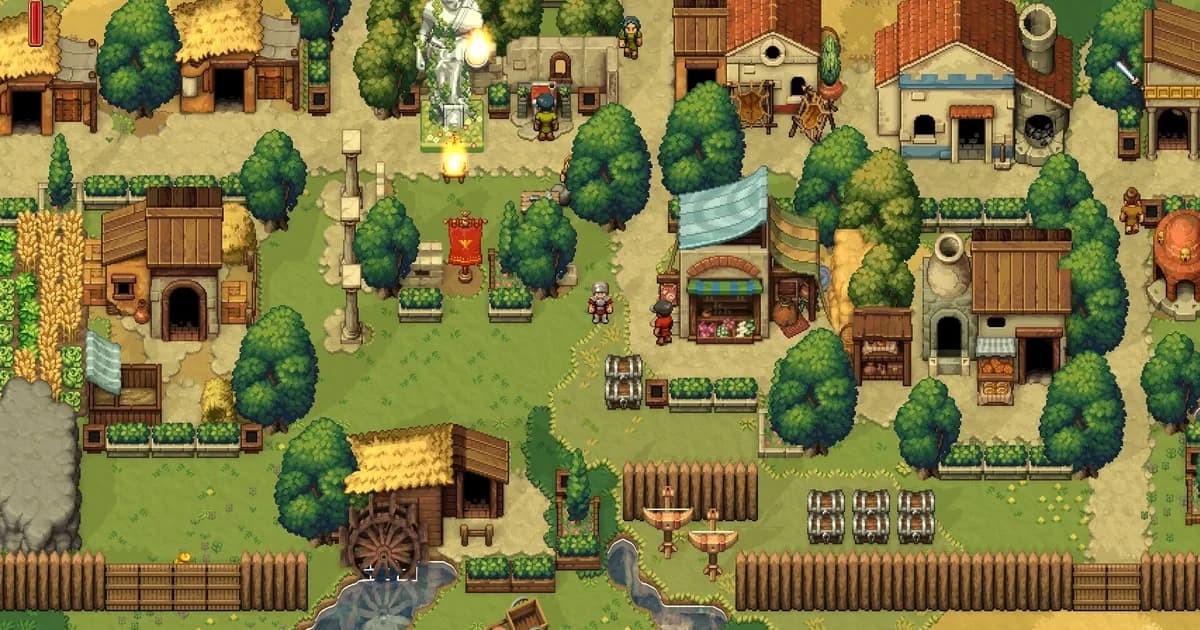
Romestead buildings are the skeleton of your whole settlement, and the order you place them decides whether your first few in-game days are smooth or a famine. This Romestead buildings guide covers the 25 core buildable structures currently documented in the Early Access roster: Town Core, the 20 Buildings entries, and Food Storage, Well, Brick Oven, and Concrete Mixer. It explains what each one does, the build order that keeps villagers fed and alive, and the rule that fixes most early collapses: assign a villager or the building does nothing.
Sponsored

About the game
Romestead
Updated 2026-10-05: The roster now counts Town Core, the 20 current Buildings entries, and four infrastructure structures, while treating Workbench as the construction station.
TL;DR: Romestead has 25 core buildable structures. Place a Workbench and Town Core first, then Food Storage and Farmstead so citizens can eat, followed by the Altar (Workbench plus 3 Stone) for worship and quests. Add the Blacksmith for gear, the Lumber Yard in Forest or Volcanic for wood, the University for research, and the Logistics Tent for hauling. Other structures unlock through quests or University research. Order: feed first, work second, expand third, defend fourth.
Sponsored

What should you build first in Romestead? (quick answer)
Place the Town Core first, then a Workbench, then Food Storage and a Farmstead so your villagers stay fed. Next comes the Altar (just a Workbench and 3 Stone) to unlock worship and quests. Only after food is stable do you add production (Blacksmith, Lumberyard) and then defense (Torches) before the first undead night raid. Feed first, work second, expand third, defend fourth.
Key Takeaways
- 25 core buildable structures are documented in the current Early Access roster: 20 Buildings entries, Town Core, and four infrastructure entries
- Town Core creates the town and opens the overview for citizen assignment and town moves
- Food Storage + Farmstead come early; hunger is the #1 early-game killer
- Altar is cheap (Workbench + 3 Stone) and unlocks worship and quests
- Every production building needs a villager assigned, or it does nothing
- Lumber Yard works in Plains and Forest, with official patch notes adding Volcano placement and coal harvesting; Desert placement is blocked
- Most later-game buildings (Quarry, Market, Sculptor, and more) unlock through a specific quest or University research, not just resources
- Logistics Tent automates resource transfer and repeatable work orders
- Build order rule: feed, work, expand, defend
The core buildings and what they do
These are the buildings that form the spine of any Romestead settlement.
Town Core. Craft it at the Workbench to create a town. It opens the town overview for assigning citizens as workers or moving them between towns.
Workbench. The basic construction station, not one of the 25 structures counted above. It builds the Town Core and other buildings, infrastructure, defense, and decorations; the Carpenter's Workshop later includes a built-in Workbench.
Food Storage. Stores food and makes it available for citizens to eat. Keep it stocked before recruiting more workers, because hungry citizens work more slowly and stop working when Hunger reaches zero.
Farmstead. Houses a farmer who automates nearby crops. It unlocks through Honoring the Soil and costs 7 Lumber plus 5 Stone at the Workbench. Ceres's Watering Farmstead unlock lets a nearby Well support automatic watering, and a rank 5 farmer can harvest Beehives as well as crops.
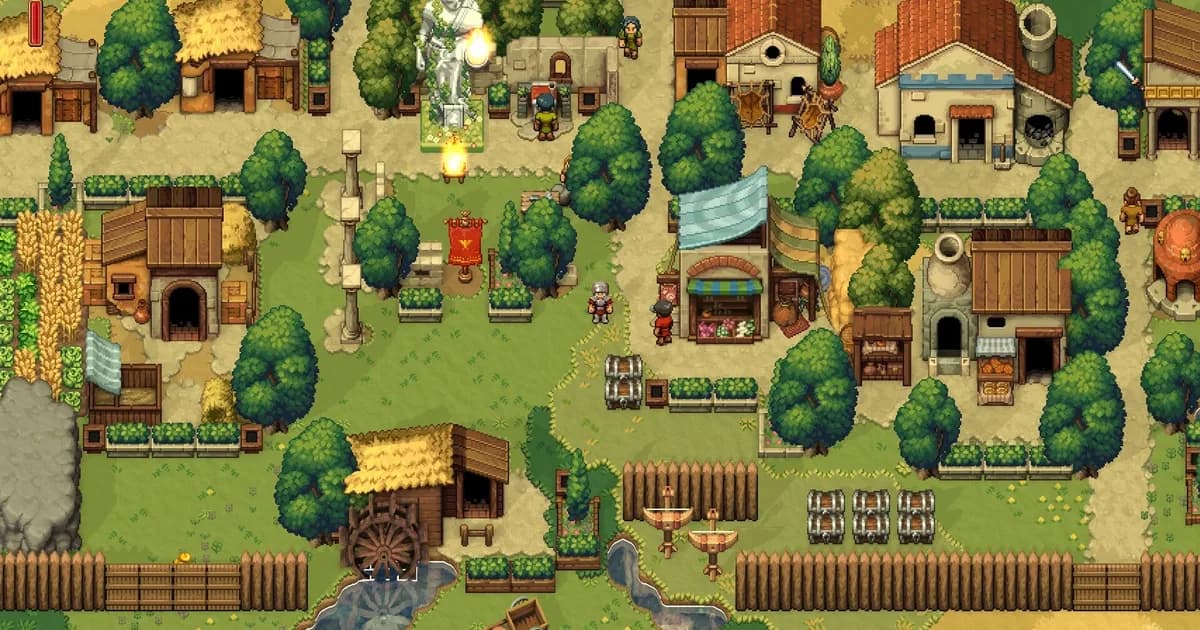
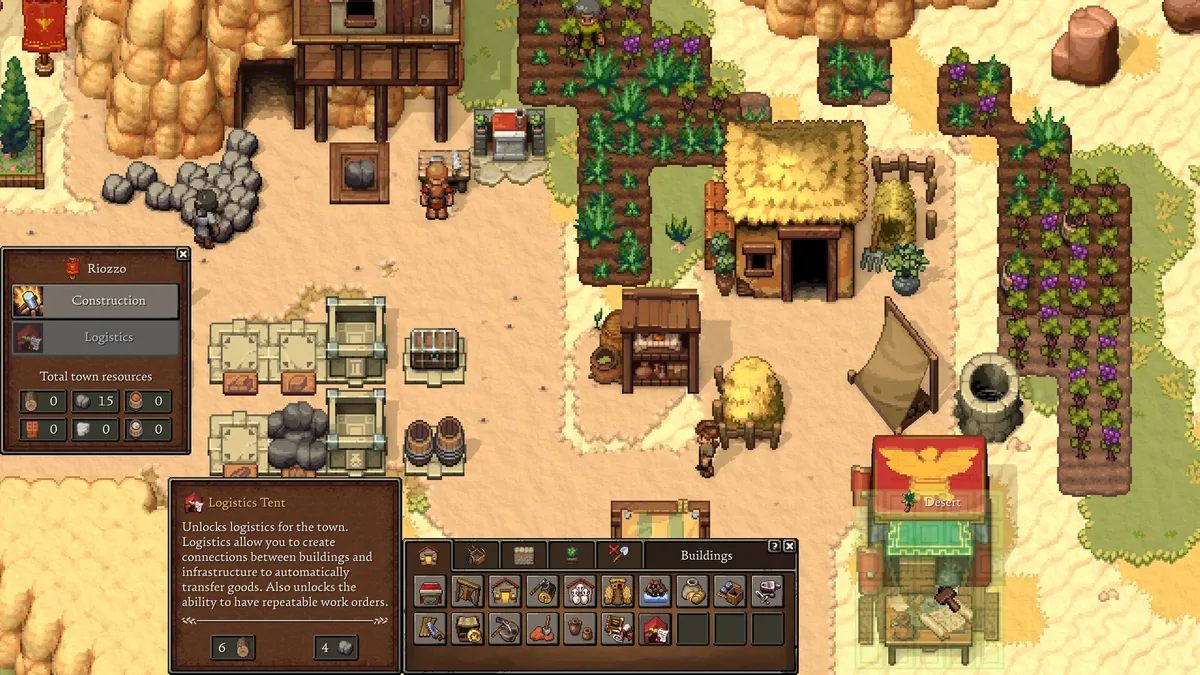 The build menu groups structures by type. The Logistics Tent (shown) automates hauling between buildings once your town grows.
Altar. The worship and quest interface. Its recipe uses a Workbench and 3 Stone. Offerings raise favor and Worship level, while worship trees unlock buildings, buffs, and Blessings. Level 2 Altars can teleport to other level 2 Altars. Our Romestead god system guide covers which god to back first.
Carpenter's Workshop. Upgrades buildings, crafts town materials and furniture, and houses a carpenter who can construct and repair nearby planning buildings, farm plots, walls, and roads. The Autumn Update 0.26.1 added the Repair job. Its new-world content includes more than 20 unique dungeons and more than 70 new Challenge Dungeon rooms; the patch tracker covers the later 0.26.2_3 event and earlier patches.
GODEEPER: A building does nothing without the right person in it. Here is how recruiting and assigning works. Romestead Villagers Guide →
Production and progression buildings
Once food and worship are handled, these buildings drive your power curve.
Blacksmith. Houses a blacksmith who crafts weapons and equipment and includes a furnace for smelting ore. Its first quest unlock is The Giant Owl, and its stronger upgrade supports tougher ore such as Iron. The Romestead biome guide maps which ore comes from which biome.
Lumber Yard. Makes lumber extraction efficient. The wiki lists Plains and Forest, while official 0.22.1_7 notes add Volcano placement and coal harvesting. It cannot be built in the Desert, so stockpile lumber before that phase and resume production in Volcano.
University. Houses a philosopher who researches technologies and creates scrolls. Significant Pursuit unlocks it after the Altar turn-in of 1 Research Paper and 1 Traveler's Coin; construction costs 4 Lumber, 6 Stone, and 8 Brick. The Romestead research papers guide covers the paper requirement.
Logistics Tent. Unlocks logistics for the town: connections between buildings, automated resource transfer, and repeatable work orders. It is a mid-game quality-of-life jump that removes most of the manual hauling a large settlement creates.
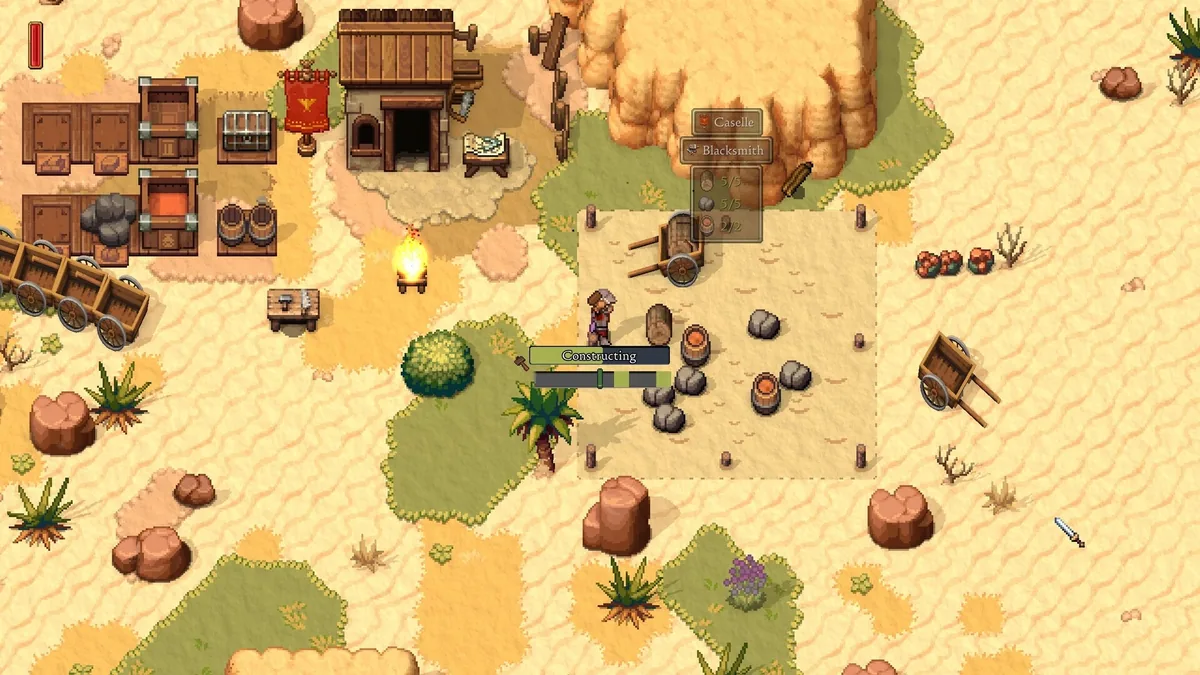 Production buildings only produce when a villager is assigned. Traits (Excited, Focused, Quick, and their negatives) are flat stat bonuses, not job-specific, so there's no dedicated trait to hold out for before assigning someone.
Resource extraction buildings: Quarry, Clay Pit, and Well
Past the core loop, a second wave of buildings unlocks specific resources you need for mid-game upgrades. Most are gated behind a quest rather than just materials, so don't expect to place them the moment you have the Lumber and Stone.
Quarry. A miner assigned here gathers Stone in every listed biome plus the current biome's table: Plains and Forest add Flint Shard, Coal, and Copper Bar; Desert adds Flint Shard, Copper Bar, and Tin Bar; Volcano adds Coal and Iron Bar. It costs 8 Lumber, 6 Stone, and 3 Clay and unlocks after The Copper Consistency.
Clay Pit. Automates clay gathering. A digger's speed scales with humidity and nearby clay tiles, up to a 75% bonus at 15 tiles. In Volcano it harvests Ash instead, which can route through a Logistics Tent to a Concrete Mixer but cannot be stored in Material Storage. It costs 6 Lumber, 10 Stone, and 3 Clay and unlocks through Sanguis Celeste.
Well. A settlement infrastructure structure that provides water via a Bucket, especially useful in Desert and Volcano. If built near a Farmstead, its worker uses it to water the field. The current wiki page does not document a complete unlock requirement here, so check the live construction panel for its cost.
Crafting and processing buildings: Bakery, Pottery, Leatherworker, Sculptor, Brick Oven, Concrete Mixer, and Watermill
These structures process food and materials or make goods for building, combat, and trade. The current roster includes the named buildings below.
Bakery. Houses a baker who turns grain into bread, and later honey and more complex dishes as job rank increases. Costs 5 Lumber, 2 Stone, and 3 Clay, unlocked through the "Fruits of the Harvest" quest. The baker's rank caps at 2 until you hit the Ceres Bakery Level 2 worship milestone, then climbs to 7.
Pottery. A potter produces ceramic furniture and throwable pots, including Empty Pots used by potion recipes. It costs 3 Lumber, 3 Stone, and 4 Clay and unlocks through Declaration of War.
Leatherworker. Turns leather and hides into gear. The base recipe is 5 Lumber and 5 Stone; its Level 2 upgrade costs 3 Lumber, 4 Stone, 2 Clay, and 5 Brick and uses Hunting Armaments to raise the job cap to 7.
Sculptor. A workshop for statues and stone fences, carved from stone and marble. Costs 8 Lumber and 6 Stone, and unlike most of this list it isn't quest-gated: you unlock it at the University for 30 Research Papers, the same price as the Trading Post below.
Brick Oven. Combines Clay with any fuel to produce Brick, the material several mid-game upgrades need (the Insula's Level 2 housing upgrade included). Costs 8 Stone and 6 Clay, unlocked through the "Virgil's Poem" quest, and automates fully once a Logistics Tent is present.
Concrete Mixer. Turns Volcanic Ash, Clay, and water into Concrete. A Logistics Tent can automate the ash and clay inputs, but the wiki notes you still have to pour the water in yourself. Costs 8 Lumber and 6 Stone, and it's a University unlock for 20 Research Papers, cheaper than the Sculptor or Trading Post.
Watermill. Automates grinding flour, grape paste, and olive paste. A 4x2 portion must sit in water, and the building has north, south, east, and west wheel variants. It costs 8 Lumber and 6 Stone and unlocks through Honoring the Craft.
Trade, storage, and housing buildings
The last six buildings round out trade, storage, housing, and late progression.
Market. Houses a merchant who sells biome-specific goods and buys back whatever adventurers don't need. Costs 8 Lumber, 6 Stone, and 2 Clay, unlocked via the "Art of Trade" quest, the same quest chain that leads into the University's "Significant Pursuit" prerequisite mentioned above.
Trading Post. Houses a Carrier who moves resources and items between two towns. Both towns need a Trading Post, and one side needs a Carrier; routes use goods from Material Storage. It costs 8 Lumber and 6 Stone and unlocks from the University for 30 Research Papers. Our Romestead trading post guide covers route setup.
Material Storage. A 50-slot chest for general resources and items, separate from Food Storage. It is required for structures including Carpenter's Workshop, Pottery, Trading Post, and Sculptor, and Logistics can use it as a storage hub. The recipe is 8 Lumber and 1 Clay.
Empty House. Your player home, furnishable and decoratable, and cheap at 2 Lumber and 2 Stone from the Workbench. Upgrading it increases your living space, though the wiki doesn't list exact numbers for how much.
Insula. Housing for citizens who aren't assigned anywhere yet; new recruits and transfers land here first if there's room. It starts at 3 citizen slots and expands to 6 at Level 2 for 4 Brick after Virgil's Poem, the same quest that unlocks the Brick Oven above.
Temple. Temple is the twentieth entry in the current Buildings list and is unlocked through Minerva's late progression, including the Man of Steel reward page. The current wiki documents the name and unlock, but not a complete operating explanation or base recipe, so this guide does not guess at those details.
GODEEPER: With 25 structures to manage, which of the eight starting classes actually belongs where? Romestead Professions: All 8 Starting Classes Ranked →
Defense: Torches and night raids
Romestead runs a day/night cycle, and night brings undead raids. Torches form a light network that defends your settlement after dark. Defense is fourth in the build order on purpose: a town with no food and a perfect wall of Torches still collapses. Get food and production stable, then ring your settlement with light before the first major raid. Our Romestead night raid defense guide covers Torch placement and raid timing in detail.
The Automatic Scorpio is a defensive construction that fires on enemies automatically when supplied with arrows. The current Items list separates defensive constructions from the 20 Buildings entries, so Torches and Automatic Scorpio sit outside the 25-structure roster above.
Step-by-Step: the rule that prevents collapse
The whole system comes down to one priority chain: feed people first, assign work second, expand third, defend fourth.
- Feed. Town Core, Workbench, Food Storage, Farmstead. Nobody works hungry.
- Work. Assign villagers, add the Altar, then the Blacksmith and Lumberyard.
- Expand. University, Logistics Tent, and a second settlement once you have teleport.
- Defend. Torches before the first night raid escalates.
The most common new-player mistake is rushing production or defense before food is stable. A starving settlement loses villagers, and a settlement with no villagers has no production no matter how many buildings you placed.
Building placement: where each structure goes
Order matters, but so does where you drop each building. Placement is the difference between a town that runs itself and one you constantly micromanage.
Keep Food Storage stocked. Citizens consume food from it, and hunger reduces efficiency before stopping work at zero Hunger. Put it where your hauling routes remain short.
Place Farmstead near the crops. The authoritative page confirms nearby-crop automation but does not document a fixed tile footprint. Keep the fields close, assign a farmer, and use a nearby Well after unlocking Ceres's Watering Farmstead.
Cluster production near its resources. A Blacksmith wants to be close to where ore and fuel arrive, and a Lumber Yard can sit in Plains, Forest, or Volcano but not Desert. Short hauling routes keep villagers working instead of walking. The Logistics Tent later connects buildings and automates transfer.
Ring the perimeter with Torches. Defense buildings belong on the edges where night raids hit, not in the center. Lay your Torch network around the settlement's outer ring so the light covers approach lanes before the first undead wave arrives.
Plan the layout once, early, with room to expand. Retrofitting a cramped town after you have twenty villagers is far more painful than leaving lanes open from day one.
Farmstead: crop layout and scaling
The Farmstead automates nearby crop work when a farmer is assigned. The current page does not document a fixed tile footprint, citizen food capacity, or a special farming Trait, so plan around proximity and staffing rather than an unverified range or worker bonus.
With Ceres's Watering Farmstead unlock, a nearby Well lets the farmer water farmland automatically. At rank 5, the Farmer can also harvest Beehives. Keep Food Storage stocked because citizens consume from it and hunger affects work efficiency.
Citizen Traits are flat stat modifiers in the current roster. Assign an available citizen and prioritize staffing the Farmstead over waiting for a job-specific Trait.
Tips: common building mistakes
- Leaving Food Storage empty. Citizens need food available there to avoid hunger penalties.
- Building production with no one to work it. Assign a villager or it sits idle.
- Under-building the Lumber Yard before entering the Desert. Desert placement is blocked, though Volcano placement is available.
- Skipping the Altar early. It is cheap (3 Stone) and unlocks worship plus quests.
- Defending before feeding. Torches do not matter if your town is starving.
GODEEPER: Want the wider strategy before you place a single building? Romestead Complete Guide →
Related Reading
- Romestead Villagers Guide: how to recruit citizens and assign them to these buildings.
- Romestead God System Guide: the Altar, worship, and which god to back first.
- Romestead Biome Guide: which ore and resources each biome supplies your buildings.
- Romestead Complete Guide: the full reference for every system.
- Romestead Bosses: All 5 Bosses and How to Beat Them: Romestead bosses guide: all 5 bosses ranked by order, from the Guardian of Minerva to.
- Romestead Review: Roman Survival That Earns the Raid: Romestead review: Beartwigs' Roman survival town-builder: undead night raids, god system tech trees, and 1-8.
- Romestead Trading Post: Logistics and Routes Guide 2026: Romestead trading post unlocks via the University.
- Romestead Professions: All 8 Starting Classes Ranked: Romestead professions guide: all 8 starting classes ranked, what each gives at creation, and why.
Frequently Asked Questions
How many buildings are in Romestead? 25 core buildable structures are covered here: Town Core, the 20 current Buildings entries, and Food Storage, Well, Brick Oven, and Concrete Mixer. Workbench is the construction station, not part of that count.
What should you build first? Town Core, Workbench, Food Storage, and a Farmstead, then the Altar. Feed first, work second, expand third, defend fourth.
What does the Town Core do? It creates the town and opens the settlement overview for citizen assignment and town moves.
How does the Farmstead work? It houses a farmer who automates nearby crops. Ceres's Watering Farmstead unlock plus a nearby Well enables automatic watering.
Do buildings work without villagers? No. Production buildings need an assigned citizen, ideally with a matching Trait.
Where can the Lumberyard go? Plains and Forest are listed by the current wiki, and official 0.22.1_7 notes add Volcano placement and coal harvesting. Desert placement is blocked.
References
Was this guide helpful?
About the author

Systems & Economy Desk
GameBrief's byline for roguelikes, strategy and simulation. Reads patch notes, wiki tables and Steam stats and puts the numbers on the page.
- Roguelikes, strategy and simulation
- Builds, progression and economy
- Sources listed per article
Keep reading
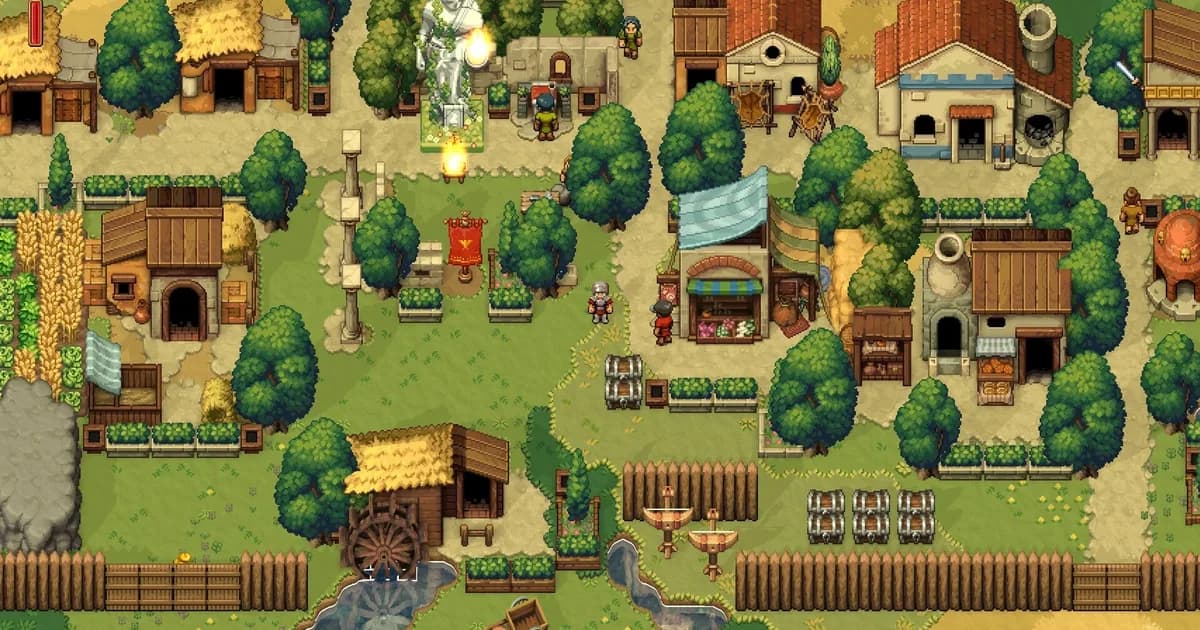
Romestead Villagers Guide: Recruit, Assign & Keep Happy
General · 9 min
Romestead Iron: Where to Find It and How to Farm It
Guides · 8 min
Romestead Roadmap 2026: What Beartwigs Has Confirmed
General · 7 min
Romestead Bosses: All 5 Bosses and How to Beat Them
General · 9 min
Romestead Tips: 12 Things to Know Before Your First Night
General · 8 min
Romestead Professions: All 8 Starting Classes Ranked
General · 9 min
Sponsored
Disclaimer
This article is published for informational and entertainment purposes. It does not constitute professional financial, legal, or technical advice. Game performance, online services, patch schedules, and store listings change. Verify critical details (pricing, system requirements, regional availability) with publishers and storefronts before you buy. Affiliate links, where present, help support our editorial work and are labelled in our affiliate disclosure.
Comments
Loading comments…