
GuideRomestead
Romestead Villagers Guide: Recruit, Assign & Keep Happy
Romestead villagers are the difference between a settlement full of buildings and a settlement that actually produces anything. You can place a perfect grid of structures, but until real citizens are living in your town and assigned to jobs, almost nothing happens. This Romestead villagers guide covers where to find citizens, how to assign them so they produce, and the Trait system that turns a random worker into a happy, efficient one.
Sponsored

About the game
Romestead
Updated 2026-10-05: Rechecked the citizen roster, housing rules, traits, and management flow against the current Romestead wiki.
TL;DR: Recruit citizens by exploring the wilds to find lost Romans and by clearing Challenge Dungeons, then bring them home and assign them at the Town Core, provided you have a free housing spot (crafting buildings house 1 citizen, an Insula houses 3). A building does nothing without an assigned villager. Citizens carry Traits, positive ones like Excited, Focused, and Quick, negative ones like Sloppy or Unfocused, confirmed against the Romestead Wiki's own Traits page. Keep everyone fed and housed first, because losing either makes citizens leave outright.
Sponsored

How do you recruit villagers in Romestead? (quick answer)
You recruit citizens by exploring the map for survivors in camps, outposts, ruins, wandering groups, and cages, then bringing them back to your settlement. You also rescue survivors at the end of Challenge Dungeons. Nobody joins automatically; population growth comes from exploration and dungeon-running. Once home, you manage assignments at the Town Core.
Key Takeaways
- Recruit by exploring the wilds for lost Romans and clearing Challenge Dungeons
- The Town Core is where you manage citizens after bringing a survivor home
- Recruiting needs a free housing spot: crafting buildings house 1 citizen, an Insula houses 3
- A building produces nothing until a villager is assigned to it
- Citizens carry Traits: 5 positive (Excited, Focused, Impressionable, Meticulous, Quick) and 6 negative (Depressed, Disloyal, Gluttonous, Sloppy, Tentative, Unfocused), confirmed against the Romestead Wiki
- Feed and house first: losing either makes a citizen leave outright, which matters more than any single Trait
- Population grows from exploration, not from a build menu
Where to find and recruit citizens
Romestead does not hand you villagers. You earn them by going out and finding them.
Lost Romans in the wilds. Scattered across the biomes are lost Romans sheltering out in the world. Exploring is how you find most of your population, which ties your settlement growth directly to how much of the map you have pushed into. Every new area you clear is a chance to bring more citizens home.
Challenge Dungeons. You also rescue survivors at the end of Challenge Dungeons. These reward the combat and exploration side of the game with new workers, so dungeon-running is not just about loot, it is about staffing your town.
Once you find a survivor, bring them back to the settlement. From there, the Town Core is your management hub for assignments and the settlement overview. One requirement that trips up new players: you need a free housing spot before a recruit will actually join. Crafting buildings like the Lumberyard or Leatherworker house 1 citizen each, while an Insula houses 3, so if recruiting seems to be failing silently, check whether you have room before assuming something is bugged. For the wider early-game flow that gets you exploring safely, our Romestead survival tips guide covers the first-hours priorities.
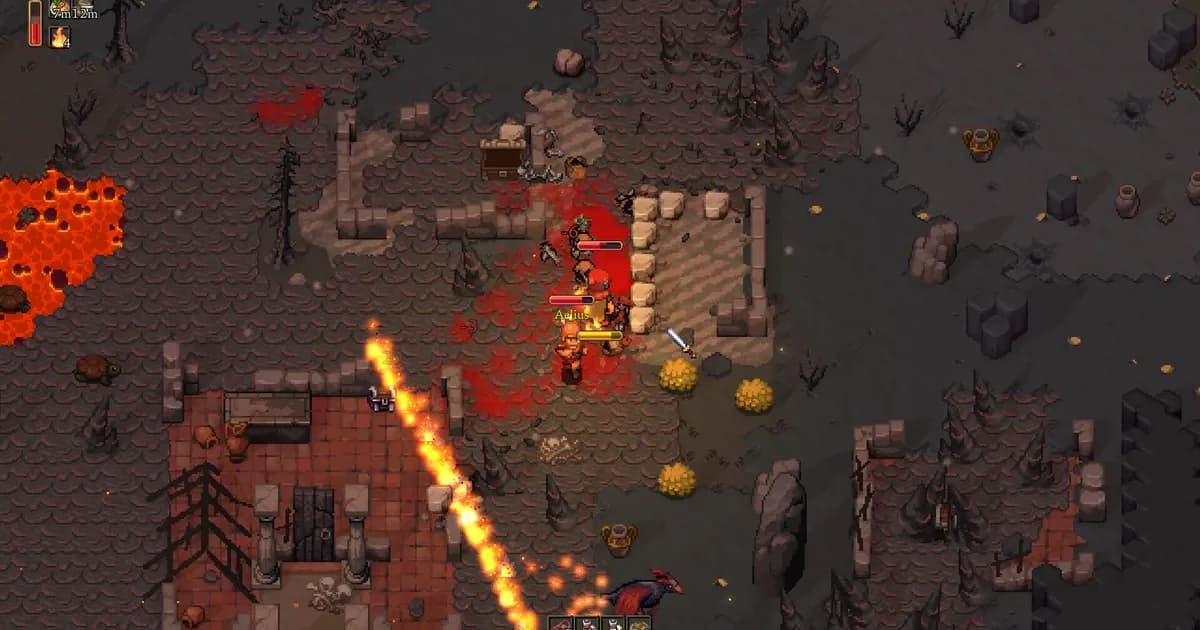
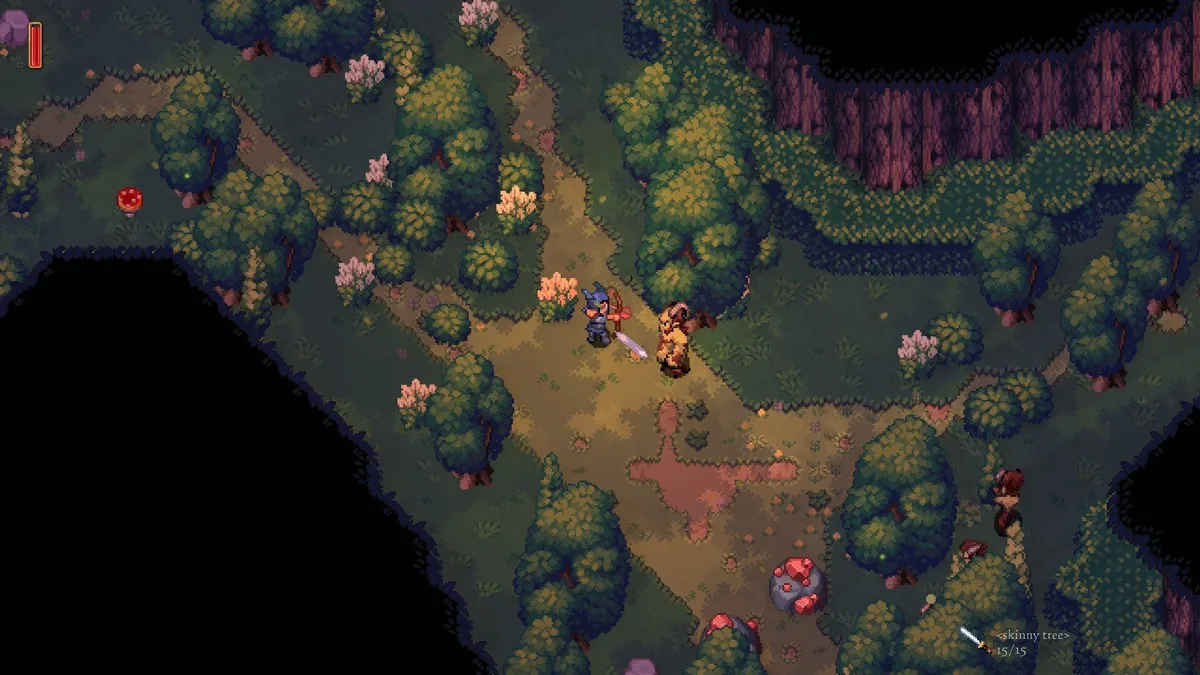 A forest encounter on the route through Romestead's wilds. The screenshot shows exploration and combat, not the recruitment interaction itself.
Assigning villagers: the rule that makes buildings work
Here is the single most important thing new players miss: a finished workplace does nothing until you assign a citizen to it. You can build a Blacksmith, a Farmstead, and a Lumberyard, and if no one is assigned, they all sit idle producing zero.
Assignment is simple. Open the Town Core or the building, put a citizen in the job, and make sure that villager is fed. An unassigned building or a starving worker both mean no output. If you are ever wondering why your settlement feels stuck, the answer is almost always an empty job slot. For what each building actually produces once staffed, see our Romestead buildings guide.
GODEEPER: Not sure which buildings to put your new citizens in first? Romestead Buildings Guide →
Traits: what they actually do
Assigning is step one. Knowing which citizens are worth prioritizing is what separates a thriving town from a barely-functioning one.
Each citizen carries Traits, personality modifiers confirmed against the Romestead Wiki's own dedicated Traits page. Five are positive: Excited (+3 Happiness), Focused (+30% Experience gain), Impressionable (+30% Loyalty gain), Meticulous (+3 Expertise), and Quick (+4 Efficiency). Six are negative: Depressed, Disloyal, Gluttonous, Sloppy, Tentative, and Unfocused, and the wiki notes that negative Traits only start appearing on citizens who already carry a positive one. These are inherent stat modifiers a citizen brings with them, not something tied to a specific building or job type.
The practical takeaway: when you're deciding which of several recruits to bring home first, or which citizen to reassign during a shortage, check their Traits. A citizen carrying Quick and Meticulous is a stronger addition than one carrying Sloppy or Tentative, regardless of which job you eventually give them. Traits are a reason to prioritize one recruit over another, not a puzzle to solve by matching a Trait name to a building name.
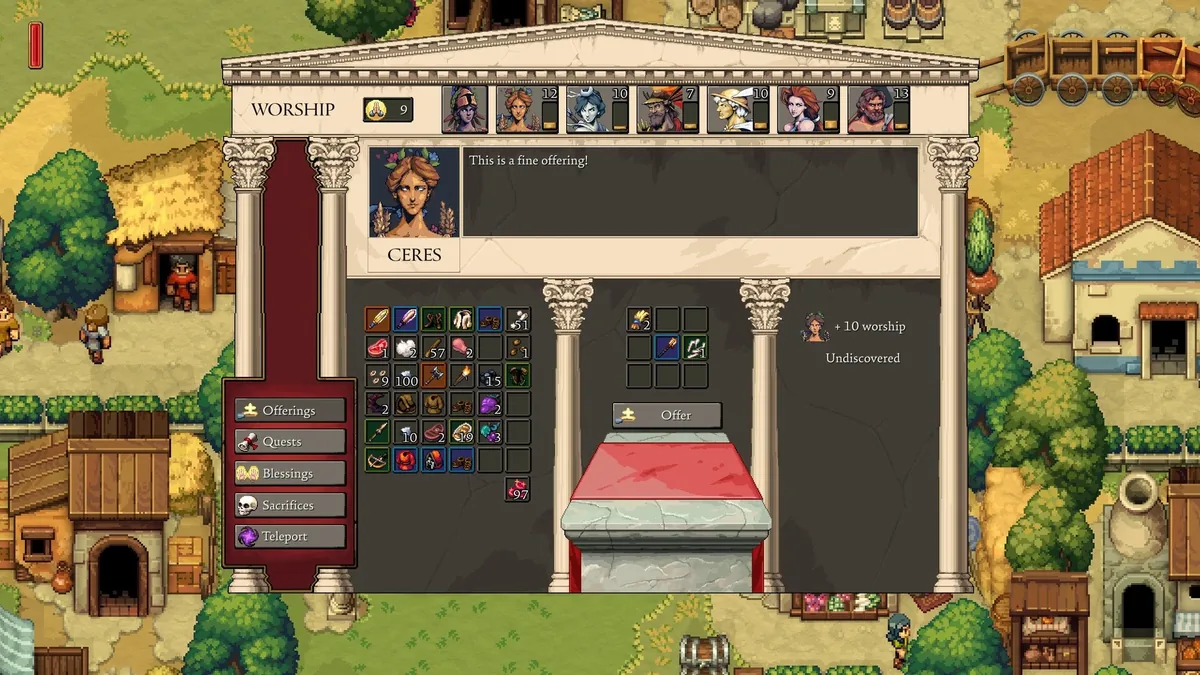 Your recruited citizens show across the top of menus. Each one carries Traits that decide which jobs make them happiest and most productive.
Keeping villagers happy and fed
Happiness in Romestead has a clear hierarchy, and it starts with the stomach.
Feed and house them first. Hunger drags down happiness and productivity, and the wiki is explicit that losing access to food OR shelter is what actually makes a citizen leave your settlement, not just a happiness dip. That is why a centrally placed Food Storage, a working Farmstead, and enough housing capacity come before almost everything else.
Then let their Traits do the rest. A citizen with a positive Trait like Excited already carries a flat happiness bonus. The correct settlement logic is the same one that governs building order: feed and house people first, assign work second, expand third, defend fourth. Villagers sit at the center of that chain because they are what every building depends on.
If your town is drifting toward unhappiness, check the basics in order: is everyone fed, is everyone housed, and is everyone assigned to a job. Fixing those three almost always turns a struggling settlement around.
Managing a growing population
Recruiting is only half the job. As your settlement grows, the challenge shifts from finding citizens to keeping a larger group balanced, and the math gets unforgiving if you ignore it.
Food has to scale with population. Every villager you bring home is another mouth, so a Farmstead and Food Storage that fed five citizens will not feed fifteen. Grow your food production before your next recruiting run, not after. A wave of new arrivals with no extra food just spreads the hunger around and drags down everyone's happiness at once.
Balance workers against producers. It is tempting to assign every citizen to a high-value job like the Blacksmith, but someone has to farm, haul, and maintain the basics. A settlement that is all smiths and no farmers starves while holding a pile of weapons. Spread assignments so the foundation keeps pace with the ambition.
Check Traits before you assign anyone. When you recruit several citizens at once, don't slot them in order of arrival. A citizen carrying Quick or Meticulous is worth prioritizing into whatever role you need most urgently, while one carrying Sloppy or Disloyal is worth keeping an eye on. Traits are a reason to pick this citizen over that one, not a lock-and-key system tied to a specific building.
Use Challenge Dungeons as a staffing pipeline. Because dungeon clears reward survivors, a population shortage is often best fixed by running a dungeon rather than wandering the map. Treat combat runs as recruitment, not just loot trips.
Handled well, population growth compounds: more fed, trait-matched, happy villagers means more output, which funds more food and defense, which supports more villagers.
GODEEPER: Traits are one layer of a citizen's value; the profession you start or recruit them into is a separate system entirely. Romestead Professions: All 8 Starting Classes Ranked →
Step-by-Step: Recruiting and Assigning a Villager
1. Find a citizen in the wilds or a dungeon: explore the map for lost Romans sheltering in the biomes, or clear a Challenge Dungeon for a rescued survivor.
2. Check your housing capacity: a citizen needs a free spot to join. Crafting buildings like the Lumberyard house 1 citizen each, and an Insula houses 3.
3. Bring them home and manage them at the Town Core: this is where you handle settlement assignments after recruitment.
4. Assign them to a finished building: an unassigned citizen produces nothing, so put them into an open job slot right away.
5. Keep them fed and housed: losing access to either makes a citizen leave outright, which is the single fastest way to lose population.
Tips: common villager mistakes
- Expecting villagers to spawn. They do not. Explore the wilds and clear Challenge Dungeons to find them.
- Building without staffing. An unassigned building produces nothing. Fill the slot.
- Forgetting housing capacity. Recruiting needs a free spot; crafting buildings house 1, an Insula houses 3.
- Letting food or shelter slide. Losing either makes a citizen leave outright, not just get unhappy.
- Forgetting your dungeon rescues. Clearing a Challenge Dungeon can hand you a new worker, not just loot.
Related Reading
- Romestead Buildings Guide: every building and which villager to assign to each.
- Romestead Survival Tips: the first-hours priorities that keep your settlement alive.
- Romestead Professions Guide: the starting classes you bring into the settlement.
- Romestead Complete Guide: the full reference for every system.
- Romestead Trading Post: Logistics and Routes Guide 2026: Romestead trading post unlocks via the University.
- Romestead Bosses: All 5 Bosses and How to Beat Them: Romestead bosses guide: all 5 bosses ranked by order, from the Guardian of Minerva to.
- Romestead Roadmap 2026: What Beartwigs Has Confirmed: Romestead roadmap 2026: one more biome is confirmed for a winter release, still unnamed, plus everything else Beartwigs said.
- Romestead Review: Roman Survival That Earns the Raid: Romestead review: Beartwigs' Roman survival town-builder: undead night raids, god system tech trees, and 1-8.
Frequently Asked Questions
How do you recruit villagers? Explore the world for survivors and rescue citizens from Challenge Dungeons, then bring them home and manage their assignments at the Town Core.
How do you assign villagers? Put a citizen into a finished building with a free housing spot. Buildings do nothing unassigned, and recruiting needs housing capacity first.
What are Traits? Personality modifiers confirmed against the Romestead Wiki: 5 positive (Excited, Focused, Impressionable, Meticulous, Quick) and 6 negative (Depressed, Disloyal, Gluttonous, Sloppy, Tentative, Unfocused).
How do you keep villagers happy? Feed and house them first. Losing access to either makes a citizen leave outright, which matters more than any single Trait.
Where do you find lost Romans? Sheltering in the wilds across the biomes, and at the end of Challenge Dungeons.
References
- Romestead on Steam
- Citizens (Romestead Wiki): primary source for survivor locations, housing requirements, and the confirmed Trait list.
- Romestead all buildings and villagers guide (KosGames)
Was this guide helpful?
About the author

Indie & JRPG Desk
GameBrief's byline for indie, JRPG, visual novel and cozy games. Warm, direct, and willing to say which one to buy.
- Indie, JRPG and visual novels
- Early access and survival
- Sources listed per article
Keep reading
Romestead Buildings Guide: All 25 Buildings & Build Order
General · 17 min
Romestead Iron: Where to Find It and How to Farm It
Guides · 8 min
Romestead Roadmap 2026: What Beartwigs Has Confirmed
General · 7 min
Romestead Bosses: All 5 Bosses and How to Beat Them
General · 9 min

Romestead Tips: 12 Things to Know Before Your First Night
General · 8 min
Romestead Professions: All 8 Starting Classes Ranked
General · 9 min
Sponsored
Disclaimer
This article is published for informational and entertainment purposes. It does not constitute professional financial, legal, or technical advice. Game performance, online services, patch schedules, and store listings change. Verify critical details (pricing, system requirements, regional availability) with publishers and storefronts before you buy. Affiliate links, where present, help support our editorial work and are labelled in our affiliate disclosure.
Comments
Loading comments…