
Complete guideRomestead
Romestead Wiki 2026: All Biomes, Gods, Raids and Co-op Guide
Romestead wiki: Roman survival builder for 1-8 players with 4 biomes, 5 named bosses, plus the Mundus Cerialis event. Hub: gods, buildings, raids, co-op.
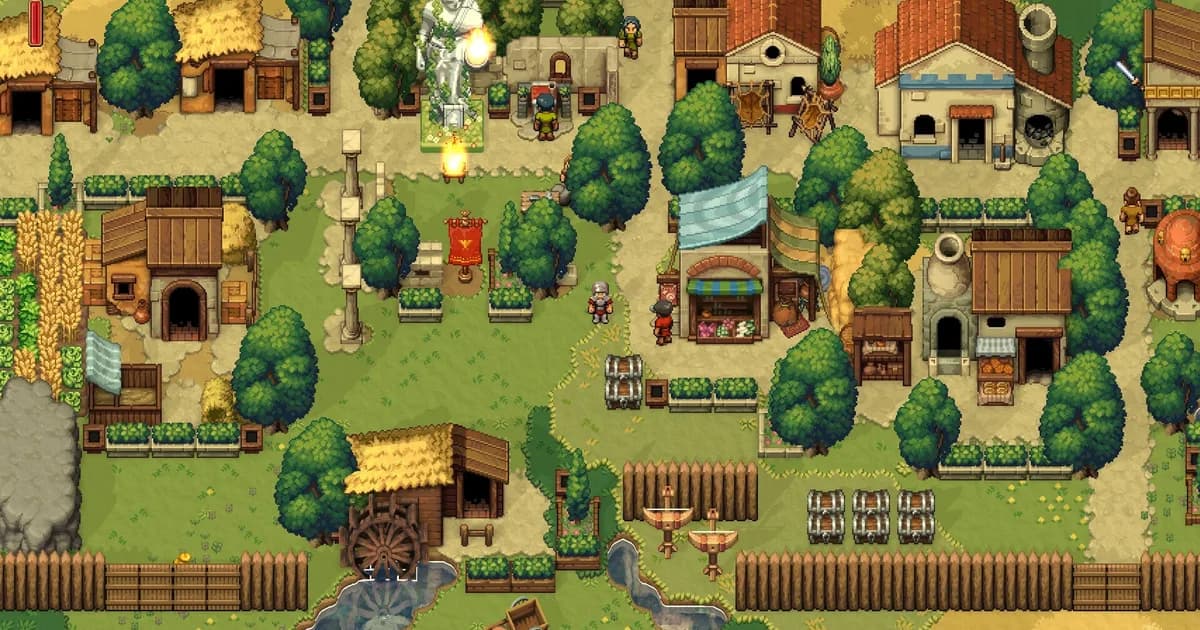
This Romestead wiki covers every guide for the current Early Access build. Romestead is a 1-8 player Roman survival settlement builder from Beartwigs, published by Three Friends. It launched on Steam Early Access May 25, 2026, with 250,000+ wishlists at launch and a sharp mechanical hook: your progression is a theology argument. The gods you restore first determine what buildings you can construct, what gear you can craft, and what combat tools your settlement develops.
Sponsored

About the game
Romestead
Updated 2026-10-05: Steam now lists 5,172 all-language reviews, the Lumber Yard is documented as usable in Forest and Volcanic but not Desert, and the olive-oil route is presented as one tested option rather than a universal best.
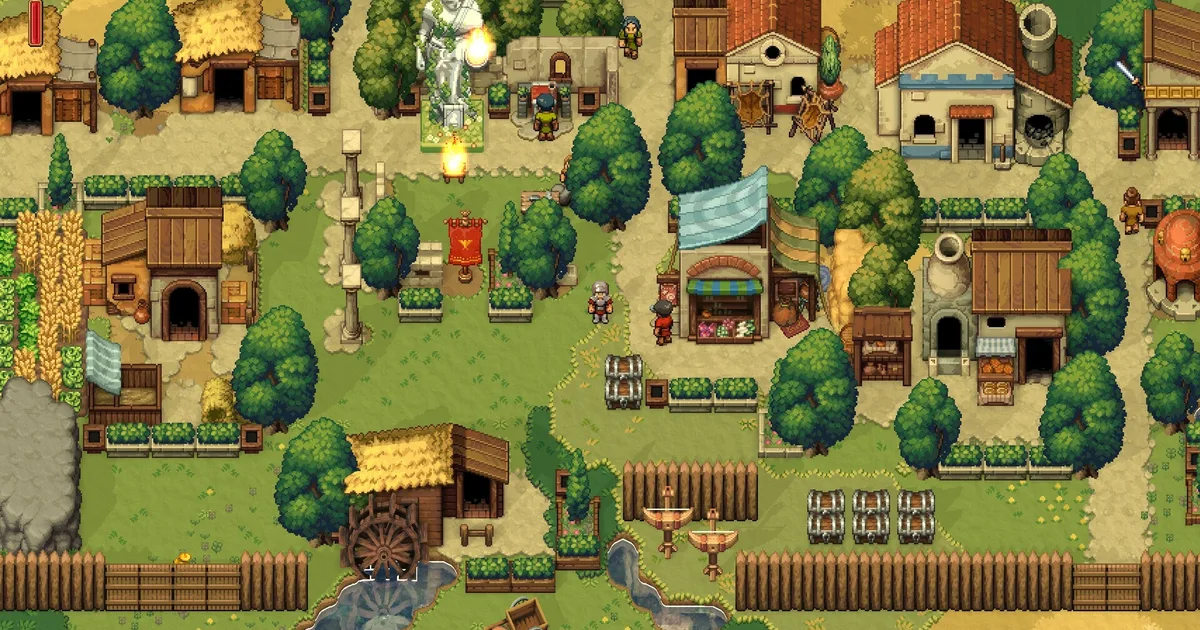
The core Early Access progression has 4 biomes, 7 Roman gods, and 5 named bosses. Patch 0.26.2_3 also adds one unnamed boss fight for the Mundus Cerialis event, so the reference tables below keep the named roster separate from that event addition.
TL;DR: Romestead is $11.19 on Steam EA after a 20% discount in the October 5 snapshot. Solo is harder than co-op. The god you invest in after Minerva defines your run. The fallen always target your Blacksmith first. Torch coverage before walls is the single most important first-night decision.
Sponsored

Current status: October 2026
Romestead is on the 0.26.2_3 patch line after the Mundus Cerialis seasonal event shipped. The Mundus Cerialis event update records four equipment items, one boss fight, and a new enemy variant; the official notes do not name the items, boss, or rewards. The live Steam snapshot checked on October 5 lists $11.19 after a 20% discount and Mostly Positive across 5,172 total reviews. The official Autumn Update on August 31 added controller and Steam Input support, 20+ unique dungeons, and 70+ Challenge Dungeon rooms; the September 4 v0.26.1_6 hotfix then added UI-width and credits fixes, Deposit All for Food Storage, and dungeon-entrance fixes. Beartwigs also reported 500,000 players on September 2 and teased a larger update with a new biome, enemies, equipment, treasures, buildings, and bosses. The new dungeon content is tied to a new-world recommendation, so treat the four-biome, five-named-boss, seven-god overview below as the current core roster while expecting dungeon routes and quality-of-life details to move faster than the main progression tables.
What makes Romestead different from other survival builders
Most survival builders gate your progress through crafting tiers. Romestead uses a theology system instead. You don't unlock the Blacksmith by gathering enough iron. You unlock it by defeating the Guardian of Minerva, who drops divine knowledge that advances Minerva's worship tree at the Altar. Your tech tree is your relationship with Roman gods.
This creates a strategic layer most survival games don't have. Before your first night, you need to decide which god to start investing in after Minerva (who is always first). That decision gates which buildings come online, which combat tools you develop, and which armor tiers become available. A group that invests in Ceres first gets Farmsteads and Bakeries early, and the Ceres Blessing adds 25% Health to the whole party. A group that invests in Mars first gets military structures and the 10% melee bonus Blessing. You can't do both equally. Only one Blessing is active at a time.
The result is that every Romestead run has a different identity depending on your god investment order. Two settlements starting on the same day can look completely different by day 3.
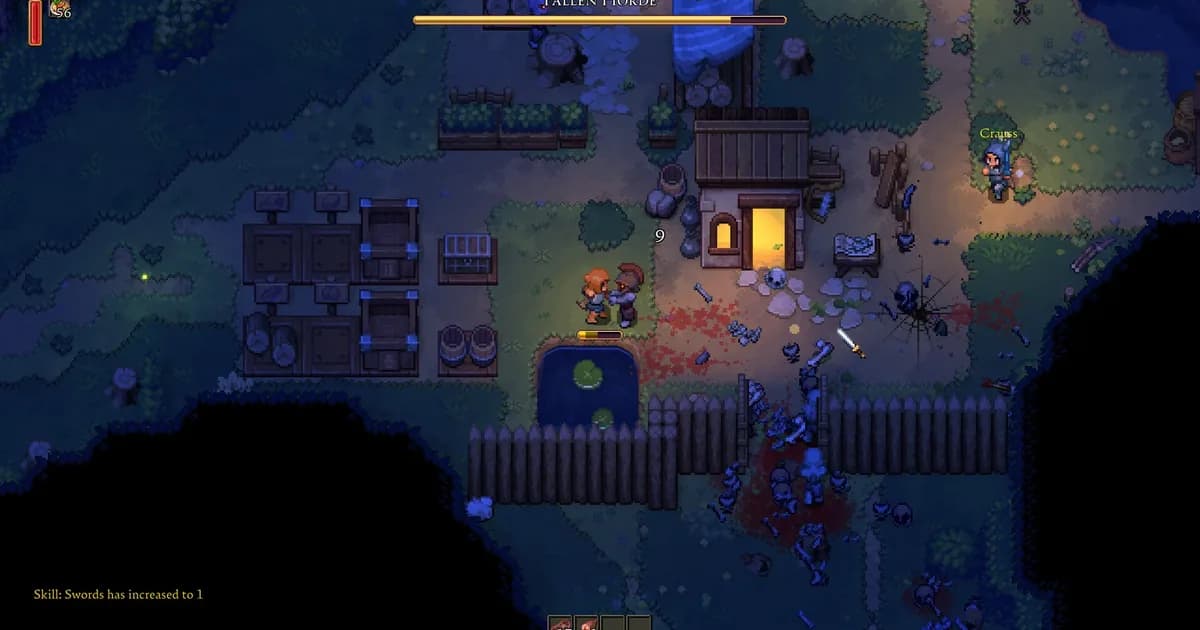
The other mechanical hook is the undead AI. Romestead's fallen (the undead faction) don't cluster at your gate or hammer at your walls randomly. They navigate toward your production buildings, with the Blacksmith as the highest-priority target. If your Blacksmith falls, all metalwork stops. The game's entire night defense design flows from this: you're not building a perimeter, you're building a shield around your Blacksmith specifically.
Key takeaways
- Developer: Beartwigs (Swedish indie). Publisher: Three Friends (veterans from Minecraft and Valheim, which just dated its own 1.0 for September 9)
- Released Steam Early Access: May 25, 2026. Price: $11.19 after a 20% discount in the October 5 snapshot; regular price $13.99
- 1-8 players with difficulty scaling. Solo is harder; two players naturally split builder and fighter roles
- 4 biomes in EA: Plains (starting), Forest, Desert, Volcanic. One more unnamed biome teased for a winter release, no total count confirmed
- 7 Roman gods: worship through Altar offerings and gameplay-earned Favor Points
- 5 named bosses in the core EA progression: Guardian of Minerva (Plains, 225 HP, first), Pyzifax (Desert, 500 HP, optional), The Eye / Cyclops (Desert, 10,000 HP, mandatory), Great Phoenix of Arabia (Volcanic, 1,200 HP), and the Talos Prototype (Volcanic, 1,800 HP, endgame); patch 0.26.2_3 adds one unnamed event boss fight
- Mundus Cerialis is live in 0.26.2_3, with four equipment items, one boss fight, and a new enemy variant; the official notes do not publish the item or reward names
- The fallen (undead) target your Blacksmith first, not your perimeter walls
- Lumberyard works in Forest and Volcanic biomes; cannot be placed in Desert
- Romestead Professions: All 8 Starting Classes Ranked: Romestead professions guide: all 8 starting classes ranked, what each gives at creation, and why...
- Romestead Tips: 12 Things to Know Before Your First Night: Romestead tips for Early Access: physical resource carts, divine offerings priority, night defense prep, and...
- Romestead Weapons Tier List: All 8 Weapon Types Ranked: Romestead weapons tier list has 8 confirmed types, wiki verified.
- 10 Best Romestead Mods for Version 0.26.2_3 (2026): 10 best Romestead mods for 2026, verified on their Thunderstore pages and checked against version 0.26.2_3 for storage, logistics, raids, and more.
Quick reference: biomes, bosses and gods
The fast version of the whole Early Access build, for when you just need the numbers.
The table below lists the five named bosses in the core progression. Patch 0.26.2_3 also adds one unnamed Mundus Cerialis boss fight, but the official notes do not identify it.
The 4 biomes (in order)
| Biome | Key resource | Boss |
|---|---|---|
| Plains | Stone, Flint | Guardian of Minerva (225 HP) |
| Forest | Lumber (Lumberyard, also works in Volcanic) | none required |
| Desert | Copper, Tin (combine for Bronze) | The Eye / Cyclops (10,000 HP); Pyzifax (500 HP, optional) |
| Volcanic | Iron | Great Phoenix of Arabia; Talos Prototype (endgame) |
The 5 bosses
| Boss | Biome | Note |
|---|---|---|
| Guardian of Minerva | Plains | First and mandatory; drops the Eye for the Altar |
| Pyzifax | Desert | Optional dungeon boss, drops useful materials |
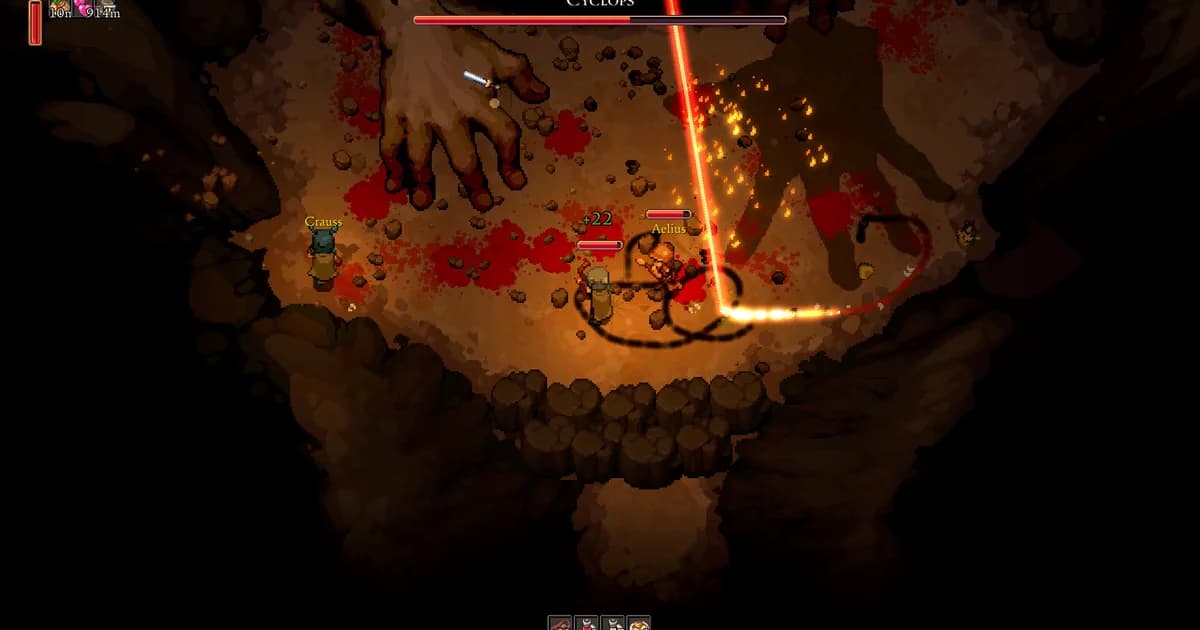
| The Eye / Cyclops | Desert | 10,000 HP; can be made to damage itself with falling rocks |
| Great Phoenix of Arabia | Volcanic | 1,200 HP; Phase 2 fire storm; bring a bow |
| Talos Prototype | Volcanic | 1,800 HP; current endgame target |
The 7 gods
| God | Focus | God | Focus |
|---|---|---|---|
| Minerva | Research / wizards | Mercury | Trade / magic |
| Ceres | Food / farming | Venus | Morale / speed |
| Diana | Ranged combat | Vulcan | Defense / forge |
| Mars | Melee / siege |
For the full breakdowns, see the bosses guide, biome guide, and gods guide.
- Romestead Medusa Guide: Location and the Aegis Reward: a real quest-tied desert boss not counted among the official 5, plus the Aegis shield she rewards.
Biomes and progression
Biome progression is linear: defeat the biome boss, unlock the next gear tier, advance. Each biome introduces a new ore, a new armor set, and specific building interactions. You don't choose which biome to enter next. The sequence is fixed, and each boss encounter is what unlocks the transition. The Romestead bosses guide covers all 5 bosses and how to beat each one.
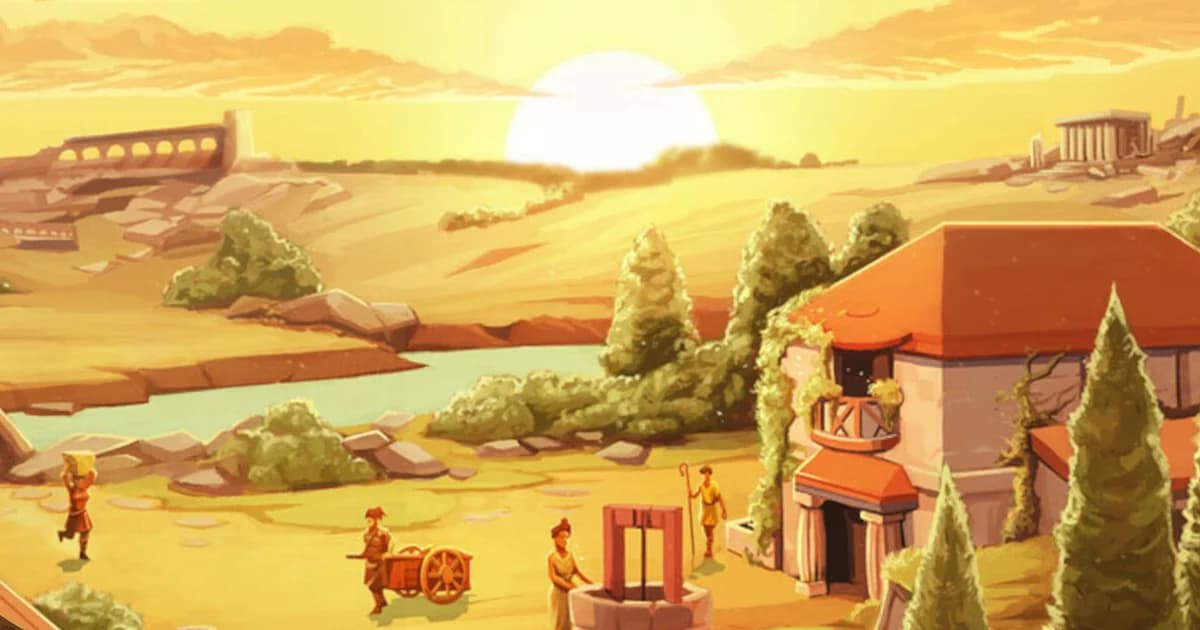
Plains is the starting biome and the most forgiving. Resources are dense, enemies are predictable, and the boss (Guardian of Minerva) has 225 HP. This is where you establish Altar, Blacksmith, Farmstead, and your first Torch network. Most of your first five in-game days will be spent here. Don't rush the boss until you have at least two tiers of iron gear.
Forest changes the resource equation. Lumber becomes the critical material, and the Lumber Yard can be placed in the Forest and Volcanic biomes but not the Desert. If your run is starved for lumber during the Desert phase, it's almost always because players didn't build enough Forest production before moving on.
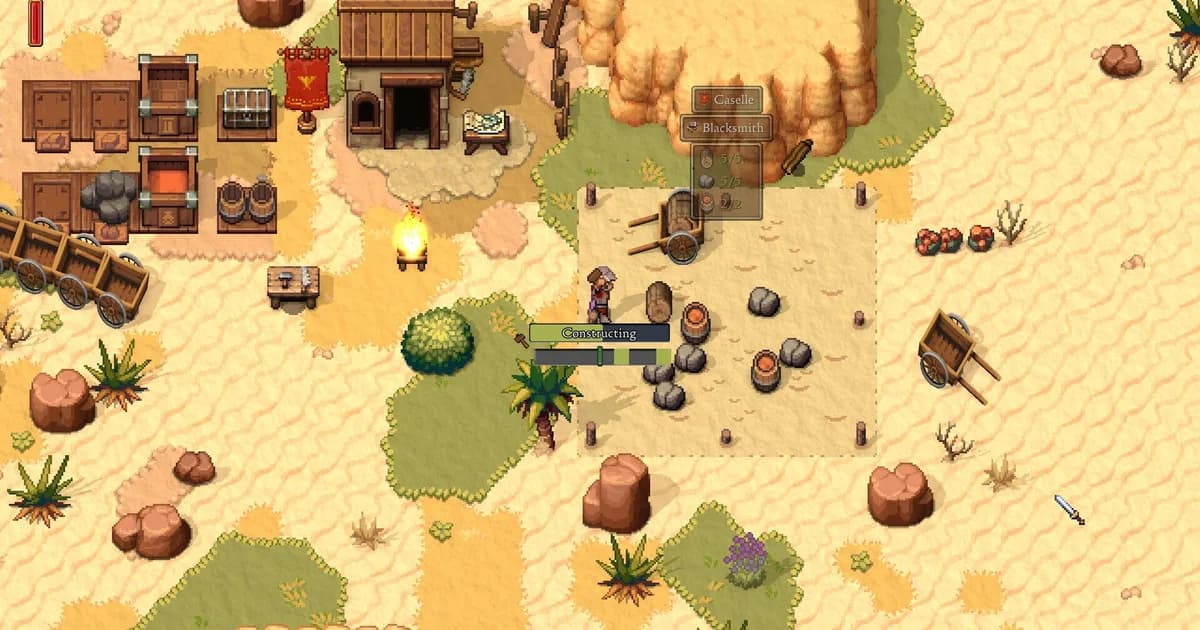
Desert is where most first-time players hit a wall. The Cyclops is the Desert boss, sitting at 10,000 HP, a significant jump from the Plains boss's 225. There's also a secondary Desert boss: Pyzifax, at 500 HP, who's optional but drops materials worth the fight. Sand dunes limit vision at night, which makes Torch placement more consequential than in Plains or Forest.
Volcanic has two bosses and closes the current EA content loop. Heat exposure adds a passive threat on top of enemies and raids. Metalwork here unlocks the highest tier gear in the EA build.
One more biome is teased for later: Beartwigs' June 25, 2026 roadmap post describes an unnamed biome ("a bit spooky"), targeting a winter release, with no total biome count or specific name confirmed. See our Romestead roadmap for every confirmed update and what's still unknown.
- Romestead Biome Guide: All 4 EA Biomes, Bosses, Resources: Plains through Volcanic in order. Boss HP values, gear tier unlocks, building restrictions, and which god to invest in per biome.
- Romestead Iron: Where to Find It and How to Farm It: Iron ore only spawns in the Volcanic biome. Covers ground node locations, Level 5 quarry setup, Firescale Armor crafting, and the Vulcan temple iron rod puzzle.
Buildings and villagers
Your settlement is only as strong as its buildings and the citizens working them, and the two are inseparable: a finished building produces nothing until a villager is assigned to it. The build-order rule that prevents most early collapses is simple, feed people first, assign work second, expand third, defend fourth. Citizens are recruited by exploring the wilds for lost Romans and clearing Challenge Dungeons, then matched to jobs by Trait for the Purposeful happiness buff.
- Romestead Buildings Guide: All Buildings & Build Order: what every building does, the food-first build order, and which villager to assign to each.
- Romestead Villagers Guide: Recruit, Assign & Keep Happy: where to find citizens, how Traits and the Purposeful buff work, and keeping everyone fed.
Economy and research
Romestead's money is one currency with tiered coins, plus a separate research track, and confusing the two stalls a lot of early runs. Quadrans is the base coin and one denomination you can earn by selling goods at the Market. Denarius is the tier above it, minted automatically once you collect 100 coins in your inventory, and it's also what dungeons, treasure chests, and some quest payouts can hand you directly. Olive Oil is a confirmed recipe and a possible trade route, but the sources checked here do not establish it as the universal fastest-money option.
Research Papers are a third track entirely. They drop from chests in Volcanic biome dungeons and gate the University's unlock, not its construction. Completing Mercury's Significant Pursuit quest, which is offered at the Altar for 1 Research Paper plus 1 Traveler's Coin, is what opens up the build option. The University itself is built with 4 Lumber, 6 Stone, and 8 Brick, then generates more papers over time and unlocks advanced technology and mid-tier magic weapons. Hold back at least one paper for the Mercury quest if you have not unlocked the University yet.
- Romestead Denarius Guide: How to Make Money Fast: how the tiered coin system works, how to test Olive Oil as one trade route, and how the Trading Post moves goods between towns.
- Romestead Research Papers Guide: How to Get Them Fast: where papers drop, the University's real build cost, and how to farm without blocking the Mercury quest.
- Romestead Trading Post: Logistics and Routes Guide 2026: how to unlock the Trading Post, set Carrier routes, check storage, and use the Logistics Tent for local connections.
- Romestead Iron: Where to Find It and How to Farm It: Romestead iron only appears in the Volcanic biome. Find ore nodes, set up a Level...
The god system
Seven gods, two worship systems (Altar offerings + Favor Points), and only one Blessing active at a time. Your first god investment after Minerva defines your run's direction.
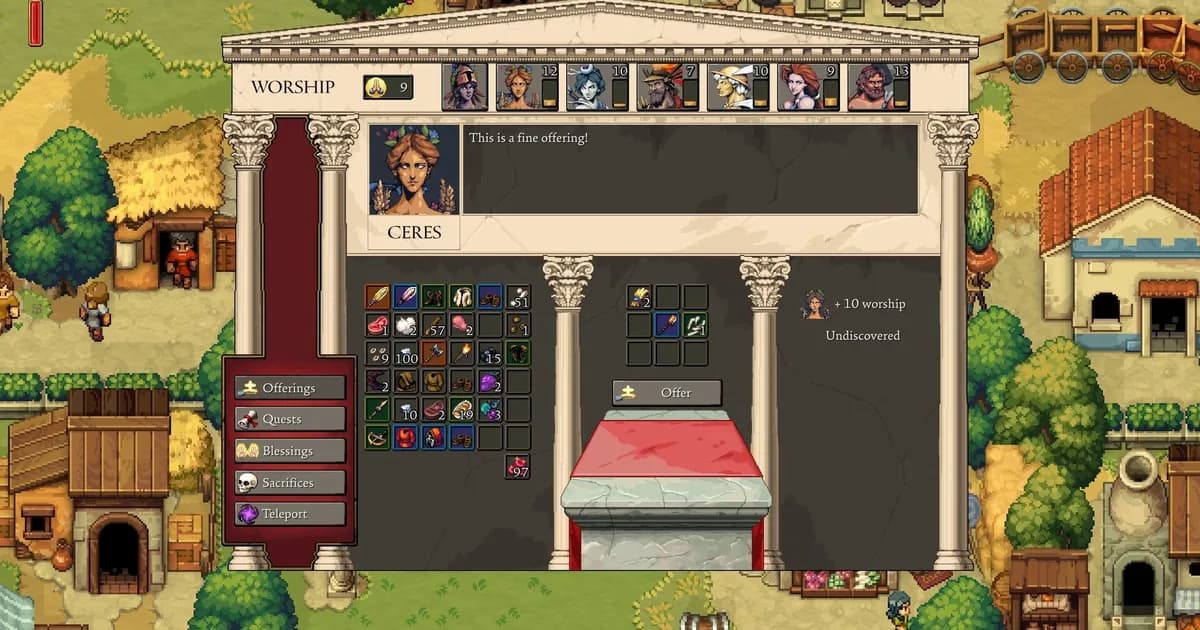
Minerva is always first. Her worship tree unlocks through defeating the Guardian of Minerva boss, not through offerings alone. Every other god is your choice, and you cannot level all of them simultaneously. Offerings are shared resources (food, materials, specific items gathered during play), so investing heavily in one god slows progress with every other.
The six gods you choose from after Minerva, and what they gate:
Ceres unlocks agricultural buildings: Farmstead and Bakery come online through her tree, and her Blessing adds 25% Health to your entire party. This is the most popular first investment in co-op because the HP bonus affects everyone, not just the player who built the Farmstead. It also stabilizes your food supply before pushing into Forest content.
Mars unlocks military structures and adds 10% melee damage as his Blessing. If your group is taking heavy losses to fallen raids, Mars investment reduces that pressure faster than better walls. His structures include training buildings that improve weapon crafting efficiency.
Mercury governs trade and magic. His tree unlocks the Trading Post's advanced logistics routes and mid-tier magic weapons. Groups that push into trade automation or want access to ranged magic damage tend to invest here third or fourth, after their core survival god.
Vulcan governs metalwork and crafting speed. His tree reduces the time cost of Blacksmith operations, which matters more in late-game where gear crafting becomes your primary time sink.
Venus governs morale and settlement movement speed. Her Blessing increases movement speed across the whole party, which matters most in 4-8 player sessions where players constantly cross the base to respond to split raids.
Diana governs ranged combat and the Lumberyard, which is the core reason Forest progression leans toward Diana investment. Her tree is what makes the Forest biome's resource advantage functional.
Two worship mechanics run simultaneously: Altar offerings (you place materials at the Altar) and Favor Points (earned through gameplay actions specific to each god: fighting earns Mars Favor, farming earns Ceres Favor). Both contribute to the same god's worship tree, but they're addable and you can't just buy your way through without the gameplay component. Boss drops include divine knowledge items that give a large one-time worship boost.
Only one Blessing is active at a time. Switching Blessings requires returning to the Altar, and in co-op, the Blessing switch affects everyone in the session.
- Romestead God System Guide: All 7 Roman Gods Explained: All 7 gods, what each unlocks, the two-system worship mechanic, boss drops as divine knowledge, and which god to prioritize first.
Night raid defense
The fallen don't queue at your gate. They navigate toward your production buildings, with the Blacksmith as the top priority target.
This is the central design insight of Romestead's combat: you're not building a perimeter, you're building a shield around your Blacksmith. Players who build walls first, before establishing Torch coverage around the Blacksmith, consistently lose their production infrastructure on night one, even with walls in place. Walls slow the fallen down. Torches disorient their navigation and create light zones they try to avoid. The Blacksmith without Torch coverage draws them like a beacon regardless of what walls you've built.
The practical first-night checklist:
- Build Blacksmith (required for metalwork, highest-priority fallen target)
- Ring the Blacksmith with Torches before building anything else
- Only then begin wall construction, starting with the Blacksmith's exposed sides
- Farmstead is the second-highest fallen priority: Torch it before nightfall too
Raid scaling works differently from most survival games. Waves don't simply grow in size as you progress. They also grow in targeting intelligence: later waves navigate around obstacles more effectively, route through gaps you left in early construction, and sometimes split into groups to hit both the Blacksmith and Farmstead simultaneously. A wall layout that worked on night 3 can be circumvented by night 8 fallen pathing.
In co-op, the defense division of labor is: one player maintains Torch and wall structure while others engage fallen actively. Without someone specifically managing production building defense, it's easy for the whole group to be chasing one fallen cluster while another group routes around to the Blacksmith from the opposite direction.
- Romestead Night Raid Guide: Defend Against the Fallen: Torches-first vs walls-first priority, why the Blacksmith needs light coverage before the first night, raid scaling across playthroughs, and co-op defense roles.
Co-op and multiplayer
Romestead runs 1 to 8 players with difficulty that scales up with group size, not down. More players means bigger waves. The role split and god-system delegation matter more than raw numbers.
The scaling model means adding more players doesn't make the game easier; it adds complexity and requires coordination. A two-player session is more manageable than solo because the roles split naturally: one player builds and manages production, one fights and gathers resources. That split is organic and efficient. Add a third player and you need to start thinking about dedicated Altar management and night raid roles. At 6-8 players, you're running something closer to a real-time strategy game where someone manages god delegation, someone watches Blacksmith defense, and someone pushes resource gathering far from base while others hold position.
Role breakdown by player count:
- Solo: You handle everything. Prioritize Blacksmith survival above all else. Torch placement is your most important early action because you can't fight and build simultaneously during a raid.
- 2 players: Builder/fighter split. Builder establishes Altar, Blacksmith, Farmstead, and Torch coverage. Fighter gathers resources and handles active combat during raids.
- 3 players: Add a dedicated Altar manager. The god investment decisions happen faster with someone tracking Favor Points and timing offerings.
- 4-8 players: Formalize night raid roles. Two players maintain production building defense (Blacksmith + Farmstead), two push active combat, others handle resource gathering and wall repair.
The Altar Level 2 upgrade unlocks a teleportation mechanic that changes movement significantly in larger sessions. Players who unlock it can move between designated points rather than running across the settlement, which matters when the Blacksmith and Farmstead are on opposite sides of an established base. This is the highest-priority Altar upgrade in 4+ player sessions because it eliminates the time cost of responding to split raids.
God delegation in multiplayer: each player earns Favor Points with gods through their gameplay activity. A player who spends most of their time in combat earns Mars Favor automatically; a player who manages farming earns Ceres Favor. Align your Altar investment choices with the actual activities happening in your session rather than pre-planning a god order independent of what your players are doing.
- Romestead Co-op Guide: 1 to 8 Players, Roles, Scaling: Role split by player count, wave scaling mechanics, Blacksmith defense priority, Altar Level 2 teleportation unlock, and god delegation in multiplayer sessions.
Common first-run mistakes
These are the specific decisions that end most first settlements before day 5.
Overthinking the starting profession. New players agonize over which of the 8 professions to pick, but the profession is only a +5 skill head start, not a permanent class: every skill levels through use. Pick Scholar for ranged safety or Mechanicus for a faster build, then stop worrying about it. The Romestead professions guide ranks all 8 starting classes if you want the full breakdown.
Building walls before Torches around the Blacksmith. Covered in the raid section above, but it's worth repeating because it's the number one reason new players lose their Blacksmith on night one. The fallen navigate toward production buildings, not toward walls. Walls slow them. Torches disrupt their routing. Build Torch coverage first.
Spreading god worship across multiple gods too early. Offerings are shared resources. If you spend the first three days offering to Minerva, Ceres, AND Mars simultaneously, none of them advance quickly. Pick one god for your first major investment after Minerva. You can diversify later when your resource production is stable enough to support multiple trees.
Ignoring the Farmstead until food runs out. Farmstead is the second-highest fallen priority target AND your food stability structure. Players who build it late and don't Torch it are constantly resource-starved during raids. The Farmstead timing problem compounds: if it falls during a raid, food production stops during the days you most need resources to rebuild.
Pushing to Forest biome without enough lumber infrastructure. The Lumberyard doesn't work in the Desert at all (it does work in Forest and Volcanic). Players who rush through Forest without setting up enough Lumberyard production find themselves lumber-starved when they reach Desert, with no way to backfill until they reach the Volcanic biome.
Not reading god Blessing effects before switching. A Blessing switch at the Altar affects every player in a co-op session simultaneously. In a group where half the players have built their playstyle around the Ceres +25% Health Blessing, switching to Mars mid-session without a team conversation is a fast way to lose a run to a raid that everyone's stats weren't calibrated for.
- Romestead Survival Tips Guide 2026: 12 things to know before your first night, covering resource management, god offering timing, co-op role division, and the early mistakes that cost players their first settlement.
Is Romestead worth playing?
- Romestead Early Access Review 2026: Full EA review covering whether the raid design holds up over multiple runs, how the god system changes pacing, and what's missing from the current build.
Related Reading
- All Romestead coverage: every Romestead guide, review, and news post published on GameBrief, in one index.
- Romestead Biome Guide: All 4 EA Biomes, Bosses, Resources: Plains through Volcanic in order with boss HP values, gear tier unlocks, and building restrictions per biome.
- Romestead God System Guide: All 7 Roman Gods Explained: How worship works through Altar offerings and Favor Points, and which god to invest in first after Minerva.
- Romestead Night Raid Guide: Defend Against the Fallen: Torches-first vs walls-first priority, Blacksmith coverage, raid scaling, and co-op defense roles.
- Romestead Survival Tips Guide 2026: 12 things to know before your first night, covering resource timing, god offering order, and co-op role division.
- Romestead Co-op Guide: 1 to 8 Players, Roles, Scaling: Role split by player count, wave scaling, Altar Level 2 teleportation, and god delegation in multiplayer.
- Romestead Updates: Every Patch Since Launch & What: Romestead updates tracker: Beartwigs is patching daily, with automation priority fixes, auto gates, bigger storage,...
- Romestead Update Adds Mundus Cerialis Event in 0.26.2: Romestead update 0.26.2_3 adds Mundus Cerialis, four equipment items and a new boss.
References
- Romestead on Steam
- Romestead Wiki
- Romestead official announcements: Autumn Update 0.26.1 and September hotfix notes
- Romestead bosses: current boss roster
- Romestead gods: community-tracked seven-god roster
- r/Romestead community
Frequently Asked Questions
What is Romestead? Romestead is a Roman-era survival settlement builder where you gather resources during the day and defend against undead raids at night. You restore Roman gods through worship and offerings, and your god investment determines your tech tree, available buildings, and combat tools.
How many players can play Romestead? 1-8 players with full difficulty scaling. Solo play requires managing both building tasks and active combat. Two players naturally divide into builder and fighter roles. Larger groups add dedicated god-system management and production building defenders.
How long is Romestead Early Access? The core Early Access progression has 4 biomes, 5 named bosses, and the full god system. Patch 0.26.2_3 also adds one unnamed boss fight for Mundus Cerialis. One more unnamed biome is still targeted for winter, with no total biome count confirmed.
Is Romestead free to play? No. The live Steam snapshot checked on October 5 lists Romestead at $11.19 after a 20% discount, with a $13.99 regular price. A standalone free demo was available before the EA launch but is no longer listed separately.
What's the difference between Romestead and Valheim? Both are survival builders with mythological themes, but Romestead is more settlement-focused and has a god worship system that directly gates your crafting tree. Publisher Three Friends has veterans from Valheim, but Romestead is its own game with different mechanics, a Roman setting, and explicit 8-player co-op support.
About the author

Systems & Economy Desk
GameBrief's byline for roguelikes, strategy and simulation. Reads patch notes, wiki tables and Steam stats and puts the numbers on the page.
- Roguelikes, strategy and simulation
- Builds, progression and economy
- Sources listed per article
Keep reading
Romestead Biome Guide: All 4 EA Biomes, Progression 2026
General · 12 min
Romestead Denarius Guide: How to Make Money Fast 2026
General · 9 min
Romestead Research Papers: How to Get Them Fast 2026
General · 8 min
Romestead Review: Roman Survival That Earns the Raid
Reviews · 9 min
Romestead Night Raid Guide: Defend Against the Fallen
General · 8 min
Romestead Gods: All 7 Deities & Who to Worship First
General · 9 min
Sponsored
Disclaimer
This article is published for informational and entertainment purposes. It does not constitute professional financial, legal, or technical advice. Game performance, online services, patch schedules, and store listings change. Verify critical details (pricing, system requirements, regional availability) with publishers and storefronts before you buy. Affiliate links, where present, help support our editorial work and are labelled in our affiliate disclosure.
Comments
Loading comments…