
ReviewRomestead
Romestead Review: Roman Survival That Earns the Raid
Romestead review: god-system tech trees, night raids that hit your Blacksmith, and 1-8 co-op across four biomes. Who should buy in EA and who should wait.
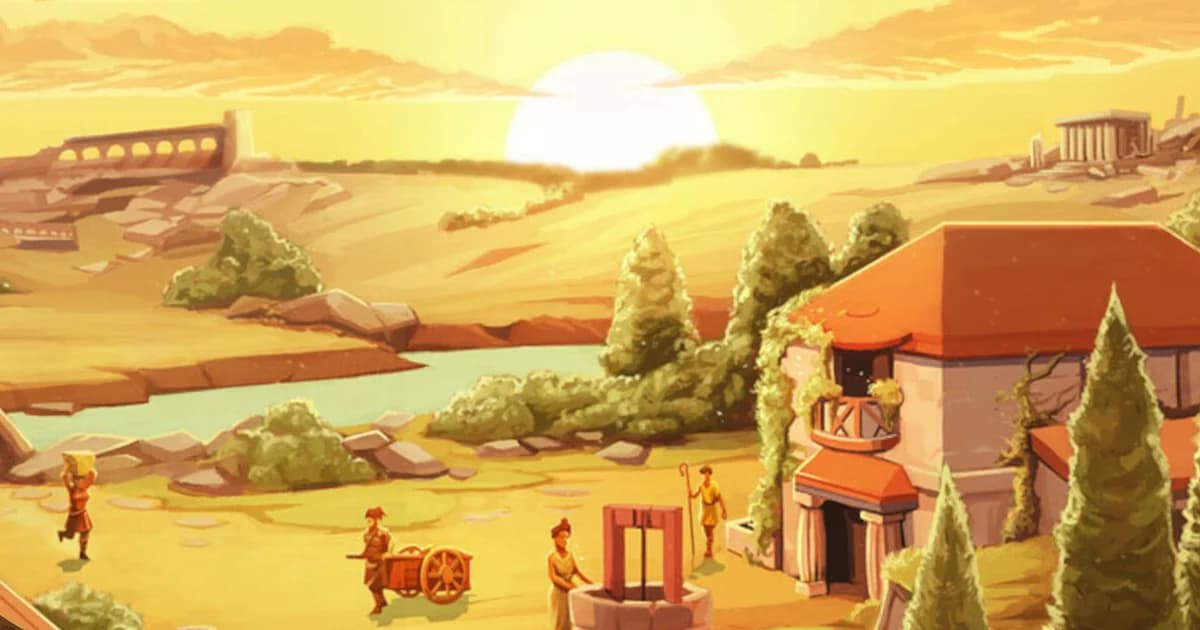
This Romestead review covers the EA launch build, with a current-status update for Autumn Update 0.26.1. The pitch meeting for the game must have taken about four words: Rome, town-building, undead siege. The follow-up question ("wait, seriously?") was probably answered with screenshots from the #10 Most Played Demo slot at February 2026's Steam Next Fest, where 250,000+ wishlist adds confirmed that players were asking the same question and liking the answer.
Sponsored

About the game
Romestead
Beartwigs · Three Friends
Reception
Pros
- God system ties building and resource decisions to theology in a way that feels structurally unusual
- Night raids have real teeth: fallen citizens swarm in waves and they know where your Blacksmith is
- 1-8 player co-op and a day-one dedicated server tool; roles divide naturally across production buildings
- Procedurally generated world with handcrafted dungeons threads the needle between infinite replay and authored encounter design
- Resource system where you carry and throw objects (rocks, lumber) that work as both logistics and improvised combat
Cons
- Four biomes at EA launch; full biome roster will take time to arrive
- Approx. 1-2 year EA roadmap means content gaps are real and visible
- Building variety is solid but not yet expansive: production chain depth expected in updates
- Steam players report multiplayer disconnects and lag that have not been fixed yet
Verdict
Romestead is the rare EA survival game where the hook (Roman town-building under nightly undead siege with a god as your business partner) is fully functional in Early Access. Buy it for solo or small-group survival building; wait if online co-op is the reason you want it, or if you need a complete campaign.
Updated 2026-10-15: We removed a passage that described one of our own runs; nobody on staff has a documented Romestead save. The co-op sections now reflect Steam player reports of multiplayer disconnects, and the Steam figures are in the Reception box.
Romestead looks like a standard survival base-builder for its first hour. Then the night raids start going after your Blacksmith and the god system stops being flavour, and that's when it becomes a game worth talking about.
TL;DR: Beartwigs' Roman survival town-builder launched in EA with a functional god system (Ceres' 25% HP buff vs Mars' 10% melee damage are the clearest examples of real divergence), night raids that target your Blacksmith specifically, 1-8 player co-op, and a dedicated server tool available on day one. Steam players rate it Mostly Positive across all languages, warmer in English. Four biomes remain playable, while Autumn Update 0.26.1 added full controller support and more than 20 new unique dungeons. Buy now for solo or small-group survival; wait if your group plans to play online co-op until the disconnect reports are fixed.
Sponsored

Romestead review: is it worth buying in Early Access?
Short answer: yes for solo players and patient groups, with the normal EA caveats. The survival loop and god system work, and the night raids have genuine design intent behind them. Co-op at up to 8 players is the promise, but the loudest recent Steam complaints are about multiplayer disconnects and lag, so groups should read the verdict before buying. What you're buying is a solid foundation with four biomes and a 1-2 year roadmap: not a finished game, but one that's already doing the interesting thing it set out to do.
Current status: October 2026
Romestead is now on version 0.26.2_3, with the Mundus Cerialis event update following Autumn Update 0.26.1. The Autumn Update added full controller support, more than 20 unique dungeons, more than 70 challenge-dungeon rooms, new dungeon themes, and quality-of-life changes. Follow-up hotfixes through September 4 addressed lag spikes, rebinding, inventory actions, and Steam Deck layout issues. The next major update is planned to add a new biome, enemies, equipment, treasures, buildings, and bosses, but it has no release date yet. The Romestead updates tracker logs the patch-by-patch changes.
Key Takeaways
- EA launch: May 25, 2026, on PC via Steam
- Developer: Beartwigs (Swedish indie studio), Publisher: Three Friends
- 1-8 players online and LAN co-op
- Four biomes at launch: Plains (starting), Forest, Desert, Volcanic
- Night raids by fallen Roman citizens target your production buildings specifically
- God system: back different Roman deities through offerings to unlock diverging tech trees
- Procedurally generated world with handcrafted dungeons and points of interest
- 250,000+ wishlists; #10 Most Played Demo at February 2026 Steam Next Fest
- Steam: Mostly Positive across all languages, Very Positive among English reviews (see the Reception box)
- Autumn Update 0.26.1 added full controller support, 20+ unique dungeons, and 70+ challenge-dungeon rooms
- Standalone dedicated server tool shipped on EA launch day
- Price increases as EA content is added: current launch price is the floor
What Romestead Is: and Who Made It
Beartwigs is a Swedish indie studio. Romestead is their Roman survival town-builder, published by Three Friends and landing in Early Access May 25. The setup: you're restoring a fallen Roman settlement. By day you build, gather, and expand. At night, the fallen (reanimated Roman citizens from before the collapse) attack.
The world is procedurally generated but threaded through with handcrafted dungeons and points of interest. That's a combination worth noting: pure proc-gen survival often feels empty because nothing in it has authorial weight. Romestead's approach gives each run a different map while ensuring that what you find out in the world was actually designed by someone.
At February's Steam Next Fest, the playable demo logged enough engagement to land the game in the top 10 most played demos of the event. That demo turned 250,000 wishlists into a community of players who already knew the loop before launch day arrived.
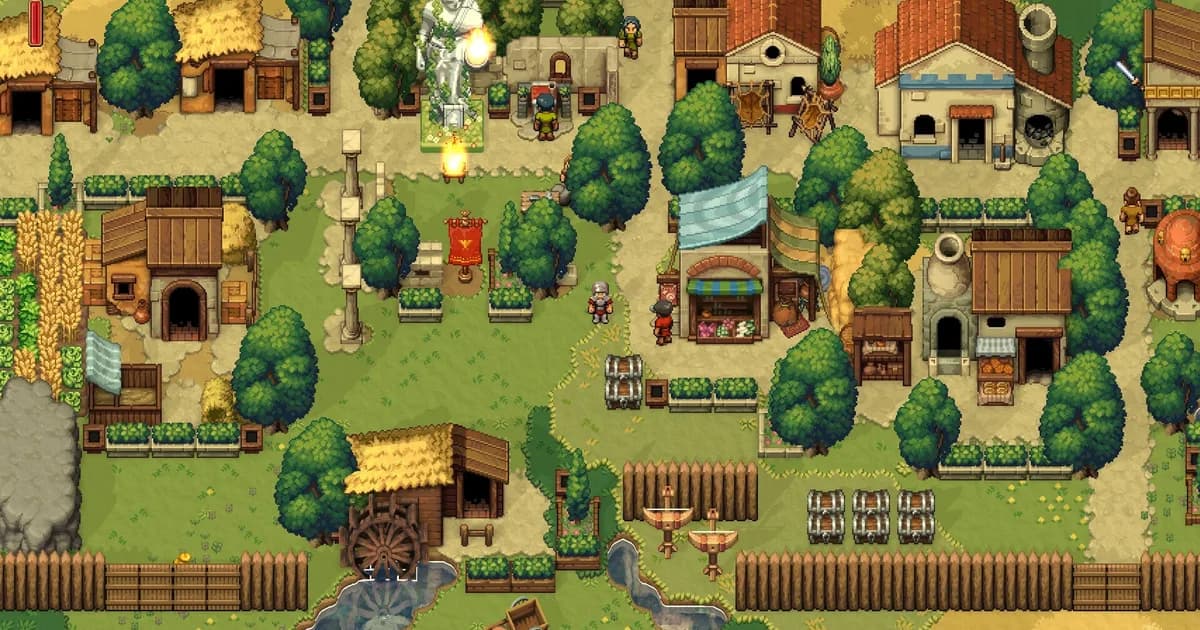
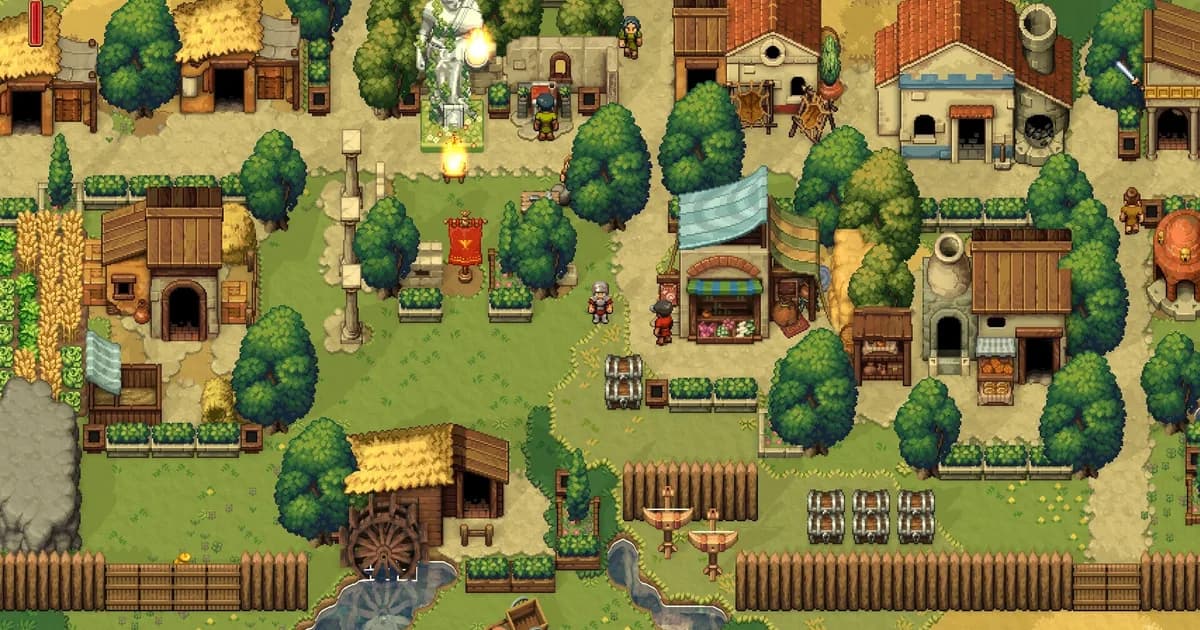
The Forest biome at mid-game: one of four biomes in the EA build. The handcrafted dungeon marker is visible beyond the resource nodes.
Gameplay: Building by Day, Bleeding at Night
The core loop is immediate: gather resources, build structures, manage your settlement's production chain, and then defend it when darkness arrives. Romestead's specific take on this formula has two pieces that set it apart from the genre standard.
The first is the resource system. Rocks and lumber aren't just numbers in a menu: you pick them up, carry them, and throw them. That sounds like a minor UI detail and it isn't. Throwing a rock at an incoming raider while you're mid-carry to the Blacksmith is a real decision. The physicality changes how gathering feels and how improvised combat works in the early-game before your walls are reliable.
Death has real stakes in this context. When you die, your backpack contents drop at the death site. You keep equipped items but everything else (ore, lumber, food) stays on the ground until you retrieve it. In the early game, before your settlement has a wall network and torchlight coverage, dying mid-gather run means a sprint back under threat or a loss you absorb. It creates a pressure loop that flat respawn systems don't have. Players who die frequently in the Volcanic biome and can't recover their Iron stacks will feel this acutely.
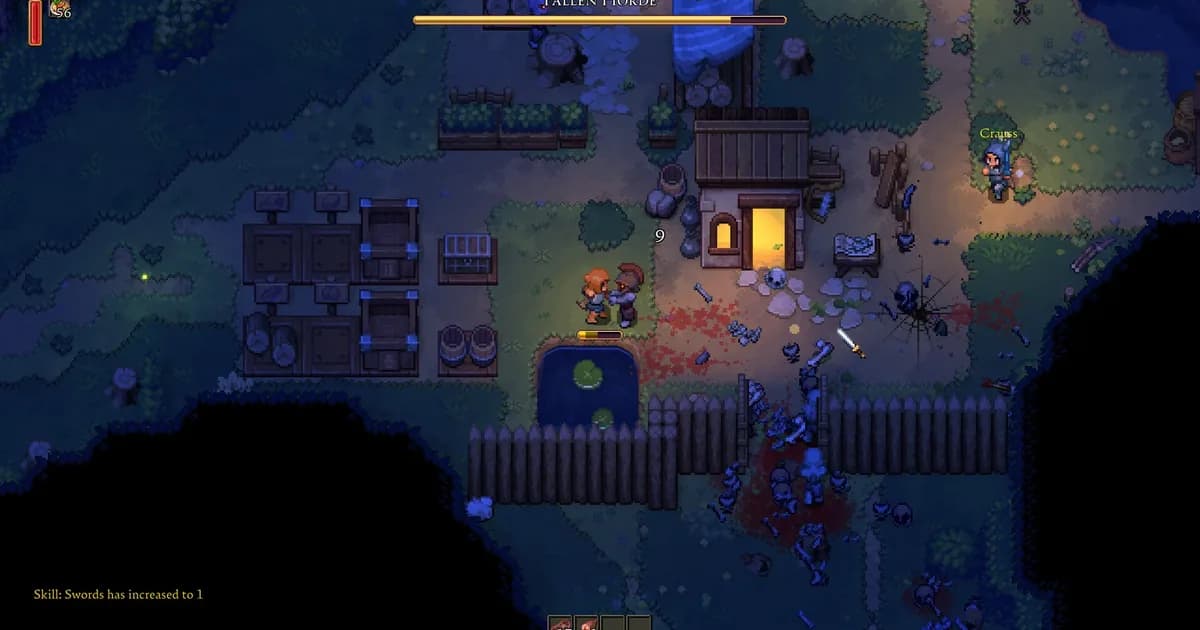
The second is the night raids. The fallen don't just attack the nearest wall: they target production buildings. Your Blacksmith, Leatherworker, and Farmstead are objectives, not incidental victims. A solid perimeter on one side of the settlement does little if the ore processing sits open on the other, because that's where the waves converge. The AI doesn't telegraph this with an announcement. You figure it out by watching where raids converge; the Romestead night raid defense guide covers layouts that hold.
That targeting behavior makes the day-phase decisions matter retroactively. Where you place buildings affects how defensible they are at night. A Farmstead surrounded by chokepoints is a different proposition than one left open on the settlement edge. Romestead rewards thinking about production layouts defensively, not just efficiently.
In co-op at larger player counts, this is meant to become collaborative. Up to 8 players is a high ceiling for a survival builder, and roles emerge from the building types: two players running the forge and leather production while four handle raids and two gather resources is coordination the game never has to force. The catch is the connection. A player with 56 hours who calls themselves "totally obsessed" still warns that "multiplayer/co-op is so crap. disconnects every few minutes" (Steam review), and a negative review from mid-October says co-op "just slideshow lags for lots of people" (Steam review). The Romestead co-op guide covers hosting and the dedicated server.
GODEEPER: How co-op resource splits, base layouts, and raid response change at higher player counts. Outbound Co-op Guide →
The God System: Where Romestead Gets Structurally Interesting
Roman gods don't appear in most survival games as a genuine progression axis. In Romestead they are one.
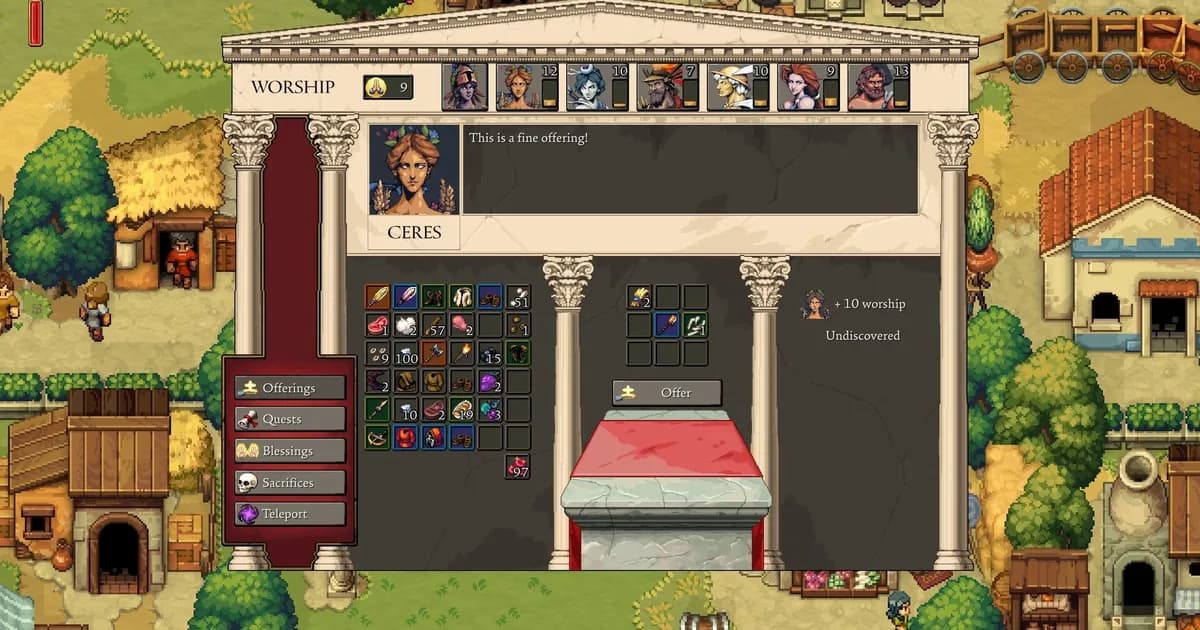
You choose which gods to restore through offerings and sacrifices. Each deity you invest in unlocks different buffs and different technology paths. A run built around Mars versus one built around Ceres will produce different production capabilities and combat tools. Ceres adds a 25% Health buff to your entire party and unlocks the Farmstead and Bakery early. Mars adds 10% melee damage and military structures. These aren't cosmetic variations on the same tech tree; they're actual divergence in what your settlement can do and how fights feel.
This is where Romestead earns its longer-term replay. A settlement prioritizing one god is literally a different game than the same procedurally generated map with a different divine patron. The production chain decision (what to build and in what order) is inseparable from the theological one.
At EA launch, the god system was functional, and Update 0.26.1 adds breadth elsewhere without changing that core progression model. How deep it gets depends on how many deities and tech branches are added over the 1-2 year EA period. What's there now is enough to make two playthroughs feel distinct. Whether that becomes rich enough to sustain 50+ hours is a question for a post-1.0 review.
The offering altar: each sacrifice builds favor with a specific god. The diverging tech unlock paths are visible before you commit.
The EA Caveats
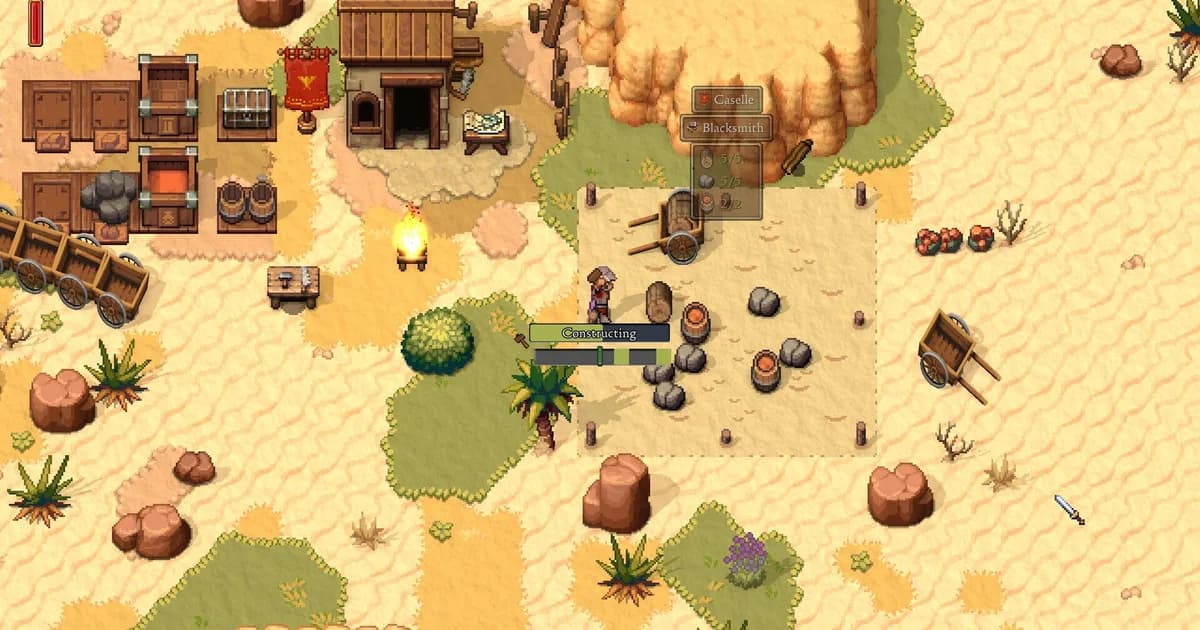
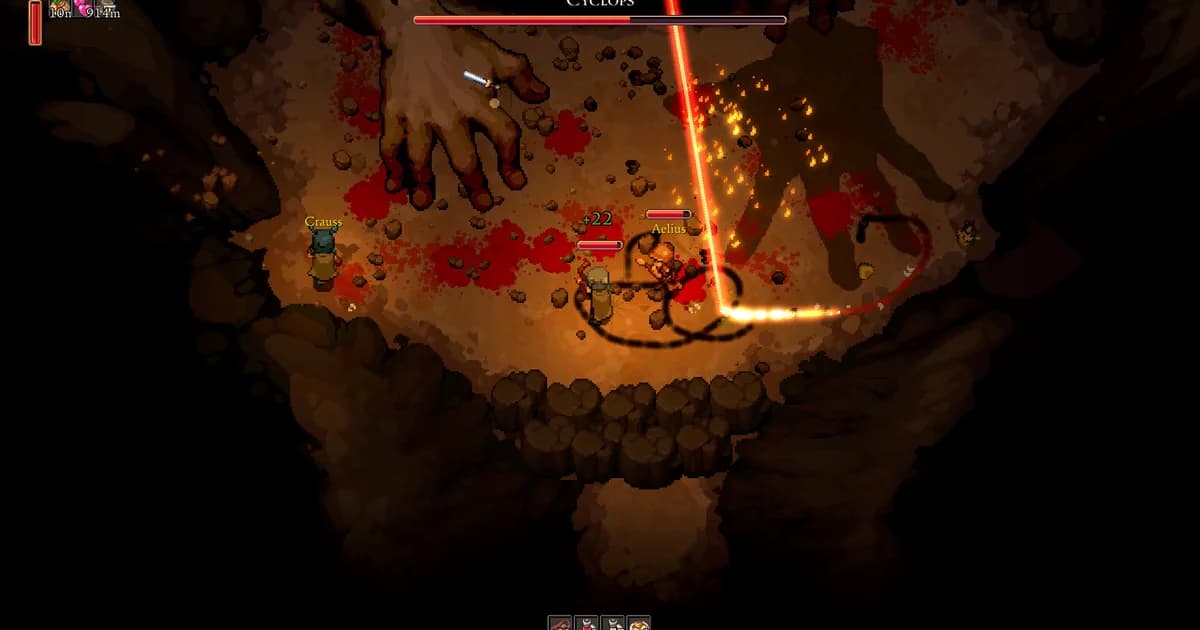
Four biomes in the current EA build: Plains (the starting area, Guardian of Minerva at 225 HP), Forest (Lumberyard hub, Bronze tier), Desert (Cyclops at 10,000 HP, Tectonic armor, no Lumberyard), and Volcanic (Firescale armor, Iron ore, two bosses, Lumberyard also works here). Our biome guide to all 4 covers each in full. Each biome unlocks a distinct gear tier and building set. Plains is the most forgiving and where you establish your Altar, Blacksmith, and first Torch network before progressing. But four is a starting point: Beartwigs has confirmed one more biome, still unnamed and targeted for a winter release.
The production building variety is solid for an EA build (Blacksmith, Leatherworker, Farmstead, and more are present) but the depth of the production chain and the number of distinct building types will expand over the EA period. What's there now is enough to run a coherent mid-game. A complete settlement management system is a roadmap promise.
The 1-2 year EA timeline is honest. Beartwigs isn't claiming this is nearly done. The price increase over the EA period signals a content addition cadence rather than a static product. Current launch price is the floor: if that framing suits how you approach EA games, Romestead is a reasonable entry.
Beartwigs shipped a standalone dedicated server tool on EA launch day. That's not a given for indie survival co-op games: plenty of multiplayer EA titles launch without one and add it months in. Having it available at launch means server-hosted sessions with persistent worlds are possible from day one, which matters for the 5-8 player groups who don't want to rely on one player keeping their client open.
The update cadence in the first month is reassuring. A June 10 hotfix addressed logistics routing failures from claypits and lumberyards (a meaningful bug: affected players had to rebuild those structures to restore supply chains), Automatic Scorpio targeting failures, and player spawn point errors after sleeping. The same patch added the ability to drag rectangles and lines of construction sites for Walls and Roads: a quality-of-life change that makes perimeter building significantly faster. Earlier patches reduced enemy density in Plains and Forest Challenge Dungeons and improved dungeon accessibility for recovering gear from graves. Small targeted fixes every week or two is the cadence you want to see from an EA studio in its first month.
Steam players rate Romestead Mostly Positive across all languages, with the English-language reviews warmer at Very Positive. The positive reviews sound like this one, from a player who beat the current last boss in roughly 25 to 35 real hours: "Pretty damn good. Im amazed this is just kind of an unknown game," comparing it to a "mishmash of medieval dynasty/stardew valley" (Steam review). The most upvoted negative review calls the build "Half baked and very much an alpha/proof of concept" with "Limited depth" (Steam review). Between those, the repeated requests are smaller: citizens who need "too much handholding" (Steam review), tight inventory space, and buildings that stop working.
GODEEPER: If Roman-era survival and settlement management are your angle, here's how night raid composition scales as your settlement grows. Windrose Beginner Guide: Tips and Best Faction
Verdict: who should buy Romestead now
Romestead works as a solo survival builder. The thing it set out to do (Roman settlement survival where theology drives tech and raids target your production) is functional in Early Access, and the god system produces genuinely diverging runs. What holds it back is breadth and stability: four biomes with only one more confirmed, a production chain that is still filling in, and a multiplayer mode that players keep reporting as unstable.
Who it suits: solo players and small groups who like survival builders with a production layer, enjoy the Roman setting, and are comfortable buying a game in active development. Players who reached the current final boss describe a game worth its full price, with the early hours slow until citizens start running the town for you.
Who should wait: groups buying it mainly for online co-op, until Beartwigs ships a fix for the disconnect and lag reports; players who want three or more complete biomes and a full building roster; and anyone who prefers to judge EA games after 6+ months of updates. The next biome has no date yet, so waiting costs little.
Related Reading
- Romestead Wiki: all biomes, gods, and raids: the full Early Access reference hub for the systems behind this review.
- Outbound Review: Square Glade's co-op survival is the other strong 2026 entry in the "shared base, collaborative logistics" space; different enough from Romestead's combat focus to be worth reading as a contrast.
- Farever Review: Class-based dungeon co-op; if Romestead's multiplayer raiding appeals, Farever is the other 2026 EA title delivering on a similar group-size promise.
- Above the Snow Review: Solo survival with a survival purity the Romestead Forest biome will remind you of in its first few hours.
- Windrose Beginner Guide (Tips and Best Faction) Windrose's survival/exploration loop shares the "night pressure, day building" rhythm; the faction system has structural parallels to Romestead's god choices.
- Mina the Hollower Review: Yacht Club's Gothic New World: Mina the Hollower review: Yacht Club's six-year gothic action-adventure at $19.99. Harder than Shovel Knight, denser than it....
- Luna Abyss Review: Bullet Hell in First-Person Horror: Luna Abyss review: Kwalee's first-person bullet hell on PC. Junji Ito atmosphere, projectile-dense combat, and Fawkes' prison story....
- Romestead Trading Post: Logistics and Routes Guide 2026: Romestead trading post unlocks via the University.
- Romestead Villagers Guide: Recruit, Assign & Keep Happy: Romestead villagers guide: where to recruit citizens, how to assign them by Trait for the.
- Romestead Buildings Guide: All Buildings & Build Order: Romestead buildings guide: what every building does, the right build order (food first, defense last),.
- Romestead Professions: All 8 Starting Classes Ranked: Romestead professions guide: all 8 starting classes ranked, what each gives at creation, and why.
References
- Romestead on Steam: official page, EA launch details, Beartwigs / Three Friends
- Romestead Autumn Update 0.26.1: official patch notes for controller support, dungeons, and roadmap context
- Romestead official announcements: September hotfixes and the next-update preview
- r/romestead community: player discussion and EA feedback
- Steam Next Fest February 2026 Top Demos: Romestead ranked #10 most played demo
- Romestead official Early Access release date trailer
Frequently Asked Questions
Is Romestead worth buying in Early Access? Yes for solo players who can accept EA content gaps; online co-op groups should wait for fixes to the disconnects players report. The core loop (build by day, survive raids by night, earn god favor for upgrades) is functional in Early Access. Four biomes are in the EA build (Plains, Forest, Desert, Volcanic) and one more, still unnamed, is confirmed for a later winter release. If you need a complete experience before buying, wait for 1.0.
How many players can play Romestead? Romestead supports 1-8 players online and via LAN. At eight players, roles divide naturally: some players run production buildings like the Blacksmith and Leatherworker while others handle raids and resource gathering.
What is the god system in Romestead? You choose which Roman gods to restore through offerings and sacrifices. Each god you invest in unlocks different buffs and technology paths. Two playthroughs backing different gods will develop your settlement along different production and combat lines: it's the primary progression axis above raw building expansion.
What are the night raids in Romestead? At night, the fallen (reanimated Roman citizens) emerge and attack your settlement. They target your production buildings specifically, so raw defense perimeter isn't enough; you need to protect your Blacksmith, Farmstead, and other key structures. Raid intensity scales as you progress.
What biomes are in Romestead at Early Access launch? The EA build ships with four biomes: Plains (starting), Forest, Desert, and Volcanic. Each unlocks a new gear tier: Plains introduces Flint and Stone, Forest unlocks Bronze via the Lumberyard, Desert gates Tectonic armor behind the Cyclops boss, and Volcanic unlocks Iron and Firescale armor. One more biome, still unnamed, is confirmed for a later winter release.
How long is Romestead? No official playtime target exists for the EA build. The procedurally generated world and god-system branching give each run distinct shape. One Steam reviewer who beat the current last boss estimates 25 to 35 hours of real play; the most upvoted negative review says you could wrap the content up in under a day.
About the author

Indie & JRPG Desk
GameBrief's byline for indie, JRPG, visual novel and cozy games. Warm, direct, and willing to say which one to buy.
- Indie, JRPG and visual novels
- Early access and survival
- Sources listed per article
Keep reading
Romestead Night Raid Guide: Defend Against the Fallen
General · 8 min
Romestead Gods: All 7 Deities & Who to Worship First
General · 9 min
Romestead Biome Guide: All 4 EA Biomes, Progression 2026
General · 12 min
Romestead Wiki 2026: All Biomes, Gods, Raids and Co-op Guide
General · 22 min
Romestead Denarius Guide: How to Make Money Fast 2026
General · 9 min
Romestead Research Papers: How to Get Them Fast 2026
General · 8 min
Sponsored
Disclaimer
This article is published for informational and entertainment purposes. It does not constitute professional financial, legal, or technical advice. Game performance, online services, patch schedules, and store listings change. Verify critical details (pricing, system requirements, regional availability) with publishers and storefronts before you buy. Affiliate links, where present, help support our editorial work and are labelled in our affiliate disclosure.
Comments
Loading comments…