
ReviewFatekeeper
Fatekeeper Review: Buy the Early Access Now or Wait for 1.0?
Fatekeeper review: a gorgeous Dark Messiah-style melee RPG with a few hours of content so far. Buy cheap if you love the combat; wait if you want a game.
Fatekeeper review, short version: a beautiful, cheap down payment on a Dark Messiah successor; buy it if that sentence excites you, wait if you want a finished game. Paraglacial's Early Access build holds about two hours of story by its own count, against roughly 15 planned for 1.0, and Steam players who finished it report two to five hours. Players rate it Very Positive, mostly for the look and the kicking; the negative reviews say there isn't much game yet.
Sponsored

About the game
Fatekeeper
Paraglacial
Reception
Pros
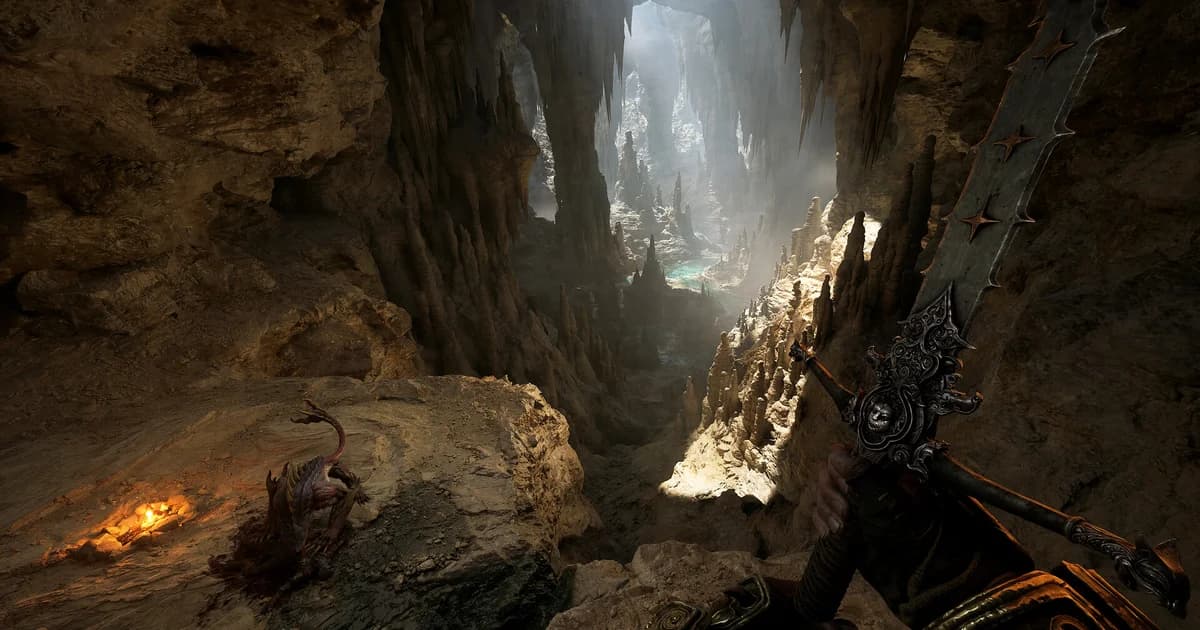
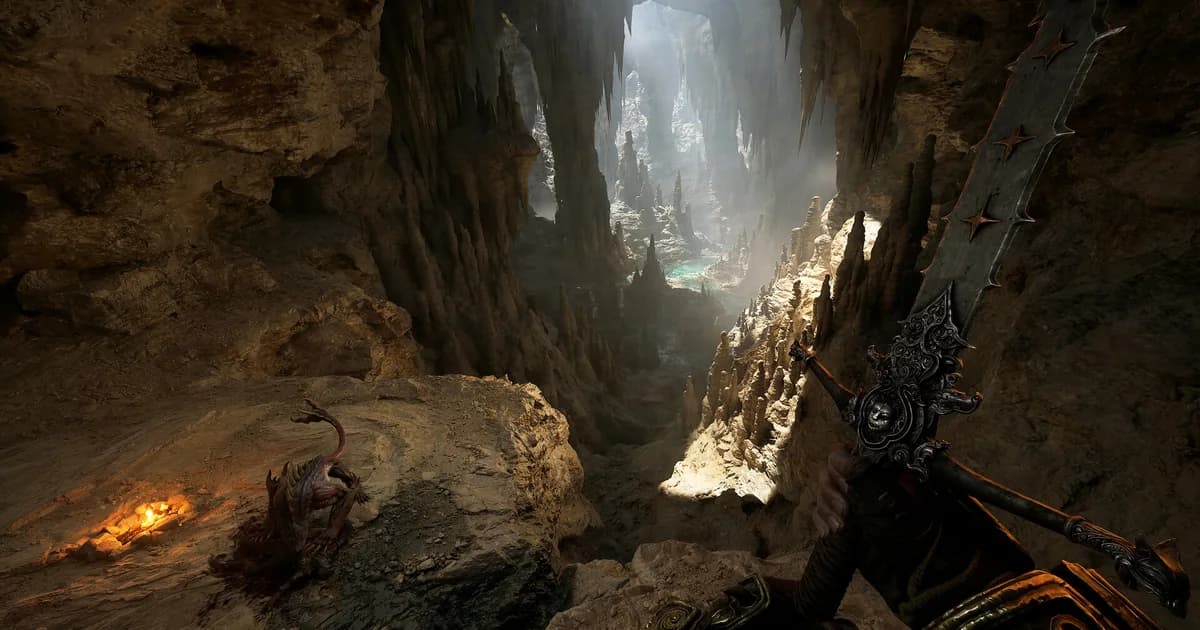
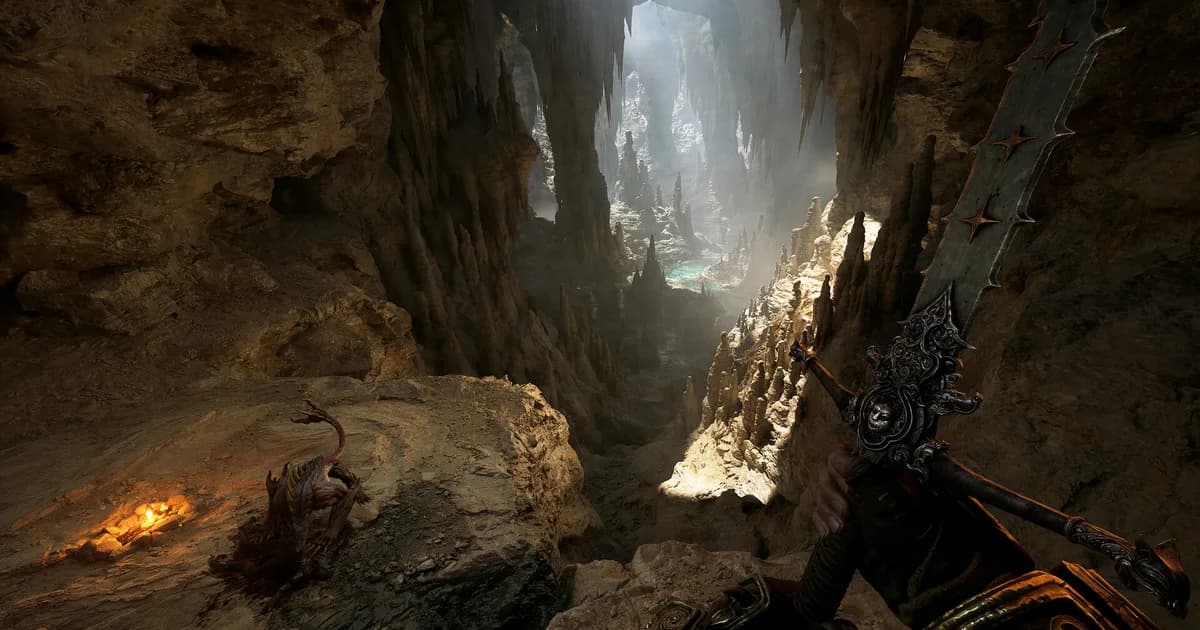
- Steam players across the board call the graphics and handcrafted environments stunning
- Kicking enemies off ledges and into spikes is the moment players mention most, a clear Dark Messiah of Might and Magic lineage
- Patches 0.1.1 to 0.1.3 added ingredient chests, extra save spots, a FOV slider, a respec potion and combat changes
- Cheap entry price for an Early Access game with a 15-hour 1.0 target
Cons
- Players finish the current build in roughly two to five hours, and many call it a demo
- Magic is widely described as weak, and archers as the hardest early threat
- Limited save points and healing make deaths cost a lot of progress
- Steep minimum spec, mixed performance reports, and players still asking for full controller support
Verdict
Fatekeeper suits Dark Messiah fans and players who want to back a promising first-person melee RPG cheaply; anyone who wants a full campaign, strong magic builds or relaxed saving should wait for later updates or 1.0.
Updated 2026-10-15: rebuilt from Steam reviews. We removed the build recommendations and spell-by-spell advice that came from no verified source, added the Reception box, and rewrote the verdict. An earlier update (October 14) removed the old score; nobody on staff played Fatekeeper for this review.
Sponsored

Fatekeeper review: quick answer
Fatekeeper is worth $9.99 if you loved Dark Messiah of Might and Magic and are comfortable paying early for a short slice of it. Wait if you want a full campaign, magic that carries a build, or full controller support.
Current status: October 2026
The Steam page lists Fatekeeper as an Early Access release at $9.99. The official news feed shows Patch 0.1.3 on July 30 and an August 21 development log; the patch post says "proper content updates are still some time away." There has been no update since, and some October reviews note the wait: "2 months no update" (Steam review).
Key Takeaways
- Released June 2, 2026 into Steam Early Access; Unreal Engine 5; published by THQ Nordic.
- Developer: Paraglacial, which describes itself as a 13-person team.
- Price: $9.99 list on Steam; the studio has said the price will rise as content is added.
- Content: about two hours per the developer, roughly 15 hours targeted for 1.0.
- Single-player only, Windows only; Steam's feature list does not include controller support.
- Minimum spec: RTX 3070 or RX 6800 XT with 8 GB VRAM, 16 GB RAM, 45 GB storage.
Fatekeeper Review: Overview
Fatekeeper is a first-person RPG built around sword and sorcery, set in a handcrafted world where ruins point back to some past collapse. You explore caverns, forests, and crumbling sanctuaries, fight fantasy creatures with a mix of melee and spells, and shape a character out of attributes, weapons, armor, alchemy and a skill tree. The store framing is deliberate about one thing: this is a focused narrative path, not an open world.
The comparison every Steam reviewer reaches for is Dark Messiah of Might and Magic. The most upvoted review on the page is one line: "Close enough, welcome back Dark Messiah Might and Magic players" (Steam review). Another calls it "Basically modern Dark Messiah of Might and Magic" and adds "There is barely 2 hours of gameplay now, so let them cook" (Steam review).
THQ Nordic publishes plenty of mid-budget action games, but Paraglacial is small, and the studio is upfront about it. Their Early Access pitch reads less like a sales document and more like a plan: ship the core systems, watch which parts players enjoy, and build the rest of the campaign around that feedback. For a build inventory, the Fatekeeper Early Access guide separates what is playable now from the 1.0 promise, and the Fatekeeper multiplayer explainer covers the solo-only question. For a similar weight class of first-person melee, our Bylina review is a useful yardstick.
Is Fatekeeper open world?
No. Fatekeeper is a linear first-person RPG, and this is a deliberate design choice. One player who finished the build describes it plainly: "This is not an open-world RPG... not even close. It's level-based and linear (which is fine)," with "unique rooms, door-opening puzzles, save points, enemies waiting around for you, and level bosses" (Steam review). The Fatekeeper how-long-to-beat breakdown puts that structure in the same two-hours-now, 15-hours-planned context.
How long is the Early Access build?
Paraglacial's own figure is about two hours. Players land between two and five: "the whole thing can be comfortably finished in under two hours," says one (Steam review), while another "finished Early Access in under five hours" and calls it "more of an extended demo" (Steam review).
What players say about the combat
The kick is the star. "Sparta kicking enemies off cliffs and into spikes is always a plus!" says one player (Steam review), and another likes that it "Will make you feel like a 250kg absolute unit running at enemies" (Steam review).
A mid-fight moment in the ruins: enemies close ground quickly, so spacing and timing decide more than raw stats.
The complaints are just as consistent, and three come up again and again:
- Archers. "The archers are just OP. Nothing staggers them to stop an arrow from shooting," says one of the most upvoted negative reviews (Steam review).
- Healing and saves. "Biggest issue is the complete lack of reliable healing," with save points that "don't restore your health" (Steam review). Another player calls the game great but still votes it down: "what really breaks it is the saving system," because "you can only save at predefined save points" (Steam review).
- Magic. "Magic is useless and the alchemy system needs a few more tweaks," says one (Steam review); another found that "early game you can only cast like three spells at a time" (Steam review). Telekinesis gets credit for puzzles and ragdoll fun rather than damage.
Patch 0.1.1 added ingredient chests near save points and 0.1.2 added another save spot, so some of the healing and save complaints predate those fixes. The magic complaints have continued into September.
Builds and the skill tree
Players describe a big skill tree that the short build can't fully use. One negative review counts "4 skill trees: Mana, Health, Melee, and Alchemy" and says "You can only spec into one tree right now" (Steam review). Patch 0.1.3, released July 30, added a Respec Potion on the chart table in Haven, alongside separate Skill Point potions hidden around the world, so an early choice that turns out to be a dead end no longer locks you in. For the current tree in detail, see the Fatekeeper skill tree guide; for community build paths, the best build guide and the archetypes guide.
Between fights, the handcrafted areas do real work. The art carries a lot of the atmosphere on a small budget.
Performance and controls
The minimum spec, an RTX 3070 or RX 6800 XT with 16 GB of RAM, is steep for a release of this scope. Reports split: one player says it is "what all UE5 games should look and run perform like" (Steam review), while another describes "constant stutters and slowdowns" (Steam review). Controller support was the most requested feature after launch, and the 0.1.3 patch notes discuss work on it, but Steam's feature list still does not show it and an October review still calls controller play "really really bad" (Steam review). For a comparison on technical expectations, the Farever review covers another rough-but-promising Early Access RPG.
What Changed Since Launch: Patches 0.1.1 through 0.1.3
Fatekeeper's first three patches show steady maintenance rather than a dated content roadmap. Patch 0.1.1 added ingredient chests near save points, a FOV slider, item and spell adjustments, and auto-equip options. Patch 0.1.2, on June 11, added more settings, a new save spot inside Forgotten Halls, and reworked Windblast and Herald of Winter to scale with Spellpower. Patch 0.1.3 focused on the radial menu, skill-system changes, improved combat, and controller-support work. The August DevLog described what the team is working on for the rest of the year without dates.
What's coming to Fatekeeper
Paraglacial hasn't published a fixed roadmap with dates; it wants Early Access to stay responsive to feedback. The studio's estimate of roughly 18 months in Early Access places 1.0 around late 2027, with the campaign growing toward its 15-hour target. The talking rat companion already splits players: one finds that "he gives the game personality" (Steam review), another simply hates him.
Fatekeeper Review Verdict
Fatekeeper is a sharp-looking, narrow melee RPG sold at an early price with a long road ahead. Fans buy the promise: "This has the skeleton of a great game. Everything is there, they just need to churn out the rest," and "Buy it so they finish it" (Steam review). One of the most upvoted positive reviews is framed as feedback for "only 13 people" and suggests those who don't want to give feedback "just wait for release reviews" (Steam review). The negative side sums up as "this is a demo packed as early access" (Steam review).
Who it suits: Dark Messiah of Might and Magic fans, players who want a gorgeous first-person melee RPG to support early and cheaply, and anyone happy to replay a short build while the studio works.
Who should wait: players who want more than a few hours of content, magic-focused builds, generous saves and healing, or full controller support; and anyone below the RTX 3070 class minimum spec. The price is set to rise as content lands, so the trade-off is a lower price now against a fuller game later.
Frequently Asked Questions
How long is Fatekeeper in Early Access? The studio says the current Early Access build runs roughly two hours, and players report two to five. Paraglacial plans about 15 hours of content for 1.0 and estimates the Early Access period will last around 18 months.
Is Fatekeeper worth buying at $9.99? For Dark Messiah fans who want to support the game early, yes: Steam players rate it Very Positive and the price is low. If you want more than a few hours of content, strong magic, or full controller support, wait for later updates; the studio plans to raise the price as content arrives.
Is Fatekeeper open world? No. Fatekeeper is a linear, level-based first-person RPG with handcrafted areas, save points and level bosses.
Does Fatekeeper have multiplayer or co-op? No. Fatekeeper is single-player only, with Steam Cloud and Family Sharing support. There is no co-op or PvP mode listed on the store page.
What are the minimum PC requirements for Fatekeeper? Steam lists an Intel Core i7-10700K or Ryzen 5 3600X, 16 GB of RAM, an RTX 3070 or RX 6800 XT with 8 GB VRAM, DirectX 12, and 45 GB of storage. That is a demanding floor for a small indie release.
Is Fatekeeper like Dark Souls? Players compare it more to Dark Messiah of Might and Magic than to Souls games: first-person melee, kicks, environmental kills and spells. Steam tags lean toward Action RPG, Hack and Slash, and Immersive Sim.
Who developed and published Fatekeeper? Fatekeeper was built by Paraglacial, which describes itself as a 13-person team, and published by THQ Nordic. It launched into Steam Early Access on June 2, 2026.
Related Reading
- Is Fatekeeper Multiplayer? Solo-Only in Early Access: why Fatekeeper is single-player only, what the solo build offers, and whether co-op is planned for future updates.
- Why Is Fatekeeper So Cheap? The $9.99 Price Explained: why the price is low on purpose, how much content you get now, and whether to buy early or wait.
- Fatekeeper Best Build: Melee, Fire, and Caster Routes: our first-run pick, a melee branch with Firespark on top.
- Fatekeeper Tips and Beginner Guide: combat fundamentals and the most common mistakes in the first two hours.
- Fatekeeper: What It Is, What You Get, and Is It Worth It: the hub for every Fatekeeper guide on the site.
- Fatekeeper Early Access: What's Actually In It Right Now: a current content inventory for deciding whether the two-hour build is enough today.
- Fatekeeper Advanced Builds Guide: deeper build sequencing and boss context once the early systems open up.
- Fatekeeper Archetypes Guide: five build directions through the skill tree and the nodes behind each.
- Fatekeeper How Long to Beat: the two-hour Early Access scope and the studio's 15-hour 1.0 target.
- Fatekeeper Skill Tree Guide: how the tree is laid out, the keystone nodes and the respec potion.
- Fatekeeper Patch 0.1.2 Notes: the Windblast rework and new save spot that changed the early build.
References
- Fatekeeper on Steam: Early Access page, price, features, minimum spec and user reviews.
- Fatekeeper official news feed: Patch 0.1.3 and the August 2026 development log.
- Fatekeeper Early Access Release Trailer: official trailer on THQ Nordic's YouTube channel.
- Official Fatekeeper website: developer and publisher information.
- Fatekeeper Early Access content scope: reporting on the two-hour build and 15-hour full-version target.
- Fatekeeper Patch 0.1.1 Steam announcement: FOV slider, ingredient chests near save points, and item/spell value adjustments.
About the author

GameBrief's byline for metroidvanias, RPGs, comparisons and design history. Places each game in its genre and argues both sides before picking one.
- Metroidvanias and RPGs
- Comparisons and design history
- Sources listed per article
Keep reading
Why Is Fatekeeper So Cheap? The $9.99 Price Explained
General · 8 min
Fatekeeper Early Access Guide: What Is Here Right Now
Features · 8 min
Fatekeeper How Long to Beat: 2 Hours Now, 15 Planned
General · 5 min
Is Fatekeeper Multiplayer? Solo-Only in Early Access
Features · 11 min
Fatekeeper Patch 0.1.2: Windblast Rework and New Save Spot
General · 3 min

Fatekeeper Guide: Archetypes, Best Builds and the Skill Tree
General · 16 min
Sponsored
Disclaimer
This article is published for informational and entertainment purposes. It does not constitute professional financial, legal, or technical advice. Game performance, online services, patch schedules, and store listings change. Verify critical details (pricing, system requirements, regional availability) with publishers and storefronts before you buy. Affiliate links, where present, help support our editorial work and are labelled in our affiliate disclosure.
Comments
Loading comments…