
Complete guideBesmirch
Besmirch Complete Guide: Farming, Horror, and the Baron
Besmirch complete guide for 2026: Baron trust system, farming calendar, Three Days of Darkness survival, dungeon combat, and what's on the EA roadmap.
This Besmirch complete guide is the hub for all Early Access content: farming loop, Baron trust, Three Days of Darkness, dungeon combat, and the full EA roadmap.
About the game
Besmirch
Gangru Games · 2 Left Thumbs
Key takeaways
- Besmirch is a pixel art farming horror game on Steam Early Access ($9.99), developed by Gangru Games.
- The current build covers Autumn and Winter: roughly 6 to 12 hours of story content.
- Two systems drive everything: the Baron trust (your standing in the village) and the Three Days of Darkness (monthly horror survival window).
- The full release is planned for October 31, 2027. All Early Access updates are free.
- This is not Stardew Valley. The farming is a resource economy that feeds the horror mechanics, not a cozy end in itself.
Current status: September 2026
The current live build is v0.7.01, with the v0.7 systems and hotfixes already shipped. The developer's September 11 Steam update describes an early multiplayer and character-customization build on the unstable branch. It is playable there through the winter content, but the Town destroyed sequence after day 16 still needs work. Treat multiplayer as an unstable-branch test, not as a finished feature in the general build.
What is Besmirch?
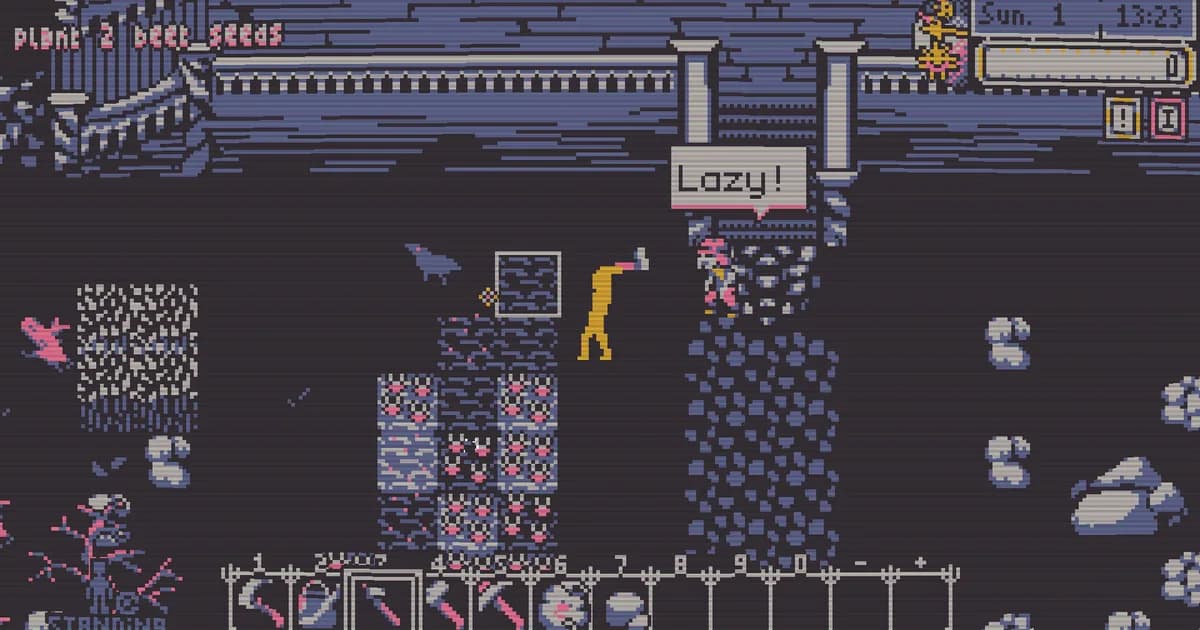
Besmirch puts you in the boots of a farmhand arriving at a village held under the thumb of a corrupt Baron. You grow crops to avoid starvation, run errands for paranoid townsfolk to build trust, and pay the Baron his share of whatever you manage to harvest. Then night falls. Then something worse falls.
The aesthetic is lo-fi pixel art in the tradition of FAITH: the cult horror series by AIRDORF Games. Where FAITH used sparse, early-PC visuals to create something genuinely unsettling, Besmirch uses the same visual restraint to put dread into what is otherwise a familiar farming game loop. The contrast between the day routine (plant, tend, talk to villagers, manage hunger) and the night horror (flee, survive, don't go outside) is the core of the experience.
The developer, Gangru Games, started on itch.io before signing with publisher 2 Left Thumbs for the Steam Early Access release. The current build is approximately 60% complete, per the developer's own Early Access FAQ on the Steam store page. Autumn and Winter have full story content; Spring and Summer exist in the game but have no active narrative yet. Steam's own review aggregate currently reads "Very Positive," though the sample is still small at this stage of Early Access.
This Besmirch complete guide covers every major system in the current build.
- Besmirch Early Access: FAITH-Inspired Farming Horror: Besmirch Early Access launches May 11. FAITH-inspired farming horror where you tend crops by day...
Farming mechanics: the day loop
Farming in Besmirch is not the low-stakes loop of most farm sims. Every crop matters because hunger is real and the Baron expects his share. If you can't meet his tithe, your standing in the village drops. If your standing drops far enough, NPCs stop cooperating with you: which makes everything harder, including surviving the nights.
Each day splits into two windows. The first is on the farm: plant, water, harvest. The farming calendar is seasonal, so what grows in Autumn won't grow in Winter. You need to plan your crop rotation around what you need to eat AND what the Baron will accept as payment. Hoarding too much rather than sharing with townspeople costs trust, so there's a constant pull between feeding yourself and keeping the village on your side.
The second window is in town: errands, trading, visiting the blacksmith, gathering supplies for the coming night. The blacksmith is easy to miss in the early hours: use the map (added in a patch after EA launch) to find the shop. You need upgraded combat gear before the dungeon sections become survivable, and the blacksmith is the only way to get there.
The day ends whether you're ready or not. There's no option to push time forward or stay out once darkness starts closing in. Managing your time during daylight hours is as much a skill as the farming itself.
The Baron doesn't take a fixed payment: he takes a proportion of what you've grown. That means a bad harvest hurts you twice: you have less food yourself, and less to hand over. Autumn crops tend to yield more per plot but have a narrower harvest window. Winter crops grow slower and produce less, but they fill the gap when the Autumn fields are bare. Planning your plot allocation around both seasons from the start prevents the food crises that trap early players.
Besmirch tracks hunger actively. When your character is underfed, movement slows and combat becomes genuinely harder (not just stylistically, but mechanically. You'll notice the difference in dungeon sections when you arrive full versus running low. Budget food the same way you budget for the Baron's tithe) set aside enough for yourself before anything else, then figure out what you can spare to share.
In the Autumn opening, prioritize crops with short growth cycles over high-yield varieties. You want multiple smaller harvests more than one large one: both because you can share smaller amounts incrementally to build trust, and because a crop failure on a long-cycle plant can wipe your entire food reserve at once.
The town hub connects the daytime farming loop to Besmirch's stranger encounters.
The Baron trust system: your social standing
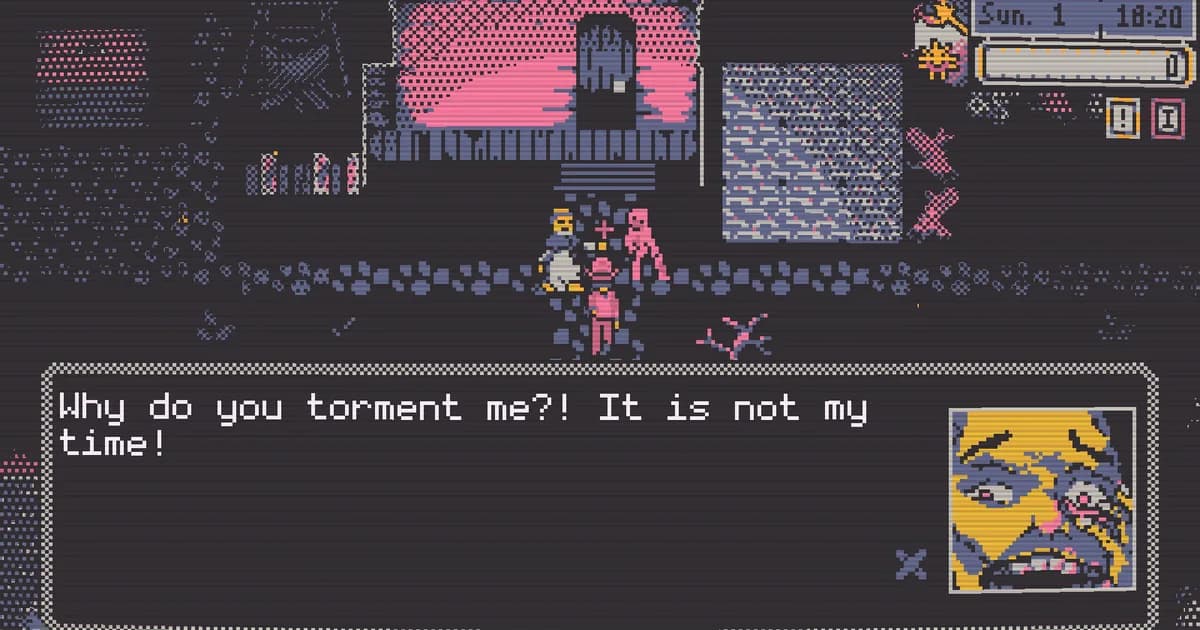
The Baron is not a character you face directly in the early build. He's a pressure system. Every in-game cycle, he collects his tithe. Fail to deliver, and you lose social standing. Lose enough, and the village turns against you before any monster gets the chance.
Trust works on two levels: what you do and what people perceive. NPCs in Besmirch evaluate you based on your actions AND on perceived omens. A run of bad weather, a failed harvest, a neighbor's misfortune: these can shift community sentiment against you even if you've done nothing wrong. The game is deliberately unjust in the way a superstitious rural community might be.
Trust goes up when you complete errands, share food beyond the bare minimum, and show up for the village consistently. It goes down when you miss the Baron's tithe, hoard supplies, or do anything that looks like association with whatever's happening at night. Getting caught outside during the Three Days of Darkness can count against you even if you survive the encounter.
The trust system rewards consistent, methodical play over any single heroic action. There's no big event that repairs your reputation: you build it incrementally and lose it the same way.
GODEEPER: The trust mechanics connect directly to combat readiness. Besmirch Tips: 12 Things to Know Before Your First Night →
- Besmirch Baron Trust System: How It Actually Works: Besmirch baron trust: what builds it, what drains it, which NPCs matter, how corruption works,...
Surviving the Three Days of Darkness
Every in-game month, three consecutive nights of total darkness sweep the village. During this window, stronger monsters roam freely outside and you cannot safely retrieve supplies you left outdoors. Players who aren't prepared before the darkness starts tend to lose resources, die, or both.
Before the darkness hits:
- Stock enough food indoors for three nights. Do not assume you can retrieve outdoor supplies.
- Acquire blessed candles. These are not decorative: they're functional survival items during the darkness sequences.
- Complete any errands that require going outside. Once the darkness starts, stay indoors.
During the darkness:
- Do not go outside unless you have the gear and confidence to survive the encounter. The monsters active during this window are stronger than the standard nighttime spawns.
- Blessed candles provide protection from certain horror interactions inside the house. Keep them lit.
- The darkness ends on the fourth day. The game will signal this. Wait for it.
The Three Days of Darkness is the game's primary difficulty spike. Experienced players treat it as a monthly prep deadline rather than an event they react to: you're always working toward the next darkness, not catching up after the last one.
Town NPCs and social dynamics
Besmirch's villagers are not Stardew Valley townspeople with gift preferences and birthday schedules. They're suspicious, they gossip, and their moods shift with events you often can't control. Several of them have multi-part storylines active in the current build.
A few things worth knowing:
Not everyone needs feeding. It sounds counterintuitive, but you don't need to feed every NPC equally to maintain decent trust. Focus on the relationships that directly affect your farming and combat access: the characters who gate key items or errands.
Gifts matter less than consistency. Regular interaction with the same NPCs builds trust more reliably than occasional gifts. Show up, complete tasks, and don't disappear for multiple in-game weeks.
NPCs remember failures. If you miss an errand deadline or let a request expire, that NPC will reference it. The game tracks this in a simple way but the cumulative effect on trust can be significant over a full season.
The spring and summer seasons (when they receive story content in a future update) are expected to expand the NPC storylines significantly. The current build introduces most of the main characters but doesn't resolve their arcs. If you're drawn to indie games that put unusual pressure on social mechanics, Dead as Disco takes a similarly unconventional approach from a completely different genre.
Dungeon combat and the blacksmith
Besmirch has dungeon sections separate from the farming and night-horror gameplay. They're not particularly long in the current build, but they require combat-ready gear. New players who skip the blacksmith usually find these sections much harder than intended.
The blacksmith's location catches a lot of new players off guard. Gangru Games added the in-game map before EA launch, and a blacksmith marker followed a couple of weeks later: use it to find the shop, because it's not where you'd naturally look from the starting area.
(Our Combolands launch coverage covers another recent Early Access title with its own progression layer, worth a look if that's what interests you.) Upgrade weapons before armor. The blacksmith does both incrementally, and there's no single optimal path, but weapon upgrades pay off sooner in the dungeon sequences.
Controller support has improved steadily since launch: Gangru Games shipped PS4/DualShock fixes and Blacksmith-screen controls in June patches, plus grid-snapping for menu navigation in the June 27 update. It still has rough edges in a few menus, and keyboard and mouse remains the more reliable input for the precise dungeon sections.
The dungeon in Besmirch is not a sprawling roguelike system. It's a contained area with encounter rooms and navigational choices. Enemies don't fight the same way the nighttime horrors do: they have patterns you can learn. The first dungeon run typically catches players off guard not because it's mechanically complex, but because they arrive underprepared from skipping the blacksmith.
Dying in the dungeon doesn't end the run, but it costs you whatever you were carrying. Items don't carry over without retrieving them, and going back in for your dropped supplies is a second run with the same risk. Players who treat each dungeon run as a planned expedition (specific loadout, specific goal, specific exit point) tend to lose far less than players who treat it as casual exploration.
The first dungeon access becomes available after a specific village errand unlocks the route. Don't rush it. The dungeon isn't required early in the Autumn season, and attempting it before your gear is upgraded is the most common way to lose significant progress. Use the early game to build trust, stock supplies, and get at least one blacksmith upgrade before stepping in.
Dungeon content in the current build is relatively limited compared to the surface farming and horror mechanics. Gangru Games has confirmed more dungeons are planned for the Early Access roadmap, alongside animal husbandry and the raid system detailed below. Our Cursemark boss guide and Abiotic Factor's Tarasque boss guide both cover more developed dungeon-combat systems if that's the part of Besmirch you're most looking forward to seeing expanded. Beastro's boss guide is another useful comparison for a similarly cozy-adjacent game with a real combat layer underneath.
GODEEPER: For a summary of what's in the EA build right now, see our launch-day breakdown. Besmirch Early Access: FAITH-Inspired Farming Horror →
All Besmirch guides
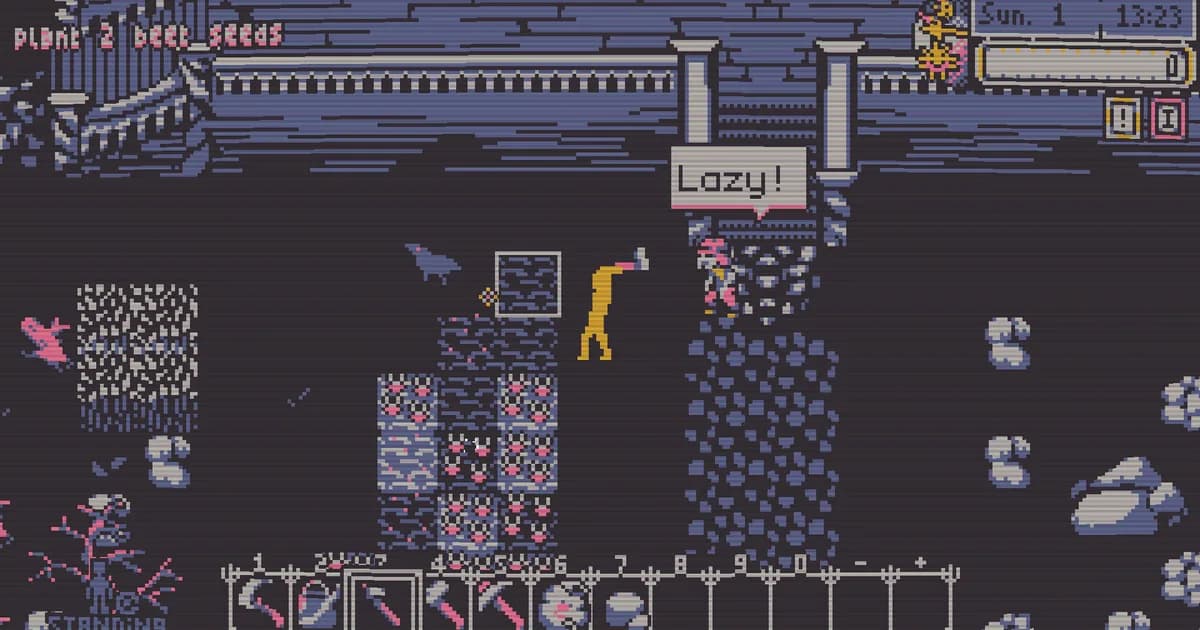
- Besmirch Tips: 12 Things to Know Before Your First Night: Practical tips covering the Baron tithe, Three Days of Darkness prep, blacksmith location, and NPC feeding priorities.
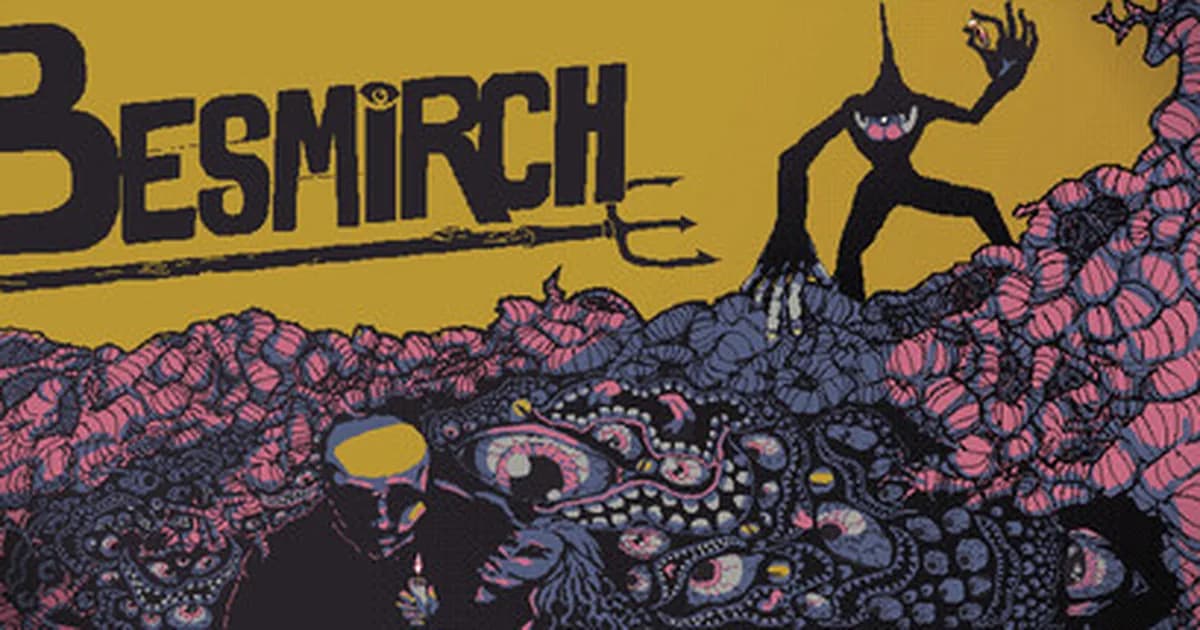
- Besmirch Early Access: FAITH-Inspired Farming Horror: Launch-day breakdown of what's in the current build, developer background, and what's confirmed for future updates.
- Besmirch Baron Trust System: How It Actually Works: Deep dive into what builds and drains trust, which NPCs matter most, the Baron's corruption mechanic, and how to recover after a failure.
- Dead as Disco Early Access Launch: another horror-adjacent indie launch worth comparing on tone and scope.
- Winter Burrow Complete Guide Hub: a much cozier survival sim, useful contrast if Besmirch's horror lean isn't for you.
- Fields of Mistria Beginner Guide: a farming sim without the horror layer, for comparison.
- Alabaster Dawn Early Access: another recent pixel-art Early Access release worth tracking alongside Besmirch.
- Besmirch Achievements: All 28 Steam Unlocks Explained: Besmirch achievements: all 28 Steam unlocks, from the tutorial and festivals to mines, bosses, loans, crops, deaths, and hidden conditions in Early Access.
- Besmirch Fishing Guide: Rods, Fishmonger, and Aquarium: Besmirch fishing guide for rods, the documented fish count, Fishmonger shop, minigame, rare catches, and aquarium system in today's Early Access build.
- Besmirch Crafting and Building Guide: Workbench to Walls: Besmirch crafting and building guide covering the workbench menu, bulk crafting, fertilizer, sprinklers, walls, paths, doors, fire, and decorations.
- Besmirch Taxes and Raids: How the New Farm Threat Works: Besmirch taxes and raids guide covering the first Spring trigger, what refusing taxes does, preparation, combat limits, and the current v0.7 unknowns.
What's changed in v0.7 and what's next
The big freshness change is that v0.7 is no longer upcoming. Gangru Games released it on August 25, 2026, and the official announcement lists the Hatman, farm raids for rejected taxes, Sonny, new recipes, an aquarium upgrade, new monsters, heat waves, fire, sprinklers, walls, decorations, and more fish. Patch v0.7.01 on August 26 fixed a Beet Festival crash and the circular workbench-and-nails crafting requirement.
Fishing itself shipped in the June 27, 2026 update with fishing rods, a Fishmonger shop, seven catchable fish (six common, one rare), and a town aquarium. V0.7 expanded that system and added the Hatman, farm raids, Sonny, and the other systems listed above. Those are live-build facts; the remaining roadmap is a separate question.
The developer's September 11 Steam update says the unstable branch now has an early multiplayer build and character customization, while Winter and the "After 3 days of darkness" sequence still need co-op work. The same update lists new monsters, more seasonal music, the Swamp, custom outfits, and professions as active development areas.
Still in development according to the latest developer updates:
- Multiplayer and the remaining Winter and Three Days of Darkness co-op work
- More festivals and monsters
- Swamp content
- Custom outfits and professions
- More NPC stories, the full story ending, additional bosses, and further horror content
All updates during Early Access are free. The buy-once model means no paid DLC during the EA period, though the developer has said full release pricing could rise slightly.
The most impactful missing content remains the Spring and Summer seasonal story content: the developer's Steam FAQ says the main story currently ends in the second season, Winter, and estimates the game at roughly 60% complete. Players who want to experience the complete narrative may want to wait for the full release in late 2027. The current build is worth playing for the systems and atmospheric design, but the story arc is unfinished by design.
The full release is planned for October 31, 2027. No individual update dates have been announced. Gangru Games posts development updates on the Steam community hub, which is the most reliable place to track what's currently in progress.
Frequently Asked Questions
What is Besmirch and who made it? Besmirch is a pixel art farming horror game by Gangru Games, published by 2 Left Thumbs. You play as a farmhand trying to survive in a superstitious village under a corrupt Baron. The game launched on Steam Early Access May 11, 2026, at $9.99.
How long is the current Besmirch Early Access build? The EA build covers roughly 6 in-game weeks of story content: two seasons (Autumn and Winter). Expect 6 to 12 hours depending on your pace. Spring and Summer exist in the build but have no active story content yet.
What is the Baron trust system in Besmirch? The Baron levies a regular tithe on your harvest. Failing to meet it costs you standing in the village. Trust is also affected by how you treat townspeople: sharing food, completing tasks, and avoiding omens all influence how NPCs evaluate you over time.
What happens during the Three Days of Darkness? Every in-game month, three consecutive nights of total darkness hit the village. Stronger monsters roam freely and you cannot safely retrieve outdoor supplies. You need blessed candles and stocked resources before the darkness starts or you will lose items and potentially die.
Is Besmirch worth buying in Early Access right now? If you want 6 to 12 hours of polished horror farming content and enjoy getting into games before full release, yes. If you prefer complete experiences, wait: Gangru Games has a planned full release date of October 31, 2027.
Will Besmirch add more content in Early Access? Yes. Fishing shipped in June, and v0.7 is now live with the Hatman, farm raids, Sonny, more fish, aquarium upgrades, new crafting, sprinklers, heat waves, fire, walls, and other content. Multiplayer and character customization are currently on the unstable branch, alongside more festivals and monsters, Swamp content, and further story work. All updates are free with the buy-once model.
What does the blacksmith do in Besmirch? The blacksmith upgrades your combat gear, which you need before the game's dungeon sections become manageable. Many new players overlook the blacksmith early on: locate the shop using the in-game map.
Related Reading
- Besmirch Tips: 12 Things to Know Before Your First Night: practical priorities for the Baron tithe, darkness events, blacksmith, and NPCs.
- Besmirch Early Access: launch context, current systems, and the developer's confirmed roadmap.
- Besmirch Baron Trust Guide: how trust changes and how to recover from a failed request.
- Cursemark Boss Guide: a comparison point for a more developed boss-combat loop.
- Beastro Boss Guide: another cozy-adjacent game with a substantial combat layer.
References
- Besmirch on Steam: Store page, patch history, and community discussions
- Besmirch v0.7.01 hotfix: official Beet Festival and crafting hotfix
- Besmirch Thursday Update #10: official unstable-branch multiplayer and customization status
- Gangrue on itch.io: Developer's original itch.io releases
- Besmirch Steam Community: Player discussions, bug reports, and developer responses
About the author

Systems & Economy Desk
GameBrief's byline for roguelikes, strategy and simulation. Reads patch notes, wiki tables and Steam stats and puts the numbers on the page.
- Roguelikes, strategy and simulation
- Builds, progression and economy
- Sources listed per article
Keep reading

Besmirch Baron Trust: 5 Rules for Safer Villager Bonds
General · 10 min
Besmirch Tips: 12 Things to Know Before Your First Night
General · 8 min
Besmirch Early Access: FAITH-Inspired Farming Horror
General · 8 min
Besmirch Multiplayer: 6 Facts About the Unstable Co-op
General · 9 min
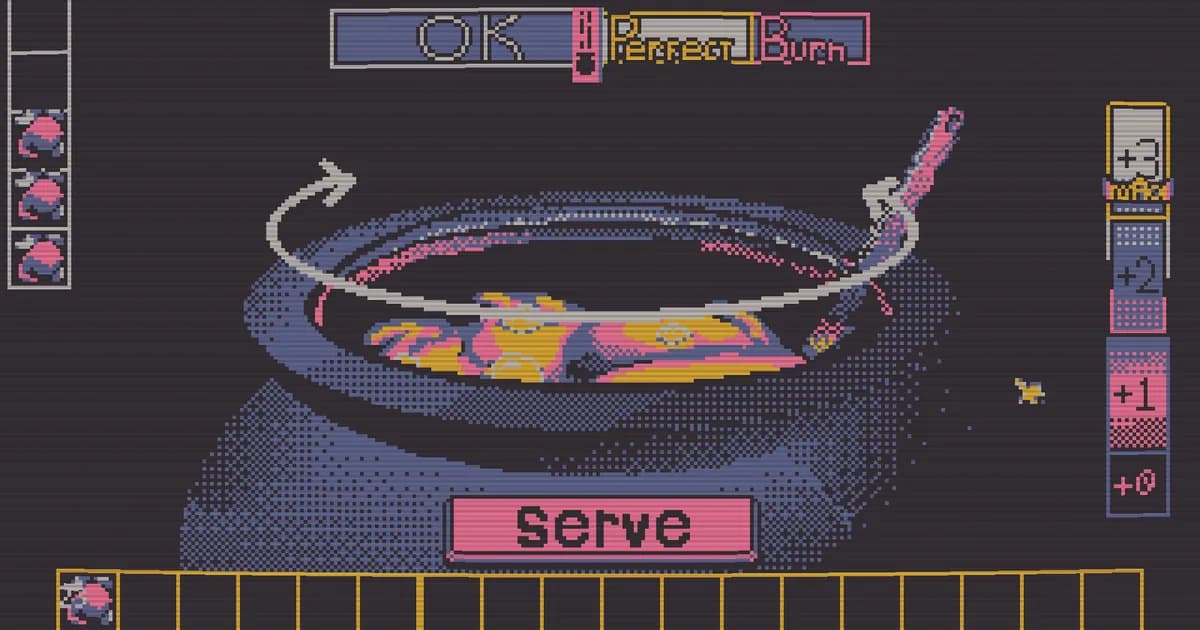
Besmirch Taxes and Raids: How the New Farm Threat Works
General · 9 min
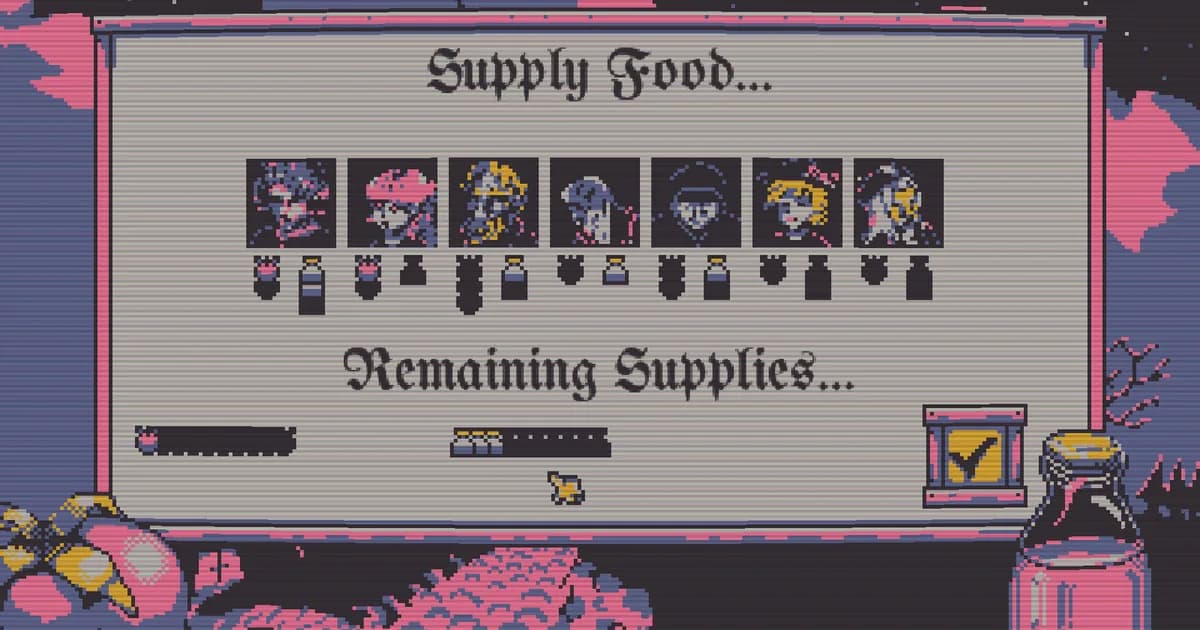
Besmirch Crafting and Building Guide: Workbench to Walls
General · 10 min
Game deals · affiliate links

Disclaimer
This article is published for informational and entertainment purposes. It does not constitute professional financial, legal, or technical advice. Game performance, online services, patch schedules, and store listings change. Verify critical details (pricing, system requirements, regional availability) with publishers and storefronts before you buy. Affiliate links, where present, help support our editorial work and are labelled in our affiliate disclosure.
Comments
Loading comments…