
GuideBlack Jacket
Black Jacket Guide: Blackjack Roguelite Tips for 2026
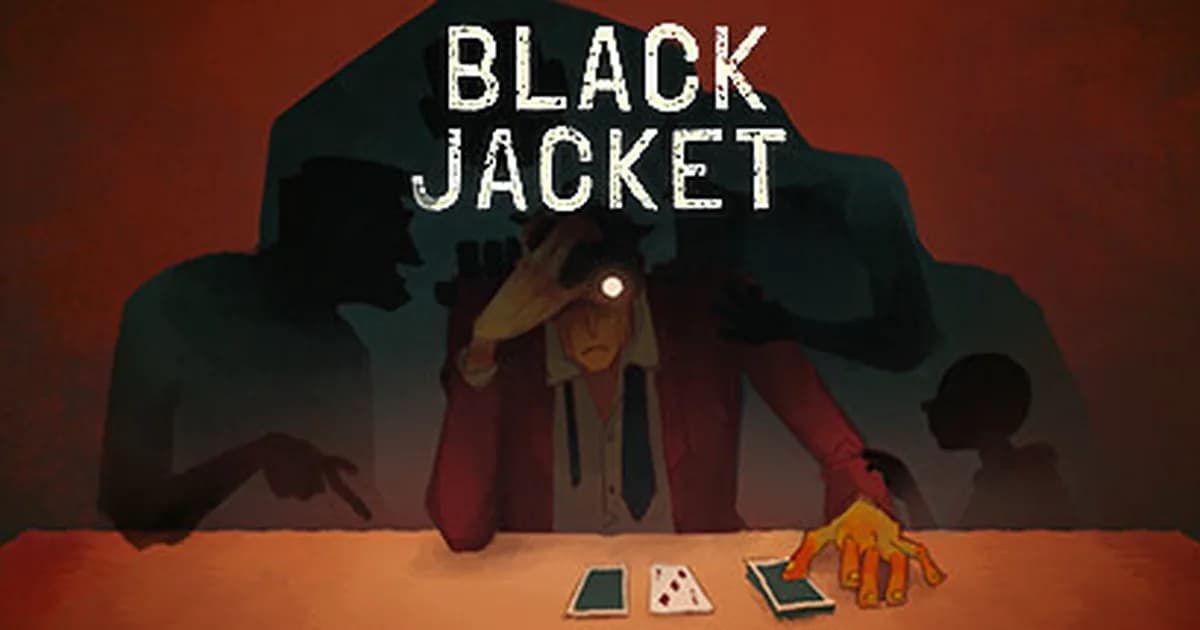
About the game
Black Jacket
Mi'pu'mi Games GmbH · Skystone Games
This Black Jacket guide covers suit selection, deck building, the Soul coin economy, and Journey progression for new players of the blackjack roguelite.
TL;DR: Black Jacket is a blackjack roguelite where you pick 3 of 8 suits per run, build a deck around their mechanics, and gamble your way through 21 difficulty Journeys. The core rule that breaks new players: stop chasing 21: win the coin war instead. For beginners, start with Diamonds + Spades + Clubs; prioritize card removal over addition at every shop; and never let Soul coins drop below comfortable bet size for the next encounter.
Current status: September 2026 (quick answer)
Black Jacket's current public patch is 1.0.7. The official August patch added a final cutscene after defeating the final boss on difficulty level 21 and included bug fixes; the core progression remains eight suits, three choices per run, and 21 Journey levels. The current Steam listing still describes Black Jacket as a PC blackjack roguelite from Mi'pu'mi Games and Skystone Games.
Black Jacket guide: how the game works (quick answer)
- Black Jacket is a blackjack roguelite where you gamble your way out of hell: developed by Mi'pu'mi Games, published by Skystone Games
- Released May 12, 2026 on PC; Very Positive from over 1,000 reviews; demo available on Steam
- Choose 3 of 8 suits at run start; each suit modifies how your deck interacts with opponents
- The goal is never to hit 21: it's to win more coins than the opponent by the run's end
- 21 difficulty levels (Journeys); most players hit a natural wall around Journey 8-12
- Your deck starts thin and gets corrupted by enemy card afflictions: removal is more important than addition
Step-by-Step: build a reliable Black Jacket run
1. Choose three suits with complementary jobs: Start with Diamonds, Spades, and Clubs while learning draw control, flexible placement, and opponent disruption.
2. Read the Journey modifier before the first hand: Treat each difficulty level as a rules change, not just a larger health bar or bet.
3. Remove dead cards at the first useful shop: A smaller deck makes the suit mechanics you chose appear more consistently.
4. Protect the Soul coin pool: Spend at shops only after reserving enough for the next meaningful bet and the encounter after it.
5. Stop chasing 21 when the hand is already favorable: Winning the run's coin economy matters more than forcing a perfect score in one hand.
What is Black Jacket?
Black Jacket reframes blackjack as a deckbuilder. You are a soul stuck in hell, condemned to play cards against demonic opponents, working toward the one escape route available: accumulate enough Soul coins to bribe the ferryman for passage out. The dedicated Black Jacket deck-building guide expands the suit interactions below.
The game plays like blackjack on the surface: both you and your opponent try to build a hand close to 21 without going over. The difference is that both sides are playing from custom decks, not a shared casino shoe. Your deck can be upgraded, thinned, afflicted, manipulated, and built toward a specific strategic identity across a run.
Mi'pu'mi Games GmbH developed it; Skystone Games published it. It launched May 12, 2026 and sits at Very Positive across over 1,000 reviews, with a free demo on Steam. This Black Jacket guide covers the systems that take the game from "blackjack but hell-themed" to something genuinely strategic.
The 8 suits: and how to choose your 3
Every run starts with a suit selection screen. You pick 3 suits from 8; those 3 suits form the backbone of your deck (each suit provides cards for several number values). The choice is permanent for the run.
Each suit has a thematic secondary mechanic:
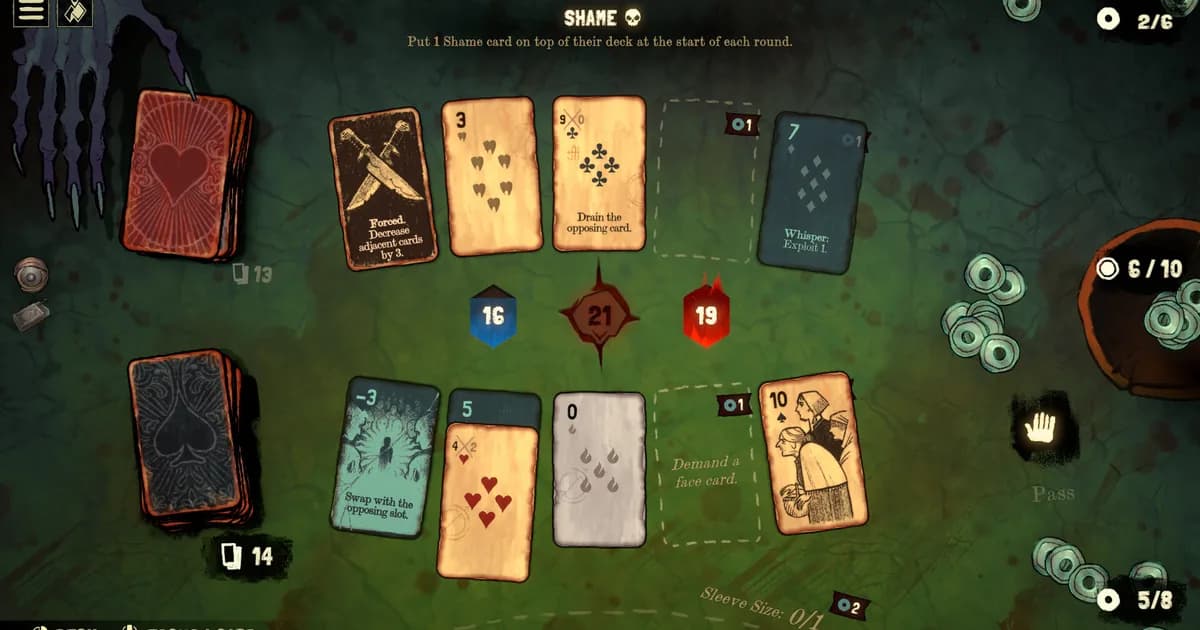
Clubs: Value manipulation. Club cards alter card values and reach across the table to drain the opposing card or swap with the opposing slot. Best for players who want to make the opponent's numbers play worse rather than only play their own hand.
Diamonds: Draw manipulation. Diamonds let you peek at upcoming cards, reorder your draw pile, and skip over dead draws. Best for players who want consistency and hate variance.
Hearts: Negative-value removal. Awakened Heart cards take on negative values and can break the opposing card. Powerful but the highest-complexity standard suit, so despite the familiar symbol it is not a beginner pick.
Spades: Flexible placement. Spade cards can be played into any slot and lean toward disrupting the opponent. Best as a coverage suit that fills gaps without committing to a specialty.
The remaining 4 suits are special unlocks, each with its own mechanic: Flames ignite and burn cards out of the run, Greed sleeves cards to compound value, Teeth lower the opponent's card scores, and Tumors devour cards to stack a single big-payoff card. You unlock them by playing (burning 15 cards, discovering 70, awakening 20, and winning 50 encounters respectively).
Starting recommendation for beginners: Diamonds + Spades + Clubs. This combination gives you draw consistency (Diamonds), flexible placement (Spades), and a simple way to drain or swap the opponent's cards (Clubs). It doesn't have the flashiest ceiling (Tumors and Hearts builds scale higher) but it produces the most learnable run structure when you're still developing your reading of the game. Hearts in particular looks like a beginner suit and isn't: its negative-value cards are high-complexity.
GODEEPER: Resource management across multi-run roguelites follows similar principles. Gambonanza Complete Guide →
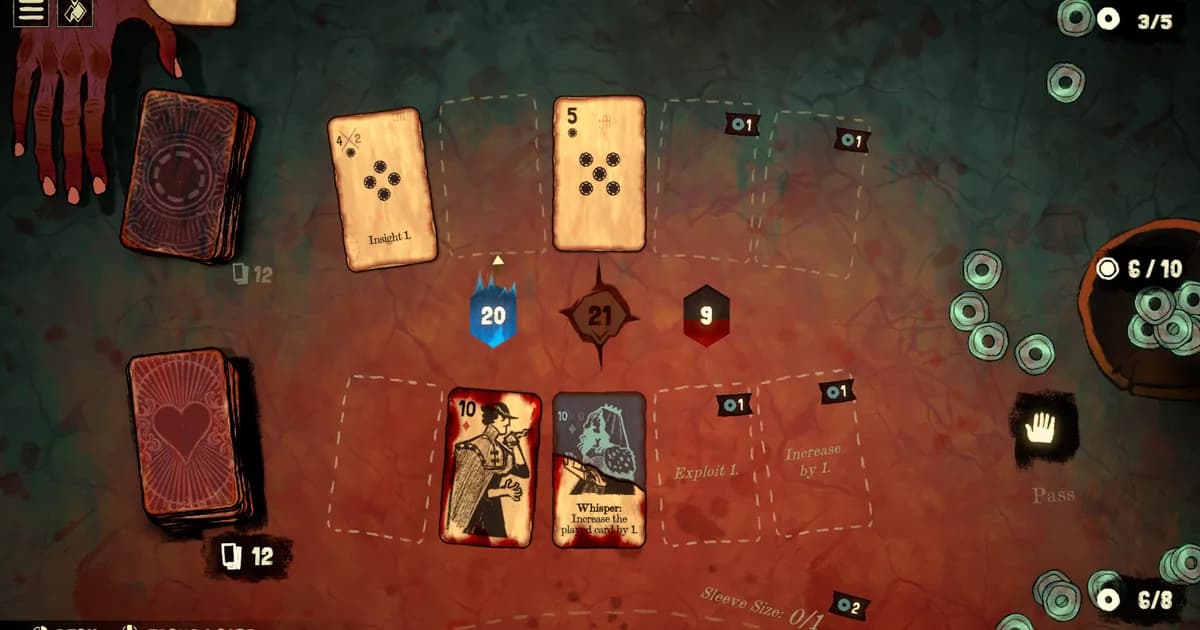
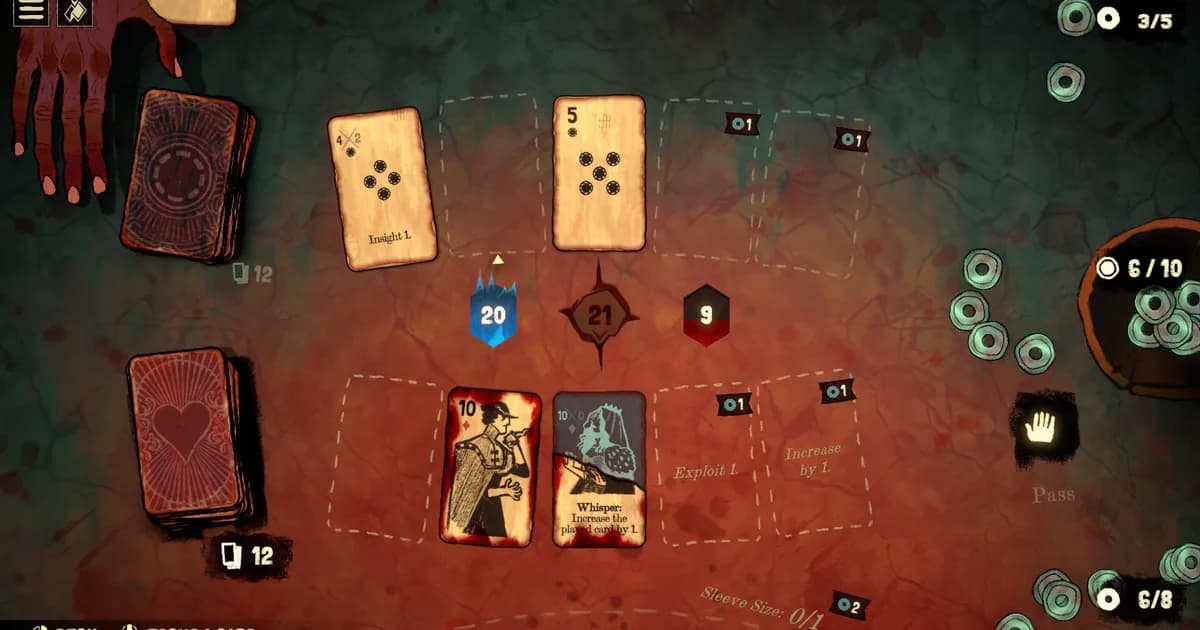
A live blackjack hand shows why the run is about reading card values and the coin economy, not blindly chasing 21.
Black Jacket guide: the core principle: don't chase 21
This is the rule that separates players who clear Journey 5 from players stuck at Journey 2.
Blackjack's conventional goal is to get as close to 21 as possible without busting. In Black Jacket, this is wrong. The goal is to win more coins than the opponent does at the end of the hand, weighted across the full run.
A hand that ends at 19 and leaves you with enough coins to bet aggressively next round is better than a hand that reaches 21 by drawing three times and leaving you coin-light. The hand score matters less than the coin difference.
Implications:
- Stop drawing when you're ahead in a position where the opponent's likely range is below yours.
- Spend coins on bets that have positive expected value, not on bets that feel exciting.
- The opponent busting on their own is worth more than you hitting 21: both end the hand the same way, but if you drew to get 21, you used resources to get there.
Deck construction: removal over addition
Early shops offer two categories of choices: new cards (adding to your deck) and removal options (deleting a card from your deck). New players default to adding cards, because adding feels like improving.
The opposite is almost always correct. A deck of 12 focused cards draws more predictably than a deck of 20 mixed-quality cards. Every dead draw (a card that doesn't contribute to your current hand strategy) is a turn you didn't get to execute your plan.
Remove bad cards before adding new ones. The baseline "filler" cards in your starting deck (flat-value number cards with no secondary effects) are removal targets as soon as better options appear. Keep the cards with suit mechanics that match your identity; cut the rest. See also the All Hail the Orb alchemy guide for how the same removal-first principle applies in a different roguelite context.
Enemy card afflictions (introduced by opponents at higher Journeys) corrupt your deck by adding negative-effect cards that you can't immediately remove. Part of the challenge in mid-range Journeys is managing a slowly degrading deck: knowing which afflicted cards to prioritize removing at shops versus which to play around.
The route map is where Journey choices branch; read the upcoming encounters before spending Soul coins at the next shop.
Soul coin economy
Soul coins serve two purposes: betting currency (the stakes of each hand) and shop currency (resource for upgrades between encounters). They're the same thing. Coins you spend at the shop are coins you can't bet. See the Black Jacket Soul coin economy guide for the longer budgeting examples.
The balance to maintain:
- Too conservative on bets: You don't accumulate coins fast enough to survive coin-light Journal bosses.
- Too aggressive on bets: You run out of coins before reaching the shop, losing the ability to upgrade.
A rough guideline: spend at shops when your coin total is above the "comfortable bet size for the current encounter." If the next opponent expects a minimum bet of X and you have 10X, spending 2-3X on a good removal or card upgrade is fine. If you have 2X, hold your coins for the bet.
The Journeys add modifiers that change this calculus: some Journeys reduce starting coins, others add bonus coins for specific hand types. Read the Journey modifiers before your first hand of each encounter.
GODEEPER: The same removal-first philosophy applies in other card roguelites with complex deck states. All Hail the Orb Alchemy Guide →
Black Jacket guide: Journey progression and what to expect
The 21 Journeys in Black Jacket aren't equal difficulty steps. The Black Jacket Journey guide maps the modifiers in detail; this guide focuses on the decisions that apply across all bands. The game functions more like ascending difficulty bands:
Journeys 1-3: Tutorial band. Opponents play predictable blackjack. The game is teaching you the suit mechanics and card text.
Journeys 4-7: First real wall. Opponents start using their own card effects. Draw manipulation from Clubs and Spades first appears here. Players who mastered Journey 3 by going aggressive often hit a hard stop at Journey 5 when opponents start countering.
Journeys 8-14: Mid-game. Card afflictions appear. Deck corruption becomes a meaningful pressure. Builds that relied on clean card removal struggle here unless the player has developed a counter-strategy.
Journeys 15-21: Endgame. Modifiers become severe. High-variance outcomes multiply. Very few players reach Journey 21 without deliberate build theory.
Most players find their personal skill wall between Journey 8 and 12: this is where the game's depth lives, not in the early floors.
Frequently Asked Questions
What is Black Jacket? A blackjack roguelite where you build a custom deck from 8 suit archetypes and gamble your way out of hell. Developed by Mi'pu'mi Games, released May 12, 2026.
How do you pick suits? Choose 3 of 8 suits at run start. Each suit provides a secondary mechanic: Clubs drain and swap opponent cards, Diamonds manipulate draw order, Hearts use negative-value cards to break opponent plays, Spades play into any slot for flexible coverage.
Should you chase 21? No. Win the coin war across the run, not individual hands. A clean 19 with preserved coins beats a greedy 21 with empty pockets.
How many difficulty levels? 21 Journeys. Most players hit their wall between Journey 8-12.
What are Soul coins? Both bet currency and shop currency. The same pool. Spend carefully across both uses.
Is there a demo? Yes, free on Steam. Covers the first few Journeys.
Related Reading
- Best Roguelike Games 2026: 6 Picks for Every Budget: a curated list of roguelites worth watching.
- Black Jacket Journey Guide: All 21 Journeys Explained: Black Jacket journey guide: all 21 Journeys by tier, modifier types, deck strategies that clear
- Gambonanza Review: Chess Balatro or Something Better?: another card-and-strategy roguelite with coin-economy tension.
- Scoundrel Card Game: 44 Cards Is the Whole Dungeon: a minimalist card dungeon-crawler feature.
- Slay the Spire 2 Co-op Guide: All 5 Characters Ranked: character rankings and synergy notes.
References
- Black Jacket on Steam
- Black Jacket on Adventure Gamers
- Black Jacket official wiki: suit, Journey, and patch reference
- Black Jacket difficulty levels: current 1-21 difficulty structure
- Black Jacket Patch 1.0.7: official final-cutscene and bug-fix notes
Was this guide helpful?
About the author

Senior Critic & Analyst
Former game data analyst turned critic with 11 years covering indie and mid-tier games. Based in Austin. Runs spreadsheets on games most people just play.
- 11 years games criticism
- Former game economy analyst
- Roguelike and strategy specialist
Keep reading
Black Jacket Boss Guide: All 5 Bosses and Curse Counters
Guides · 15 min
Black Jacket Complete Guide 2026: All 21 Journeys, Suits
General · 14 min
Black Jacket Soul Coins Guide: Economy & Coin Management
Guides · 12 min
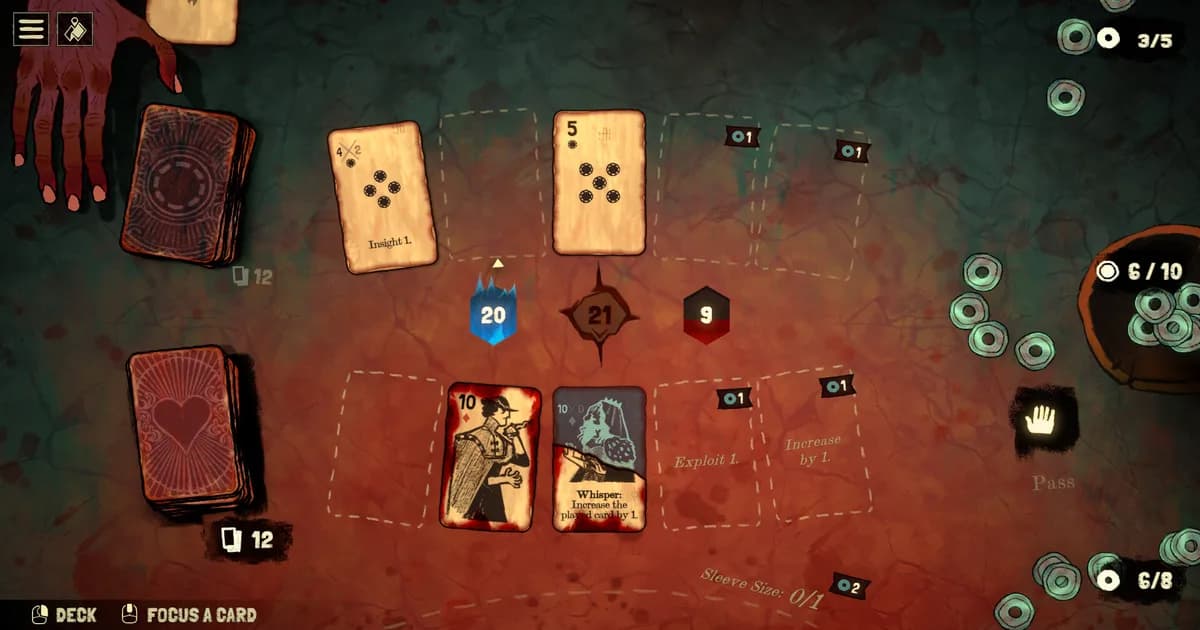
Black Jacket Journey Guide: All 21 Journeys Explained
General · 16 min
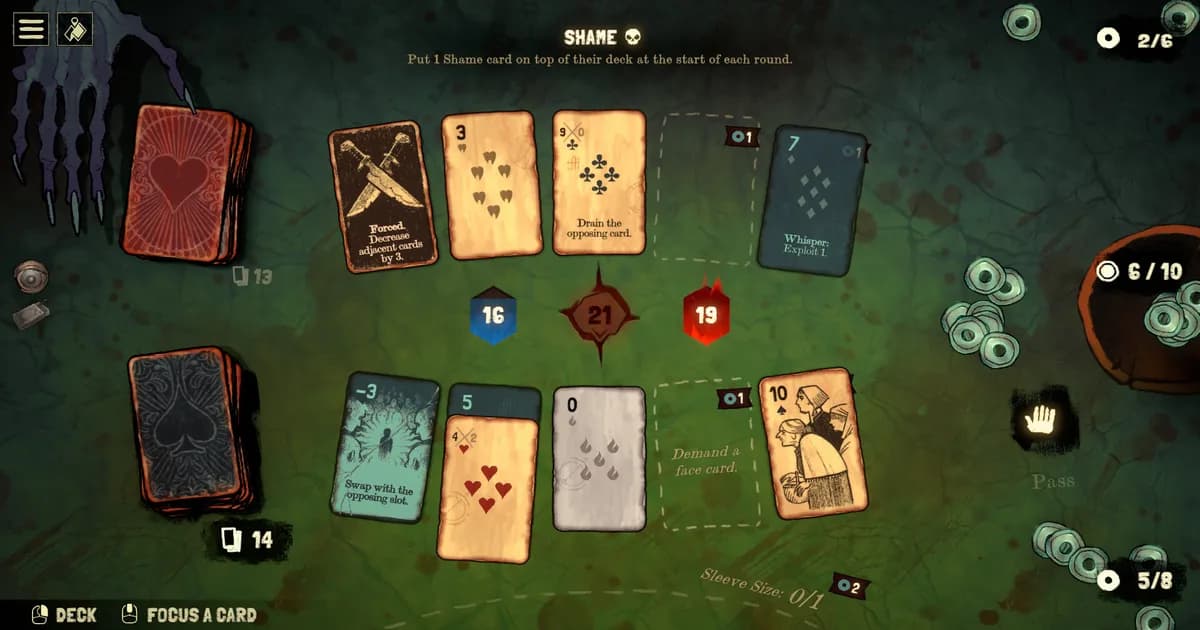
Black Jacket Deck Building Guide: Best Suits and Combos 2026
General · 15 min
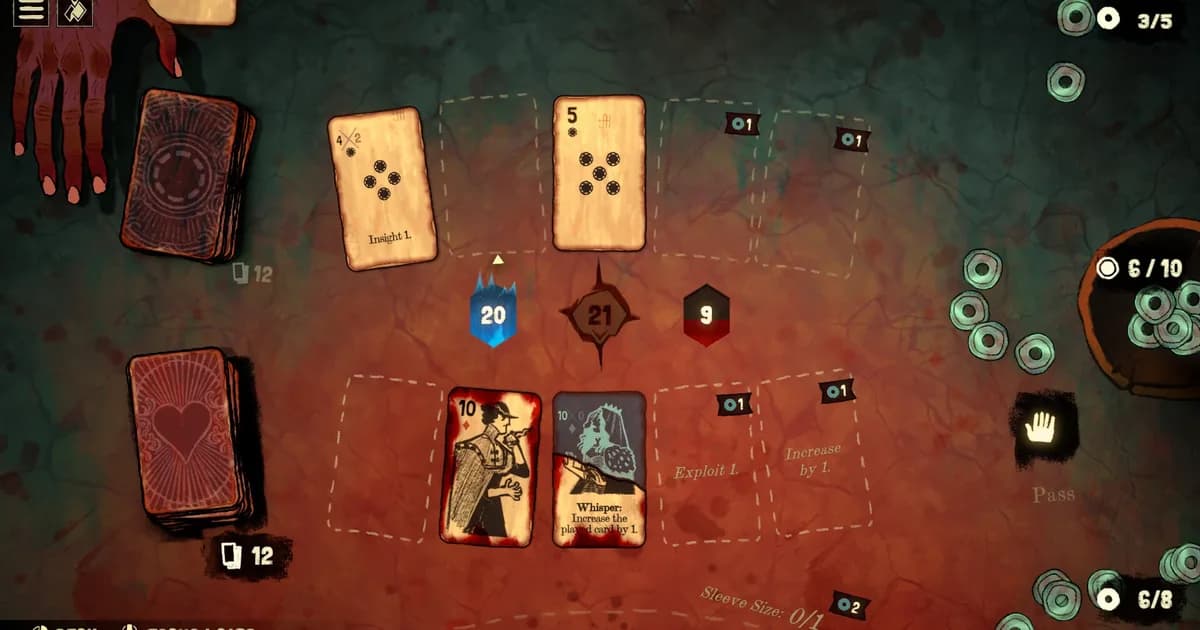
Black Jacket Suit Tier List: All 8 Suits Ranked 2026
General · 14 min
Game deals · affiliate links

Disclaimer
This article is published for informational and entertainment purposes. It does not constitute professional financial, legal, or technical advice. Game performance, online services, patch schedules, and store listings change. Verify critical details (pricing, system requirements, regional availability) with publishers and storefronts before you buy. Affiliate links, where present, help support our editorial work and are labelled in our affiliate disclosure.
Comments
Loading comments…