
GameBrief · General
Tales of Seikyu Tips: 9 Things to Know Before Year 1

These Tales of Seikyu tips focus on what actually separates this game from the Stardew Valley comparisons. The farming loop works differently from most cozy sims. You don't carry a hoe. You transform. Here's what that shift means in practice: which forms to develop first, how the relationship system asks for consistent daily attention, and which income streams are worth your first-season energy.
TL;DR: Level Slime form early because it replaces your watering can, keep your first field small enough to manage, and gift two items per week to villagers you care about from day one. The 18-candidate romance system rewards early momentum. The current player roster is Human plus five unlockable forms: Boar, Slime, Tengu, Yuki-onna, and Fox.
Tales of Seikyu tips: what should you do first? (quick answer)
The single most disorienting thing about Tales of Seikyu is the absence of traditional tools. No hoe, no watering can. At least not in the way Stardew conditions you to expect. Everything goes through your yokai forms, and understanding that early changes how you plan each day.
You start with access to Human form and receive Boar form through the main story shortly after arriving on the island. Boar's ground slam tills soil, chops trees, and breaks rocks in the same move. It's doing the work of three Stardew tools at once, but it costs stamina on every use.
There are six player forms if Human is counted: Human, Boar, Slime, Tengu, Yuki-onna, and Fox. Slime and Tengu unlock through Fox Ruins boss fights: you get Slime after defeating Anji, the first Tanuki boss, and Tengu after Fujiki, the second. Yuki-onna unlocks later in Fox Ruins, while the official 1.0 announcement identifies Fox as the fifth and final unlockable form.
The ones that matter most for daily farm life are Boar (for soil work and resource gathering) and Slime, which replaces your watering can entirely. Slime form fires water as projectiles, pulls from nearby water sources to refill, and covers crop rows faster than a standard watering can would let you. Prioritize leveling it.
Current status: September 2026
The official 1.0 announcement says the player roster expanded from 15 to 18 and adds Fox as the fifth and final unlockable form after Boar, Slime, Tengu, and Yuki-onna. The current 1.1.35 patch notes also list fixes for the Nyotengu romance schedule, marriage sleep sequence, Sasaki event conflicts, and Anji event expressions. Use the live patch notes for event timing if a guide written for Early Access disagrees.
 Relationship scenes are part of the first-season calendar, so leave enough stamina and time after farm work to visit the villagers you care about.
Step-by-Step: surviving your first season
1. Clear the farm (days 1-3):
Clear the farm area with Boar every day until you run out of stamina. Wood, stone, and clay are the bottleneck for almost everything in the first few weeks: storage chests (10 wood planks), field expansion prep, and livestock structures all pull from the same pile. The game rewards you for being aggressive here.
While clearing, rummage through every garbage can in town. This isn't flavor. The bins drop eggs consistently, and eggs are your first reliable income source before crops yield.
2. Plant a narrow field (days 3-7):
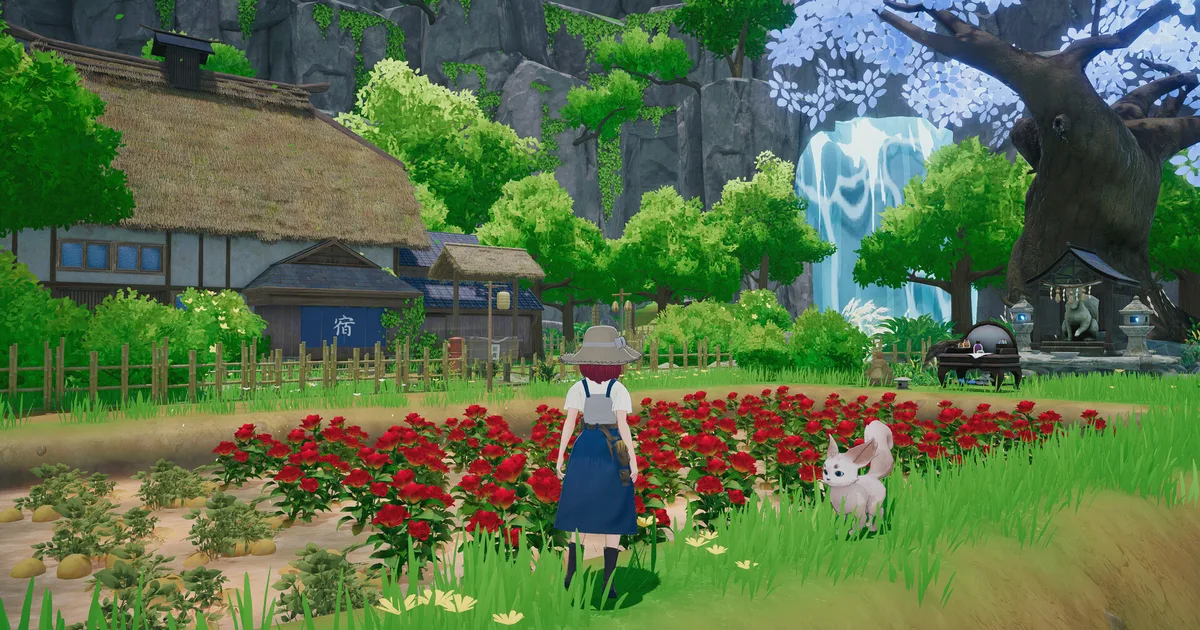
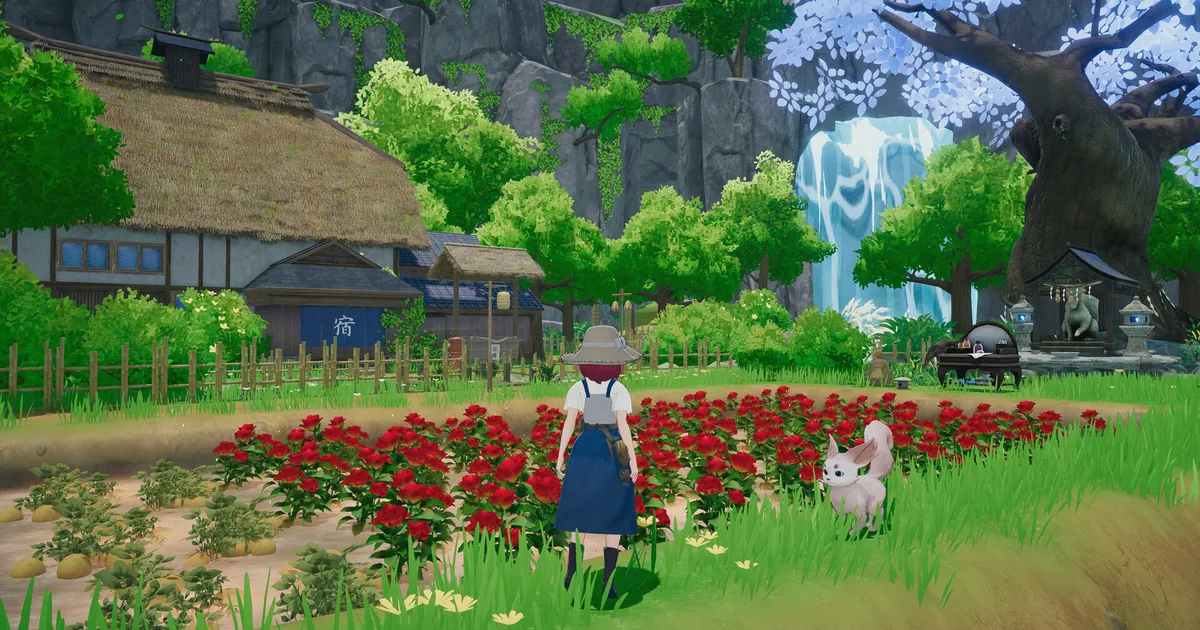
Buy one of each seasonal seed from Musashi's General Store so you know what the current season grows. Then pick two or three multi-harvest crops (strawberries and raspberries in spring, for instance) and plant a field small enough that Slime form can water it in a single pass.
That constraint is the tip. The natural instinct is to plant more. The problem is that a large field before you level Slime form costs so much stamina to water that you arrive at late afternoon with nothing left for relationship events, ruins exploration, or gathering. Keep the field tight until Slime form is leveled enough to make watering feel free.
3. Start the relationship clock (day 7 onward):
The relationship system in Tales of Seikyu 1.0 has 18 confirmed romance candidates, up from 6 in Early Access. All relationships progress through heart events up to level 10, with marriage becoming available at the tenth heart event. Two gifts per week per villager is the maximum. The game enforces this, so you can't accelerate the calendar by stockpiling gifts.
Start gifting on your first week. Not because you'll miss a window, but because the system rewards early momentum and the event triggers are tied to heart level, not to a specific day. Every week you delay is a week of progress you don't get back.
GODEEPER: The Tales of Seikyu 1.0 launch brought 18 confirmed romance candidates and marriage, a major expansion from Early Access. Tales of Seikyu 1.0 Launch: Yokai Sim Goes Very Positive →
Tips for the relationship system
Know your gift preferences before you waste resources. White rocks are a universal fallback that most villagers appreciate. The exception is Hephaestus, who prefers gold ore. Craftspeople like Sasaki respond better to raw materials matching their trade: wood and stone over cooked food.
Gifting twice before a birthday blocks further gifting that day. If a birthday is coming up, gift once in the morning and save the second slot for a higher-value item later. Two low-value gifts early in the day means the birthday gift window closes.
Tavern interactions count. "Treating someone at the tavern" means conversation and presence, not buying them a drink. These visits build relationship points without consuming your gift quota for the week.
Kincho and the hot spring situation. Several players on the Tales of Seikyu subreddit report Kincho refusing hot spring invites even at near-max friendship. This appears to be tied to a specific heart event trigger not yet documented; if you hit Best Friend status and still can't invite him, visit the tavern instead and check back after the next in-game week.
Income: what to focus on early
Forget fishing for the first season. Fishing returns around 500g per session, which sounds decent until you see what else is possible.
Egg-to-mayonnaise conversion is your first real money multiplier. Each egg is worth 20g raw. Put it through the mayonnaise processor and it becomes 200g, a tenfold increase. Once you have chickens, this chain is more consistent and higher-yield than most crop strategies in early game.
Spice rocks from the smelter give you passive income from the rocks Boar form is already generating. Four rocks smelt into one spice rock worth 104g. You're gathering rocks anyway for construction materials; the overflow goes to the smelter.
Cooking has roughly 22-25% margins on average. Pumpkin dishes are the standout: two pumpkins worth 262g combined become grilled veggies worth 341g. That's a real return for cooking crops rather than selling raw.
Field expansion for those who want to scale: the first expansion is free, and subsequent ones cost 2,000g to 10,000g progressively. Full farm development totals around 30,000g. Don't rush it. A tight farm that you can manage in one morning run generates steadier income than an expanded field that overwhelms your stamina.
 The island's animal and yokai residents sit alongside the transformation system that shapes exploration and farm work.
Tips for Fox Ruins exploration
Fox Ruins is not optional. It is where several unlockable forms come from, and the bosses that gate them are the first real difficulty spike the game throws at you after the tutorial.
A few things that catch new players off guard:
Shiny gems are a trap. If you see a glowing gem embedded in a ruins wall and approach it unprepared, you'll trigger a combat encounter with a significantly stronger enemy. Don't interact with them until you've leveled Boar or Slime form to at least level 3.
Night monsters are a different category. There are enemies that only appear in wilderness areas between midnight and 2am. Wanyudo encounters (the wheeled fire monster) can be triggered twice per day in ruins and wilderness during that window. If you're farming at night, expect interruptions.
The Fox Ruins has 86 rooms in the 1.0 map. Full completion is a long-form project, not a first-week task. Work through it as a secondary activity to your daily farm loop rather than treating it as a dungeon to clear.
GODEEPER: For cozy farming sims in the same seasonal-rhythm space, Grave Seasons takes the format in a very different tonal direction. Grave Seasons: A Farming Sim With a Serial Killer Twist →
Things the game doesn't tell you
Game speed is adjustable. In settings, there's a slider from 0.5x to 3.0x. The default pace is brisk, and new players often miss heart events or market windows because the clock moves faster than expected. Slowing to 0.5x while you learn the seasonal calendar is a legitimate option.
Yokai Storage capacity matters more than you think. Feed stone and clay to your Yokai Storage to level it up (up to level 5). The capacity jump between level 1 and level 5 is substantial enough that it should be an early priority alongside Slime form leveling.
Trees inside fenced areas don't respawn. Rocks respawn every other day across the farm. Thatch regenerates daily. Trees in fenced areas stay gone. Plan your farm aesthetics around this before you close any fences.
Black Market rings at Nine Lives. The shop in the bamboo forest (accessible after dark via the footpath behind your house, not the riverside route) sells stat-boosting rings. These aren't mentioned in the tutorial and make a real difference in Fox Ruins survival once you find them.
Frequently Asked Questions
How many yokai forms are there in Tales of Seikyu? The current player roster has six forms if Human is counted: Human plus five unlockable forms, Boar, Slime, Tengu, Yuki-onna, and Fox. The official 1.0 announcement calls Fox the fifth and final unlockable form.
What should I prioritize in the first season in Tales of Seikyu? Level up your Slime form first to reduce watering energy costs, buy one of every seasonal seed to learn what grows, and focus your gift-giving on villagers you want to romance. Clear your farm daily to bank resources for field expansion, which costs 2,000g to 30,000g in total.
How many romance candidates are in Tales of Seikyu 1.0? Tales of Seikyu 1.0 launched with 18 confirmed romance candidates, significantly more than the 6 available during Early Access. Marriage becomes available after reaching the 10th heart event with any candidate.
How do you till soil in Tales of Seikyu? You don't use a hoe. Switch to Boar form and use the ground slam ability to till soil for planting. The same form handles tree clearing and rock mining. This is the core reason the game plays differently from Stardew Valley.
Is fishing worth doing early in Tales of Seikyu? Not really. Fishing yields around 500g per session, compared to 200g per egg via mayonnaise conversion. Save fishing for relationship events that require it, not for income.
Can you adjust the game speed in Tales of Seikyu? Yes. The settings menu has a game speed slider from 0.5x to 3.0x. New players often benefit from slowing the game down while learning the seasonal crop calendar and relationship event windows.
What gifts do villagers in Tales of Seikyu like? White rocks work universally except for Hephaestus, who prefers gold. Craftspeople like Sasaki appreciate raw materials matching their trade. You can give each villager a maximum of two gifts per week.
Related Reading
- Tales of Seikyu Complete Guide: Crafting, Romance & Tips: the complete guide hub for Tales of Seikyu, covering crafting, romance, and the full review verdict.
- Tales of Seikyu 1.0 Launch: Yokai Sim Goes Very Positive: The launch news piece covering what 1.0 added over Early Access, review scores, and the post-launch roadmap.
- Grave Seasons: A Farming Sim With a Serial Killer Twist: If you want something tonally opposite to Seikyu's calm, Grave Seasons mixes cozy farming with a murder mystery.
- Farm to Table Game: Is This Early Access Worth It?: A closer look at another farming hybrid that launched in 2026, useful context for the current state of the genre.
- Tales of Seikyu Review: A Farm Sim With Actual Depth: the full verdict after finishing a full year cycle, not just the opening hours covered here.
- Tales of Seikyu Crafting Guide: Smelter, Workbench, and Forge: How the crafting chain works tier by tier, which stations to build first, and what materials most new players accidentally skip.
- Beastro Release Date: Cooking Deckbuilder Hits June 11: Launched the same week as Seikyu, the cooking-deckbuilder comparison is worth a look if you're shopping both.
- Tales of Seikyu Romance Guide: All 18 Candidates (2026): Tales of Seikyu romance guide covering all 18 candidates, their loved gifts, and heart event timing.
- Tales of Seikyu Achievements Guide: achievement routes for players who want completion goals alongside the first-year farm plan.
- Tales of Seikyu Crafting and Gift System Guide: deeper machine, gift, and relationship-system details for the priorities in this beginner guide.
References
- Tales of Seikyu on Steam
- Tales of Seikyu Tips & Tricks, Steam Community Discussion
- The Player/Yokai Forms, Tales of Seikyu Wiki
- Characters, Tales of Seikyu Wiki
- 1.0 Tales of Seikyu Adds New Romance Options and Marriage, Siliconera
- Tales of Seikyu official Steam Community announcements: official 1.0 roster and post-launch patch notes, including the Fox form and 1.1.35 fixes
- Tales of Seikyu on Loaded (sponsored): $13.29 vs Steam's $24.99, same key
Was this guide helpful?
About the author

Indie & JRPG Critic
Indie game evangelist and lifelong JRPG fan covering small studios since 2017. Mumbai-born, London-based. Writes the way she talks.
- 7 years indie games coverage
- JRPG and visual novel specialist
- Narrative design focus
Keep reading



Disclaimer
This article is published for informational and entertainment purposes. It does not constitute professional financial, legal, or technical advice. Game performance, online services, patch schedules, and store listings change. Verify critical details (pricing, system requirements, regional availability) with publishers and storefronts before you buy. Affiliate links, where present, help support our editorial work and are labelled in our affiliate disclosure.
Comments
Loading comments…