
ReviewTales of Seikyu
Tales of Seikyu Review: A Farm Sim With Actual Depth
Tales of Seikyu review: yokai shapeshifting gives this cozy farm RPG real texture, but bugs and a studio pivot to a new game make waiting the safer call.
Tales of Seikyu review, short version: a cozy farm RPG with a real hook, sold at full price with real doubts. The yokai shapeshifting makes exploration feel like its own game, and Steam players rate it Very Positive. But the most upvoted negative review, from a 110-hour player, says it left Early Access unfinished, with quest bugs that spoil the story, and other reviewers read the September announcement of a new co-op spin-off as a sign the studio has moved on. Fans of the genre should buy on sale.
Sponsored

About the game
Tales of Seikyu
ACE Entertainment · Fireshine Games
Reception
Pros
- Yokai shapeshifting adds genuine mechanical variety to a genre that rarely bothers
- Crafting, seasons, and relationships give the farming loop more texture
- 1.0 marriage and story content justify the full-price release
- Controller support is complete and feels native, not bolted on
Cons
- Relationship pacing is slow enough to feel like a grind by midgame
- Open world is large but unevenly filled - some areas exist to walk through, not explore
- Negative Steam reviews still report quest bugs, some of them game breaking
Verdict
Tales of Seikyu suits cozy farm-sim fans who want yokai shapeshifting and a story-led island; players bothered by quest bugs or worried about post-1.0 support should wait for a sale.
Updated 2026-10-15: dropped the old score and the unsourced play-time estimates; the verdict now draws on Steam reviews, the price is back to its $24.99 list, and ACE announced Seikyu Let's Go on September 28.
The 1.0 full launch shipped June 11, 2026 after just over a year in Early Access. ACE Entertainment, a small Chinese indie studio, built a cozy farming RPG set on a Japanese-folklore-inspired island where your character shapeshifts into yokai forms to explore.
TL;DR: Tales of Seikyu is a cozy farming RPG with yokai shapeshifting for exploration, a crafting system with seasonal and relationship interactions, and a 1.0 release that adds marriage, extended story chapters, and more transformation forms. Very Positive on Steam, 36 achievements, full controller support, $24.99. Best for players who want mechanical depth in their cozy sim; wait for a sale if bugs or post-launch support worry you.
BESTPRICE: Want Tales of Seikyu? Eneba sells a Steam key: Buy on Eneba →
Current status: October 2026
Steam lists Tales of Seikyu at its $24.99 list price (the September sale has ended), and players rate it Very Positive across all languages (the Reception box has the live figures and Metacritic score). It has 36 achievements, full controller support, and a single-player Windows release. The latest numbered patch is 1.1.35 from August 17, with bug fixes after the 1.0 launch. Since then the feed has carried a 100,000-players milestone post and, on September 28, the announcement of Seikyu Let's Go, a separate 1-4 player online co-op road-trip game set in the same world. The complete guide hub collects the current systems coverage in one place.
The more interesting question about Tales of Seikyu isn't whether it's good, it's which version of "cozy farming RPG" it is. Stardew Valley set a template in 2016 that most entries in the genre follow closely enough to be predictable before you launch them. Tales of Seikyu follows that template structurally, but adds two things that change the experience: a shapeshifting mechanic that makes exploration feel like its own game, and a crafting system where ingredients behave differently based on season and relationship progression. Neither of these ideas is entirely new, but in a genre where variation is incremental, they're the difference between a competent entry and one that has its own texture.
Sponsored

Tales of Seikyu review: what kind of game is this? (quick answer)
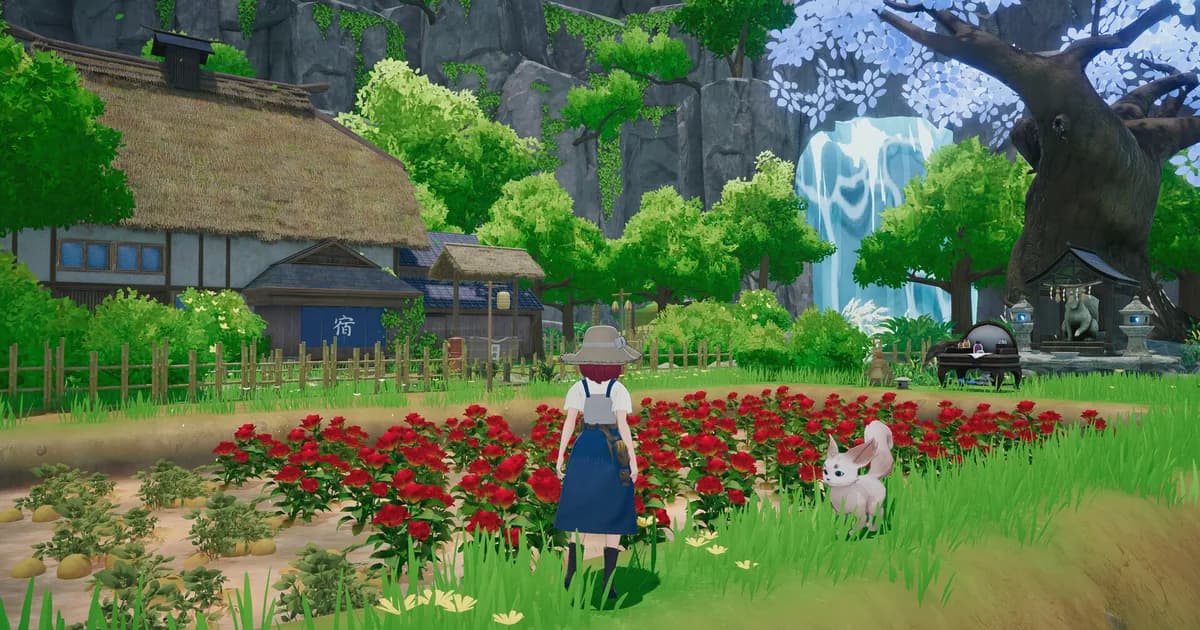
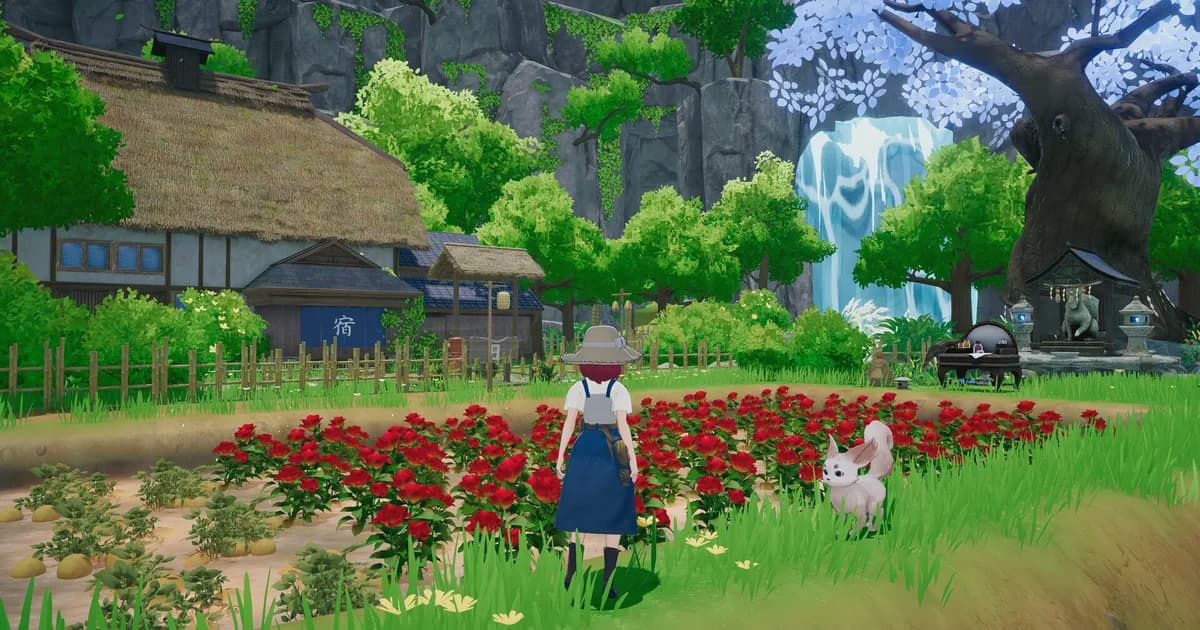
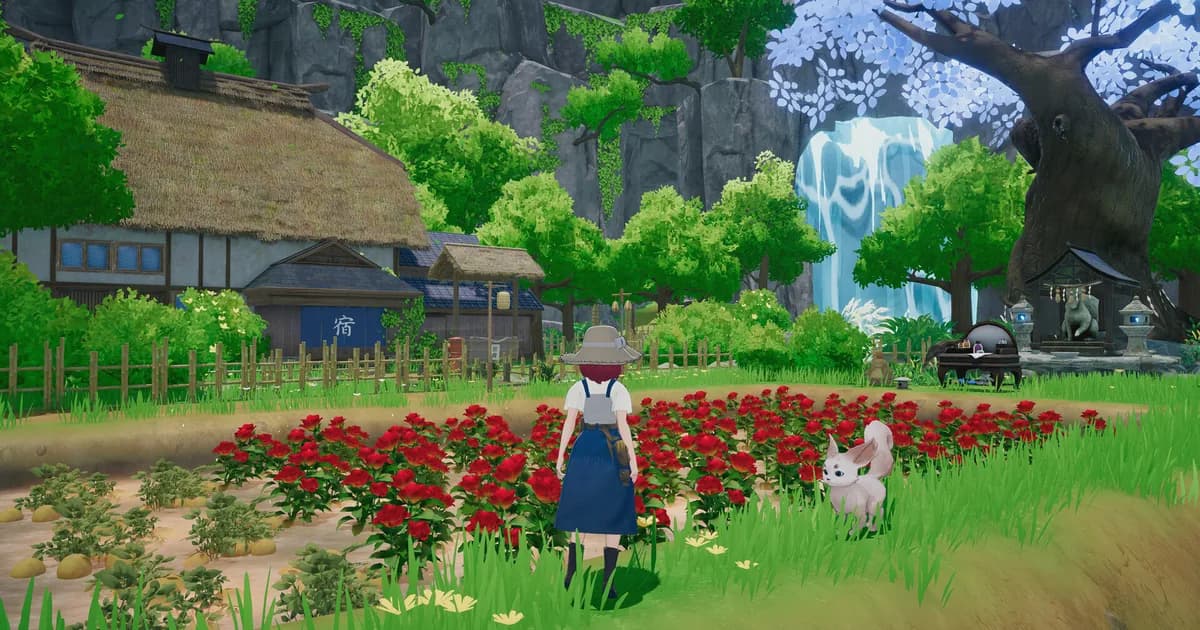
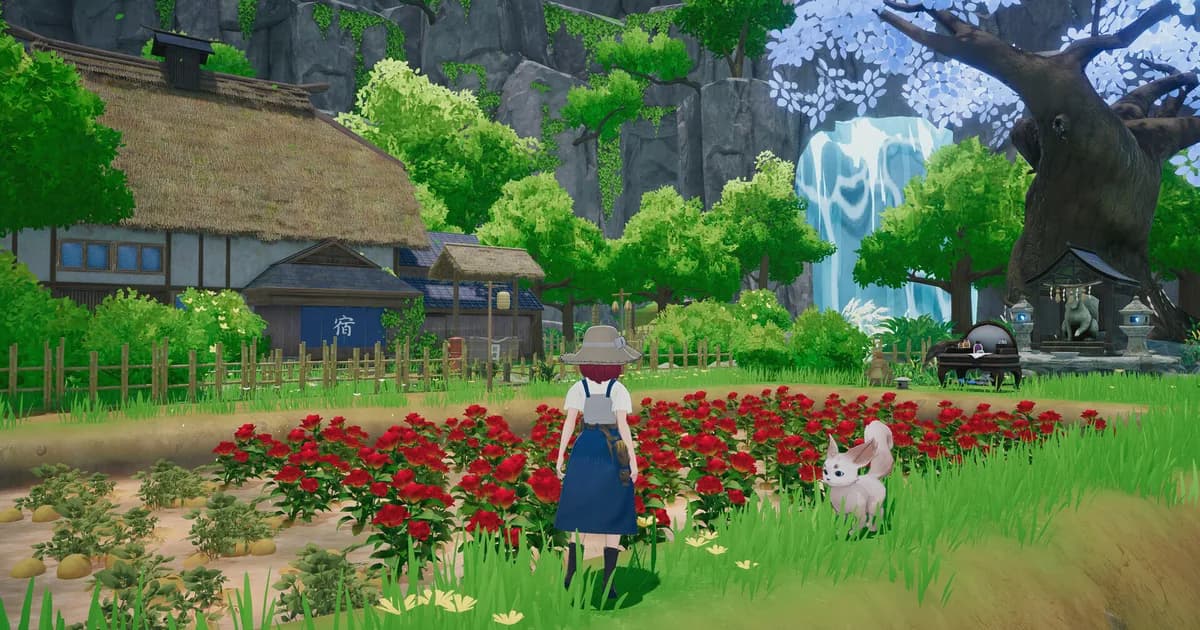
You play as a character returning to restore an ancestral home on the island of Seikyu. The farming loop is standard: grow crops, craft items, build relationships with villagers, progress through seasonal events. The departure from formula is the shapeshifting. Early in the game you gain the ability to transform into yokai forms, each with different movement capabilities and interactions. Some areas of the island are only accessible in specific forms. Exploration isn't tacked onto the farming loop. Some areas only open with specific yokai forms, so the transformation system is part of how you progress, not a side feature.
Remote zones like this one are only reachable in specific yokai forms, tying exploration directly to story progression rather than farming time.
The village has romanceable characters, a full marriage system added at 1.0, and a story that runs through multiple chapters covering the island's supernatural history. The story is stronger in its first three acts than its fourth, which is a common structural problem in games that build toward a third-act twist and then have to resolve it.
Key takeaways
- Farm sim / RPG hybrid with yokai shapeshifting for exploration
- 1.0 added marriage, new story chapters, more yokai forms, expanded exploration
- Very Positive on Steam (live figures in the Reception box)
- 36 Steam achievements; most require specific playthroughs
- Full controller support; single-player only
- $24.99 list price; developed by ACE Entertainment, published by Fireshine Games
- No official length; one Steam reviewer who finished the story lists about 60 hours
Gameplay
The farming and crafting mechanics are where Tales of Seikyu most distinguishes itself from its obvious comparisons. In Stardew Valley and its direct imitators, crafting is often presented as a straightforward resource conversion exercise. Tales of Seikyu layers crafting into its seasonal farming, exploration, and relationship routines, which gives the table more context than a recipe list even when the individual recipes are simple.
The crafting and gift system guide goes into the seasonal interactions in detail. What the guide doesn't cover is how this interacts with the relationship system at depth: recipes learned from characters you've reached a high friendship level with have additional interaction options that others don't. It's not transformative, but it gives you a reason to pursue relationships for gameplay reasons rather than purely for story content.
The yokai shapeshifting is the mechanic that sets the game apart. The public store page highlights forms or abilities associated with a boar, tengu, and water spirit, but it does not publish a complete transformation count. What matters is that these forms change traversal and interaction, and some areas become more useful when you return with the relevant ability. The map design makes backtracking worthwhile without requiring this review to claim an unverified roster.
The post-1.0 roadmap separates planned content from community feedback and ongoing quality-of-life work.
The relationship and romance system works at a pace that fans of the Harvest Moon lineage will recognize and expect. It's slow. You give gifts, attend seasonal festivals, trigger dialogue events in a specific sequence, and accumulate relationship points over multiple in-game years. The romance guide documents the optimal gift schedules for each character. What the guides can't fix is the structural issue: the pacing between meaningful relationship events feels padded in the midgame. Days where you're giving gifts and waiting for the next event to trigger are more common than they should be.
GODEEPER: The beginner tips guide covers which seasonal crops and starting resource priorities help you build relationship progress faster without burning your first in-game year on inefficient gift cycles. Tales of Seikyu Beginner Tips Guide →
The 1.0 marriage system is functional rather than elaborate. The ceremony content is brief, and post-marriage interactions with your spouse are limited. This is an area where the game shows its budget constraints honestly. The marriage system was added at 1.0, and it reads like content that was included to complete a feature checklist rather than developed with the same care as the pre-marriage relationship arc.
Verdict
The better comparison isn't Stardew Valley, cited reflexively for every farm sim, but the XSEED-localized games like Story of Seasons and Rune Factory. Among those, the shapeshifting exploration is what actually sets Tales of Seikyu apart. Rune Factory has combat; Tales of Seikyu has traversal.
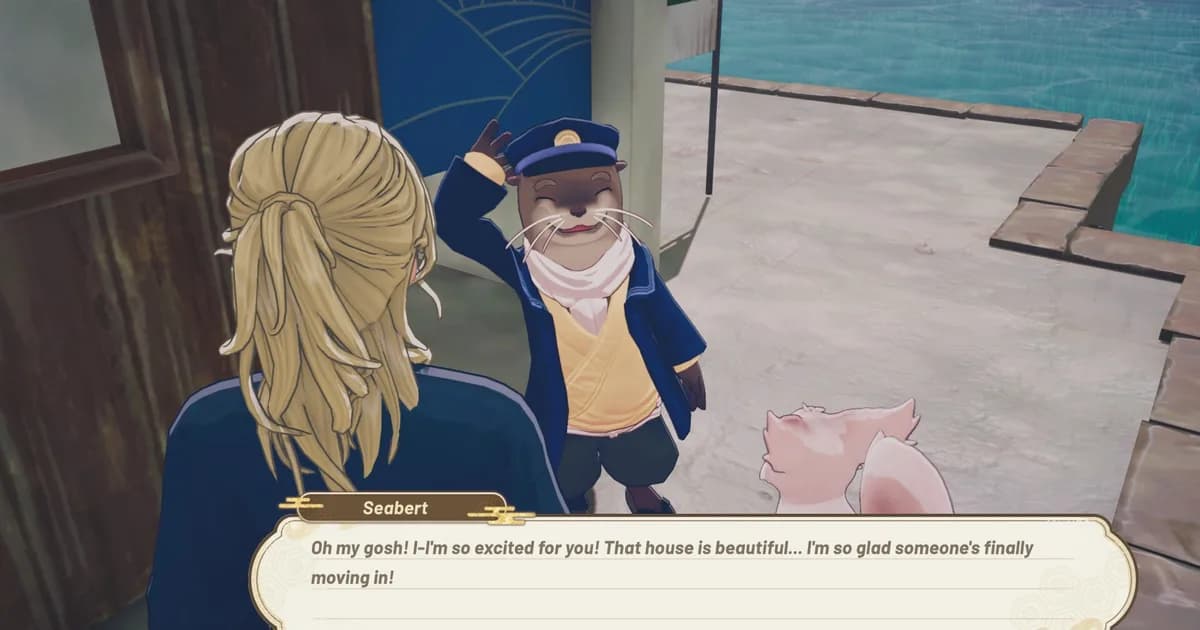
Steam's fans like the people on the island. A Kickstarter backer at 76 hours likes that "the protag isn't as blank slate as most farmer protags are" (Steam review); a Fields of Mistria fan calls it "short sweet and very cute" and "definitely worth a try if you like fantasy life simulators" (Steam review). Even a positive 80-hour review says "This game is almost great," because story progression can reveal things you haven't learned yet (Steam review).
The negative reviews carry more weight than usual because of who wrote them. The most upvoted, at 110 hours, says "it was moved out of early access long before it was finished and now looks to be abandoned," with bugs "some game breaking and plenty that cause massive spoilers" (Steam review). Another says "Announcing a new game extremely shortly after pushing this game to 1.0 without core features is kind of insane" and advises a "major discount with low expectations" (Steam review). The combat draws its own complaint: "super snappy" and "floaty" (Steam review).
The structural weaknesses are real. Quest bugs still turn up in the negative reviews, the open world has areas built as connective tissue between better zones, and relationship pacing in the midgame tests patience. ACE Entertainment spent five years on Tales of Seikyu and nearly lost the studio in 2023; its ideas are its own, but the post-1.0 support is now the open question.
Who it suits: cozy farm-sim players who want a story-led island, romance and yokai shapeshifting that opens new areas, and Story of Seasons or Fields of Mistria fans who can live with rough quest order.
Who should wait: players who are put off by quest bugs and spoilers from out-of-order events, anyone who wants polished combat, and buyers who want to see whether ACE keeps patching now that Seikyu Let's Go is in the works. A sale is the safer entry point.
GODEEPER: The 1.0 launch added a full crafting gift system with seasonal modifiers. The detailed breakdown covers which recipes interact with relationship tiers and which seasons produce the strongest item variants. Tales of Seikyu Crafting and Gift System Guide →
Frequently Asked Questions
Is Tales of Seikyu worth buying at full price? For cozy RPG fans who want shapeshifting exploration, it can be, and Steam players rate it Very Positive. But the most upvoted negative reviews report game-breaking and spoiler-causing quest bugs and worry the studio has moved on to Seikyu Let's Go, so waiting for a sale is the safer call.
How long is Tales of Seikyu? There is no official length. One Steam reviewer who says they finished the story lists about 60 hours played, and long-play reviews run past 80 to over 100 hours. Romance routes and marriage add more.
Is Tales of Seikyu multiplayer? No. Single-player only, full controller support, Steam Cloud saves. No co-op component.
What does 1.0 add over Early Access? Marriage system, additional story chapters, new romance events, expanded exploration areas, and more yokai transformation forms. The final act is substantially longer than the Early Access version.
How many yokai forms are there? The public store page highlights yokai abilities or forms associated with a boar, tengu, and water spirit, but it does not publish a complete form count. The exact roster can change with updates, so check the current in-game collection rather than relying on an unsupported total.
Related Reading
- Tales of Seikyu Complete Guide: Crafting, Romance & Tips: the full guide hub linking every crafting, romance, and beginner guide for the game in one place.
- Tales of Seikyu Crafting Guide: What to Build First: Tales of Seikyu crafting guide covering every machine, recipe priority, and the Hephaestus forge unlock
- Tales of Seikyu Passes 100,000 Players: the milestone post and what came after it.
- Tales of Seikyu Romance Guide: gift schedules, event triggers, and the optimal relationship progression path for each romanceable character
- Tales of Seikyu Crafting and Gift System Guide: seasonal crafting modifiers, gift tier interactions, and which recipes scale with relationship progress
References
- Tales of Seikyu on Steam: official store page with current price, reviews, and full feature list
- Tales of Seikyu news on Steam: version 1.1.35 notes, the 100,000-players post and the Seikyu Let's Go announcement
- Tales of Seikyu Official Version 1.0 Launch Trailer: official launch trailer showing the 1.0 content additions including the marriage system and expanded exploration
- r/CozyGamers community thread on the 1.0 launch: player discussion on whether the 1.0 release delivers on Early Access expectations
- ACE-Klaus developer post on r/IndieGaming: studio head Klaus's post on the five-year development journey and 2023 survival crisis
About the author

GameBrief's byline for metroidvanias, RPGs, comparisons and design history. Places each game in its genre and argues both sides before picking one.
- Metroidvanias and RPGs
- Comparisons and design history
- Sources listed per article
Keep reading
Tales of Seikyu Romance Guide: All 18 Romance Options
General · 12 min
Tales of Seikyu Crafting Guide: What to Build First
General · 10 min
Tales of Seikyu Gift Guide: Best Crafted Gifts Ranked
General · 8 min
Tales of Seikyu Tips: 9 Things to Know Before Year 1
General · 13 min
Tales of Seikyu 1.0 Launch: Yokai Sim Goes Very Positive
General · 3 min
Tales of Seikyu Complete Guide: Crafting, Romance & Tips
General · 14 min
Sponsored
More game deals
Disclaimer
This article is published for informational and entertainment purposes. It does not constitute professional financial, legal, or technical advice. Game performance, online services, patch schedules, and store listings change. Verify critical details (pricing, system requirements, regional availability) with publishers and storefronts before you buy. Affiliate links, where present, help support our editorial work and are labelled in our affiliate disclosure.