
GameBrief · General
Tales of Seikyu Crafting Guide: What to Build First

Reviewing
Tales of Seikyu
The Tales of Seikyu crafting guide most players need isn't about every recipe in the game. It's about the sequence. Miss the Charcoal Kiln and your smelter never runs. Skip the Mayonnaise Maker and you're selling eggs for 20g when they could be worth 200g. Build the wrong things in the wrong order and week two feels like week one.
This guide covers the crafting chain from your first piece of wood to the Hephaestus forge unlock, the processing machines worth prioritizing, and the building materials that gate your animal facilities.
TL;DR: Build Crafting Table (8 wood) on day one. Then Charcoal Kiln (10 stone, 3 clay). Then Smelting Furnace. Then Mayonnaise Maker. Level up Hephaestus's heart events to unlock the forge, not a delivery quest. Spice Rocks (4 rocks to furnace) and mayonnaise (egg to processor) are your two best income multipliers before midgame.
Tales of Seikyu crafting guide: quick answer
The crafting chain has three tiers. Tier 1 (day 1-3): Crafting Table, Charcoal Kiln, Smelting Furnace. Tier 2 (week 1-2): Mayonnaise Maker, Stove, Wooden Chests for storage. Tier 3 (after Hephaestus quest): Forge access, upgraded pickaxes, metal-gated animal buildings. Build in that order and the resource bottlenecks mostly resolve themselves.
How the crafting system unlocks
You don't start with a Crafting Table. Pick up your first piece of wood and the recipe appears automatically in the crafting submenu from your main menu. The table costs 8 wood and can go anywhere on your farm or indoors.
Once placed, four recipes unlock immediately:
- Wooden Planks (converts raw wood into refined planks used in most construction)
- Watering Can (a tool option, though Slime form replaces this for most players by week 2)
- Charcoal Kiln (10 Stone, 3 Clay)
- Smelting Furnace
The Charcoal Kiln is the gating item here. Most players see "Smelting Furnace" in the recipe list and try to build it immediately, then wonder why nothing happens. The furnace runs on charcoal, not raw wood. Without a kiln running, the furnace just sits there. Build the kiln first.
Clay comes from breaking rocks with Boar form. It also drops from garbage cans around town, which you should be checking every morning anyway. Stone's abundant from the same source. You'll have enough for a kiln by the end of day 2.
Step-by-Step: the crafting priority chain
Step-by-step day 1 through 3: Crafting Table and Kiln
Clear your farm with Boar form from day 1. Every rock you break has a chance to drop Stone and Clay. Keep everything. The first meaningful resource threshold is:
- 8 Wood to build your Crafting Table
- 10 Stone and 3 Clay to build your Charcoal Kiln
Once the Kiln's running, load it with wood. Charcoal takes a few in-game hours to process. While it runs, keep clearing.
The Stove unlocks cooking and is part of an early story sequence. Kon walks you through building one after the tutorial farming segment. It needs 4 Stone and 4 Planks. Don't skip it: cooked dishes reliably sell for more than their raw ingredients, and some combinations do far better than that. You want the Stove before your first crop harvest.
Step-by-step week 1: Smelting Furnace and the Spice Rock chain
Once you have charcoal, build your Smelting Furnace. The most immediately useful recipe is Spice Rocks: 4 raw rocks in, 1 Spice Rock worth 104g out. Raw rocks sell for 1g each and you're generating them in bulk from daily Boar form clearing, so this is roughly a 26x value multiplier on material that would otherwise just pile up.
Run multiple furnaces if you can. The bottleneck is charcoal production, not ore. Keep your Kiln loaded at all times.
The furnace also smelts Copper Ore into Copper Ingots. Copper matters most for gifting: Hephaestus, the blacksmith who gates your forge access and tool upgrade path, favors Copper and Iron Ore as gifts. Bank some ingots for that instead of assuming a quest will need them directly.
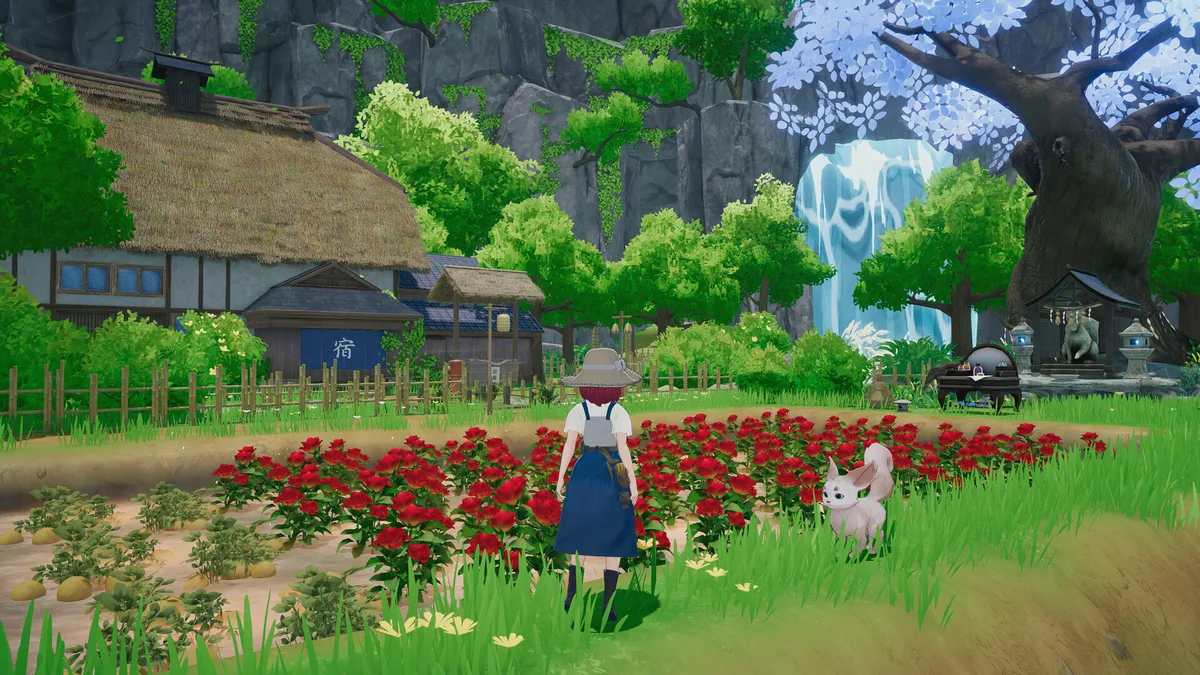 Your farm layout can wait. The Crafting Table placement matters less than its timing: get it built before your first crop harvest.
Step-by-step week 1-2: Mayonnaise Maker and animal buildings
The Mayonnaise Maker is the best crafting investment available before you unlock the forge. An egg from your chickens sells for 20g raw. Put it through the processor and it's 200g mayonnaise. Once you have consistent egg production, that machine pays for itself within a single season.
Animal buildings require building kits from Sasaki's shop. Material costs are steep and gated behind ingot production:
| Building | Materials | Gold |
|---|---|---|
| Small Coop | 50 Copper Ingot, 50 Wooden Plank, 40 Stone | 2,500g |
| Medium Coop | 50 Iron Ingot, 50 Bamboo, 50 Clay | 5,000g |
| Small Barn | 50 Copper Ingot, 50 Wooden Plank, 40 Stone | 2,500g |
| Medium Barn | 50 Iron Ingot, 50 Hardwood, 50 Clay | 5,000g |
| Silo | 30 Stone, 30 Wood, 30 Clay | 1,000g |
Build the Silo before the coop. It stores animal fodder and keeps your inventory from filling up. For coops and barns, collect copper ingots steadily and don't try to rush the Small Coop before week 2. The ingot threshold is the real gate, not the gold.
GODEEPER: The Hephaestus forge unlock connects directly to combat effectiveness in Fox Ruins, where your next three yokai forms are waiting. Tales of Seikyu Tips: 9 Things to Know Before Year 1 →
Processing machines: what each one does and when to build it
The Crafting Table unlocks more than the core chain. Here's the full machine list and when each one becomes relevant:
Tier 1 (build in week 1):
- Charcoal Kiln (10 Stone, 3 Clay): converts Wood to Charcoal. Everything else depends on this.
- Smelting Furnace: converts Copper/Iron Ore to ingots; 4 rocks to 1 Spice Rock (104g).
- Stove: unlocks cooking. Story-guided, you can't miss it.
Tier 2 (build in week 2-3):
- Mayonnaise Maker: Egg (20g) to Mayonnaise (200g). Build when you have chickens, or right before.
- Cheese Press: Milk to Cheese. Same principle as mayonnaise but for cows. Lower priority until you have a barn.
- Stone Mill / Stone Mortar: grinds crops into flour and meal. One catch: processing wheat into flour actually reduces its sale value. Use this for cooking recipes that specifically call for flour, not as a general money-maker.
Tier 3 (mid-to-late game):
- Loom / Spinning Wheel: fibers to cloth and thread, needed for clothing upgrades and some furniture.
- Drying Rack: dried foods, fish processing, preservation recipes.
- Dye Bath / Dyeing Station: clothing color customization and decorative items.
- Tofu Press: produces Tofu from soybeans. Specific recipe ingredient, not a broad-use machine.
- Brewing Barrel / Pickling Barrel: fermented products with longer processing times but solid sale value.
- Yokai Cauldron: late-game machine combining multiple processed materials for high-value outputs.
The Stone Mill deserves its own warning. The wiki-gg crafting category lists it under standard machines without caveats, but community testing shows wheat-to-flour conversion loses value compared to selling raw wheat. It's a useful machine for specific dishes, not a general income path.
 Animal buildings come later than the smelting chain, but the ingots you're banking now are what pays for them.
The Hephaestus forge unlock
This is the step that catches most players in week 2. Hephaestus works at the Forge in town, but his shop is closed when you arrive. What opens it isn't a delivery quest, it's his heart events. Talk to him regularly and gift him things he likes, and the forge unlocks as his friendship level climbs, the same system that governs every other villager relationship in the game.
Once it's open, you can commission:
- Upgraded pickaxes (faster rock breaking, better ore yields)
- Weapons for Fox Ruins combat
- Tool upgrades
This matters for crafting, not just combat. Better pickaxes mean more ore per rock, which means faster ingot production, which feeds back into the animal building costs. The forge is a resource loop accelerator as much as it's a gear shop.
Gifting matters here too. Hephaestus's favorites are Gold Ingots and Gold Ore. He also likes Copper and Iron Ore. White rocks and wood items are on his dislike list, so don't use the universal gift approach you'd take with other villagers. Gift him ore, level his hearts faster, and you'll have the forge open before you're desperate for it.
GODEEPER: For similar crafting-heavy cozy sims where processing machines define your income path, the Beastro tips guide covers comparable upgrade decisions. Beastro Tips: How to Master the Cozy Cooking Deckbuilder →
Furniture and storage: what actually matters
The Crafting Table opens a furniture tab with boxes, chests, fencing, gates, and decorative items. Three things are worth your early attention:
Wooden Chests: standard storage. Build several before your first harvest. Running out of inventory mid-harvest means leaving crops on the ground, which is avoidable.
Yokai Storage: you don't craft this from the Crafting Table. There's already a Yokai Storage entity on your farm, and you level it up by feeding it Stone and Clay. The capacity difference between level 1 and level 5 is real. Use your overflow rocks from Boar form clearing, since you're generating more than you can ever sell anyway. Cap is level 5.
Silo: 30 Stone, 30 Wood, 30 Clay, and 1,000g from Sasaki. Stores animal fodder so your barn and coop animals don't go unfed on a busy day. Worth building before your first coop.
Decorative items (Fox Plushie, Stone Lantern, Straw Doll) are in the crafting menu and have no gameplay effect. Build them if you want them, but they're not part of any income or progression path.
Cooking as crafting: the margins that matter
Cooking through the Stove draws from the same raw materials as everything else. It's technically separate from the Crafting Table system, but the overlap is significant enough that it belongs in any crafting guide. Most dishes sell for more than the sum of their raw ingredients, though the margin varies a lot by recipe.
The standout early on: Grilled Vegetables, which just needs two of any vegetable and reliably beats selling them raw. Strawberry Cake and Omurice are among the highest single-sale outputs you'll hit in the first two seasons, and neither requires anything complicated to grow.
Where cooking loses money: grain processing. Wheat-based dishes where flour is an intermediate step frequently end up below the sale value of the raw wheat. It's a trap that looks efficient until you check the numbers. Cook for specific high-margin dishes, not as a catch-all for crops that aren't selling.
One mechanical note: the Stove uses a combination system, not a recipe book. You can combine up to four ingredients and the output depends on what you put in. The order matters for some dishes. Start with one meat or vegetable as your base and experiment from there.
Crafting the right infrastructure for your Yokai Storage
Most guides treat Yokai Storage as a side note. It's worth treating as infrastructure. The entity on your farm levels up through feeding (Stone and Clay), and at level 5 the capacity increase over level 1 is several full inventory rows. That's not cosmetic.
The practical reason this matters for crafting: once you're running a Kiln, a Furnace, and harvesting crops in the same morning block, your pockets fill fast. You'll be making trips to deposit materials when you should be doing other things. Level the Yokai Storage to at least 3 before your second month and most of those interruptions go away.
Frequently Asked Questions
How do you unlock the crafting table in Tales of Seikyu? Pick up any piece of wood and the Crafting Table recipe appears automatically in your crafting submenu. It costs 8 wood to build. No quest required. Place it anywhere on your farm or inside your house.
What does the Charcoal Kiln do in Tales of Seikyu? It converts wood into Charcoal, which the Smelting Furnace needs to process ore into ingots. Build it as soon as you have 10 Stone and 3 Clay. Without charcoal, the smelter just sits idle.
How do you unlock the forge in Tales of Seikyu? Level up your heart events with Hephaestus the blacksmith. It's friendship progression, not an ingot-delivery quest. Once his shop opens, you can commission weapons, upgraded pickaxes, and tool upgrades.
What is the best early-game crafting priority in Tales of Seikyu? Crafting Table first (8 wood), then Charcoal Kiln (10 stone, 3 clay), then Smelting Furnace, then Mayonnaise Maker. That chain takes raw eggs worth 20g each and turns them into 200g mayonnaise, which is the highest-return income source you'll have before animal buildings open up.
Is the Mayonnaise Maker worth crafting in Tales of Seikyu? Yes. An egg worth 20g becomes mayonnaise worth 200g. Once you have chickens producing eggs daily, that machine is your most consistent income multiplier. It beats most crop sales and all fishing returns in early and mid-game.
How do Spice Rocks work in Tales of Seikyu? Put 4 raw rocks into the Smelting Furnace to get 1 Spice Rock worth 104g. Raw rocks sell for 1g each, so it's roughly a 26x value jump on material you're already generating from Boar form clearing. Run multiple furnaces once you have enough charcoal production.
What processing machines are available in Tales of Seikyu? There are 13: Smelting Furnace, Charcoal Kiln, Mayonnaise Maker, Cheese Press, Loom, Spinning Wheel, Drying Rack, Dye Bath, Stone Mill, Tofu Press, Brewing Barrel, Pickling Barrel, and Yokai Cauldron. Each handles a specific material type.
Related Reading
- Tales of Seikyu Tips: 9 Things to Know Before Year 1: The broader beginner guide covering yokai forms, relationship system, and income priorities beyond crafting.
- Tales of Seikyu 1.0 Launch: Yokai Sim Goes Very Positive: What the 1.0 release added, including the expanded romance roster and post-launch roadmap.
- Beastro Tips: How to Master the Cozy Cooking Deckbuilder: Launched the same week as Seikyu, Beastro shares the same crafting-through-cooking structure with a very different card-based twist.
- Farever Tips: Beginner's Guide to Dungeon and Class System: Another 2026 cozy release with deep progression mechanics, useful as a comparison for how different sims gate their mid-game upgrades.
- Tales of Seikyu Romance Guide: All 14 Candidates 2026: Tales of Seikyu romance guide covering all 14 candidates, their loved gifts, heart event timing,.
References
Was this guide helpful?
About the author

Indie & JRPG Critic
Indie game evangelist and lifelong JRPG fan covering small studios since 2017. Mumbai-born, London-based. Writes the way she talks.
- 7 years indie games coverage
- JRPG and visual novel specialist
- Narrative design focus
Keep reading



Disclaimer
This article is published for informational and entertainment purposes. It does not constitute professional financial, legal, or technical advice. Game performance, online services, patch schedules, and store listings change. Verify critical details (pricing, system requirements, regional availability) with publishers and storefronts before you buy. Affiliate links, where present, help support our editorial work and are labelled in our affiliate disclosure.
Comments
Loading comments…