
GuideMina the Hollower
Mina the Hollower Tips: 25-30 Hours, 14 Things to Know
These Mina the Hollower tips come from six years of Yacht Club development landing in your hands at $19.99, on every platform from Switch to PS5. The studio's first new IP since 2013.

Sponsored

About the game
Mina the Hollower
This is not a Shovel Knight sequel with gothic paint on it. It's a structural departure: nonlinear, denser, harder in a different way. Some things you learned from Shovel Knight will help. Others will actively work against you.
These tips focus on the friction points: what kills new players, what the burrow actually requires, and what to unlearn before it costs you an hour against a boss you should have beaten.
TL;DR: Mina the Hollower's early difficulty spike is the first major miniboss: it tests burrow timing specifically, not reaction speed. Treat it as a tutorial you were never given. The burrow isn't just a dodge; it's terrain-dependent and your primary gap-closer. Shovel Knight's aggressive forward pressure doesn't work here. Slow down, read patterns, and use the accessibility modifiers if the default difficulty is blocking rather than teaching.
BESTPRICE: Want Mina the Hollower? These stores list it: Buy on Eneba → Buy on Humble Bundle → Buy on Kinguin →
Mina the Hollower tips: the basics the game doesn't teach you (quick answer)
Mina's world is nonlinear in a way Shovel Knight's never was. There's no clear stage order, no checkpoint progression telling you what's next. Secrets live behind breakable walls and gaps that require abilities you find later. The first few hours feel opaque if you're used to a game that points the way.
Think early Zelda: you explore, you find locked doors, and you come back when you have the right tool. Dead ends are usually bookmarks, not walls. There's almost always something to note for a return visit even when you can't proceed.
Treat rooms you can't fully clear as exactly that. Don't force progress. The game rewards patience in the back half in ways that aren't obvious when you're still in hour two. The Mina complete guide hub is useful when a return visit turns into a larger checklist.
Sponsored

Current status: September 2026
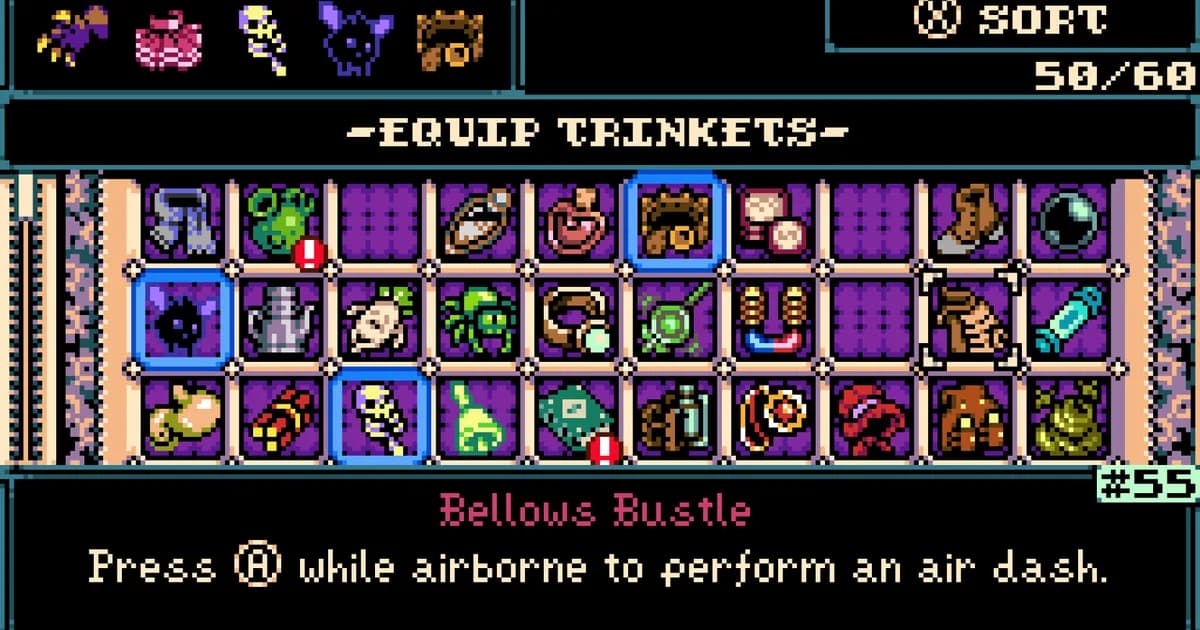
Mina the Hollower is now released on Steam and consoles at $19.99. Yacht Club Games' official launch material describes more than 25 bosses and minibosses, 60 Trinkets, a full level-up system, New Game Plus, and hundreds of gameplay modifiers. The Steam snapshot used for this audit showed 86% positive recent reviews from 352 players and 89% positive English reviews from 5,527 players; those counts change. Steam's official news feed shows version 1.0.6 fixes through July 12, including parry, shield, localization, and collision fixes. Sean Velasco told RPG Site that the team planned support and feature work rather than a large campaign-DLC plan, so the tips below treat NG+ and modifiers as the stable replay systems.
The burrow mechanic: what most guides miss
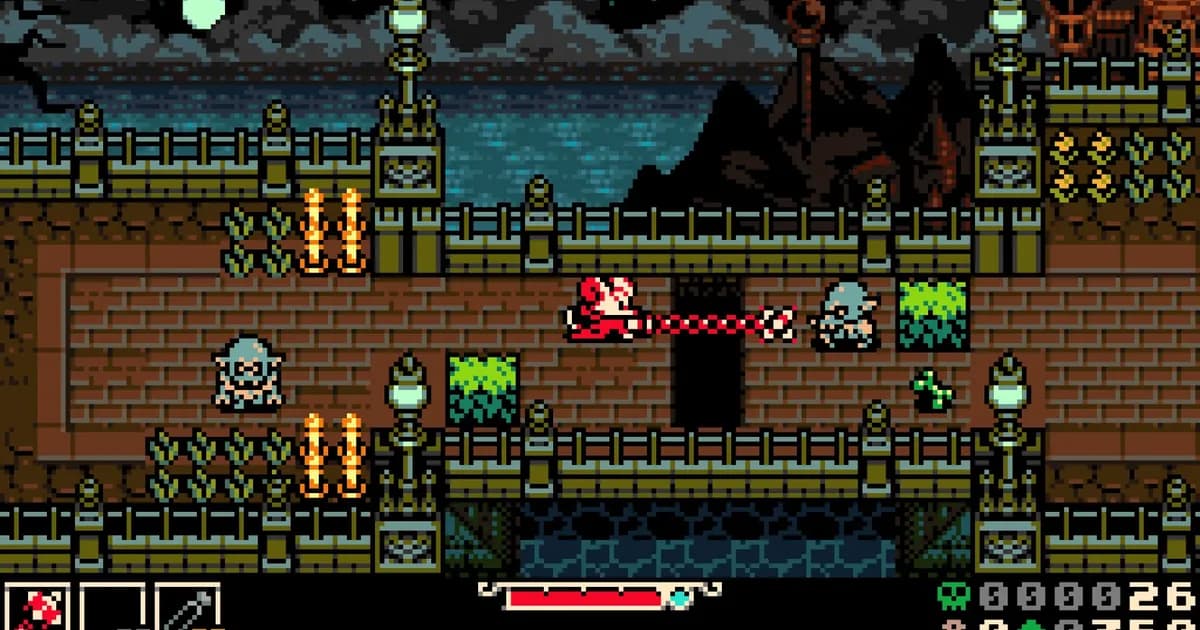
The burrow is Mina's signature move: evasion, repositioning, gap-closer. All three are accurate. What the coverage usually glosses over is that burrowing has hard terrain requirements.
Not every surface accepts it. Hard floors, stone platforms, and certain boss arenas don't allow burrowing: you'll attempt the input and nothing happens. Players who treat it as a universal panic button in an arena with no soft ground will find themselves without their main evasion tool at the worst moment.
When you enter any room, scan the floor before engaging. Know where you can burrow before the fight starts, not after the first hit lands.
Against bosses who hold distance or use arena space aggressively, surfacing directly beneath them from a burrow approach crosses the arena faster than anything else in Mina's movement kit. The burrow is offensive too. That double function isn't obvious from how the game introduces it. Pair this with the secret-ending guide if you are mapping return routes instead of just clearing the next room.
Timing the surface correctly is the actual skill. Burrowing safely is not hard. Surfacing in the right position at the right moment (avoiding an incoming attack while repositioning behind an enemy) is where the gap between new players and experienced ones shows up. The early miniboss that multiple previews flagged as the first real skill check tests exactly this: you need to burrow on a specific timing and surface in a specific location to deal effective damage. Players who treat it as a dodge-and-wait tool get punished. Players who use it aggressively and precisely move through quickly.
Early survival tips: what kills new players
Don't try to out-damage bosses in the early game. Maximizing damage per window is less important than staying alive long enough to maintain a damage cadence. New players who push offense hard die to the next phase before they get there. Consistent pressure while avoiding patterns clears fights faster overall.
The Nightstar whip has more horizontal reach than most players initially use. Action-game habit pulls you into close range. The whip hits from a spacing that many early enemies can't counter cleanly. Experiment with the outer edge before you're forced to by harder encounters.
Weapon switching isn't supplementary: that's the Shovel Knight habit that specifically hurts Mina players. Relics in Shovel Knight were optional. In Mina, your other main weapons are part of the core combat vocabulary, not backups. The Whisper and Vesper daggers handle close-range burst against bosses who get inside whip range. The Blaststrike Maul handles enemies that need heavy single hits. Using only the whip in boss fights is playing a reduced version of the combat system.
Don't skip upgrade paths. Sidearms unlock wholly new move sets through upgrades, not just stat bumps. A Blaststrike Maul at upgrade level 2 fights differently at base level: not just harder, but differently. Putting resources into one sidearm's tree before spreading to others gives you something genuinely useful faster. The Mina Trinkets guide is the natural follow-up when an upgrade route depends on a missing collectible.
Scanning for soft terrain before engaging is the habit that separates smooth runs from panic-dodge wipes.
GODEEPER: For the full picture on Mina's systems, world structure, and difficulty: our feature review has everything from the NG+ details to Sean Velasco's candid pre-launch comments. Mina the Hollower Review: Yacht Club's Gothic New World →
Boss pattern approach: without spoiling what exists
Mina's bosses follow the Soulsborne arc: impossible until you understand what the fight is asking, then manageable once you do. First attempts should be learning runs, not serious attempts. Going in expecting to win usually means you're playing aggressively before you understand the pattern, which means you're not learning the pattern. The how-long-to-beat guide adds a completion-time frame for planning those learning runs.
Every boss has a tell. It's usually a brief animation state before a major attack: a wind-up, a charging effect, a stance shift. Once you've identified it and associated it with what follows, you can burrow or reposition before the hit instead of reacting after the animation completes.
Audio cues arrive before visual ones in most boss encounters. Jake Kaufman's soundtrack telegraphs boss phases: a musical swell or tempo shift corresponds to a behavior change. Players who are listening, not just watching, get advance warning on what's coming.
Phase transitions are usually visible in the arena. The environment responds to boss health thresholds: lighting changes, terrain shifts, new hazards appear. The transition moment is often attack-free. Use it to reposition rather than deal damage.
The first run on any boss should be observational. Don't burn healing resources pushing through a pattern you don't understand yet. Die after gathering as much information as you can. A clean loss teaches more than a chaotic survival does.
Exploration tips in a dense world
Yacht Club described it as "denser than it looks, deliberately so." The Nintendo Life preview corroborated it: breakable walls, gaps that need abilities you don't have yet, a world that changes when you return with new tools.
Destructible walls look like standard walls unless you know the tell. Slight visual variations (a crack pattern, a different texture density) usually distinguish them. If a path dead-ends and the design feels unfinished, assume you're missing something rather than that you've hit the edge of the content.
Every new ability should prompt a mental inventory of where you've been that it might apply. The interconnected world is built around earlier zones opening as you progress. The moment you realize what a new tool unlocks in a zone you thought you'd finished is the exact experience the structure is designed around.
Trinkets and sidearms are the main exploration payoff in Mina. Exploration that feels optional early is often where the upgrade-enabling items are hidden. Be thorough in new zones before pushing to the next boss.
GODEEPER: If you're picking your next game alongside Mina, the best indie games under $20 in 2026 covers what else is competing for the same slot and price point. Best Indie Games Under $20 in 2026 →
Phase transitions change the arena: lighting and terrain shifts give you a free repositioning window before the next attack pattern begins.
Accessibility options: what they change and what they don't
Yacht Club built accessibility modifiers in from the start: reduced incoming damage, more currency drops, and health recovery after fights. Sean Velasco discussed them openly before launch: they're a legitimate play mode, not a fallback.
What they change: damage intake, economic pressure, and health recovery. What they don't change: boss patterns, world structure, upgrade requirements, narrative content, or NG+ availability. Everything available at default difficulty is available with modifiers on.
The early miniboss skill wall is real regardless of modifier settings. That fight tests burrow timing, and modifiers don't change when or how the attack fires. If you're hitting that wall repeatedly, the issue is mechanical, not statistical. Reducing damage intake doesn't solve a timing problem.
Use modifiers for the content that's frustrating instead of teaching. Turn them off for content that's hard but readable. The game signals the difference reasonably well once you've been playing for a few hours.
NG+ preparation tips
Seven NG+ modes at launch: shuffled item placement, mirrored world layouts, remixed difficulty settings, plus additional variants. A few things are worth sorting before you finish your first run.
Know which sidearms you actually enjoy. NG+ shuffles item placement, so your preferred sidearm might arrive later than it did the first time. Being comfortable with enough of the toolkit to work with whatever you find early matters more in NG+ than it did in the original run.
Take notes on breakable walls you found by accident. In a mirrored world, the same walls are destructible but in inverted positions. Players who internalized first-run discoveries navigate the mirrored version considerably faster.
Don't specialize entirely into one upgrade tree on the first run. If you ran the whole game with the Blaststrike Maul, NG+ is the time to try something else. The remixed difficulty setting gains its value from approaching familiar encounters with different tools.
Quick reference: 14 Mina the Hollower tips
- Scan for soft terrain first before engaging in any room
- Burrow is a gap-closer, not just a dodge: use it offensively
- First miniboss tests burrow timing specifically: focus on surfacing position, not damage
- Shovel Knight forward pressure doesn't work here: be patient with attack windows
- Whip has longer range than it feels: use the outer edge
- Sidearms are part of the core vocabulary, not supplementary
- Invest in one sidearm's upgrade tree before branching to others
- First boss attempt is observational: find the tell, then play seriously
- Audio telegraphs phase transitions before visual cues appear
- Phase transition moments are often attack-free: use them for positioning
- Mark every dead end: Mina has secrets that require return visits
- Trinkets and sidearms are the main exploration reward: be thorough in new zones
- Accessibility modifiers are full-content modes, not reduced difficulty
- Modifiers don't fix the miniboss: that fight requires learned burrow timing
Step-by-step: prepare for your first Mina clear
1. Scan the room: Identify soft ground, hard floors, breakable walls, and the safest place to surface before attacking.
2. Learn one weapon window: Use the Nightstar's reach or a sidearm's upgrade path to establish a reliable damage pattern instead of switching randomly.
3. Mark the return route: Note blocked doors, suspicious walls, and gaps that need a later ability before leaving a zone.
4. Spend modifiers deliberately: Turn on only the accessibility changes that remove friction, then keep the boss pattern itself readable.
5. Prep for NG+: Finish the first clear with more than one sidearm and a note of the trinkets you still want, because later modes change routes and item placement.
Related Reading
- Mina the Hollower Complete Guide: 60 Trinkets, 2 Endings: the hub for every Mina the Hollower guide on this site, organized by system.
- Mina the Hollower Review: Yacht Club's Gothic New World: Full review covering difficulty, world structure, NG+ depth, and the $19.99 value case
- Best Indie Games Under $20 in 2026: Other games at Mina's price point worth considering
- Best Roguelike Games in 2026: If the Soulsborne-pattern boss design appeals and you want similar experiences
- Arc Raiders Other Raiders Guide: Another 2026 game built around learning enemy patterns as core gameplay
- Mina the Hollower How Long to Beat? 20-30 Hours (2026): Mina the Hollower how long to beat? 20 to 30 hours for the main story, 30+ for 100%,....
- CALX Review 2026: Moebius Aesthetics, Metroid Bones: CALX review: True Colors' debut action-adventure on PC, June 4.
Frequently Asked Questions
How does the burrow mechanic work in Mina the Hollower? Mina dives into soft ground to dodge attacks, reposition, and close gaps. Burrowing requires compatible terrain: hard floors don't accept it. The first major miniboss tests burrow timing specifically and is the game's first significant skill check.
Is Mina the Hollower harder than Shovel Knight? Yes, and different in kind. The difficulty comes from boss pattern learning and world navigation rather than tight linear platforming. Accessibility modifiers are available from the start for players who want to tune the default difficulty.
How long does Mina the Hollower take to beat? 25-30 hours for a complete first playthrough. Seven New Game Plus modes extend that with structural variation: shuffled items, mirrored worlds, remixed difficulty settings.
What are the accessibility options in Mina the Hollower? Reduced incoming damage, more currency drops, and health recovery after fights. These don't lock you out of any content. They change the economic and health pressure without altering boss patterns or world structure.
What sidearms are available in Mina the Hollower? Sidearms are separate from Mina's main weapons (Nightstar, Whisper and Vesper, Blaststrike Maul, Battery Buster, Guardian Casket). Confirmed sidearms include the Drill Driver, Mist Jar, and Recall Disc, plus over a dozen others covering offense, utility, and traversal. Each has upgrade paths that unlock new move sets rather than just stat increases.
Does Mina the Hollower have DLC planned? Only additional color palettes are confirmed. No campaign DLC is planned: a deliberate departure from the Shovel Knight expansion model.
Is Mina the Hollower available on Nintendo Switch? Yes, on both Switch and Switch 2 at $19.99. Also available on PS5, Xbox Series X|S, PC (Windows, macOS, Linux).
References
- Mina the Hollower on Steam: store page, platform details, system requirements, feature list
- Mina the Hollower official Steam news: current 1.0.6 fixes and post-launch version history
- Yacht Club Games launch overview: bosses, Trinkets, level progression, modifiers, and New Game Plus
- RPG Site interview with Sean Velasco: pricing strategy, DLC approach, Switch 1 technical challenges, accessibility philosophy
Was this guide helpful?
About the author

Action & Design Desk
GameBrief's byline for platformers, horror and action games. Dry, short paragraphs, strong opinions about tutorials and boss design.
- Action, platformers and horror
- Tutorials, onboarding, boss design
- Sources listed per article
Keep reading
Mina the Hollower How Long to Beat: 20-30 Hours (2026)
Features · 7 min
Mina the Hollower Review: Yacht Club's Gothic New World
Features · 8 min
Mina the Hollower Preview: What the Full Release Confirms
General · 4 min

Mina the Hollower Complete Guide: 60 Trinkets, 2 Endings
General · 14 min
Mina the Hollower Secret Ending: All 2 Routes Explained
General · 13 min
Mina the Hollower Trinkets Guide: All 60 Locations (2026)
General · 20 min
Sponsored
Disclaimer
This article is published for informational and entertainment purposes. It does not constitute professional financial, legal, or technical advice. Game performance, online services, patch schedules, and store listings change. Verify critical details (pricing, system requirements, regional availability) with publishers and storefronts before you buy. Affiliate links, where present, help support our editorial work and are labelled in our affiliate disclosure.
Comments
Loading comments…