
FeatureParalives
Paralives Mechanics Guide: Needs, Moods, and Paras
Paralives mechanics guide: what the Early Access build confirms about needs, emotions, traits, skills, relationships, and eight life stages.
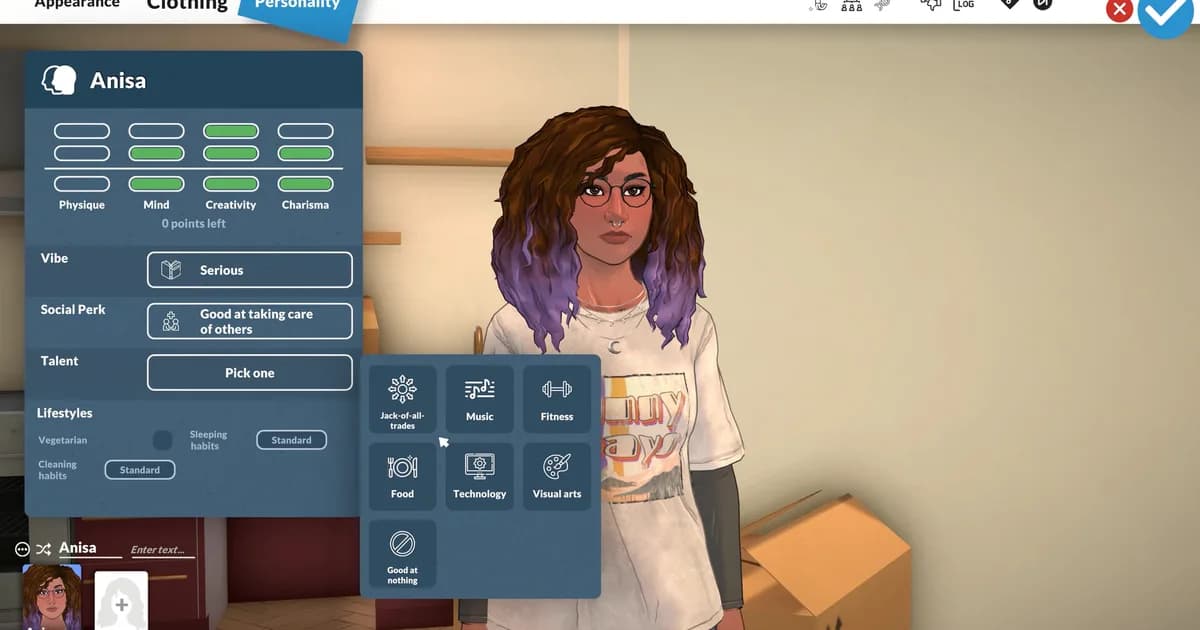
This Paralives mechanics guide covers the simulation systems the developer actually documents: needs, wants, emotions, traits, skills, relationships, careers, aging, and the build/live-mode handoff. For practical beginner advice, the Paralives tips guide covers what to do first. For pricing and Early Access status, the price and worth-it guide has the current details.
Paralives launched into Early Access on May 25, 2026. It is a life simulation game with a strong build mode, an open-world town, character creation, and the everyday simulation of Parafolks. The current build is not a finished alternative to The Sims: the official store page labels it Early Access, and the team says the project is expected to take about two years before version 1.0.
TL;DR: Paralives currently documents needs, wants, emotions, traits, skills, careers, relationships, aging, and a flexible build mode. The official sources do not publish exact decay rates, mood-stacking rules, or social-success formulas. What can be verified is more useful: Patch 0.1.7 added bed assignment, friendship-based move-ins, food storage, coffee's sleep/bathroom tradeoff, and lifespan changes; Patch 0.1.8 focused on optimization and long-term development.
Paralives mechanics: what the simulation is actually doing (quick answer)
The core simulation loop in Paralives is best understood as several systems that the game lets you observe together:
- Needs and wants give Parafolks everyday pressures and goals. The store page confirms both systems, but does not publish a complete decay table.
- Emotions and traits describe how a Para feels and who they are. Patch notes expose individual interactions, such as coffee temporarily ignoring sleep while draining bathroom need.
- Skills, jobs, and relationships turn repeated life decisions into progression. The store page confirms all three, while exact numeric formulas remain undocumented.
The important distinction is between a confirmed system and an inferred formula. Needs, emotions, skills, and relationships are all real parts of the current game. It is not safe to claim that a need above 50% stacks a specific mood bonus, that a trait multiplies skill XP, or that a social interaction has a published success percentage unless a future developer note documents it.
Key takeaways
- Needs, wants, and emotions are explicitly listed among the current simulation systems
- The current build includes jobs, skills, relationships, aging, and an open-world town
- Friendship level 3 enables documented interactions such as moving in together and hugging
- Coffee can ignore the sleep need for two hours while draining the bathroom need
- The 8-stage life-stage roster is Baby, Toddler, Child, Pre-Teen, Teen, Young Adult, Adult, and Elder
- Patch 0.1.8 added camera and menu improvements while prioritizing optimization and long-term development
The needs system: beyond bar management
Paralives' needs system is real, but the public documentation is less specific than this article originally suggested. The Steam store lists wants and needs among the game's key features, and the live build exposes everyday needs through actions such as sleeping, eating, using the bathroom, and managing a household. There is no official public table showing every decay rate or a universal threshold for a bonus.
The decay profile: The exact rate is not documented in the current Steam description or the 0.1.7/0.1.8 patch notes. A reliable guide can say that needs change over time and that activities affect how a household spends the day; it should not assign a trait-specific multiplier without a developer source or reproducible build data.
The mood bonus zone: The store page confirms emotions, but neither the store page nor the current official patch notes specify a midpoint bonus or stacking rule. The useful player-facing advice is to watch the emotion feedback in context, then test a routine in the current build rather than treating a guessed 50% threshold as fact.
The critical state: Low needs can make daily management harder, but the current official material does not give a complete list of critical thresholds or confirm a skill/social debuff cascade. That is a meaningful boundary for this guide: describe the visible need and emotion systems, not an invented formula for how several low meters multiply one another.
GODEEPER: The town life mechanics guide looks at the places and activities available in Melino, without treating undocumented formulas as settled facts. Paralives Town Life Mechanics Guide →
Moods and traits: why two Paras behave differently
The emotion system is visible in practice, but its internal math is not fully public. The official store page calls out personality traits, wants, needs, and emotions; Patch 0.1.8 adds a concrete example by updating embarrassed animations so the presentation communicates that emotion more accurately.
Trait-emotion connections: Traits are a confirmed part of the Paramaker, and the official FAQ says more personality traits are planned. It does not publish a complete mapping from each trait to each activity or emotion. That means “traits matter” is supported, while a claim such as “Creative grants faster skill XP from painting” needs a source that the current public documentation does not provide.
Environment modifiers: Build mode clearly feeds the life-sim fantasy, but the current official sources do not publish a room-quality or lighting formula. The safe claim is that players can resize, recolor, stack, and place objects freely, then send their Parafolks to live in those spaces. Do not turn that design connection into a numeric passive mood bonus without evidence.
Mood stacking: No official source reviewed for this audit documents stacking, diminishing returns, or a cap. Those details may be discoverable through play, but they should be presented as player testing rather than as a confirmed mechanic.
Negative emotion cycles: The game includes emotions and relationships, but the public sources do not specify that a negative emotion reduces a social-success percentage or creates a self-reinforcing loop. If a Para is struggling, the dependable advice is to read the visible wants and needs, try a different activity, and use the relationship interactions the build makes available.
The skill system: progression with personality
Paralives' skill and career systems are confirmed, but the public documentation describes them at a feature level rather than as a published optimization model. The Steam store says Parafolks can find jobs, follow flexible career paths, and improve skills. The developer's Early Access FAQ also says more skills and career content are planned.
Trait-skill affinity: The idea that personality should shape a Para's life is part of the game's pitch, but the current official pages do not give a confirmed list of trait-to-skill affinities or XP modifiers. Use the Paramaker to create a personality, then observe the build in play; do not rely on a fabricated multiplier table.
Mood-skill interaction: The store page confirms both skills and emotions, but it does not say that positive emotion multiplies skill experience. That relationship is plausible as a design goal, not a verified rule. This audit therefore keeps the two systems in the article without claiming a hidden number between them.
Skill unlock thresholds: The current public sources do not document a complete level-by-level unlock table. What is confirmed is that skills and careers exist now and that more content is planned. Any guide that lists exact thresholds should link to a current in-game test or official patch note for each value.
GODEEPER: The social activities guide is a practical companion for testing relationship options in the current Early Access build. Paralives Social Activities Guide →
Social simulation: relationships and interaction outcomes
Social interactions in Paralives are a real progression system, but the most useful current information comes from concrete patch notes rather than an invisible probability formula. The store page confirms relationships, love, friendship, and enemies; Patch 0.1.7 gives us several named relationship gates.
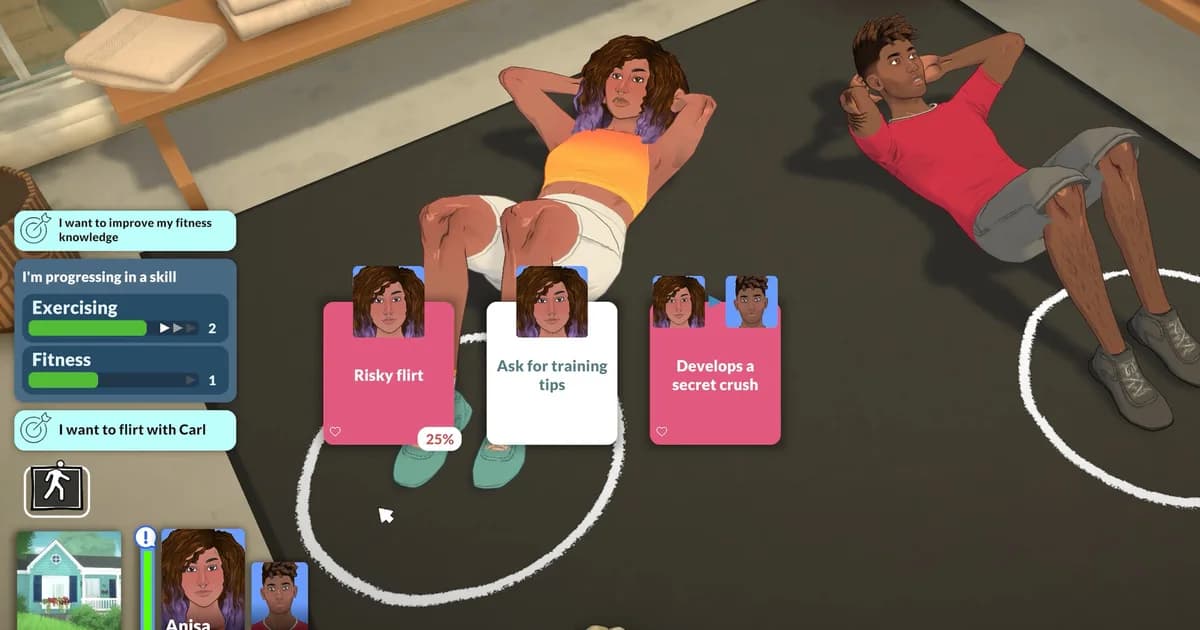
Interaction outcome factors: The exact success calculation is not published. What is documented is that relationship level unlocks options: at friendship level 3 or higher, a Para can ask a friend to move in through Together Cards, and the same patch adds hugs for family members or friends at that level. Those are reproducible gates; a claimed mood-and-trait percentage is not.
Relationship development: Relationship labels and milestones are part of the current build. Patch 0.1.7 also lets players initiate intimacy by clicking a bed or current partner, invite Paras to a visited lot through the phone, and prevents romantic actions toward recognized family members. The patch notes do not claim that every failed interaction subtracts a fixed amount, so this guide avoids assigning one.
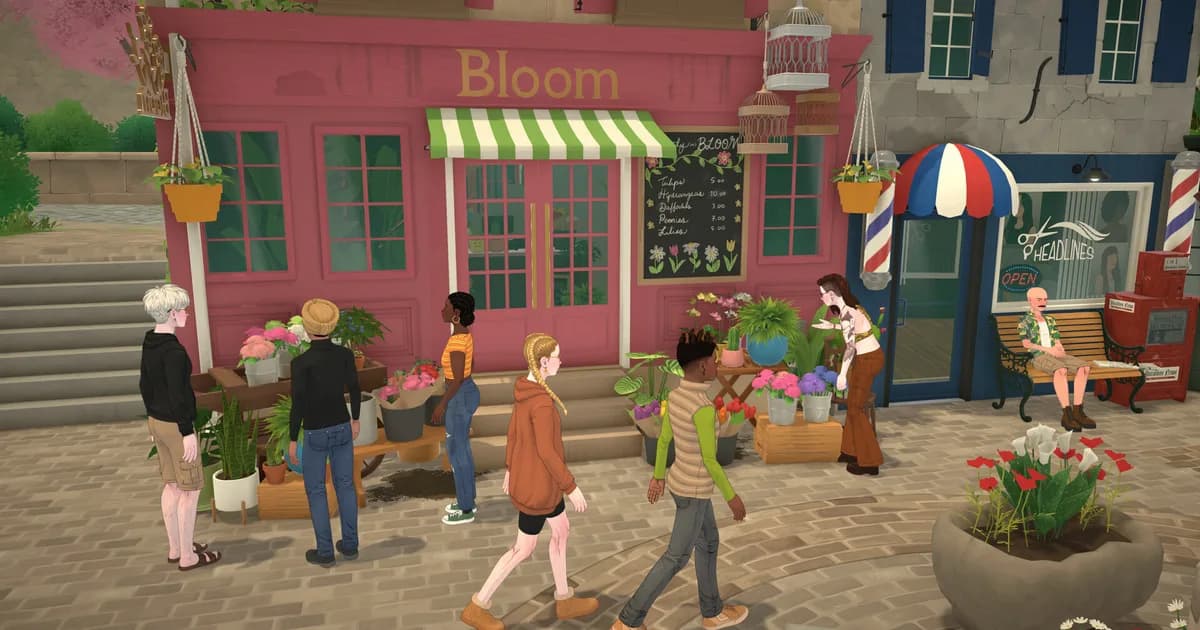
Community relationships: The open-world town contains shops, parks, restaurants, and museums, and the current patch adds an optional town-map toggle for tracking townies in real time. That is enough to establish a social town layer. The exact behavior of every neighbor or community relationship remains subject to Early Access changes.
What the early access build includes
The current Early Access version of Paralives includes:
- Building and decorating with gridless construction, resizable furniture, recoloring, and stacking
- Paramaker character creation with body, face, clothing, and personality customization
- An open-world town with jobs, relationships, skills, wants, needs, emotions, and aging
- An 8-stage life roster reported by PC Gamer: Baby, Toddler, Child, Pre-Teen, Teen, Young Adult, Adult, and Elder
- Steam Workshop support and an in-game modding interface
- Concrete relationship and household features such as bed assignment, friendship-based move-ins, hugs, and family-member protection
Planned or expanding content includes more personality traits, social interactions, skills, town activities, pets, cars, houseboats, and a town-creation tool. Patch 0.1.8 is the current official milestone checked for this audit: its notes say the team is prioritizing optimization and long-term development while working toward a larger free update later in the year. That is a more accurate description of the build than calling the core loop a complete final implementation.
Related Reading
- Paralives Complete Guide: Price, Build Mode, Town Life: Paralives complete guide: all 8 Early Access guides in one hub, covering the $39.99 price,
- Is Paralives Free to Play? No: $39.99 Early Access: Is paralives free? No. Paralives costs $39.99 on Steam Early Access. No subscription or microtransactions.
- Paralives House Building Guide: Build Mode Explained: Paralives house building guide: Build Mode, curved walls, terrain tools, the Advanced Object Placement Tool
- Paralives Aging and Moving Houses Guide: how life stages and household moves fit into the current simulation.
- Paralives Try for Baby and Pregnancy Guide: a focused companion for family and relationship planning.
- Paralives Price Guide: the current purchase cost and Early Access buying context.
- Paralives Social Activities Guide: more documented interaction options to test in the current build.
Frequently Asked Questions
How is Paralives different from The Sims mechanically? Paralives emphasizes gridless building, a flexible Paramaker, an open-world town, Steam Workshop support, and its own combination of wants, needs, emotions, traits, skills, careers, and relationships. The current official material does not support a precise claim that one system has a specific numeric advantage over The Sims.
Do traits matter a lot in Paralives? Yes, traits are a confirmed Paramaker system and more traits are planned. The developer has not published a complete trait-to-activity or trait-to-skill modifier table, so the degree of impact can change during Early Access.
Can I play Paralives without following the needs system closely? Yes, but the game still presents needs and wants as part of everyday life. Manage them because they are visible parts of the simulation, not because an undocumented multiplier guarantees faster skill or social progression.
Is the social system in Paralives complex? Moderately. Relationships, labels, Together Cards, and friendship-level gates are documented. The exact outcome formula is not, so observation is more reliable than a claimed compatibility percentage.
How complete is the simulation in early access? The current Early Access build already contains the main simulation ingredients, but it is not complete. The official store page lists more traits, social interactions, skills, town activities, pets, cars, houseboats, and town tools as planned or expanding content, and Patch 0.1.8 says the team is prioritizing optimization and long-term development.
References
- Paralives on Steam: official store page with current systems, Early Access status, developer FAQ, and planned content roadmap
- Paralives Patch Notes 0.1.8: official August 24 notes for the current optimization milestone
- Paralives Patch Notes 0.1.7: official notes for friendship-level gates, coffee's need tradeoff, lifespan, bed assignment, and family-member protections
- Paralives life stages feature: current eight-stage roster check
- r/Paralives community: player discussions on build mode, mods, and Early Access feedback
About the author

Critical game theorist with a background in film criticism. Writing for print and digital outlets since 2015. Specialises in genre analysis and design heritage.
- Background in film criticism
- 10 years games coverage
- Genre theory and design history specialist
Keep reading

Paralives House Building Guide: 7 Tools and Limits
General · 9 min
Paralives Social Activities: What's In, What's Coming
General · 9 min

Paralives Town Life Guide: How the Open World Works
General · 9 min

Paralives Complete Guide: 11 Guides, Build Mode & Town Life
General · 14 min
Is Paralives Free to Play? No: $39.99 Early Access
General · 6 min

Paralives Tips: 10 Things to Know for Early Access
General · 13 min
Game deals · affiliate links

Disclaimer
This article is published for informational and entertainment purposes. It does not constitute professional financial, legal, or technical advice. Game performance, online services, patch schedules, and store listings change. Verify critical details (pricing, system requirements, regional availability) with publishers and storefronts before you buy. Affiliate links, where present, help support our editorial work and are labelled in our affiliate disclosure.
Comments
Loading comments…