
GuideParalives
Paralives Aging Guide: Life Stages and Moving Houses
A Paralives aging guide sounds like it should be short: "it just works like every other life sim." It doesn't. Aging here is a Storyteller-controlled setting with more granularity than a straight on/off switch, and a recent patch quietly rewrote how long every life stage lasts. Moving houses has its own quirks too, including a bug the developers fixed by name in their own patch notes.
Sponsored

TL;DR: Paralives aging runs on a per-save Storyteller setting: Short, Normal, or Long life stage duration, plus separate toggles for whether your household Paras age and whether the rest of the town does. Patch 0.1.7 (August 10, 2026) rebalanced lifespans, pushing the average from 98 to 112 in-game days. Moving houses means buying a for-sale lot from the town map, then physically walking your Para in by interacting with something inside. A friendship-based "move in together" option (Together Cards) also shipped in 0.1.7, and it fixed a bug where kids got left behind.
Sponsored

Paralives Aging and Moving Houses: Quick Overview
Paralives aging is not a fixed clock. It's a Storyteller setting you pick at the start of a save (or change later), and it governs how long each of the game's 8 life stages lasts, plus whether your own household ages at all versus the Paras living around town. Moving houses is split into two separate systems: buying a lot outright from the world map, and a newer friendship-gated option to move in with someone you already know. Neither one is explained anywhere in the base tutorial in much detail, which is why both trip up new players in slightly different ways.
Key Takeaways
- Aging speed is a Storyteller setting, not a fixed rule. You can set life stage duration to Short, Normal, or Long, and separately control whether household Paras and town Paras age at all.
- Patch 0.1.7 (August 10, 2026) rebalanced life stage lengths. Adult-range stages got longer, Pre-Teen and younger got shorter, and the average full lifespan moved from 98 to 112 in-game days on the default setting.
- Aging inside a life stage is visibly gradual, not a single jump cut. Posture, height, and facial detail shift while you're still playing, which is a detail most coverage of the game skips entirely.
- Buying a house means clicking a for-sale lot on the zoomed-out town map and confirming the price. That alone doesn't move your Para in.
- To actually relocate, zoom into the new house and interact with any object inside it. Without a bed and basic necessities there, your Para will wander back to the old house.
- Together Cards, a friendship-level-3+ option to ask someone to move in with you, shipped in the same 0.1.7 patch. It replaced an older bug where moving Paras left their kids behind.
How Paralives aging actually works
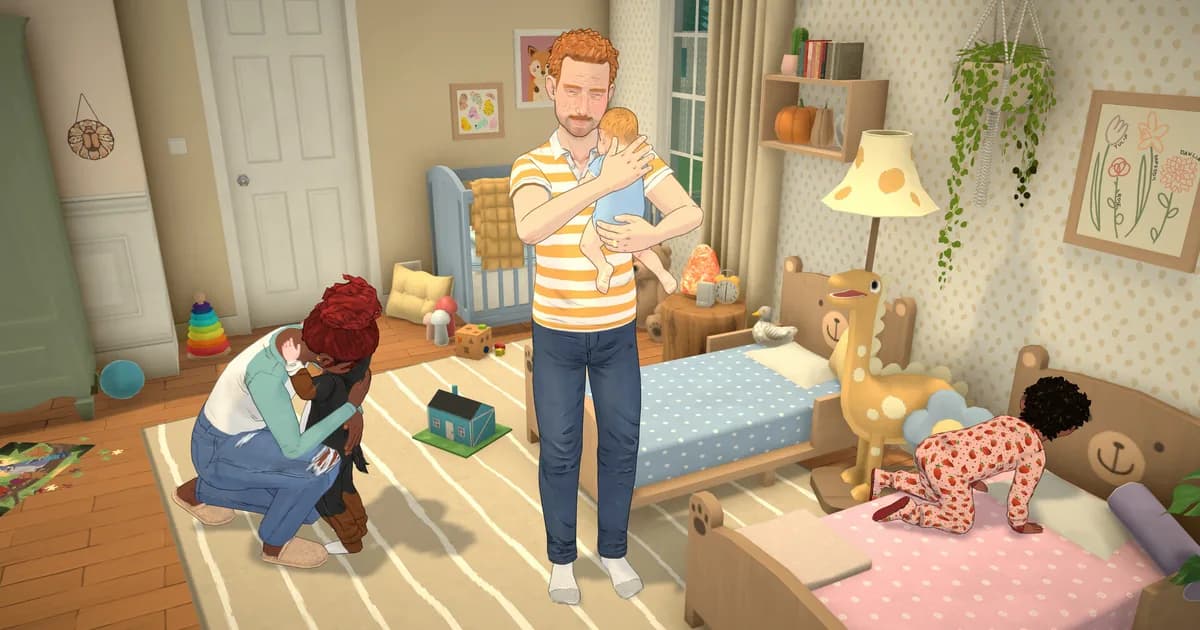
The wiki-documented version of Paralives' 8 life stages (Baby, Toddler, Child, Pre-Teen, Teen, Young Adult, Adult, Elder) gets repeated a lot, including in GameBrief's own mechanics deep dive. What rarely gets covered is that aging inside those stages doesn't happen as a single visual swap the moment a Para crosses into the next one. Early Access players have independently reported watching it happen in real time: a child para gaining height mid-session, an adult developing visible jowls without ever leaving the Adult stage, posture and skin changing gradually the longer a save runs. One player who'd played a different long-running life sim specifically called this out as a favorite detail, since that older game required manually reapplying aging effects rather than handling them automatically.
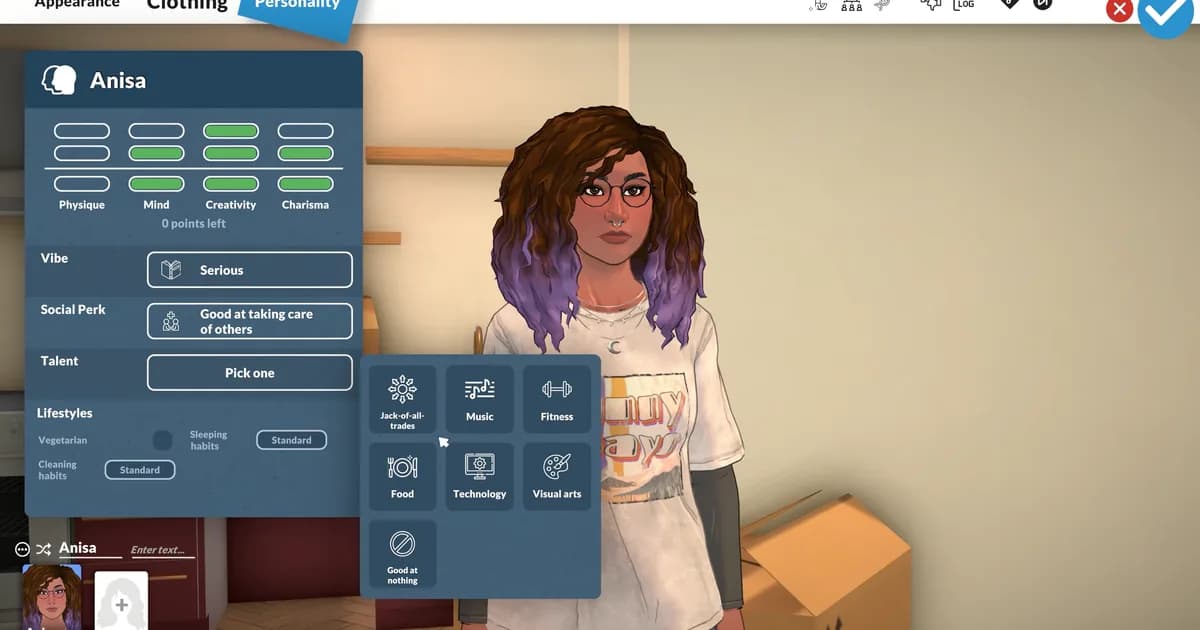
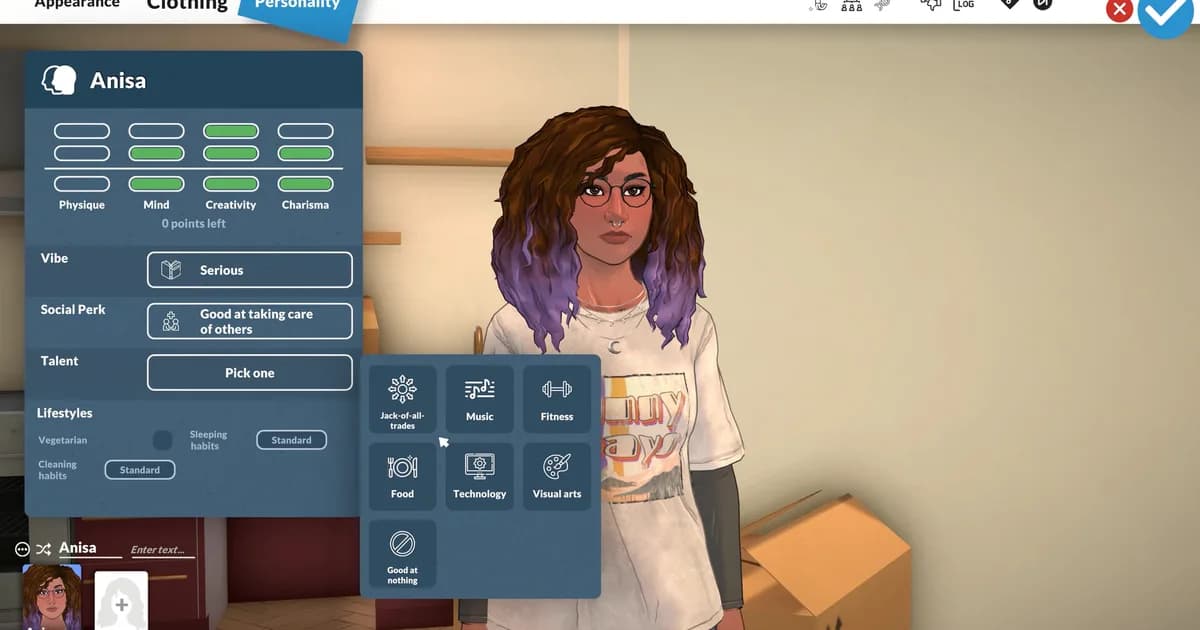
That continuous aging is also tied into how personality develops. Younger Parafolk start with fewer personality traits available than older ones, so as a Para ages, you get more room to shape who they are rather than locking everything in at birth. The interaction cards that show up in conversations (the same system covered in the town life guide) draw from that growing trait pool, so an Elder Para with a full set of traits will often have a noticeably wider hand of cards than a Teen still building theirs out.
GODEEPER: Traits don't just shape aging, they run the entire mood and skill loop underneath Paralives. Paralives Mechanics Guide: Needs, Moods, and Paras →
Controlling Paralives aging speed: the Storyteller settings explained
Every Paralives save starts with a Storyteller choice, either during the tutorial train sequence or immediately after if you skip it. Clicking "customize Storyteller" opens a settings panel, and aging lives inside it as two separate controls rather than one:
Duration of Life Stages: a three-position choice between Short, Normal, and Long. This scales how many in-game days each stage lasts without changing which stages exist.
Aging on or off, per group: household Paras (the ones you actively control) and outside Paras (the rest of the town) can be set to age or not age independently of each other. Want your own family growing older while the neighborhood stays frozen in place, or the reverse? That's a supported combination, not a workaround.
Neither setting locks you in at creation. If you're already deep into a save, open the options menu, click the three-dot icon, select Storyteller, and customize from there. Changing it mid-game will ask if you want to keep any existing customizations first, so you won't accidentally reset settings you already tuned.
The numbers behind "Normal" duration changed recently, too. Patch 0.1.7, which Paralives Studio shipped on August 10, 2026, rebalanced life stage lengths directly: adult-range stages (Young Adult through Elder) gained extra days, while Pre-Teen and everything younger got trimmed. The stated goal in the patch notes was specifically to give an Elder raising a baby enough runway to survive to see that child grow up, since a Para who dies while a baby is still fully dependent and no other adult is present can trigger the same social-services removal that shows up elsewhere in this guide. The average full lifespan across all 8 stages moved from 98 in-game days up to 112 as a result. Paralives Studio didn't publish the new per-stage breakdown alongside the average, so treat any exact day count you find for individual stages online as pre-0.1.7 unless it's dated after August 10, 2026.
Vacation day accumulation is also tied to your Storyteller pick, confirmed directly in the patch 0.1.6 notes, which is a reminder that Storyteller settings reach further into the simulation than just aging and starting funds.
Step-by-step: how to move houses in Paralives
Buying a new house is the simpler of the two ways to relocate, and it works the same whether you're moving solo or resettling an entire household.
- Zoom all the way out from your current view until the full town map is visible. Lots currently for sale display a purchase marker.
- Click on the house you want. A panel shows the asking price. One example spotted in a walkthrough video priced a listed house at roughly 46,000 Paradimes, though prebuilt houses commonly start well above 20,000 depending on size and location.
- Click Purchase, then confirm on the "buy this lot" prompt. The house is now registered as your household's residence, marked with an icon on the map.
- That purchase alone does not relocate your Para. Zoom into the new house and interact with any piece of furniture inside it (sitting on a couch works fine) to get your Para walking over and settling in.
- Before you do step 4, make sure the new house actually has a bed and other basic necessities furnished. Without them, your Para will head back to the old house instead of staying, since the game treats "no bed here" as a reason to return home.
Starting funds for a new household vary more than you'd expect, from roughly 9,000 up to 30,000-plus Paradimes, and the difference usually traces back to which Storyteller and household type you picked rather than a bug. If you're staring at prebuilt houses priced above your starting funds, that's most likely the setting talking, not a broken save.
Personality traits get finalized in the Paramaker, but notice the moving box in the background. A fresh move-in often starts with unpacked boxes still sitting around the new place.
GODEEPER: House-hunting only gets you half the picture. What you build once you're there is its own system with its own limitations right now. Paralives House Building Guide: Build Mode Explained →
Moving in with friends: the Together Cards system
Buying a house isn't the only way to relocate a Para. Patch 0.1.7 added a second path: at friendship level 3 or higher, Paras get the option to ask each other to move in together through Together Cards, the same card-based interaction system that already runs conversations and social interactions across the game. It's a meaningfully different flow from buying a lot, since it merges two existing households into one rather than creating a fresh residence.
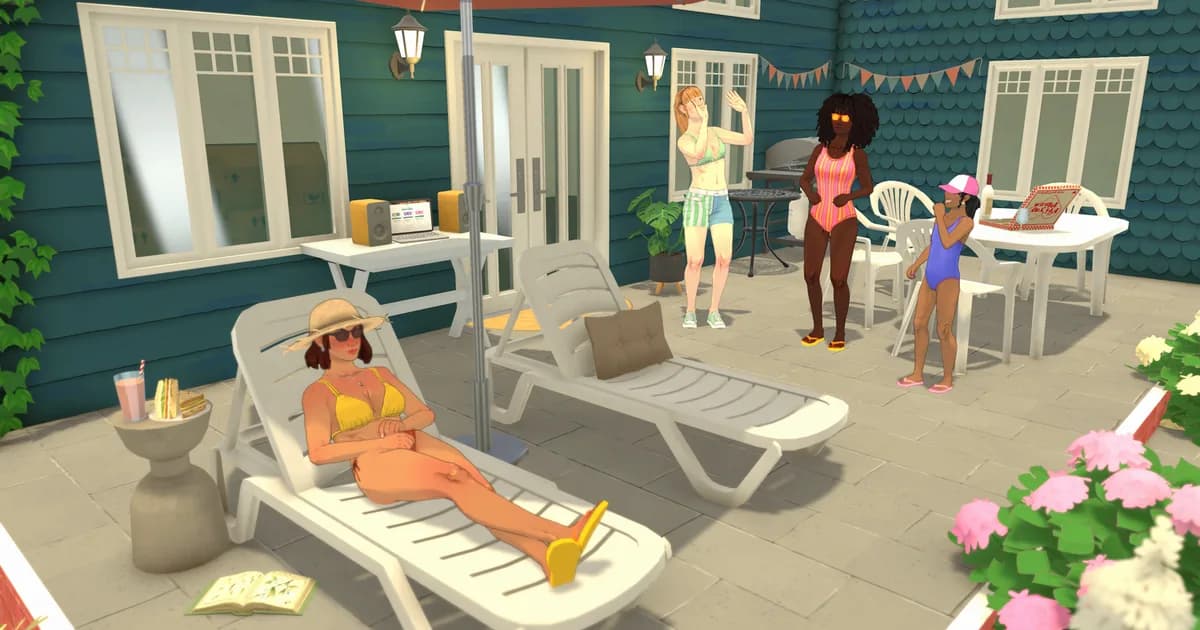
A move-in invitation doesn't come out of nowhere. It's built on ordinary social moments like this one, repeated until friendship crosses the level-3 threshold.
This is also where a real, developer-acknowledged bug lived until very recently. Community reports through mid-2026 documented cases of a Para moving in with a partner or friend and leaving their own children behind in the now-empty old house, with no option to bring them along or move into the other Para's place instead. One widely discussed case involved a town NPC named Sebastian (also covered in GameBrief's town life guide for his other documented quirks), whose household became a specific example players cited when reporting the issue. The same "new household, new pressures" pattern shows up in Winter Burrow's beginner guide too, a different cozy sim where the early days shape everything that follows. Left alone with no adult present, an abandoned child in Paralives gets removed by the game's social-services logic, the same system now referenced above in the aging-rebalance discussion.
Paralives Studio's own 0.1.7 patch notes fixed it directly, and named the case under Bug Fixes without even trying to be subtle about it: "Parents should no longer leave their kids behind when asked to move in. We're looking at you Sebastian." I don't know that I've ever seen a dev team call out a specific in-game NPC by name in a bug fix log before, but it tracks with how much attention that household had already gotten on Reddit. If you're moving a Para with dependents into someone else's household today, the bug that used to strand kids is resolved as of that patch.
A second, separate issue is still floating around and hasn't been confirmed fixed the same way, and it's the kind of Early Access rough edge worth weighing against the rest of the game before you buy in, our Paralives Early Access review covers the broader worth-it question this bug is just one data point in. Players have reported that a Para who moves in with someone else without first manually selling their own house can lose ownership of it and receive no payment at all, essentially forfeiting the property's value. Community members flagged it as something to report through official channels rather than something the game intends. Until Paralives Studio addresses it directly, the safe move is to sell your old house yourself before accepting or sending a move-in invitation, rather than assuming the game will settle it for you.
GODEEPER: Friendship level 3 is also the threshold for hugs, and the social guide covers the rest of what's live, from phone invites to the merge household menu. Paralives Social Activities: What's In, What's Coming →
Tips for aging and moving without losing progress
Decide your Storyteller aging settings before you get attached to a Para. Switching from "aging on" to "aging off" mid-save is supported, but if you've already fallen for a specific Elder, it's easier to lock in the pace you want from day one than to second-guess it later.
Don't assume old per-stage day counts are current. Anything published before August 10, 2026 describing exact day totals per life stage predates the 0.1.7 rebalance. The stage names and order haven't changed, just the math underneath them.
Sell before you merge households, not after. Given the unresolved house-ownership issue covered above, the cautious sequence is: list and sell your current house, confirm the sale went through, then send or accept a move-in invitation.
Check for a bed before celebrating a new house purchase. A newly bought lot with zero furniture inside will not hold your Para. Furnish at least a bed before you interact with anything to trigger the move (our house building guide covers furniture placement basics). If you're the type who wants a broader map of a genre before committing hundreds of hours, Winter Burrow's complete guide hub is a useful comparison point for a different studio's take on the same "small cozy life, real consequences for mistakes" formula.
Watch elder-plus-baby households more closely under Short duration. Paralives aging under a Short Storyteller setting compresses every stage, including Elder, even with the 0.1.7 lifespan rebalance easing this specific risk. If your only adult caretaker is aging fast, the child-removal risk described above is still live territory to watch.
If you're weighing Paralives against other relationship-and-life-sim games while it's still in Early Access, Starsand Island's romance guide covers a differently-structured relationship system worth comparing, and its own beginner guide has some first-week pacing advice that carries over well to any cozy life sim, Paralives included.
Frequently Asked Questions
Can you turn off aging in Paralives? Yes. The Storyteller settings let you control aging separately for your household Paras and for outside town Paras, and you can change it mid-save through the options menu, not just at character creation.
How long do life stages last in Paralives? Duration is set by your Storyteller (Short, Normal, or Long). Patch 0.1.7 rebalanced the numbers on August 10, 2026: adult stages gained days, stages below Pre-Teen were trimmed, and the average lifespan rose from 98 to 112 in-game days.
How do you move houses in Paralives? Zoom out to the town map, click a for-sale lot, and confirm the purchase. That only registers the house as your residence though. Zoom in and interact with any object inside to actually get your Para to move in.
Can you ask a friend to move in with you in Paralives? Yes, once friendship reaches level 3 or higher, Together Cards let you invite them to move in. Paralives Studio added this in patch 0.1.7 on August 10, 2026.
Does moving in with someone bring their kids along in Paralives? It does now. Earlier builds had a documented bug where a moving Para left their children behind, which Paralives Studio's own 0.1.7 patch notes named and fixed directly.
What happens to your old house when you move in with someone else in Paralives? Sell it first. Players have reported losing ownership of an unsold house with no payout when moving in elsewhere. It isn't confirmed fixed, so don't rely on the game selling it for you.
Is aging in Paralives gradual or does it happen in sudden jumps? Gradual. Posture, height, and facial details shift continuously while a Para is inside a life stage, not just at the moment they age up, which multiple Early Access players have confirmed independently.
Related Reading
- Paralives Complete Guide: Price, Build Mode, Town Life: the hub linking every GameBrief Paralives guide, including this one, in one place.
- Paralives Early Access: Is It Free, and Is It Worth Buying?: Paralives Early Access: not free, costs $39.99 on Steam at launch. Whether it's worth buying
- Paralives Tips: 10 Things to Know for Early Access: broader first-week advice for players just getting settled.
- Paralives Try for Baby: The 3 Requirements Explained: the aging system covered in this guide starts the moment a new Para is born, so this is the natural companion piece.
References
- Paralives on Steam: official store page, Early Access status, and platform details.
- Paralives Patch Notes 0.1.7: Paralives Studio's own patch notes covering the lifespan rebalance, the Together Cards feature, and the Sebastian move-in bug fix.
- Paralives Life Stage - community wiki: community-maintained breakdown of the 8 life stages and Storyteller aging controls.
- r/Paralives community: player-reported bugs and observations on aging visuals and household moves referenced throughout this guide.
- "How to Change Lifespan Length in Paralives" by taylorsaurus guides: walkthrough of the Storyteller aging and life-stage-duration settings.
- "How to Move Houses in Paralives" by SolutionsForEveryone: step-by-step footage of buying a lot and triggering a household move.
Was this guide helpful?
About the author

Indie & JRPG Desk
GameBrief's byline for indie, JRPG, visual novel and cozy games. Warm, direct, and willing to say which one to buy.
- Indie, JRPG and visual novels
- Early access and survival
- Sources listed per article
Keep reading
Paralives Try for Baby: The 3 Requirements Explained
General · 15 min
8 Best Paralives Mods for Lots, Decor and More (2026)
General · 15 min

Paralives Complete Guide: 9 Guides, Build Mode & Town Life
General · 14 min
Paralives Mechanics Guide: Needs, Moods, and Paras
General · 8 min

Paralives House Building Guide: 7 Tools and Limits
General · 8 min
Paralives Social Activities: What's In, What's Coming
General · 10 min
Sponsored
Disclaimer
This article is published for informational and entertainment purposes. It does not constitute professional financial, legal, or technical advice. Game performance, online services, patch schedules, and store listings change. Verify critical details (pricing, system requirements, regional availability) with publishers and storefronts before you buy. Affiliate links, where present, help support our editorial work and are labelled in our affiliate disclosure.
Comments
Loading comments…