
GameBrief · Guides
WARDOGS Money Guide: Fastest Cash and Best Loadouts
Reviewing
WARDOGS
BULKHEAD
This WARDOGS money guide covers the actual confirmed cash numbers, transport payouts, pallet economics, Hot Zone income, and real loadout and vehicle prices, so you're spending and earning with real figures instead of guessing. The persistent cash economy is the system BULKHEAD built the whole game around, and understanding the specific numbers is what turns cautious survival into genuinely funding a tank.
TL;DR: Transporting players to the Hot Zone pays $500 to $1,000 per person, plus bonuses for survival and kills. Pallet delivery pays $2,500 against a $400 cost. Hot Zone camping earns passive hundreds of dollars per minute. Starting weapons range from free to $600, and the Artillery Tank tops out at $500,000. Cash persists between matches, so every purchase is a real decision.
How do you make money fast in WARDOGS? (quick answer)
The two fastest confirmed methods are transporting players and delivering pallets. Transporting a teammate to the Hot Zone pays $500 to $1,000 per person, with an additional $500 if they survive and $750 per kill they get afterward. Delivering a pallet costs $400 to acquire but pays $2,500 on successful delivery, plus $1,800 more if another player uses your drop to build a FOB. Both reward logistics play over pure combat, which matches BULKHEAD's stated design goal of rewarding teamplay directly.
Key takeaways
- Transport payouts: $500-$1,000 per player moved to the Hot Zone, +$500 if they survive, +$750 per kill they get
- Pallet delivery: costs $400, pays $2,500 delivered, +$1,800 if a teammate uses it to build a FOB
- Hot Zone camping earns passive income of several hundred dollars per minute, plus bonus payouts for kills and assists made there
- Starting weapons range from the free Bushmaster M17S to the $600 T-21; the Artillery Tank tops the price list at $500,000
- Cash persists between matches, so spending less than you expect to earn back protects your long-term progress
- Building a mortar requires a Large Hammer and FOB supplies, each 3-shot barrage costs 90 Ammo Supplies
Step-by-Step: building your cash economy
1. Learn the Hot Zone before you chase anything else: BULKHEAD's own framing calls it a contested area that pays double, and the practical effect is passive income just for holding it, several hundred dollars a minute, on top of kill and assist bonuses earned there specifically. For a new player still learning the map, camping a Hot Zone responsibly is a more reliable income source than chasing kills across the whole Control Zone.
2. Run pallet deliveries when you see one available: each pallet costs $400 to pick up but pays $2,500 on a successful delivery, a real profit even before the bonus. If a teammate breaks your drop open and uses it to build a FOB, you earn an additional $1,800 on top. This is consistently one of the highest per-action payouts in the game, worth prioritizing over a marginal firefight.
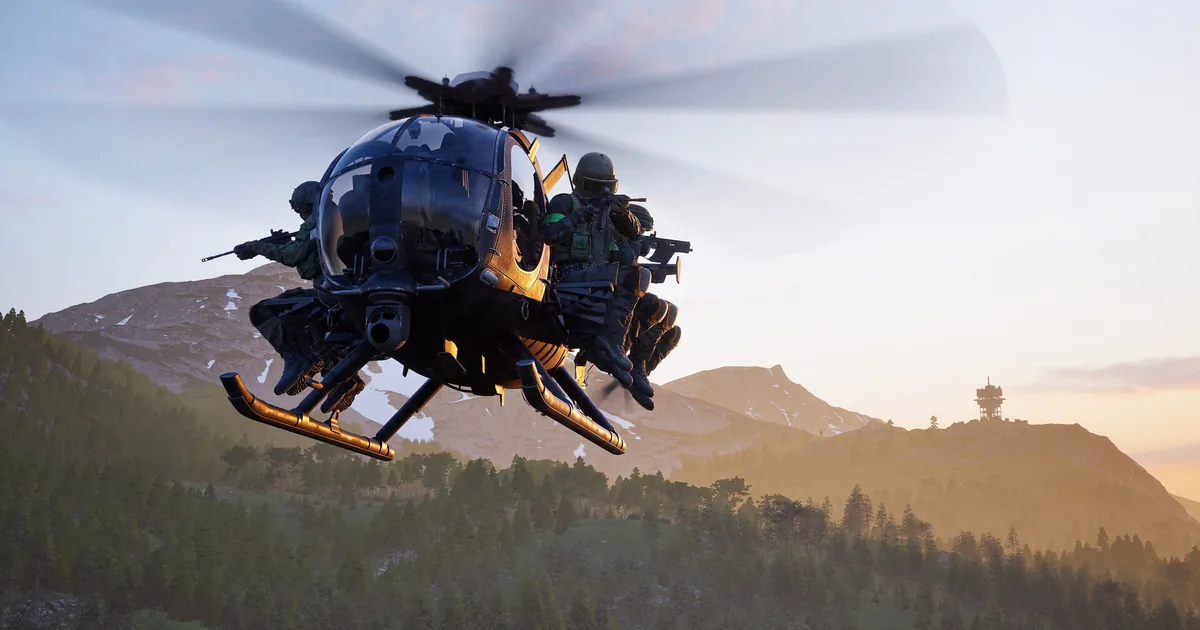
3. Transport people, not just supplies: moving a teammate to the Hot Zone pays $500 to $1,000 immediately, and if they survive the encounter you earn another $500, plus $750 for every kill they get afterward. A single successful transport run can out-earn several minutes of solo combat, and it directly helps your team hold the objective at the same time.
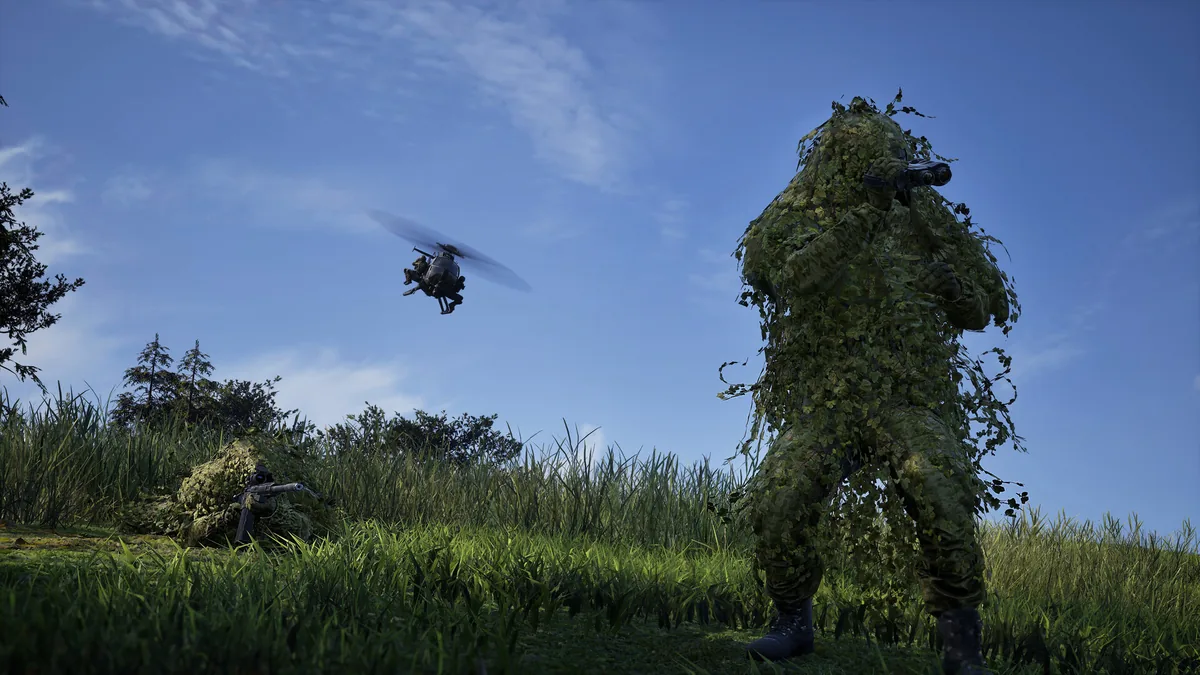 Caption: A ghillie suit and a rifle is one of the cheaper specialist loadouts, confirmed directly in BULKHEAD's own description as a viable way to play and profit.
4. Buy a Support loadout once you can afford a FOB: the Support role centers on purchasing a Forward Operating Base, loading it into a transport helicopter, and placing it at your team's drill site, then building walls, doors, gates, and sandbags around it. It's a slower way to earn than transport runs or pallets, but a well-placed FOB compounds value for your whole team across the rest of the match.
5. Only build a mortar once your FOB has supplies to spare: mortars need a Large Hammer and building supplies, placed on flat ground with a clear firing arc, hit with the hammer until construction hits 100%. Each shell costs 30 Ammo Supplies from your FOB's pool, so a full 3-shot barrage drains 90 units. Build the emplacement with a circular sandbag base and HESCO walls set one block away on every side, that gap gives shells a clean exit path. Tall concrete walls placed too close can cause shells to clip on the way out, killing your own crew and wasting the supplies.
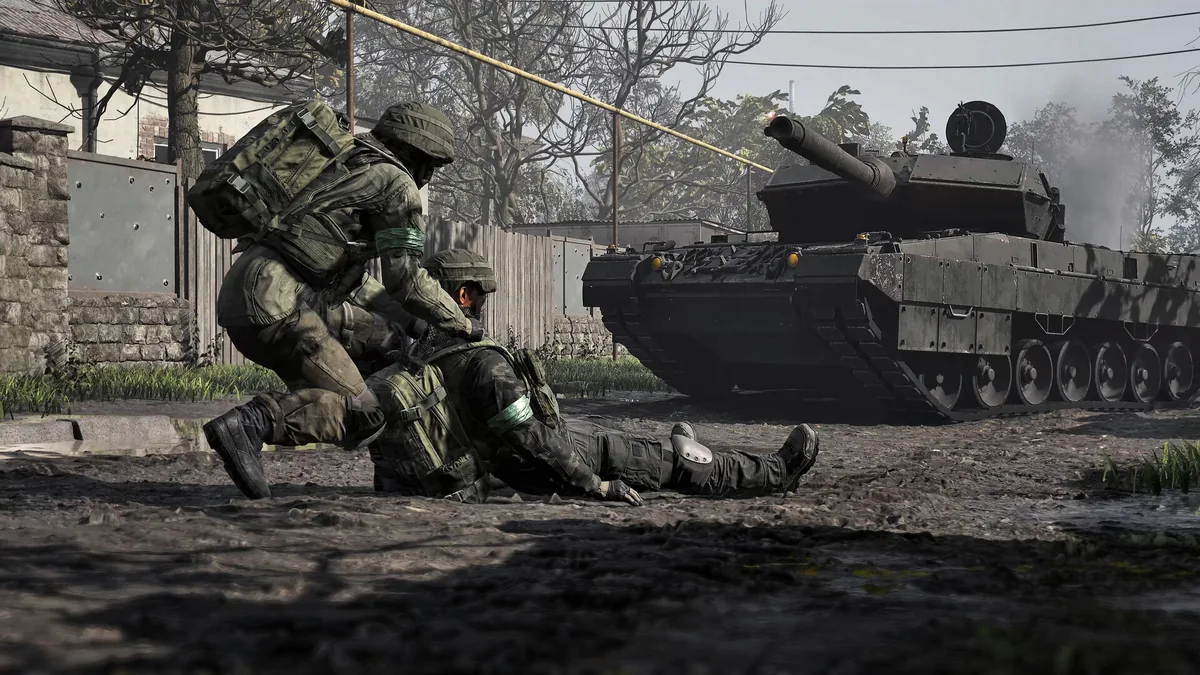 Caption: Reviving a downed squadmate is one of the cash-earning teamplay actions BULKHEAD built the economy around, not just a courtesy.
GODEEPER: If you're still working out the basics of the Control Zone objective and a safe starting loadout, our WARDOGS beginner guide covers your first few matches before the economy numbers here really start to matter.
Loadout and vehicle prices, what's confirmed
Starting weapons split into a genuinely free option and a cheap paid one: the Bushmaster M17S costs nothing, while the T-21 runs $600 as a slightly better budget alternative. Both are solid enough to fund your early transport runs and pallet deliveries without risking much per life. At the high end, the Artillery Tank costs $500,000, a genuine late-game purchase that most players reach through several matches of consistent teamplay income rather than a single lucky run. The wide gap between those numbers is intentional: BULKHEAD's cash-persistence design means your loadout choices are a long-run investment strategy, not a fresh decision every match.
The community-tested middle-ground approach: enter each life with inexpensive gear, then upgrade by looting weapons and equipment from players you've killed rather than buying expensive kits upfront. You risk less money when you die, while a successful life can still end with you carrying high-value looted gear. The real risk is looting in an exposed position while a fight is still active, that's a fast way to lose both your starting kit and the gear you were trying to take.
GODEEPER: For the full picture of how the Control Zone objective and three-team dynamic shape when it's actually safe to spend big, our WARDOGS beginner guide covers the tactical side this economy guide assumes you already understand.
Is the grind worth it after Season 1?
BULKHEAD's Season 1 patch rebalanced progression to require more grinding for the game's big-ticket items, a change confirmed directly in the studio's own patch notes rather than just community speculation. That makes the money-making methods above more relevant now than they were at initial launch, not less: consistent pallet runs and transport payouts are the realistic path to an Artillery Tank or top-tier gear, rather than expecting to fund one through a handful of lucky matches. Our WARDOGS review covers this tradeoff in more detail as part of the game's broader Early Access limitations, and our Week One coverage has the full patch timeline if you want to see exactly when each change landed.
Related Reading
- WARDOGS Beginner Guide: Your First Match: the Control Zone objective and starting-loadout basics this money guide builds on.
- WARDOGS Review: 100-Player Chaos Worth the Rocky Launch: the full verdict, including how Season 1's progression changes factor into the game's current state.
- WARDOGS Week One: 428K Players and the Queue Crisis: the story of the game's massive early player count and the launch issues that have since been fixed.
- WARDOGS Early Access Preview: the original mechanics breakdown covering the cash economy's design intent before launch.
Frequently Asked Questions
How do you make money fast in WARDOGS? Transport payouts and pallet delivery are the two fastest confirmed methods. Transporting a player to the Hot Zone pays $500 to $1,000, plus $500 more if they survive and $750 per kill they get. Delivered pallets pay $2,500 against a $400 cost.
What is the Hot Zone in WARDOGS? A contested area within the Control Zone that pays double cash for holding it. Simply standing inside it earns passive income of several hundred dollars a minute, with extra payouts for kills and assists made there.
How much does the Artillery Tank cost in WARDOGS? $500,000, making it a genuine late-game purchase rather than something to save for early on. Most players fund it through several matches of consistent teamplay-based income rather than a single lucky run.
What's the cheapest way to start a match in WARDOGS? The Bushmaster M17S is free, and the T-21 costs $600 as a budget alternative. Both are solid starting weapons; the goal early on is staying funded across multiple lives, not maximizing firepower on a single one.
How do you build a mortar in WARDOGS? You need a Large Hammer and building supplies from your FOB's stock. Place the blueprint on flat ground with a clear firing arc, then hit the resulting wooden-plank ring with the hammer until construction reaches 100%.
References
- WARDOGS on Steam: official store page, price, and feature description cited throughout this guide.
- WARDOGS Steam Community discussions: the game's community hub, active with economy and loadout discussion given how new the release is.
Was this guide helpful?
About the author

Senior Critic & Analyst
Former game data analyst turned critic with 11 years covering indie and mid-tier games. Based in Austin. Runs spreadsheets on games most people just play.
- 11 years games criticism
- Former game economy analyst
- Roguelike and strategy specialist
Keep reading


Disclaimer
This article is published for informational and entertainment purposes. It does not constitute professional financial, legal, or technical advice. Game performance, online services, patch schedules, and store listings change. Verify critical details (pricing, system requirements, regional availability) with publishers and storefronts before you buy. Affiliate links, where present, help support our editorial work and are labelled in our affiliate disclosure.
Comments
Loading comments…