
GameBrief · General
Crimson Desert Gear Refinement: Upgrade Guide 2026

Reviewing
Crimson Desert
Crimson Desert gear refinement is the only power system in the game. No XP bar, no class system, no "+5% damage from grinding." Your power comes from Refinement tiers, full stop. And since patch 1.06 added Extraction, the cost of backing the wrong piece finally has a floor.
This guide covers how Refinement works from tier 0 to 10, what materials each tier costs, which slots to prioritize, and how to use Extraction to get something back when you swap gear.
TL;DR: Gear Refinement (0-10 per piece) is the only power system in Crimson Desert. No character levels. Upgrade weapons first, then chest armor. Patch 1.06 added Extraction to recover 40-60% of materials from gear you replace. Material costs spike sharply at tier 7: push to tier 5-6 before swapping to new pieces.
Crimson Desert Gear Refinement: Key Takeaways
- Gear Refinement (0-10 per piece) is the only power progression in Crimson Desert: no character levels
- Tiers 0-3 use common materials; tiers 4-6 require dungeon/boss materials; 7-10 need rare drops
- Patch 1.06.00 (May 11, 2026) added Extraction: recover a portion of materials from gear you no longer need
- Prioritize weapon first, then chest armor: weapons affect clear speed, chest affects survival
- Don't Refine gear you plan to replace soon: the material cost at tiers 5+ is steep, and even with Extraction you won't get it all back
- The Vault of Vengeance Abyss is the best endgame source for rare Refinement materials (patch 1.06.01 fixed a bug blocking its progression)
Overview
Crimson Desert launched in March 2026 with a gear Refinement system that frustrated players who invested materials into pieces they later replaced. The materials were simply gone. Patch 1.06.00 (May 11, 2026) changed that with Extraction: the first change to the Refinement system since launch.
This guide reflects the post-1.06 state of the game. If you're reading this before May 11, 2026, the Extraction section doesn't apply to your build.
What this guide covers: the Refinement tier system, material requirements by tier, which slots to upgrade in what order, and how to use Extraction to recover materials when swapping gear.
What it doesn't cover: the combat system (see the Crimson Desert combat guide) or difficulty settings (see the Crimson Desert difficulty settings guide).
Prerequisite: You've completed at least the first story act and have access to the full Refinement UI. The system unlocks early but becomes relevant after you've found your first piece of gear worth investing in.
 Refinement failure doesn't destroy gear at lower tiers: the risk profile changes significantly past +10.
How gear refinement works in Crimson Desert
Every equipment piece (weapons, armor slots, accessories) starts at Refinement 0 and can be pushed to Refinement 10. Each tier gives a real stat bump: a Refinement 5 sword does meaningfully more damage than a Refinement 4 sword of the same type. Not a rounding error, an actual gap.
The UI is simple: select a gear piece, choose Refine, confirm the material cost. The tier goes up by 1. No failure chance, no item loss on a bad roll. If you have the materials and hit confirm, it works.
The decisions are just two: which piece to upgrade next, and which tier to target before shifting focus.
Refinement tier breakdown
Tiers 0-3: Common materials
The early tiers use materials you'll naturally accumulate through exploration and enemy kills: hides, ore, plant fibers, and basic crafting components. If you're clearing zones normally, you'll have enough for these tiers without dedicated farming. Don't overthink the first three upgrades.
Tiers 4-6: Uncommon materials
This is where farming stops being passive. Tiers 4-6 need materials from dungeon completions, boss chests, and resource nodes in mid-difficulty zones. You won't stumble into them. The requirements jump in both quantity and specificity; you'll need dungeon-specific drops rather than generic world resources.
Do full clears of any dungeon you enter rather than skipping past rooms. The boss chest at the end has the best drop rate. Mid-dungeon elite enemies are the secondary source.
Tiers 7-10: Rare materials
The expensive end. These need materials from high-tier boss fights, Abyss activities (including Vault of Vengeance), and gathering nodes in harder zones. Vault of Vengeance had a bug blocking progression that patch 1.06.01 (May 12, 2026) fixed. If you bounced off it earlier, go back.
At tier 7+, most players will have one or two pieces at this range, not a full set. Pick your priority slot based on where you're actually dying or underperforming, not on what sounds right.
GODEEPER: If the gear system is new to you, start with tips that explain the overall loop before diving into Refinement specifics. Crimson Desert Tips Guide: Beginners →
Step-by-step: Refining your gear efficiently
1. Get your weapon to Refinement 4 first: Open the Refinement UI (menu, Equipment, Refine) and select your primary weapon. Common materials push it to Refinement 3 immediately, since the cost is low and the damage difference shows up in the first two zones. Then farm your current zone's first dungeon until you have the uncommon materials for Refinement 4. Weapon upgrades cut the number of hits to kill enemies more than any other slot, so everything else (resource gathering, boss damage, dungeon clear speed) runs faster with a higher-Refinement weapon.
2. Bring chest armor to Refinement 3: While you're building toward weapon tier 5, push chest armor to Refinement 3 with common materials. Chest contributes the biggest health pool of any armor slot, and Refinement 3 is a survivability floor: below it the game starts feeling randomly punishing rather than readable. Don't push chest past 3 until the weapon hits 4. The offensive gain from weapon upgrades is worth more than the defensive gain from chest at the same material cost.
3. Alternate weapon and chest to Refinement 6: The difficulty curve in Crimson Desert is tuned around your primary weapon being at zone-level Refinement. A mid-game zone with weapon at 5-6 means fights feel calibrated. Below that, bosses feel overtuned. Above, you're coasting. In this phase, alternate one tier on weapon, then one on chest, then weapon again, while accessories and side armor slots sit at 2-3 for now.
4. Pick one endgame slot and commit: Past Refinement 6, pushing one slot to 8-10 beats spreading materials across everything. Push weapon to 8-10 if boss DPS in hard zones or the Abyss is the problem, or push chest to 8-10 if you're getting two-shot in hard content. Vault of Vengeance (now fully accessible after the 1.06.01 fix) is the fastest rare material source at this point. Clear it weekly.
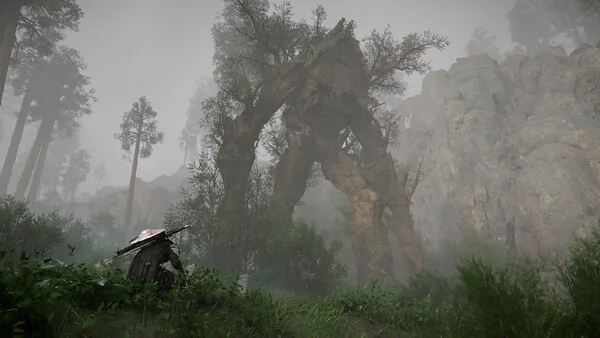 Extract gear that's within two tiers of current content: older gear extracts below material cost.
The Extraction mechanic: patch 1.06 explained
Before patch 1.06, replacing a refined piece meant writing off every material you put into it. Built a sword to Refinement 6 and found a better one? Those six tiers of investment were gone.
Patch 1.06.00 added Extraction. The process:
- Open the Refinement UI
- Select the gear piece you want to extract from
- Choose Extract instead of Refine
- Confirm. The piece resets to Refinement 0 and returns materials.
The return isn't 100%. Based on community testing, Extraction gives back roughly:
- Tiers 1-3: 60-70% of invested common materials
- Tiers 4-6: 40-55% of uncommon materials
- Tiers 7-10: 35-50% of rare materials
You're not getting everything back, but you're not getting nothing either. A sword at tier 6, Extracted, gives back enough uncommon material to push the replacement to tier 4-5.
Use Extraction when you find a clearly better weapon (a different gear tier, not a marginal stat difference), when you're switching weapon types entirely, or when you're transitioning to endgame gear and want the rare material recovery from the pieces you're retiring.
Skip it when the replacement is only 1-2 Refinement tiers ahead of your current piece, when you're not sure yet if you'll keep the new piece, or when the old piece is still at tiers 1-3 where the common material return isn't worth the reset.
Tips
Check material requirements before committing to a tier push
The UI shows material requirements before you confirm. Look at what tier 5 costs before you're at tier 4 with half the materials. Planning two tiers ahead prevents the situation where you're at tier 4, one material short of tier 5, and the missing material is a dungeon drop you haven't farmed yet.
Boss chests are the single best source of uncommon materials
Mid-game Refinement (tiers 4-6) is entirely bottlenecked on uncommon dungeon materials. The boss chest at the end of each dungeon has the highest drop rate. Clearing dungeons efficiently (skipping optional rooms when time is limited, always taking the boss) is more material-efficient than grinding regular enemy encounters.
Use the difficulty settings to speed up material farming
Crimson Desert difficulty settings can be changed anytime without penalty. If you're farming a specific dungeon for uncommon materials, dropping to Easy reduces time-per-run, which increases materials per hour. There are no Refinement-locked rewards or difficulty-gated material types. Easy-mode dungeon clears produce the same material pool as Hard clears, just faster.
See the Crimson Desert tips guide for the full breakdown on when to adjust difficulty.
Accessories can wait until tier 7+ everywhere else
The stat contribution of accessories relative to material cost is the lowest of any gear slot. Don't Refine rings and trinkets past tier 2-3 until your weapon and chest are at 6+. The marginal gain from a Refinement 4 ring is less impactful than that same material investment going into chest armor.
Vault of Vengeance Abyss is now accessible: do it weekly
Patch 1.06.01 (May 12, 2026) fixed a bug that blocked progression in the Vault of Vengeance Abyss. If you hit that wall before, the fix is live. The Vault is the most consistent source of the rare materials needed for tiers 7-10. It's a weekly activity: clear it on reset.
Common mistakes
Spreading materials across too many pieces
The distributed approach feels cautious but leaves you slightly below the damage threshold everywhere. A weapon at Refinement 6 with everything else at 2 carries further than everything scattered at Refinement 3-4. Pick a lane.
Extracting too soon after upgrading
Extraction gives back 40-55% on uncommon materials. Push a piece to tier 5 and immediately Extract because you found something shinier, and you've lost half your mid-game material pool. Wait until you're certain about the swap.
Skipping dungeon boss chests
The mid-game bottleneck is uncommon dungeon materials. The boss chest at the end of each dungeon is the primary source. Rushing past optional rooms to reach the boss faster without looting the chest is exactly backwards: you're trading materials for time.
Refining accessories before weapon and chest
A Refinement 5 ring gives less total stat gain than a Refinement 5 weapon. Accessories feel like "quick wins" because they're cheap early, but that's the material pool you should be saving for weapon and chest upgrades.
GODEEPER: Once gear is sorted, the combat system determines how effectively you use it. Crimson Desert Combat Guide →
Frequently Asked Questions
How does Crimson Desert gear refinement work? Every gear piece upgrades from 0 to 10 through the Refinement UI. Each tier costs specific materials: common for tiers 0-3, uncommon (dungeon drops) for 4-6, rare (boss and Abyss rewards) for 7-10. There's no failure rate. If you have materials and confirm the upgrade, it succeeds.
What did patch 1.06 add to Crimson Desert? Patch 1.06.00 (May 11, 2026) added the Extraction mechanic: recover a portion of materials invested in a gear piece's Refinement by resetting it to tier 0. The same patch added Special Mounts and a new cosmetic system via the in-game claw machine. Patch 1.06.01 (May 12) fixed a progression block in the Vault of Vengeance Abyss.
Can I transfer Refinement levels between gear pieces in Crimson Desert? No. Refinement levels are attached to specific pieces. Extraction recovers some materials from a refined piece, but the Refinement level itself stays on that item and resets to 0 on Extraction. You use the recovered materials to build up the new piece from scratch.
What's the fastest way to get uncommon materials in Crimson Desert? Boss chests at the end of mid-tier dungeons are the most consistent source. Run full dungeon clears (don't skip optional rooms when farming) and prioritize boss chests. Playing on Easy difficulty doesn't reduce the material pool: if your goal is materials per hour, Easy is valid.
What is the Vault of Vengeance in Crimson Desert? It's an Abyss activity that rewards rare materials used in high-tier Refinement (tiers 7-10). A bug blocking its progression was fixed in patch 1.06.01. It refreshes weekly: complete it on reset for the rare material supply.
Related Reading
- Crimson Desert Special Mounts Guide: All 11 Animals: Crimson Desert Special Mounts guide: all 11 tameable animals from patch 1.06, taming methods by type, saddle locations....
References
- Crimson Desert on Steam: official store, patch notes including 1.06.00 and 1.06.01 details
- Patch Notes 1.06.00 (Pearl Abyss) original source for Extraction mechanic and Special Mounts announcement
- Pearl Abyss official page: studio site for company and game information
Was this guide helpful?
About the author

Senior Critic & Analyst
Former game data analyst turned critic with 11 years covering indie and mid-tier games. Based in Austin. Runs spreadsheets on games most people just play.
- 11 years games criticism
- Former game economy analyst
- Roguelike and strategy specialist
Keep reading




Disclaimer
This article is published for informational and entertainment purposes. It does not constitute professional financial, legal, or technical advice. Game performance, online services, patch schedules, and store listings change. Verify critical details (pricing, system requirements, regional availability) with publishers and storefronts before you buy. Affiliate links, where present, help support our editorial work and are labelled in our affiliate disclosure.
Comments
Loading comments…