
GameBrief · General
Dead as Disco Guide: Beat Kune Do, Idols, and My Music

Reviewing
Dead as Disco
This dead as disco guide covers the Beat Kune Do combat system, Idol boss encounters, progression, and the My Music custom track feature.
TL;DR: Every attack and dodge in Dead as Disco syncs to the music's beat. Hitting on beat produces better results than off-beat inputs. Idols are both bosses and progression gates: mastering each one's musical path unlocks new talents, moves, and dances. The story is non-linear, so the order you face Idols shapes your early unlock path. My Music (custom song import) works at launch.
Key takeaways
- Beat Kune Do ties every combat action to the music's beat: timing matters more than input complexity
- Idols are both bosses and progression gates: mastering each one's musical path unlocks new talents, moves, and dances
- The story is non-linear, so the order you challenge Idols shapes your early unlock path
- The Dive Bar is your hub; memorabilia collected there reveals the backstory
- My Music custom song import is live at Early Access launch, not a roadmap promise
- 25+ tracks at launch: streamer-safe originals plus licensed music
The Dead as Disco guide starts with one thing you need to understand about Beat Kune Do: it isn't a rhythm layer bolted onto a beat 'em up. The combat was built from the beginning around music timing. Every punch, kick, dodge, and combo produces different results depending on whether you land them on beat. Hit your attacks in rhythm and you're playing the game. Hit them off-beat and you're just hitting buttons.
That distinction changes how you approach every encounter: and especially the Idol boss fights, where the music isn't backdrop. It's the instruction manual.
Dead as Disco guide: how Beat Kune Do actually works
The name is a reference to Bruce Lee's Jeet Kune Do: the philosophy of adapting to what the situation demands rather than following fixed patterns. In Dead as Disco, that translates to a combat system that punishes rigidity.
Enemies move and attack on musical patterns. If you learn to read the rhythm, you can predict what's coming. That prediction window is the core skill gap. New players button-mash and land some hits. Players who have internalized the beat start dodging before the attack animation begins because they know from the music where the next beat falls.
Your core inputs:
- Basic attacks: on-beat attacks deal more damage; off-beat attacks don't
- Dodge: timed to musical accents, not just enemy attack frames
- Combos: specific sequences that sync to the music's phrasing
- Takedowns: available when your recent attack string has been rhythmically coherent
Takedowns in particular reward sustained on-beat play. The game tracks whether your recent attacks have kept good rhythm, and the takedown window opens when that coherence is high enough. You can't rush them. You earn them through the preceding rhythm.
The practical takeaway for new players: stop focusing on what you're pressing and start focusing on when. The timing layer here is more important than input complexity.
Reading the beat: on-screen cues and audio timing
Dead as Disco gives you visual beat indicators on-screen. In the early game these are explicit enough that you don't need perfect musical pitch: the interface communicates clearly where the beat falls. What the game expects is that you eventually internalize the pattern and transition from reading the indicator to feeling the rhythm.
Listening actively helps more than watching. The audio is designed so the beat structure is audible even during chaotic fights. The kick drum and bassline are the most reliable timing anchors: when both are present, they define where the strong beats fall. Attacks timed to the kick drum land harder than attacks timed to off-beats.
This matters most in the Idol encounters, where each boss has a distinct musical style. A trap-influenced Idol has a different rhythmic feel than one built around rock. The combat pattern shifts with the music, meaning your timing approach has to shift with it.
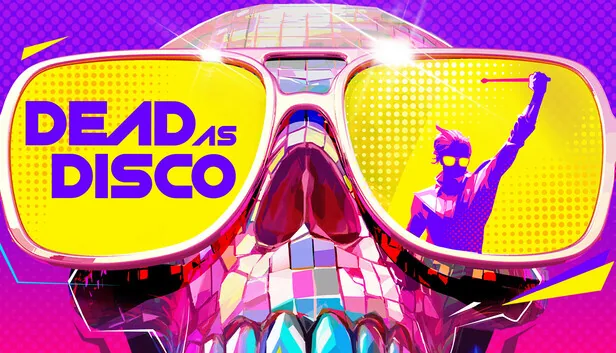 Beat Kune Do communicates timing through both audio and on-screen indicators: the goal is to move from reading the interface to hearing the rhythm directly.
GODEEPER: For another game built around precise timing in combat, the Kristala combat guide breaks down parry windows and mana-loop execution in a different action system. Kristala Combat Guide: Parry Timing and Mana Loop Tips →
Idol boss encounters and musical paths
Idols are Charlie Disco's former bandmates: each one now a larger-than-life musical legend with their own stage, soundtrack, and combat identity. They're both the main bosses and the primary progression gate.
This is the part that matters for planning your run: mastering each Idol's musical path unlocks new talents, moves, and dances for Charlie. Which Idol you fight first determines what tools you unlock early. The non-linear structure makes that choice yours.
What mastering the musical path means in practice: each Idol has rhythmic patterns specific to their fight: signature cues tied to their soundtrack that trigger attacks, phase transitions, and special moves. Learning those patterns is the fight itself. You're not defeating a health bar; you're learning a song.
First time through an Idol fight you'll lose ground while figuring out when attacks fall. Second attempt you'll start anticipating. By the third, the fight shifts from a reaction test to something closer to choreography. That's when you're actually playing the game.
Practical advice for Idol encounters:
- Don't mute the music. The audio is the primary information channel. Fighting an Idol at low volume removes the timing signal that everything depends on.
- Learn the intro. Each Idol has an opening musical phrase that establishes the rhythmic feel for the whole fight. Survive the intro and you have the blueprint for what follows.
- Watch for phase transitions. When the music shifts (key change, tempo change, arrangement change) so does the Idol's behavior. These transitions are telegraphed by the soundtrack before the visual cue appears.
- After the fight, the talent unlock you receive reflects what musical path you mastered. Different Idols give fundamentally different tools, not just stat upgrades.
Progression: talents, dances, and what unlocks when
Dead as Disco's progression runs on three parallel tracks.
Talents are mechanical upgrades: new combat abilities, enhanced versions of existing moves, or passive improvements to timing windows. These come from Idol encounters and open the combat vocabulary as you go. Because the story is non-linear, you're choosing the order these unlock in, which means your early builds vary between runs depending on which Idols you target first. Players who have spent time with build-heavy roguelikes like Die in the Dungeon will recognize the logic: the sequence of unlocks matters as much as the unlocks themselves.
Dances are both cosmetic and functional. New dances change how Charlie moves, which has practical implications: certain movement patterns sync better to specific musical structures. A dance optimized for high-tempo tracks performs differently than one built for slower grooves. Matching your active dance to the Idol's musical style is a real decision, not just aesthetics.
Cosmetics (the fashion items scattered across levels) are purely visual. The developer built the collection around the game's musical world, so pieces have lore attached if you want to read it. They don't affect combat.
Dive Bar unlocks are their own track, separate from combat progression. Memorabilia collected during play goes into the bar, and as you add more pieces, the backstory surfaces: what actually happened ten years ago, why the band split, what Charlie's situation actually is. The full narrative isn't told through cutscenes. It's told through what you accumulate in that space.
The Dive Bar: Charlie's hub and the story it tells
Most beat 'em ups give you a menu. Dead as Disco gives you a bar.
The Dive Bar is Charlie's home base between missions. You customize it with memorabilia collected during play: posters, instruments, setlists, personal effects from each Idol's history with the band. As you add pieces, the bar starts constructing a picture.
The developer built the narrative revelation into this system deliberately. You're not reading text logs or watching cutscenes. You're building a physical space that accumulates history, and meaning emerges from what the collected objects say in proximity to each other. Two items that seemed unrelated individually tell a different story when they're both in the same room.
For players focused on combat: you can engage with the Dive Bar minimally. The core loop doesn't require deep hub engagement. Visit, collect, move on. But if you want to understand what actually happened to the band rather than just watching a revenge story play out, this is where that story lives.
 The Dive Bar accumulates memorabilia from play: each piece adds context to the band's history and what actually happened before the game begins.
My Music: using custom songs in practice
My Music lets you play Dead as Disco to songs from your own library. The combat engine reads the rhythmic structure of your track and builds a fight pattern around it.
This is more than a jukebox feature. A high-BPM track creates a different fight environment than a slower, syncopated one. If you have music you can anticipate internally (songs you know well enough that the beat is almost automatic) that familiarity translates directly to better Beat Kune Do timing. Players who fight to known music often develop on-beat attack habits faster than players learning the official tracks at the same time they're learning the combat.
Practical setup:
- Import songs through the My Music interface in-game, not through external file placement
- The game needs a moment to analyze the track's beat structure on first import: wait for it
- Streamer-safe status depends on what you choose; the official OST is confirmed streamer-safe, custom imports are your call
Beyond playback, the feature also lets you edit music videos and craft full music-synced combat scenarios: essentially building custom content. This is the UGC layer Brain Jar plans to expand during Early Access. The foundation is working now.
GODEEPER: For more on what the current Dead as Disco Early Access build contains, developer track record, the worth-buying question, and what's still coming, the launch analysis covers all of it. Dead as Disco Early Access Launch 2026, Worth It? →
Dead as Disco guide tips: where to start
Treat the first Idol fight as a scouting mission. Your goal isn't to win: learn the opening musical phrase, find where the beat falls, and get as far as you can. You'll lose. That's expected. What you learn from that run is what makes the second attempt viable.
Prioritize dodge over offense in early fights. Most new players try to deal damage and get beaten down by patterns they haven't read yet. Against Idols, staying alive while listening to the music gives you more over time than rushing attacks before the rhythm clicks.
Use headphones or a speaker system rather than laptop audio. Beat Kune Do runs on audio. Playing at low volume or through thin speakers makes timing attacks harder in a measurable way: the game communicates beat timing through sound first, visuals second.
Match your Idol target to what you want to unlock first. If you prefer fast, mobile combat, go after the Idol whose musical path yields movement-based talents. If you want harder-hitting combo chains, find the one whose path develops those tools. The non-linear structure exists partly for this reason.
Visit the Dive Bar between missions. It takes about a minute. The story context accumulates gradually: skipping the bar means the narrative arrives in a confused order later when you're missing earlier pieces.
Experiment with My Music early if the official OST isn't working for you rhythmically. Try a song you already know well. Fighting to familiar music isn't cheating; the timing habits it builds transfer directly to the rest of the game.
Frequently Asked Questions
How does Beat Kune Do work in Dead as Disco? Beat Kune Do is the combat system where every attack, dodge, and combo syncs to the music's rhythm. On-beat attacks produce better results than off-beat ones. Each Idol has a distinct musical path, and mastering that rhythm unlocks new talents, moves, and dances.
What are Idols in Dead as Disco? Charlie Disco's ex-bandmates turned larger-than-life boss characters. Each has their own soundtrack and combat pattern. Mastering their musical path is both the story progression and the main talent unlock mechanic.
How do you use My Music in Dead as Disco? Import songs through the in-game My Music interface. The combat engine analyzes the track's beat structure and builds fight patterns around it. You can also build custom music-synced combat scenarios. The feature is live at Early Access launch.
Is Dead as Disco non-linear? Yes. You choose the order you confront the Idols, which determines which talent unlocks you access early.
What is the Dive Bar in Dead as Disco? Charlie's home base between missions. You customize it with memorabilia collected during play. Each piece added to the bar reveals backstory: what actually happened to the band ten years before the game begins.
Does Dead as Disco have multiplayer? Not in the current Early Access build. Multiplayer co-op is on the developer's roadmap with no confirmed date. Single-player only at launch, with Steam Cloud saves.
What songs are in Dead as Disco? 25+ tracks at launch: a streamer-safe original OST plus licensed music. The My Music system also allows custom song import, giving you an unlimited personal soundtrack alongside the official tracklist.
Related Reading
- Dead as Disco Tips: 15 Things You Learn the Hard Way: Dead as Disco tips beyond the basics: My Music tempo quirks, timing windows, talent tree traps, and Idol....
- Dead as Disco Review: Beat Kune Do Is the Real Deal: Dead as disco review: Brain Jar's rhythm beat-em-up gets the concept right.
References
- Dead as Disco on Steam: official store page with feature list, EA roadmap, and launch details
- Brain Jar Games on Steam: developer page and publishing history
Was this guide helpful?
About the author

Senior Critic & Analyst
Former game data analyst turned critic with 11 years covering indie and mid-tier games. Based in Austin. Runs spreadsheets on games most people just play.
- 11 years games criticism
- Former game economy analyst
- Roguelike and strategy specialist
Keep reading




Disclaimer
This article is published for informational and entertainment purposes. It does not constitute professional financial, legal, or technical advice. Game performance, online services, patch schedules, and store listings change. Verify critical details (pricing, system requirements, regional availability) with publishers and storefronts before you buy. Affiliate links, where present, help support our editorial work and are labelled in our affiliate disclosure.
Comments
Loading comments…