
GameBrief · General
Voidling Bound Gene Splice Guide: When and What to Splice
Reviewing
Voidling Bound
Hatchery Games
This Voidling Bound gene splice guide covers the two questions that matter when you hit the Subterranean Expedition: what to splice FROM, and what not to splice yet. If you're new to the game's core loop, the launch overview covers the foundation before diving into splicing.
Splicing is irreversible. The system opens mid-game, costs a real amount of Polychrome Mutagen, and operates on creatures you've spent time evolving. Getting it wrong early means rebuilding from a weaker baseline. Getting it right creates hybrids that outperform anything you can build through normal evolution alone.
TL;DR: Splicing unlocks after Subterranean Expedition, costs 5 Polychrome Mutagen per splice (each made from 5 elemental Mutagens, 25 total), and flips the target's rarity tag to Spliced. You edit up to 14 genes, but only Perks and Morphology are free to pull from any species you've discovered; Modules and Abilities stay locked to the donor's own species. Best donor Perks: Snowfall (Gilick), Static Build Up (Anami Electrified), Hellfire (Packuran Hellfire variant), and Mark of the Storm (Kerapin Monsoon). The July 2, 2026 patch also opened Neutral as a direct splice option, so Bleed-focused Perk builds no longer need the old breeding workaround. Spliced Voidlings can't breed without the Spliced Breeding upgrade, and the safest rule still holds: don't splice your first good Voidling.
Voidling Bound gene splice guide: how the system actually works (quick answer)
Splicing is the third major creature-development layer in Voidling Bound, after evolution paths and attribute assignment. Where evolution sets elemental alignment and attribute assignment shapes stats, splicing lets you pull ability genes from OTHER species onto your chosen Voidling.
The core use: take a Nimiod build you've been running and pull Snowfall from a Gilick onto it. The Nimiod gets passive cryo ticks it couldn't generate on its own, layering onto its native Cyber kit to create a cryo-electro hybrid that combines both species' ability pools.
The splice system edits up to 14 genes per operation: morphology, modules, abilities, and up to 3 perks. Not all four categories work the same way. Modules and Abilities are locked to the donor species itself, so you can only pull those from a different variant of the SAME species. Morphology and Perks are unlocked: those can come from any species you've discovered, which is why a Perk like Snowfall or Mark of the Storm can jump onto a completely unrelated Voidling. The splice is then applied permanently, and the target's rarity tag changes to Spliced.
The binding constraint: 5 Polychrome Mutagen per splice, each Polychrome made from 5 elemental Mutagens. Building your first splice costs 25 elemental Mutagens minimum. That's achievable by the time you hit the Subterranean Expedition in normal play, but it means your first splice should be deliberate, not experimental.
Voidling Bound status: September 2026
The current Steam snapshot used for this audit lists Voidling Bound at a $24.99 base price, with 2,148 English reviews at 94 percent positive and 35 achievements. Hatchery Games' September 12 Developer Update says the next update will be a larger, meaningful content update after the team finishes post-launch stabilization, but it does not give a release date. Treat future Voidlings, levels, and console work as plans rather than current splice content.
The Voidling Bound complete guide hub tracks the wider campaign and the Voidling Bound multiplayer guide covers co-op testing, but neither changes the splice costs or gene-lock rules documented here.
The most important live mechanic change remains the July 2 Build 76956 patch: its official notes say, "You can now splice creatures with a Neutral Element." That makes older Splicing Station pages that still say Neutral is unavailable stale. The July 20 Build 77959 patch and July 21 hotfix then addressed splicing crashes, Catalyzer removal, gene display, Abyss issues, and keybinding. The guide below uses the official patch behavior where it conflicts with older community documentation.
Key takeaways
- Splicing unlocks after completing the Subterranean Expedition mission (mid-game)
- 5 Polychrome Mutagen per splice; each requires 5 elemental Mutagens in the Polychrome Converter
- Up to 14 genes editable per splice: morphology, modules, abilities, up to 3 perks, but only Perks and Morphology are free to pull cross-species
- Splicing also changes the target's rarity tag to Spliced
- Splicing never touches base Attribute stats; only breeding improves those (up to 80 inherited points), so the two systems solve different problems rather than competing for the same job
- The July 2, 2026 patch let players splice directly into a Neutral Main Element, removing the old breeding-only workaround for Bleed-focused builds
- Spliced Voidlings cannot breed by default (Spliced Breeding upgrade costs 10,000 Research Samples, requires Wrangler Level 45)
- Best donor Perks: Snowfall (Gilick), Static Build Up (Anami Electrified), Hellfire (Packuran Hellfire variant), Mark of the Storm (Kerapin Monsoon)
- Don't splice your first good Voidling; test the build direction first, splice the second iteration
The resource chain: elemental Mutagens to Polychrome
Before you can splice, you need the Polychrome Converter and enough Mutagens to run it.
Elemental Mutagens: Drop from Abyss encounters, boss encounters, and one-time mission pickups. Standard element types (fire, cryo, electro, organic, plasma). By mid-game you'll have stockpiles of the common types. Rarer elemental types drop less frequently.
A farming route most guides skip: releasing a Voidling you don't need also grants elemental Mutagens, scaled to its rarity: 1 for Rare, 2 for Superior, 3 for Exotic, 5 for Mutated. A duplicate hatch you were going to release anyway isn't wasted, it's Mutagen income. If you're short on one specific element and don't want to wait on drops, Leon also sells elemental Mutagens directly in exchange for Research Samples, which is the faster route when you're one type short of a full Polychrome Converter batch.
Polychrome Converter: Crafting station that accepts 5 elemental Mutagens and produces 1 Polychrome Mutagen. The 5 input Mutagens don't need to be the same type; mixed inputs work. This matters if you've got excess of some types but shortage of others.
Polychrome Mutagen: The direct splice currency. 5 required per splice. Save them. Don't run experiments with Polychrome on creatures you haven't committed to. The Voidling Bound review explains why this resource gate is part of the game's broader progression rather than a cosmetic crafting tax.
Practical build-up rate: In normal Abyss runs, you'll accumulate elemental Mutagens steadily. Targeting the Subterranean Expedition directly unlocks the splice system and usually produces enough material to attempt one splice within the session where you complete it.
The lab houses the Polychrome Converter and Breeding Station, covering all the crafting infrastructure you need before your first splice.
GODEEPER: Once you know which donor Perks you're chasing, the next question is which build to put them on. The Voidling Bound builds guide covers the three current top-tier builds and how Corrupted Catalyzer investment stacks with a spliced main carry. Voidling Bound Builds: Top Gene Combos and Splices →
Which species carry the best donor genes
Species-specific donor Perks are the reason to splice rather than just evolve. All four of the genes below are Perks specifically, not Module or Ability genes, which is exactly why they're transferable onto a species that never had them natively. Modules are species-locked too, but they're rarely worth building a splice plan around: each Module is tied to a specific body part and typically just adds a flat +1 to one Attribute, small next to a build-defining Perk. That's why donor planning in practice is almost always about Perks. Here's what each one actually does, per the game's own gene data:
| Donor (variant) | Perk | Branch | What it actually does |
|---|---|---|---|
| Gilick (Snowfall) | Snowfall | Cryo | Drops projectiles from the sky that damage enemies on hit |
| Anami (Electrified) | Static Build Up | Cyber | Periodically fires a spark at a nearby enemy that chains to up to 5 targets and applies Static |
| Packuran (Hellfire) | Hellfire | Pyro | Triples Burn damage dealt |
| Kerapin (Monsoon) | Mark of the Storm | Cryo | On Hit Mark trigger, summons a damage-over-time typhoon that periodically re-applies Hit Mark to enemies in range |
Gilick: Snowfall Snowfall isn't a passive aura. It's a bombardment Perk: enemies near the Voidling periodically take damage from projectiles dropping from above. As a donor Perk spliced onto another species, it adds a source of unavoidable chip damage that doesn't depend on melee range or ability timing, which is why it's the most frequently referenced donor Perk in community splice reports. Worth banking a Snowfall Gilick as a splice donor even outside a Cryo-primary build.
Anami (Electrified variant): Static Build Up Static Build Up periodically fires a spark at a nearby enemy that chains to up to 5 targets, applying the Static status effect on each. Static itself stacks up to 5 times over a 5-second window; the fifth stack triggers a Static Discharge dealing a base 75 Cyber damage. Because Static Build Up applies stacks passively without needing you to land a specific hit, it's the cleanest way to keep that discharge threshold ticking on a group of enemies rather than a single target.
Packuran (Hellfire variant): Hellfire Fire Perks in Voidling Bound come from Pyro-branch mutations, not from Nimiod (confirmed against the game's own Nimiod gene data: its elemental branches are Organic, Cyber, and Plasma, with no Pyro branch at all). The Hellfire Packuran mutation carries Hellfire, a Perk that triples Burn damage dealt, one of the highest raw damage multipliers available from a Golden Egg mutation. It's the primary reason fire-primary builds splice from Packuran stock.
Kerapin (Monsoon variant): Mark of the Storm Mark of the Storm is a Cryo-branch Perk, not an electro one, and it doesn't run as a constant ambient field. It triggers off Hit Mark, a separate status that does nothing by itself until an enemy carrying it gets hit again; that hit removes the mark and, on a Voidling carrying Mark of the Storm, spawns a damage-over-time typhoon that then re-applies Hit Mark to enemies caught in it. That re-marking is what makes it self-sustaining in a crowd: each typhoon can seed the next proc without you manually reapplying anything, but it needs Hit Mark on a target at least once before the loop starts.
Neutral splicing opened up in the July 2, 2026 patch
This is the biggest change to the splice system since this guide was first written, and it's not reflected in a lot of older splicing content still floating around. Before the July 2, 2026 patch, Neutral couldn't be chosen as a Main Element at the Splicing Station at all. Community members worked around it with what got nicknamed NSB (Neutral Splice Breeding): breed for a naturally Neutral offspring, then splice everything else onto that base.
The July 2 patch note removed that restriction outright: players can now pick Neutral directly at the Splicing Station and splice as normal. This matters specifically for donor planning because Neutral is the only element tied to the Bleed status effect, which stacks up to 5 times, ticks faster than any other status effect in the game, and carries an execution effect that triggers once a target drops to roughly half health. Not every Perk that mentions damage-over-time applies Bleed specifically, so check the Perk's own text before assuming it does. If your splice plan centers on a Bleed Perk, you no longer need to breed your way to a Neutral base first; you can splice straight into Neutral on your existing Voidling.
Gilick is the most-copied donor for its Snowfall gene; keep one banked in your collection even if you're not building a cryo-primary Voidling.
Splicing vs breeding: what each one actually changes
New players hit the Subterranean Expedition, unlock splicing, and start asking whether it's better to splice for genes or just breed for a stronger roll. It's the wrong question. The game's own gene rules settle it: splicing and breeding don't compete for the same job. The Voidling Bound monster guide covers the evolution and breeding side before you spend Polychrome.
Splicing only touches the four gene categories: morphology, modules, abilities, and perks. It never touches your Voidling's base Attribute stats, the numbers set by rarity and stat rolls. A common-rarity Voidling with a perfect Perk splice still has common-rarity base stats underneath it.
Breeding is the opposite tool. Pairing two Voidlings of the same species lets the offspring inherit base Attributes from both parents (Module and Nature bonuses aren't inherited, only the base stat roll is), up to 50% of parental values by default, or up to 100% with the right Breeding Station upgrade, and capped at 80 inherited Attribute points total so leveling still matters. Breeding is also how a Nature passes to the next generation. Pair two Voidlings with different Natures and you can end up with a Dual Nature offspring, something splicing can't touch at all.
So the practical rule: if the problem is "my Voidling's Perks are weak," splice a good donor onto it. If the problem is "my Voidling's base stats are mediocre," splicing does nothing for that; breed for a better roll first, then splice the improved offspring once the build direction is confirmed. That's also the mechanical reason splicing a common-rarity creature (see the mistakes list below) is such an expensive error: you're locking in a weak stat floor a splice was never going to fix.
Step-by-step: making your first splice
Step 1: Don't splice until Subterranean Expedition is complete. The splice interface isn't available before this. Trying to optimize for splicing before this point is premature. Use early-game to identify which species and build direction you want to run.
Step 2: Identify your target Voidling and confirm the build direction. Run your chosen species through its evolution path. Test it in Abyss encounters. Make sure the core build functions before committing Polychrome. The evolution path sets the foundation; splicing is the refinement layer.
Step 3: Source your donor Voidling. Find and hatch a Gilick if Snowfall is your target, an Electrified Anami for Static Build Up, a Hellfire Packuran for fire Perks. Genes are unlocked by evolving that variant in the Evolution Chamber or by obtaining it from a Golden Egg; you need to have discovered it that way before the splice interface can pull from its gene pool.
Step 4: Build 5 Polychrome Mutagen. Confirm you have 25+ elemental Mutagens (or at least 25 across types). Run them through the Polychrome Converter. 5 Polychrome ready before opening the splice interface.
Step 5: Open the splice interface and target the receiving Voidling (not the donor). Choose which gene slots to fill. Focus your first splice on 2-3 ability genes from your donor rather than trying to optimize all 14 slots. The remaining slots can be filled in a second splice on a better rarity version later.
Step 6: Confirm and decide on Spliced Breeding. After the splice applies, decide whether you need the Spliced Breeding upgrade. If this is a build you intend to propagate to offspring, purchase it from the Breeding Station: 10,000 Research Samples, gated behind Wrangler Level 45, so it's worth checking you're leveled enough before you count on it. If this is your end-state carry and you're not breeding it further, you can defer the upgrade.
GODEEPER: For how breeding interacts with the gene system and which parent combinations produce the best offspring attribute distributions, the Voidling Bound monster guide covers the breeding system and attribute inheritance. Voidling Bound Monster Guide: Evolution and Tips →
Common splice mistakes
Splicing your first good Voidling: You don't know yet if this is the right build direction. Spend 5+ Abyss runs with the evolved (unspliced) version first. Splicing a Voidling you'll abandon because the build doesn't fit your playstyle is the most expensive mistake.
Splicing common-rarity creatures: Splicing doesn't change the base rarity stat distribution. A common-rarity Voidling with great spliced genes still has weaker base stats than a higher-rarity version of the same species with the same genes. Save Polychrome for the better-rarity iteration.
Ignoring donor availability: If you don't have a Gilick in your collection, you can't pull Snowfall. Check your roster before planning a splice. Source the donor species you need through habitat exploration before spending Polychrome expecting a gene that isn't available.
Not planning for Spliced Breeding: If you intend to breed your spliced carry to produce optimized offspring, the Spliced Breeding upgrade is a required purchase: 10,000 Research Samples, and it's locked behind Wrangler Level 45. Forgetting this, or not being leveled enough yet, means your spliced carry can't reproduce, which blocks the optimization loop in the mid-to-late game.
Using all 14 gene slots on a first splice: Filling every slot locks you into all choices simultaneously. Focused first splices (3-4 genes) let you validate the hybrid ability combination before committing to a full 14-slot optimization.
Assuming any gene can cross species: Only Perks and Morphology are unlocked for cross-species splicing. Modules and Abilities stay locked to the donor's own species, so planning a splice around, say, a specific Ability from a species you don't intend to actually play won't work. Confirm which category a gene falls into before building a donor plan around it.
Tips: maximizing splice efficiency
Bank donor Voidlings before splicing: Keep one Gilick, one Electrified Anami, and one Hellfire Packuran in your collection specifically as splice donors. You don't need to evolve them; just having them in roster lets the splice interface access their gene pools.
Splice cycles compound: A spliced Voidling with the Spliced Breeding upgrade can pass splice-derived genes to offspring. The offspring can then be spliced again (if needed). Each cycle can improve attribute distribution while preserving the ability gene set from the original splice.
Mixed elemental Mutagens work in the Converter: Don't hold excess fire Mutagens waiting for exact-type matching. The Polychrome Converter accepts any 5 elemental Mutagens regardless of type. Convert excess stockpiles into Polychrome rather than letting them sit.
Time your first splice for after a full Abyss clear: The encounter drops from a complete Abyss run typically provide enough elemental Mutagens for one conversion batch. Splicing immediately after a successful Abyss clear means you're building on confirmed build data while resource restocking.
Related Reading
- Voidling Bound Builds: Top Gene Combos and Splices 2026: full coverage of the top builds (Nimiod S-tier, Morfang A-tier), Paragon investment decisions, and which gene combinations the community has validated for Abyss endgame
- Voidling Bound Monster Guide: Evolution and Tips 2026: all 9 species, their native gene pools, evolution paths, and the five attributes (Strength, Vitality, Essence, Recuperation, Agility)
- Voidling Bound Beginner Guide: Tips for First Runs: early-game priorities, which species to start with, and how to set up for the mid-game transition where splicing becomes available
- Voidling Bound Complete Guide Hub: the full map of creature systems, Abyss progression, and late-game routes.
- Voidling Bound Multiplayer Guide: co-op context for testing a spliced build in Abyss runs.
- Voidling Bound Review: the current assessment of the launch loop and progression economy.
- Voidling Bound Launch Overview: the core creature, shooter, and Abyss systems before splicing.
- Palworld Breeding and Cake Farming Guide: a comparison point for players coming from another creature-breeding system.
- Aniimo Release Overview: another creature-focused game to compare against Voidling Bound's direct-control model.
- Voidling Bound Gene Builds: donor combinations and Abyss testing priorities.
- Voidling Bound First Runs: early resource priorities before the first splice.
Frequently Asked Questions
When does gene splicing unlock in Voidling Bound? After completing the Subterranean Expedition, a mid-game mission. It's not available from the start. The game intentionally paces the splice system to arrive after you've established your creature build direction.
How much does a splice cost? 5 Polychrome Mutagen per splice. Each Polychrome is made from 5 elemental Mutagens in the Polychrome Converter, so 25 elemental Mutagens total per splice operation.
Can spliced Voidlings breed? Not by default. The Spliced Breeding upgrade restores it: 10,000 Research Samples, purchased from the Breeding Station, gated behind Wrangler Level 45. Budget for both the cost and the level requirement before you plan to breed a spliced build.
Which species have the best donor genes? Gilick (Snowfall, a bombardment Perk), Anami Electrified (Static Build Up, chains Static stacks to up to 5 targets), Packuran Hellfire variant (Hellfire, triples Burn damage), and Kerapin Monsoon (Mark of the Storm, a Hit Mark-triggered typhoon) are the community-documented top donors.
How many genes can you edit in one splice? Up to 14, covering morphology, modules, abilities, and up to 3 perks. Only Perks and Morphology are free to pull from any species, though; Modules and Abilities stay locked to the donor's own species.
Is splicing permanent? Yes, the splice is irreversible on the target Voidling. The Spliced Breeding upgrade doesn't reverse it, it only restores that Voidling's ability to breed so its spliced Perks can pass to offspring, which can then be refined further.
What happens if I splice before testing my build? You'll be locked into a splice on a creature whose build direction you haven't confirmed. If the build doesn't work, you've spent 5 Polychrome on a Voidling you might abandon. Test the evolution path in Abyss runs first.
Does splicing change a Voidling's rarity? Yes. The target's rarity tag changes to Spliced the moment the splice is applied, regardless of what rarity it was before.
Can I splice into the Neutral element now? Yes, as of the July 2, 2026 patch. Neutral was previously locked out of the Splicing Station entirely, requiring a breeding workaround the community nicknamed NSB (Neutral Splice Breeding) to get a Neutral-typed Voidling. That workaround is no longer necessary; Neutral can now be picked directly as a Main Element when splicing, which matters most for Bleed-focused Perk builds since Neutral is the only element tied to the Bleed status effect.
References
- Voidling Bound on Steam: official store page with feature list and early access status
- Voidling Bound official announcements: July 2 Neutral splice change, later bug fixes, roadmap notes, and the September 12 developer update.
- r/VoidlingBound community: community build discussions, splice reports, and donor gene documentation
- Voidling Bound Wiki: Splicing Station: gene category rules, species-lock details, and rarity change on splice
Was this guide helpful?
About the author

Senior Critic & Analyst
Former game data analyst turned critic with 11 years covering indie and mid-tier games. Based in Austin. Runs spreadsheets on games most people just play.
- 11 years games criticism
- Former game economy analyst
- Roguelike and strategy specialist
Keep reading
Voidling Bound Beginner Guide: 6 Mistakes to Avoid
General · 30 min
Voidling Bound Review: Monster Taming Meets the Abyss
General · 9 min
Voidling Bound Builds: Top Gene Combos and Splices 2026
General · 9 min
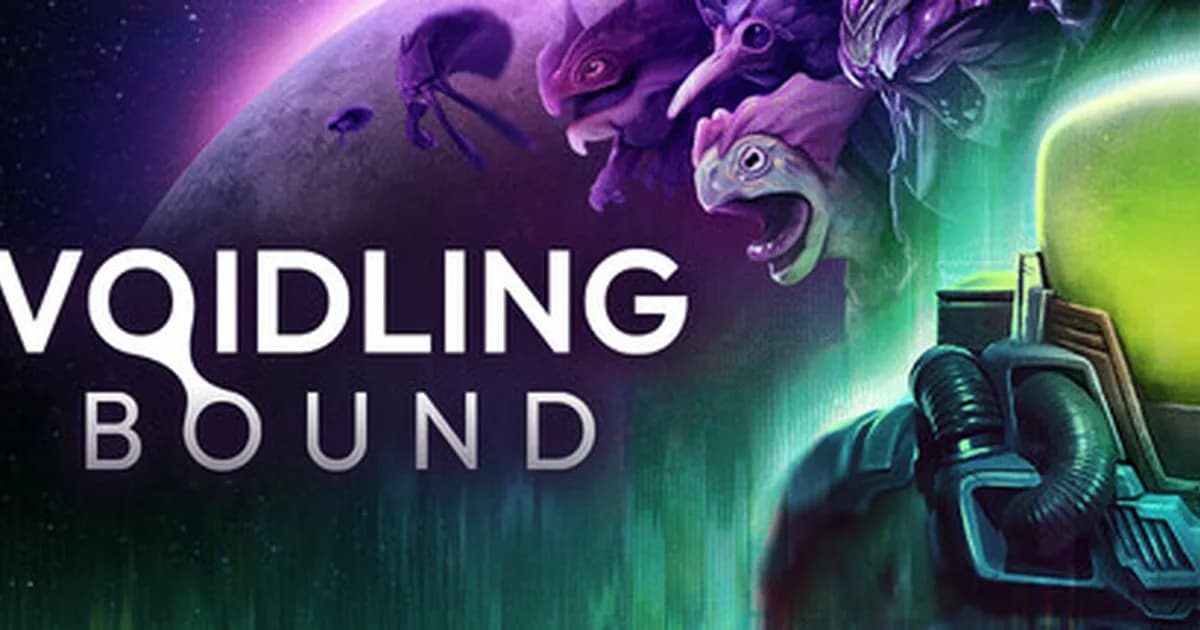
Voidling Bound Monster Guide: Evolution & Tips 2026
General · 13 min
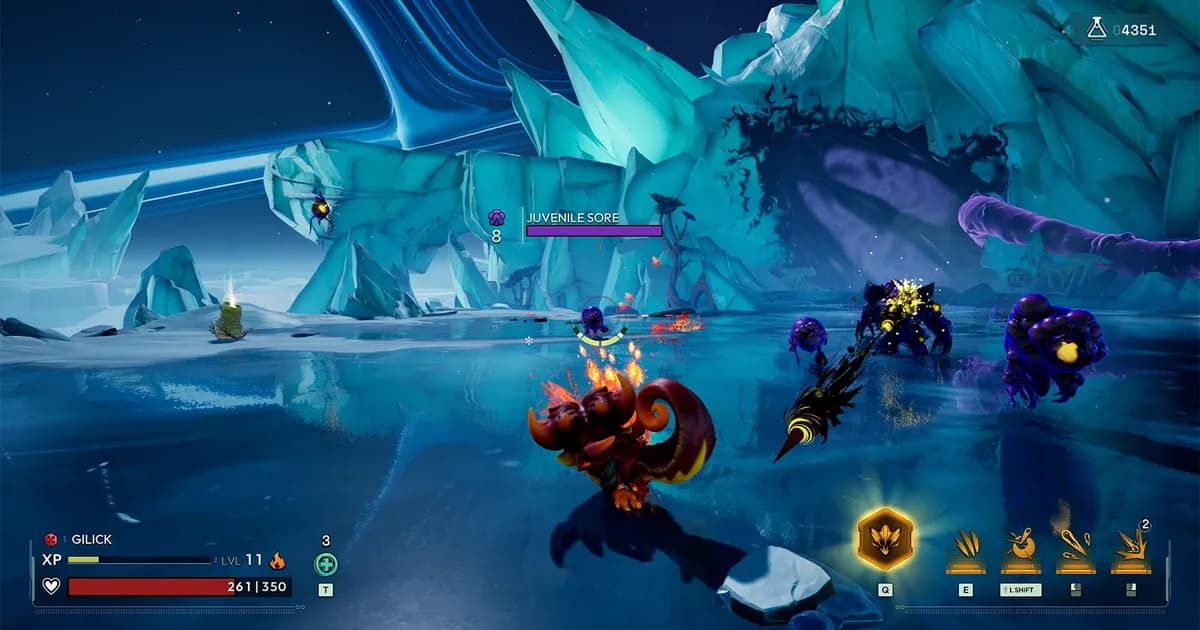
Is Voidling Bound Multiplayer? Co-Op Status in 2026
General · 7 min
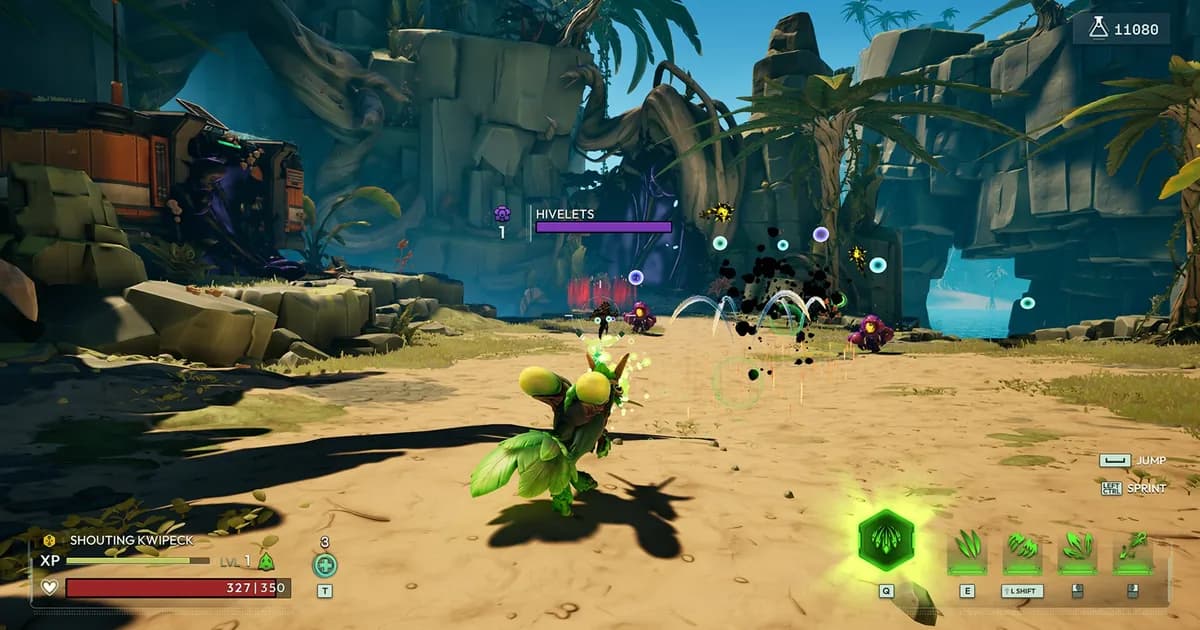
Voidling Bound: Monster Taming Meets Third-Person Shooter
General · 5 min

Disclaimer
This article is published for informational and entertainment purposes. It does not constitute professional financial, legal, or technical advice. Game performance, online services, patch schedules, and store listings change. Verify critical details (pricing, system requirements, regional availability) with publishers and storefronts before you buy. Affiliate links, where present, help support our editorial work and are labelled in our affiliate disclosure.
Comments
Loading comments…