
GameBrief · General
Voidling Bound Review: Monster Taming Meets the Abyss
Voidling Bound review: Very Positive on Steam with 94% approval among 2,116 English reviews. Here's what works, what misses, and whether $24.99 is fair.
Reviewing
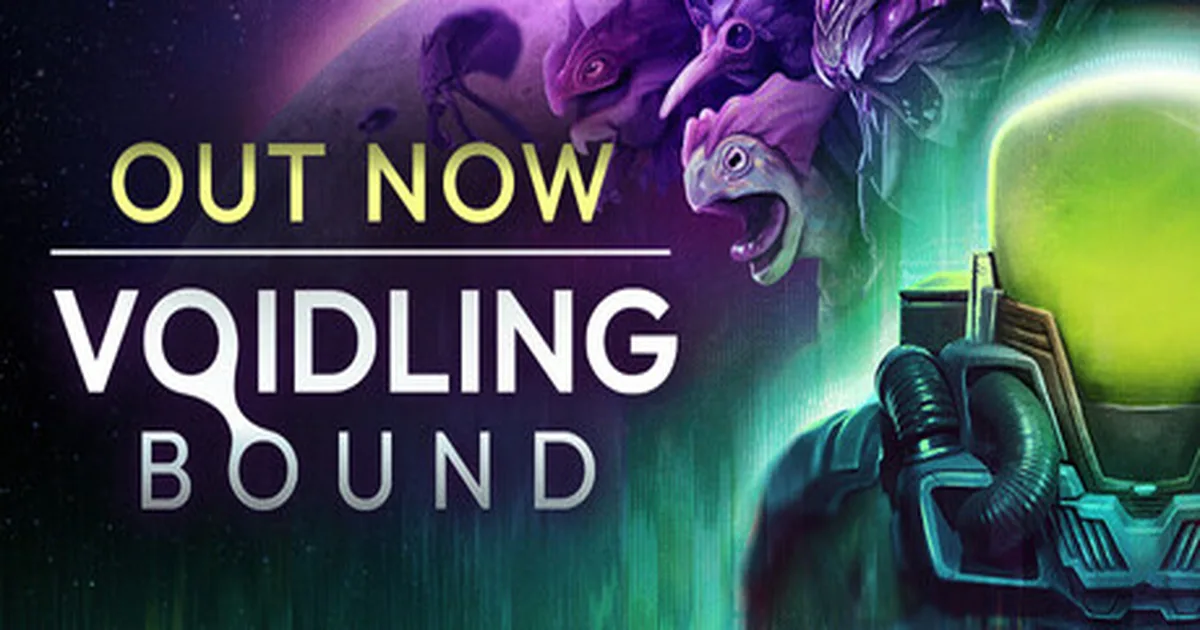
Voidling Bound
Hatchery Games · Hatchery Games
Score
Reviewed build: 1.0 (June 2026)
Pros
- Direct creature control makes every fight feel personal, not delegated
- Splicing and cross-breeding produce genuinely surprising combinations
- Abyss mode adds escalating pressure that rewards deep roster investment
- Adjustable difficulty and full controller support make it accessible
Cons
- Early biomes feel thin before the gene pool opens up
- Wrangler difficulty spikes sharply with limited telegraphing
- No co-op means the breeding depth has no social outlet
Verdict
Voidling Bound earns its Very Positive label by doing one thing most monster games never attempt: it makes the creature yours to control, not just yours to own.
This Voidling Bound review covers a sci-fi monster-taming shooter that earns its Very Positive rating, mostly. The monster-taming genre has a comfortable formula: pick a creature, watch it fight, collect experience, repeat. Hatchery Games looked at that formula and removed the most comfortable part. In Voidling Bound, you don't watch the creature. You are the creature.
TL;DR: Voidling Bound earns its Very Positive Steam label with 94% of 2,116 English reviews on the current page. The direct-control twist on monster taming works because the creature is your actual character, not a stat block you deploy. Splicing opens deep build variety, Abyss mode gives late-game structure, and Wrangler difficulty provides a genuine challenge. Early biomes feel thin and co-op is absent, but at $24.99 the depth-to-dollar ratio is strong.
Does Voidling Bound review as a good game? (quick answer)
Yes. After 2,116 English Steam reviews and a 94% positive rating, the direct creature-control mechanic clearly lands. What the aggregate score can't tell you: what breaks down early, where the difficulty spike lives, and whether the breeding depth is worth the patience it takes to get there.
Current status: September 2026
Voidling Bound launched June 9, 2026 and is currently listed at $24.99 on Steam as a single-player game. The page shows Very Positive English reviews at 94% of 2,116, with recent reviews at 89% of 159 when checked. Hatchery Games' September 12 developer update says the next major update is still being made and has no announced release date, so this review evaluates the shipped 1.0 systems rather than promising a near-term content patch.
What Voidling Bound actually is
The pitch sounds like a genre mash: sci-fi third-person shooter, monster taming, roguelite Abyss mode, breeding sim. It could easily be all of those badly. It mostly manages to be each one deliberately.
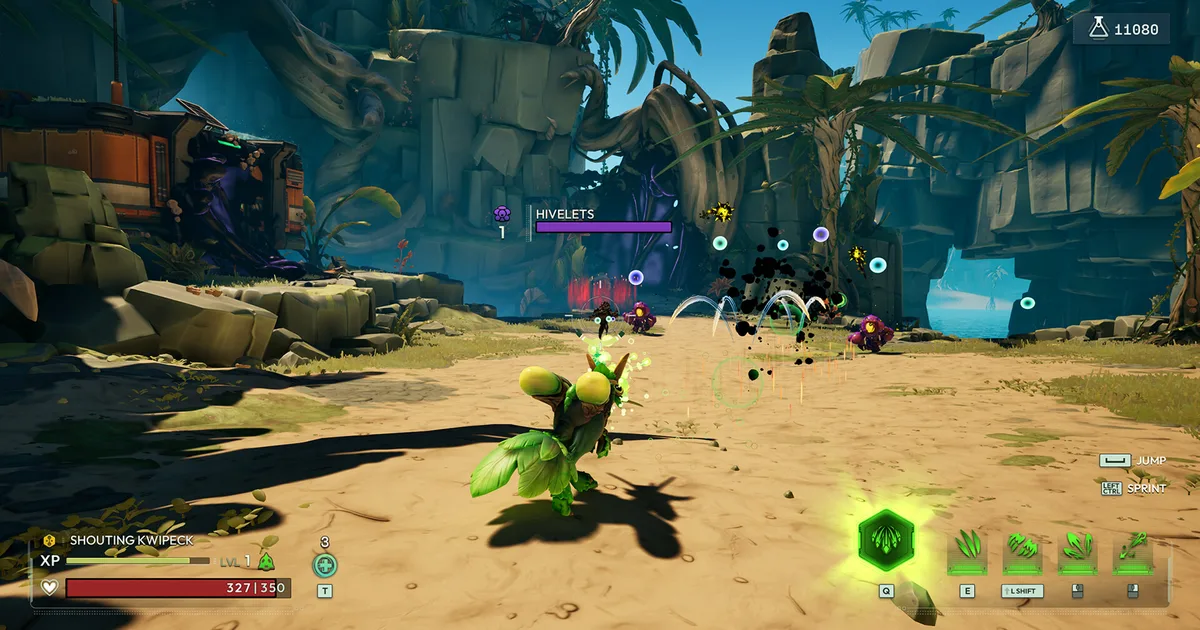
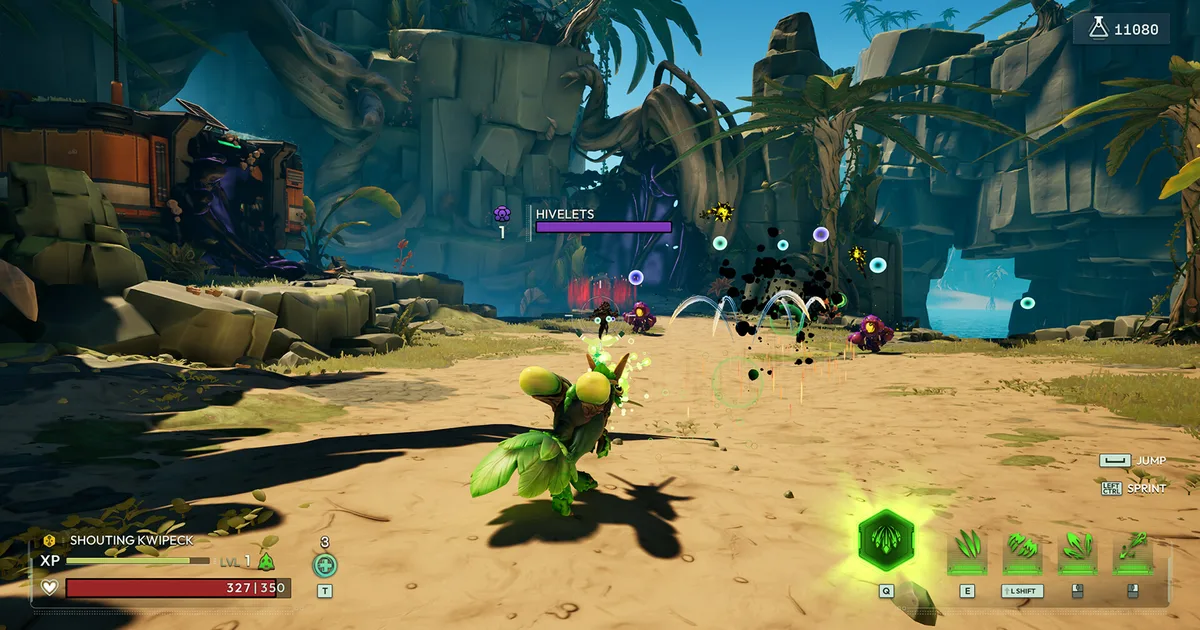
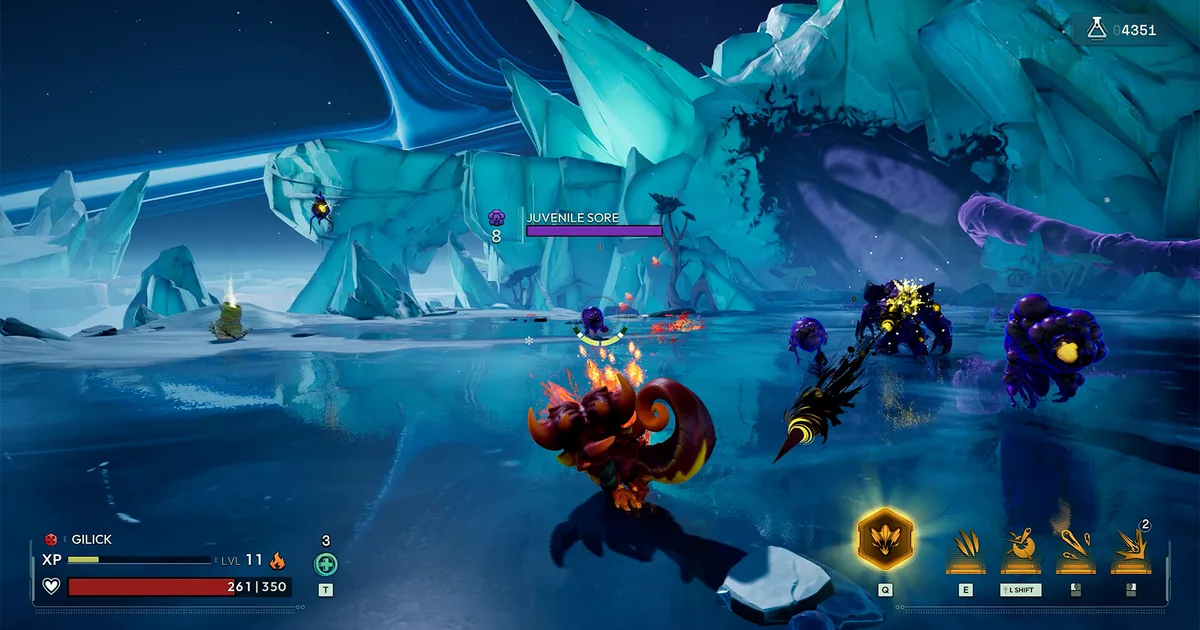
You play a Space Wrangler tasked with reclaiming planets overrun by a spreading corruption. Your tools are Voidlings, creatures you hatch, evolve, and splice, and the key detail is that you don't send them into battle. You become them. Combat is third-person action: shoot, slash, slam, dash, parry, charge ultimates, repeat. The taming and evolution layers feed that action loop rather than replacing it.
The first two hours feel almost deceptively simple. A handful of Voidling types, a couple of planets, straightforward corruption-cleanse missions. The depth waits behind the gene system, and it takes a few hours before the gene pool grows large enough to start producing the surprising combinations that make spliced Voidlings genuinely different creatures.
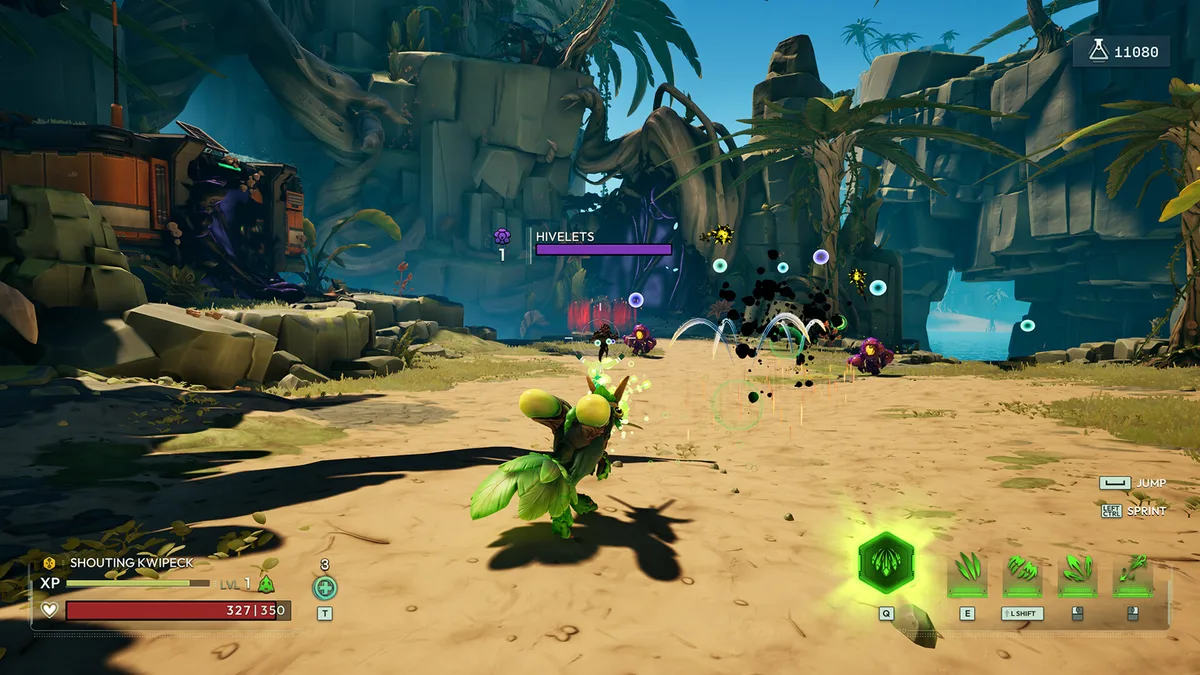 Direct creature control means every dodge and parry is yours. There's no AI to blame when it goes wrong.
Where the combat works, and where it doesn't
At its best, Voidling Bound combat feels like playing a character who happens to also be a creature you bred. The distinction matters. When you parry a boss attack with a Cryo Anami that has Snowfall stacking in the background, the fight carries personal investment that delegated monster combat never produces. The creature took hours to build. Its death matters differently.
The dodge and parry system is tighter than most indie action games manage. Parry windows exist and are learnable, though at Wrangler difficulty those windows shrink to a point where the game expects reaction times that a first playthrough doesn't prepare you for. Several Reddit threads flag this: one player described the mid-game boss on Wrangler as "super rough" specifically because the telegraph on certain attack chains is ambiguous. That's fair. The attacks are readable in concept, but some variants blend into animation noise at higher speeds.
Standard and Wrangler are genuinely different games. The lower setting lets you experiment with builds before committing, which is how the game wants you to play early on. The higher setting punishes attribute allocations that work fine at Normal but collapse under sustained damage. Both are valid, but the gap feels wider than it should.
GODEEPER: If Wrangler difficulty is exposing holes in your build, our gene combination breakdown covers the attribute allocations that survive sustained burst. Voidling Bound Builds: Top Gene Combos and Splices 2026 →
The breeding system is where the hours go
Splicing is the thing. Not evolution, not the attribute screen, not even the Abyss. Splicing.
Once your gene pool reaches a certain breadth, roughly after 10 to 15 hours depending on how thoroughly you clear missions, the combinations become genuinely unpredictable. A Reddit player shared a Cryo Anami build carrying Snowfall from its base species, Static Buildup from an Electrified Anami, and Mark of the Storm from a Monsoon Kerapin. Three passive damage sources stacking simultaneously, all originating from creatures that had nothing to do with each other before splicing.
That example is not the exception. Players who sink time into breeding report that the ceiling on creative combinations is higher than the early-game suggests. The game's subreddit is full of screenshots of spliced builds, which is exactly what you want to see from a creature-crafting community built around experimentation. That community activity is useful for discovering combinations, but it should not be mistaken for an official balance tier list.
The downside is that the early gene pool is thin. Before you've got enough material to splice meaningfully, you're mostly pressing forward through biomes with baseline creatures. Those first hours are functional but not memorable. The payoff comes. Getting there requires patience that not every player will have.
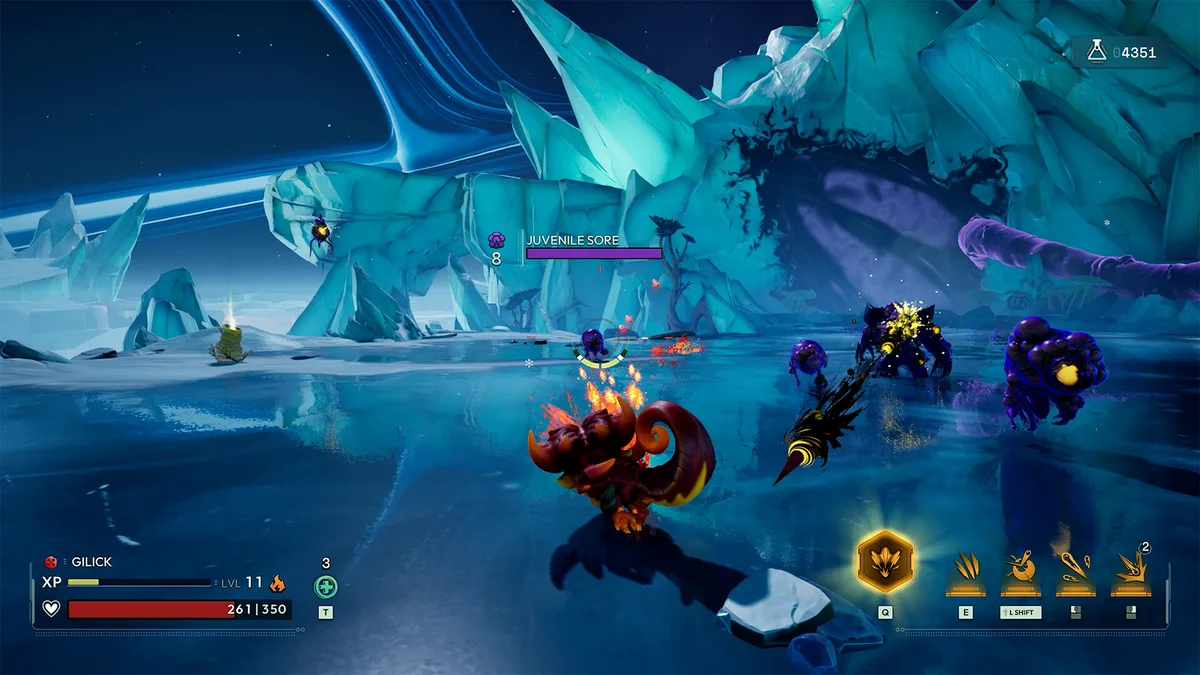 Attribute allocation across five stats shapes how a Voidling plays. Splicing adds ability genes on top of that foundation.
Abyss mode and the late-game loop
The Abyss is a roguelite escalation layer. You dive into increasing challenge tiers, collect rewards, and retreat when the threat outpaces your build. It gives the post-campaign a structure beyond repeating story missions, and it does the thing roguelite systems do well: it makes build investment feel necessary rather than optional.
At Abyss tier 4 and above, attribute gaps that survived the main campaign become liabilities. A creature with average Recuperation that worked fine through the story missions runs into trouble when cooldown windows matter at five-second intervals instead of fifteen. The mode rewards players who spent time with the breeding system, which creates a satisfying feedback loop between the two.
The Abyss is also honest about difficulty. You can retreat after each tier clears. The choice to push deeper is always yours, which means the challenge never feels imposed. That matters for a game with this much customization depth.
GODEEPER: Understand how Voidlings evolve before you commit to your Abyss lineup. The evolution pathing decisions lock in early and matter more at depth. Voidling Bound Monster Guide: Evolution Paths Explained →
What Voidling Bound gets wrong
Three friction points are worth naming.
First, the early biomes. The first two planets feel thin. Enemy variety is limited before the corruption variants appear, and the missions follow a clear-and-cleanse structure that doesn't change much until later systems unlock. Players who need the hook to land immediately may not stay long enough to reach it.
Second, the Wrangler difficulty curve. The spike from Normal to Wrangler hits at a point in the mid-game where your gene pool is still developing. Players who want the full challenge experience either have to restart on Wrangler from the start or reach the hardest sections under-prepared. Neither is a good option. A smoother middle setting would help.
Third, no co-op. The breeding and splicing system produces exactly the kind of builds that beg to be shared or compared with another player. A co-op mode, even asymmetric, would give the social layer that the community on Reddit is providing by proxy. Hatchery Games has not announced it. The absence feels like the one missed opportunity in an otherwise thoughtful design.
The 35 achievements and how collectible it is
Voidling Bound has 35 achievements. About half are story-path completions. The other half require you to engage with systems the game doesn't force on you: specific gene combinations, deep Abyss tiers, cross-breeding milestones.
That's how achievement design should work. Rewarding system engagement rather than just progress gives the gene system a reason to exist beyond the main campaign, and it makes the 100% run feel like something you actually built rather than something you just completed.
Final verdict
Voidling Bound doesn't need to be the best game of 2026 to be a good one. It's a specific game for a specific audience: players who want to build something over time, who find meaning in the creature they crafted rather than the creature the game handed them, and who'll tolerate thin early hours because the payoff is real.
The 94% English Steam rating from 2,116 reviews isn't luck or marketing. The people who stayed long enough to leave a review found a game that held their attention. At $24.99, with the launch discount now expired, it earns the ask.
Related Reading
- Voidling Bound Complete Guide: Evolution, Builds, Splicing: the full guide hub linking evolution, splicing, builds, and beginner tips in one place.
- Voidling Bound Beginner Guide: Tips for First Runs: What to prioritize in the first three hours before the gene pool opens up.
- Is Voidling Bound Multiplayer? Co-Op Status in 2026: Voidling Bound multiplayer: no co-op or PvP currently. What the solo systems actually offer
- Voidling Bound Monster Guide: Evolution Paths Explained: How evolution branching works and which paths matter most for Abyss runs.
- Voidling Bound Launch Overview: The launch-day breakdown covering core systems and what was new about the design.
- Voidling Bound Best Builds Guide: gene combinations and attribute choices for Abyss runs.
- Voidling Bound Gene Splice Guide: how inherited abilities change the direct-control combat loop.
- Voidling Bound Complete Guide Hub: the full evolution, splicing, builds, and beginner index.
Frequently Asked Questions
Is Voidling Bound worth buying? Yes, at $24.99 it offers well above average replay depth for the price. The splicing system alone produces hundreds of viable builds, and the Abyss escalation mode gives late-game players a reason to keep pushing. The Steam page currently shows Very Positive English reviews at 94% of 2,116.
How long does Voidling Bound take to beat? Completing the main campaign clears the corrupted planets, which most players finish in 15 to 20 hours. Unlocking all 35 achievements and pushing deep into the Abyss typically adds another 20 to 30 hours. A full completionist run lands around 40 to 50 hours.
What is Wrangler difficulty in Voidling Bound? Wrangler is the hardest difficulty setting. Enemy damage and aggression ramp up significantly, and the parry window tightens. Community players on Reddit flag it as fair but rough, especially in the mid-game before your gene pool is deep enough to cover defensive gaps.
Does Voidling Bound have co-op multiplayer? No. Voidling Bound is currently listed as single-player only per its Steam listing. There is no co-op mode, and Hatchery Games has not announced multiplayer as a planned feature.
How does splicing work in Voidling Bound? Splicing lets you combine ability genes from different Voidlings into one creature. A spliced Voidling can carry abilities from two or more species, such as pairing a Cryo Anami's Snowfall passive with Mark of the Storm from a Monsoon Kerapin. The combinations are limited by your gene collection and splicing resource costs.
What are the best Voidlings in the game? Nimiod's pylon network and teleport blink make it the most versatile pick for Abyss runs. Morfang excels at aggressive melee play. Packuran's laser-and-hatchling combo applies strong area pressure. Your best pick depends on your gene collection and the attribute points you have allocated.
Is Voidling Bound a roguelite? Partially. The Abyss mode is a true roguelite escalation: you dive deeper, earn rewards, and retreat when the threat exceeds your build. The main planet campaign is not randomized, but the breeding, splicing, and gene-roll systems create the same run variability that roguelites use.
References
- Voidling Bound on Steam
- Voidling Bound official Steam announcements: the September developer update and current patch history
- Hatchery Games official site
- Voidling Bound on X: official studio social account linked from the launch trailer
- r/VoidlingBound community
- Voidling Bound Launch Trailer on YouTube
About the author

Indie & JRPG Critic
Indie game evangelist and lifelong JRPG fan covering small studios since 2017. Mumbai-born, London-based. Writes the way she talks.
- 7 years indie games coverage
- JRPG and visual novel specialist
- Narrative design focus
Keep reading

Disclaimer
This article is published for informational and entertainment purposes. It does not constitute professional financial, legal, or technical advice. Game performance, online services, patch schedules, and store listings change. Verify critical details (pricing, system requirements, regional availability) with publishers and storefronts before you buy. Affiliate links, where present, help support our editorial work and are labelled in our affiliate disclosure.
Comments
Loading comments…