
GameBrief · General
Dark Scrolls Review: 9 Heroes, One Sharp Roguelite
Dark Scrolls review: doinksoft's co-op roguelite delivers 9 distinct heroes, a Shoppe system with real synergy depth, and Devolver polish on every screen.
Reviewing
Dark Scrolls
doinksoft · Devolver Digital
Score
Reviewed build: 1.0
Pros
- Nine heroes with genuinely distinct playstyles, not reskins with stat differences
- Shoppe synergy system rewards planning without punishing improvisation
- Co-op works properly at launch, local and online, no patches needed
- doinksoft's signature absurdist tone lands consistently without getting tiresome
- Run variety holds across 15-plus hours due to hero-perk interaction space
Cons
- July's official instruction manual explains hero kits but not unlock objectives or Nezumi's note system, so the onboarding gaps flagged at launch are still open
- Later zones spike difficulty faster than earlier zones telegraph
- Nezumi's note-sequencing system has a steep learning curve with limited in-game explanation
- Six of nine heroes require separate unlock triggers, while the game gives limited in-run explanation for the checklist
Verdict
Dark Scrolls is doinksoft's best work: a co-op roguelite with nine real characters, genuine Shoppe depth, and enough variety to hold attention past the first dozen runs.
Dark Scrolls review: the short version is that doinksoft made exactly the game the Gato Roboto pedigree suggested they would, just bigger. Nine heroes with distinct weapon types, a Shoppe upgrade system with real synergy depth, co-op modes that actually work at launch, and the same refusal to take its own fantasy premise seriously that made Gato Roboto a better time than a cat-in-a-mech concept had any right to be.
The longer version requires talking about where the game earns its 6.5 and where it loses ground. For the practical follow-up, compare the complete guide hub, all-hero builds guide, hero tier list, unlock guide, route and Shoppe guide, and co-op ghost guide.
Key Takeaways
- 9 playable heroes at launch, each with a documented kit and distinct special ability
- Bruce and Goose's Shoppe sells perks, devastating attacks, and summoned allies between zones using coins earned in runs
- Solo, local co-op, and online co-op all present at launch; Remote Play Together also supported
- Star meter system drives burst attacks and perk thresholds, rewarding constant offense
- Only 3 heroes start unlocked (Grizz, Pigeon, Emerys); the manual lists Biscuit's cage, Quinn's Camp donation, Confit's Mountain/Castle quest, Ironbeard's Cave meat trigger, Saturn's Moon completion, and Nezumi's meta-shop purchase
- Developed by doinksoft (Gato Roboto, Gunbrella), published by Devolver Digital
Dark Scrolls review overview: what kind of game is this? (quick answer)
Dark Scrolls is a hack-and-slash roguelite. You pick one of nine heroes, fight through procedurally generated runs assembled from hand-crafted rooms, collect coins, spend them at Bruce and Goose's Shoppe, and die when the route outscales your current build. Runs take 30 to 50 minutes when they go deep. They can feel harder on deeper route segments, but the official manual does not define a numbered zone threshold.
Each hero has a fixed kit and a defined special. Grizz lobs axes, ground pounds, and uses Axe Nova to create a circle of bouncing axes. Pigeon hurls dual daggers, double-jumps, and uses Stealth for temporary invincibility and critical hits. Emerys fires bouncy fireballs, blink-dashes, and uses Orbitals to damage enemies and destroy projectiles. Biscuit's barks pierce enemies, its double jump is bouncy, and Scary Bark stuns every enemy on screen. Nezumi uses saxophone notes and Perform songs that trigger named effects for both players. Ironbeard launches pickaxes, makes temporary platforms by double-jumping, and uses Tinker to build a cannon. Quinn shifts between walking and flying, fires love-infused arrows, and uses Aura for a healing ring and temporary fire-rate increase. Confit flips steaks and uses Cook to send damaging food flying or create hearts. Saturn flies with an alien machine gun and uses Abduct to suck up enemies, coins, and props for experience that levels ammo capacity, fire rate, and firepower.
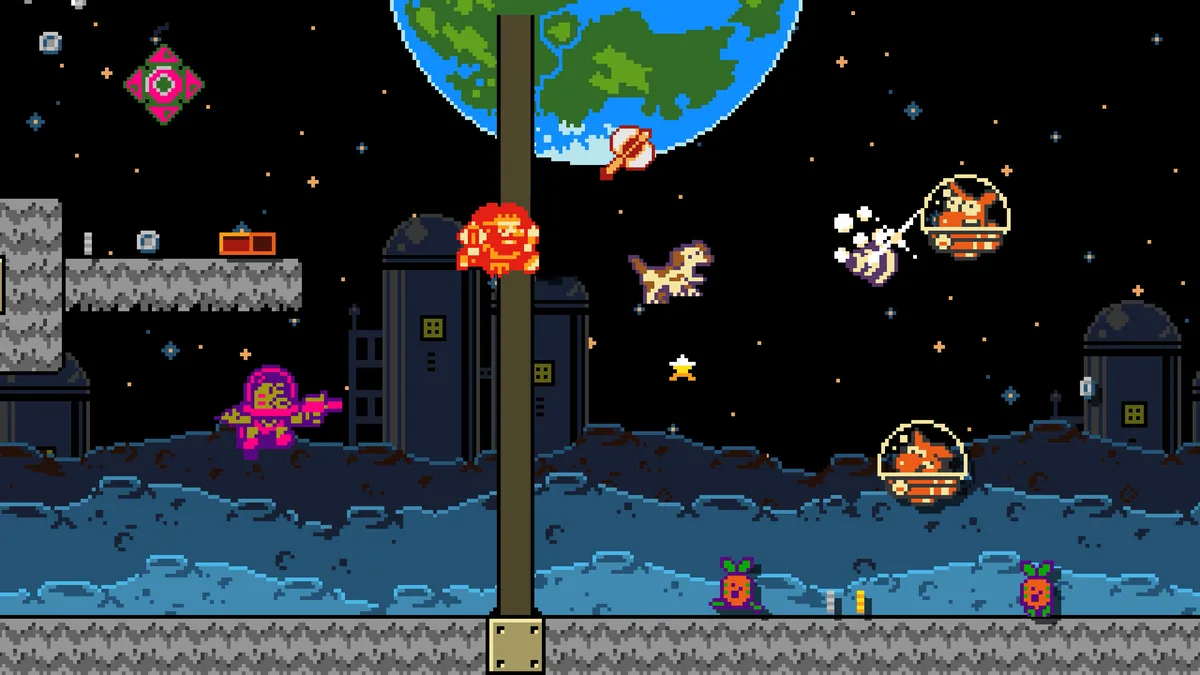 Saturn's ABDUCT ability at work in one of Dark Scrolls's space-set zones, pulling nearby creatures into a beam for bonus experience.
Hero selection at the start of a run is consequential, but the official manual makes the unlock list much clearer than this review originally did. Grizz, Pigeon, and Emerys start unlocked. Biscuit is freed from the first-boss cage. Quinn requires the maximum cumulative donation to the Camp wishing well. Confit requires the Mountain cowboy-computer quest, a key bought from the Perk Shop, and a Castle cell rescue. After Confit is free, throw meat at Ironbeard in the Cave. Complete Moon for Saturn. Purchase Nezumi from the meta-shop. The manual is explicit about the triggers even if the game itself does not surface every step during a run.
Gameplay
The Star Meter is the mechanical spine of every run. The manual says dealing damage charges it, a full meter enables the chosen character's special, and perks can be assigned to Star Levels. Games.GG reports the five-star display and threshold behavior, but the important correction is that the meter powers the hero's named special, not a fabricated generic burst. A Pigeon build that keeps landing dual-dagger hits will charge more reliably than one that stops attacking, but the article no longer ties that advice to an invented fixed zone boss.
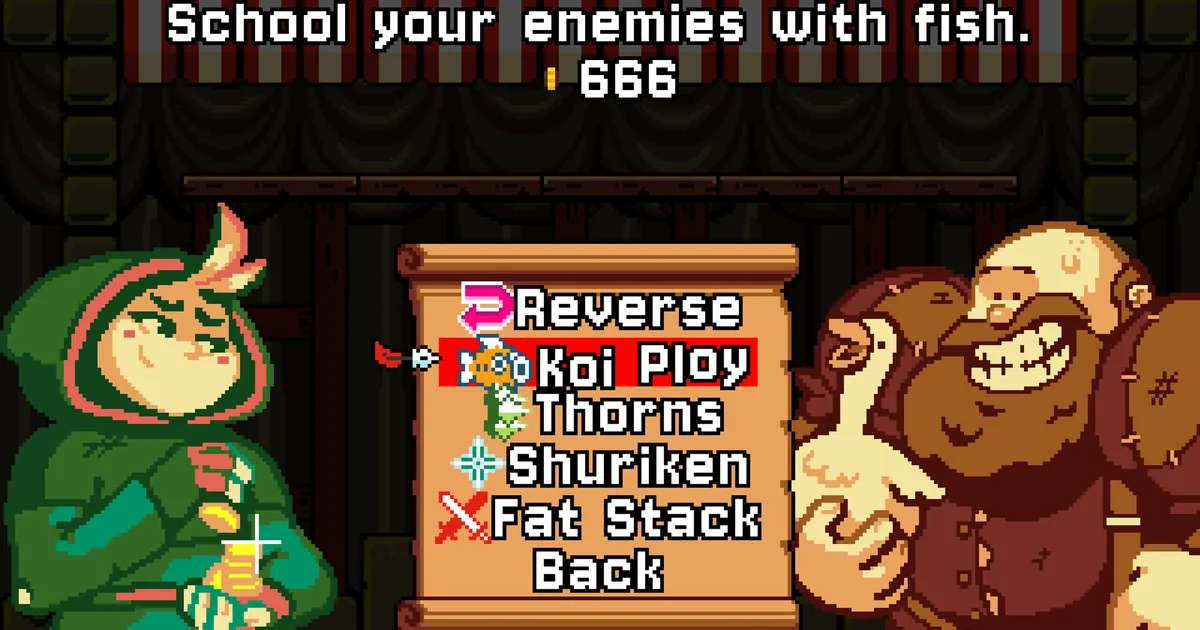
The Shoppe is where runs differentiate. Bruce and Goose sell perks, devastating attacks, and summoned allies. The manual defines Thorns as making damage drain money instead of health unless money is depleted. Shuriken spawns a bouncing shuriken when you shoot. Koi Ploy creates a school of fish, and Fat Stack increases damage by 1x the number of active perks, including itself. Summoned allies add independent coverage. Reverse appears in third-party Shoppe screenshots, but its effect is not defined in the official manual, so this review does not assign it one.
Trinkets run on a separate track from the Shoppe. The manual says one trinket, Heart Pin, is unlocked by default and adds 2 starting HP. Each character has three side objectives in order: the first unlocks that character's trinket slot, the second rewards Meta Crystals, and the third unlocks a new trinket. The manual lists ten trinkets. This is character progression, not the hero-unlock list, and separating the two makes the system much easier to read.
Nezumi is both the most interesting design decision and the roughest onboarding edge in the game. The manual gives the inputs 1 = UP, 0 = FORWARD, and 2 = DOWN; notes roll over after five, double-jumping sends stored notes as homing projectiles and clears the sax, and Perform attempts a song. A valid song triggers its associated named effect for both players. The manual does not list every sequence or establish the old 16-plus count, so the learning curve is real without claiming a complete undocumented effect table.
The difficulty curve can feel steeper on deeper route segments than the opening prepares you for, but the official manual does not define numbered Zone 1/2/3 thresholds or an enemy-density formula. The safe review claim is experiential: learn the autoscroll, keep the Star Meter charging, and spend Shoppe coins on a documented effect that complements the chosen hero.
Co-op
Dark Scrolls ships with solo, local co-op, and online co-op at launch. Remote Play Together is also in the Steam category list, which extends the couch-co-op experience to players without a physical shared space. Couch co-op in pixel roguelites tends to arrive in patches six months post-launch when it arrives at all. Day-one presence of all three modes is a real selling point, and doinksoft knows it.
The hero pairing decisions carry more weight in co-op than the individual builds do. Biscuit's Scary Bark stuns every enemy on screen and gives a partner setup time. Grizz and Pigeon pair naturally through readable axe and dual-dagger kits. Emerys brings Orbitals, whose summoned orbs damage enemies and destroy projectiles. The Steam page confirms that partners can combine attacks and revive one another; detailed ghost behavior is attributed to Games.GG in the related guide.
Nezumi in co-op is stronger than Nezumi solo once both players understand the system. A partner who covers forward pressure while Nezumi stores notes and uses Perform can make use of the manual's both-player song effects. You need to communicate, but the interaction is concrete. For route context, the Dark Scrolls dungeon guide now separates official route facts from unsupported numbered-zone difficulty claims.
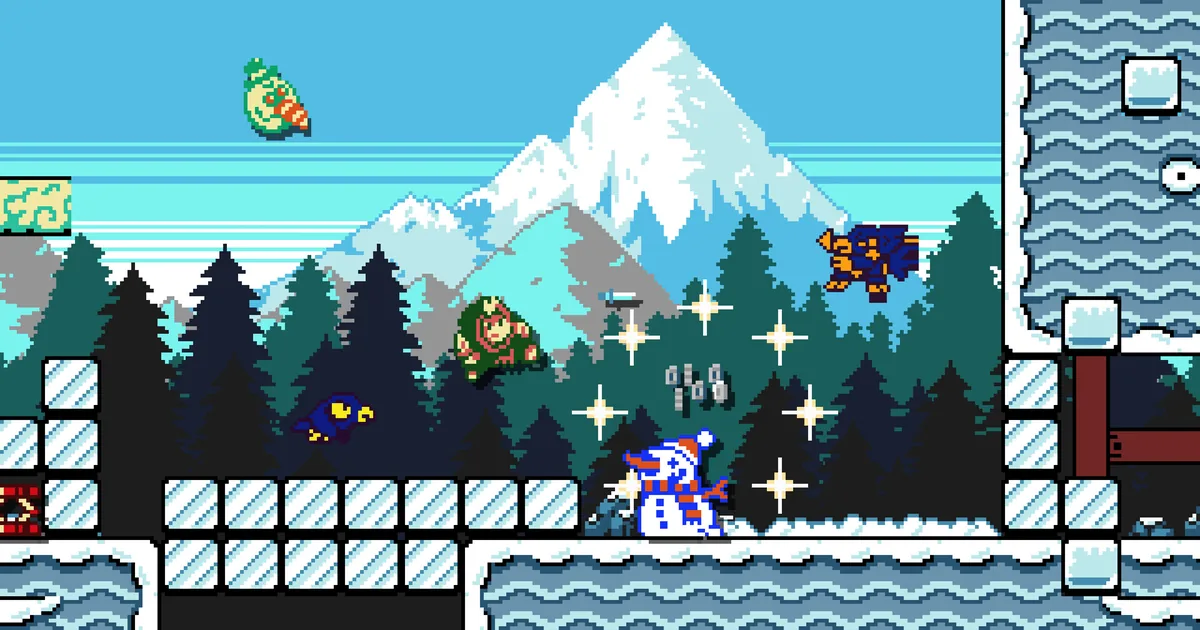
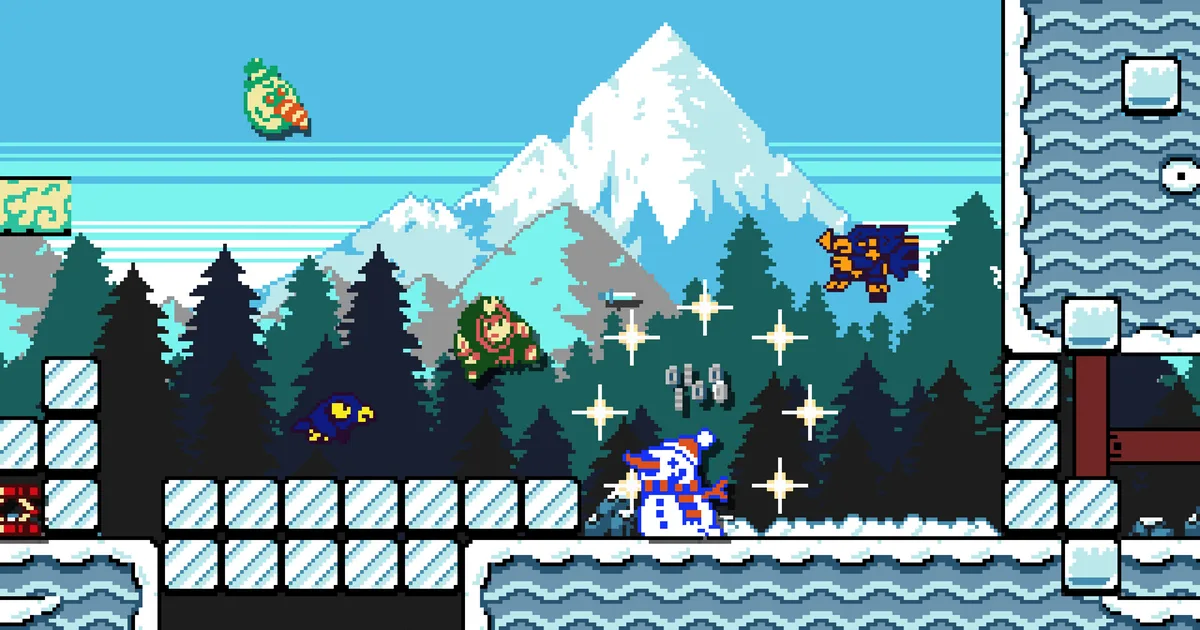
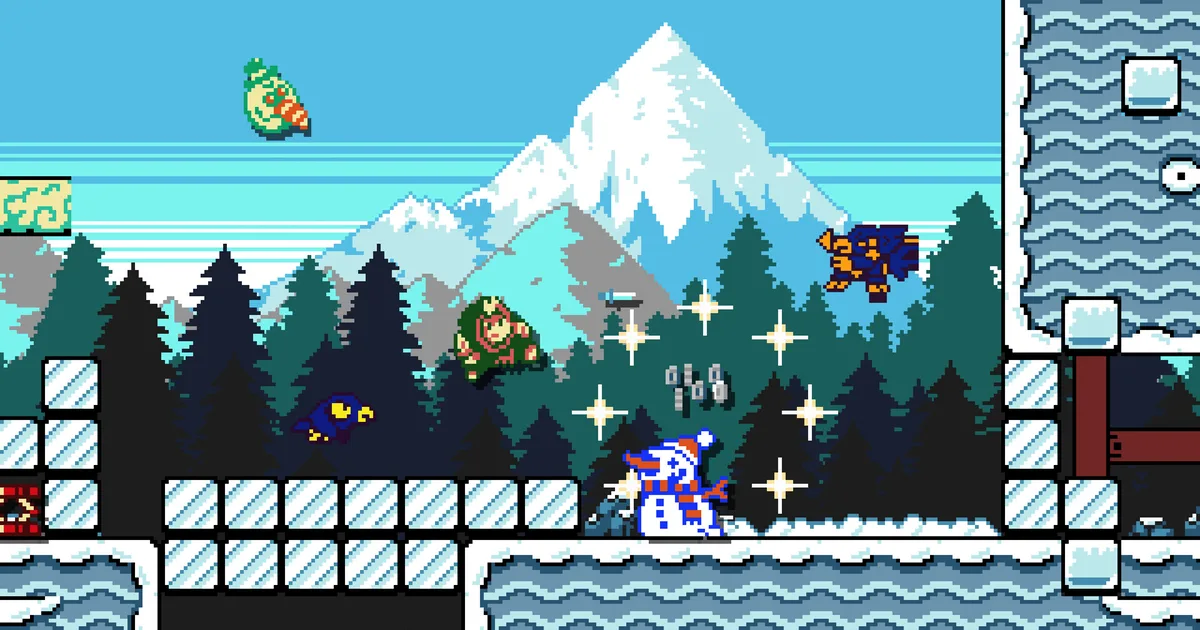
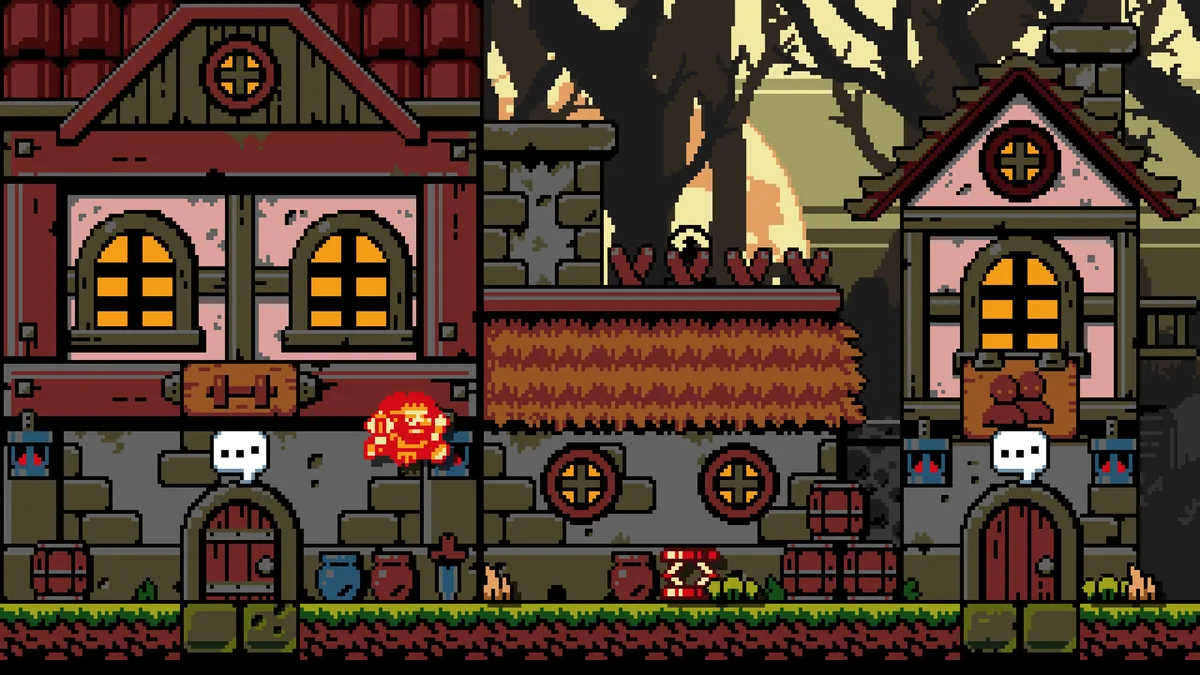 Not every screen in Dark Scrolls is a dungeon room: village exteriors like this one break up the run between combat-heavy sections.
Dark Scrolls Review: Verdict
Dark Scrolls earns its score because the core question of a roguelite review, does this hold up past the first few hours, has a clear answer. After 15-plus hours across multiple heroes and co-op configurations, the hero-perk interaction space hasn't collapsed. Runs on Nezumi feel structurally different from runs on Grizz because the song system changes how you use the documented effects. Pigeon and Ironbeard also produce different screen states from dual daggers versus pickaxes, platforms, and a cannon. That kind of variety isn't a given, it's designed, and doinksoft designed it correctly.
The half-point deductions come from specific friction: Nezumi's learning curve with insufficient in-game scaffolding, the perceived difficulty jump on deeper route segments, and the unlock checklist covered above. Those are onboarding annoyances around a game that's otherwise well put together, not reasons to invent undocumented gates or abilities.
Worth being upfront about where this review sits relative to the wider conversation, and updating that picture as of August 2026: Dark Scrolls sits at Mixed on Steam, 57% positive across its first 130 English-language reviews, essentially unchanged since this review published. Weekly volume has thinned out considerably, though, and what's left is skewing worse: the last month of new reviews added only 11 ratings, and just 2 of them were positive. Shacknews and Siliconera both scored the PC version 6/10 and cite the same unlock grind and solo-play balance issues covered above; CoGconnected went further, calling it "an incomplete experience" at 59/100. The critical consensus holds on other platforms too: Nintendo Life's Switch review landed at 7/10, TheSixthAxis's Switch review at 6/10, and Metacritic's aggregate sits at 59 based on 17 critic reviews. Price is no longer a source of confusion either way: Dark Scrolls dropped from $14.99 to a flat $9.99 sometime after launch, no sale tag attached, which meaningfully improves the value case even though nothing about the underlying game changed. The extra half-point here over the critic average still comes from strong co-op sessions with well-paired heroes; solo players, or anyone who bounces off grindy unlock systems, should weight this closer to the lower end of that range.
For the full hero-specific build breakdowns, the Dark Scrolls best builds guide covering all 9 heroes has Shoppe priority lists for each character. If you're coming from Gato Roboto and want to know where Dark Scrolls sits in doinksoft's output, the comparison is straightforward: bigger game, more replayability, higher skill ceiling, at the cost of the tight and contained feel the studio's earlier work had.
The quest goal literally says "[INSERT GOAL HERE]" on the Steam page. Eight out of ten.
Related Reading
- Dark Scrolls Complete Guide: All 9 Heroes and Zones 2026: the full hub rounding up every Dark Scrolls guide on the site, from builds to dungeon floors.
- Dark Scrolls Best Builds: All 9 Heroes Ranked 2026: Full Shoppe priority lists, star-meter build theory, and perk synergy breakdowns for each hero.
- Dark Scrolls Dungeon Guide: Routes and Shoppe 2026: The manual-listed route sequences, source-backed Shoppe facts, and cautious survival guidance.
- Dark Scrolls Launch News: Launch details, co-op mode breakdown, and what the game's "[INSERT GOAL HERE]" description actually signals.
- Dark Scrolls Co-op Guide: Ghost System and Hero Pairings: Dark Scrolls co-op guide: when a player dies they haunt enemies as a ghost.
- Dark Scrolls Tips: 9 Things to Know Before First Run: Dark Scrolls tips for beginners: the screen scrolls and you die if it leaves you.
References
- Dark Scrolls on Steam: Store page, current price, review aggregate, co-op categories
- doinksoft on Twitter/X: Developer announcements, hero reveal posts
- Devolver Digital: Publisher page
- Shacknews: Dark Scrolls review: Outside review scoring 6/10, cites grindy progression and co-op collision issues
- Siliconera: Dark Scrolls feels unbalanced: Outside review scoring 6/10, covers hero unlock currency and solo-play balance
- CoGconnected: Dark Scrolls review: Outside review scoring 59/100, breaks down the full hero unlock list and trinket system
- Dark Scrolls official instruction manual (PDF): doinksoft's July 2026 hero-kit rundown, published via Steam
- Games.GG Dark Scrolls guide: third-party report on autoscroll, Star Meter thresholds, and ghost behavior
- Dark Scrolls on Loaded (sponsored): CD key reseller, worth a price check before buying on Steam directly
Frequently Asked Questions
Is Dark Scrolls worth buying? Yes, at its current $9.99 price, if you want a co-op roguelite with genuine hero variety and can accept six unlock steps across the nine-hero roster. Shoppe and trinket synergies reward runs past 15 hours. Steam's own review base is split (Mixed, 57% positive), so weigh outside opinions if playing solo.
How many heroes are in Dark Scrolls? Dark Scrolls has 9 heroes: Grizz, Pigeon, Emerys, Biscuit, Quinn, Confit, Ironbeard, Saturn, and Nezumi. Grizz, Pigeon, and Emerys start unlocked. The manual lists the other six triggers: first-boss cage, Camp wishing well, Mountain/Castle quest and key, Cave meat interaction after Confit, completed Moon, and meta-shop purchase.
How do you unlock heroes in Dark Scrolls? Grizz, Pigeon, and Emerys are available immediately. Free Biscuit from the first-boss cage; donate the maximum cumulative amount to the Camp wishing well for Quinn; take the Mountain quest, buy the key, and free Confit in Castle; throw meat at Ironbeard in Cave after Confit; complete Moon for Saturn; and purchase Nezumi from the meta-shop.
What are trinkets in Dark Scrolls? Trinkets are equippable bonuses separate from Shoppe perks. Heart Pin is the default unlocked trinket and adds 2 starting HP. Each character's three side objectives unlock a trinket slot, then Meta Crystals, then a new trinket; the manual lists ten trinkets.
Does Dark Scrolls have online co-op? Yes. Dark Scrolls supports solo play, local co-op, and online co-op at launch. Remote Play Together is also listed in the Steam categories. This makes it one of the few pixel roguelites to ship all three co-op modes on day one without a post-launch patch.
How long is a Dark Scrolls run? A deep run through the manual-listed route can take roughly 30 to 50 minutes depending on hero choice and Shoppe routing. Runs can end earlier if you die before reaching the route's end.
What is Bruce and Goose's Shoppe in Dark Scrolls? Bruce and Goose's Shoppe sells perks, devastating attacks, and summoned allies. The manual defines Thorns as money-before-health damage, Shuriken as a bouncing shuriken when shooting, Koi Ploy as a school of fish, and Fat Stack as damage scaling with active perks. The manual does not define Reverse.
Who developed Dark Scrolls? doinksoft developed Dark Scrolls. The Portland studio previously made Gato Roboto, Gunbrella, and the physical-only Demon Throttle. Devolver Digital acquired doinksoft in April 2023 and published this release.
What is Nezumi's note system in Dark Scrolls?
Nezumi uses 1 = UP, 0 = FORWARD, and 2 = DOWN; notes roll over after five, and double-jumping sends them as homing projectiles and clears the sax. Perform triggers a valid song's named effect for both players. The manual lists multiple effects but not a fixed 16-plus total.
How does the star meter work in Dark Scrolls? Dealing damage charges the Star Meter. The manual says a full meter enables the chosen hero's special and that perks can be assigned to Star Levels. Games.GG reports a five-star display and threshold behavior, but that does not change the named specials listed in the manual.
About the author

Senior Critic & Analyst
Former game data analyst turned critic with 11 years covering indie and mid-tier games. Based in Austin. Runs spreadsheets on games most people just play.
- 11 years games criticism
- Former game economy analyst
- Roguelike and strategy specialist
Keep reading

Disclaimer
This article is published for informational and entertainment purposes. It does not constitute professional financial, legal, or technical advice. Game performance, online services, patch schedules, and store listings change. Verify critical details (pricing, system requirements, regional availability) with publishers and storefronts before you buy. Affiliate links, where present, help support our editorial work and are labelled in our affiliate disclosure.
Comments
Loading comments…