
GuideLost Castle 2
Lost Castle 2 Inscription Guide: Resonance Explained
About the game
Lost Castle 2
Hunter Studio · Hunter Studio
This Lost Castle 2 inscription guide covers the gear layer most players understand last and benefit from most. Over 200 weapons and 130-plus treasures cycle through every run, and without a framework for reading them, drops feel random. They are not. Each item carries an Inscription tag, each tag has weapon affinities, and the Resonance bonuses from stacking matching tags are significant enough to determine whether a run clears Ethereal Nightmare or stalls at the third dungeon floor.
This guide covers the six Inscription types specifically: what each tag does, which weapon categories pair with it, and how two-piece and three-piece Resonance bonuses stack. For the full Layer system (First, Second, Third Layer), the Lost Castle 2 builds guide covers that mechanic in depth. For applying both systems to reach Ethereal Nightmare, the advanced builds guide covers run execution.
TL;DR: Six Inscription tags (Fire, Frost, Lightning, Shadow, Life, Force) trigger Resonance bonuses at two-piece and three-piece. Two-piece gives 15-20% stat gains; three-piece roughly doubles that and adds a proc effect. Lightning pairs with Dual Blades, Fire with Staffs and Wands, Life with Shields. Frost pairs with Bows and ranged DoT builds. Shadow pairs with Muskets. Force is a hybrid tag with broader compatibility but a lower ceiling. Reach three-piece by zone 3 for any Ethereal Nightmare attempt.
Lost Castle 2 inscription guide: how the system works (quick answer)
Every weapon, armor piece, and treasure in Lost Castle 2 carries one of six Inscription tags: Fire, Frost, Lightning, Shadow, Life, or Force. The tags appear in the item description screen next to the item's base stats.
Equipping two items with matching tags triggers two-piece Resonance. Equipping three items with matching tags triggers three-piece Resonance. The bonuses are not passive across all three slots freely: you have one weapon slot, one armor slot, and one treasure slot, so a complete three-piece set requires one tagged item in each category.
Two-piece Resonance gives a percentage boost to a stat relevant to the tag: Lightning two-piece increases attack speed proc rate, Fire two-piece increases spell damage, Life two-piece increases healing received, and so on. The typical two-piece gain is 15-20% on the relevant stat.
Three-piece Resonance roughly doubles the two-piece bonus and adds a proc effect that does not exist at lower tiers. For Lightning, the proc fires an additional hit on rapid attacks. For Fire, it multiplies spell damage on burning targets. These proc effects are the reason three-piece Resonance determines endgame viability: they add a damage or sustain output layer that no amount of base stat improvement replaces.
The practical implication for run planning: your weapon, armor, and treasure are not three independent gear slots. They are three legs of a Resonance puzzle. When a drop offers a high base stat item with a different tag from your current two-piece set, the math usually favors keeping the lower-stat item with the matching tag. The Resonance bonus from hitting two-piece is worth more than the base stat difference in most cases.
The six Inscription types: complete tag breakdown
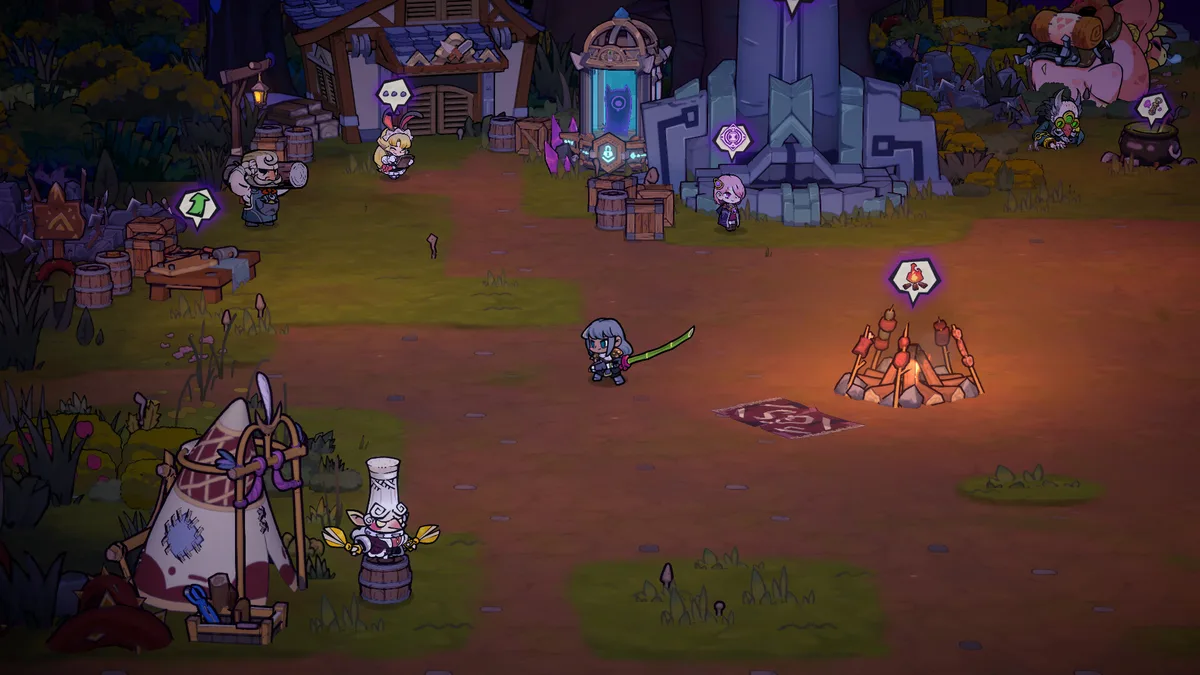 The Inscription tag (Fire, Frost, Lightning, Shadow, Life, or Force) appears next to base stats on every weapon, armor, and treasure drop.
Fire: spell amplification and burn stacking
Fire is the offensive caster tag. The two-piece bonus increases spell damage output. The three-piece bonus multiplies spell damage on burning targets, which creates a loop: apply burn with Fire-tagged attacks, then hit burning enemies for amplified spell damage.
Fire pairs primarily with Staffs and Wands. The Staff's MP-generation Inscription chain works with Fire because the Staff generates MP per hit, the armor Inscription amplifies spell damage above MP threshold, and the Fire three-piece adds a burn-amplification layer on top. This combination is the endgame ceiling build for Ethereal Nightmare 4 and 5.
Fire can also appear on other weapon types, but the burn-amplification proc requires an enemy to have a burning status, which only spell-based attacks reliably apply. Physical weapon builds with Fire tags get the two-piece bonus but rarely trigger the three-piece proc at full value.
GODEEPER: If you are building toward the Staff+Fire ceiling, the full execution sequence for reaching Ethereal Nightmare 4-5 is in the advanced builds guide. Lost Castle 2 Advanced Builds Guide: EN4-5 Meta 2026 →
Lightning: proc amplification on rapid hits
Lightning is the Dual Blade tag. The two-piece bonus increases the chance of triggering secondary procs on attacks. The three-piece bonus fires an additional hit on rapid attacks, meaning Dual Blades generate extra procs just by attacking at their natural speed.
The Lightning + Dual Blade pairing produces the highest proc-per-second rate of any Inscription set. Each rapid hit has a chance to fire an additional hit, and that additional hit also has a chance to trigger procs. At full three-piece, sustained Dual Blade output in a long fight exceeds any other weapon type's DPS ceiling.
Lightning three-piece is harder to reach on weapons with slower attack speeds. Greatswords and Axes can equip Lightning-tagged items, but the proc rate at slower attack cadences does not generate enough triggers to make Lightning three-piece competitive against Fire or Force on those weapon types.
Life: block conversion and sustain
Life is the Shield and defensive-build tag. The two-piece bonus increases healing received from all sources. The three-piece bonus converts blocked damage into a heal proc, which means a well-timed block under Life three-piece both negates the hit and returns health.
Life three-piece is the most forgiving Inscription set in the game because the healing proc fires on defensive actions rather than offensive ones. Against bosses with multi-hit combos, blocking correctly under Life three-piece turns punishing sequences into healing windows.
The trade is ceiling: Life builds do not approach the damage output of Lightning or Fire three-piece at endgame. Against Ethereal Nightmare 4-5 enemies, Life three-piece survivability is high but kill speed is low. Most players use Life as a learning set before transitioning to a higher-damage tag once they know boss patterns.
Frost: DoT accumulation and ranged builds
Frost is the Bow and ranged DoT tag. The two-piece bonus increases DoT damage dealt. The three-piece bonus adds a stacking slow effect on enemies at DoT buildup thresholds, which is particularly valuable against bosses with aggressive movement patterns.
Frost pairs with Bows because Bow Inscriptions tend toward critical hit amplification and DoT extension: the Frost tag extends and amplifies the DoT that Bow attacks apply. Against bosses, the slow proc from Frost three-piece reduces the window where a boss's attack patterns threaten consistent damage output.
The critical constraint on Frost builds: they are weaker in dense room clears than in single-target boss encounters. Standard enemies die before DoT accumulates enough to trigger meaningful proc rates. Frost is a boss-room specialization, not a floor-clear tag.
Shadow: burst timing and execute effects
Shadow is the Musket and burst-timing tag. The two-piece bonus increases damage against stationary targets. The three-piece bonus adds an execute effect on enemies below a health threshold, which on bosses can effectively cut the final phase duration.
Musket builds rely on positioning and single-target burst. Shadow two-piece rewards staying at range and maintaining distance, which Musket playstyle already requires. Shadow three-piece's execute threshold effect means the final 15-20% of a boss's health pool disappears faster than the base damage numbers suggest.
Shadow builds underperform against Ethereal Nightmare 4-5 enemies in extended fights because the execute threshold requires reaching that health range, and EN4-5 enemy aggression reduces the stationary target windows that Shadow two-piece rewards. Shadow is strong through difficulty tier 3.
Force: hybrid compatibility, lower ceiling
Force is the flexibility tag. The two-piece bonus gives a broad stat increase (typically overall damage or defense without specificity). The three-piece bonus adds a moderate universal proc with no weapon-type gating.
Force items appear more frequently in early run loot tables than other tags. This makes Force an accessible two-piece set: you can hit Force two-piece without specifically farming for it. The trade is that Force three-piece does not match the ceiling of Fire, Lightning, or even Life in their optimal weapon pairings.
Force is useful in two specific situations. First, during zone 1 when no clear tag direction has emerged from drops. A Force two-piece holding pattern while waiting for Fire or Lightning items is better than equipping mismatched tags. Second, in co-op builds where flexibility in gear selection matters more than individual ceiling because role coverage across the party matters.
Step-by-step: building toward three-piece Resonance each run
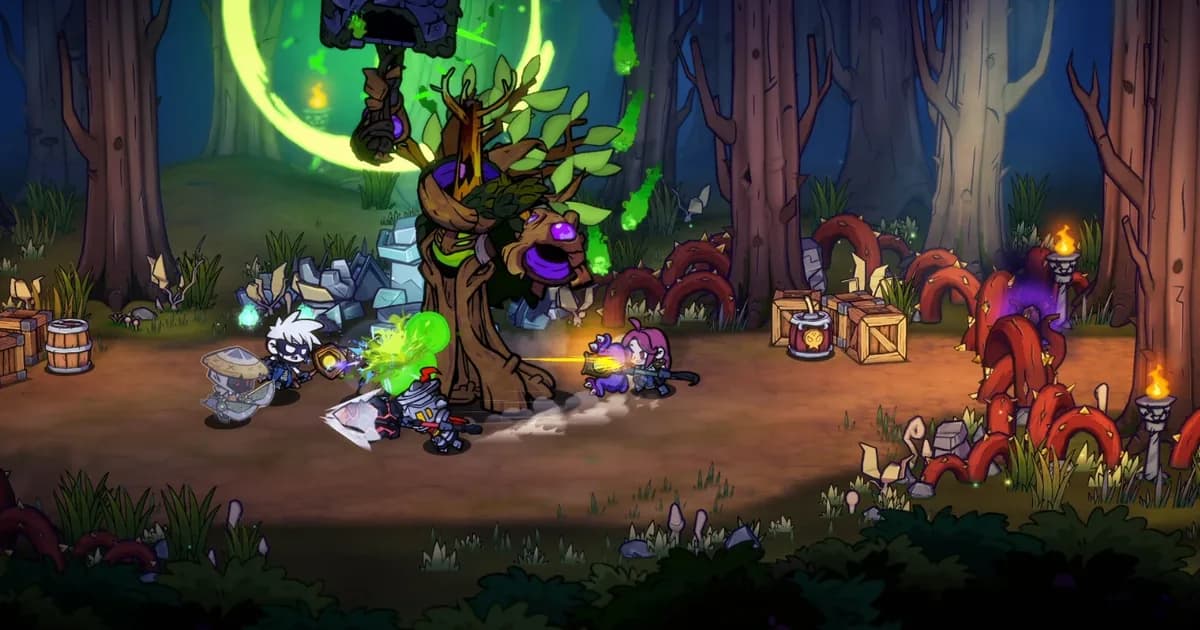
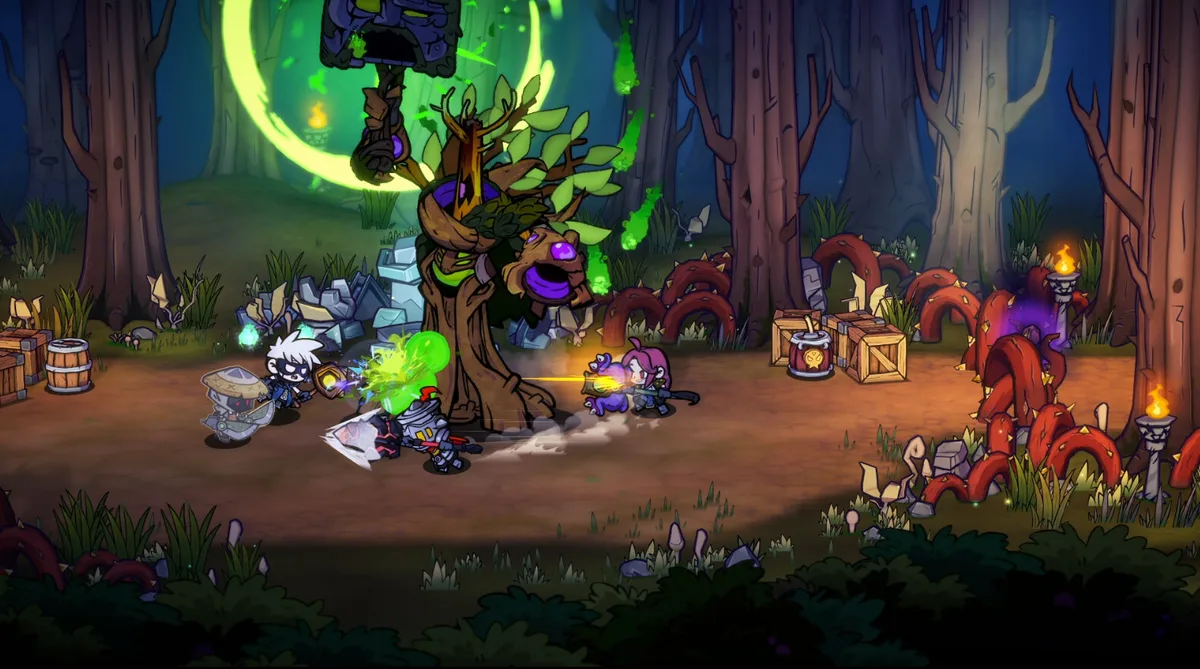 Three-piece Resonance screen showing the additional proc effect that two-piece alone does not unlock: the key reason to plan all three gear slots around a single tag.
Zone 1: Read the tag signal
Your first weapon drop establishes the opening tag direction. An MP-generating weapon Inscription points toward Staff plus Fire. A high-proc-rate weapon with Lightning compatibility points toward Dual Blades plus Lightning. An armor drop with block enhancement suggests the Life path.
Do not commit hard in zone 1. Collect two items if possible and evaluate which tag has two-piece within reach. If zone 1 ends with no matching pair developing, Force two-piece is the correct holding position.
Zone 2: Lock in two-piece
Two-piece Resonance should be active before the zone 2 boss. This is achievable in most runs because zone 2 loot tables include the armor slot, which completes the weapon-armor pair for two-piece in the target tag.
If two-piece is not active by zone 2's midpoint, reassess: either the run's drops are pushing a different tag than expected, or the wrong items are being prioritized. Switching target tags at zone 2 midpoint is still viable. Switching at zone 3 start is not.
Zone 3: Complete three-piece
The treasure slot completes the three-piece set. Zone 3 loot tables have higher rates for matching tag treasures when two-piece Resonance is already active, which is the system's built-in reward for early commitment. If two-piece was active before zone 2 ended, zone 3 will offer matching treasures with reasonable frequency.
Serena's chest is a tool here. Once you know your target tag, weight Serena's chest loot odds toward Alchemy Amulets if amulets carry the needed tag, or toward armor/treasure if that slot is the missing piece. The weighting option is in camp settings and applies to the run in progress.
GODEEPER: For floor routing that maximizes how many loot rooms and chest opportunities you encounter per run, the farming guide covers optimal mid-floor routing for material and item accumulation. Lost Castle 2 Farming Guide: Gold and Materials Fast →
Tips: common Inscription mistakes
Chasing base stats over tag matching. A Greatsword with 30% higher base damage but the wrong Inscription tag will underperform a lower-base-damage Greatsword that completes your two-piece set. The Resonance bonus from two-piece is worth more than 20-25% base stat difference in almost all practical run scenarios.
Picking up Force items to "save" for later. Force two-piece is a valid holding pattern, not a foundation to build on. If Fire or Lightning drops appear and you are sitting on Force two-piece, evaluate whether switching tags is viable at your current zone. Zone 1 to early zone 2: yes. Late zone 2 onward: only if you have zero two-piece activation on the current tag.
Using Blue Runes without an MP-generation build. Blue Runes are specifically constructed for Staff builds running Fire Inscriptions with MP-generating weapon Inscriptions. Outside of that build path, they contribute no meaningful value. Picking them up as generalist items wastes an accessory slot.
Ignoring the Inscription keyword display. Every item description shows the Inscription keywords that determine Third Layer compatibility in addition to the tag. Matching tags gives Resonance. Matching keywords gives Third Layer activation. High-end players track both simultaneously, but new players should focus on tag matching first and add keyword tracking after Resonance sets are consistent.
Waiting too long on the treasure slot. Treasure drops occur in specific room types: elite enemy rooms, side chambers, and boss loot. Standard enemy clears do not generate treasure drops reliably. Prioritizing elite rooms in zone 3 is the fastest path to completing three-piece rather than rushing the boss route.
Key Takeaways
- Six Inscription types: Fire, Frost, Lightning, Shadow, Life, Force
- Two-piece Resonance: 15-20% bonus to a relevant stat for the tag
- Three-piece Resonance: doubles the two-piece bonus and adds a tag-specific proc effect
- Tag pairings: Fire+Staffs, Lightning+Dual Blades, Life+Shields, Frost+Bows, Shadow+Muskets, Force+generalist builds
- Reach two-piece by zone 2 boss; three-piece by zone 3 for Ethereal Nightmare viability
- Serena's chest weighting is an active tool for targeting missing tag slots mid-run
- Base stat differences of 20-25% or less lose to matching a Resonance tag
Related Reading
- Lost Castle 2 Weapons Tier List: All 6 Categories Ranked: Lost Castle 2 weapons tier list: all 6 categories ranked for 1.0, with the standout
- Lost Castle 2 Beginner Guide: Weapons, Build & First Run: Lost Castle 2 beginner guide: pick from 6 weapon types, set Serena's chest odds, mix
- Lost Castle 2 Boss Guide: All 12 Bosses and How to Beat Them: which Inscription sets counter specific boss mechanics, including the Life build for the Steward fight.
- Lost Castle 2 Review: Is the 1.0 Launch Worth It? (2026): Lost Castle 2 review: Hunter Studio's beat-'em-up roguelite hits 1.0 June 11. 700k EA units,
- Lost Castle 2 Complete Guide Hub: links to every guide in the cluster, organized by topic.
References
Frequently Asked Questions
How many Inscription types are in Lost Castle 2? Six: Fire, Frost, Lightning, Shadow, Life, and Force. Every piece of gear carries one tag, and Resonance bonuses activate when your equipped weapon, armor, and treasure share a matching tag.
What is the difference between two-piece and three-piece Resonance? Two-piece triggers when two of your equipped items share a tag, giving a 15-20% stat bonus. Three-piece triggers when all three gear slots match, doubling that bonus and adding a proc effect specific to the tag.
What is Third Layer Inscription Resonance? Third Layer is a separate system from the tag-based Resonance. It activates when weapon, armor, and treasure Inscriptions share compatible keyword triggers (not just matching tags). Third Layer was added at 1.0 and is required for Ethereal Nightmare 4-5.
Which Inscription type is best for Staff builds? Fire. The Fire three-piece bonus multiplies spell damage on burning targets, which the Staff's MP-generation chain reliably applies. Fire is the tag to build toward for any caster-focused run.
Which Inscription type works best with Dual Blades? Lightning. The Lightning three-piece bonus fires additional hits on rapid attacks, which Dual Blades trigger constantly. This creates the highest sustained output ceiling of any Inscription set.
What does Life Inscription do? Life is the defensive tag for Shield builds. The three-piece bonus converts blocked damage into healing, making it the most forgiving Resonance set for players learning boss patterns.
Can you swap Inscription tags mid-run? Yes, but there is a real cost: any two-piece progress on your current tag resets. Switching before early zone 2 is viable. Switching after zone 2 midpoint almost never recovers enough to reach three-piece before the endgame bosses.
Was this guide helpful?
About the author

Senior Critic & Analyst
Former game data analyst turned critic with 11 years covering indie and mid-tier games. Based in Austin. Runs spreadsheets on games most people just play.
- 11 years games criticism
- Former game economy analyst
- Roguelike and strategy specialist
Keep reading
Lost Castle 2 Advanced Builds Guide: EN4-5 Meta 2026
General · 9 min
Lost Castle 2 Farming Guide: Gold and Materials Fast
General · 7 min
Lost Castle 2 Ethereal Nightmare Guide: All 5 Depths
General · 12 min
Lost Castle 2 Boss Guide: All 12 Bosses & How to Beat Them
General · 13 min
Lost Castle 2 Guide: Builds, Bosses, and Review 2026
General · 16 min
Lost Castle 2 Beginner Guide: Weapons, Build & First Run
General · 9 min
Game deals · affiliate links

Disclaimer
This article is published for informational and entertainment purposes. It does not constitute professional financial, legal, or technical advice. Game performance, online services, patch schedules, and store listings change. Verify critical details (pricing, system requirements, regional availability) with publishers and storefronts before you buy. Affiliate links, where present, help support our editorial work and are labelled in our affiliate disclosure.
Comments
Loading comments…