ReviewLost Castle 2
Lost Castle 2 Review: Is the 1.0 Launch Worth It? (2026)
Lost Castle 2 review: the 1.0 build is Mostly Positive at $17.99, with a Magicraft crossover and a 30% Steam sale in this October 2026 snapshot.
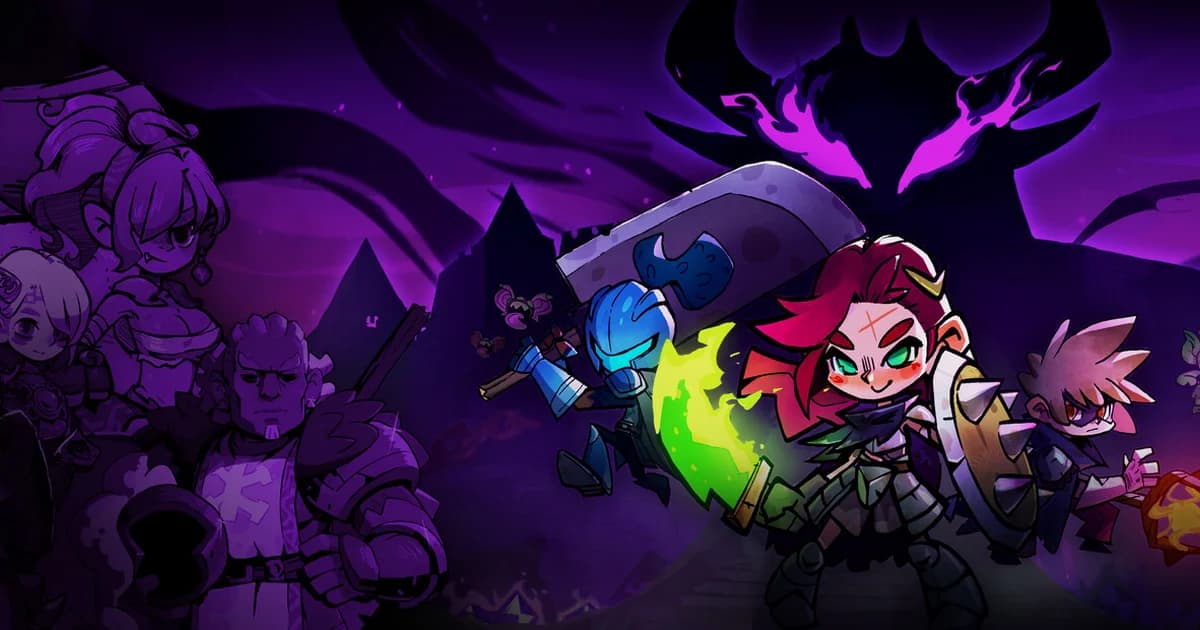
Reviewing
Lost Castle 2
Hunter Studio · Hunter Studio
Score
Reviewed build: 1.0
Pros
- Soul Inscription and Resonance system rewards experimentation with genuinely distinct playstyles
- Ethereal Nightmare 4 and 5 provide real endgame challenge for veterans
- Nine confirmed weapon categories: variety actually holds up at 1.0
- Co-op remains the most fun the game offers at any difficulty level
- Third Layer unlocks build combinations that feel unfair in the best possible way
Cons
- The current Mostly Positive snapshot still includes launch-era co-op and progression friction
- Out-of-match progression rework changes muscle memory from 200+ hours of EA play
- Story completion satisfies more in concept than execution
Verdict
Lost Castle 2 at 1.0 is a well-earned finish line: the systems are deep, the ceiling is high, and if you have 700,000 co-op partners worth of social proof in the community, there has to be a reason.
This Lost Castle 2 review starts with the 1.0 build rather than the Early Access sales headline. Hunter Studio's beat-'em-up roguelite launched its final version on June 11, and the current question is whether the finished systems, post-launch patches, and September 23 crossover make the game worth buying now.
Updated 2026-10-02: Refreshed the current Steam review totals, sale snapshot, and official patch reference, and removed the unsupported item-count claim.
What 1.0 adds, whether it completes the experience, and what the current Mostly Positive Steam snapshot says about the post-launch build: that is what this piece covers.
TL;DR: Lost Castle 2 at 1.0 adds the final story chapter, Ethereal Nightmare 4 and 5 difficulty tiers, and Resonance III (the Third Layer) for Soul Inscriptions. It has nine confirmed weapon types. Steam currently shows 14,146 all-language reviews labeled Mostly Positive, with 10,989 positive and 3,157 negative reviews, and the latest official update is 1.0.1.3. The out-of-match progression rework remains the friction point for returning players.
BESTPRICE: Thinking about buying Lost Castle 2? Loaded sells Steam keys for it, so compare the current price with Steam before you buy. Eneba also lists a Global Steam key. Get Lost Castle 2 on Loaded → Get Lost Castle 2 on Eneba →
Lost Castle 2 review: is it actually finished?
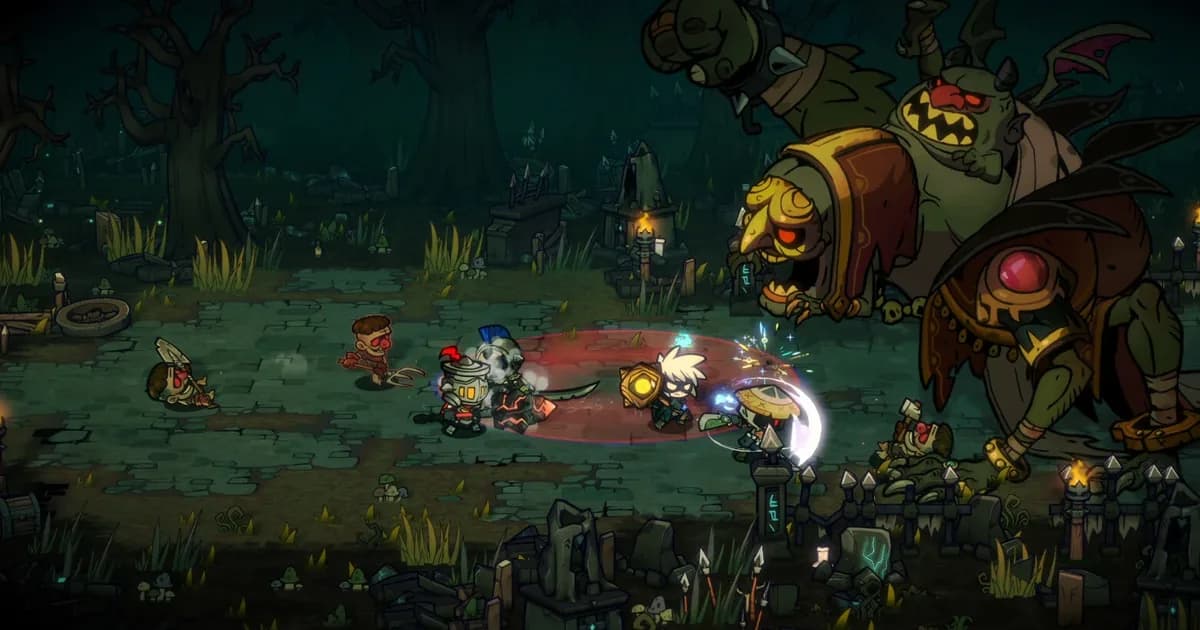
The short answer: yes, more so than most roguelites calling themselves 1.0. Five main story levels, 12 bosses, nine weapon categories, and now a complete narrative arc. That is not a checklist padded to feel complete: each content category carries meaningful build implications.
The longer answer: Hunter Studio also reworked out-of-match progression for 1.0 based on player feedback from the EA run. Single-handed weapons got rebalanced. Story unlocks were restructured. If you put 100+ hours into the Early Access build, some of your mechanical intuition is now wrong in ways the game will not tell you. That friction is still worth explaining even after launch: the current store snapshot is Mostly Positive, but returning players still have to relearn parts of the progression layer rather than simply continuing an unchanged EA routine.
That is worth knowing before you reinstall.
Lost Castle 2 status: September 2026
The current Steam snapshot lists the base game at $17.99, a $12.59 sale price, and 14,146 all-language reviews labeled "Mostly Positive" (10,989 positive and 3,157 negative). The latest official update is 1.0.1.3, following the 1.0.1.2 Staff drop changes and the 1.0.0.20 fixes for the Bow Hunting Mark cooldown display, multiplayer control problems, room-type permissions, and a Campfire hang. Hunter Studio's Lost Castle 2 x Magicraft crossover launched on September 23, and the announced 30% base-game sale runs through October 9. See the Lost Castle 2 builds guide for the system details this review evaluates.
The nine weapon types and why they actually matter
Lost Castle 2's nine weapon categories (Two-Handed, Dual-Blades, Katana, Phantom Lantern, Staff, Single-Handed, Turbo Lance, Musket, and Bow) are not aesthetic choices. Each carries its own named Soul Inscription, which means weapon selection is build-defining from the first run.
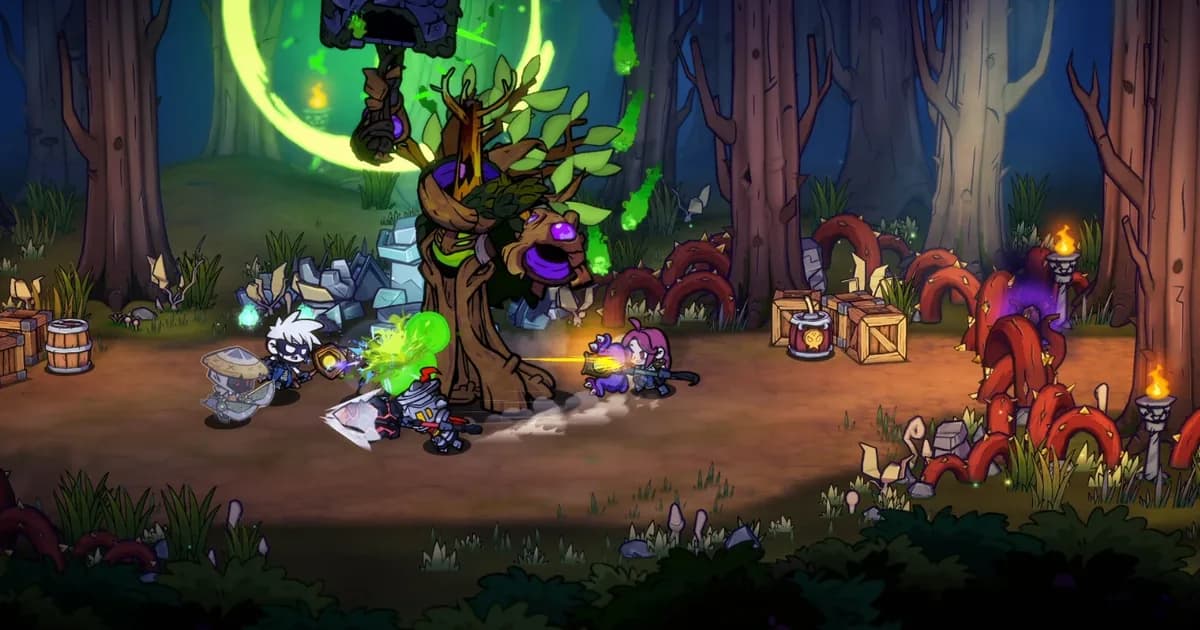
Two-Handed weapons favor high-burst Inscriptions like Furious Warrior and Ironbone Brute that reward standing your ground. Dual-Blades work through the Blade Dancer and Blade Warrior Inscriptions, both built around fast, repeated hits. Staff leans into the mage archetype through its Arcane Master Inscription and Floating Ether resonance skill. Musket creates a ranged-specialist build around its Lucky Hunter and Special Gunner Inscriptions that plays fundamentally differently from any melee option. Katana and Phantom Lantern are two newer confirmed categories from Hunter Studio's own patch notes that most build guides, including earlier versions of this site's coverage, have missed entirely. Bow, by contrast, has been in the game since Early Access, not a 1.0 addition.
The specific strength of this design is that 200+ weapons do not feel like inventory bloat. You are not choosing between 15 greatswords arbitrarily: each variant has different Inscription behavior, stat floors, and activation conditions. The game's replayability comes from this, not from procedural level generation alone. The Lost Castle 2 beginner guide is the better starting point if those categories are still unfamiliar.
GODEEPER: The die-builder roguelite Die in the Dungeon runs a similar "build from components" philosophy through a completely different genre lens. Die in the Dungeon Review: Dice-Building With Brains →
Nine weapon categories, 200+ variants: the Soul Inscription system is what prevents this from being bloat.
Resonance III (the Third Layer): what it actually is
Each weapon in Lost Castle 2 carries its own Soul Inscription, a named archetype (Blade Dancer for Dual-Blades, Arcane Master for Staff, and so on) that unlocks specific named resonance skills, like Floating Ether or Wasp Tail Needle, as you invest in it. Resonance III, which Hunter Studio's own launch materials also called the Third Layer, was added at 1.0 and, per the patch notes, "adjusted most existing Weapon Inscription Resonances," making those resonance skills noticeably stronger. The community has taken to calling well-built Resonance III weapons "god-tier."
In practical terms: a Resonance III Staff build gets a meaningfully stronger version of its Floating Ether resonance skill once its Soul Inscription is unlocked and Soul Stones are socketed into it. None of that requires a separate cross-item combo the way earlier coverage on this site described; it's the same per-weapon system, just deepened.
The design tension is real regardless of the exact mechanism: getting the most out of Resonance III requires both finding the right weapon and knowing which resonance skills exist and how to unlock them. New players will find powerful things by accident. Players who know the system will consistently produce stronger builds than players who don't, which in a roguelite is usually fine, but in co-op can create sessions where one player carries and the others feel ineffective.
Ethereal Nightmare 4 and 5: what the endgame difficulty adds
Difficulty tiers 4 and 5 are explicitly not designed as progression steps. Hunter Studio framed them in launch materials as content for players who cleared all earlier difficulties during Early Access. In practice, that means enemies at these tiers hit hard enough that a weapon with Resonance III active is close to a practical requirement, not a nice-to-have.
The Hidden Mage Tower, added in the final Early Access update before 1.0, also introduced boss encounters that function as optional training for the Ethereal Nightmare difficulty pattern. The design choice to release that content before 1.0 rather than at 1.0 was smart: it gave the community time to learn the new difficulty grammar before 1.0 added the formal tiers.
Whether Ethereal Nightmare 4 and 5 are actually fun or just punishing depends on how you relate to roguelite difficulty. Hunter Studio has continued tuning the game after launch: the current 1.0.1.3 notes follow balance and bug-fix passes such as 1.0.0.19. Read the live notes as balance context rather than assuming an old Early Access tier list still applies.
GODEEPER: If you want a broader look at where Lost Castle 2 sits in the current roguelite landscape, the Best Roguelike Games 2026 roundup covers six titles including direct competitors. Best Roguelike Games 2026: 6 Picks for Every Budget →
Co-op: the actual reason 700,000 people bought this in Early Access
Lost Castle 2 supports online co-op, shared split-screen, and Remote Play Together. The "Monster Hunter-lite" combat framing (individual players carrying preferred weapon types, combining in a group) works significantly better in co-op than solo because the build synergies extend to party composition.
A Dual-Blade player who focuses on crowd control creates openings for a Two-Handed player to land burst damage. A Staff player with specific MP-chain Inscriptions can provide area denial that changes how a Musket player positions. These are not formally designed archetypes: they emerge from the weapon-inscription interaction system. That is strong co-op design.
Solo play is functional. It is not where the game's identity lives.
What the 1.0 launch actually delivers vs. what Early Access promised
Hunter Studio's EA roadmap committed to four additional level paths, new weapon categories, expanded armor and treasure sets, and a final story conclusion. The final EA update before 1.0 delivered the Hidden Mage Tower. The 1.0 build delivers the story ending and the difficulty tiers.
The weapon categories beyond the EA set: this is where I'm being careful. Hunter Studio's own patch notes confirm nine weapon types and 200+ weapons, but do not specify which weapon categories were added between EA start and 1.0, and which were in the initial build. The community-designed item (winner from the April 2026 submission contest) appears in 1.0 and is a genuine novelty.
Is it everything the roadmap described? Based on available evidence: yes. Whether it is everything players hoped for is a different question, and the current Mostly Positive store snapshot plus the 1.0.0.20 patch history now provide better evidence than the launch-week window did.
Ethereal Nightmare 4 and 5 are not just harder enemies: they restructure the challenge tier fundamentally.
Verdict
Lost Castle 2 at 1.0 delivers what the Early Access roadmap promised. The build system has real depth, the Ethereal Nightmare tiers extend the challenge ceiling meaningfully, and Third Layer Resonance turns late-game runs into a puzzle game within an action game. The out-of-match progression rework is the only structural friction: returning EA players will spend 3-5 hours relearning systems that changed without warning.
For new players: this is one of the more content-complete 1.0 launches in beat-'em-up roguelites in recent years. The current Mostly Positive store snapshot supports the recommendation, while the patch history shows that Hunter Studio is still cleaning up the edges. The Lost Castle 2 boss guide is the natural follow-up once you reach the endgame tiers.
Rating: 8.0/10
Steam lists the base game at $17.99 and a $12.59 sale price in this October snapshot. The official Magicraft announcement says a 30% sale is scheduled for September 23 through October 9, so price-sensitive readers have a current window to check.
Key Takeaways
- 1.0 adds final story chapter, Ethereal Nightmare 4 and 5, and Resonance III for Soul Inscriptions
- Nine weapon types (Two-Handed, Dual-Blades, Katana, Phantom Lantern, Staff, Single-Handed, Turbo Lance, Musket, Bow), 200+ weapons
- Mostly Positive on Steam overall (14,146 all-language reviews in the current snapshot)
- Co-op is the optimal way to play: party builds emerge organically from weapon-inscription combinations
- Third Layer Resonance chains require knowing which combos exist: information asymmetry favors returning players
- Out-of-match progression was reworked at launch; expect 3-5 hours of muscle memory recalibration
Related Reading
- Lost Castle 2 Builds Guide: Best Weapon Combos at 1.0 Launch: detailed look at the inscription system and best weapon-build archetypes.
- Die in the Dungeon Review: another 2026 roguelite with a component-combination build philosophy.
- Best Roguelike Games 2026: six picks across subgenres if you are shopping the category.
- Deep Rock Galactic Rogue Core Early Access 2026: co-op roguelite launching the same year; useful comparison point for co-op design philosophy.
- Cursemark Review: A Roguelite Built Around Rune Depth (2026): Cursemark review: 87% positive on Steam, 7 spell schools and rune-driven builds. CLYDE games hits Early Access with a strong foundation.
- Lost Castle 2 Beginner Guide: Weapons, Build & First Run: Lost Castle 2 beginner guide: pick from 9 weapon types, set Serena's chest odds, mix Alchemy Amulets, and....
- Lost Castle 2 Weapons Tier List: 9 Categories Ranked: Lost Castle 2 weapons tier list: all 9 confirmed categories for 1.0, with the standout.
- Lost Castle 2 Boss Guide: All 12 Bosses & How to Beat Them: Lost Castle 2 boss guide: all 12 bosses in order, from the Goblin Champion to.
- Lost Castle 2 Achievements Guide: All 85 Explained: the full achievement list once you have finished a few runs.
References
- Lost Castle 2 on Steam
- Lost Castle 2 official announcements: the 1.0.1.3 patch, earlier 1.0.1.2 and 1.0.0.20 fixes, balance notes, and the Magicraft crossover.
- Lost Castle 2 on X: developer announcements and co-op updates.
- Lv1 Gaming: Hunter Studio Sets June 11 Launch
- Gematsu: Lost Castle 2 launches June 11
- Lost Castle 2 official 1.0 release date trailer
- Lost Castle 2 Steam key on Loaded: compare the price with Steam before you buy.
- Lost Castle 2 Steam key on Eneba: Global key, compare with the Steam price.
Frequently Asked Questions
Is Lost Castle 2 1.0 worth buying in 2026? Yes. The 1.0 build completes the story, adds Ethereal Nightmare 4 and 5, and unlocks Resonance III for Soul Inscriptions. The out-of-match progression rework may frustrate players with 100+ Early Access hours. Steam currently lists a $17.99 base price and a $12.59 sale price, with a 30% sale announced for September 23 through October 9.
How many weapons are in Lost Castle 2 at 1.0? Nine weapon types: Two-Handed, Dual-Blades, Katana, Phantom Lantern, Staff, Single-Handed, Turbo Lance, Musket, and Bow.
What is Resonance III (the Third Layer)? A deeper tier of each weapon's Soul Inscription system, unlocked at 1.0, that strengthens the resonance skills tied to that weapon. Hunter Studio's own patch notes describe it as adjusting "most existing Weapon Inscription Resonances."
What is Ethereal Nightmare difficulty? Difficulty tiers 4 and 5 added at 1.0: designed for players who completed all earlier tiers during Early Access. A weapon with Resonance III active makes them noticeably easier to survive.
How many players can play Lost Castle 2 co-op? Up to 4 players, confirmed directly by developer Hunter Studio on X. Online co-op, shared/split-screen co-op, and Remote Play Together are all supported.
How long is Lost Castle 2 at 1.0? 5 story levels, 12 bosses. 30-50 hours for story completion at standard difficulty; Ethereal Nightmare tiers add substantial post-story time.
What changed in the out-of-match progression rework? Single-handed weapons were rebalanced and story unlock systems were restructured based on player feedback. Full details are in the final Early Access patch notes on Steam.
About the author

Games Critic
Games writer and reluctant optimist who has reviewed over 400 titles across 9 years. Irish, currently in Berlin. Has strong opinions about tutorial design.
- 400+ games reviewed across 9 years
- Platformer and horror specialist
- Narrative design focus
Keep reading
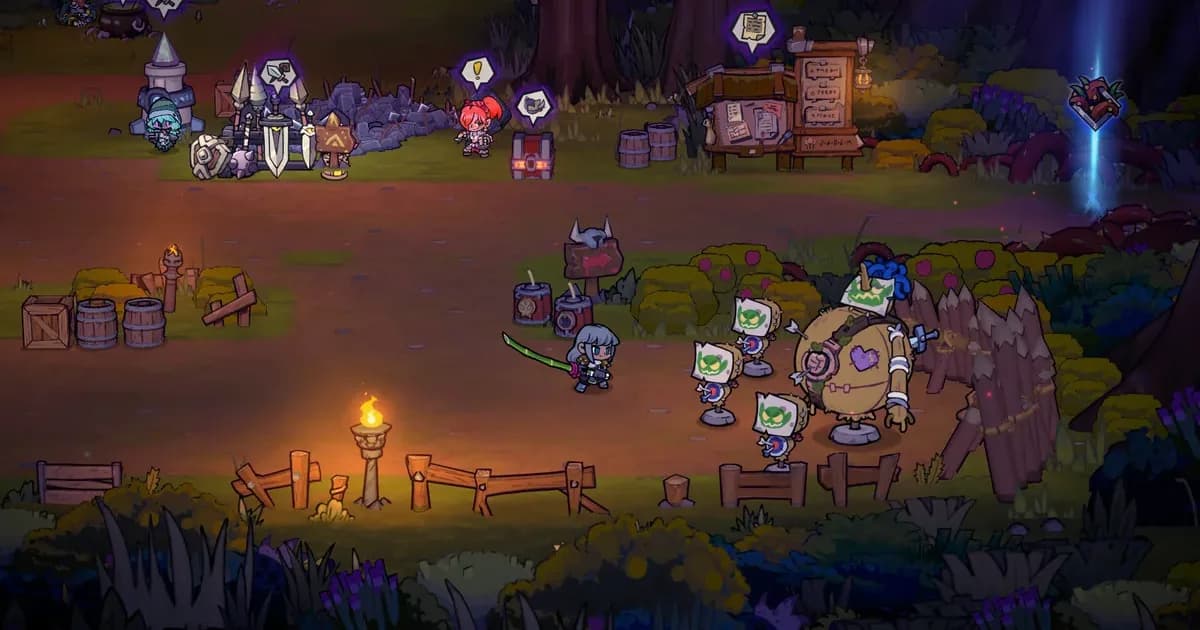
Lost Castle 2 Builds Guide: All 9 Weapon Types at 1.0
General · 18 min
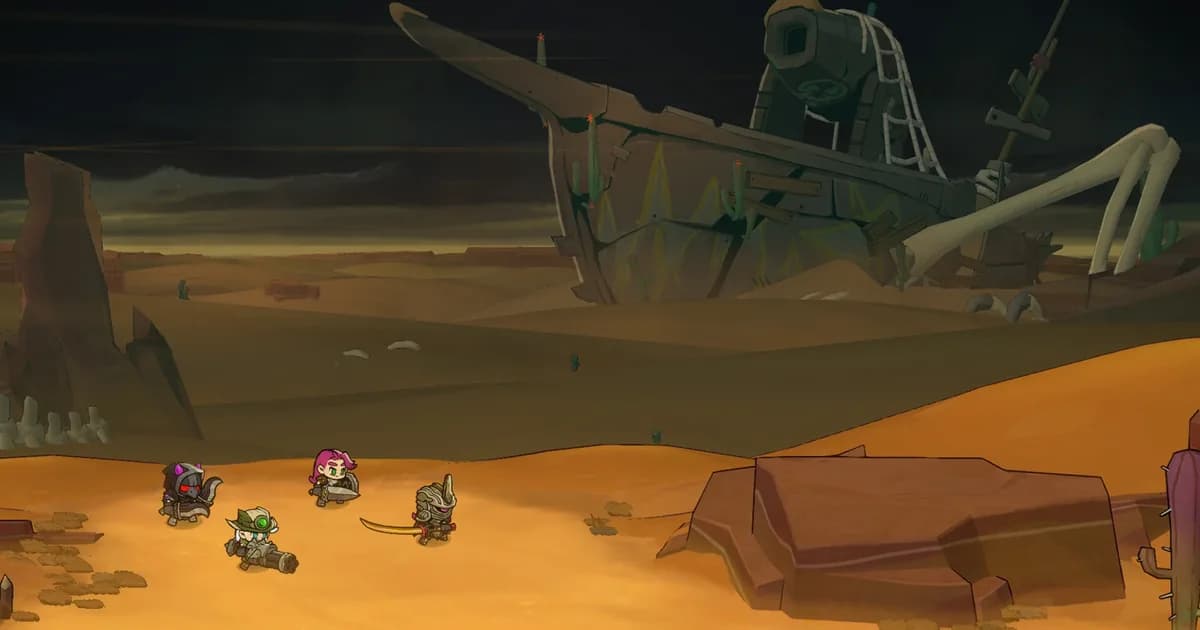
Lost Castle 2 Weapons Tier List: 9 Categories Ranked
General · 13 min
Lost Castle 2 Beginner Guide: Weapons, Build & First Run
General · 9 min
Lost Castle 2 Guide: Builds, Bosses, and Review 2026
General · 16 min
Lost Castle 2 Boss Guide: All 12 Bosses & How to Beat Them
General · 13 min
Lost Castle 2 Ethereal Nightmare Guide: All 5 Depths
General · 12 min
Game deals · affiliate links

Disclaimer
This article is published for informational and entertainment purposes. It does not constitute professional financial, legal, or technical advice. Game performance, online services, patch schedules, and store listings change. Verify critical details (pricing, system requirements, regional availability) with publishers and storefronts before you buy. Affiliate links, where present, help support our editorial work and are labelled in our affiliate disclosure.
Comments
Loading comments…