
GuideLost Castle 2
Lost Castle 2 Builds Guide: All 9 Weapon Types at 1.0
Pick the weapon type first and the inscription second. Everything else in a Lost Castle 2 run follows from those two choices.
VerdictFirst run: Two-Handed on Furious Warrior. Nightmare 4 and 5: Staff on Arcane Master. Treat the Magicraft staves as a Stage 3 bonus, not a plan.
Lost Castle 2 builds start with the weapon, not the damage number. Each of the nine weapon types carries its own Soul Inscriptions, and the inscription's resonance skills are what you are really building around. Our pick for a first run is a Two-Handed weapon on Furious Warrior. Once you reach Ethereal Nightmare 4 and 5, switch to the Staff's Arcane Master, the route players keep calling broken.
Sponsored

About the game
Lost Castle 2
Updated 2026-10-20: Added the September Magicraft crossover update (two new staves, Ultimate Greatsword, Jetstream No. XII, Fish Hunter and the Scion of the Lord rework) and the 1.0.1.2 drop-rate cut for the new staves. Steam reviews rechecked: still Mostly Positive.
Sponsored

All nine weapon types and the build we'd run on each
| Weapon type | Inscriptions in the patch notes | Resonance or mechanic to build around | Our call |
|---|---|---|---|
| Two-Handed | Furious Warrior, Ironbone Brute | Leap, Giant's Wrath, Sky Splitter | First run |
| Dual-Blades | Blade Dancer, Blade Warrior | Wasp Tail Needle, Flashing Blades | Normal-attack builds |
| Katana | Sword Master, Vagabond | Ghost Muramasa's dodge, Jetstream No. XII | Second weapon to learn |
| Phantom Lantern | Dark Flame Walker | Release of Fury, Phantom Overload | Summon fans only |
| Staff | Arcane Master | Floating Ether, Satellite attacks | Nightmare 4 and 5 |
| Single-Handed | Fearless Warrior | Shield Throw, Perfect Guard | Players who block |
| Turbo Lance | Cannon Fighter | Force Start, Overload | Burst-window players |
| Musket | Lucky Hunter, Special Gunner | Grenadier, Heat gauge | Ranged runs |
| Bow | Thundering Ranger, Strongarm Archer | Falcon, Vengeance Mark | Direct Attack builds |
Inscription and resonance names: Hunter Studio's Steam patch notes, 2025 to 1.0.1.3. "Our call" is our editorial read, not a developer ranking.
The Lost Castle 2 weapons tier list ranks the same nine categories head to head. This page is about what to build once you've picked one.
Video: Lost Castle 2 Official 1.0 Release Date Trailer, shown at The Triple-i Initiative Showcase 2026 (The Triple-i Initiative channel).
BESTPRICE: Want Lost Castle 2? These stores list it: Buy on Eneba → Buy on Gameseal → Buy on Kinguin →
How Lost Castle 2 builds work: inscriptions, resonance and Soul Stones
An inscription is a named archetype tied to one weapon type. Hunter Studio's patch notes call them Soul Inscriptions or Weapon Inscriptions, and each one comes with named resonance skills: Furious Warrior has Leap, Blade Dancer has Wasp Tail Needle, Arcane Master has Floating Ether. A Two-Handed inscription has nothing to say about a Staff run, which is why the weapon type is the first real decision. The Lost Castle 2 complete guide covers the wider systems around it.
Resonance III is the 1.0 layer on top. The November 2025 plan promised "Tier 3 Inscription Resonance," the April launch post sold it as the "Third Layer of Inscription Resonance, allowing for god-tier synergistic builds," and the 1.0 notes list "Unlock Resonance III for Weapon Inscriptions" while adjusting most existing resonances. The notes don't publish per-inscription numbers for the third tier, so read the tooltip in game.
Soul Stones are the modifiers you socket into an inscription. Since 1.0.0.13 one stone can sit in several inscriptions at once, and since 1.0.0.14 the socket screen also shows stones that don't fit your current weapon type. Named stones in the later notes include Mana Gain, Mage's Essence II and Battle Medic.
GODEEPER: For how the inscription system holds up against the difficulty curve, the full review covers the Ethereal Nightmare balance question. Lost Castle 2 Review: 1.0 Worth It? →
Two-Handed: the build we'd run first
Two-Handed builds sit on Furious Warrior (resonance Leap) and Ironbone Brute (resonance Giant's Wrath). The loop is short: charge a Power Charge attack, land it, fire the resonance in the opening. Since 1.0.0.6 Leap triggers falling attacks, and since 1.0.0.10 the Sky Splitter resonance can trigger treasure effects tied to falling attacks, the one resonance-to-treasure link the notes spell out. If a falling-attack treasure drops, take it.
Players land in the same place. On r/LostCastle's "Is there a build meta?" thread, u/notaracisthowever wrote that a "2h sword with stone rain or whatever it's called is pretty op" and that with life on hit "you're basically unkillable." The September update also added the Ultimate Greatsword, "a powerful giant sword featuring an exclusive enchantment." Pair it with the Lost Castle 2 beginner guide for the first-run route.
Staff: Arcane Master for Nightmare 4 and 5
The Staff's documented inscription is Arcane Master, with the resonance Floating Ether, and since the 1.0.0.13 fix it triggers Satellite attacks when you cast skills, including with the Potent Spellcasting enchantment. This is the build reviewers name when they talk about the top difficulties. A Steam reviewer with 159 hours wrote that "Arcane Master is way too broken" and that it makes "Nightmare 5 a 20 minute joke."
We'd still learn inscriptions on a simpler weapon first. A Staff run lives or dies on knowing when the resonance fires, and that's easier to feel on a Two-Handed swing than on a spell rotation.
Screenshot: Steam store page. A graveyard stage fight with a lightning beam, a purple rune effect and a stone portal ring.
The other seven weapon types, ranked by who should pick them
Dual-Blades: for normal-attack builds. Two inscriptions: Blade Dancer (Wasp Tail Needle, Illusion Flying Blade) and Blade Warrior (Flashing Blades). The 1.0.0.6 notes moved Flashing Blades' damage tag from Skill and Jump Attack to Normal Attack, so pick Dual-Blades when your treasures reward normal attacks. The weapon skill Dance of Ice & Fire had a half-damage bug fixed in 1.0.0.10. Another r/LostCastle player put it simply: "I just use dual blades... Going pretty good for me so far."
Katana: the second weapon we'd learn. The Sword Master Inscription arrived in September 2025 and Vagabond in November 2025, alongside Ghost Muramasa and Marrow of Evil Dragon. Since 0.9.3.5 Ghost Muramasa's skill no longer slows you and adds 10% dodge distance. The boss-unlocked Chaos Reaper came at 1.0, and the Magicraft update added Jetstream No. XII, "a samurai tachi (katana) featuring an exclusive enchantment." We'd pick it up once Two-Handed timing feels natural: the dodge buff rewards the same read-the-opening habit.
Phantom Lantern: only if you like summons. The Lantern runs on companions and cooldowns. Since 1.0.0.7 Lanterns with special normal attacks, such as Nightmare Puppet and Mjolnir, can trigger the Dark Flame Walker resonance Release of Fury, and the 1.0.0.11 notes mention a riding state during Phantom Overload. The boss-unlocked Shadow of Chaos arrived at 1.0. Skip it if you'd rather swing than manage a pet.
Single-Handed: for players who block. The February 2026 update reworked the Fearless Warrior and Avenger Warrior inscriptions and rebalanced a batch of single-handed weapon skills. Fearless Warrior's Shield Throw dealt no damage on its first hit until 1.0.0.10, and 1.0.0.11 mentions Perfect Guard with Single-Handed Weapons. It's the steady option, not the fast one.
Turbo Lance: for burst windows. The lance fills a Pressure gauge, and continuous attacks push it into an overloaded state with stronger attacks. Its inscription Cannon Fighter has the resonance Force Start, sped up slightly in 1.0.0.9. That patch also made every Overload damage bonus linger for 0.5 seconds after the condition ends, so the whole build is about hitting hard inside Overload.
Musket: for ranged runs. Two inscriptions: Lucky Hunter, whose Mysterious Supplies drops ammo, and Special Gunner, whose resonance Grenadier throws grenades and spends Heat. Since 1.0.0.7 the Dragon Blaster skill builds Heat from 60 to 100, and the Glacier Launcher's ice pillar has a 20% bigger explosion. The Magicraft update added Fish Hunter, "a special musket featuring an exclusive enchantment."
Bow: for Direct Attack builds. Thundering Ranger and Strongarm Archer were both reworked in the December 2025 update. Since 1.0.0.17 Thundering Ranger's Blast counts as a Direct Attack, and 1.0.0.19 (September 4) raised Lucky Mark's Falcon trigger chance, cut Preparation's cooldown from 3 to 2 seconds, lifted Vengeance Mark's bonus from 50% to 60% and made Falcon damage a Direct Attack at a lower multiplier. If your enchantments key off Direct Attacks, the Bow got better this autumn. The Misled Lord Bow came with the February update that added the hidden Mage Tower, covered in our Mage Tower guide.
Screenshot: Steam store page. Mixing weapon types in co-op: shields, guns and melee fighters on one screen.
GODEEPER: Die in the Dungeon's relic system runs the same depth-versus-accessibility tradeoff in a very different format. Die in the Dungeon Best Build Guide 2026 →
What the Magicraft update changed for Lost Castle 2 builds
The Lost Castle 2 x Magicraft crossover went live on September 23 and is the biggest build change since 1.0:
- Two new staves, the Old Pagoda Tree Branch and the Life Crystal, "with Unique Enchantment Mechanics."
- Three new weapons with exclusive enchantments: the Ultimate Greatsword, Jetstream No. XII (a katana) and Fish Hunter (a musket).
- Scion of the Lord got a skill rework and now carries its own exclusive enchantment.
- A new support NPC, the Otherworld Hero, whose encounter room unlocks the crossover weapons.
The catch came a day later. Patch 1.0.1.2 cut the base drop rates of both new staves and capped their drop level at +2: they "will drop normally in Stage 3 and have an extremely low chance to drop in Stage 4." That's why we wouldn't plan a run around them. Take one if Stage 3 hands it to you, and keep building Arcane Master otherwise.
Two smaller 1.0.1.2 changes matter if you use them: Golden Destroyer can now roll out of the jump after its skill, and each Energy-Concentrating Crown stack lasts 10 seconds instead of 5. If your save entered the Magicraft room without unlocking anything, 1.0.1.3 unlocks the content automatically.
Step-by-Step
1. Pick a weapon type and read its inscriptions: The Soul Inscription screen shows which inscriptions your weapon has and which resonance each carries.
2. Activate the inscription: The 1.0.0.1 notes tie inscription unlocks to defeating the associated bosses, and the requirements changed at 1.0, so check the unlock text in game before assuming an old route still works.
3. Socket Soul Stones: Stones go into inscriptions and are tied to weapon types. Mark the ones you want to keep as favorites.
4. Take treasures and enchantments that name your resonance: Builds are shaped by what drops during a run, and since an August 2025 patch shops are more likely to stock weapons that match your current weapon type. Read item text for your resonance by name. For the gold and material side, the Lost Castle 2 farming guide covers the routes.
Mistakes that cost runs
- Smelting a socketed stone. A 1.0.0.13 hotfix fixed a bug that put socketed Soulstones in the smelting list. Favorite your keepers anyway.
- Chasing the Magicraft staves past Stage 3. Since 1.0.1.2 they almost never drop in Stage 4.
- Bringing an Early Access build back unchanged. The February update reworked most inscription resonances and the single-handed skills; check your unlocks first.
- Ignoring damage tags. Flashing Blades, Thundering Ranger's Blast and the Bow's Falcon all changed category this year, and treasures care about the tag.
For party setup, the Lost Castle 2 co-op guide covers mixing weapon types; the Steam page lists online co-op, LAN co-op and shared or split screen. The advanced builds guide goes deeper on the Nightmare decisions, and the boss guide shows where each build gets tested.
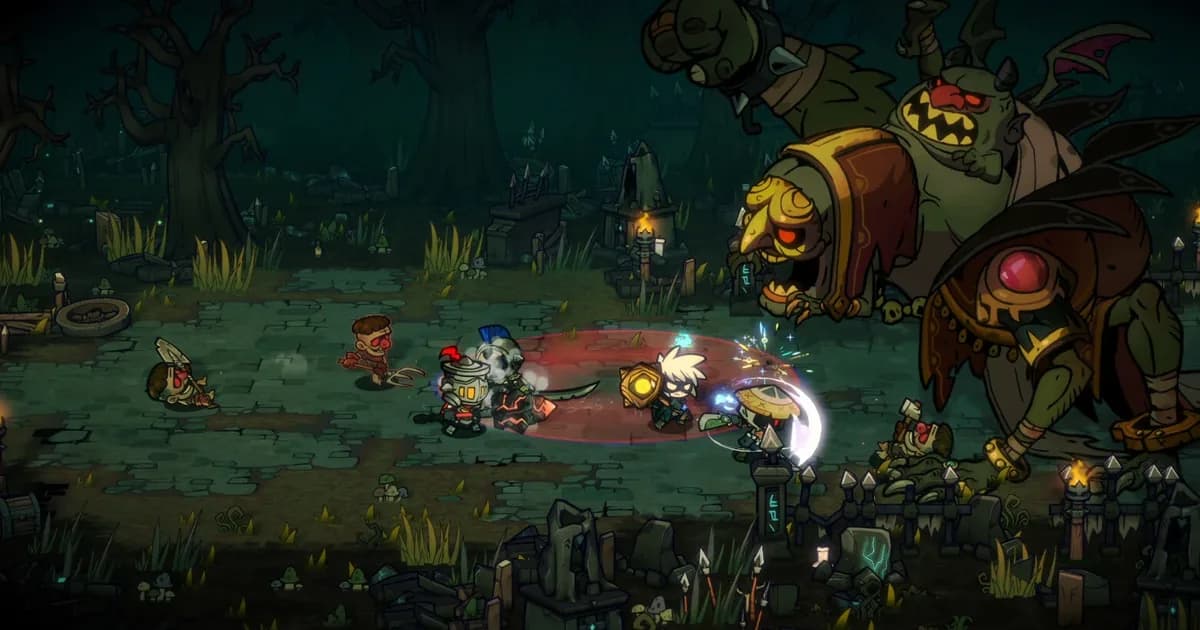
Screenshot: Steam store page. A party facing two large bosses in a graveyard stage.
Our take
Don't overthink the first run. A Two-Handed weapon on Furious Warrior teaches you how resonance timing feels, and that skill carries into every other build. When you start pushing Nightmare 4 and 5, move to the Staff and Arcane Master; nothing else gets that kind of praise in the reviews. Hunter Studio keeps rebalancing (the Bow changed in September, the staves a day after they shipped), so expect this order to shift. The game sits at Mostly Positive on Steam, and the complaints reviewers repeat are about uneven build strength at the top, which is exactly why the Staff stands out.
How we checked this
Built from Hunter Studio's Steam patch notes up to 1.0.1.3, the Magicraft update post, the Steam store page, Steam reviews and r/LostCastle, rechecked on October 20, 2026. We haven't run these builds ourselves; the calls in the table are our read of those sources.
Frequently Asked Questions
What are the nine weapon types in Lost Castle 2? Two-Handed, Dual-Blades, Katana, Phantom Lantern, Staff, Single-Handed, Turbo Lance, Musket, and Bow. Each has its own Soul Inscriptions and resonance skills.
What is the best beginner build in Lost Castle 2? A Two-Handed weapon on Furious Warrior or Ironbone Brute. The kit is small and Leap triggers falling attacks.
What is the best build for Ethereal Nightmare? The Staff on Arcane Master, the route players single out for Nightmare 5.
What did the Magicraft update add for builds? Two new staves, the Ultimate Greatsword, Jetstream No. XII, Fish Hunter and a Scion of the Lord rework. Patch 1.0.1.2 then cut the staves' drop rates.
What are Soul Stones? Modifier items socketed into Soul Inscriptions. Since 1.0.0.13 one stone can sit in several inscriptions at once.
Related Reading
- Lost Castle 2 Review: Is the 1.0 Worth It?: story completion, Ethereal Nightmare balance and the 1.0 progression rework.
- Lost Castle 2 Beginner Guide: Weapons, Build and First Run: your first run, step by step.
- Lost Castle 2 Weapons Tier List: 9 Categories Ranked: the nine categories head to head.
- Lost Castle 2 Boss Guide: All 12 Bosses and How to Beat Them: all 12 bosses in order.
- Die in the Dungeon Character Guide: a character-first build system as a counterpoint.
- Best Roguelike Games 2026: where Lost Castle 2 sits in the genre this year.
References
- Lost Castle 2 on Steam
- Lost Castle 2 official Steam news and patch notes
- Lost Castle 2 x Magicraft September Update Announcement (Hunter Studio, September 23, 2026)
- Lost Castle 2 1.0.1.2 Update Notes and 1.0.1.3 Update Notes
- Hunter Studio 1.0 launch announcement via Lv1 Gaming
- r/LostCastle: Is there a build meta in this game?
Was this guide helpful?
About the author

Systems & Economy Desk
GameBrief's byline for roguelikes, strategy and simulation. Reads patch notes, wiki tables and Steam stats and puts the numbers on the page.
- Roguelikes, strategy and simulation
- Builds, progression and economy
- Sources listed per article
Keep reading
Lost Castle 2 Review: Is the 1.0 Launch Worth It? (2026)
General · 10 min
Lost Castle 2 Weapons Tier List: 9 Categories Ranked
General · 10 min
Lost Castle 2 Beginner Guide: Weapons, Build & First Run
General · 9 min
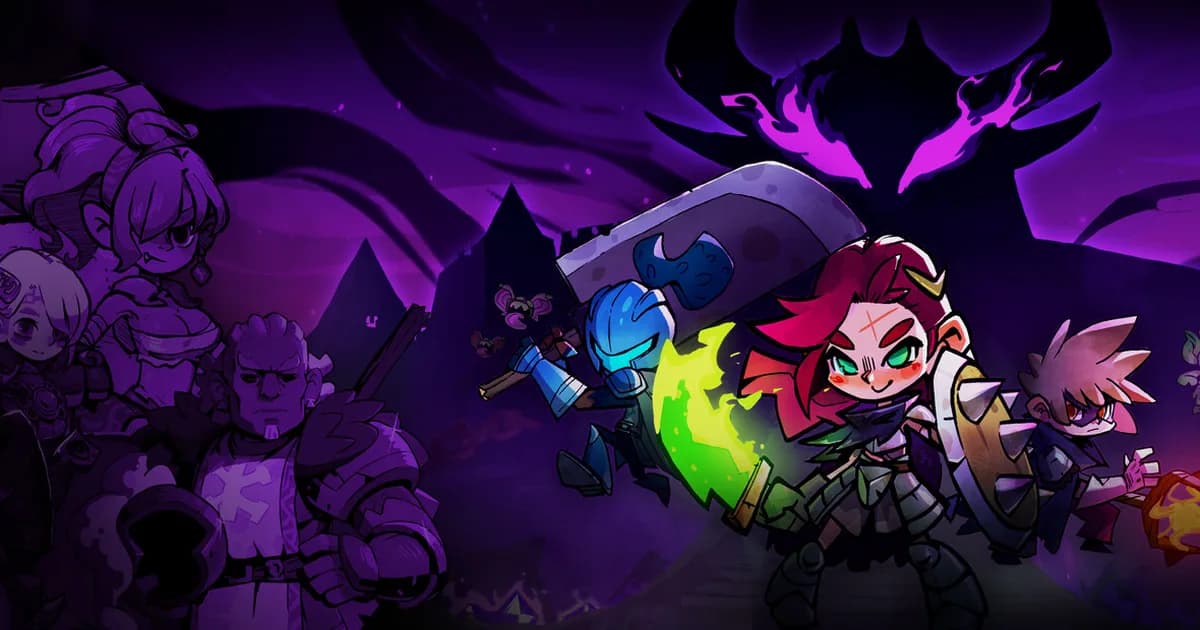
Lost Castle 2 Guide: Builds, Bosses, and Review 2026
General · 16 min
Lost Castle 2 Boss Guide: All 12 Bosses & How to Beat Them
General · 13 min
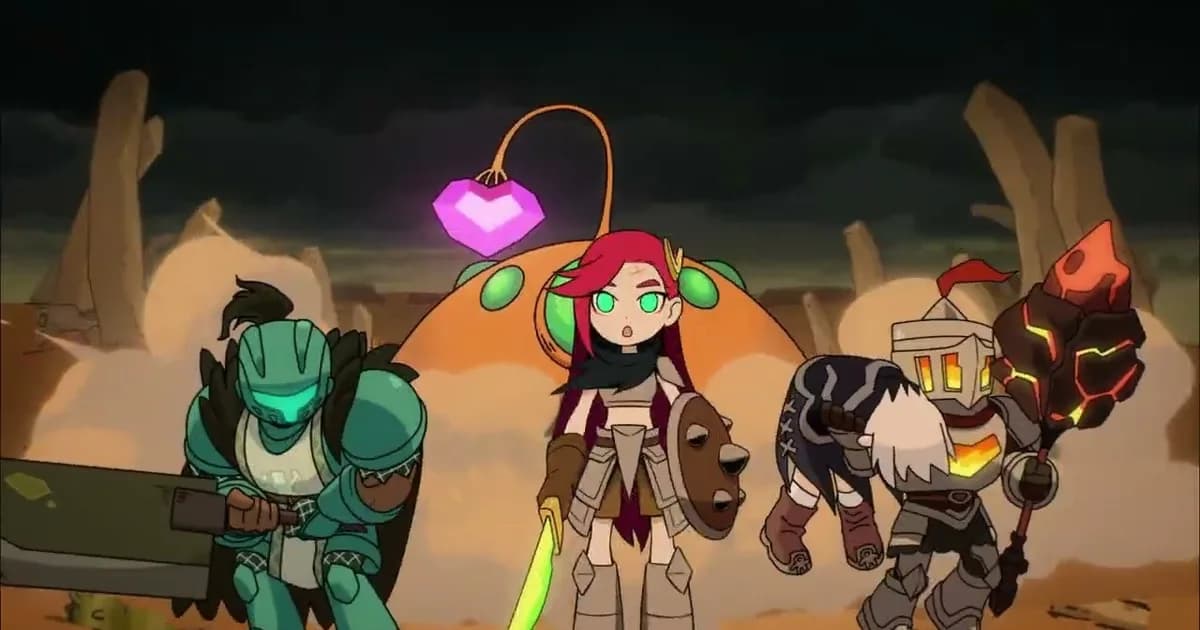
Lost Castle 2 Ethereal Nightmare Guide: All 5 Depths
General · 12 min
Sponsored
Disclaimer
This article is published for informational and entertainment purposes. It does not constitute professional financial, legal, or technical advice. Game performance, online services, patch schedules, and store listings change. Verify critical details (pricing, system requirements, regional availability) with publishers and storefronts before you buy. Affiliate links, where present, help support our editorial work and are labelled in our affiliate disclosure.
Comments
Loading comments…