
GuideDeep Rock Galactic: Rogue Core
DRG Rogue Core Classes: All 5 Reclaimers Explained 2026
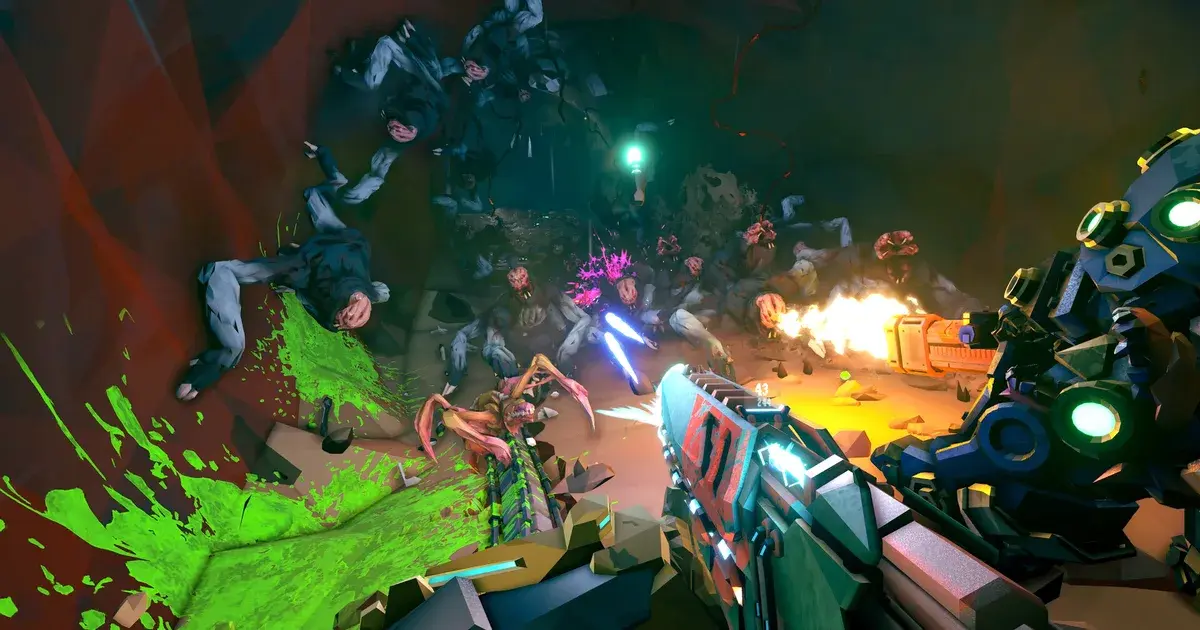
The drg rogue core classes all start with identical stats. Same health. Same movement. Same weapon damage. In Deep Rock Galactic: Rogue Core, what differentiates each Reclaimer is exactly one thing: the signature ability and the Enhancement deck you build around it over a run.
Sponsored

About the game
Deep Rock Galactic: Rogue Core
Ghost Ship Games · Ghost Ship Publishing / Coffee Stain Publishing
This guide covers each class's signature, stat breakdown, and upgrade priorities for the Early Access build (as of June 2026). If you've been playing the original DRG and wondering which Reclaimer maps closest to your playstyle, the answer is messier than a direct port, but there are rough equivalents worth considering.
TL;DR: Guardian is a forgiving crowd-control start. Slicer uses the 560-damage Slice; its class page does not document a kill-chain system. Falconer is more useful in co-op because of Remote Drone Revive. Spotter marks targets with +100% Crit Chance, and Retcon combines Rewind Time with a 12-second Rage effect. All five classes share identical base health, movement, and weapon damage.
BESTPRICE: Want Deep Rock Galactic: Rogue Core? These stores list it: Buy on Eneba → Buy on Loaded →
Which DRG Rogue Core class should I pick?
Start with Guardian. It's the most forgiving Reclaimer because Seismic Gloves create a crowd control window without requiring precise aim or positioning. In rooms where three enemies close simultaneously, a fear zone gives you time to make decisions rather than react to them.
If you've cleared 3-4 runs with Guardian and want a direct melee option, try Slicer. Its Slice ability deals 560 damage, bypasses armour, and has a base 100% chance to stun for 1.5 seconds.
Avoid Retcon and Falconer as starting classes. Retcon's two mechanics require knowing when to burn each resource, which comes from run experience. Falconer's best mechanic, the revive drone, only matters in co-op.
Sponsored

Key takeaways
- All five Reclaimers have identical base health, movement speed, and weapon damage
- Class identity comes entirely from the signature ability and your Enhancement build
- Guardian and Spotter are the easiest starting classes for solo players
- Falconer is a strong co-op option and a weaker solo fit because Remote Drone Revive needs a downed teammate; this is strategy advice, not an official tier
- Slicer is a high-damage melee option built around its 560-damage Slice
- Retcon is high floor, high ceiling; don't start here unless you enjoy theory-crafting builds
How DRG Rogue Core classes work
Before going class-by-class, one thing new players consistently miss: drg rogue core classes don't differentiate through base stats. If you strip both Guardian and Slicer of their Enhancement decks and remove their signatures, they play identically. Same health pool, same movement speed, same weapon damage number.
What changes is the signature ability and the Enhancement pool that interacts with it. Two Guardians on different Enhancement paths play significantly differently by floor six. Two classes with Enhancement decks that ignore their signatures play identically but worse.
The second thing worth knowing: the upgrade cost structure applies equally to all classes. The R.E.P.D. table starts at 120 Expenite, then lists 130, 140, 150, 165, 180, 195, 210, 225 and 240 before the later increases. The official table does not support a simple +10 progression capped at 230.
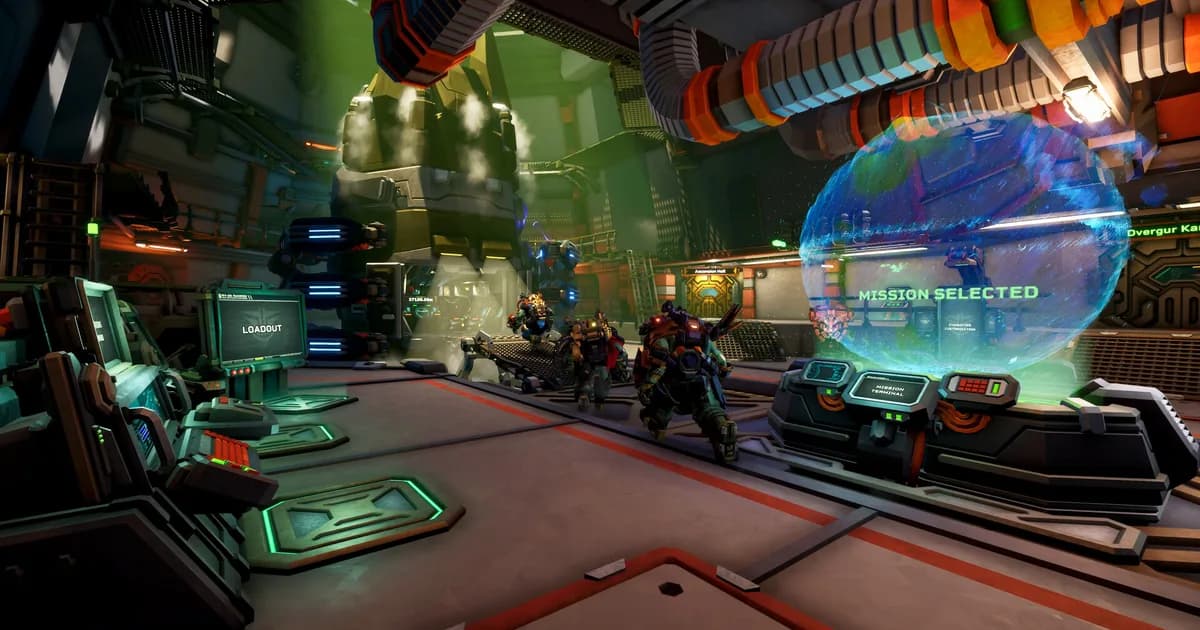
All five Reclaimers at class selection. The differences between them exist entirely at the signature and Enhancement level, not the base stat level.
What Update 01 changed for classes (June 17)
Ghost Ship's first major Early Access update, Update 01, didn't add a sixth Reclaimer. The five-class roster below is still current. What it did change is the scaffolding every class builds on, and three of those changes matter for how you read the rest of this guide.
The upgrade draft was reworked. "Skip for Health" is gone entirely, with health upgrades folded into the normal draft pool, and every option in a single draft now shares one rarity tier. Picked upgrades get replaced with fresh options instead of thinning the pool. The practical effect: you can no longer bank on skipping drafts to sustain tanky Guardian or Retcon runs, and rarity-fishing mid-draft is dead. Fourteen new Expenite upgrades landed in the pool at the same time.
The starting weapon pool shuffled. The Trident, a semi-auto energy shotgun, joined the starting options, a Corrosive Sludge Pump heavy weapon was added, and several harder-to-master weapons moved out of the starting pool to the Workbench. If a weapon recommendation elsewhere in this guide isn't showing up on a fresh save, check the Workbench before assuming it's gone.
Update 01 also added Assault Pace selection (Cautious, Standard, or Reckless, trading time pressure against XP) and a new flying enemy, the Voidkin Drifter, which pressures the ground-targeting playstyles Spotter leans on. Full notes are on the official Steam patch notes.
Guardian class guide
Signature: Seismic Gloves
Signature stats: Repulsion Field creates a 4-second fear zone. Concussive Barrage is a separate mode with 12 munitions; each blast stuns hit enemies for 6 seconds.
Guardian is crowd control. You use Seismic Gloves' Repulsion Field fear mode or Concussive Barrage direct-hit stun mode to create a control window, then deal damage during it. Against dense wave rooms, choosing the correct mode matters more than treating the ability as an automatic freeze.
The verified Workbench path is Force Blast Amplifier, Overclocked Stun Modules, Salvo Augmentor, Pressure Waves, and Repulsion Field Booster. These options improve the separate barrage and fear-field modes; choose the one that matches the mode you actually use instead of treating the ability as a single 12-charge pool.
Skip damage multipliers that don't interact with the Seismic Gloves mechanic. Guardian's weapon damage isn't the point, and investing picks there wastes slots that would extend the crowd control advantage.
Guardian works in both solo and co-op. Solo, the crowd-control modes make encounters more manageable. Co-op, the fear and stun tools give squadmates space to operate. If you're coming from the original DRG and want a defensive support feel, Guardian is the closest match.
GODEEPER: How the verified Guardian Workbench options interact with its separate fear and stun modes. DRG Rogue Core Upgrade Progression Guide →
Slicer class guide
Signature: Plasma Blade
Signature stats: Slice has a 20-second cooldown, deals 560 damage, bypasses armour, and has a base 100% chance to stun for 1.5 seconds.
Slicer is pure melee offense. The 560 damage is a strong direct hit, and the Slice bypasses armour. Positioning still matters because the class must use melee range, but the official class page does not describe a separate kill-chain mechanic.
The positioning requirement comes from melee range and the Slice's horizontal attack. A corridor can make lining up the hit easier, while a room with enemies approaching from multiple directions is more dangerous. Do not treat a sequential-kill chain as a documented Slicer mechanic.
Prioritize upgrades that improve the Slicer's direct melee damage, Slice range, or Slice utility. The official Slicer page names Thermal Wake, Eclipse System, Blade Recalibration, and Tempered Core as Workbench Ability Upgrades; it does not list kill-chain extensions or chain-trigger reductions.
Fully built, a Slicer clears rooms faster than any other class. Half-built, it underperforms. That's the Slicer deal: the ceiling is genuinely higher, but bad Enhancement draws hurt more than they do on other classes.
Falconer class guide
Signature: Shock Drone
Signature stats: 5 charges, with each charge replenishing in 10 seconds. A Shock Drone barrage fires 4 projectiles: 35 damage on a direct hit and 25 damage to other enemies in its area. It also applies electrocution and can revive a downed squadmate.
Falconer has two functions: electrocution and revive. In co-op, the revive capability changes run outcomes in ways nothing else in the Enhancement pool can match. A downed squadmate who would have ended a run can be brought back by Remote Drone Revive. At higher floors where one death often starts a cascade, that matters a lot.
The electrocution damage is useful but not exceptional against dedicated damage classes. The official class page documents the Shock Drone's 4-projectile barrage, 35 direct-hit damage, 25 area damage, stun/electrocution, and the named Workbench options Expanded Battery Capacity, Fledgling Blitz, AMP Relay Booster, and Talon Surge. It does not document the former Arc Enhancement or a chain-sharing rule.
Upgrade priorities are charge and projectile uptime. The 10-second replenishment baseline means Falconer's charge economy is tight across a full floor; the named Workbench options are the authoritative class-specific choices, while other damage/uptime advice is strategy.
This is the biggest solo/co-op gap among the five classes. Solo, Falconer's revive is irrelevant and the electrocution damage isn't specialized enough to compete with Guardian or Slicer. In a four-player group, Falconer is a strong option for keeping the squad alive through the full descent. “Strongest” is a strategy ranking, not a documented class property; play it for Remote Drone Revive and its verified electric kit rather than an invented tier rule.
Spotter class guide
Signature: Crit Darts
Signature stats: 3 charges, with an 18-second cooldown per charge. A direct Crit Dart mark lasts 5 seconds and grants +100% Crit Chance against the marked enemy; a ground shot creates a 10-second zone.
Spotter marks targets with Crit Darts, granting +100% Crit Chance against the marked enemy for the mark duration. In co-op, every squadmate attacking that target can benefit from the same mark; the source does not describe it as a blanket guaranteed-crit or damage-doubling effect.
The value scales with focus fire because multiple squadmates can use the same marked target or zone. Do not turn that strategic value into a blanket damage-doubling or guaranteed-critical rule.
Mark duration and charge count are the upgrade priorities. Extended mark duration increases how many actions each squad member takes during the crit window. Additional charges let Spotter mark more targets simultaneously in multi-group encounters instead of waiting on cooldown.
Solo Spotter works fine. The multiplier is lower with only one player benefiting from marks, but Crit Darts are still strong against single high-health targets where concentrating fire matters. It's just a less dramatic difference from other classes than in co-op.
Retcon class guide
Signature: Time Rewind + Rage
Signature stats: Rewind Time lasts up to 20 seconds and has a 75-second cooldown; it returns location, ammo, health, and armour to their pre-activation values. Full Rage grants +100% damage and +30% Pickaxe Speed for 12 seconds.
Retcon has a more involved kit because using both mechanics correctly requires reading fights as they happen. Rewind Time is a safety valve that restores the recorded state; Rage is an offensive window that lasts 12 seconds once full.
The two mechanics support different priorities. A Rage-focused build values damage and Rage uptime, while a Rewind-focused build values ability duration and cooldown support. The official class page confirms the base abilities and named Workbench upgrades; it does not document a generic second Rewind charge as a baseline mechanic.
Pick a direction by Rare tier and commit. The common mistake is two Rage picks and one Rewind pick and then wondering why the class feels unfinished.
Retcon is the right choice if you enjoy solving a build puzzle run-to-run and you're comfortable with the fact that bad Enhancement draws will hurt more than they would on other classes. If you're not sure, play Guardian for a few runs first. Retcon rewards the experience.
Retcon with Rage active. The 12-second Rage window is one of the class's defining timing decisions.
Which class is best for solo vs co-op
The following are strategy rankings for the verified kits, not an official tier list. They should not be read as additional class mechanics.
Solo tier (survivability and output without squadmates):
- Guardian: stun control makes rooms manageable without coordination
- Slicer: high direct-melee ceiling when its route is built well
- Spotter: crit marks work solo, lower multiplier without squadmates
- Retcon: viable but requires experience to use both mechanics correctly
- Falconer: weakest solo due to revive function being irrelevant
Co-op tier (contribution to a four-player squad):
- Falconer: Remote Drone Revive can prevent a downed teammate from ending a run
- Spotter: Crit Chance support can benefit coordinated squad fire
- Guardian: stun zones benefit the whole squad's spacing
- Slicer: direct melee damage is high but close-range positioning is demanding
- Retcon: its rewind and Rage timing rewards experience
GODEEPER: Once you know which class fits your playstyle, the next question is which four classes to actually run together. DRG Rogue Core Co-op Team Builds →
The mistake that ends most first runs per class
Knowing what each class gets wrong in the first few runs is more useful than knowing what they do right. The classes aren't hard to understand in theory. They're hard to execute in specific scenarios.
Guardian: Burning Seismic Gloves too early, before enemies cluster. The fear zone's value is in controlling multiple enemies simultaneously. Players who activate on the first enemy that comes through a door get one crowd-controlled target instead of four. Guardian's temptation is using the signature as soon as you feel threatened. The discipline is waiting for the room to commit, then activating when there are at least three enemies in range. If you're using Seismic Gloves in every room within the first three uses, you're activating too early.
Slicer: Taking a melee class into a room with enemies approaching from several directions without planning an exit. The Slice hits hard, but it is still a close-range tool; use corridors and controlled approaches to reduce exposure.
Falconer: Spending all charges without accounting for the 10-second replenishment time. The Shock Drone's barrage has 4 projectiles with 35 direct-hit damage and 25 area damage; the official Workbench list names Expanded Battery Capacity, Fledgling Blitz, AMP Relay Booster, and Talon Surge.
Spotter: Applying Crit Darts to low-value targets. The mark grants +100% Crit Chance for five seconds, so it is most useful on an enemy your squad can focus during that window.
Retcon: Using Time Rewind to recover from bad positioning rather than saving it for hits that would end the run. Time Rewind has a cooldown. Players who trigger it whenever they take damage quickly find themselves without the ability when a large hit lands. The mechanic's purpose is to negate the hits that would otherwise cascade into a death: the big burst, the combo that leaves you at critical health. Using it on chip damage means it's cooling down when you actually need it. Hold Rewind for moments where you'd otherwise be asking "do I lose this run?" Not for every scratch.
Tips for drg rogue core classes
Choose your first class based on patience for failure. Guardian and Spotter tolerate early mistakes. Slicer and Retcon punish them.
If you're in co-op and someone picks Falconer, don't also pick Falconer. One revive drone is a strong safety net. Two revive drones are redundant because only one teammate can be down at a time while the others are reviving.
The Enhancement pool rolls randomly each event. If your ideal class-specific Enhancement doesn't appear by floor four, adjust your plan toward what has appeared rather than waiting for a specific pick that may not show up.
Cooper, the AI companion in solo runs, draws its own upgrade options at each event. This doesn't mean solo has the same Enhancement concentration as two-player co-op, but it does mean Cooper's deck evolves alongside yours. A Falconer running solo with a Cooper that drew electrocution Enhancements is more viable than it sounds.
Related Reading
- DRG Rogue Core Complete Guide Hub: Hub for all Deep Rock Galactic Rogue Core guides, including class overviews, the upgrade loop, and how it compares to the original.
- DRG Rogue Core Upgrade Progression Guide 2026: Full breakdown of the Expenite economy, Enhancement tiers, and verified per-class upgrade options.
- DRG Rogue Core vs Deep Rock Galactic: What Actually Changed: If you're coming from the original DRG and wondering what carried over, this covers the differences in detail.
- DRG Rogue Core Roadmap 2026: Ghost Ship's confirmed EA roadmap, what's planned for additional classes or class adjustments.
- Sunderfolk Rogue Guide: Stealth Builds and Tips 2026: Sunderfolk Rogue guide: C tier for most players, technically powerful for experienced ones. Stealth, flanking mechanics, and when....
- DRG Rogue Core Slicer Build: 560-Damage Slice: DRG Rogue Core Slicer build: how to use the 560-damage Slice, its armour bypass, and the enhancement....
- DRG Rogue Core Falconer Build: The Co-op Anchor Class: DRG Rogue Core Falconer build: the Shock Drone, the Thunder Rod electric zone, the in-run revive, and why....
- DRG Rogue Core Guardian Build: Seismic Crowd Control: DRG Rogue Core Guardian build: the Seismic Gloves stun zone, the enhancement priority that makes it shine, and....
- DRG Rogue Core Spotter Build: Crit Darts on the Ground: DRG Rogue Core Spotter build: why you shoot the ground not the enemy, the Critical Splash and Potent....
- DRG Rogue Core Retcon Build: The Rewind-Rage Tank Loop: DRG Rogue Core Retcon build: how Rewind Time restores the recorded state and how the 12-second Rage window works,....
- DRG Rogue Core Team Compositions: Best Co-op Squads 2026: DRG Rogue Core team compositions: which Reclaimers to bring, how pick order affects Enhancement pools,.
References
- Deep Rock Galactic: Rogue Core on Steam: official store page, patch notes, developer announcements
- r/DeepRockGalactic: community discussion, class tier lists, Enhancement deck optimization
- Deep Rock Galactic: Rogue Core is $29.99 on Steam with no discount right now. Loaded (sponsored) lists the same key at $27.89.
Frequently asked questions
What are the drg rogue core classes? Five Reclaimer classes at Early Access launch: Guardian (crowd control via Seismic Gloves), Slicer (the 560-damage Slice), Falconer (Shock Drone with electrocution and revive), Spotter (Crit Dart marks), and Retcon (Rewind Time and Rage). All share identical base health, movement, and weapon damage.
Which DRG Rogue Core class is best for beginners? Guardian. Repulsion Field creates a 4-second fear zone; Concussive Barrage is a separate 12-munition mode whose direct hits stun for 6 seconds. New players have time to make decisions rather than react under pressure. Slicer has direct melee damage but demands close-range positioning.
Is Falconer good for solo play? Falconer's most impactful mechanic is the revive drone, which has no downed teammate to target in solo play. The electrocution damage works solo, but choosing Falconer over Guardian or Slicer in solo is a strategy preference. In co-op, Remote Drone Revive makes Falconer a strong support option for preventing cascade failures.
What does Slicer's ability do? Slice deals 560 damage, bypasses armour, and has a base 100% chance to stun for 1.5 seconds. It has a 20-second cooldown. The official class page does not document a separate kill-chain system.
What makes Retcon different? Retcon has Rewind Time (a 20-second state with a 75-second cooldown) and Rage (+100% damage and +30% Pickaxe Speed for 12 seconds when full). These create distinct offensive and defensive timing decisions. The class requires run experience, so it is not the simplest start.
Do all DRG Rogue Core classes have the same base stats? Yes. All five Reclaimers share identical base health, movement speed, and weapon damage. Differentiation is entirely the signature ability and the Enhancement deck built around it.
Can I change class mid-run? No. Class selection happens before the run at the RV-09 Ramrod hub. Once the descent starts, your Reclaimer is locked. Enhancement decks reset after every run regardless of outcome.
Was this guide helpful?
About the author

Systems & Economy Desk
GameBrief's byline for roguelikes, strategy and simulation. Reads patch notes, wiki tables and Steam stats and puts the numbers on the page.
- Roguelikes, strategy and simulation
- Builds, progression and economy
- Sources listed per article
Keep reading
DRG Rogue Core Team Compositions: Best Co-op Squads 2026
General · 9 min
DRG Rogue Core Roadmap 2026: 3 Priority Fixes Confirmed
Guides · 17 min
DRG Rogue Core Slicer Build: The 560-Damage Plasma Blade
Guides · 8 min
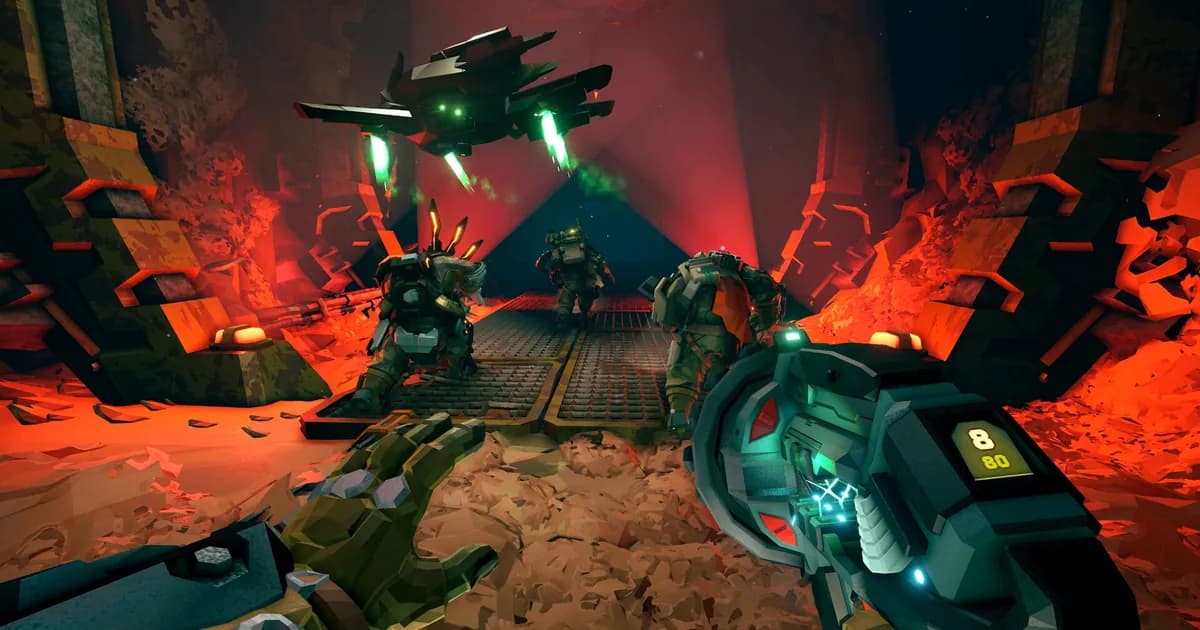
DRG Rogue Core Falconer Build: The Co-op Anchor Class
Guides · 8 min
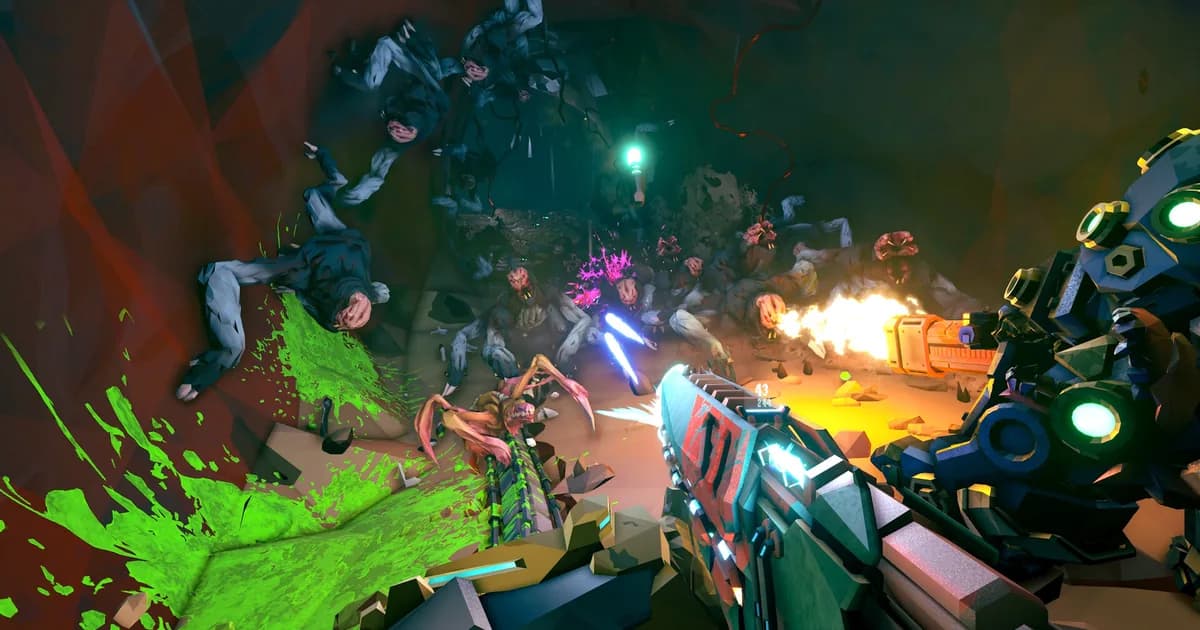
DRG Rogue Core Guardian Build: Seismic Crowd Control
Guides · 8 min
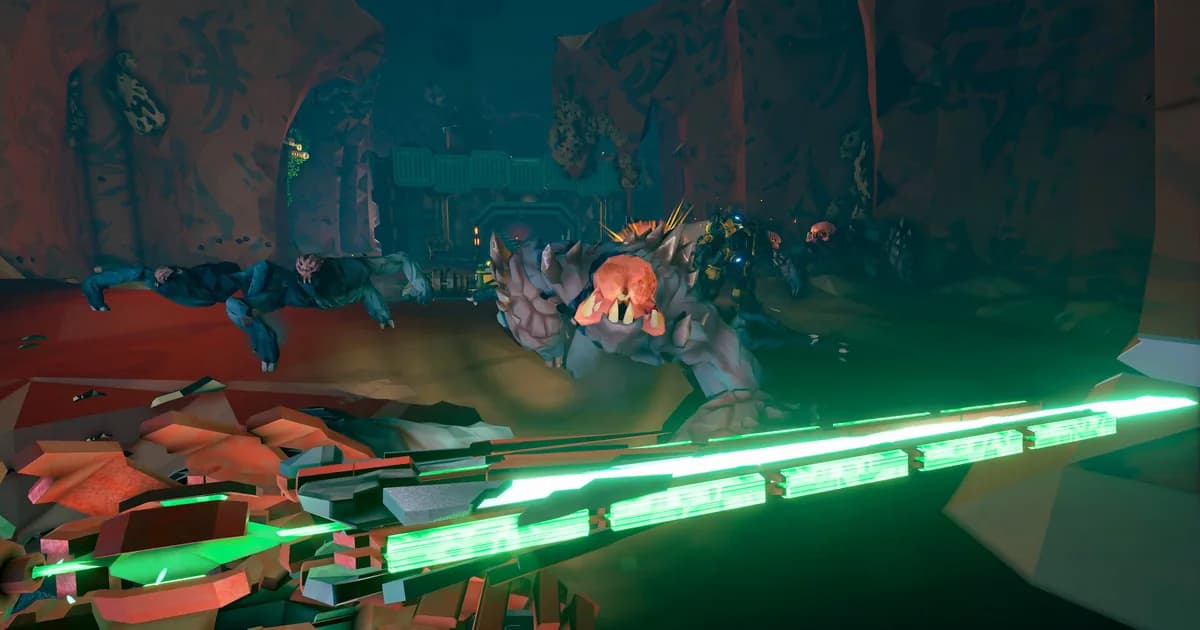
DRG Rogue Core Spotter Build: Crit Darts on the Ground
Guides · 8 min
Sponsored
Disclaimer
This article is published for informational and entertainment purposes. It does not constitute professional financial, legal, or technical advice. Game performance, online services, patch schedules, and store listings change. Verify critical details (pricing, system requirements, regional availability) with publishers and storefronts before you buy. Affiliate links, where present, help support our editorial work and are labelled in our affiliate disclosure.
Comments
Loading comments…