
GuideDeep Rock Galactic: Rogue Core
Deep Rock Galactic Rogue Core Beginner Guide: 2026
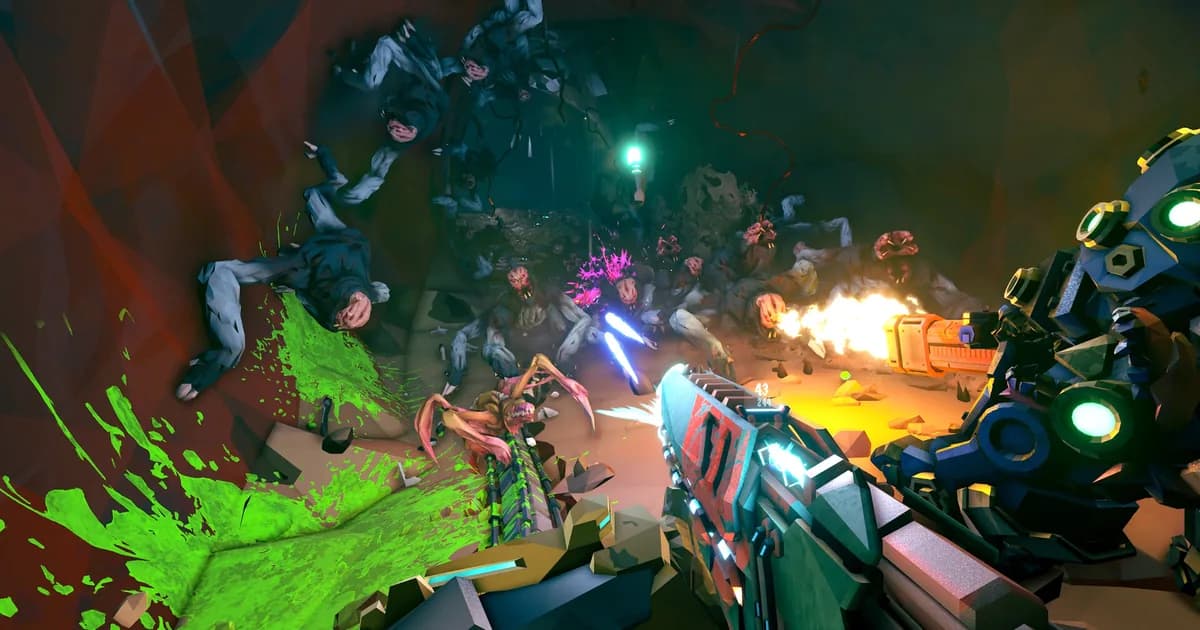
About the game
Deep Rock Galactic: Rogue Core
Ghost Ship Games · Ghost Ship Publishing + Coffee Stain Publishing
Deep Rock Galactic Rogue Core beginner runs tend to end the same way: not from a difficult boss fight or an overwhelming enemy swarm, but from spending Expenite at the wrong time and arriving at a floor mid-descent with an underpowered build and no recovery path. The currency curve is steeper than it looks, and the class you picked may be well-suited to co-op but punishing in the solo context you're actually playing in.
This guide covers what to actually do in your first five runs: class selection, the Expenite cost curve, how Cooper works as a solo companion, and what the descent structure asks of you that the original Deep Rock Galactic never did.
TL;DR: Pick Slicer for a direct-melee solo route, remembering that it needs close-range positioning. Pick Falconer for co-op if Remote Drone Revive fits your squad. The R.E.P.D. table starts at 120 Expenite, then 130, 140, 150, 165, 180, 195, 210, 225, 240 and continues upward. Cooper gets a secondary upgrade row in solo sessions. Don't overspend Expenite while learning the first floors.
Deep Rock Galactic Rogue Core beginner guide: quick answer
Pick Slicer for a direct-melee solo start, Falconer for co-op support, and Cautious Assault Pace while you learn the upgrade loop. Update 2 makes Threat Level the enemy-pressure setting, Assault Pace the timer setting, and Depth the content-progression setting.
- Deep Rock Galactic Rogue Core beginner class recommendation: Slicer for solo, Falconer for co-op
- First upgrade costs 120 Expenite; the official table then moves through 130, 140, 150, 165, 180, 195, 210, 225, 240 and higher values
- Runs start from zero equipment; permanent progress is handled by separate account-level systems rather than the temporary Expenite deck
- Cooper (AI companion) gets a secondary upgrade row in solo sessions
- The official enemy roster includes Corespawn variants, Voidkin, Rafkan, Shatterclaw, and other named encounters
- Update 2 separates difficulty from Depth: Threat Level controls enemy pressure, Assault Pace controls the timer, and Depth gates content such as bosses and biomes
Deep Rock Galactic Rogue Core beginner class selection
Five Reclaimer classes are available at launch. For a Deep Rock Galactic Rogue Core beginner, the choice matters more than it might seem: Rogue Core doesn't give you time to reconsider mid-descent. You commit when you pick.
Slicer is a direct-melee option for solo players. The Plasma Blade deals 560 melee damage per swing, the highest single-strike number in the current class set. It does not require teammate coordination, but it does require close-range positioning and safe approaches. Damage is immediate and the floor-to-floor feedback loop is clear enough that even a partially upgraded Slicer can get through early floors before you've internalized the full upgrade tree.
Falconer is a co-op pick. The Shock Drone has 5 charges with 10-second replenishment; each barrage fires 4 projectiles for 35 direct-hit damage and 25 area damage, and the class has Remote Drone Revive. More than the damage numbers, Falconer has a support toolkit that functions well in a four-player run.
The other three classes reward experience with Rogue Core's specific systems:
- Guardian (Seismic Gloves): Repulsion Field creates a 4-second fear zone, while Concussive Barrage is a separate 12-munition mode whose direct hits stun for 6 seconds. Good for co-op when you know the floor patterns.
- Spotter (Crit Darts): applies +100% critical hit chance to targets for 5 seconds. Strong in co-op where teammates can capitalize on the window. In solo, functional but slower to pay off.
- Retcon: Time Rewind restores the recorded position, ammo, health, and armor after up to 20 seconds; full Rage grants +100% Damage and +30% Pickaxe Speed for 12 seconds. High learning curve, because both abilities require timing.
GODEEPER: For a breakdown of all five classes including ability interactions and upgrade synergies tested before EA launched, see the Deep Rock Galactic: Rogue Core pre-launch guide →
Class choice matters more in Rogue Core than in the base game: passives stack differently.
Which Assault Pace should a beginner pick? (Update 01)
Update 01 (June 17) added a second choice at the Mission Map, alongside class selection: Assault Pace. You pick Cautious, Standard, or Reckless before each run, and the pick trades completion time against mission XP.
Pick Cautious for your first several runs. Standard is tuned around players who already know floor layouts and enemy timing, and Reckless raises time pressure further on top of that. A beginner's real bottleneck in the first five runs is learning what upgrade events look like and how fast Expenite yield actually is, not clearing floors quickly. Cautious buys the time to make that read without the clock forcing a decision. Move up to Standard once you're reliably finishing runs on Cautious without dying to a floor you didn't see coming.
How Expenite works
Expenite is the mineral currency you mine on each floor and spend at the R.E.P.D. to buy upgrades. The cost structure is what catches most players off-guard early.
The first upgrade costs 120 Expenite. The official table then lists 130, 140, 150, 165, 180, 195, 210, 225, 240, 255, 270, 285, 300 and later increases. There is no verified 230 cap. The early floors are where the pricing is friendliest. A common mistake is skipping the first upgrade opportunity because the specific upgrade on offer doesn't look exciting.
In a normal four-player co-op event, each player sees four options, with selection order randomized. The official Upgrades page lists three options for 1-3 players and four for 4 players; Jumble is a separate exception. Solo play pairs you with Cooper, the AI companion: Cooper takes a secondary upgrade when you make a selection. You can't control what Cooper picks, but the extra upgrade volume helps close the gap between solo and co-op progression pace.
In your first run: take the first upgrade on the first floor that offers it. 120 Expenite is the cheapest it gets. Don't sit on the currency waiting for something better.
Update 01 removed the old "Skip for Health" option from upgrade drafts entirely, and health upgrades now show up in the normal rotation with everything else. Picking an upgrade replaces it with a fresh option rather than thinning the pool, and every option in one draft now shares a single rarity tier: you won't see a Common and a Legendary side by side anymore. Practical effect for a beginner: there's no longer a way to bank a draft for later, so evaluate each one on its own terms as it appears.
The descent structure: what changes from original DRG
If you're coming from the original Deep Rock Galactic, the structural difference is sharper than it seems from the store description.
Original DRG: you enter a mission with a fully equipped loadout, complete an objective, and call the drop pod for extraction. Your loadout is persistent. You don't lose it between missions.
Rogue Core: each run starts from nothing. Basic equipment only. You build your kit floor-by-floor using Expenite upgrades. When a run ends (by death or by completing the descent) the in-run upgrades are gone. Permanent progression is separate; the official pages checked for this guide document Reclaimer Enhancements and Merits, not a complete Security Clearance/Promotions system.
The descent is a series of procedurally assembled floors. Update 2 makes Threat Level the explicit difficulty setting: it changes enemy count, swarm frequency, health, movement, aggression, and damage. Assault Pace changes the timer, while Depth governs content access. The official roster is broader than the three-name launch shorthand sometimes repeated in community summaries, so use the current mission UI rather than an invented fixed floor-by-floor table.
One structural consequence: a bad upgrade selection on floor two compounds through the rest of the run. There's no late-game catch-up mechanic from accumulated loadout power. What you've built by mid-descent is close to what you'll finish with.
The mining objective loop is how you fund the run: ignoring it makes mid-run upgrades unreachable.
Step-by-step: first five runs for a Deep Rock Galactic Rogue Core beginner
1. Observe before optimizing: Pick Slicer and learn when upgrade events happen, what Expenite yield looks like per floor, and roughly how deep you can get before the run falls apart. Die without guilt. The run costs nothing except time, and the floor layout patterns stick.
2. Take the first upgrade early: Take the first upgrade at the first event available. Test that instinct against your run-one experience. The gap between taking an upgrade early and holding Expenite for later is usually two floors of survivability.
3. Compare a different class: Switch classes. Falconer in co-op shows you what a support kit feels like, while Guardian shows how area control changes fight pacing compared with burst damage. You do not need to win this run. You need the comparison data.
4. Read the upgrade screen: Be deliberate about upgrade selection. The Plasma Blade at 560 damage is already high. Upgrades that add attack speed or elemental effects often outperform raw damage bonuses when the base stat is already strong. Pay attention to what the screen actually offers rather than what sounds powerful in the abstract.
5. Raise pressure carefully: Raise the Threat Level only after your build is stable. Higher Threat Levels increase enemy pressure directly, and the difference between a build that compounds well and one that drifts becomes hard to ignore without pretending Depth itself is the difficulty slider.
GODEEPER: For context on how Rogue Core compares to other early access roguelites available in May 2026, see the best early access games worth buying roundup →
Meta-progression: what the official pages document
Everything above happens within individual runs. Between runs, separate account-level progression carries forward; the official pages checked for this sweep document Reclaimer Enhancements purchased with Merits.
Do not infer a named Security Clearance or Promotions unlock tree from the original DRG. The verified permanent system used in this guide is Reclaimer Enhancements: the official loadout page says Merits purchase new Enhancements and additional Enhancement slots. Treat any further account-level unlock table as version-sensitive until an official page documents it.
Tips for the Deep Rock Galactic Rogue Core beginner's first few hours
Mine everything on floor one. Enemy pressure is lowest there, Expenite yield is lowest there, and the habit of thorough mining on accessible floors pays off when late-descent floors are too dangerous to clear slowly.
Watch Cooper's upgrade selections in solo runs. You can't control what the AI picks, but the selections aren't random: they reflect the game's assessment of high-value upgrades for your current build state. Useful reference while you're still learning what matters.
Don't treat Artifact-tier upgrades as goals. Read the current Artifact tooltip and compare its actual tradeoff with your run; the checked sources do not verify every community-described Artifact name or modifier. In your first several runs, high-rarity options require build understanding that you won't have yet.
The original DRG's mechanical knowledge doesn't transfer much: cave layouts, dwarven attitude, and the general sense of "mine rock, shoot bugs" do. The mission-structure logic, loadout optimization, and threat-scaling instincts from the original are different enough that they can actively mislead you early. Treat Rogue Core as a new game using a familiar setting.
For the full pre-launch mechanic breakdown (all five classes, the upgrade economy in detail, and Ghost Ship's EA scope statement) see the Deep Rock Galactic: Rogue Core pre-launch guide. The Deep Rock Galactic Rogue Core EA launch news covers what's in the live build and Ghost Ship's roadmap statement from today.
Related Reading
- DRG Rogue Core Upgrade Guide: Expenite, Tiers, Best Picks: DRG Rogue Core upgrade guide: Expenite economy, all 6 tiers explained, best Artifact picks, and
- Deep Rock Galactic Rogue Core Pre-Launch Guide: Every confirmed mechanic before EA opened: all 5 classes, the upgrade economy, and what Ghost Ship changed from the original.
- Deep Rock Galactic Rogue Core Complete Guide Hub: Hub linking all Rogue Core guides including class breakdowns, co-op tips, and the roguelite upgrade loop.
- Die in the Dungeon Review: Another 2026 dice-building roguelite with a run-from-scratch structure and similar learning curve investment.
- DRG Rogue Core Falconer Build: The Co-op Anchor Class: DRG Rogue Core Falconer build: the Shock Drone, the Thunder Rod electric zone, the in-run revive, and why....
- DRG Rogue Core Guardian Build: Seismic Crowd Control: DRG Rogue Core Guardian build: the Seismic Gloves stun zone, the enhancement priority that makes it shine, and....
- DRG Rogue Core Team Compositions: Best Co-op Squads 2026: DRG Rogue Core team compositions: which Reclaimers to bring, how pick order affects Enhancement pools,.
- DRG Rogue Core Classes: All 5 Reclaimers Explained 2026: DRG Rogue Core classes: 5 Reclaimers, each with a unique signature and upgrade path.
- DRG Rogue Core vs Deep Rock Galactic: What Actually Changed: DRG Rogue Core vs Deep Rock Galactic: extraction loop gone, 5 new classes, roguelite meta-progression.
References
- Deep Rock Galactic: Rogue Core on Steam
- Ghost Ship Games official site
- DRG Rogue Core complete guide hub: all five classes, the roguelite loop, co-op composition, and every guide in the cluster
Frequently asked questions
Which class should a beginner pick in Deep Rock Galactic: Rogue Core? Slicer is a reasonable starting class for solo players who are comfortable with close-range positioning. Its Plasma Blade deals 560 damage per swing and does not require teammate coordination. Falconer is a strong co-op pick because the Shock Drone supports revives and crowd control without demanding tight aim.
How does Expenite work in Rogue Core? Expenite is the in-run mineral currency. You deposit it into the R.E.P.D. to purchase upgrades. The official table starts at 120, then 130, 140, 150, 165, 180, 195, 210, 225, 240 and continues upward. Prioritize upgrades early when the cost curve is manageable.
What is the Cooper AI companion in Rogue Core? Cooper is the AI companion for solo play. In solo sessions, Cooper takes a secondary row of upgrades during each selection event, matching the rarity tier available to you. This gives the solo experience some approximation of the dual-player upgrade volume without a human partner.
What is the descent structure in Rogue Core? Rogue Core is a floor-by-floor descent through a procedurally assembled cave system. You start each run with base equipment and build your kit from upgrades purchased with Expenite. Runs end either by death or by completing the descent. There are no extraction missions or drop pod escapes, unlike the original DRG.
What is meta-progression in Rogue Core? Permanent progression is separate from in-run Expenite upgrades. The official loadout page documents Reclaimer Enhancements purchased with Merits; it does not provide a verified Security Clearance or Promotions unlock table for Rogue Core.
How many enemy types are in Rogue Core at launch? The official roster is broader than the three-name shorthand: it includes Corespawn variants, Voidkin, Rafkan, Shatterclaw, and other listed encounters. Use the current mission roster rather than a fixed launch count.
Is Rogue Core harder than the original Deep Rock Galactic? The roguelite structure makes Rogue Core harder by design during your first several hours. You start each run with nothing, so early floors demand careful resource conservation. Original DRG lets you bring a fully built loadout into every mission. Rogue Core's difficulty is front-loaded within each run, not fixed by mission type.
What Assault Pace should a beginner pick in Rogue Core? Cautious. Update 01 added three pace options (Cautious, Standard, Reckless) that trade completion time against mission XP. Cautious gives new players the time to learn upgrade events and enemy patterns without a tighter clock forcing rushed decisions.
Was this guide helpful?
About the author

Critical game theorist with a background in film criticism. Writing for print and digital outlets since 2015. Specialises in genre analysis and design heritage.
- Background in film criticism
- 10 years games coverage
- Genre theory and design history specialist
Keep reading
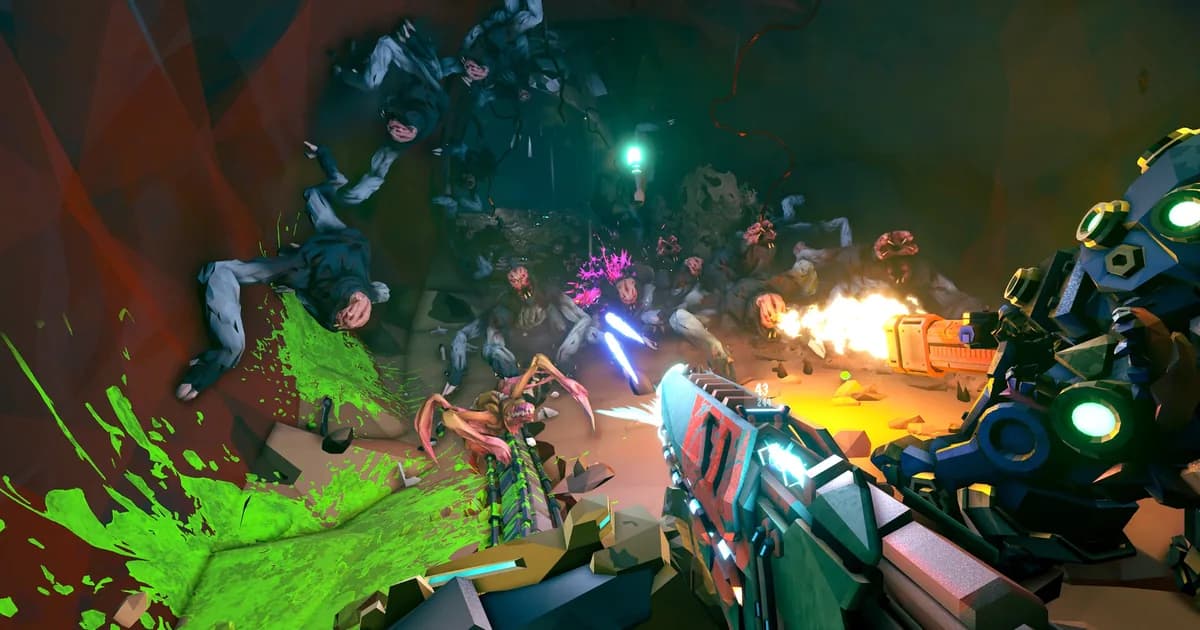
Deep Rock Galactic Rogue Core Co-op Team Guide 2026
General · 9 min
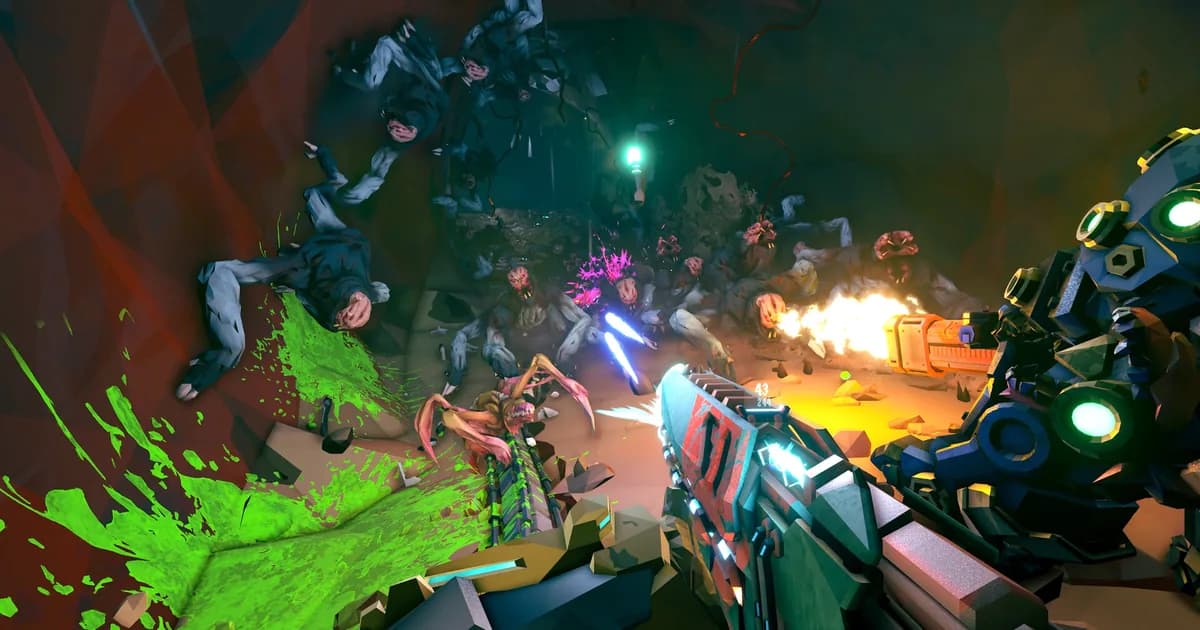
DRG Rogue Core vs Deep Rock Galactic: What Actually Changed
Guides · 10 min
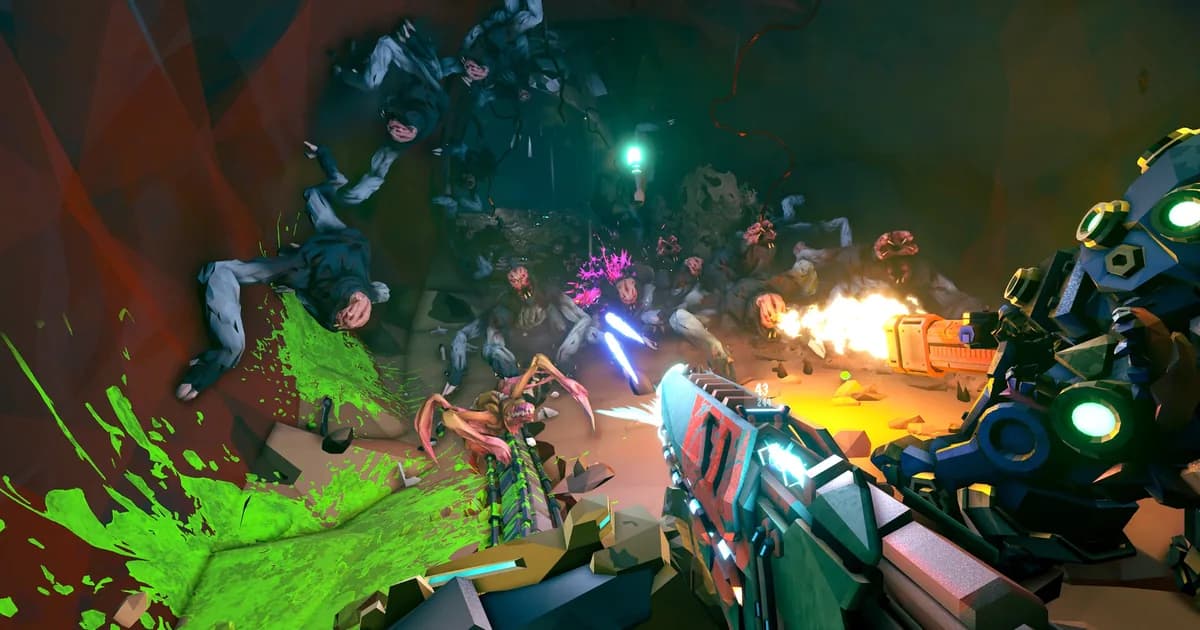
Deep Rock Galactic Rogue Core Guide: All 5 Classes 2026
Guides · 15 min
DRG Rogue Core Upgrade Guide: Expenite, Tiers, Best Picks
General · 11 min
LegionBound Adventure Mode Guide: 5 Steps to Clear
Guides · 16 min
LegionBound Endbringer Guide: When to Fight and How to Win
Guides · 9 min
Game deals · affiliate links

Disclaimer
This article is published for informational and entertainment purposes. It does not constitute professional financial, legal, or technical advice. Game performance, online services, patch schedules, and store listings change. Verify critical details (pricing, system requirements, regional availability) with publishers and storefronts before you buy. Affiliate links, where present, help support our editorial work and are labelled in our affiliate disclosure.
Comments
Loading comments…