
NewsRune Dice
Rune Dice Classic Mode: All 3 Locations in One Run
Rune Dice Classic Mode announced May 21 by developer Oleksii. Plays all three locations in one session. Playtest window is May 28 through June 4, 2026.
About the game
Rune Dice
Smart Raven Studio · Kwalee
Smart Raven Studio developer Oleksii announced Rune Dice Classic Mode on May 21, 2026. The mode plays through all three of the game's locations in a single session, something the current structure deliberately doesn't do.
Updated 2026-10-02: Classic boss and mini-boss skips now give capped +15 HP instead of gold, while chests, regular fights, and Skirmish still give gold; see the Rune Dice Boss Rush and Skirmish update.
What happened
Oleksii posted the announcement through the official Rune Dice Steam page. Classic Mode is a new run type where all three locations play back-to-back in a single session. The original mode ends after one location.
A playtest window ran from May 28 through June 4. Classic Mode then shipped for everyone as a free update around June 22, unlocked by defeating 6 unique bosses. A Hardcore checkbox arrived in the same patch for players who want more resistance on top of the longer run.
Classic Mode coexists with the original format. Players who prefer the existing short-session runs still have that option; the update changed Classic's boss and mini-boss skip reward, not the original run structure.
Why the original runs were short on purpose
This is the interesting part of the announcement. Oleksii explained that the one-location structure was a deliberate design decision, not a limitation. Dice roguelites get chaotic in later stages. Too many dice modifiers stacking simultaneously creates what Oleksii called "dice madness": a state where individual decisions stop mattering because the interactions are too complex to read.
The short run format kept each session contained and readable. Each location plays cleanly on its own. The original design prioritized legibility over length.
Classic Mode isn't Oleksii reversing that call. It's Oleksii looking at launch player data and seeing enough demand for longer sessions to test a different format alongside the existing one. The short mode still exists because it still works for what it was designed to do. Classic Mode is an option for players who want more time with the dice system before a run ends.
That's a meaningful distinction. A developer who originally designed for short sessions and is now adding a longer mode because players asked for it could easily call that "we heard the feedback" and frame it as a correction. Oleksii didn't. The announcement described the original decision as intentional and Classic Mode as a tested addition rather than a fix.
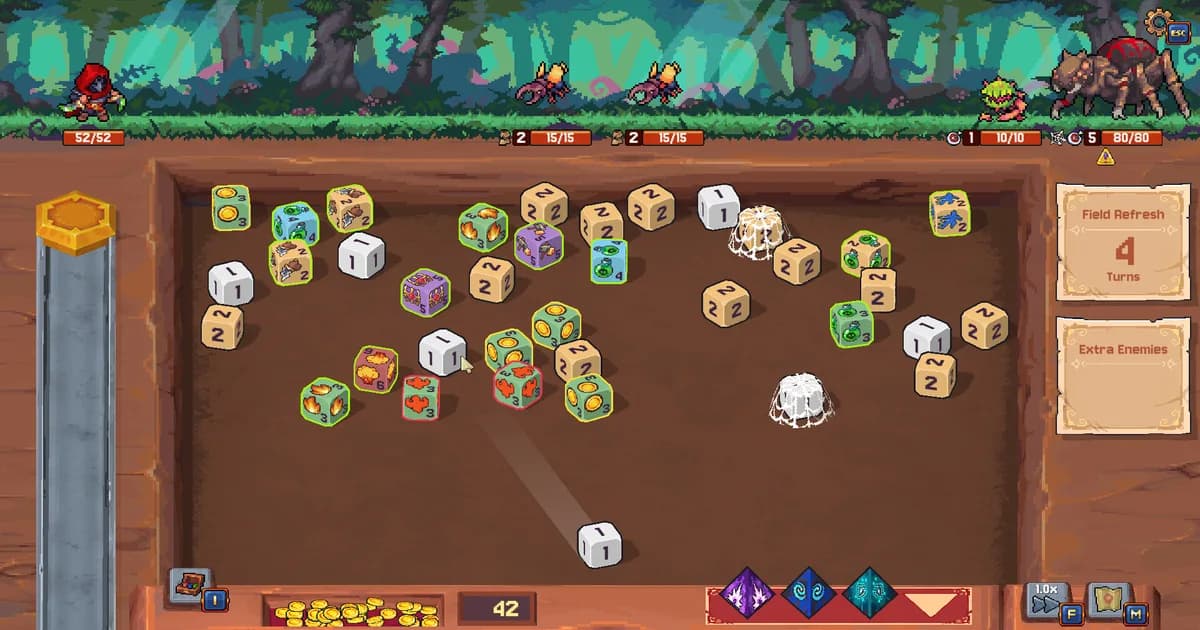
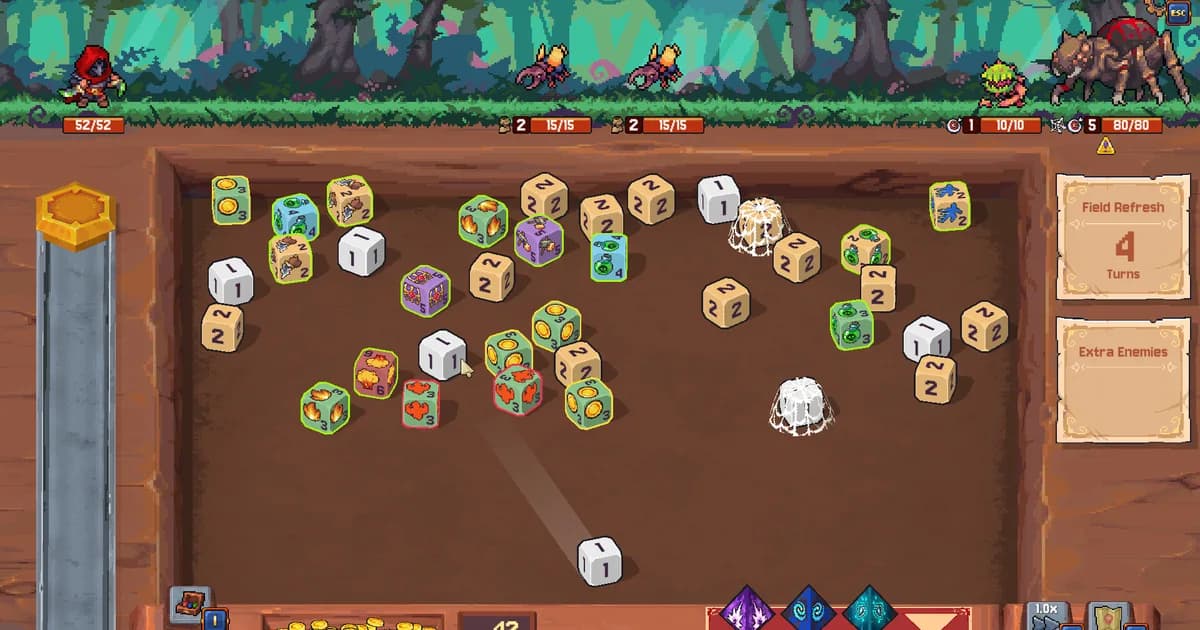
Rune Dice's dice system: each rune modifies dice behavior across the run. Classic Mode extends how many interactions can build up in a single session.
What it means for the game
Rune Dice sits in a specific category of dice roguelites where the appeal is modifier stacking. Each location in a Classic Mode run will feed into the next, which means more time for builds to compound. That's either the best version of the game for certain players or a longer exposure to dice madness if the scaling doesn't hold.
The playtest is the mechanism for checking that. Oleksii gets feedback on whether three-location runs work before committing to the format. If the playtest shows Classic Mode is where the game should go, it ships. If not, the current mode continues unchanged.
For Rune Dice specifically, this matters more than a generic "more content" update. The game's design question was always whether its dice system scaled well. Classic Mode answers that in a structured playtest rather than a speculative update.
Why it matters
Rune Dice launched as a short-session roguelite in a crowded genre. Testing Classic Mode as a playtest before shipping it was a reasonable posture for a small studio without a large post-launch content budget, and the format held up: it shipped roughly three weeks after the playtest closed, unchanged in concept from the original pitch.
Classic Mode is a meaningful content expansion for players who've cleared the base game's short runs and want more time for builds to compound across all three locations. The 6-boss unlock condition means it's a mid-to-late-game goal, not something new players hit immediately.
Related Reading
-
Rune Dice Druid Unlock Guide: how to unlock the Druid class by defeating the Blight Druid in Hard Mode.
-
Rune Dice Complete Guide 2026: full hub for all Rune Dice systems, classes, and mechanics.
-
Die in the Dungeon Tips Guide: a similar short-session dice roguelite in the same 2026 release window, for comparison on how the genre handles run length.
-
Rune Dice Archer Build: Heartseeker and the 40-Combo: Rune Dice Archer build guide covering the confirmed Bounty Fletching relic and 40-combo unlock.
-
Rune Dice Necromancer Build: Soul Die and Death Mark: Rune Dice Necromancer build guide covering the confirmed Soul Shackles and Cursed Medallion relics.
-
Rune Dice Boss Guide: Beat Every Floor Boss & Webbed Dice: Rune Dice boss guide: how to beat floor bosses, counter webbed dice with Shuffle and.
-
Rune Dice Tier List: All 8 Classes Ranked for 2026: Rune Dice tier list ranking all 8 classes S to B: Mage, Rogue, and Archer.
-
Rune Dice Mage Build: Burn, Freeze, and Merge Chains: Rune Dice Mage build guide covering the real merge-chain mechanic and the burn vs freeze decision.
-
Rune Dice Class Unlock Guide: How to Get All 8 Classes: Rune Dice class unlock guide covering all 8 classes.
References
- Rune Dice on Steam: official store page and developer announcements from Oleksii
- Smart Raven Studio on Steam: developer page and update history
Frequently asked questions
What is Rune Dice Classic Mode? A new mode that plays all three locations in one session, announced May 21 by developer Oleksii. The current short-session mode stays in the game.
When is the Rune Dice Classic Mode playtest? May 28 through June 4, 2026, through Steam's playtest system on the Rune Dice store page.
Will Classic Mode be free? Yes. It shipped as a free update (v1.1.0) around June 22, 2026. No purchase or DLC is required.
How do you unlock Classic Mode? Defeat 6 unique bosses. The same patch added a Hardcore checkbox for extra difficulty on top of the three-location run.
Why didn't Rune Dice have longer runs originally? The developer designed short sessions intentionally to avoid "dice madness" in later stages. Classic Mode comes from launch data showing player demand for longer runs, not from reconsidering the original design choice.
About the author

Critical game theorist with a background in film criticism. Writing for print and digital outlets since 2015. Specialises in genre analysis and design heritage.
- Background in film criticism
- 10 years games coverage
- Genre theory and design history specialist
Keep reading
Rune Dice Druid Unlock Guide: 4 Dice and Boss Strategy
Guides · 8 min
Rune Dice Boss Guide: Beat Bosses and Counter Webbed Dice
Guides · 9 min
Rune Dice Complete Guide 2026: Classes, Relics, and Builds
Guides · 12 min
Rune Dice Class Unlock Guide: How to Get All 8 Classes
General · 8 min
Rune Dice New Game Plus Guide: NG+ Tips and Builds 2026
General · 7 min
Rune Dice Tier List: All 8 Classes Ranked for 2026
General · 9 min
Game deals · affiliate links

Disclaimer
This article is published for informational and entertainment purposes. It does not constitute professional financial, legal, or technical advice. Game performance, online services, patch schedules, and store listings change. Verify critical details (pricing, system requirements, regional availability) with publishers and storefronts before you buy. Affiliate links, where present, help support our editorial work and are labelled in our affiliate disclosure.
Comments
Loading comments…