
GuideRune Dice
Rune Dice Mage Build: 3 Element Paths and Merge Chains
Pick burn or freeze early and commit: that's the Rune Dice Mage build in one line. The Mage has one of the higher ceilings in the game and punishes passive play, its damage scales off the same merge-chain system every class uses, and Gravity is a rune you save for a bad board, not a piece you stack.
Sponsored

Updated 2026-10-16: Rune Dice's Steam reviews have risen from Mostly Positive to Very Positive; the October 1 Boss Rush and Skirmish update and patch v1.3.1 (October 13) are now in the status section.
TL;DR: The Mage's damage runs on Rune Dice's core merge mechanic: matching dice merge into a higher value and automatically hop toward their next match, chaining further merges. The Mage's fire and ice dice add burn and freeze effects on top of that. Pick burn or freeze and commit to it early rather than splitting relic slots. Gravity is a Rune you hold for a bad board, not a Relic you stack. The Mage is a glass cannon: high damage ceiling, low HP, no built-in defense.
Sponsored

Rune Dice Mage build: what is the core mechanic? (quick answer)
The Mage starts with lightning, fire, and ice dice. Each deals elemental damage on top of Rune Dice's shared merge system: when two same-value dice collide, they merge into a higher-value die, and that merged die automatically jumps toward the next die of its new value, chaining into further merges rather than sitting still. This "magnetic hop" is the foundation of damage for every class, not something unique to the Mage.
What the Mage adds on top is its elemental identity: fire dice apply burn (a damage-over-time stack), and ice dice apply freeze (which stops enemy actions for a turn). These effects stack with whatever merge damage you're already generating, which is why a well-played Mage run can look explosive compared to a class with no status effects at all.
Know this before you pick it: the Mage has no built-in defense and low base HP. You're a glass cannon. Runs where your merges and elemental stacks come together feel unstoppable; runs where your throws keep missing chains feel much rougher, because there's no defensive layer to fall back on.
Rune Dice current status: October 2026
Rune Dice still sells for $14.99 on Steam, and its all-language reviews have climbed to Very Positive (read October 16). The newest patch, v1.3.1 on October 13, adds route flags on the map, a Random Hero button and a rune preview that outlines the dice a rune will change before you confirm it. The October 1 update added Boss Rush and Skirmish; in Boss Rush, reward dice drop from any class, and the developer's own example is to "Mix a Mage die into a Paladin run." Before that, patch 1.2.4 (August 21) added Time Mirror and Chameleon Mask and reworked the Veilstone Amulet, 1.2.2 added a full Bomb Dice build, and Classic Mode runs through all three locations once you've beaten six unique bosses. None of it replaces the shared merge-chain foundation described below. Sources: Rune Dice on Steam and the official Steam news feed.
Key takeaways
- Damage comes from the same merge-chain system every class shares: matching dice merge and hop toward their next match.
- Fire dice apply burn (damage over time); ice dice apply freeze (stops enemy actions). Pick one school and commit.
- Gravity is a Rune, a situational board-fixing tool, not a stacking Relic to build a combo around.
- Low HP, no defense. The run succeeds on clean merge setups and elemental commitment, not on survivability.
- The Mage is default-unlocked alongside the Rogue, available from your first run.
How the merge-chain mechanic actually works
The mechanic to understand isn't unique terminology the game invents for the Mage: it's the same push-merge and chain-hop system that governs every class's damage in Rune Dice. Your thrown die doesn't have to be the one that merges: it can push another die into a match, and the resulting merge hops toward its next same-value target, chaining further merges if the board is set up for it.
For the Mage specifically, this matters because fire and ice dice benefit from being part of those chains just like any other die value. A fire die that merges and chains through several matches applies its burn effect more times than one that merges once and stops. Throwing to set up long chains, not just landing dice near each other, is the actual skill being tested.
Ricochets and bank shots off the arena walls are part of the same toolkit: if a direct line isn't available, an indirect push can still start a chain. Read the board for what's mergeable before committing a throw, rather than aiming purely at the nearest elemental die.
Burn vs freeze: choosing your element
Every Mage run reaches a point where you have both fire and ice dice available but only enough relic slots to invest in one school properly. This is the burn-or-freeze decision, and making it early is the right call.
Burn adds a damage-over-time effect. Each fire die that connects starts a burn stack on the enemy, and those stacks tick over time regardless of whether you throw again immediately. In longer fights, especially boss encounters that run several throw cycles, a fully stacked enemy takes meaningful passive damage between your active turns. Burn is the school that scales with fight duration.
Freeze stops enemy actions for a turn and holds board state. A frozen enemy can't attack, giving you a free throw cycle. Frozen targets also don't move between throws, which keeps a merge setup you were building toward from getting disrupted. Freeze is stronger against enemies with dangerous burst attack patterns, where surviving long enough to land your merges is the actual problem.
The choice mostly comes down to what you're fighting. If enemies attack fast and often, freeze buys you cycles. If you're facing high-HP enemies that hit hard but slowly, burn accumulates efficiently. Pick based on the floor you're on and commit relic slots once you decide.
What doesn't work: a 50/50 split. If your relics are split between burn adders and freeze extenders, neither school reaches its actual ceiling. You end up with average burn stacks and average freeze duration, which is fine on early floors and insufficient in boss fights. Commit to one school by the midgame.
GODEEPER: The full relic priority list is in the relics guide. Rune Dice Relics Guide: Best Builds and Combos →
Gravity: a Rune, not a stacking Relic
This is worth calling out directly because it's a common point of confusion: Gravity is a Rune, a situational tool you hold in reserve, not a permanent shop Relic you collect copies of.
Gravity pulls scattered dice together on the board. That makes it useful for rescuing a bad throw or a board state where your dice have ended up too spread out to set up a clean merge chain. It is not a stat-stacking item, and there's no confirmed combo built around collecting multiple copies of it: you use it when the board needs fixing, similar to how Shuffle resets a board where your options are trapped or blocked.
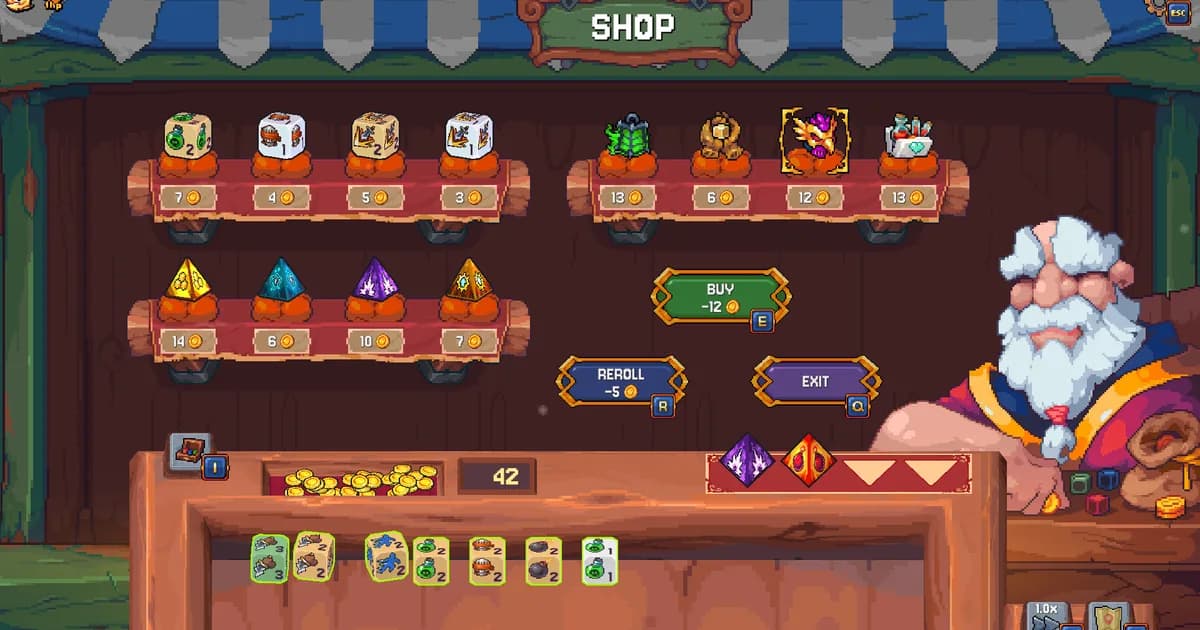
A Mage board mid-resolution. Merge chains, not a stacked Relic combo, are what actually drives the Mage's damage output.
GODEEPER: Floor boss patterns decide whether you can land a clean merge setup before the fight turns hostile. Rune Dice Boss Guide: How to Survive Boss Fights →
Step-by-step: playing the Mage across a run
Step 1: Early floors. The Mage's early game is where inexperienced runs collapse. Low HP and no defense mean a floor where your merges aren't landing is a floor where you take full hits with nothing to recover with. Play conservatively: practice reading the board for mergeable dice, and don't take relics that scatter dice unpredictably even if they look appealing on paper.
Step 2: Midgame. By this point you should have a committed elemental direction, burn or freeze, and a sense of your Rune inventory (hold a Gravity or Shuffle in reserve for bad boards). Look for relics that extend your chosen elemental effect rather than generic damage relics that don't interact with anything.
Step 3: Boss fights. Treat boss rooms the same way every class should: read the arena preview, plan your first throw, and use your held Runes the moment a merge setup goes wrong rather than forcing a bad throw. The Mage's ceiling shows up here specifically because burn/freeze stacking compounds over a longer fight.
Step 4: When the relics don't come. If your run has no strong elemental relics by the midgame, you're running the Mage on raw merge damage without much status-effect support. That's a functional but limited run. Burn holds up slightly better in this scenario, since DoT stacks add passive damage between throws.
Shop visits are where you commit to a school. Prioritize relics that extend burn or freeze once you've picked one, rather than spreading across both.
Tips
Read the board before you throw. The Mage doesn't need a special throw technique so much as an eye for which dice are actually mergeable. A throw aimed at the "nearest elemental die" without checking whether it can chain is a wasted turn.
Hold a board-fixing Rune in reserve. Gravity or Shuffle, saved for a boss fight or a bad layout, is worth more than spending it early on a merely mediocre turn.
Commit to your element before the midgame. Drifting between burn and freeze past that point usually means arriving at boss fights with both schools underdeveloped. Chain-hit relics that benefit any merge regardless of element are the exception: those work in split builds. Everything else rewards the committed path.
Related Reading
- Rune Dice Relics Guide: Best Builds and Combos: Full priority breakdown for elemental relics and Rune usage.
- Rune Dice Tier List: All 8 Classes Ranked for 2026: How the Mage compares to Rogue and Archer.
- Rune Dice Guide: Classes, Relics and Dice Synergies: Foundational merge mechanic breakdown, useful background before specializing.
- Rune Dice Boss Guide: How to Survive Boss Fights: Boss arena previews and rune timing that keep a Mage run alive.
- Rune Dice Necromancer Build Guide: Rune Dice Necromancer build guide covering the class's real relics and status effects.
- Rune Dice Physics Dice System: Throws, Merges & Chains: Rune Dice physics dice system explained: how throw angle and force decide merges, how chain reactions fire, and why board reading matters.
- Rune Dice Complete Guide 2026: Classes, Relics, and Builds: Rune Dice complete guide covering classes, relic priority, unlock order, and dice synergies.
- Rune Dice Class Unlock Guide: How to Get All 8 Classes: Rune Dice class unlock guide covering all 8 classes.
- Rune Dice Druid Unlock Guide: Blight Druid Boss Strategy: Rune Dice Druid unlocks by defeating the Blight Druid in Hard Mode.
- Rune Dice New Game Plus Guide: NG+ Tips and Builds 2026: Rune Dice New Game Plus guide covering unlocks, changes, and class scaling.
Frequently Asked Questions
What is the best Rune Dice Mage build? Commit to burn or freeze early rather than splitting relic slots. The class's damage runs on the same merge-chain mechanic every class shares, so throw accuracy and reading the board for mergeable dice matter as much as any single relic.
How does the Mage's damage scale? Through the shared merge system: matching dice merge into a higher value and hop toward their next match, chaining further merges. Fire and ice dice add burn and freeze on top of that.
Should I build burn or freeze? Pick one and commit. Burn stacks damage over time and scales in longer fights. Freeze stops enemy actions and holds board state for cleaner merge setups. Splitting both without dedicated relics leaves both at average.
Is Gravity a good relic for the Mage? It's a Rune, not a stacking shop Relic. It's a situational board-fixing tool for a bad layout, not something to build a permanent combo around.
Is the Mage a good class? Yes, one of the higher-ceiling classes. The trade-off is a low floor: no built-in defense and low HP mean a run without clean merges can fall apart. It rewards players who commit their elemental direction early.
How do you unlock the Mage? The Mage is one of two default-unlocked classes, available alongside the Rogue from your first run. No unlock condition is required.
References
- Rune Dice on Steam: official store page, current price, and patch notes
- Smart Raven Studio: the developer behind Rune Dice
- r/RuneDice on Reddit: community discussions and build theory
Was this guide helpful?
About the author

Systems & Economy Desk
GameBrief's byline for roguelikes, strategy and simulation. Reads patch notes, wiki tables and Steam stats and puts the numbers on the page.
- Roguelikes, strategy and simulation
- Builds, progression and economy
- Sources listed per article
Keep reading
Rune Dice Physics Dice System: Throws, Merges & Chains
Guides · 13 min
Rune Dice Necromancer Build: Soul Die and Death Mark
Guides · 11 min
Rune Dice Relics Guide: Best Builds and Relic Priority 2026
General · 8 min
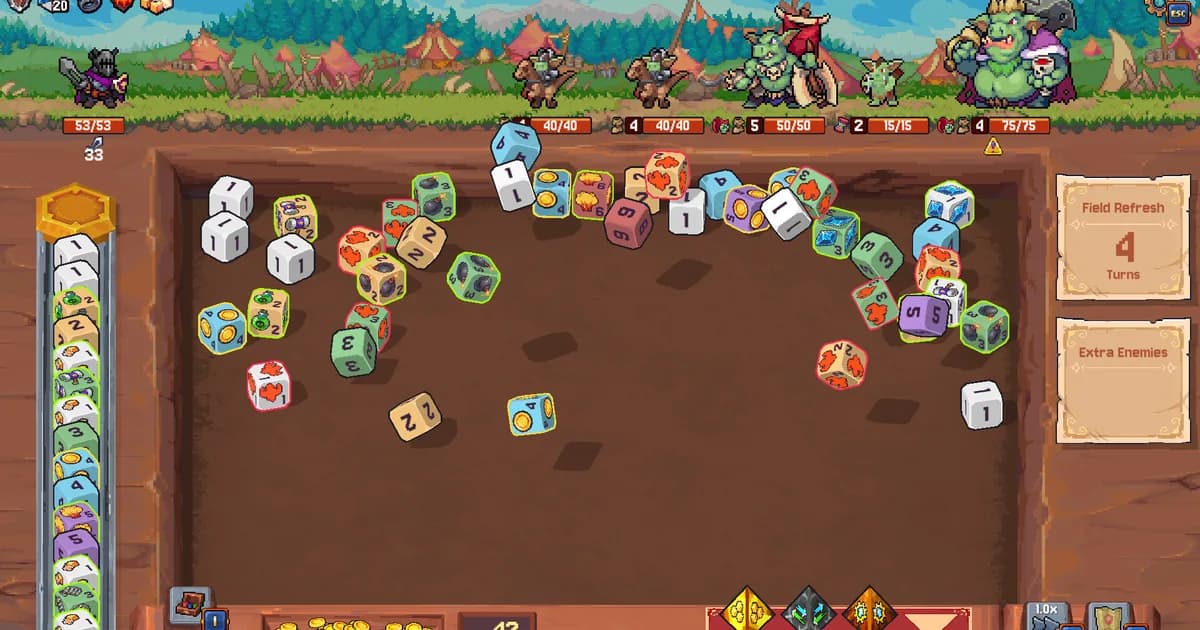
Rune Dice Archer Build: Heartseeker and the 40-Combo
Guides · 10 min
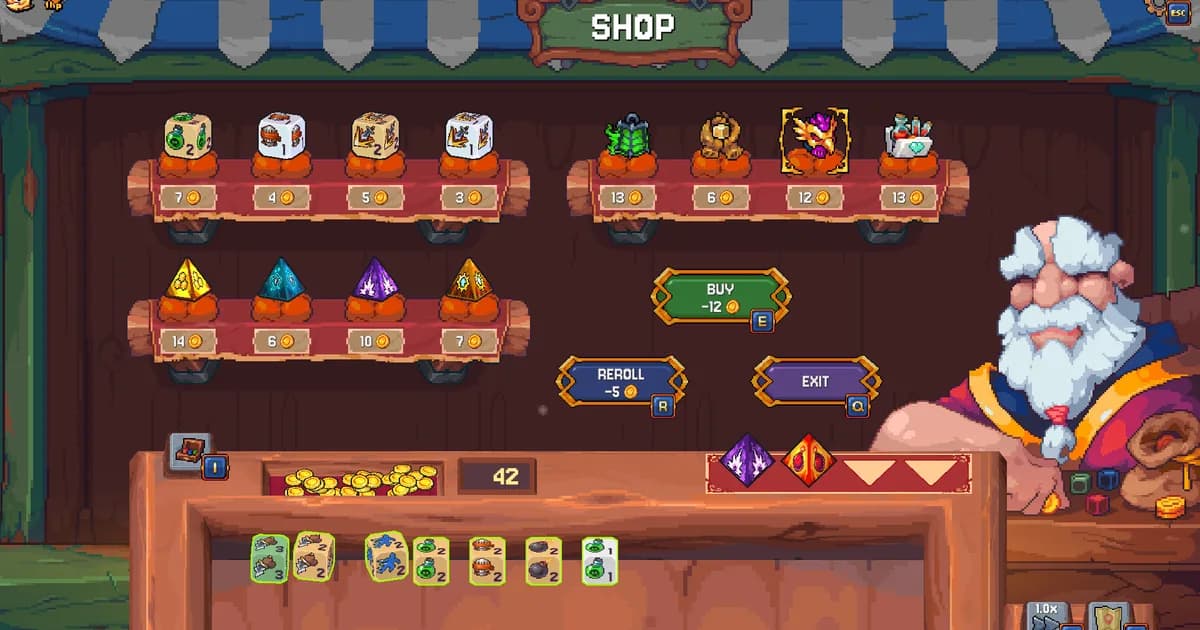
Rune Dice New Game Plus Guide: NG+ Tips and Builds 2026
General · 7 min
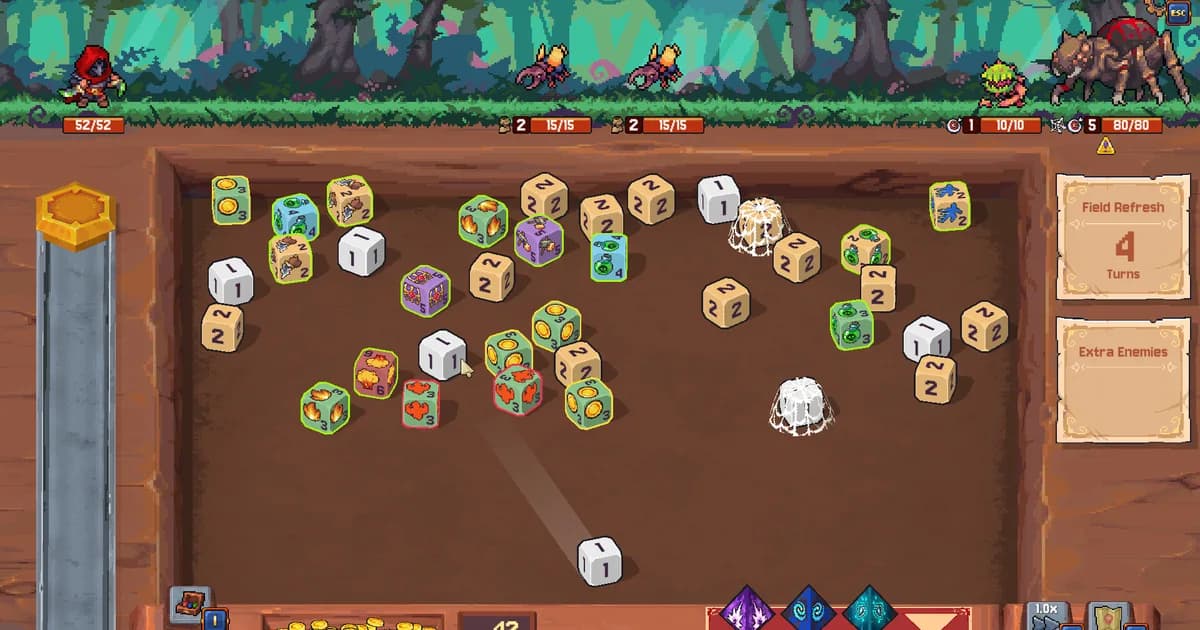
Rune Dice Class Unlock Guide: How to Get All 8 Classes
General · 8 min
Sponsored
Disclaimer
This article is published for informational and entertainment purposes. It does not constitute professional financial, legal, or technical advice. Game performance, online services, patch schedules, and store listings change. Verify critical details (pricing, system requirements, regional availability) with publishers and storefronts before you buy. Affiliate links, where present, help support our editorial work and are labelled in our affiliate disclosure.
Comments
Loading comments…