
GuideRune Dice
Rune Dice Druid Unlock Guide: 4 Dice and Boss Strategy
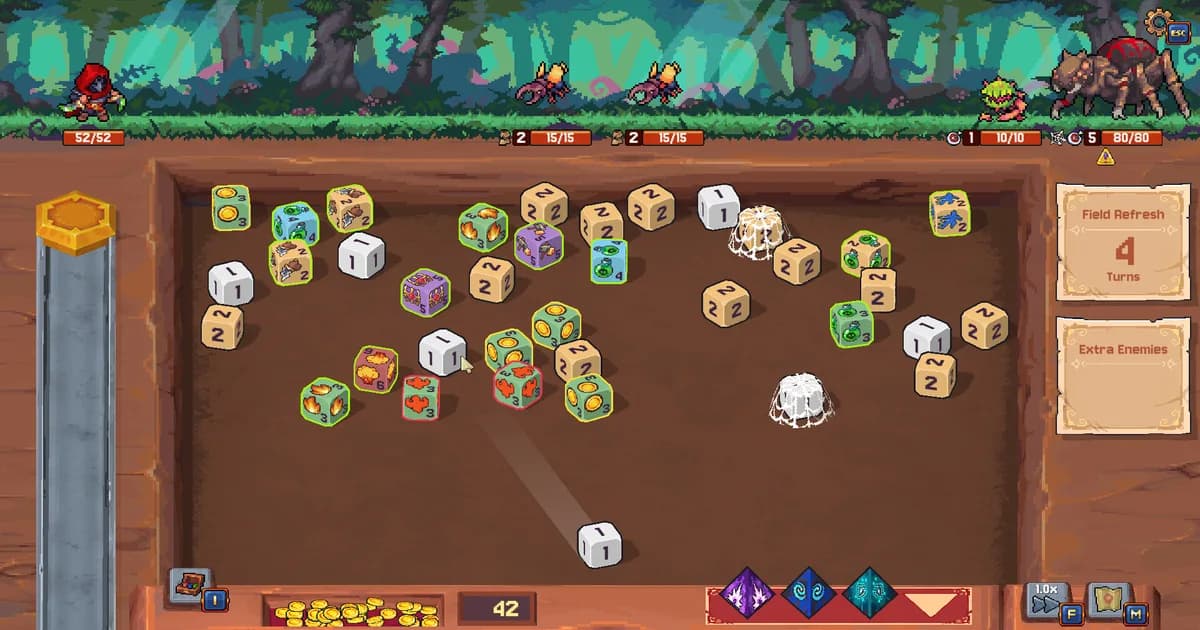
Rune Dice Druid is a late-game class tied to one named encounter: the Blighted Druid boss. Current player reports place that encounter in Hard Mode, while the developer has clarified that the class unlock itself only requires defeating the boss. The run's win condition is separate.
Sponsored

About the game
Rune Dice
Smart Raven Studio · Kwalee
TL;DR: Defeat the Blighted Druid to unlock the Druid class. Player reports place the encounter in Hard Mode, but the developer says the class unlock only requires the boss defeat; surviving the final turn is needed for the run to count as a win. The verified class dice are Growth, Root, Spirit, and Thorn, a control-and-scaling kit supported by relic and rune synergies.
Sponsored

Rune Dice Druid: quick answer
Defeat the Blighted Druid to unlock the Druid class. The developer's Steam response says that defeat is enough for the class unlock, even if poison kills you afterward. The surrounding player report identifies the encounter as Hard Mode, but do not confuse the unlock with a completed winning run: you still need to survive the final turn for the run record to count.
Once unlocked, the Druid's four named class dice are Growth, Root, Spirit, and Thorn. They point toward a control and scaling plan, but the game does not need a made-up three-hero variant system to explain the route. Use the class panel and current dice descriptions as the authority for any later balance changes.
Current status: September 2026
The current Rune Dice Steam page lists the May 19 release at $14.99, with Mostly Positive reception at 79% of 1,266 reviews in the checked snapshot. The official Patch Notes v1.2.2 added the Bomb build relics, Spring Coil II and III, Relief Rune, Retribution Censer, and more reliable merge physics. The same update made Hard Mode completions count as Normal Mode completions, which changes the grind around boss trophies but not the Druid's named-boss unlock.
Key takeaways
- Unlock condition: defeat the Blighted Druid boss; the developer separates this from a full-run win
- Four verified class dice: Growth, Root, Spirit, and Thorn
- The kit combines healing or max-HP growth, movement control, distributed attacks, and retaliation
- Hard Mode is the current player-reported route to the boss
- Relic and rune choices matter, but exact build strength changes with patches
- One of 8 current named classes: Rogue, Warrior, Mage, Archer, Druid, Bard, Paladin, and Necromancer
Step-by-Step: unlock the Rune Dice Druid
1. Unlock the route: Progress until the Hard Mode path is available. The player report tied to the developer response describes the Blighted Druid encounter there. 2. Build for the boss: Keep a defensive relic or rune available for poison and avoid assuming armor alone will solve every incoming effect. 3. Defeat the Blighted Druid: The developer says the class unlock requires the boss defeat, even if the run later fails. 4. Survive the final turn: If you want the run to count as a win, keep the hero alive after all enemies are dead. Poison or a remaining minion can still invalidate the run record.
The order of bosses in Hard Mode runs is not something the checked official sources document as a fixed sequence. Treat the Blighted Druid as a target you are working toward rather than promising a specific floor.
Hard Mode run strategy for unlocking the Druid:
The boss discussion gives one concrete warning: poison can kill the hero after the boss goes down. That is why the unlock and the run-win records can diverge. Keep a way to clear or survive ongoing damage instead of building only for the boss's visible health bar.
The safest general plan is controlled damage with a defensive fallback. Patch 1.2.2 also changed merge physics and added new relics, so older advice about one mandatory chain-maximizing setup should be treated as a build suggestion, not a requirement.
One tactical note from the player discussion: do not celebrate the boss kill until the poison and remaining minions are resolved. Use defensive options before the board becomes unmanageable, then confirm that the class panel shows the unlock.
GODEEPER: Full breakdown of all 8 class unlock conditions, the order to pursue them, and which classes synergize well together in team runs. Rune Dice Complete Guide Hub 2026 →
The Druid's four verified class dice
The four named Druid dice are Growth Die, Root Die, Spirit Die, and Thorn Die. Current dice references describe a class built around healing or max-HP scaling, movement control, distributed attacks, and retaliation. That is enough to plan the class without asserting an unsupported three-variant hero roster.
Growth Die combines healing with maximum-HP growth. It is the durability anchor for longer encounters, especially when a relic or rune rewards a larger health pool.
Root Die applies Root, which prevents an affected enemy from moving and deals its listed ongoing damage as the stacks tick down. Use it to buy time for the rest of the board rather than treating it as a pure burst die.
Spirit Die attacks three random enemies. It spreads pressure across the board, so it is more useful when several targets are alive than when you need one exact finishing hit.
Thorn Die applies retaliation that damages an enemy when it hits you with a physical attack. Thorn stacks decrease after their effect, so the die rewards taking controlled hits rather than ignoring defense entirely.
Together, the four dice suggest a patient plan: grow the hero, restrict dangerous movement, spread damage, and punish physical attacks. The exact relic package is patch-sensitive, so keep the verified die effects separate from any personal tier-list preference.
The Druid's verified dice cover growth, Root control, Spirit attacks, and Thorn retaliation.
How the Druid kit scales
The Druid kit scales through board control and survivability rather than a single guaranteed burst line. Growth protects the hero, Root restricts movement, Spirit spreads attacks, and Thorn turns physical pressure into a cost. The right balance depends on the enemies and the relics offered in the run.
Do not treat the four dice as a promise that every fight becomes stronger on a fixed turn. Growth and Thorn are conditional effects, Root decreases as its stacks resolve, and Spirit targets randomly. Plan around the board you actually have, then use the class panel's current descriptions when an update changes wording or values.
How Druid compares to other classes
The current named roster is Rogue, Warrior, Mage, Archer, Druid, Bard, Paladin, and Necromancer. That eight-class list is confirmed by current Steam community material. This article does not repeat unlock conditions for the other seven because the checked primary sources do not verify them here.
The Druid is a sensible choice for players who enjoy setup, control, and conditional retaliation. If you prefer immediate burst or a simpler damage plan, compare its four class dice with the current class descriptions before spending time on the Hard Mode route.
The Blighted Druid route is tied to Hard Mode in current player reports. The official developer discussion specifically warns that surviving the final turn is separate from unlocking the class.
GODEEPER: Before attempting Hard Mode for the Druid unlock, knowing where the Druid fits in the full class tier list helps you decide whether other unlocks should come first. Rune Dice Tier List: All Classes Ranked 2026 →
Druid build tips
Relic and rune choices matter because the four Druid dice cover different jobs. A good Growth or Thorn interaction can stabilize a run, while Root and Spirit are more valuable when the board gives you time to control several enemies. Do not force a named build when the current relic offers point in another direction.
Don't expect early-fight dominance. The Druid needs setup turns, and the right timing changes with board state. Against bosses that hit hard early, defensive choices matter more than a fixed turn-four or turn-five script.
Roots are control, not damage. A common mistake is expecting Root Die to do direct damage. It doesn't; it controls what the enemy can do. Think of it as buying time for your thorn and spirit engines to build up.
Spirit and Thorn both become weaker when the board does not support their conditions. If the relics are not there, use Root to buy time and keep Growth available for durability rather than forcing a prewritten path.
If you're going in specifically to unlock the Druid, prioritize a reliable damage line plus an answer to poison. The developer's distinction matters more than a universal chain-focused setup: defeat the boss for the class unlock, then survive the final turn if you want the run to count.
Related Reading
- Rune Dice Bomb Build Guide: All 3 New Relics (Patch 1.2.2): Rune Dice bomb build is now real. Patch 1.2.2 added three relics that turn Bomb
- Rune Dice Relics Guide: Best Builds and Relic Priority 2026: Rune Dice relics guide covering confirmed relic picks, build priority by class, and why some
- Rune Dice Beginner Guide: Best Classes 2026: early progression and class selection advice.
- Rune Dice Boss Guide: Beat Every Floor Boss & Webbed Dice: floor-boss patterns and dice counters.
- Rune Dice Physics Dice System: Throws, Merges & Chains: how throws and chain merges behave.
- Rune Dice Necromancer Build: Soul Die and Death Mark: another class-specific build reference.
- Rune Dice Class Unlock Guide: How to Get All 8 Classes: the wider eight-class route, with conditions checked separately.
- Rune Dice New Game Plus Guide: NG+ Tips and Builds 2026: what changes in later runs.
- Rune Dice Mage Build: Burn, Freeze, and Merge Chains: a contrast with the Druid's control plan.
- Rune Dice Classic Mode: All 3 Locations in One Run: the current alternate mode and its locations.
References
- Rune Dice on Steam: store page and developer updates from Smart Raven Studio
- Rune Dice developer discussion on the Druid unlock: the developer's distinction between class unlock and a completed win
- Rune Dice official Patch Notes v1.2.2: current relic, merge-physics, and Hard Mode changes
- Rune Dice current class roster: current community hub listing Rogue, Warrior, Mage, Archer, Druid, Bard, Paladin, and Necromancer
- Rune Dice dice reference: Growth, Root, Spirit, and Thorn effects checked for this audit
- Rune Dice class unlock guide, Destructoid
- Blight Druid enemy showcase, Smart Raven Studio YouTube
Frequently asked questions
How do you unlock the Druid in Rune Dice? Defeat the Blighted Druid. The developer says the class unlock only requires that defeat; surviving the final turn is separate and is needed for the run to count as a win.
What dice does the Druid use? Growth Die, Root Die, Spirit Die, and Thorn Die. Current dice references describe healing or max-HP growth, Root control, attacks against three random enemies, and physical-hit retaliation.
Is the Druid good in Rune Dice? It is a control and scaling class. Its value depends on the relics and runes offered, so judge the current board and build rather than expecting a fixed three-variant tier list.
How many classes are in Rune Dice? Eight named classes are listed in current community material: Rogue, Warrior, Mage, Archer, Druid, Bard, Paladin, and Necromancer. This article does not claim unlock conditions for the other seven.
What's the Blighted Druid? It is the named boss tied to the Druid class unlock. The developer says defeating it unlocks the class even if poison kills the hero afterward, while surviving the final turn is required for a completed win.
Was this guide helpful?
About the author

News Desk
GameBrief's byline for industry news, patch notes, studio announcements and esports results. Tight sentences, dated facts.
- News, patch notes and early access
- Industry and esports results
- Sources listed per article
Keep reading
Rune Dice Complete Guide 2026: Classes, Relics, and Builds
Guides · 12 min
Rune Dice Classic Mode: All 3 Locations in One Run
News · 5 min
Rune Dice Tier List: All 8 Classes Ranked for 2026
General · 9 min
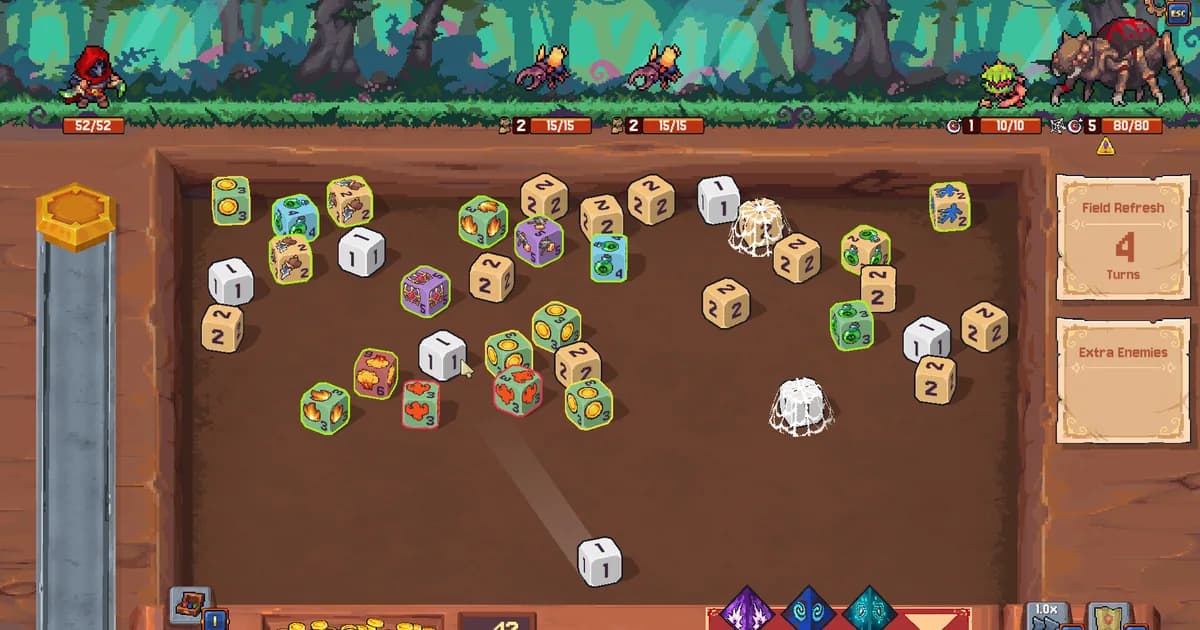
Rune Dice Boss Guide: Beat Bosses and Counter Webbed Dice
Guides · 9 min
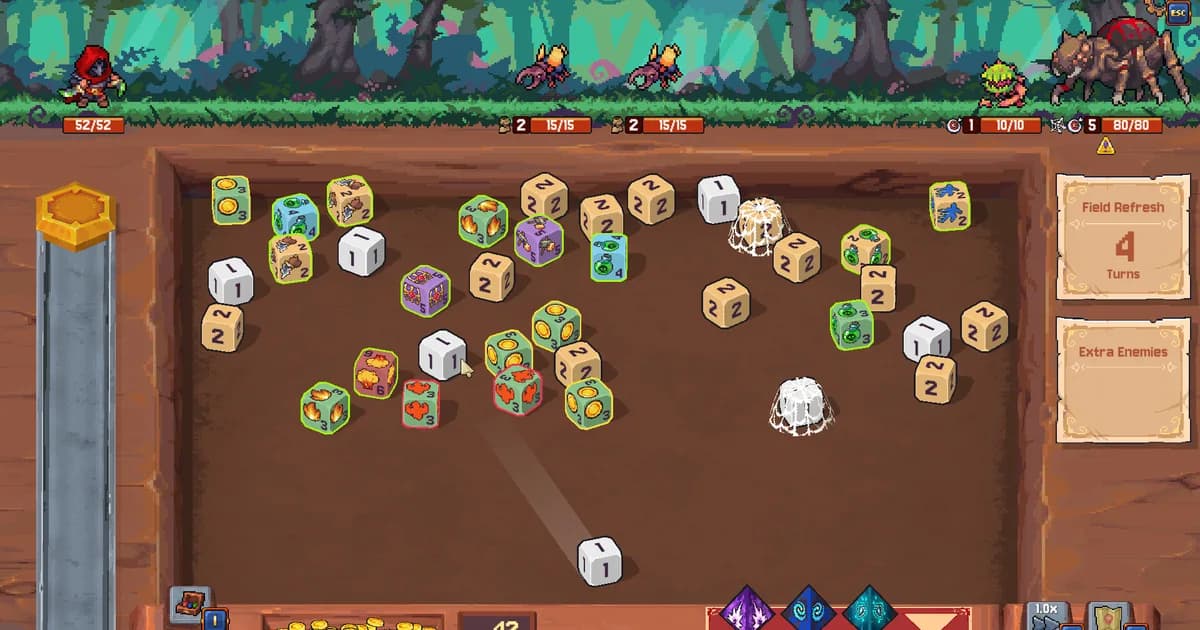
Rune Dice Class Unlock Guide: How to Get All 8 Classes
General · 8 min
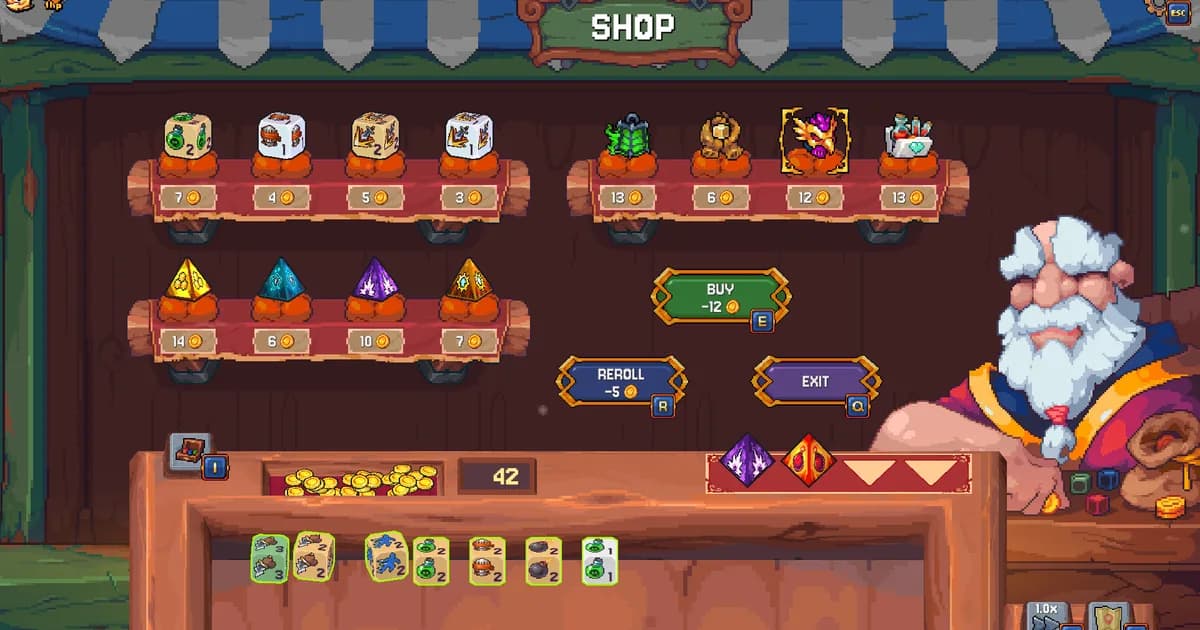
Rune Dice New Game Plus Guide: NG+ Tips and Builds 2026
General · 7 min
Sponsored
Disclaimer
This article is published for informational and entertainment purposes. It does not constitute professional financial, legal, or technical advice. Game performance, online services, patch schedules, and store listings change. Verify critical details (pricing, system requirements, regional availability) with publishers and storefronts before you buy. Affiliate links, where present, help support our editorial work and are labelled in our affiliate disclosure.
Comments
Loading comments…