
ReviewMortal Shell II
Mortal Shell II Review: Great Combat, Rough Second Half
Mortal Shell II review after the September hotfix: strong Shell-and-Seal combat, adaptive difficulty, respec tools, and a campaign still finding balance.
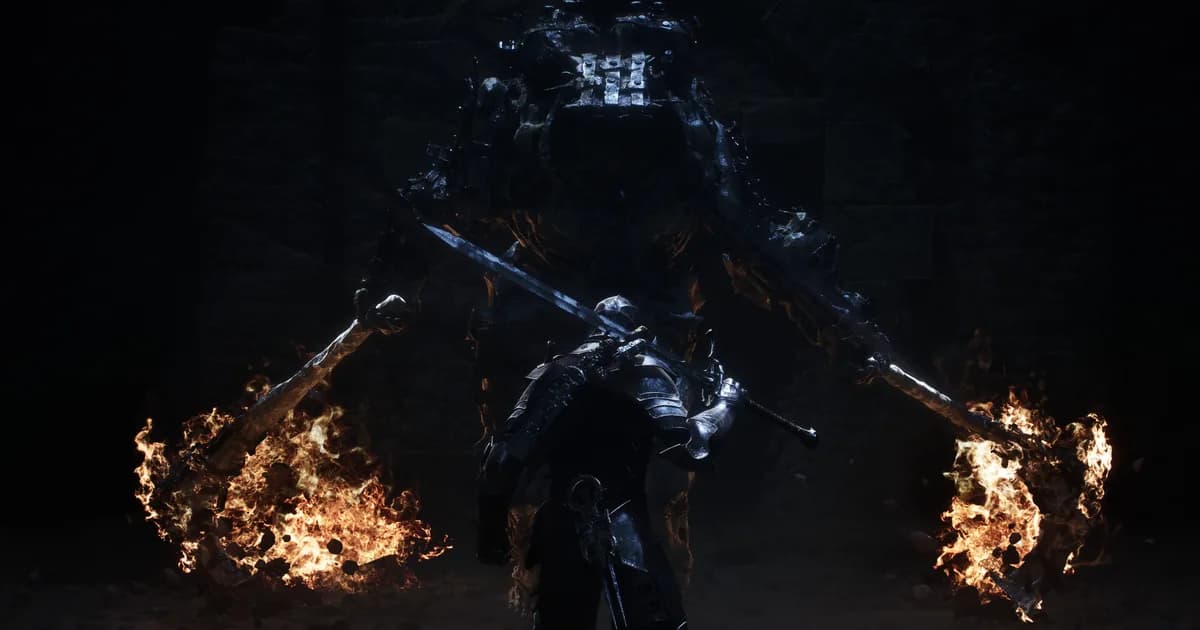
Reviewing
Mortal Shell II
Cold Symmetry · Playstack
Score
Reviewed build: September 24, 2026 hotfix and Adaptive Difficulty update
Pros
- Melee combat has real weight. Hit feedback and animation quality are some of the best the souls-like genre has produced this year
- Multiple possessable Shells and Seals give combat genuine build variety instead of one obviously correct loadout
- The first 8 to 10 hours pace new enemy types and environments faster than most games in the genre attempt
- A real step up from the original Mortal Shell for anyone who found the first game's stillness a chore rather than a hook
Cons
- The back half of the campaign drops off hard: recycled regular enemies standing in as bosses, map layouts that turn confusing rather than interesting
- Enemy attacks track and correct mid-swing hard enough that community bug threads call it out by name, which undercuts a combat system built around reading real windups
- The September hotfix addressed Proxima, Lazlo, stones, bosses, NPCs, collision, and crashes, though the game's rough edges are not erased
- The new respec item and renewable Glimpses and Tarcores reduce progression friction, even if the campaign pacing remains uneven
Verdict
Mortal Shell II's combat remains the reason to play, and the September hotfix plus Adaptive Difficulty update make the current build easier to recommend than the launch snapshot.
This Mortal Shell II review starts with a confession: I finished the original in one sitting years ago and remember almost nothing about it except the stillness. Mortal Shell II is not still. It opens with some of the most confident souls-like combat I've played this year, and the current patch line has changed how I weigh its rough edges.
Updated 2026-10-05: The current all-language Steam review snapshot is 17,040 positive and 4,532 negative reviews out of 21,572, and the latest listed hotfix is September 24.
TL;DR: Mortal Shell II still has excellent hit feedback and build variety, but the September hotfix line means the launch review needs an update. Adaptive Difficulty is now available, respec and renewable-resource tools reduce progression friction, and the hotfixes address crashes, bosses, NPCs, collision, and stones. The later campaign can still feel less consistent than the opening.
Current status: October 2026
The all-language Steam review endpoint currently reports Mostly Positive with 17,040 positive and 4,532 negative reviews, 21,572 total. The current review build includes the September 24 hotfix, following the Week 1 and Adaptive Difficulty updates. The game remains a $49.99 full release on PC, PlayStation 5, and Xbox Series X|S.
Cold Symmetry's official notes list fixes for Proxima, Lazlo, stones, bosses, NPCs, collision, and crashes. The earlier Week 1 update added renewable Glimpses and Tarcores, new beacons, and the Mether's Severance respec item. That does not erase every pacing or tracking complaint, but it does make the old launch-only description inaccurate.
Key Takeaways
- Released August 20, 2026 on PC, PlayStation 5, and Xbox Series X|S at $49.99, developed by Cold Symmetry and published by Playstack
- Steam's all-language review endpoint reports Mostly Positive with 17,040 positive and 4,532 negative reviews, 21,572 total
- Multiple possessable Shells and Seals replace the original's single Harden-focused kit and keep the build experimentation meaningful
- The September 14 hotfix follows updates that added Adaptive Difficulty, renewable Glimpses and Tarcores, new beacons, and a respec item
- Community completion estimates for a single playthrough cluster between roughly 20 and 40 hours
Overview
Cold Symmetry built its name on the original Mortal Shell, a small, tightly scoped souls-like where you possessed hollow warrior husks and lived or died by a single well-timed Harden. Mortal Shell II is the studio's answer to the obvious question that follows a cult hit: what happens when you stop being cautious. The sequel is bigger in every direction, with more Shells, more weapons, more open exploration, and combat that trades the original's held-breath pacing for something closer to full-contact.
The premise is the same skeleton dressed differently: the forgotten Shells of lost warriors are scattered across a ruined world, and finding them is both the story and the moment-to-moment reward loop. What's changed is the confidence. This is a studio that clearly watched what worked in the first game and decided the answer was more of it, faster, with fewer restraints. For my full breakdown of how the sequel actually handles defense, the short version matters here too: there are multiple Seals with different risk profiles, and which one you're wearing changes what this review of "the combat" even means in a given fight.
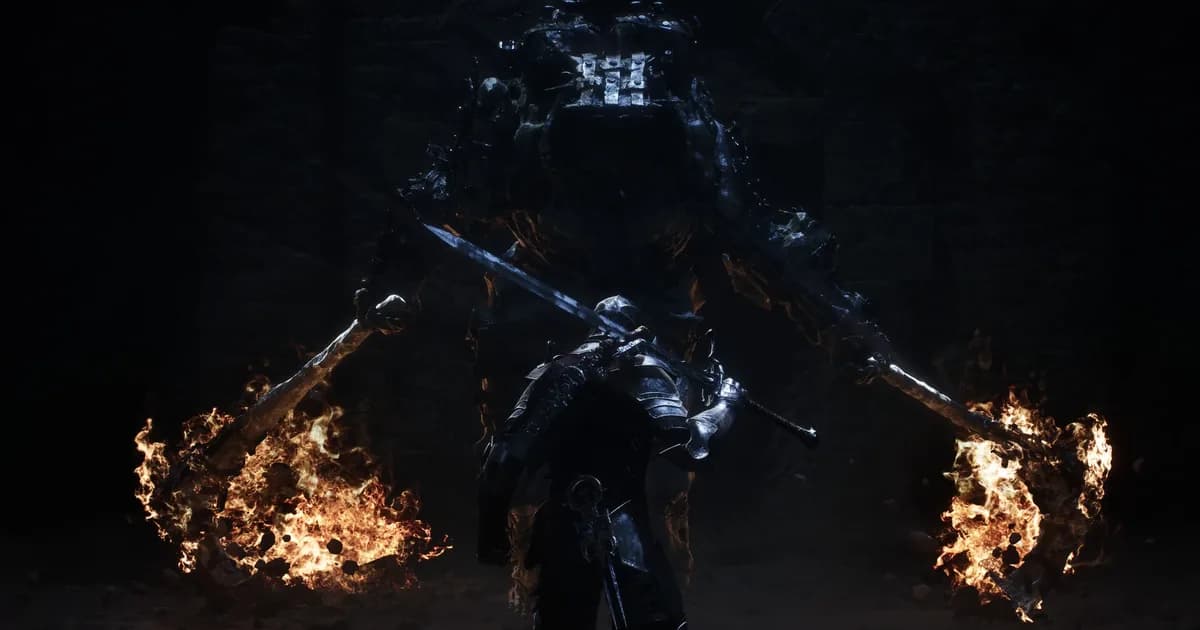
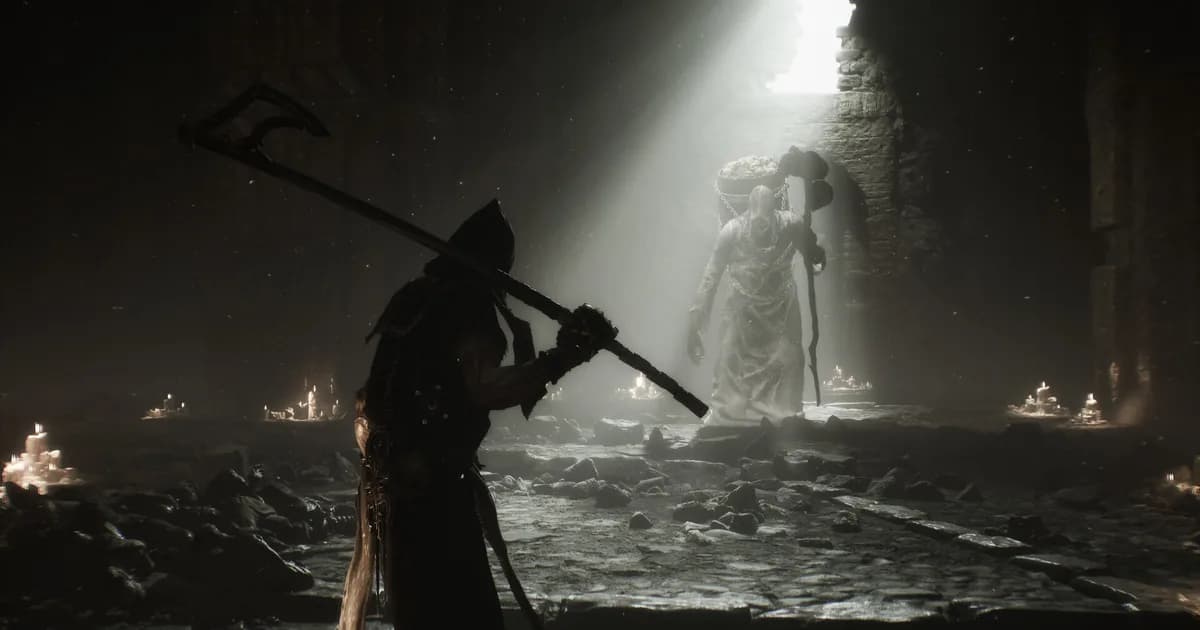
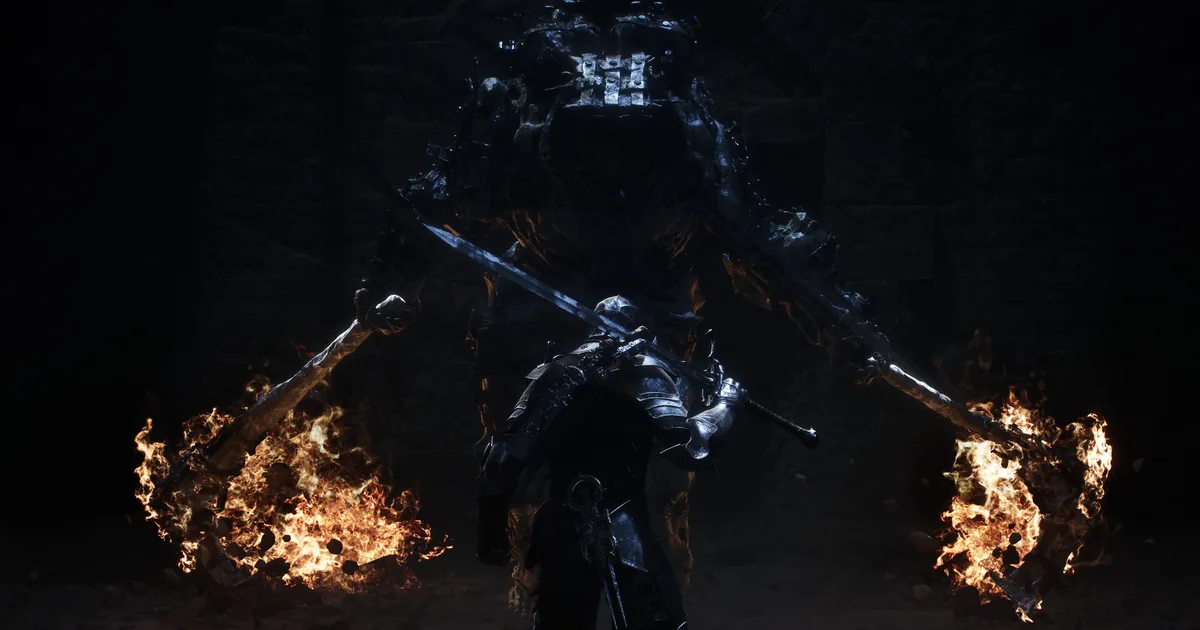 A boss confrontation early in the campaign. Encounter staging like this is where Mortal Shell II is at its most confident.
Gameplay
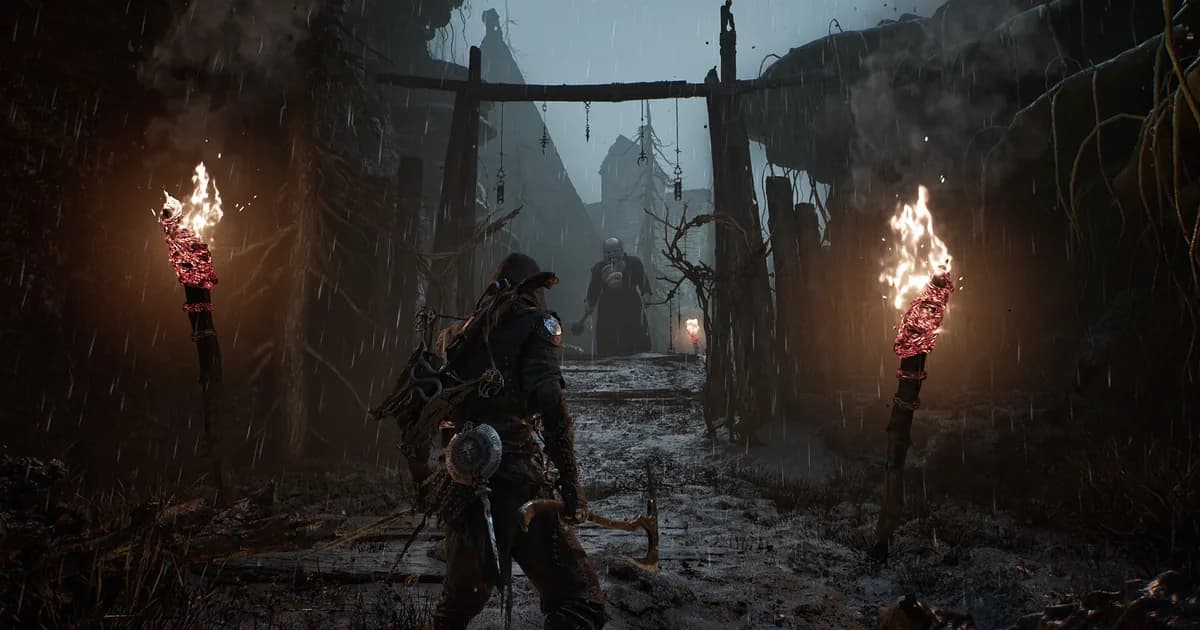
The first stretch of Mortal Shell II is genuinely excellent. Hits land with a weight that a lot of the genre chases and rarely finds, executions are brutal in a way that feels earned rather than gratuitous, and new enemy types and environments show up often enough that the pacing rarely stalls in the opening third. Switching Shells changes both your stat spread and which fights feel fair, while the Seal choice adds a second layer of risk and reward. Our weapons tier list covers the current weapon choices without treating the launch build as frozen.
Where it comes apart is enemy tracking. A detailed community breakdown posted to r/MortalShell after a full playthrough put it plainly: enemies "slide and skate around, do 180 degree turns, teleport to the player, fly around corners." That's not an exaggeration for effect. I felt it repeatedly against anything with a spear or a glaive, where a dodge that should have cleared an attack got corrected into anyway. Multiple separate threads on the subreddit single out "magnetism" on specific enemy types by name, which tells you this isn't one player's bad luck, it's a pattern enough people hit that they started comparing notes. The same detailed post also flags parry and guard inconsistency against enemy groups and fast multi-hit combos, which lines up with what I found testing the Untarnished and Infinite Seals directly for the parry mechanics I covered separately: neither Seal behaves quite as advertised once more than one enemy is swinging at you.
The campaign's structure amplifies the problem instead of hiding it. Boss and enemy variety front-loads hard. Regular enemies get reused as boss encounters in the back third, several with move sets thin enough that the fights read as padding rather than tests, and checkpoint spacing (called beacons here) gets sparse enough in the same stretch that a bad death costs real progress, not just currency. It's the kind of design gap that's easy to miss in a demo and impossible to miss at hour twenty-five.
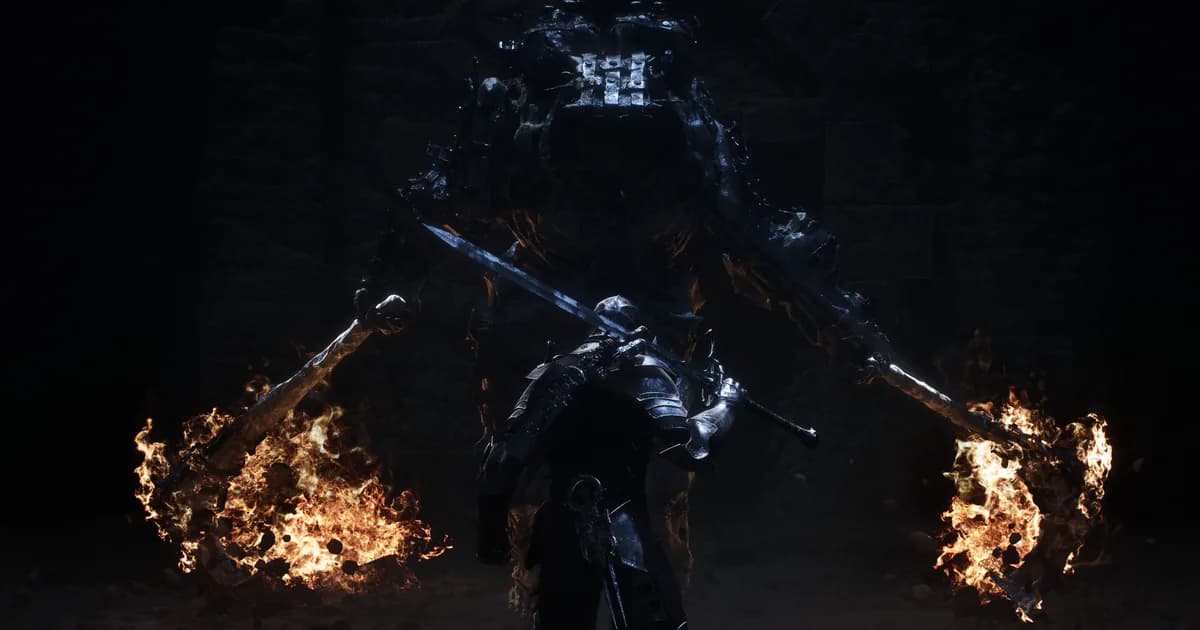
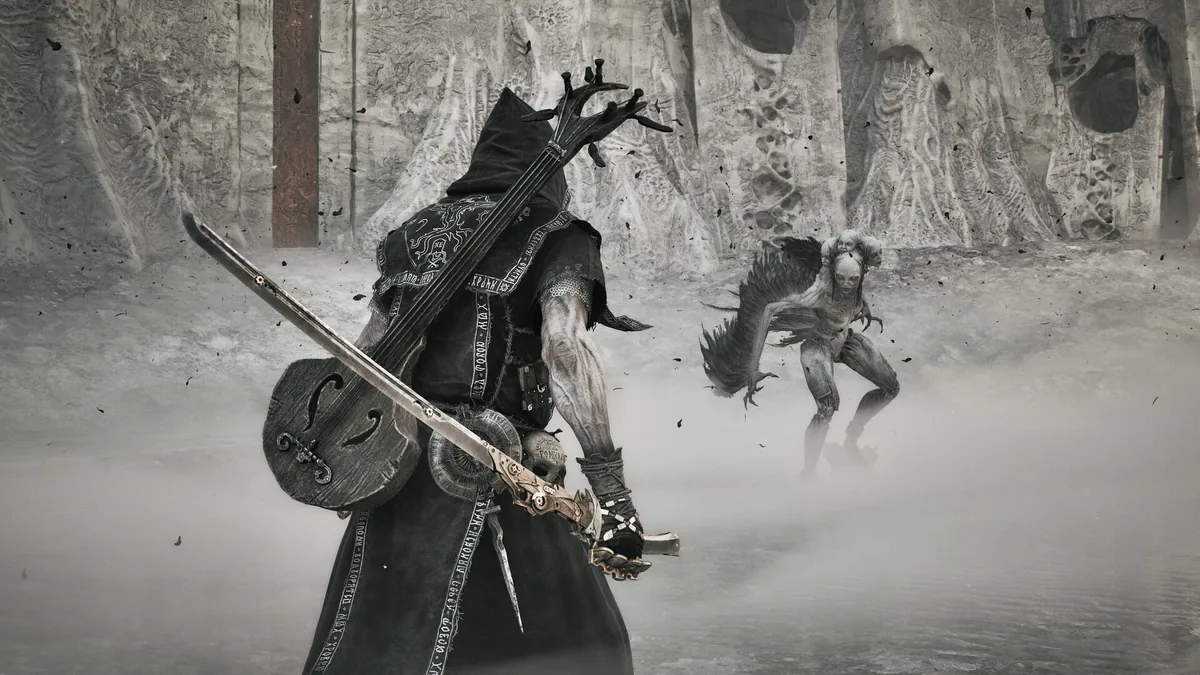 One of the campaign's stranger early encounters. Enemy design like this is a big part of why the opening hours land so well, before the variety thins out later on.
Mortal Shell II review: hotfixes, balance, and the back-half problem
The tracking and pacing issues above would be a normal souls-like criticism on their own. The current question is how much of the launch friction survived the update line. The September 14 hotfix lists fixes for Proxima, Lazlo, stones, bosses, NPCs, collision, and crashes. The Week 1 update also added renewable Glimpses and Tarcores, new beacons, and the Mether's Severance respec item. Those are meaningful changes for a player who would previously have abandoned a build or lost progress to a technical problem.
That does not make every community complaint disappear. A game can fix crashes and progression blockers while still having enemy tracking or back-half pacing that a player dislikes. The useful distinction is between launch-state bugs and the remaining design criticism. Adaptive Difficulty is also optional, so players who want the original tuning can leave it off while players who need a gentler route can use it.
I don't think that erases the launch state, but it changes the recommendation. This now reads like a genuinely good game whose current fixes address several blockers, not a game that is still waiting for its first meaningful response. The uneven campaign remains a design criticism rather than a reason to repeat an old “unpatched” warning. Cursemark's own Early Access review covers a similar pattern from the other direction, a smaller souls-like that is honest about being unfinished from day one.
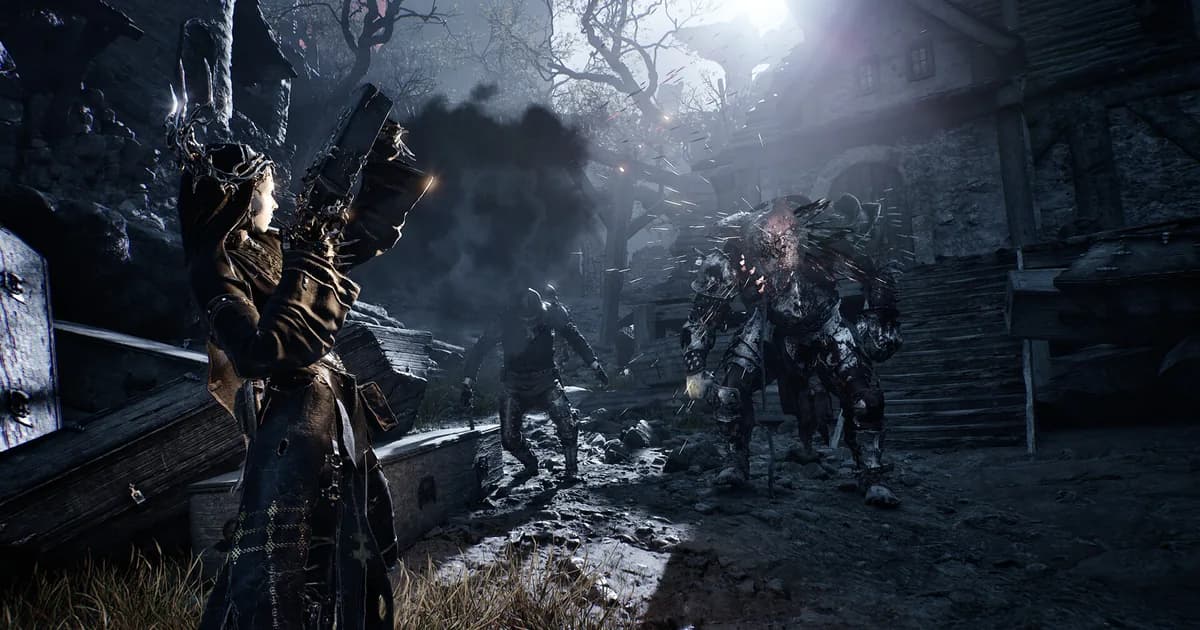
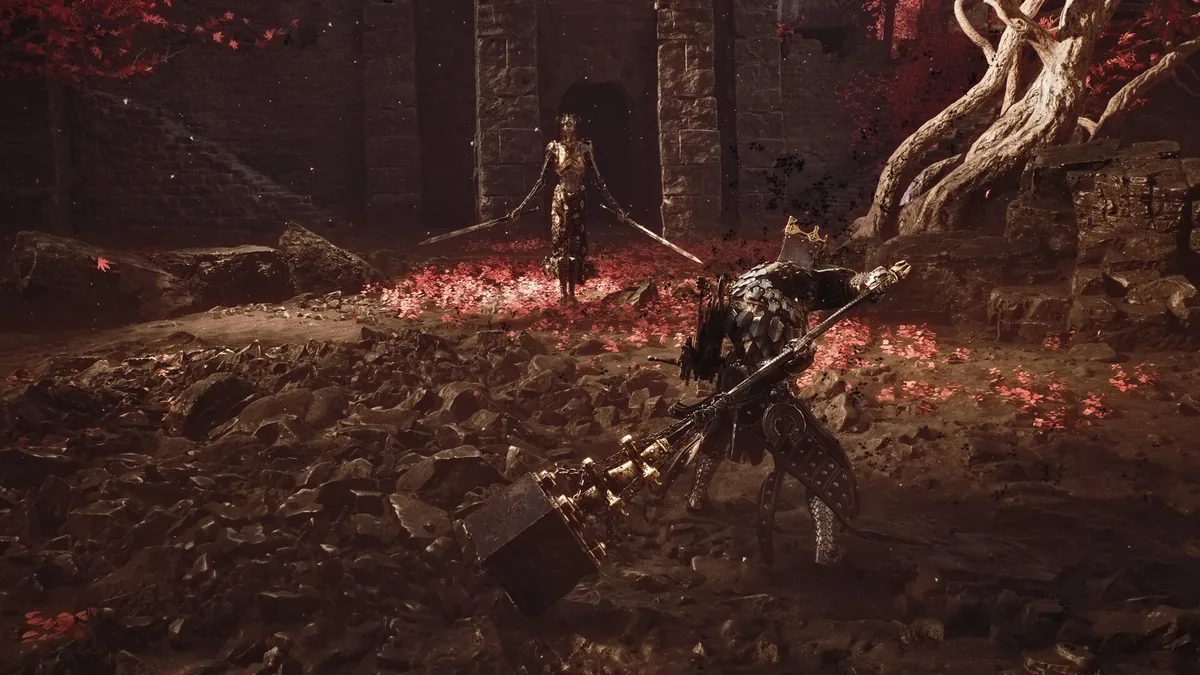 A courtyard encounter from the campaign's stronger early stretch, where enemy variety and staging are at their best.
Verdict: the Mortal Shell II review score
Mortal Shell II is for players who want a heavy combat system and are willing to accept some uneven pacing. If you bounced off the original because it felt too restrained, the sequel's faster combat is still worth a look, and the Shell and Seal systems give experimentation real value. The current hotfixes make the full-price recommendation less uncomfortable than the launch snapshot suggested. Kristala's review covers a similarly ambitious souls-like with its own rough edges.
It's not for players who want a clean, consistently paced 25-to-30-hour campaign without asterisks. The gap between Mortal Shell II's first act and its last is still wide enough that a sale makes sense if a rough back half would sour the memory of a strong front one, but waiting for the already released hotfix is no longer the recommendation.
Rating: 6.5/10
Frequently Asked Questions
Is Mortal Shell II worth buying at launch? Yes, with a more qualified launch recommendation than the current build deserves. The September hotfix and Adaptive Difficulty update address several problems, while the first 8 to 10 hours remain the strongest part. Wait for a sale if you need a consistently polished long campaign.
Is Mortal Shell II harder than the original Mortal Shell? It is differently hard. The original leaned on stillness and Harden timing. The sequel adds faster enemies, while the optional Adaptive Difficulty setting now gives players another way to tune the challenge.
How long does it take to beat Mortal Shell II? Community playtime reports for a single completion cluster between roughly 20 and 40 hours depending on exploration and how many Shells you seek out. A first run without extensive backtracking lands closer to the middle of that range.
Is Mortal Shell II buggy at launch? The launch build had real issues, but the current state is not the launch state. The September 14 hotfix lists fixes for crashes, bosses, NPCs, collision, stones, and other progression problems.
Does Mortal Shell II have controller support? Yes, full controller support is listed on the Steam store page, and it's the recommended input for the game's parry and Harden-based combat.
Is Mortal Shell II worth $49.99 at launch? The first 8 to 10 hours alone go a long way toward justifying the price. The current hotfixes and new systems make full price easier to defend, but the uneven later campaign still makes a sale sensible for cautious buyers.
Is Mortal Shell II getting a balance patch? Cold Symmetry shipped a day-one Balance Patch 1, then released a Week 1 update, an Adaptive Difficulty update, a September 14 hotfix, and a September 24 hotfix. Check the official announcements for the latest fix list rather than relying on the launch patch alone.
Related Reading
- Mortal Shell II Complete Guide: 8 Shells, Seals, and Gates: the central hub connecting combat systems, route, bosses, weapons, and completion.
- Mortal Shell II Parry Guide: a focused explanation of the current defensive tools.
- Mortal Shell II Weapons Tier List: compare weapon choices after learning how Shell and Seal choices change a build.
- Kristala Review: another souls-like review with ambitious systems and visible rough edges.
- Cursemark Review: a comparison point for a smaller action RPG that is more explicit about its unfinished state.
- Tainted Grail Best Gear Guide: a systems-first gear reference for another dark fantasy RPG.
- Tainted Grail Boss Guide: plan boss attempts around gear, resources, and current mechanics.
- Windrose Combat Guide: a different approach to stamina, defense, and enemy pressure.
- Subnautica 2 Review: a contrast between open-ended survival and a focused souls-like campaign.
References
- Mortal Shell II on Steam: official store page, price, and the live review score cited in this review
- mortalshell.com: official site
- Mortal Shell II Official Gameplay Reveal: Cold Symmetry's own gameplay showcase
- "Mortal Shell 2 is slowly dropping down to mixed reviews," r/MortalShell: the thread with Cold Symmetry community manager Mikkel's on-record reply, source for the patch acknowledgment quoted above
- "Mortal Shell 2 is like a thousand small cuts of annoyance and questionable design," r/MortalShell: source for the beacon and enemy respawn complaints referenced above
About the author

Critical game theorist with a background in film criticism. Writing for print and digital outlets since 2015. Specialises in genre analysis and design heritage.
- Background in film criticism
- 10 years games coverage
- Genre theory and design history specialist
Keep reading
Mortal Shell II Parry Guide: All 4 Combat Seals Explained
Guides · 13 min
Mortal Shell II Weapons Tier List: All 8 Ranked (2026)
Guides · 10 min
Mortal Shell II Walkthrough: All 6 Corrupted Gates (2026)
Guides · 13 min
Mortal Shell II Complete Guide: 8 Shells, Seals, and Gates
General · 16 min
Mortal Shell II Achievements Guide: All 53 Confirmed
General · 11 min
Mortal Shell II Boss Guide: 10 Major Fights + Tar Golem
General · 10 min
Game deals · affiliate links

Disclaimer
This article is published for informational and entertainment purposes. It does not constitute professional financial, legal, or technical advice. Game performance, online services, patch schedules, and store listings change. Verify critical details (pricing, system requirements, regional availability) with publishers and storefronts before you buy. Affiliate links, where present, help support our editorial work and are labelled in our affiliate disclosure.
Comments
Loading comments…